Building Blocks
This section contains fundamental products for the synthesis of organic and biological compounds. Building blocks are the essential starting materials used to construct complex molecules through various chemical reactions. They play a critical role in drug discovery, material science, and chemical research. At CymitQuimica, we offer a diverse range of high-quality building blocks to support your innovative research and industrial projects, ensuring you have the essential components for successful synthesis.
Subcategories of "Building Blocks"
- Boronic Acids & Boronic Acid Derivatives(5,778 products)
- Chiral Building Blocks(1,242 products)
- Hydrocarbon Building Blocks(6,098 products)
- Organic Building Blocks(61,034 products)
Found 199601 products of "Building Blocks"
Sort by
Purity (%)
0
100
|
0
|
50
|
90
|
95
|
100
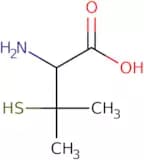
DL-Penicillamine
CAS:<p>DL-Penicillamine is a penicillamine that is used in the treatment of various diseases such as rheumatoid arthritis and primary sclerosing cholangitis. It has been shown to inhibit the production of inflammatory prostaglandins, which are responsible for pain and swelling. DL-Penicillamine has been used as a fluorescence probe for the detection of nonsteroidal anti-inflammatory drugs in water samples. DL-Penicillamine is also used to study coordination geometry and rate constants in solid tumours using fluorescence spectroscopy. This drug can be analyzed using chromatographic techniques or by X-ray diffraction data obtained with an electrochemical impedance spectroscopy system. The analytical method was published in 1981 by J.D. Hamer, et al., in "Analytical Chemistry".</p>Formula:C5H11NO2SPurity:Min. 95%Color and Shape:White PowderMolecular weight:149.21 g/molN-4-Boc-2-piperazine carboxylic acid
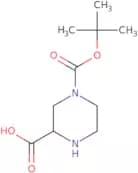
CAS:<p>N-4-Boc-2-piperazine carboxylic acid is an organic acid that functions in the metabolism of purine and bile acids. It is also involved in the metabolic pathway of the kidney, which is important for the elimination of waste products from the body. N-4-Boc-2-piperazine carboxylic acid has been shown to be useful as a marker for distinguishing between different types of kidney disease. It is a metabolite found in urine and can be used as an analytical tool for detecting renal function. This compound has also been shown to have long term effects on bile acid metabolism.</p>Formula:C10H18N2O4Purity:Min. 95%Color and Shape:White PowderMolecular weight:230.26 g/mol2,4,6-Trihydroxytoluene
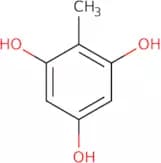
CAS:<p>2,4,6-Trihydroxytoluene is a phenolic compound with an intense yellow color. It is used for the preparation of dryopteris and as a fabric dye. 2,4,6-Trihydroxytoluene is also used in the production of pharmaceuticals and as a chemical intermediate. 2,4,6-Trihydroxytoluene has been shown to inhibit the growth of bacteria by binding to one or more hydroxyl groups on the bacterial cell wall. This binding prevents the formation of an antibiotic-inhibitor complex with the enzyme cell wall synthesis that is required for cell wall biosynthesis, inhibiting protein synthesis and cell division.</p>Formula:C7H8O3Purity:Min. 95%Color and Shape:Red PowderMolecular weight:140.14 g/mol3-Cyclohexyl-1,1-dimethylurea
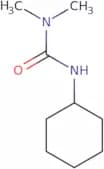
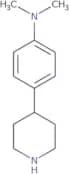
CAS:<p>3-Cyclohexyl-1,1-dimethylurea is a chemical compound that can be used in industrial processes. It is stable and controllable, but must be handled with care as it reacts with water. The compound does not react with cariprazine or any other drugs at room temperature. 3-Cyclohexyl-1,1-dimethylurea has been shown to be an effective reagent for the synthesis of amides from carboxylic acids.</p>Formula:C9H18N2OPurity:Min. 95%Color and Shape:PowderMolecular weight:170.25 g/molN,N-Dimethyl-4-(piperidin-4-yl)aniline
CAS:<p>Versatile small molecule scaffold</p>Formula:C13H20N2Purity:90%MinColor and Shape:PowderMolecular weight:204.31 g/molEthyl({[2-hydroxy-2-(thiophen-3-yl)propyl]sulfamoyl})methylamine
CAS:<p>Versatile small molecule scaffold</p>Formula:C10H18N2O3S2Purity:Min. 95%Color and Shape:Clear LiquidMolecular weight:278.4 g/mol4-Amino-3-chloro-N-[2-(diethylamino)ethyl]benzamide
CAS:4-Amino-3-chloro-N-[2-(diethylamino)ethyl]benzamide (4ACB) is a benzoquinone analog that has been shown to inhibit the proliferation of muscle cells. It has also been found to be reactive with reactive functional groups, such as the fatty acids found in the liver and bowel. 4ACB suppresses mitochondrial functions, which may contribute to its anti-inflammatory effects. This drug is also a pharmacological agent that inhibits bowel disease by reducing the secretion of inflammatory substances from cells in the bowel.Formula:C13H20ClN3OPurity:Min. 95%Color and Shape:PowderMolecular weight:269.77 g/mol2-[4-(Methylamino)oxan-4-yl]ethan-1-ol
CAS:<p>Versatile small molecule scaffold</p>Formula:C8H17NO2Purity:Min. 90%Color and Shape:Clear LiquidMolecular weight:159.23 g/mol1-(Bicyclo[2.2.2]octan-2-yl)ethanone
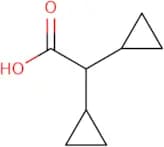
CAS:<p>Versatile small molecule scaffold</p>Formula:C10H16OPurity:Min. 95%Color and Shape:PowderMolecular weight:152.23 g/mol2,2-Dicyclopropylacetic acid
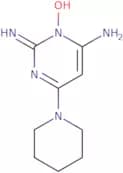
CAS:<p>Versatile small molecule scaffold</p>Formula:C8H12O2Purity:Min. 95%Color and Shape:PowderMolecular weight:140.18 g/molMinoxidil
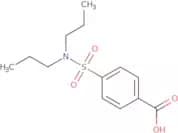
CAS:<p>Anti-androgen; anti-hypertensive; alopecia treatment</p>Formula:C9H15N5OPurity:Min. 95%Color and Shape:White Off-White PowderMolecular weight:209.25 g/molProbenecid
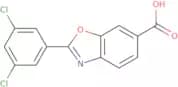
CAS:Controlled Product<p>Organic anion transporter inhibitor; pannexin 1 channel inhibitor</p>Formula:C13H19NO4SPurity:Min. 97.5 Area-%Color and Shape:White PowderMolecular weight:285.36 g/mol2-(3,5-Dichlorophenyl)-6-benzoxazole carboxylic acid
CAS:<p>2-(3,5-Dichlorophenyl)-6-benzoxazole carboxylic acid (XZP) is a diagnostic agent used in the diagnosis of certain diseases. XZP binds to the matrix metalloproteinases and inhibits their activity, which has been shown to reduce the effects of these enzymes on collagen fibers. This inhibition can be demonstrated using a titration calorimetry technique. The drug is also a potential therapeutic agent for congestive heart failure, as it can stimulate cardiac natriuretic peptide levels and reduce transthyretin levels. XZP has also been shown to be an effective adjunct therapy in vancomycin therapy for treatment of tubulointerstitial injury in rats.</p>Formula:C14H7Cl2NO3Purity:Min. 98 Area-%Color and Shape:PowderMolecular weight:308.12 g/mol4,5-Dichloro-3-hydroxypyridine
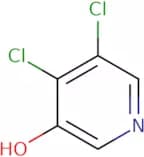
CAS:<p>4,5-Dichloro-3-hydroxypyridine is a reactive chemical that is a building block in organic synthesis. It is used as a reactant in the preparation of other compounds and as a reagent for various reactions, such as those involving amines, alcohols, and thiols. 4,5-Dichloro-3-hydroxypyridine has been found to be useful in the synthesis of heterocyclic compounds with an aromatic ring. It can also be used as an intermediate in the synthesis of pharmaceuticals. This chemical is classified by CAS number 1261269-63-9 and has an MW of 138.2 g/mol.</p>Formula:C5H3Cl2NOPurity:Min. 95%Color and Shape:White PowderMolecular weight:163.99 g/molPotassium nonafluoro-1-butanesulfonate
CAS:<p>Potassium nonafluoro-1-butanesulfonate (NBS) is a chemical compound that is used to remove trifluoroacetic acid from wastewater. It can also be used as an analytical reagent to measure cytosolic calcium concentrations in cells. In addition, NBS has been shown to have a high degree of chemical stability, but it may react with hydrogen fluoride and cause toxicity in humans. The pharmacokinetic properties of this drug are not well-known, but it has been shown to accumulate in the liver and fat tissues and pass into the maternal blood stream during pregnancy. NBS also inhibits the synthesis of p-hydroxybenzoic acid, which leads to hepatic steatosis in mice with diet-induced obesity. This drug also affects 3t3-l1 preadipocytes and human serum.</p>Formula:C4F9KO3SColor and Shape:PowderMolecular weight:338.19 g/mol2,4-Dimethylbenzaldehyde
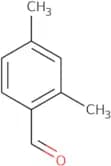
CAS:<p>2,4-Dimethylbenzaldehyde is used in the diagnosis of cancer. It reacts with acetaldehyde to form a compound that binds to hemoglobin and is excreted in the urine, leading to a diagnostic test for cancer. 2,4-Dimethylbenzaldehyde has been shown to be genotoxic in both in vitro and in vivo studies. This aromatic hydrocarbon has been shown to cause DNA strand breaks in the target cells through a reaction mechanism involving radical formation from acetaldehyde. In addition, 2,4-Dimethylbenzaldehyde has been shown to have genotoxic effects on mice exposed by inhalation or injection.</p>Formula:C9H10OPurity:Min. 90 Area-%Color and Shape:Colorless Clear LiquidMolecular weight:134.18 g/molPhenyl salicylate
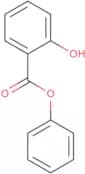
CAS:<p>Phenyl salicylate is a phenolic compound that is used as an antipyretic and analgesic. It has the ability to inhibit prostaglandin synthesis, which can lead to reduced inflammation in the body. Phenyl salicylate has been shown to bind to specific receptors on cells, which leads to inhibition of prostaglandin synthesis. This receptor binding may also be responsible for its anti-inflammatory properties. Phenyl salicylate is metabolized in the liver and excreted through the kidneys.</p>Formula:C13H10O3Purity:Min. 98%Color and Shape:White PowderMolecular weight:214.22 g/mol4-(Dimethylamino)benzaldehyde
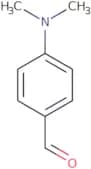
CAS:<p>4-(Dimethylamino)benzaldehyde (4DMAB) is an analytical reagent used to identify sulfa drugs. It has been shown to react with sulfonamides by the formation of a complex ion, which can be detected by analytical methods such as electrochemical impedance spectroscopy or ultraviolet spectroscopy. 4DMAB has also been studied for its anticarcinoid properties. The carcinoid syndrome is characterized by a tumor that releases serotonin and other substances into the bloodstream, causing severe diarrhea, flushing, and bronchial spasms. Studies have shown that 4DMAB inhibits the release of serotonin in this condition. As a result, it may be effective against carcinoid syndrome.</p>Formula:C9H11NOPurity:Min. 95%Color and Shape:White Slightly Yellow PowderMolecular weight:149.19 g/mol2,5-Dihydroxyacetophenone
CAS:<p>2,5-Dihydroxyacetophenone (2,5-DA) is a natural phenolic compound that is found in many plants. It has been shown to have anti-inflammatory properties through its ability to inhibit the production of pro-inflammatory cytokines, such as tumor necrosis factor alpha and interleukin 1 beta. 2,5-DA inhibits the formation of reactive oxygen species and nitric oxide in rat neutrophils. 2,5-DA also has the ability to reduce oxidative stress by scavenging free radicals and inhibiting lipid peroxidation. The underlying mechanism for these effects is not fully understood but may be due to its ability to act as a substrate for matrix-assisted laser desorption ionization (MALDI). This means that it can react with protocatechuic acid molecules that are present in the sample preparation chamber, leading to polymerase chain reaction (PCR) amplification. MALDI uses lasers to ablate or vaporize samples</p>Formula:C8H8O3Purity:Min. 95%Color and Shape:Yellow PowderMolecular weight:152.15 g/mol3,4,5-Trihydroxytoluene
CAS:<p>Substrate for peroxidase</p>Formula:C7H8O3Purity:Min. 95%Color and Shape:PowderMolecular weight:140.14 g/mol

![Ethyl({[2-hydroxy-2-(thiophen-3-yl)propyl]sulfamoyl})methylamine](/_next/image/?url=https%3A%2Fstatic.cymitquimica.com%2Fproducts%2F3D%2Fthumb-webp%2FVHC72218.webp&w=3840&q=75)
![4-Amino-3-chloro-N-[2-(diethylamino)ethyl]benzamide](/_next/image/?url=https%3A%2Fstatic.cymitquimica.com%2Fproducts%2F3D%2Fthumb-webp%2FAAA89160.webp&w=3840&q=75)
![2-[4-(Methylamino)oxan-4-yl]ethan-1-ol](/_next/image/?url=https%3A%2Fstatic.cymitquimica.com%2Fproducts%2F3D%2Fthumb-webp%2FHHC67998.webp&w=3840&q=75)
![1-(Bicyclo[2.2.2]octan-2-yl)ethanone](/_next/image/?url=https%3A%2Fstatic.cymitquimica.com%2Fproducts%2F3D%2Fthumb-webp%2FYAA73546.webp&w=3840&q=75)