Building Blocks
This section contains fundamental products for the synthesis of organic and biological compounds. Building blocks are the essential starting materials used to construct complex molecules through various chemical reactions. They play a critical role in drug discovery, material science, and chemical research. At CymitQuimica, we offer a diverse range of high-quality building blocks to support your innovative research and industrial projects, ensuring you have the essential components for successful synthesis.
Subcategories of "Building Blocks"
- Boronic Acids & Boronic Acid Derivatives(5,778 products)
- Chiral Building Blocks(1,242 products)
- Hydrocarbon Building Blocks(6,098 products)
- Organic Building Blocks(61,034 products)
Found 199601 products of "Building Blocks"
Sort by
Purity (%)
0
100
|
0
|
50
|
90
|
95
|
100
6-[(1E)-2-(3,4-Dihydroxyphenyl)ethenyl]-3,4-dihydroxy-2H-pyran-2-one
CAS:<p>Versatile small molecule scaffold</p>Formula:C13H10O6Purity:Min. 95%Color and Shape:PowderMolecular weight:262.2 g/mol1-(Phenylamino)cyclopropane-1-carboxylic acid
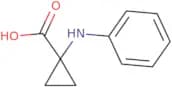
CAS:<p>1-(Phenylamino)cyclopropane-1-carboxylic acid is a high quality chemical that is a useful intermediate and building block in the synthesis of fine chemicals. It has been used as a reagent and complex compound. The CAS number for this chemical is 210576-54-8. This chemical can be used as a speciality chemical. It has also been shown to be versatile in the laboratory setting, being used as a reaction component for both synthetic and natural product syntheses.</p>Formula:C10H11NO2Purity:Min. 95%Color and Shape:PowderMolecular weight:177.2 g/mol5-Ethynyl-1H-indole
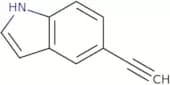
CAS:<p>5-Ethynyl-1H-indole is a synthetic compound that has been shown to inhibit the enzyme p450, which is involved in the metabolism of dopamine. Dopamine is a neurotransmitter and hormone that regulates many functions including movement, emotional response, motivation, and sexual desire. It also plays an important role in the development of Parkinson's disease. 5-Ethynyl-1H-indole has also been shown to bind to nicotinic acetylcholine receptors (nAChR) at α7 nicotinic acetylcholine receptors. 5-Ethynyl-1H-indole is being studied as a potential cancer drug due to its antitumour activity. The anti-cancer effect may be related to its ability to inhibit enzymatic reactions involving acetylcholine or its ability to block acetylcholine from binding with its receptor on muscle cells.</p>Formula:C10H7NPurity:Min. 95%Molecular weight:141.17 g/mol4-Chlorophenylurea
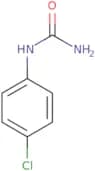
CAS:<p>4-Chlorophenylurea is an urea derivative that has been shown to inhibit the activity of a number of enzymes. It has been used as a chemical intermediate and in the synthesis of other compounds. 4-Chlorophenylurea is stable in dry environments and does not react with air. The enzyme hydrolysis can be inhibited by adding piperonyl butoxide, which prevents the cleavage of the urea ring. The enzyme's activity can also be suppressed by adding acidic compounds such as hydrochloric acid, which increases its activation energy. The chemical structure of 4-Chlorophenylurea contains a carbonyl group and two chloro groups that are responsible for its inhibitory effect on tumour cells. This compound can also be analysed using liquid chromatography methods, which provide structural data about the product being tested.</p>Formula:C7H7ClN2OPurity:Min. 95%Color and Shape:PowderMolecular weight:170.6 g/molTetrahydro-2H-thiopyran-4-amine hydrochloride
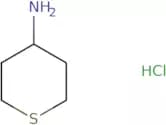
CAS:Tetrahydro-2H-thiopyran-4-amine hydrochloride is a versatile building block that can be used in the synthesis of many different compounds. This compound is also a reagent and speciality chemical, and can be used as a reaction component or scaffold for more complex molecules. Tetrahydro-2H-thiopyran-4-amine hydrochloride has been used in research to study the reactivity of oxygen atoms with organic molecules. It is also useful in the formation of fine chemicals and pharmaceuticals.Formula:C5H11NS•HClPurity:Min. 95%Molecular weight:153.67 g/mol3-formyl-5-(trifluoromethyl)benzoic acid
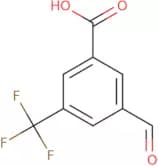
CAS:<p>3-formyl-5-(trifluoromethyl)benzoic acid is a reagent, complex compound with CAS No. 604001-03-8. It is a useful intermediate, fine chemical and speciality chemical that can be used as a reaction component in organic synthesis. 3-Formyl-5-(trifluoromethyl)benzoic acid also has versatile uses as a building block in the synthesis of other complex compounds, such as pharmaceuticals and pesticides.</p>Formula:C9H5F3O3Purity:Min. 95%Color and Shape:PowderMolecular weight:218.1 g/molEthyl 2-[(benzenesulfonyl)methyl]prop-2-enoate
CAS:<p>Ethyl 2-[(benzenesulfonyl)methyl]prop-2-enoate is a chemical compound that is commonly used as a building block in the synthesis of other compounds. It has shown to be effective in research, as it can be used as an intermediate or a reaction component. CAS No. 89295-32-9 is the Chemical Abstracts Service registry number for this chemical. This compound is also known by its synonym of ethyl propanoate benzenesulfonate, and it has been found to have useful properties such as being a versatile building block and being a fine chemical. This product is high quality and is a reagent that has been found to be useful in many chemical reactions.</p>Formula:C12H14O4SPurity:Min. 95%Color and Shape:Clear LiquidMolecular weight:254.3 g/mol5-Fluoro-dUMP sodium
CAS:<p>Please enquire for more information about 5-Fluoro-dUMP sodium including the price, delivery time and more detailed product information at the technical inquiry form on this page</p>Formula:C9H12FN2O8P•NaxPurity:Min. 95%2-Chloroquinoline
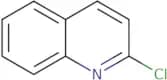
CAS:2-Chloroquinoline is a compound that has antimicrobial properties. It acts by inhibiting bacterial RNA synthesis and protein synthesis. 2-Chloroquinoline has been shown to have toxicological effects in animal studies, including cancer. It also inhibits the activity of the cb2 receptor and the CCR5 receptor, which are involved in tumor growth. The molecular docking analysis for this compound is available, which can be found on PubChem.Formula:C9H6ClNPurity:Min. 98%Color and Shape:PowderMolecular weight:163.6 g/molNitrosophenidylate
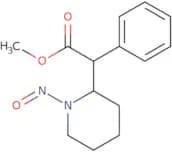
CAS:Versatile small molecule scaffoldFormula:C14H18N2O3Purity:95%MinColor and Shape:PowderMolecular weight:262.3 g/mol2-Chloro-3-pyridinecarboxyaldehyde
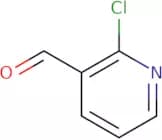
CAS:<p>2-Chloro-3-pyridinecarboxyaldehyde is a synthetic molecule that contains two chlorines and three pyridines. It is a potential drug for the treatment of cancer or tuberculosis. The synthesis of this compound starts from 2,4-dichlorobenzaldehyde and 3-amino-5-(chloromethyl)pyridine. The reaction with acetic acid yields 2-chloro-3-pyridinecarboxyaldehyde. This product has been shown to inhibit cancer cells in vitro, but it does not have any effect on healthy cells. In addition, this product can be used as an anticancer agent against cervical cancer cells in vitro.</p>Formula:C6H4ClNOPurity:Min. 98 Area-%Color and Shape:PowderMolecular weight:141.55 g/molFuran-2-sulfonamide
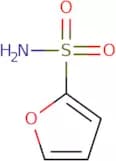
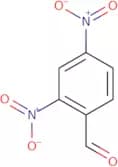
CAS:<p>Furan-2-sulfonamide is a quinoline derivative that prevents HIV from entering the host cell. It inhibits the activation of toll-like receptor (TLR) by blocking the binding of TLR ligands to their receptors. Furan-2-sulfonamide has been shown to be effective in reducing inflammation in inflammatory bowel disease, inflammatory diseases, and pancreatitis. Furan-2-sulfonamide may also have anti-cancer effects by inhibiting the growth of cancer cells and inducing apoptosis. Furan-2-sulfonamide can be used as a part of pharmaceutical preparations for treating symptoms such as pain, nausea, vomiting, or diarrhea. This drug also inhibits matrix metalloproteinases (MMP), which are enzymes that break down collagen in the body. The inhibition of MMP leads to decreased breakdown of skin or bladder tissue and increased healing time in patients with these conditions.</p>Formula:C4H5NO3SPurity:Min. 95%Color and Shape:PowderMolecular weight:147.15 g/mol2,4-Dinitrobenzaldehyde
CAS:2,4-Dinitrobenzaldehyde is a chemical compound that contains a hydroxyl group and an amine. It is reactive and can form cationic surfactants with other compounds. 2,4-Dinitrobenzaldehyde has been shown to react with dimethyl fumarate in the presence of ethyl esters to form ethyl 2,4-dinitrophenolate. This reaction is catalyzed by dinucleotide phosphate and requires salinity or a base such as sodium methoxide. 2,4-Dinitrobenzaldehyde reacts with 2-aminoethanol in the presence of water or alcohols to produce 2,4-diaminobenzoic acid. The reaction mechanism for this process is not known but it may involve hydrogen bonding between the hydroxyl group and amine groups. 2,4-Dinitrobenzaldehyde has been used as a reagent for staining DNA in gel electFormula:C7H4N2O5Purity:Min. 95%Color and Shape:PowderMolecular weight:196.12 g/mol1,4-Diisocyanatobutane
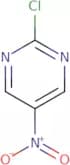
CAS:<p>Monomer for the preparation of biocompatible polyurethane polymers</p>Formula:C6H8N2O2Purity:Min. 98 Area-%Color and Shape:Colorless Clear LiquidMolecular weight:140.14 g/mol2-Chloro-5-nitropyrimidine
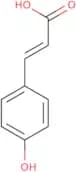
CAS:<p>2-Chloro-5-nitropyrimidine is a molecule that can be used as a model system for studying hydrogen bonds. It has been shown to react with methoxy groups and amines. The reaction mechanism is thought to involve nucleophilic attack by the hydroxyl group of the pyrimidine, which leads to a stepwise reaction. 2-Chloro-5-nitropyrimidine has also been shown to inhibit 5HT2c receptors in vitro, suggesting it may be useful for the treatment of schizophrenia.</p>Formula:C4H2ClN3O2Purity:Min. 95%Color and Shape:Yellow PowderMolecular weight:159.53 g/moltrans-4-Coumaric acid
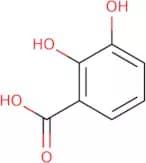
CAS:<p>Trans-4-coumaric acid or p-coumaric acid, is a derivative of the cinnamic acid. It is the initial substrate to produce several intermediates such as ferulic acid, caffeic acid, rosmarinic acid, gallic acid, and carnosic acid. Trans-4-coumaric acid, as well as its derivatives, have antioxidant properties; they are common ingredients in cosmetics and as dietary supplement.</p>Formula:C9H8O3Purity:Min. 98 Area-%Color and Shape:PowderMolecular weight:164.16 g/mol2,3-Dihydroxybenzoic acid
CAS:2,3-Dihydroxybenzoic acid is an antioxidant found in many plants. It has a protective effect against oxidative injury. 2,3-Dihydroxybenzoic acid has been used as a model for the study of infectious diseases and its effects on biological studies. This compound has been shown to prevent the growth of Aerobacter aerogenes and Dinucleotide phosphate. 2,3-Dihydroxybenzoic acid is also used as an ingredient in sephadex g-100 and it acts as an antimicrobial agent that prevents microbial growth in wastewater treatment systems.Formula:C7H6O4Purity:Min. 95%Color and Shape:PowderMolecular weight:154.12 g/mol1-Phenyl-1,3-diazinane-2,4-dione
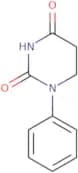
CAS:<p>1-Phenyl-1,3-diazinane-2,4-dione is a synthetic molecule that has been found to be active against influenza virus. It inhibits the replication of influenza A and B viruses by inhibiting the enzyme dihydropyrimidinase. This compound also has an effect on parasitic worms and animal health. 1-Phenyl-1,3-diazinane-2,4-dione is used in research for the development of new drugs. The chemical properties of this drug are similar to β-amino acids that are known to inhibit the synthesis of proteins such as rna polymerase and transporter proteins.</p>Formula:C10H10N2O2Purity:Min. 95%Color and Shape:PowderMolecular weight:190.2 g/molcis-4,7,10,13,16,19-Docosahexaenoic acid
CAS:<p>cis-4,7,10,13,16,19-Docosahexaenoic acid (also known as DHA or cervonic acid) is one of the omega-3 fatty acids (a group of highly unsaturated fatty acids). As for most omega-3 fatty acids, good sources of DHA include fish oils and other seafoods. DHA plays a key role in human brain development and function and is also found in high concentration in the retina, central nervous system and skin. As such DHA is a key nutrient which is widely used as a dietary supplement, particularly for infants and pregnant women, with its potential health benefits currently being investigated across a number of different disease areas.</p>Formula:C22H32O2Purity:Min. 80 Area-%Color and Shape:Yellow Clear LiquidMolecular weight:328.49 g/mol3,4-Dihydroxybenzoic acid ethyl ester
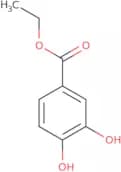
CAS:<p>3,4-Dihydroxybenzoic acid ethyl ester (3,4-DHBA) is a phenolic compound that is used in the treatment of hepatic steatosis. 3,4-DHBA has been shown to be effective in inhibiting autophagy and may also be useful in the treatment of her2+ breast cancer. This drug has antioxidative properties and may also have a protective effect against myocardial infarct. 3,4-DHBA binds to iron ions and prevents their oxidation, thereby preventing oxidative stress. It has been shown to have low potency due to its short half-life in vivo. 3,4-DHBA can inhibit the mitochondrial membrane potential and lead to apoptosis of primary cells and tissue culture cells.</p>Formula:C9H10O4Purity:Min. 95%Color and Shape:White PowderMolecular weight:182.17 g/mol
![6-[(1E)-2-(3,4-Dihydroxyphenyl)ethenyl]-3,4-dihydroxy-2H-pyran-2-one](/_next/image/?url=https%3A%2Fstatic.cymitquimica.com%2Fproducts%2F3D%2Fthumb-webp%2FZWC96466.webp&w=3840&q=75)

![Ethyl 2-[(benzenesulfonyl)methyl]prop-2-enoate](/_next/image/?url=https%3A%2Fstatic.cymitquimica.com%2Fproducts%2F3D%2Fthumb-webp%2FPDA29532.webp&w=3840&q=75)