Building Blocks
This section contains fundamental products for the synthesis of organic and biological compounds. Building blocks are the essential starting materials used to construct complex molecules through various chemical reactions. They play a critical role in drug discovery, material science, and chemical research. At CymitQuimica, we offer a diverse range of high-quality building blocks to support your innovative research and industrial projects, ensuring you have the essential components for successful synthesis.
Subcategories of "Building Blocks"
- Boronic Acids & Boronic Acid Derivatives(5,756 products)
- Chiral Building Blocks(1,242 products)
- Hydrocarbon Building Blocks(6,095 products)
- Organic Building Blocks(61,051 products)
Found 199813 products of "Building Blocks"
Sort by
Purity (%)
0
100
|
0
|
50
|
90
|
95
|
100
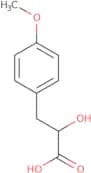
2-Hydroxy-3-(4-methoxyphenyl)propanoic acid
CAS:<p>2-Hydroxy-3-(4-methoxyphenyl)propanoic acid is a monocarboxylic acid that has been used in the synthesis of other compounds. It is an organic compound that is a colorless liquid with a fruity odor. 2-Hydroxy-3-(4-methoxyphenyl)propanoic acid is soluble in water, ethanol and ether. It is a weak acid with pKa values of 3.7 and 4.6. The chemical formula for this compound is C8H10O3P.</p>Formula:C10H12O4Purity:Min. 95%Molecular weight:196.2 g/molCyproheptadine Related Compound A
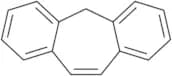
CAS:<p>Cyproheptadine Related Compound A is a molecule that binds to the histamine H2 receptor and can be used for the treatment of inflammatory bowel disease, chronic bronchitis, and diabetic neuropathy. It is metabolized by hydrolysis of the ester group by hydroxylases or oxidases in the liver. Cyproheptadine Related Compound A has been shown to have anti-inflammatory effects due to its ability to inhibit prostaglandin synthesis.</p>Formula:C15H12Purity:Min. 95%Molecular weight:192.26 g/mol2-{1-[(tert-Butoxy)carbonyl]piperidin-4-yl}-2-methylpropanoic acid
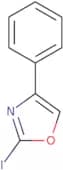
CAS:<p>2-{1-[(tert-Butoxy)carbonyl]piperidin-4-yl}-2-methylpropanoic acid is a reagent that can be used as a building block for the synthesis of complex compounds. This compound is also useful for the preparation of fine chemicals, research chemicals, and speciality chemicals. 2-{1-[(tert-Butoxy)carbonyl]piperidin-4-yl}-2-methylpropanoic acid is a versatile intermediate that has been employed in many reactions. It is also an excellent reaction component for use in organic chemistry.</p>Formula:C14H25NO4Purity:Min. 95%Color and Shape:PowderMolecular weight:271.4 g/mol2-Iodo-4-phenyl-1,3-oxazole
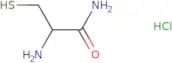
CAS:<p>Versatile small molecule scaffold</p>Formula:C9H6INOPurity:Min. 95%Color and Shape:PowderMolecular weight:271.05 g/mol2-Amino-3-sulfanylpropanamide hydrochloride
CAS:<p>2-Amino-3-sulfanylpropanamide hydrochloride is an organic chemical compound that can be used as a reaction component, reagent, or useful scaffold. It has the CAS number 867-85-6 and is classified as a speciality chemical. This product is versatile and can be used as a building block for complex compounds or fine chemicals.</p>Formula:C3H9ClN2OSPurity:Min. 95%Color and Shape:PowderMolecular weight:156.64 g/molIndole-4-carboxylic acid methyl ester
CAS:<p>Indole-4-carboxylic acid methyl ester is a fine chemical that is used as a building block in the synthesis of complex compounds. It can be used as a reagent, speciality chemical, or intermediate, and it has versatile applications in the synthesis of pharmaceuticals and dyes. Indole-4-carboxylic acid methyl ester has been shown to react with alcohols to form ketones, which are useful scaffolds for organic chemistry. It can also be used as a reaction component for the synthesis of other compounds.</p>Formula:C10H9NO2Molecular weight:175.19 g/molRef: 3D-I-2510
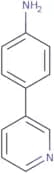
1kgTo inquire50gTo inquire100gTo inquire250gTo inquire500gTo inquire-Unit-ggTo inquire4-(3-Pyridyl)aniline
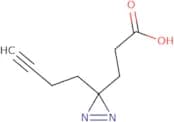
CAS:4-(3-Pyridyl)aniline is a chemical compound that belongs to the group of inhibitors. It is structurally related to the pyridine and aniline rings. 4-(3-Pyridyl)aniline has been shown to inhibit protein kinases, such as casein kinase II and glycogen synthase kinase 3β, in the presence of ATP. The crystallography studies have shown that 4-(3-pyridyl)aniline binds tightly to the ATP binding site of these enzymes by occupying the same position as ATP and forming hydrogen bonds with residues at this site. Structural analysis has also demonstrated that 4-(3-pyridyl)aniline binds to other sites on these enzymes, including the ATP phosphate binding site, which may account for its inhibitory activity against both type 1 and type 2 protein kinases.Formula:C11H10N2Purity:Min. 95%Molecular weight:170.22 g/mol3-(3-(But-3-yn-1-yl)-3H-diazirin-3-yl)propanoic acid
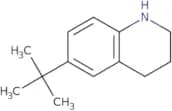
CAS:<p>3-(3-(But-3-yn-1-yl)-3H-diazirin-3-yl)propanoic acid (BDPA) is a reagent that is used as a starting material or intermediate for the synthesis of pharmaceuticals and other chemical compounds. This compound has been shown to be an excellent scaffold for the synthesis of complex structures, such as peptides and natural products. BDPA is also a versatile building block for organic syntheses, which can be used in reactions with other chemicals to form new compounds. Research chemicals such as BDPA are not approved by the FDA, so they should only be handled and used by professionals.</p>Formula:C8H10N2O2Purity:Min. 95%Color and Shape:PowderMolecular weight:166.18 g/mol6-tert-Butyl-1,2,3,4-tetrahydroquinoline
CAS:<p>Versatile small molecule scaffold</p>Formula:C13H19NPurity:Min. 95%Color and Shape:Clear LiquidMolecular weight:189.3 g/mol2,5-Dichloro-3-hydroxy-6-methoxybenzoic acid
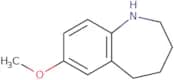
CAS:<p>2,5-Dichloro-3-hydroxy-6-methoxybenzoic acid is an organic compound that can be used as a reagent for the detection of inorganic substances. This compound is sensitive to aliquots and can be used in immunochromatographic methods. 2,5-Dichloro-3-hydroxy-6-methoxybenzoic acid is also a pesticide analyte and has been validated for use in analytical methods. It can be used as a sensor for dichlorprop. Recoveries are typically greater than 90%.</p>Formula:C8H6Cl2O4Purity:Min. 95%Color and Shape:PowderMolecular weight:237.03 g/mol7-Methoxy-2,3,4,5-tetrahydro-1H-1-benzazepine
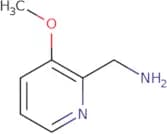
CAS:<p>7-Methoxy-2,3,4,5-tetrahydro-1H-1-benzazepine is a fine chemical with CAS No. 46180-98-7. It is a versatile building block and useful intermediate for the synthesis of complex compounds with various functions. 7-Methoxy-2,3,4,5-tetrahydro-1H-1-benzazepine is also a reagent that can be used in research chemicals and speciality chemicals. This compound has been shown to have high quality and is an excellent reaction component for reactions producing new synthetic intermediates.</p>Formula:C11H15NOPurity:Min. 95%Molecular weight:177.24 g/mol(3-Methoxypyridin-2-yl)methanamine
CAS:<p>Versatile small molecule scaffold</p>Formula:C7H10N2OPurity:Min. 95%Color and Shape:Clear LiquidMolecular weight:138.17 g/mol1-[(2S)-2-(Hydroxymethyl)pyrrolidin-1-yl]ethan-1-one
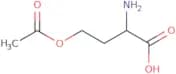
CAS:<p>1-[(2S)-2-(Hydroxymethyl)pyrrolidin-1-yl]ethan-1-one is a molecule with biological properties. It is a non-competitive inhibitor of exonucleases and circularizes DNA, stabilizing it. The molecule has been sequenced and shown to be polymorphic in different individuals, which may affect its biological properties. 1-[(2S)-2-(Hydroxymethyl)pyrrolidin-1-yl]ethan-1-one is an acid molecule that can be used as a translation inhibitor on RNA polymerase II.</p>Formula:C7H13NO2Purity:Min. 95%Molecular weight:143.18 g/mol(2S)-4-(Acetyloxy)-2-aminobutanoic acid
CAS:<p>(2S)-4-(Acetyloxy)-2-aminobutanoic acid is a sulfhydrylase inhibitor that has been shown to have in vitro antifungal activity against group P2 bacteria. This compound binds to sulfhydrylases, which are enzymes that catalyze the conversion of sulfides to thiols, and prevents the formation of disulfide bonds. (2S)-4-(Acetyloxy)-2-aminobutanoic acid has also been shown to inhibit bacterial growth by binding to the surface of cells and inhibiting enzymatic reactions on the cell surface. The enzyme activities of this compound are not inhibited by water vapor or sephadex g-100. Structural analysis revealed that (2S)-4-(acetyloxy)-2-aminobutanoic acid contains a disulfide bond.</p>Formula:C6H11NO4Purity:Min. 95%Color and Shape:PowderMolecular weight:161.16 g/mol1-[4-(2-Methoxyethyl)phenoxy]propan-2-one
CAS:<p>1-[4-(2-Methoxyethyl)phenoxy]propan-2-one is a useful scaffold for organic synthesis. It is a versatile building block that can be used as an intermediate in the synthesis of complex compounds with pharmaceutical, agrochemical and other applications.1-[4-(2-Methoxyethyl)phenoxy]propan-2-one is also a reagent in chemical reactions, and has been used to synthesize other compounds such as 1-[4-(2-Methoxyethyl)phenoxy]propan-2-ol (CAS No. 1155083-54-7). This compound has been shown to have good reactivity and high quality, making it an excellent research chemical.</p>Formula:C12H16O3Purity:Min. 95%Molecular weight:208.25 g/mol2-Methyl-1-benzofuran-3-carboxylic acid
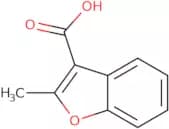
CAS:<p>2-Methyl-1-benzofuran-3-carboxylic acid is a type of carboxylic acid that is cytotoxic to cancer cells. It is a major metabolite of the anticancer drug 2,4,5-trimethoxybenzaldehyde and has been shown to be effective against human breast cancer cells. The ester hydrochloride salt form of this compound has been shown to be an effective inhibitor of esterase activity in vitro. This inhibition leads to increased accumulation of 2-methyl-1-benzofuran-3-carboxylic acid in tumor tissue, which may be due to its ability to inhibit the synthesis of proteins required for the transport and metabolism of other drugs. The x-ray structure analysis revealed that this compound binds to the active site of beta lactamases in an orientation that overlaps with substrate binding sites. This binding prevents the formation of a covalent bond between penicillin G</p>Formula:C10H8O3Purity:Min. 95%Color and Shape:PowderMolecular weight:176.17 g/mol3,4,5-Trihydroxybenzamide
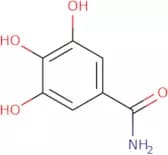
CAS:<p>3,4,5-Trihydroxybenzamide (THB) is an active agent that inhibits the synthesis of prostaglandin J2. It has been shown to inhibit the uptake of fatty acids in rat liver cells by blocking fatty acid binding proteins. THB has also been shown to inhibit the chemical structures of nitro and epidermal growth factor. 3,4,5-Trihydroxybenzamide can be used as a cancer treatment by inhibiting the growth and spread of cancer cells. This drug is also believed to have a protective effect on the skin by reducing inflammation and increasing cell proliferation.<br>THB is currently being researched for its ability to suppress histone proteins and growth factors such as HGF or EGF in human HL60 cells.</p>Formula:C7H7NO4Purity:Min. 98 Area-%Color and Shape:Off-White PowderMolecular weight:169.13 g/mol3,4,5-Trimethoxycinnamic acid
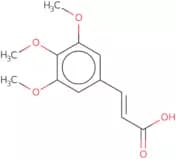
CAS:<p>3,4,5-Trimethoxycinnamic acid (TMC) is a hydroxycinnamic acid that is an intermediate in the synthesis of protocatechuic acid. TMC has been found to have an inhibitory effect on the matrix metalloproteinase activity in the cerebellar granule cells and may be useful for treating allergic reactions. It also has anti-inflammatory properties and can be used as a replacement for sodium carbonate in certain industrial processes. TMC also has been shown to have GABA-ergic effects, increasing locomotor activity and reducing anxiety. TMC can also be used as a Chinese herb for the treatment of ganoderma lucidum.</p>Formula:C12H14O5Purity:Min. 98 Area-%Color and Shape:PowderMolecular weight:238.24 g/mol2,4,6-Trihydroxybenzoic acid methyl ester
CAS:<p>2,4,6-Trihydroxybenzoic acid methyl ester is a synthetic compound that has been used in animal studies to investigate the inflammatory effects of substances. It has been shown to have anti-inflammatory properties in vitro and in vivo. Furthermore, 2,4,6-Trihydroxybenzoic acid methyl ester has been shown to inhibit the production of tumour necrosis factor-α (TNF-α) and other cytokines. This drug also has anti-fungal activity against Candida albicans and Aspergillus fumigatus. 2,4,6-Trihydroxybenzoic acid methyl ester is biodegradable.</p>Formula:C8H8O5Purity:Min. 95%Color and Shape:PowderMolecular weight:184.15 g/mol2,4,5-Trimethylbenzaldehyde
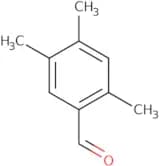
CAS:<p>2,4,5-Trimethylbenzaldehyde is a cell line that can be used to study the oxidation of α-pinene. It is a chemical compound that belongs to the group of aromatic compounds and has been shown to have high cytotoxicity. It has been found to oxidize other molecules in the body with an electron acceptor such as oxygen or another molecule. 2,4,5-Trimethylbenzaldehyde has also been shown to have biological properties. This product is being researched for its ability to inhibit fatty acid synthesis and reduce cholesterol production in the liver.</p>Formula:C10H12OPurity:Min. 95%Molecular weight:148.2 g/mol

![2-{1-[(tert-Butoxy)carbonyl]piperidin-4-yl}-2-methylpropanoic acid](/_next/image/?url=https%3A%2Fstatic.cymitquimica.com%2Fproducts%2F3D%2Fthumb-webp%2FQJB15685.webp&w=3840&q=75)


![1-[(2S)-2-(Hydroxymethyl)pyrrolidin-1-yl]ethan-1-one](/_next/image/?url=https%3A%2Fstatic.cymitquimica.com%2Fproducts%2F3D%2Fthumb-webp%2FRCA15868.webp&w=3840&q=75)
![1-[4-(2-Methoxyethyl)phenoxy]propan-2-one](/_next/image/?url=https%3A%2Fstatic.cymitquimica.com%2Fproducts%2F3D%2Fthumb-webp%2FFWB08353.webp&w=3840&q=75)