Building Blocks
This section contains fundamental products for the synthesis of organic and biological compounds. Building blocks are the essential starting materials used to construct complex molecules through various chemical reactions. They play a critical role in drug discovery, material science, and chemical research. At CymitQuimica, we offer a diverse range of high-quality building blocks to support your innovative research and industrial projects, ensuring you have the essential components for successful synthesis.
Subcategories of "Building Blocks"
- Boronic Acids & Boronic Acid Derivatives(5,778 products)
- Chiral Building Blocks(1,242 products)
- Hydrocarbon Building Blocks(6,098 products)
- Organic Building Blocks(61,034 products)
Found 199601 products of "Building Blocks"
Sort by
Purity (%)
0
100
|
0
|
50
|
90
|
95
|
100
4-[(1E)-2-(3-Hydroxyphenyl)ethenyl]phenol
CAS:<p>4-[(1E)-2-(3-Hydroxyphenyl)ethenyl]phenol is a metabolite of estrone sulfate. It is a potent estrogen that can be used in the treatment of prostate cancer, to inhibit the growth of cancer cells. 4-[(1E)-2-(3-Hydroxyphenyl)ethenyl]phenol has been shown to have antiestrogenic activity in breast cancer cell lines and to inhibit the formation of estrogen analogs in vitro. 4-[(1E)-2-(3-Hydroxyphenyl)ethenyl]phenol has been used as an estrogen receptor ligand in transfection experiments with human breast cancer cells, resulting in inhibition of target gene expression. The molecule also inhibits DNA polymerase activity and is believed to form carcinogenic nitrosamines and diazonium ions when subjected to nitrite and hydrogen peroxide. This molecule also exhibits weak antioxidant activity, which may be</p>Formula:C14H12O2Purity:Min. 95%Color and Shape:PowderMolecular weight:212.24 g/mol2,4-Dinitrobenzaldehyde
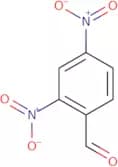
CAS:2,4-Dinitrobenzaldehyde is a chemical compound that contains a hydroxyl group and an amine. It is reactive and can form cationic surfactants with other compounds. 2,4-Dinitrobenzaldehyde has been shown to react with dimethyl fumarate in the presence of ethyl esters to form ethyl 2,4-dinitrophenolate. This reaction is catalyzed by dinucleotide phosphate and requires salinity or a base such as sodium methoxide. 2,4-Dinitrobenzaldehyde reacts with 2-aminoethanol in the presence of water or alcohols to produce 2,4-diaminobenzoic acid. The reaction mechanism for this process is not known but it may involve hydrogen bonding between the hydroxyl group and amine groups. 2,4-Dinitrobenzaldehyde has been used as a reagent for staining DNA in gel electFormula:C7H4N2O5Purity:Min. 95%Color and Shape:PowderMolecular weight:196.12 g/mol4-Chloro-3,5-dinitrobenzonitrile
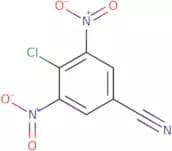
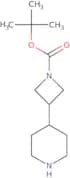
CAS:<p>4-Chloro-3,5-dinitrobenzonitrile is a mesomeric compound that has four amines and one nitro group. It is a dipole with chloride as the negative end and amine as the positive end. The reaction mechanism of this chemical is nucleophilic substitution. 4-Chloro-3,5-dinitrobenzonitrile reacts with an organic solvent to form a buffer. A buffer is an ionized solution that resists changes in pH when acid or base are added to it. This chemical also reacts with thionyl chloride to form hydrochloric acid, which can be used to leishmania parasites. 4-Chloro-3,5-dinitrobenzonitrile also reacts with an anion such as ClO4− or NO2− to form a salt such as chlorate or nitrate respectively.</p>Formula:C7H2ClN3O4Purity:Min. 95%Color and Shape:PowderMolecular weight:227.56 g/moltert-Butyl 3-(piperidin-4-yl)azetidine-1-carboxylate
CAS:<p>tert-Butyl 3-(piperidin-4-yl)azetidine-1-carboxylate is a fine chemical that is used as a reagent, research chemical, or speciality chemical. It has been shown to be a versatile building block and useful scaffold for the synthesis of complex compounds. This compound has been shown to undergo a number of reactions, including cyclization and Michael addition.</p>Formula:C13H24N2O2Purity:Min. 95%Molecular weight:240.34 g/mol3-Amino-1,1,1-trifluorobutan-2-one hydrochloride
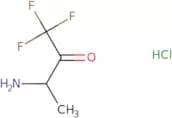
CAS:<p>3-Amino-1,1,1-trifluorobutan-2-one hydrochloride is a fine chemical that is used as a versatile building block in organic synthesis. This compound has been shown to be an effective intermediate for the synthesis of complex compounds. 3-Amino-1,1,1-trifluorobutan-2-one hydrochloride is also useful as a reactant for research and speciality chemicals with high quality and purity.</p>Formula:C4H7ClF3NOPurity:Min. 95%Molecular weight:177.55 g/mol3-Carboxybenzaldehyde
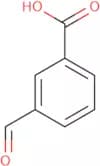
CAS:<p>3-Carboxybenzaldehyde is a hydroxy aromatic compound with a molecular formula of C8H6O2. It is a synthetic chemical that can be used as an intermediate in the synthesis of other compounds, such as polycarboxylic acids. 3-Carboxybenzaldehyde has been shown to be an effective substrate for binding to polycarboxylic acid enzymes and activating them. This reaction generates the corresponding carboxylate product and releases CO2. 3-Carboxybenzaldehyde has also been used as a reactant in asymmetric synthesis reactions and shown to have some structural similarities with benzene ring structures.</p>Formula:C8H6O3Purity:Min. 95%Color and Shape:PowderMolecular weight:150.13 g/mol2-Chloro-3,5-dihydroxybenzoic acid
CAS:<p>2-Chloro-3,5-dihydroxybenzoic acid (2C3HB) is a fine chemical that is used as a versatile building block in the synthesis of complex compounds. It is also used as a reagent for the production of pharmaceuticals and other chemicals. 2C3HB has been shown to be an important reaction component for the synthesis of drugs such as methotrexate and 6-fluoro-3-indoxyl-beta-D-galactopyranoside. This compound has a high quality and can be used as a building block in chemical reactions with other compounds.</p>Formula:C7H5ClO4Purity:Min. 90%Color and Shape:PowderMolecular weight:188.56 g/mol4-Cyanobenzophenone
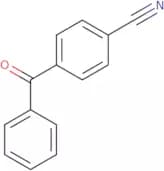
CAS:<p>4-Cyanobenzophenone is a chemical compound that contains a benzene ring with a single carbon atom replaced by a cyano group. It is soluble in organic solvents such as acetonitrile and ether. 4-Cyanobenzophenone is reduced to the corresponding anion radical by reaction with deuterated water or hydrogen gas and is then protonated to give the corresponding protonated form. This process can be used for the determination of the concentration of carboxylic acid groups in carboxylic acid esters, which are additives in gasoline. The nature of this ion has been determined using cyclopentenone as an additive.</p>Formula:C14H9NOPurity:Min. 95%Color and Shape:SolidMolecular weight:207.23 g/mol6-Chloro-1H-pyrazolo[3,4-b]pyridine
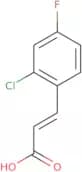
CAS:<p>6-Chloro-1H-pyrazolo[3,4-b]pyridine (6CPD) is a synthetic compound that acts as a cation channel blocker. 6CPD has been shown to inhibit fatty acid oxidation and cardiac uptake of fatty acids in the heart by blocking the uptake of fatty acids into the mitochondria. 6CPD also inhibits the proton uptake in the mitochondria and reduces oxygen consumption. The compound can be transplacental, which means it crosses the placenta from mother to fetus, which may cause fetal death. 6CPD is an endogenous compound that is involved in death by reducing cell proliferation and inhibiting DNA synthesis.</p>Formula:C6H4ClN3Purity:Min. 95%Molecular weight:153.57 g/mol2-Chloro-4-fluorocinnamic acid
CAS:<p>2-Chloro-4-fluorocinnamic acid is an organic compound that is a useful building block, reagent, and speciality chemical. It is a versatile intermediate for the production of other organic compounds. 2-Chloro-4-fluorocinnamic acid can be used as a reaction component or a scaffold in the synthesis of complex compounds. The synthesis of this product is also possible by coupling it with an appropriate amine, such as 4-(diethylamino)benzaldehyde.</p>Formula:C9H6ClFO2Purity:Min. 95%Color and Shape:PowderMolecular weight:200.59 g/mol4-Methylfuran-2-carboxylic acid
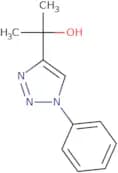
CAS:<p>4-Methylfuran-2-carboxylic acid is a versatile building block that is used in the synthesis of complex compounds. It can be used as a research chemical, reagent, or speciality chemical. 4-Methylfuran-2-carboxylic acid can also be used as a useful intermediate for synthesizing products with high quality and as a reaction component for synthesizing scaffolds.</p>Formula:C6H6O3Purity:Min. 95%Molecular weight:126.11 g/mol2-(1-Phenyl-1H-1,2,3-triazol-4-yl)propan-2-ol
CAS:<p>2-(1-Phenyl-1H-1,2,3-triazol-4-yl)propan-2-ol is a fine chemical that is used as a research chemical and can also be used as a reaction component for the synthesis of other compounds. 2-(1-Phenyl-1H-1,2,3-triazol-4-yl)propan-2-ol has been shown to be an effective building block for the preparation of complex compounds. It has been found to have high quality and is a versatile building block with many uses in research and development.</p>Formula:C11H13N3OPurity:Min. 95%Color and Shape:PowderMolecular weight:203.24 g/mol[(1H-Indol-6-yl)methyl](methyl)amine
CAS:<p>Versatile small molecule scaffold</p>Formula:C10H12N2Purity:Min. 95%Molecular weight:160.22 g/mol(4-Chloro-2-fluorophenyl)acetic acid ethyl ester
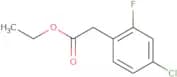
CAS:<p>4-Chloro-2-fluorophenyl)acetic acid ethyl ester is a fine chemical that can be used as a scaffold for building more complex molecules, or it can be used as a versatile building block in the synthesis of research chemicals. It is also an intermediate in many reactions and can be used as a speciality chemical. 4-Chloro-2-fluorophenyl)acetic acid ethyl ester has been shown to have high quality and it is useful for research on complex compounds. It can also be used as a reagent in organic synthesis.</p>Formula:C10H10ClFO2Purity:Min. 95%Color and Shape:SolidMolecular weight:216.64 g/molPyridine-2-sulfonamide
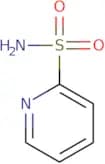
CAS:<p>Pyridine-2-sulfonamide is a synthetic drug that has been shown to inhibit the growth of cancer cells. It binds to the endothelin-A receptor, which is found in many tissues including the heart, brain, and skin. This binding inhibits the binding of epidermal growth factor to its receptor. Pyridine-2-sulfonamide also inhibits pancreatitis by inhibiting the production of hydrogen ions from hydrochloric acid and reducing inflammation. This drug has been shown to be effective against HIV infection.</p>Formula:C5H6N2O2SPurity:Min. 95%Color and Shape:PowderMolecular weight:158.18 g/mol5-Phenyl-3H-furan-2-one
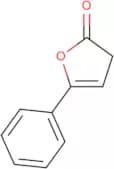
CAS:<p>5-Phenyl-3H-furan-2-one is an antiviral agent that belongs to the group of aldehydes. It is used as an active ingredient in influenza vaccines. The virus is inactivated by 5-phenyl-3H-furan-2-one and produces a recemic product that can be detected with a branched chain profile after chemical hydrolysis.</p>Formula:C10H8O2Purity:Min. 95%Color and Shape:PowderMolecular weight:160.17 g/mol4-Acetamidothiophenol
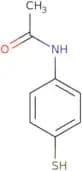
CAS:<p>4-Acetamidothiophenol (4AAT) is an organic compound that has been used in the treatment of inflammatory bowel disease. It has a chemical structure that resembles 5-hydroxytryptamine (5-HT), which is a neurotransmitter and hormone involved in regulating mood and appetite. 4AAT is also used as a reagent in the treatment of wastewater, where it reacts with sulfide to form thiosulfate. In acidic environments, 4AAT undergoes chemical ligation reactions to form covalent bonds with other molecules. Surface-enhanced Raman spectroscopy was used to study the adsorption mechanism of 4AAT on polystyrene particles. This technique revealed that 4AAT binds to the surface of polystyrene particles through hydrophobic interactions and hydrogen bonding with functional groups on the particle surface. The inhibition study showed that 4AAT inhibits 5-hydroxytryptamine receptors.br></p>Formula:C8H9NOSPurity:Min. 95%Color and Shape:PowderMolecular weight:167.23 g/mol2-Chloro-5-hydroxybenzonitrile
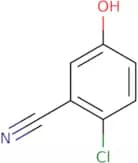
CAS:<p>2-Chloro-5-hydroxybenzonitrile is a versatile, building block chemical that can be used as a reactant or intermediate in the synthesis of other compounds. It is also an excellent research chemical with a high quality and purity. 2-Chloro-5-hydroxybenzonitrile has many uses, such as being a reagent for organic synthesis, a speciality chemical, and a useful intermediate. This compound is suitable for complex synthesis and has been shown to be useful as a building block or scaffold in the production of other chemicals.</p>Formula:C7H4ClNOPurity:Min. 95%Color and Shape:Off-White PowderMolecular weight:153.57 g/mol5-Chlorosulfonyl-2-hydroxybenzoic acid
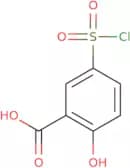
CAS:<p>5-Chlorosulfonyl-2-hydroxybenzoic acid is a convergent, clean, and efficient synthesis of the pharmaceutical drug sildenafil. It has been shown to be a reagent for the preparation of sildenafil. 5-Chlorosulfonyl-2-hydroxybenzoic acid is an organic compound that belongs to the class of compounds called sulfonamides. This compound has been shown to be an efficient and effective synthetic intermediate in the preparation of sildenafil.</p>Formula:C7H5ClO5SPurity:Min. 95%Color and Shape:PowderMolecular weight:236.63 g/molN,N'-Dimethyl-trans-1,2-cyclohexanediamine
CAS:<p>N,N'-Dimethyl-trans-1,2-cyclohexanediamine (DMCDA) is a hydroxy compound that can be used as an intermediate for the synthesis of various organic compounds. It has been shown to have a stable hydroxy group and hydrogen bond donor. DMCDA is also reactive, with a reaction rate of 10.5x10 mol/s at room temperature. DMCDA forms reaction intermediates such as oxazolidinones and 1,4-dioxanes. These intermediates have been studied by structural studies and kinetic methods to understand the mechanism of the reaction. The chronic oral toxicity of DMCDA has been determined in rats through a series of experiments and tests on protein genes. The oral LD50 value was found to be more than 5000 mg/kg body weight. This means that there is no adverse effect on the body when 5000 mg/kg or more is taken orally over an extended period (usually 28 days). Functional</p>Formula:C8H18N2Purity:Min. 98.5%Color and Shape:Clear Liquid Solidified MassMolecular weight:142.24 g/mol
![4-[(1E)-2-(3-Hydroxyphenyl)ethenyl]phenol](/_next/image/?url=https%3A%2Fstatic.cymitquimica.com%2Fproducts%2F3D%2Fthumb-webp%2FNCA87776.webp&w=3840&q=75)


![6-Chloro-1H-pyrazolo[3,4-b]pyridine](/_next/image/?url=https%3A%2Fstatic.cymitquimica.com%2Fproducts%2F3D%2Fthumb-webp%2FNCA72551.webp&w=3840&q=75)

amine](/_next/image/?url=https%3A%2Fstatic.cymitquimica.com%2Fproducts%2F3D%2Fthumb-webp%2FDAA46821.webp&w=3840&q=75)