Building Blocks
This section contains fundamental products for the synthesis of organic and biological compounds. Building blocks are the essential starting materials used to construct complex molecules through various chemical reactions. They play a critical role in drug discovery, material science, and chemical research. At CymitQuimica, we offer a diverse range of high-quality building blocks to support your innovative research and industrial projects, ensuring you have the essential components for successful synthesis.
Subcategories of "Building Blocks"
- Boronic Acids & Boronic Acid Derivatives(5,778 products)
- Chiral Building Blocks(1,243 products)
- Hydrocarbon Building Blocks(6,098 products)
- Organic Building Blocks(61,057 products)
Found 200710 products of "Building Blocks"
Sort by
Purity (%)
0
100
|
0
|
50
|
90
|
95
|
100
Methyl 2-[1-(3-hydroxyphenyl)-N-methylformamido]acetate
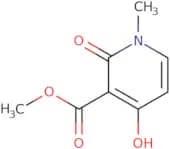
CAS:Versatile small molecule scaffoldFormula:C11H13NO4Purity:Min. 95%Color and Shape:Clear LiquidMolecular weight:223.22 g/molMethyl 4-hydroxy-1-methyl-2-oxo-1,2-dihydropyridine-3-carboxylate
CAS:<p>Methyl 4-hydroxy-1-methyl-2-oxo-1,2-dihydropyridine-3-carboxylate is a versatile building block that is used in the synthesis of complex compounds. It is also a reagent and speciality chemical that can be used as a reaction component or scaffold in chemical research. Methyl 4-hydroxy-1-methyl-2-oxo-1,2 -dihydropyridine 3 carboxylate is an intermediate in the synthesis of various pharmaceuticals, agrochemicals, and fine chemicals. This compound has been shown to be useful for the synthesis of natural products such as pseudodipeptides.</p>Formula:C8H9NO4Purity:Min. 95%Color and Shape:PowderMolecular weight:183.16 g/mol1-(1,2,3,4-Tetrahydronaphthalen-1-yl)cyclopropan-1-amine
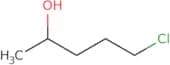
CAS:<p>1-(1,2,3,4-Tetrahydronaphthalen-1-yl)cyclopropan-1-amine is a high quality reagent that can be used as a useful intermediate in the synthesis of complex compounds. It has been shown to be a useful scaffold for the synthesis of various fine chemicals and speciality chemicals. 1-(1,2,3,4-Tetrahydronaphthalen-1-yl)cyclopropan-1-amine is also versatile building block that can be used as a reaction component in many different chemical reactions.</p>Formula:C13H17NPurity:Min. 95%Color and Shape:PowderMolecular weight:187.28 g/mol5-Chloropentan-2-ol
CAS:<p>5-Chloropentan-2-ol is a chemical compound that is found in the leaves of the tobacco plant, Nicotiana tabacum. It is an organic compound that belongs to the group of furans and has been classified as a dye sensitizer. 5-Chloropentan-2-ol is found in small quantities in the leaves of Nicotiana tabacum and has been shown to be responsible for some of the flavour and organoleptic properties of tobacco. The chemical structure of 5-chloropentan-2-ol consists of a 5 carbon chain with two hydroxyl groups on carbons 1 and 2. It has been shown to have high levels of mutagenicity when tested on bacteria, but does not affect animal cells.</p>Formula:C5H11ClOPurity:Min. 85%Molecular weight:122.59 g/mol4-(Chloromethyl)-2-methyl-2H-1,2,3-triazole
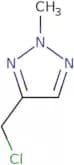
CAS:4-(Chloromethyl)-2-methyl-2H-1,2,3-triazole is a useful intermediate and building block in organic synthesis. It is also used as a reagent for the synthesis of other compounds. 4-(Chloromethyl)-2-methyl-2H-1,2,3-triazole has been reported to be an effective inhibitor of protein tyrosine phosphatase 1B (PTP1B), which is involved in insulin signal transduction. This compound has been shown to inhibit the activity of PTP1B with an IC50 value of 5 μM. 4-(Chloromethyl)-2-methyl-2H-1,2,3-triazole can also be used as an additive in pharmaceutical preparations for its ability to prevent aggregation of proteins.Formula:C4H6ClN3Purity:Min. 95%Color and Shape:Clear LiquidMolecular weight:131.56 g/mol1-Phenyl-3-(propan-2-yl)urea
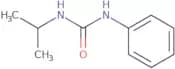
CAS:<p>1-Phenyl-3-(propan-2-yl)urea is a chemical compound that is used in the synthesis of organic compounds. It has been shown to be useful as a building block and also has applications in the preparation of complex compounds. 1-Phenyl-3-(propan-2-yl)urea can be used as a reagent for reactions involving esterification, hydrolysis, cyclization, and nitration. The compound is also useful for research purposes and can be used as an intermediate for other chemicals.</p>Formula:C10H14N2OPurity:Min. 95%Color and Shape:PowderMolecular weight:178.23 g/mol4-Methyl-7-(methylamino)-2H-chromen-2-one
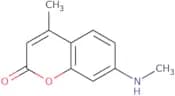
CAS:4-Methyl-7-(methylamino)-2H-chromen-2-one is a fine chemical that is used as a building block in the synthesis of other compounds. It has been used in research as a reagent and in the production of pharmaceuticals. 4-Methyl-7-(methylamino)-2H-chromen-2-one can be used to produce a variety of complex compounds, including those with versatile scaffolds. This compound has been shown to react with many different groups, such as alcohols, amines and thiols, which makes it an excellent intermediate for organic synthesis.Formula:C11H11NO2Purity:Min. 95%Color and Shape:PowderMolecular weight:189.21 g/mol4,4-Dimethyl-1,2,3,4-tetrahydroquinoline
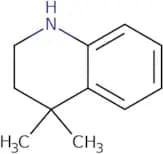
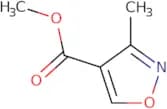
CAS:4,4-Dimethyl-1,2,3,4-tetrahydroquinoline (DMTH) is a synthetic compound that has been shown to stimulate pancreatic β-cells. DMTH is a prodrug that is converted into 4,4'-dimethoxy-1,2,3, 4-tetrahydroquinoline (DMT) by esterases in the body. DMT binds to the insulin receptor and increases insulin secretion from pancreatic β-cells. DMTH has been shown to be effective in treating patients with type 2 diabetes mellitus who are resistant to insulin. DMTH also reduces blood glucose levels in animal models of diabetes by stimulating the pancreas to produce more insulin and increasing the number of β cells in the pancreas. This drug may also prevent or reverse tissue damage caused by diabetes by inhibiting inflammatory processes and reducing oxidative stress on tissues.Formula:C11H15NPurity:Min. 95%Color and Shape:Clear LiquidMolecular weight:161.25 g/mol3-Methyl-4-isoxazolecarboxylic acid methyl ester
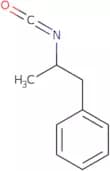
CAS:<p>Versatile small molecule scaffold</p>Formula:C6H7NO3Purity:Min. 95%Color and Shape:Clear LiquidMolecular weight:141.12 g/mol(2-Isocyanatopropyl)benzene
CAS:<p>Versatile small molecule scaffold</p>Formula:C10H11NOPurity:Min. 95%Color and Shape:PowderMolecular weight:161.2 g/molH-Imidazo[1,2-a]pyridin-2-amine
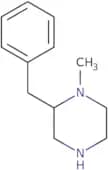
CAS:<p>H-Imidazo[1,2-a]pyridin-2-amine is a synthetic compound that has been shown to bind selectively to the catalytic subunit of protein kinase A (PKA). This binding inhibits PKA's ability to phosphorylate proteins, which plays a key role in regulating physiological functions such as cell growth and proliferation. H-Imidazo[1,2-a]pyridin-2-amine has been shown to inhibit tumor growth and symptoms in mouse models by targeting amine receptors. The compound also inhibits the proliferation of cancer cells by signaling through the kinase pathways that regulate mitosis. H-Imidazo[1,2-a]pyridin-2-amine is scalable and can be produced at high yields from inexpensive starting materials.</p>Formula:C7H7N3Purity:Min. 95%Molecular weight:133.15 g/mol2-Benzyl-1-methylpiperazine
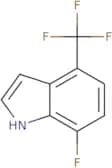
CAS:2-Benzyl-1-methylpiperazine is a versatile building block that can be used in the synthesis of other compounds. It is used as a reagent and building block in research, as well as a speciality chemical and useful scaffold for synthesizing new materials. 2-Benzyl-1-methylpiperazine has been shown to have usefulness in organic synthesis due to its ability to undergo both nucleophilic and electrophilic substitution reactions. It can also react with aldehydes to form ketones, or with alcohols to form ethers. This compound is also used as a reaction component for the synthesis of heterocycles or polymers.Formula:C12H18N2Purity:Min. 95%Color and Shape:Clear LiquidMolecular weight:190.28 g/mol7-Fluoro-4-(trifluoromethyl)-1H-indole
CAS:Versatile small molecule scaffoldFormula:C9H5F4NPurity:Min. 95%Color and Shape:PowderMolecular weight:203.14 g/molPutrescine dihydrochloride
CAS:<p>Putrescine is a polyamine plant growth regulator affecting the synthesis of macromolecules. Promotes adventitious root formation. Precursor of spermidine.</p>Formula:C4H14Cl2N2Purity:Min. 98.0 Area-%Molecular weight:161.08 g/molRef: 3D-P-8000
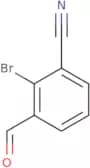
1kgTo inquire5kgTo inquire10kgTo inquire25kgTo inquire2500gTo inquire-Unit-kgkgTo inquire2-Bromo-3-formylbenzonitrile
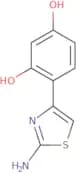
CAS:<p>2-Bromo-3-formylbenzonitrile is a high quality chemical that is used as a reagent, a complex compound, and an intermediate in the synthesis of other fine chemicals. It can be used as a useful building block to form other compounds with speciality chemicals. 2-Bromo-3-formylbenzonitrile is versatile and can be used as a reaction component for many different reactions.<br>2-Bromo-3-formylbenzonitrile has been classified by the Chemical Abstracts Service (CAS) number 446864-55-7 and is also known by its synonyms: 2-(bromomethyl)-benzonitrile; 3-(cyanomethyl)-benzonitrile; bromobenzonitrile; bromobenzene nitrile; 3-(cyanomethyl)benzonitrile.</p>Formula:C8H4BrNOPurity:Min. 95%Color and Shape:PowderMolecular weight:210.03 g/mol4-(2-Amino-1,3-thiazol-4-yl)benzene-1,3-diol
CAS:<p>Versatile small molecule scaffold</p>Formula:C9H8N2O2SPurity:Min. 95%Color and Shape:PowderMolecular weight:208.24 g/molOrcinol monohydrate
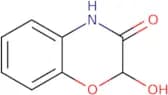
CAS:<p>Orcinol monohydrate is a high quality chemical that can be used as a reagent, complex compound, or useful intermediate in the synthesis of fine chemicals. It is also an important building block in the synthesis of other compounds. This product has CAS No. 6153-39-5 and is classified as a speciality chemical. It is also a versatile building block that can be used as a reaction component in organic syntheses.</p>Formula:C7H10O3Molecular weight:142.16 g/mol2-Hydroxy-3,4-dihydro-2H-1,4-benzoxazin-3-one
CAS:<p>2-Hydroxy-3,4-dihydro-2H-1,4-benzoxazin-3-one is a versatile compound with various applications. It is commonly used in the production of coatings and as a fatty acid leaching agent. Additionally, it is utilized in the synthesis of research chemicals such as imatinib and sildenafil citrate.</p>Formula:C8H7NO3Purity:Min. 95%Molecular weight:165.15 g/mol2-Amino-4-oxopentanoic acid hydrochloride
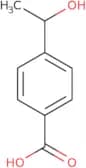
CAS:<p>Versatile small molecule scaffold</p>Formula:C5H9NO3•HClPurity:Min. 95%Color and Shape:PowderMolecular weight:167.59 g/mol4-(1-Hydroxy-ethyl)-benzoic acid
CAS:<p>4-(1-Hydroxy-ethyl)-benzoic acid (4-HBA) is a hydrophobic compound that is an inhibitor of cytochrome P450, which is an enzyme system in the liver and other organs. The inhibitory activity of 4-HBA is due to its binding to the active site of cytochrome P450. This molecule has been shown to be effective against ferredoxin and putidaredoxin, which are enzymes that play a role in electron transfer reactions. 4-(1-Hydroxy-ethyl)-benzoic acid binds to the residue on these enzymes without any effect on their function.</p>Formula:C9H10O3Purity:Min. 95%Molecular weight:166.17 g/mol
![Methyl 2-[1-(3-hydroxyphenyl)-N-methylformamido]acetate](/_next/image/?url=https%3A%2Fstatic.cymitquimica.com%2Fproducts%2F3D%2Fthumb-webp%2FVQB93340.webp&w=3840&q=75)


![H-Imidazo[1,2-a]pyridin-2-amine](/_next/image/?url=https%3A%2Fstatic.cymitquimica.com%2Fproducts%2F3D%2Fthumb-webp%2FPBA58826.webp&w=3840&q=75)