Building Blocks
Subcategories of "Building Blocks"
- Boronic Acids & Boronic Acid Derivatives(5,805 products)
- Chiral Building Blocks(1,248 products)
- Hydrocarbon Building Blocks(6,122 products)
- Organic Building Blocks(61,463 products)
Found 208442 products of "Building Blocks"
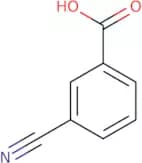
3-Cyanobenzoic acid
CAS:3-Cyanobenzoic acid is a chemical intermediate that is used to synthesize 3-cyanobenzamide. It is also a byproduct of the synthesis of benzonitrile and can be found in metal surface residues and environmental pollution. The molecule has two functional groups, one electron withdrawing and one electron donating, which are necessary for its stability. This compound can be found in high concentrations when it reacts with metal surfaces or organic solvents. 3-Cyanobenzamide was synthesized from 3-cyanobenzoic acid as an amide, which has been shown to have antimicrobial properties against Gram-positive bacteria such as Staphylococcus aureus, Streptococcus pyogenes and Enterococcus faecalis.Formula:C8H5O2NPurity:Min. 95%Color and Shape:PowderMolecular weight:147.13 g/mol5-Chloro-DL-tryptophan
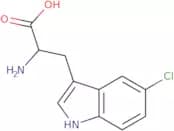
CAS:5-Chloro-DL-tryptophan is an antibiotic that is synthesized from tryptophan. It is used as a precursor for the synthesis of other antibiotics, including 5-chloro-dl-tryptophan and indole. 5-Chloro-DL-tryptophan has been shown to have a significant effect on the synthesis of protein amino acids, such as d-aspartic acid and α-amino acids. The steric properties of 5-chloro-dl-tryptophan are also important in its ability to block protein synthesis. Ozonization can be used to oxidize α,β unsaturated carbonyl compounds found in 5 - chloro - DL - tryptophan.
Formula:C11H11ClN2O2Purity:Min. 95%Color and Shape:White PowderMolecular weight:238.67 g/mol(1S)-(-)-Camphanic acid
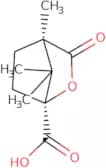
CAS:A chiral auxiliary for the separation of racemates
Formula:C10H14O4Purity:Min. 95%Color and Shape:White PowderMolecular weight:198.22 g/mol2-(2-(2-Chloroethoxy)ethoxy)ethanol
CAS:2-(2-(2-Chloroethoxy)ethoxy)ethanol (CETOI) is a coumarin derivative that is used as an additive in the fabrication of polyurethane. Magnetic resonance spectroscopy has shown that CETOI can be used as a probe to study amide groups by its ability to form hydrogen bonds with amide groups. This chemical can also be used in regenerative medicine and cyclic peptides. Azobenzene monomers have been shown to inhibit viral replication, including influenza virus, through the formation of covalent bonds with phosphate groups on dsDNA.Formula:C6H13ClO3Purity:Min. 95%Color and Shape:Colorless Clear LiquidMolecular weight:168.62 g/molChloro-1-propanol
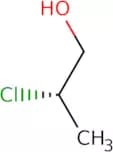
CAS:Chloro-1-propanol is a product that is used as an organic solvent and a reaction medium. It can be used in the synthesis of chlorinated compounds, such as epoxides, chloride gas, and oxetane. Chloro-1-propanol is not carcinogenic, although it does contain traces of impurities that are carcinogenic. Chloro-1-propanol has a high yield with relatively low cost and can be obtained by reacting chlorine with alcohols or phenols. This product is hydrophobic and reacts well with other molecules that are also hydrophobic. The reactivity of chloro-1-propanol increases when it reacts with chloride gas or hydrochloric acid to form divalent ions.Formula:C3H7ClOPurity:Min. 95%Color and Shape:Colorless Clear LiquidMolecular weight:94.54 g/mol4-Chlorobenzamide
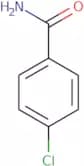
CAS:4-Chlorobenzamide is a quaternary ammonium compound that is used in the synthesis of other organic compounds. 4-Chlorobenzamide reacts with malonic acid to form a compound called 4-chlorobenzoic acid. The reaction mechanism involves formation of hydrogen bonds and an electrophilic substitution. 4-Chlorobenzamide is also found in environmental pollution, where it can be degraded by hydroxyl radicals and chlorine. It can be found as a chloride salt or amide depending on the pH. The functional groups are carbonyl group, which has a carbon atom double bonded to an oxygen atom, and hydroxyl group, which has a hydroxyl radical attached to a carbon atom.Formula:C7H6ClNOPurity:Min. 95%Color and Shape:PowderMolecular weight:155.58 g/mol4-Chlorosulfonylphenylacetic acid
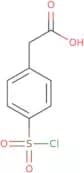
CAS:4-Chlorosulfonylphenylacetic acid is a synthetic chemical that inhibits the production of inflammatory mediators. It has been shown to inhibit LPS-induced macrophage activation and inhibitory activity in vitro. 4-Chlorosulfonylphenylacetic acid has been synthesized by the reaction of phenylacetic acid with chlorosulfonic acid. The synthesis of 4-chlorosulfonylphenylacetic acid is shown in Scheme 1 below.Formula:C8H7ClO4SPurity:Min. 95%Color and Shape:White PowderMolecular weight:234.66 g/mol3-Chloro-5-hydroxybenzoic acid ethyl ester
Please enquire for more information about 3-Chloro-5-hydroxybenzoic acid ethyl ester including the price, delivery time and more detailed product information at the technical inquiry form on this page
Formula:C9H9ClO3Purity:Min. 98 Area-%Color and Shape:PowderMolecular weight:200.62 g/mol3-Chloro-5-hydroxybenzoic acid methyl ester
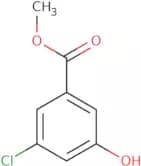
CAS:3-Chloro-5-hydroxybenzoic acid methyl ester is a fine chemical that can be used as a versatile building block and reaction component in the synthesis of complex compounds. It is soluble in organic solvents such as dichloromethane, chloroform, and acetone. 3-Chloro-5-hydroxybenzoic acid methyl ester has CAS No. 98406-04-3 and a molecular weight of 149. 2.Formula:C8H7ClO3Purity:Min. 98 Area-%Color and Shape:White Off-White PowderMolecular weight:186.59 g/molCyclopentanecarbaldehyde
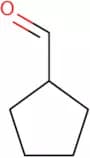
CAS:Cyclopentanecarbaldehyde is a reactive molecule that is used as a ligand in coordination chemistry. It has been shown to bind to the toll-like receptor and may be useful for treating autoimmune diseases. Cyclopentanecarbaldehyde binds with nitrogen atoms in the active site of chelate ligands, which can cause changes in coordination geometry. This reaction mechanism is similar to that of other heterocycles such as 2-picolylhydrazine and 4-picolylhydrazine, which have been shown to be effective in treating Parkinson's disease.
Formula:C6H10OPurity:Min. 95%Color and Shape:Colorless Yellow Clear LiquidMolecular weight:98.14 g/mol2-(Chloromethyl)pyrimidine HCl
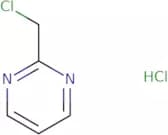
CAS:2-(Chloromethyl)pyrimidine HCl is a chlorinated aromatic compound that is used in the manufacturing of nylon and other synthetic fibers. It is an intermediate for the production of polychloroparaffins, which are used as solvents and raw materials in the chemical industry. 2-(Chloromethyl)pyrimidine HCl has been shown to undergo a chlorination reaction with alcohols to produce 4-chloro-2-methyl-1,3-dioxolane. This reaction can be catalyzed by calcium hydroxide or magnesium chloride, which are both common chemicals found in household cleaners.Formula:C5H5ClN2·HClPurity:Min. 95%Color and Shape:Yellow PowderMolecular weight:165.02 g/mol5-Chloro-2-mercaptobenzothiazole
CAS:5-Chloro-2-mercaptobenzothiazole (5CMB) is a thione that binds to hydrogen fluoride (HF) and sodium salts. 5CMB has been used in the synthesis of fluorinated drugs, such as 5-chloro-2-(4'-fluorophenylsulfonyl)benzothiazole, which is used for the treatment of cancer. 5CMB has also been shown to be a potential drug candidate for the treatment of Alzheimer's disease. The structure of 5CMB can be determined using crystallography techniques. Its binding constants with HF and sodium salts can be determined using matrix-assisted laser desorption ionization mass spectrometry (MALDI MS). The toxicity studies of 5CMB have been conducted on animals including mice and rats. These studies show that the LD50 value for 5CMB is 3200 mg/kg bodyweight.
Formula:C7H4ClNS2Purity:Min. 98 Area-%Color and Shape:PowderMolecular weight:201.7 g/mol4-Chloro-3-methoxy-2-methylpyridine N-oxide
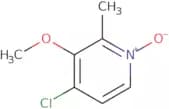
CAS:The compound 4-Chloro-3-methoxy-2-methylpyridine N-oxide is an organic compound with a neutral chemical nature. It is a byproduct of the production of methylpyridine, which is achieved through the reaction between phosphorus oxychloride and toluene. The toxicological properties of this substance are unknown.Formula:C7H8ClNO2Purity:Min. 95%Color and Shape:PowderMolecular weight:173.6 g/mol2-Cyanopyrimidine
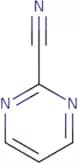
CAS:2-Cyanopyrimidine is a substrate molecule for hypoglycemic effect. It has been shown to inhibit the synthesis of proteins such as immunoglobulin E and other cytokines, which play a role in autoimmune diseases. 2-Cyanopyrimidine also acts as an inhibitor of protein genes, including those that are encoded by the polymerase chain reaction (PCR). 2-Cyanopyrimidine has been shown to be effective in treating eye disorders such as iritis and anterior uveitis. The mechanism of action is not fully understood but may be due to its ability to produce hypoglycemia and its effects on prostaglandin synthesis. 2-Cyanopyrimidine can cause a decrease in systolic blood pressure when used as pharmacological treatment.Formula:C5H3N3Purity:Min. 95%Color and Shape:White PowderMolecular weight:105.1 g/mol2-Cyano-6-hydroxybenzothiazole
CAS:2-Cyano-6-hydroxybenzothiazole is a molecule that is an intermediate in the synthesis of other compounds. This compound has been shown to have anti-inflammatory properties, with a molecular weight of 164.2 g/mol. It reacts with hydroxyl groups and nucleophilic attack to form new molecules, which can cause light emission. 2-Cyano-6-hydroxybenzothiazole has been shown to be fluorescent and can be used as a marker for hydroxyl group formation in mammalian tissue. 2-Cyano-6-hydroxybenzothiazole can also be found in the human serum and is involved in transcription processes by binding to DNA polymerase or RNA polymerase, forming polymers. The rate at which these polymers are formed depends on the concentration of 2-cyano-6-hydroxybenzothiazole and will vary depending on the light emission from a photomultiplFormula:C8H4N2OSPurity:Min. 95%Color and Shape:Slightly Yellow Yellow PowderMolecular weight:176.2 g/mol6-Chloroindole
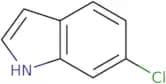
CAS:A 6-chloroindole is an organic compound that contains a six-membered ring with a chlorine atom at one of the carbons. The compound is a synthetic intermediate that has been used to synthesize other molecules. It is also used in chemical reactions to introduce the phosphate group, which can be useful when studying protein–protein interactions. 6-Chloroindole has been shown to have a predictive model for identifying organic anion transporters in rat kidneys and can be used in asymmetric synthesis to produce the desired product.Formula:C8H6ClNPurity:Min. 95%Color and Shape:White PowderMolecular weight:151.59 g/mol6-Chloro-3-aminopyridine-2-carboxamide
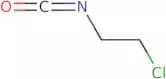
CAS:6-Chloro-3-aminopyridine-2-carboxamide is a small molecule that inhibits tumor growth in human prostate cancer cells. It binds to a pharmacophore, which is a three dimensional arrangement of atoms that is responsible for the biological activity of the drug. This compound has been shown to inhibit tumor cell proliferation and induce apoptosis. 6-Chloro-3-aminopyridine-2-carboxamide also inhibits the oncogenic signaling pathways, including the PI3K/Akt and MAPK pathways, leading to antiproliferative activity in cancer cell lines. 6-Chloro-3-aminopyridine-2-carboxamide also inhibits phosphorylation of Akt and Erk1/2, which are downstream targets of PI3K/Akt pathway activation. The compound was found to have no significant effects on noncancerous cells or normal prostate tissue.Formula:C6H6ClN3OPurity:Min. 95%Color and Shape:PowderMolecular weight:171.58 g/mol2-Chloroethyl isocyanate
CAS:Inhibitor of DNA repair mechanisms
Formula:C3H4ClNOPurity:Min. 98%Color and Shape:Colorless Clear LiquidMolecular weight:105.52 g/mol6-Chloropurine
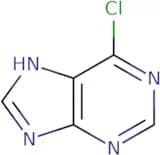
CAS:6-Chloropurine is an isothiouronium salt that is metabolized by the enzyme thiopurine methyltransferase to its active form, 6-methylthioinosine. It has been shown to inhibit the growth of bacterial cells in culture by binding to their adenine nucleotide. 6-Chloropurine inhibits the synthesis of purines and pyrimidines, which are involved in DNA replication and RNA synthesis. 6-Chloropurine has been shown to have cytotoxic effects on certain human carcinoma cell lines and may be used as a chemotherapeutic agent for these types of cancer. The drug has also been shown to have high values with aerobacter aerogenes, which is a bacterium that can cause lung infections.
Formula:C5H3ClN4Purity:Min. 99 Area-%Color and Shape:Yellow PowderMolecular weight:154.56 g/mol6-Chloro-2-cyano-3-nitropyridine
CAS:6-Chloro-2-cyano-3-nitropyridine is a modified pyridine derivative that has been shown to be an antagonist of the adenosine receptors. 6-Chloro-2-cyano-3-nitropyridine blocks the binding of adenosine to A1 and A2A receptors, which leads to increased levels of cyclic AMP in cells. This compound can be used as an antiviral agent or as a component in the development of a new generation of drugs for the treatment of malaria. 6-Chloro-2-cyano-3-nitropyridine has also been shown to be active against HIV, inhibiting its replication and preventing viral assembly. The drug’s mechanism of action is not yet fully understood, but it may involve interference with viral replication by binding to sulfinyl groups on proteins required for virus assembly.Formula:C6H2ClN3O2Purity:Min. 95%Color and Shape:PowderMolecular weight:183.55 g/mol