


Building Blocks
Subcategories of "Building Blocks"
- Boronic Acids & Boronic Acid Derivatives(5,781 products)
- Chiral Building Blocks(1,242 products)
- Hydrocarbon Building Blocks(6,101 products)
- Organic Building Blocks(61,033 products)
Found 205320 products of "Building Blocks"
Dihexylamine
CAS:Dihexylamine is a chemical compound that can be synthesized from hydrochloric acid and sodium salt. It is an aminotransferase inhibitor, which means it inhibits the enzyme that catalyzes the conversion of amino acids to amines. Dihexylamine is used as a cationic surfactant in products such as laundry detergents and dishwashing liquid because it has been shown to be effective at removing protein stains. It also has a water-repellent effect, which makes it useful for cleaning surfaces like glass and metal. Dihexylamine has been shown to have kinetic data and chemical stability in acidic solutions with an optimum pH level of 2-3.Formula:C12H27NPurity:Min. 95%Molecular weight:185.36 g/molTriethylene glycol monobutyl ether
CAS:Triethylene glycol monobutyl ether is a glycol ether that is used as an additive in paint, plastics, and textile manufacturing. It reacts with sodium carbonate to form particles in the aqueous phase. The particle size and the hydroxyl group content can be modified by changing the reaction conditions such as pH or temperature. This product has been shown to have antimicrobial activity against infectious diseases and can be used as a preservative for vaccines. Triethylene glycol monobutyl ether reacts with water molecules to form hydrogen peroxide, which damages bacterial DNA and inhibits growth of microorganisms.Formula:C10H22O4Purity:Min. 98 Area-%Color and Shape:Clear LiquidMolecular weight:206.28 g/molN,N,N',N'-Tetraethylethylenediamine
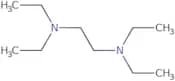
CAS:N,N,N',N'-Tetraethylethylenediamine is a chemical compound that is used in the production of polyurethane. It can be synthesized from ethylenediamine by reaction with a trialkyl orthoformate and an acid catalyst. This chemical has a hydroxyl group and two asymmetric nitrogen atoms. The steric interactions between the hydrogen atom on the nitrogen atom and the three methyl groups on one carbon atom are responsible for its kinetic data. Tetraethylethylenediamine has been shown to react with copper complexes to form new palladium complexes. These reactions are catalyzed by serine proteases such as subtilisin and pepsin. N,N,N',N'-Tetraethylethylenediamine is also used as a cross-linking agent in polyurethanes. Cross-linked polyurethanes have improved mechanical properties and resistance to abrasion compared
Formula:C10H24N2Purity:Min. 95%Molecular weight:172.32 g/molTrimethyl thiophosphate
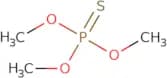
CAS:Trimethyl thiophosphate is a white solid that is soluble in organic solvents. It is used as an intermediate in the production of pesticides and other industrial chemicals, such as phosphites and thiophosphates. Trimethyl thiophosphate can be synthesized by reacting phosphorus pentasulfide with trimethylamine. The reaction products are trimethyl phosphate, dimethyl phosphite, and sulfuryl chloride. Trimethyl thiophosphate has been shown to cause kidney fibrosis in mice when it was injected into the kidney at a dose of 3 mg/kg body weight. This chemical also may have some protective effects against metal surface corrosion due to its ability to form a protective film on the metal surface.Formula:C3H9O3PSPurity:Min. 95%Molecular weight:156.14 g/molSulfalene (SMPZ)
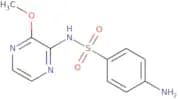
CAS:Sulfalene (SMPZ) is a sulfa drug that inhibits the ATP-binding cassette transporter, which is important for the absorption of glucose and amino acids. Sulfalene has been shown to cause acute toxicities in the liver, kidney, and gastrointestinal tract. It also inhibits microbial growth by binding to bacterial ribosomes and preventing protein synthesis. Sulfalene has been shown to have activity against certain bacteria, such as Escherichia coli, Klebsiella pneumoniae, Pseudomonas aeruginosa, and Enterobacter cloacae. Sulfalene's effects on human intestinal flora are unclear due to its toxicity. However, it has been shown to increase bifidobacteria levels in rats fed with a high-fat diet.Formula:C11H12N4O3SPurity:Min. 95%Molecular weight:280.3 g/mol4-Hydroxy-2,3-dihydro-1H-indene-5-carboxylic acid
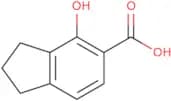
CAS:Versatile small molecule scaffoldFormula:C10H10O3Purity:Min. 95%Molecular weight:178.18 g/mol5-Fluoro-1-methyl-1,2,3,4-tetrahydropyrimidine-2,4-dione
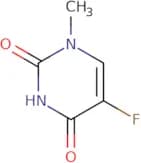
CAS:5-Fluoro-1-methyl-1,2,3,4-tetrahydropyrimidine-2,4-dione (5FTPD) is a palladium complex that is a member of Group P2. The 5FTPD molecule has a cavity which is able to bind to protons and other molecules. The protonated form of 5FTPD can be oxidized by the fluorine atom to give the corresponding fluoroquinolone compound. 5FTPD has been shown to interact with methyl derivatives such as trimethylsilyl chloride and trimethylchlorosilane. There are two tautomers found in the molecule: cis and trans. The cis form of 5FTPD has been shown to have biological function as it can inhibit DNA synthesis in bacteria and act as an antiinflammatory agent.Formula:C5H5FN2O2Purity:Min. 95%Molecular weight:144.1 g/mol2,6-Dioxo-1,3-diazinane-4-carboxylic acid
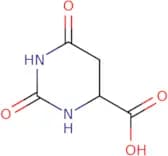
CAS:2,6-Dioxo-1,3-diazinane-4-carboxylic acid is a natural compound that has been shown to have clinical relevance in the treatment of autoimmune diseases, such as type I diabetes. This compound is an inhibitor of xanthine oxidase and dihydroorotate dehydrogenase and has been shown to inhibit the activity of these enzymes in vitro. 2,6-Dioxo-1,3-diazinane-4-carboxylic acid may be administered to patients with type I diabetes to improve their energy metabolism and reduce oxidative stress levels. The pharmacokinetic properties of this molecule are still being investigated.Formula:C5H6N2O4Purity:Min. 95%Molecular weight:158.11 g/mol(Methanesulfonyloxy)methyl methanesulfonate
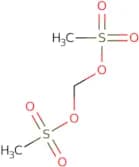
CAS:Methanesulfonyloxy)methyl methanesulfonate is a drug that inhibits the polymerase chain reaction. It has been shown to inhibit HIV infection in human macrophages, and has been used for the treatment of adrenocortical carcinoma and diabetic patients with high blood sugar levels. Methanesulfonyloxy)methyl methanesulfonate is a competitive inhibitor of DNA binding activity in the presence of an excess of dNTPs, and it binds to the 3'-terminal region on the template strand. This inhibition leads to arrest of RNA synthesis at this point. This drug also binds to toll-like receptors, which are present on many types of cells, and may have biological properties that could be beneficial in infectious diseases as well as atherosclerotic cardiovascular disease or solid tumours.Formula:C3H8O6S2Purity:Min. 95%Molecular weight:204.2 g/mol1',2'-Dihydrospiro[cyclopropane-1,3'-indole]
CAS:Versatile small molecule scaffoldFormula:C10H11NPurity:Min. 95%Molecular weight:145.2 g/mol1-Azaspiro[4.4]nonane
CAS:1-Azaspiro[4.4]nonane is a metalloproteinase inhibitor that has been shown to inhibit gelatinase activity in an enzymatic assay. It has a stereoselective, asymmetric synthesis and is structurally similar to the skeleton of cephalotaxus. This compound inhibits matrix metalloproteinases (MMPs) that are involved in tumor invasion and metastasis. The compound has also been shown to reduce SKOV3 cell proliferation rates by inhibiting MMP-9 activity. 1-Azaspiro[4.4]nonane yields have been found to be high with a good level of inhibition activity against MMPs.Formula:C8H15NPurity:Min. 95%Molecular weight:125.21 g/mol1,4-Dioxa-7-azaspiro[4.4]nonane
CAS:1,4-Dioxa-7-azaspiro[4.4]nonane is a replication inhibitor that has been shown to be active against hepatitis C virus (HCV) genotype 1b. It has potent antiviral activity and is selective for HCV RNA polymerase over host cell RNA polymerase. High doses of this drug are required for inhibition of HCV replication. The safety data from clinical trials on 1,4-dioxa-7-azaspiro[4.4]nonane have not been reported yet. This compound interacts with many other drugs and may affect their pharmacokinetics. The potency of this compound is high, but it also has low solubility in water and can only be administered intravenously or by inhalation.Formula:C6H11NO2Purity:Min. 95%Molecular weight:129.16 g/mol8-Aza-spiro[4.5]decane
CAS:8-Aza-spiro[4.5]decane is an amide and organometallic compound that has been shown to have anti-inflammatory properties, as well as being useful in the treatment of inflammatory pain. It binds to the urothelium, which is the lining of the bladder and urinary tract, or to cells in the intestinal lumen, leading to a reduction in inflammation. 8-Aza-spiro[4.5]decane also has been shown to be effective in treating depression, due to its ability to bind with serotonin receptors. This drug has fluorine in its structure which can cause alzheimer's disease or other neurodegenerative disorders when combined with organic acids such as fatty acid.Formula:C9H17NPurity:Min. 95%Molecular weight:139.24 g/mol1-Azaspiro[4.5]decane
CAS:1-Azaspiro[4.5]decane is a compound that contains an azaspiro[4.5]decane skeleton with a formyloxy group at the 1 position and a hydroxyamine group at the 3 position. It has been shown to be an efficient method for the synthesis of peptidomimetics, which are compounds that have a peptide-like structure but are not peptides in the strict sense. The tricycle of 1-azaspiro[4.5]decane is formed through a hydrochloride salt, which is generated by hydrolysis of 1-azaspiro[4.5]decane with hydrochloric acid and then reduced with lithium aluminium hydride, or through reduction with hydrogen over palladium on charcoal in acetic acid. Hydroxyamination of 1-azaspiro[4.5]decane can be accomplished under basic conditions by treatment with ammonia and ethyl acetate, followed by hydroFormula:C9H17NPurity:Min. 95%Molecular weight:139.24 g/mol1-Thia-4-azaspiro[4.5]decane
CAS:1-Thia-4-azaspiro[4.5]decane is a small molecule that inhibits the growth of cancer cells by blocking the synthesis of glycoproteins. It is a potent inhibitor of glycosylation in human liver and prostate cells, and has been shown to have anticancer activity against hepatocellular carcinoma, human colorectal cancer, and prostate adenocarcinoma cell lines. 1-Thia-4-azaspiro[4.5]decane acetylates proteins at lysine residues, which may lead to carcinogenic effects in humans.Formula:C8H15NSPurity:Min. 95%Molecular weight:157.28 g/mol6-Azaspiro[4.5]decane
CAS:6-Azaspiro[4.5]decane is a diastereomer that has been synthesized using ring-opening and alkylation reactions. It is a natural product that can be found in the plant Lactuca virosa and the fungus Claviceps purpurea. 6-Azaspiro[4.5]decane is also used as a monomer to produce polymers with high thermal stability, such as ethynylated polyesters and cyclobutanones. This compound was first discovered by Halichlorine, who synthesized it from fatty acids and monomers containing cyclobutanone.Formula:C9H17NPurity:Min. 95%Molecular weight:139.24 g/mol6,9-Diazaspiro[4.5]decane
CAS:Versatile small molecule scaffoldFormula:C8H16N2Purity:Min. 95%Molecular weight:140.23 g/mol2,8-Diazaspiro[5.5]undecane
CAS:Versatile small molecule scaffoldFormula:C9H18N2Purity:Min. 95%Molecular weight:154.25 g/mol1,4-Diazaspiro[5.5]undecane
CAS:Versatile small molecule scaffoldFormula:C9H18N2Purity:Min. 95%Molecular weight:154.25 g/mol4-Oxa-1-azaspiro[5.5]undecane
CAS:Versatile small molecule scaffoldFormula:C9H17NOPurity:Min. 95%Molecular weight:155.24 g/mol



![1',2'-Dihydrospiro[cyclopropane-1,3'-indole]](/_next/image/?url=https%3A%2Fstatic.cymitquimica.com%2Fproducts%2F3D%2Fthumb-webp%2FAAA17466.webp&w=3840&q=75)
![1-Azaspiro[4.4]nonane](/_next/image/?url=https%3A%2Fstatic.cymitquimica.com%2Fproducts%2F3D%2Fthumb-webp%2FAAA17603.webp&w=3840&q=75)
![1,4-Dioxa-7-azaspiro[4.4]nonane](/_next/image/?url=https%3A%2Fstatic.cymitquimica.com%2Fproducts%2F3D%2Fthumb-webp%2FAAA17633.webp&w=3840&q=75)
![8-Aza-spiro[4.5]decane](/_next/image/?url=https%3A%2Fstatic.cymitquimica.com%2Fproducts%2F3D%2Fthumb-webp%2FAAA17664.webp&w=3840&q=75)
![1-Azaspiro[4.5]decane](/_next/image/?url=https%3A%2Fstatic.cymitquimica.com%2Fproducts%2F3D%2Fthumb-webp%2FAAA17680.webp&w=3840&q=75)
![1-Thia-4-azaspiro[4.5]decane](/_next/image/?url=https%3A%2Fstatic.cymitquimica.com%2Fproducts%2F3D%2Fthumb-webp%2FAAA17707.webp&w=3840&q=75)
![6-Azaspiro[4.5]decane](/_next/image/?url=https%3A%2Fstatic.cymitquimica.com%2Fproducts%2F3D%2Fthumb-webp%2FAAA17717.webp&w=3840&q=75)
![6,9-Diazaspiro[4.5]decane](/_next/image/?url=https%3A%2Fstatic.cymitquimica.com%2Fproducts%2F3D%2Fthumb-webp%2FAAA17719.webp&w=3840&q=75)
![2,8-Diazaspiro[5.5]undecane](/_next/image/?url=https%3A%2Fstatic.cymitquimica.com%2Fproducts%2F3D%2Fthumb-webp%2FAAA18050.webp&w=3840&q=75)
![1,4-Diazaspiro[5.5]undecane](/_next/image/?url=https%3A%2Fstatic.cymitquimica.com%2Fproducts%2F3D%2Fthumb-webp%2FAAA18076.webp&w=3840&q=75)
![4-Oxa-1-azaspiro[5.5]undecane](/_next/image/?url=https%3A%2Fstatic.cymitquimica.com%2Fproducts%2F3D%2Fthumb-webp%2FAAA18078.webp&w=3840&q=75)