Building Blocks
Subcategories of "Building Blocks"
- Boronic Acids & Boronic Acid Derivatives(5,780 products)
- Chiral Building Blocks(1,241 products)
- Hydrocarbon Building Blocks(6,100 products)
- Organic Building Blocks(61,023 products)
Found 205289 products of "Building Blocks"
Ethyl 2-[(1E)-2,3-dihydro-1H-inden-1-ylidene]acetate
CAS:Versatile small molecule scaffoldFormula:C13H14O2Purity:Min. 95%Molecular weight:202.25 g/mol2-Aminodecan-1-ol
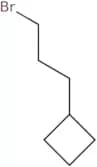
CAS:Versatile small molecule scaffoldFormula:C10H23NOPurity:Min. 95%Molecular weight:173.3 g/mol(3-Bromopropyl)cyclobutane
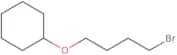
CAS:Versatile small molecule scaffoldFormula:C7H13BrPurity:Min. 95%Molecular weight:177.08 g/mol(4-Bromobutoxy)cyclohexane
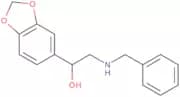
CAS:Versatile small molecule scaffoldFormula:C10H19BrOPurity:Min. 95%Molecular weight:235.16 g/mol1-(1,3-Dioxaindan-5-yl)-2-(benzylamino)ethan-1-ol
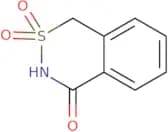
CAS:Controlled ProductVersatile small molecule scaffoldFormula:C16H17NO3Purity:Min. 95%Molecular weight:271.31 g/mol3,4-Dihydro-1H-2,3-benzothiazine-2,2,4-trione
CAS:Versatile small molecule scaffold
Formula:C8H7NO3SPurity:Min. 95%Molecular weight:197.21 g/molrac-(1R,2S)-2-(2,2-Dimethylpropyl)cyclopropane-1-carboxylic acid
CAS:Versatile small molecule scaffoldFormula:C9H16O2Purity:Min. 95%Molecular weight:156.2 g/mol7-Methylimidazo[1,2-a]pyridine-3-carboxylic acid
CAS:Versatile small molecule scaffoldFormula:C9H8N2O2Purity:Min. 95%Molecular weight:176.17 g/mol[(2S)-Oxolan-2-yl]methanamine hydrochloride
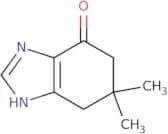
CAS:Versatile small molecule scaffoldFormula:C5H12ClNOPurity:Min. 95%Molecular weight:137.61 g/mol6,6-Dimethyl-4,5,6,7-tetrahydro-1H-1,3-benzodiazol-4-one
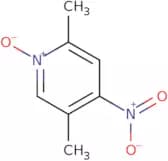
CAS:Versatile small molecule scaffoldFormula:C9H12N2OPurity:Min. 95%Molecular weight:164.2 g/mol2,5-dimethyl-4-nitropyridin-1-ium-1-olate
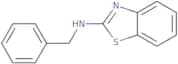
CAS:2,5-Dimethyl-4-nitropyridin-1-ium-1-olate (DMNPE) is a ligand that binds to the estrogen receptor. DMNPE has been shown to be an effective chemotherapeutic agent for cancer cells in the mononuclear cell line Mcf7. DMNPE also inhibits tumor growth and metastasis in a murine leukemia model. It has been shown to bind to the nongenomic binding site of the estrogen receptor and act as an antagonist of estradiol by competing with estradiol for binding sites on the estrogen receptor. DMNPE is able to bind to two different receptors, which may account for its observed anti-tumor effects. It has been shown to inhibit protein synthesis by methylating proteins and inhibiting DNA synthesis through inhibition of ribonucleotide reductase activity.Formula:C7H8N2O3Purity:Min. 95%Molecular weight:168.15 g/molN-Benzyl-1,3-benzothiazol-2-amine
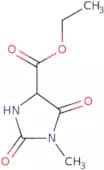
CAS:Versatile small molecule scaffoldFormula:C14H12N2SPurity:Min. 95%Molecular weight:240.33 g/molEthyl 1-methyl-2,5-dioxoimidazolidine-4-carboxylate
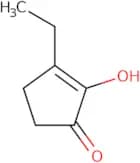
CAS:Versatile small molecule scaffoldFormula:C7H10N2O4Purity:Min. 95%Molecular weight:186.17 g/mol3-Ethyl-2-hydroxy-2-cyclopenten-1-one
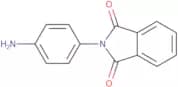
CAS:3-Ethyl-2-hydroxy-2-cyclopenten-1-one is a chemical compound that belongs to the group of cyclopentenones. 3EHC has been shown to have genotoxic effects and is a potent mutagen in bacteria and mammalian cells. The acidic ph of 3EHC makes it more active in the presence of fatty acids, which allow it to penetrate the cell membrane. 3EHC also reacts with glyoxal, producing toxic reactive oxygen species including hydrogen peroxide and hydroxyl radicals. In a human lymphocyte model system, 3EHC caused DNA damage by increasing the frequency of DNA strand breakage. This chemical compound can be extracted from food sources such as soybean oil and can be analysed by gel chromatography or acetate extraction methods.Formula:C7H10O2Purity:Min. 95%Molecular weight:126.16 g/mol2-(4-Aminophenyl)-2,3-dihydro-1H-isoindole-1,3-dione
CAS:Versatile small molecule scaffold
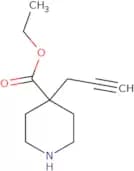
Formula:C14H10N2O2Purity:Min. 95%Molecular weight:238.24 g/molEthyl 4-(prop-2-yn-1-yl)piperidine-4-carboxylate
CAS:Versatile small molecule scaffold
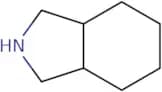
Formula:C11H17NO2Purity:Min. 95%Molecular weight:195.26 g/molOctahydroisoindole
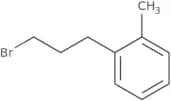
CAS:Octahydroisoindole is a quinoline derivative that is used as an anti-inflammatory medication. Octahydroisoindole binds to the fatty acid in the cell membrane, which prevents the activation of inflammatory signals. It also has an effect on the brain and can be used to treat depression.Formula:C8H15NPurity:Min. 95%Molecular weight:125.21 g/mol1-(3-Bromopropyl)-2-methylbenzene
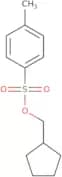
CAS:Versatile small molecule scaffoldFormula:C10H13BrPurity:Min. 95%Molecular weight:213.11 g/molCyclopentylmethyl 4-methylbenzene-1-sulfonate
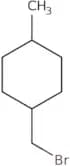
CAS:Cyclopentylmethyl 4-methylbenzene-1-sulfonate is a prodrug that is metabolized by the human body to produce itraconazole, an antifungal agent. Itraconazole has been shown to be effective against a variety of fungal infections. It binds competitively to the cytochrome P450 enzyme, which leads to the inhibition of prostaglandin synthesis and factor receptor binding. This drug has been shown to damage the pyrrole ring in DNA, which may account for its cytotoxic effects on cancer cells. Cyclopentylmethyl 4-methylbenzene-1-sulfonate is an example of a stereoisomer that contains a hydroxamic acid group, which can bind to both DNA and protein targets.Formula:C13H18O3SPurity:Min. 95%Molecular weight:254.35 g/mol1-(Bromomethyl)-4-methylcyclohexane
CAS:1-(Bromomethyl)-4-methylcyclohexane is a chemical compound that has two stereoisomers. The equilibrium between the two conformers is influenced by temperature and pressure, but no experimental data are available to determine the rate constant of this process. The conformation of the molecule is determined by both steric and electronic effects. There are two conformers of 1-(bromomethyl)-4-methylcyclohexane, which are both axial, but have different degrees of planarity. This compound can be used as a reagent in spectroscopy experiments because it has two distinct absorption bands in the infrared spectrum. One conformer has a radical character while the other does not.
Formula:C8H15BrPurity:Min. 95%Molecular weight:191.11 g/mol
![Ethyl 2-[(1E)-2,3-dihydro-1H-inden-1-ylidene]acetate](/_next/image/?url=https%3A%2Fstatic.cymitquimica.com%2Fproducts%2F3D%2Fthumb-webp%2FWAA77931.webp&w=3840&q=75)


![7-Methylimidazo[1,2-a]pyridine-3-carboxylic acid](/_next/image/?url=https%3A%2Fstatic.cymitquimica.com%2Fproducts%2F3D%2Fthumb-webp%2FWAA80180.webp&w=3840&q=75)
![[(2S)-Oxolan-2-yl]methanamine hydrochloride](/_next/image/?url=https%3A%2Fstatic.cymitquimica.com%2Fproducts%2F3D%2Fthumb-webp%2FWAA80194.webp&w=3840&q=75)