Building Blocks
This section contains fundamental products for the synthesis of organic and biological compounds. Building blocks are the essential starting materials used to construct complex molecules through various chemical reactions. They play a critical role in drug discovery, material science, and chemical research. At CymitQuimica, we offer a diverse range of high-quality building blocks to support your innovative research and industrial projects, ensuring you have the essential components for successful synthesis.
Subcategories of "Building Blocks"
- Boronic Acids & Boronic Acid Derivatives(5,778 products)
- Chiral Building Blocks(1,242 products)
- Hydrocarbon Building Blocks(6,098 products)
- Organic Building Blocks(61,084 products)
Found 198714 products of "Building Blocks"
Sort by
Purity (%)
0
100
|
0
|
50
|
90
|
95
|
100
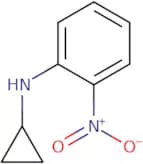
N-Cyclopropyl-2-nitroaniline
CAS:<p>Versatile small molecule scaffold</p>Formula:C9H10N2O2Purity:Min. 95%Molecular weight:178.19 g/mol2-[4-Fluoro-3-(trifluoromethyl)phenyl]propan-2-ol
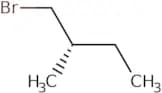
CAS:<p>Versatile small molecule scaffold</p>Formula:C10H10F4OPurity:Min. 95%Molecular weight:222.18 g/mol(S)-(+)-1-Bromo-2-methylbutane
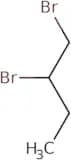
CAS:<p>(S)-(+)-1-Bromo-2-methylbutane is a chiral molecule with two stereoisomers, the cis and trans forms. The cis form has been observed to be the more stable of the two. It is a functional theory that these two forms are not mirror images of each other because they have different conformations. (S)-(+)-1-Bromo-2-methylbutane has been used in the synthesis of a number of important molecules. The stereoisomers can be distinguished by conformational analysis and optical microscopy. (S)-(+)-1-Bromo-2-methylbutane also has an application in biotechnology for use as a precursor for hydrazones, which are important in organic chemistry and molecular biology, such as DNA sequencing.</p>Formula:C5H11BrPurity:Min. 95%Molecular weight:151.04 g/mol1,2-Dibromobutane
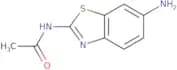
CAS:<p>1,2-Dibromobutane is an organic compound. It has a molecular weight of 104.19 and chemical formula of C4H8Br2. The dibromide ion is a bidentate ligand that binds metal ions by two oxygen atoms to form coordination complexes. 1,2-Dibromobutane has been shown to have antiviral activity against the hepatitis virus, including the NS3 protease enzyme. In addition, it inhibits the human serine protease trypsin in its activated state, which may be due to its ability to bind to the reactive site on the serine protease molecule. 1,2-Dibromobutane also possesses radiation energy and has been used as a radiopharmaceutical for diagnosing liver cancer.</p>Formula:C4H8Br2Purity:Min. 95%Molecular weight:215.92 g/molN-(6-Aminobenzothiazol-2-yl)acetamide
CAS:<p>N-(6-Aminobenzothiazol-2-yl)acetamide is a cyclic molecule that has both optical and electron transfer properties. It is an efficient inhibitor of the enzyme, benzene, which catalyzes the oxidation of benzene to benzoquinone. This compound can be synthesized using a number of techniques, including cyclization by reaction with acetamide. The molecule is a semiconductor with potentiodynamic polarization properties in the region of visible light. This property is useful for optical absorption spectroscopy and voltammetry experiments. Inhibition efficiency can be determined spectroscopically or by kinetic experiments such as measuring the rate of electron transfer between the inhibitor and substrate. The morphology of N-(6-aminobenzothiazol-2-yl)acetamide crystals can be studied using techniques such as X-ray diffraction or scanning electron microscopy.</p>Formula:C9H9N3OSPurity:Min. 95%Molecular weight:207.26 g/mol[2-(1,3-Dioxaindan-5-yl)ethyl](methyl)amine hydrochloride
CAS:Controlled Product<p>Versatile small molecule scaffold</p>Formula:C10H14ClNO2Purity:Min. 95%Molecular weight:215.67 g/molButopyronoxyl
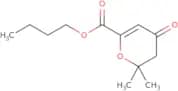
CAS:<p>Butopyronoxyl is a trifluoroacetate salt of butyronoxyl. Butyronoxyl is a growth factor that has been shown to be clinically relevant in the treatment of HIV infection and cancer. It also has potent anti-cancer activities, with the ability to inhibit tumor growth and induce apoptosis in cancer cells. The asymmetric synthesis of butyronoxyl is achieved through a one-pot reaction involving the condensation of 2-bromobutanoic acid with maleic anhydride followed by potassium carbonate-promoted hydrolysis. This compound can be obtained from natural sources such as fatty acids or plant extracts.</p>Formula:C12H18O4Purity:Min. 95%Molecular weight:226.27 g/mol1,2,3,4-Tetrahydronaphthalen-2-ol
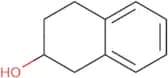
CAS:<p>Tetrahydronaphthalen-2-ol is an electrochemical substance that is used in pharmaceutical dosage formulations. It has shown to have a significant effect on degenerative diseases such as Parkinson's disease and polycystic ovarian syndrome, and also possesses activity against pancreatic lipase. Tetrahydronaphthalen-2-ol is synthesized from 1,2,3,4-tetrahydronaphthalene by the reaction of hydroxyl group with the aromatic hydrocarbon. The synthesis reaction requires light exposure. This substance is also made up of a hydroxy group and an alkynyl group.</p>Formula:C10H12OPurity:Min. 95%Molecular weight:148.21 g/molTroger’S
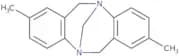
CAS:<p>Troger’s is a fluorescent probe that can be used to measure the hydrogen bond in amines. It is synthesized by reacting trifluoroacetic acid with coumarin derivatives and an amine. Troger’s has been shown to have high fluorescence intensity and a wide spectral range (250-400 nm). The fluorescence intensity of Troger’s was found to be proportional to the concentration of amines. This probe has also been used as a skeleton for polymeric matrices, which are activated by nitrogen atoms. Activation energies for these polymer matrices have been found to be between 1-3 kcal/mol.</p>Formula:C17H18N2Purity:Min. 95%Molecular weight:250.34 g/molDecahydronaphthalen-1-ol
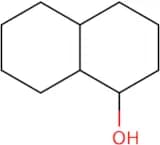
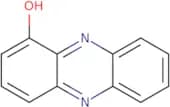
CAS:<p>Decahydronaphthalen-1-ol is an organic solvent that is used to extract compounds from samples. It has a linear calibration curve and can be used on-line. Decahydronaphthalen-1-ol reacts with nitrogen atoms in the reaction intermediates, halogen compounds and supercritical carbon dioxide. Decahydronaphthalen-1-ol also has carboxylate, sulphonate, alicyclic and solid phase microextraction properties. Decahydronaphthalen-1-ol has functional groups such as chromatographic and viscosity. Decahydronaphthalen-1-ol is a liquid at room temperature with a boiling point of 68°C. The chemical formula for decahydronaphthalen-1-ol is C10H14O.</p>Formula:C10H18OPurity:Min. 95%Molecular weight:154.25 g/mol1-Hydroxyphenazine
CAS:<p>1-Hydroxyphenazine is an anti-fungal agent that inhibits the growth of opportunistic fungal pathogens. It has been shown to be effective in vitro against some bacteria, including Staphylococcus aureus and Pseudomonas aeruginosa, but not against others such as Escherichia coli. 1-Hydroxyphenazine reacts with intracellular Ca2+ to activate the reactive oxygen species (ROS), which are cytotoxic to fungi and other microorganisms. The compound is a structural analog of phenazone, but has higher antimicrobial activity and lower toxicity. 1-Hydroxyphenazine also chelates metal ions and forms stable complexes with them. This property may contribute to its biological properties.</p>Formula:C12H8N2OPurity:Min. 95%Molecular weight:196.21 g/molD(-)-Tartaric acid
CAS:<p>2,3-Dihydroxybutanedioic acid is a metabolite of pantothenic acid and is produced by the action of β-alanine dioxygenase on 2,3-dihydroxybutyric acid. It has been suggested that 2,3-dihydroxybutanedioic acid may be an important link in the biochemical pathway for calcium uptake and metabolism. This compound is structurally similar to tartrate, which is also used as a pH buffer and may be involved in the regulation of energy metabolism. There are no known inhibitors or activators of 2,3-dihydroxybutanedioic acid.</p>Formula:C4H6O6Purity:Min. 95%Molecular weight:150.09 g/mol2-[3-(4-Chlorophenyl)-1-phenyl-1H-pyrazol-4-yl]acetonitrile
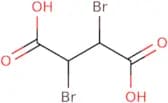
CAS:Versatile small molecule scaffoldFormula:C17H12ClN3Purity:Min. 95%Molecular weight:293.7 g/mol2,3-Dibromosuccinic acid
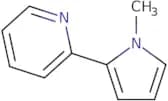
CAS:<p>Triethyl orthoformate, or TEAO, is a chemical compound that is used in the synthesis of 2,3-dibromosuccinic acid. It is prepared by the reaction of ethyl bromoacetate and sodium hydroxide in an aqueous solution. The yield of the reaction depends on the reaction time and the concentration of sodium hydroxide in the solution. The product can be purified by distillation or recrystallization. Triethyl orthoformate may be used as an industrial solvent to dissolve epoxy resins. It is also commonly used as a reagent for organic synthesis reactions such as esterification and etherification reactions. In addition, it has been shown to have antibacterial properties against Staphylococcus aureus and Bacillus subtilis. <br>Triethyl orthoformate is also involved in another chemical process: propiolic acid esterification with maleic anhydride in order to</p>Formula:HOOCCHBrCHBrCOOHPurity:Min. 95%Molecular weight:275.88 g/mol2-(1-Methyl-1H-pyrrol-2-yl)pyridine
CAS:<p>2-(1-Methyl-1H-pyrrol-2-yl)pyridine is an acidic, pharmacokinetic, and reactive chemical. It is a postulated carcinogen that may also have neurotoxic effects. 2-(1-Methyl-1H-pyrrol-2-yl)pyridine has been shown to inhibit the synthesis of prostaglandin E2 in animals. The biochemical mechanism of inhibition is not yet known, but it may be due to the formation of reactive radicals such as pyrrole. This chemical can be metabolized into 2-(1-methylpyrrolidinium) sulfamate by microsomes in animals. The sulfamate form can also undergo diode reactions with other compounds.</p>Formula:C10H10N2Purity:Min. 95%Molecular weight:158.2 g/mol1-Methyl-3H,4H,9H-pyrido[3,4-b]indole
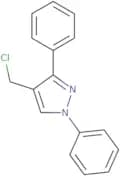
CAS:<p>1-Methyl-3H,4H,9H-pyrido[3,4-b]indole (1MP) is a drug that belongs to the class of quinoline derivatives. It binds to the protein receptor in the cell membrane and has been shown to have high cytotoxicity. 1MP has been used in the treatment of cancer and inflammatory diseases. In addition, 1MP inhibits autophagy and lowers lipid levels, which may be due to its ability to inhibit the enzyme HMG-CoA reductase. This drug is also effective against Pseudomonas aeruginosa bacteria by binding to their cell membranes.</p>Formula:C12H12N2Purity:Min. 95%Molecular weight:184.24 g/mol4-(Chloromethyl)-1,3-diphenylpyrazole
CAS:<p>Versatile small molecule scaffold</p>Formula:C16H13ClN2Purity:Min. 95%Molecular weight:268.75 g/molMebhydrolin
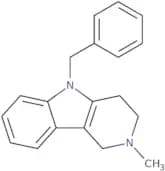
CAS:Mebhydrolin is a drug used to treat metabolic disorders and symptoms such as hyperglycemia, hyperlipidemia, and hyperuricemia. It is also used for the treatment of autoimmune diseases, such as rheumatoid arthritis. Mebhydrolin inhibits potassium dichromate-induced dopamine release in rat brain synaptosomes. The clinical relevance of this effect is not clear. Mebhydrolin has been shown to have no toxicological effects on the bowel and may be beneficial in bowel disease because it stimulates sodium citrate absorption. In addition, mebhydrolin has been shown to inhibit inflammatory bowel disease by blocking the 5HT3 receptor activity in animal studies.Formula:C19H20N2Purity:Min. 95%Molecular weight:276.38 g/mol2-Hydroxy-3-iodobenzoic acid
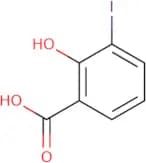
CAS:<p>2-Hydroxy-3-iodobenzoic acid is a carboxyl compound that has a radioactive form. It is stable in air and water, but can be oxidized by light or alkali. 2-Hydroxy-3-iodobenzoic acid can be used to synthesize the antiinflammatory drug salicylic acid. This drug is excreted in urine and feces as salicyluric acid. The metabolic pathway of 2-hydroxy-3-iodobenzoic acid includes oxidation and conjugation with glucuronic acid, which are the major routes of metabolism for salicylic acid.</p>Formula:C7H5IO3Purity:Min. 95%Molecular weight:264.02 g/mol2-Phenyl-isoindole-1,3-dione
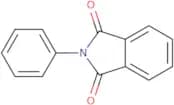
CAS:<p>2-Phenyl-isoindole-1,3-dione is a diphenyl ether that has been shown to be effective against protozoa and bacteria in vitro. It is used as an intermediate in the synthesis of other drugs, such as amide and hydrochloric acid. The chemical stability of diphenyl ethers makes them valuable for use in organic synthesis. 2-Phenyl-isoindole-1,3-dione reacts with water vapor to form a carbonyl group, which can then react with hydrochloric acid to produce a proton. The nucleophilic nature of the nitrogen atom enables it to react with the carbonyl group and produce an amide.</p>Formula:C14H9NO2Purity:Min. 95%Molecular weight:223.23 g/mol

![2-[4-Fluoro-3-(trifluoromethyl)phenyl]propan-2-ol](/_next/image/?url=https%3A%2Fstatic.cymitquimica.com%2Fproducts%2F3D%2Fthumb-webp%2FAAA53439.webp&w=3840&q=75)
amine hydrochloride](/_next/image/?url=https%3A%2Fstatic.cymitquimica.com%2Fproducts%2F3D%2Fthumb-webp%2FAAA53310.webp&w=3840&q=75)
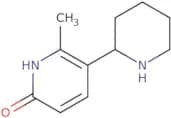
![2-[3-(4-Chlorophenyl)-1-phenyl-1H-pyrazol-4-yl]acetonitrile](/_next/image/?url=https%3A%2Fstatic.cymitquimica.com%2Fproducts%2F3D%2Fthumb-webp%2FFCA43207.webp&w=3840&q=75)
![1-Methyl-3H,4H,9H-pyrido[3,4-b]indole](/_next/image/?url=https%3A%2Fstatic.cymitquimica.com%2Fproducts%2F3D%2Fthumb-webp%2FAAA52541.webp&w=3840&q=75)