Building Blocks
Subcategories of "Building Blocks"
- Boronic Acids & Boronic Acid Derivatives(5,781 products)
- Chiral Building Blocks(1,242 products)
- Hydrocarbon Building Blocks(6,101 products)
- Organic Building Blocks(61,033 products)
Found 205320 products of "Building Blocks"
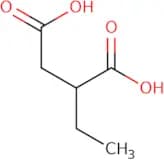
2-Ethylsuccinic acid
CAS:2-Ethylsuccinic acid is a trifluoroacetic acid derivative. It can be used as a cationic surfactant, cross-linking agent, and a trifluoromethanesulfonic acid (TFMS) catalyst. 2-Ethylsuccinic acid has been shown to react with calcium carbonate, hydroxyl group, or divalent hydrocarbon to form a film-forming polymer. This compound also has the ability to form polycarboxylic acids when reacted with glycol ethers and aluminium. 2-Ethylsuccinic acid is used as a solid catalyst for the acylation reaction of amines and alcohols.
Formula:C6H10O4Purity:Min. 95%Molecular weight:146.14 g/mol2-Hydroxyheptanoic acid
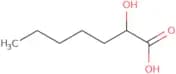
CAS:2-Hydroxyheptanoic acid is a metabolite of 2,6-dihydroxypyridine (DHP), which is an organic compound that can be found in the environment and produced by microbes. 2-Hydroxyheptanoic acid has been shown to inhibit the function of the ryanodine receptor in rat cardiac cells, which may cause arrhythmia. The drug also inhibits fatty acid synthesis and hydrolysis in the small intestine. It is synthesized from oleic acid through demethylation or hydroxylation. The technique used to produce this drug is not known. Verticillium produces this metabolite as a result of its metabolism of DHP.END>Formula:C7H14O3Purity:Min. 95%Molecular weight:146.18 g/molp-Phenetidine Hydrochloride
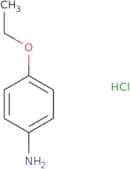
CAS:p-Phenetidine hydrochloride is a pharmaceutical preparation that is used as an intermediate in the production of chlorate, which is used in the synthesis of other organochlorine compounds. It can be prepared by reacting p-phenetidine with a solution of hydrochloric acid and zirconium dichloride in a reaction vessel. The reaction products are then heat treated to produce a solid catalyst, which can be further reacted with organic acids to form metal ion complexes. These complexes are stable and can be separated from unreacted reactants by distillation or recrystallization. The kinetic method has been shown to be useful for determining the order of reaction between these complex ions. The benzalkonium chloride acts as a cocatalyst in this process, while the solid catalyst provides kinetic stability to the process.Formula:C8H11NO·HClPurity:Min. 95%Molecular weight:173.64 g/molPramoxine HCl
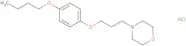
CAS:Pramoxine HCl is a leukotriene receptor antagonist that inhibits the action of the enzyme phospholipase A2, which is responsible for the conversion of arachidonic acid to prostaglandin H2. Pramoxine HCl has been shown to inhibit skin cell proliferation and induce apoptosis in human skin cells. It also has anti-inflammatory properties, and may have therapeutic potential for treating autoimmune diseases such as Crohn's disease. Pramoxine HCl is a colorless liquid that has a particle size of less than 10 microns, and has an odor of benzalkonium chloride. The melting point of pramoxine is 203°C, and its boiling point is 390°C.Formula:C17H27NO3·HClPurity:Min. 95%Molecular weight:329.86 g/mol2-Iodopentane
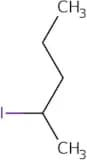
CAS:2-Iodopentane is a thiourea that has been shown to react with iodide to form the crystalline compound 2-iodopentane diiodide. The crystal x-ray diffraction pattern and optical properties of this compound are similar to those reported for the rare earth metal arenium ions. A spectroscopic study has also been carried out on this compound, which indicates that it is an efficient method for generating nitrate, halides, and frequencies. The solvents used in these reactions are not identified, but may include polyols or other unidentified compounds.Formula:C5H11IPurity:Min. 95%Molecular weight:198.05 g/molAmyl Chloroformate
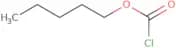
CAS:Amyl chloroformate is a synthetic compound that is used as an intermediate in the manufacture of detergent compositions, antimicrobial agents, and other chemicals. It has been shown to inhibit the activity of cytidine deaminase, which is involved in the synthesis of DNA. This inhibition can lead to cancer cell death or inflammatory diseases. Amyl chloroformate also inhibits uridine phosphorylase, an enzyme that is important for lipid metabolism.Formula:C6H11ClO2Purity:Min. 95%Molecular weight:150.6 g/molN-{2-[(2-Acetamidoethyl)disulfanyl]ethyl}acetamide
CAS:Versatile small molecule scaffoldFormula:C8H16N2O2S2Purity:Min. 95%Molecular weight:236.4 g/molTridecanoic acid
CAS:Tridecanoic acid is a fatty acid that is found in the skin cells of humans. It is a metabolic disorder, and has been shown to have antimicrobial properties. Tridecanoic acid may be used in wastewater treatment as a glycol ester and to reduce the presence of organic molecules such as caproic acid, alkanoic acid, and multivariate logistic regression. It has also been shown to be effective against chemical pesticides such as dinucleotide phosphate and hydroxyl group.Formula:C13H26O2Purity:Min. 95%Molecular weight:214.34 g/molBis[2-(2-chloroethoxy)ethyl] Ether
CAS:Bis[2-(2-chloroethoxy)ethyl] Ether is an alkylating agent that has been used in the synthesis of organic compounds. It reacts with a variety of nucleophiles, including thionyl chloride and hydrogen chloride, to generate ether linkages. Bis[2-(2-chloroethoxy)ethyl] Ether can also be used as a solvent for reactions involving alcohols, amines, and other nucleophiles. The x-ray crystal structures of the monomers show that this compound is planar with a small dipole moment. The solubility of this compound is determined by its ability to form hydrogen bonds. The reaction time for Bis[2-(2-chloroethoxy)ethyl] Ether depends on the type of nucleophile being reacted with: it takes longer for more reactive nucleophiles such as thionyl chloride or hydrogen chloride than ethanolamine or dimethylformamide.Formula:C8H16Cl2O3Purity:Min. 95%Molecular weight:231.12 g/molDiiodochloromethane
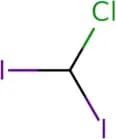
CAS:Diiodochloromethane is a halogenated hydrocarbon that is used as a wastewater treatment agent. It can be used in biological treatment to break down organic compounds and remove heavy metals, such as mercury. Diiodochloromethane has been shown to have cytotoxic effects on mammalian cells and may be toxic at high concentrations. This chemical has been shown to react with trichloroacetic acid in the presence of ultraviolet light and generate iodoacetic acid, which can be used for specific treatment of chlorinated compounds. Diiodochloromethane binds to chloride ions present in the water and forms chlorine atoms, which are then released into the environment.Formula:CHClI2Purity:Min. 95%Molecular weight:302.28 g/mol1-Naphthyl phenyl ketone
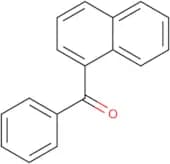
CAS:1-Naphthyl phenyl ketone is a hydroxylated aromatic compound that has shown anticancer activity in leukemia cells. The 1-Naphthyl phenyl ketone molecule also possesses fluorescence properties, which are used for optical imaging. When 1-Naphthyl phenyl ketone is acylated with an electron-deficient alkylating agent such as methyl chloroformate, it forms the corresponding carbonyl compound, which can be used as a polymerization initiator in polymers. This reaction was first studied in detail by Otto Wallach and Heinrich Otto Wieland in 1891 and 1892. Radiation can also induce the decomposition of 1-naphthyl phenyl ketone to produce naphthalene.Formula:C17H12OPurity:Min. 95%Molecular weight:232.28 g/mol6,7,8-Trimethoxy-1,2,3,4-tetrahydroisoquinoline
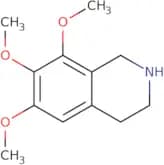
CAS:6,7,8-Trimethoxy-1,2,3,4-tetrahydroisoquinoline is a neurally active alkaloid found in the plant Solanum nigrum. It has been shown to act as an antagonist of acetylcholine at the neuromuscular junction. This compound has also been shown to have muscle relaxant properties and can be used as a potential treatment for acute gastral spasms. 6,7,8-Trimethoxy-1,2,3,4-tetrahydroisoquinoline also has calcium hydrogen phosphate binding properties and may play a role in carbohydrate metabolism. This natural compound may also have addictive properties due to its effects on the cholinergic system.Formula:C12H17NO3Purity:Min. 95%Molecular weight:223.27 g/mol2-Propylphenol
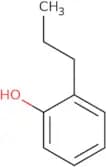
CAS:2-Propylphenol is a diphenyl ether that inhibits the growth of microorganisms by inhibiting enzymes in the electron transport chain. It can be used as an herbicide to control weeds and as a disinfectant for animals and humans. 2-Propylphenol has been shown to have anti-inflammatory properties, which may be due to its inhibition of prostaglandin synthesis. This compound also has been shown to inhibit the transfer of electrons from NADH to oxygen, which may reduce the production of reactive oxygen species. The production of reactive oxygen species leads to oxidative stress, which can cause DNA damage and cell death. 2-Propylphenol is a colorless liquid with a boiling point of 221°C at atmospheric pressure. It is soluble in water, alcohols, esters, ethers, and chloroform but insoluble in fats and oils.Formula:C9H12OPurity:Min. 95%Molecular weight:136.19 g/mol(2Z)-2-Bromo-2-butenedioic acid
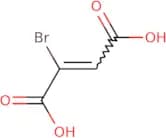
CAS:2-Bromobut-2-enedioic acid is a reactive chemical that can be used for the production of acrylates. It is also a hydroxyl compound with an acidic property. 2-Bromobut-2-enedioic acid has been shown to react with hydrogen fluoride, dimethyl fumarate, and fatty acids to form products with different structures and properties. The detection sensitivity of this compound was found to be 0.5 ppm in the gas phase and 0.1 ppm in the liquid phase. This compound has a particle size of 30 nm and an optical sensor that can detect its presence at concentrations of 1 ppm or higher.Formula:C4H3BrO4Purity:Min. 95%Molecular weight:194.97 g/molDL-2-Aminocaprylic acid
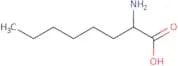
CAS:DL-2-Aminocaprylic acid is a fatty acid that is synthesized from lysine by the enzyme lysine decarboxylase. It is one of the major lipids in cancer cells, and its level can be used to measure the severity of a cancerous tumor. DL-2-Aminocaprylic acid has been shown to have antimicrobial properties against bacteria and fungi. This compound also possesses an inhibitory effect on the biosynthesis of polyunsaturated fatty acids, which may contribute to its anticancer effects.
Formula:C8H17NO2Purity:Min. 95%Molecular weight:159.23 g/mol4²-Isopropylacetophenone
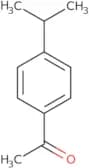
CAS:Propiophenone is a propionic acid derivative that can be synthesized from acetone and formaldehyde. The reaction is selective for the 4-position of the phenyl ring, and the product is largely in the 2-isopropylacetophenone (2-IPAP) form. This compound is used to manufacture industrial chemicals such as propionitrile, which are used to make other chemicals such as acrylic acid. It can also be used to produce synthetic rubber and polymers.
Formula:C11H14OPurity:Min. 95%Molecular weight:162.23 g/molL-Histidine hydrochloride solution
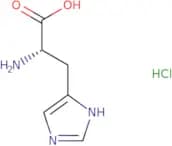
CAS:L-Histidine hydrochloride solution is a chemical that is used as a nutrient in the treatment of bowel disease. It can be used to treat leukemia, autoimmune diseases, and bowel disease. L-histidine hydrochloride solution contains sodium citrate, which is an essential ingredient for the formation of blood clots. This chemical also has been shown to inhibit group P2 enzymes that are responsible for the degradation of heparin. L-histidine hydrochloride solution may have anti-inflammatory effects due to its ability to inhibit neutrophil chemotaxis and leukocyte adhesion, which are both important factors in inflammation.Formula:C6H9N3O2·HClPurity:Min. 95%Molecular weight:191.62 g/molN,N-Diethyl-p-toluenesulfonamide
CAS:N,N-Diethyl-p-toluenesulfonamide is a sulfonamide compound that has the chemical formula CH3CONHCH2CH2SO2N(CH3)2. It is an organic amine with a sulfonic acid group. This compound is mainly used as a solvent for cellulose acetate and nitrocellulose, as well as in pharmaceuticals and photographic chemicals. N,N-Diethyl-p-toluenesulfonamide also has pharmacophoric properties and can be used to study biomolecules such as peptides and proteins. It reacts with organolithium reagents to form lithium salts. The bond cleavage of this compound occurs at temperatures between 190°C and 210°C, which make it useful in chromatographic science. N,N-Diethyl-p-toluenesulfonamide is synthesized by the condensation of amines with sulfonic acidsFormula:C11H17NO2SPurity:Min. 95%Molecular weight:227.32 g/mol4,5-Bis(trifluoromethyl)imidazole
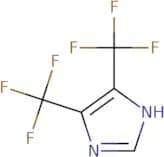
CAS:4,5-Bis(trifluoromethyl)imidazole is a heterocyclic organic compound and a dimethylhydrazone derivative. It can be used as an intermediate in the synthesis of pharmaceuticals.Formula:C5H2F6N2Purity:Min. 95%Molecular weight:204.08 g/mol5-Nitro-6-(trifluoromethyl)-1,2,3,4-tetrahydropyrimidine-2,4-dione
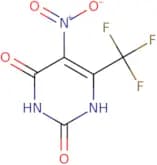
CAS:Versatile small molecule scaffold
Formula:C5H2F3N3O4Purity:Min. 95%Molecular weight:225.08 g/mol

![N-{2-[(2-Acetamidoethyl)disulfanyl]ethyl}acetamide](/_next/image/?url=https%3A%2Fstatic.cymitquimica.com%2Fproducts%2F3D%2Fthumb-webp%2FAAA63844.webp&w=3840&q=75)

![Bis[2-(2-chloroethoxy)ethyl] Ether](/_next/image/?url=https%3A%2Fstatic.cymitquimica.com%2Fproducts%2F3D%2Fthumb-webp%2FAAA63856.webp&w=3840&q=75)