Building Blocks
This section contains fundamental products for the synthesis of organic and biological compounds. Building blocks are the essential starting materials used to construct complex molecules through various chemical reactions. They play a critical role in drug discovery, material science, and chemical research. At CymitQuimica, we offer a diverse range of high-quality building blocks to support your innovative research and industrial projects, ensuring you have the essential components for successful synthesis.
Subcategories of "Building Blocks"
- Boronic Acids & Boronic Acid Derivatives(5,778 products)
- Chiral Building Blocks(1,242 products)
- Hydrocarbon Building Blocks(6,098 products)
- Organic Building Blocks(61,084 products)
Found 198714 products of "Building Blocks"
Sort by
Purity (%)
0
100
|
0
|
50
|
90
|
95
|
100
5-Bromobenzo[d]isothiazol-3(2H)-one 1,1-dioxide
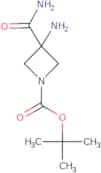
CAS:<p>Versatile small molecule scaffold</p>Formula:C7H4BrNO3SPurity:Min. 95%Molecular weight:262.08 g/moltert-butyl 3-amino-3-carbamoylazetidine-1-carboxylate
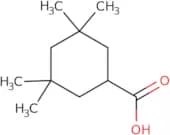
CAS:Versatile small molecule scaffoldFormula:C9H17N3O3Purity:Min. 95%Molecular weight:215.2 g/mol3,3,5,5-Tetramethylcyclohexane-1-carboxylic acid
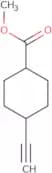
CAS:Versatile small molecule scaffoldFormula:C11H20O2Purity:Min. 95%Molecular weight:184.27 g/molMethyl 4-ethynylcyclohexane-1-carboxylate
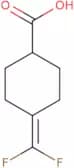
CAS:Versatile small molecule scaffoldFormula:C10H14O2Purity:Min. 95%Molecular weight:166.22 g/mol4-(Difluoromethylidene)cyclohexane-1-carboxylic acid
CAS:Versatile small molecule scaffoldFormula:C8H10F2O2Purity:Min. 95%Molecular weight:176.16 g/mol3,3-difluoro-8-azabicyclo[3.2.1]octane hydrochloride
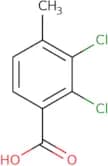
CAS:<p>Versatile small molecule scaffold</p>Formula:C7H12ClF2NPurity:Min. 95%Molecular weight:183.6 g/mol2,3-Dichloro-4-methylbenzoic acid
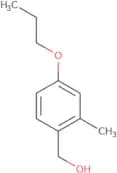
CAS:<p>Versatile small molecule scaffold</p>Formula:C8H6Cl2O2Purity:Min. 95%Molecular weight:205.04 g/mol(2-Methyl-4-propoxyphenyl)methanol
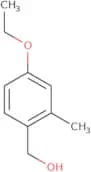
CAS:<p>Versatile small molecule scaffold</p>Formula:C11H16O2Purity:Min. 95%Molecular weight:180.24 g/mol(4-Ethoxy-2-methylphenyl)methanol
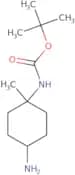
CAS:<p>Versatile small molecule scaffold</p>Formula:C10H14O2Purity:Min. 95%Molecular weight:166.22 g/moltert-butyl N-(4-amino-1-methylcyclohexyl)carbamate, Mixture of diastereomers
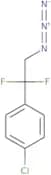
CAS:<p>Versatile small molecule scaffold</p>Formula:C12H24N2O2Purity:Min. 95%Molecular weight:228.3 g/mol1-(2-Azido-1,1-difluoroethyl)-4-chlorobenzene
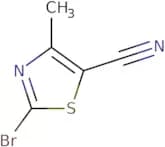
CAS:Versatile small molecule scaffoldFormula:C8H6ClF2N3Purity:Min. 95%Molecular weight:217.6 g/mol2-Bromo-4-methylthiazole-5-carbonitrile
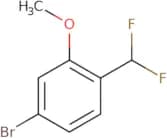
CAS:Versatile small molecule scaffoldFormula:C5H3BrN2SPurity:Min. 95%Molecular weight:203.06 g/mol4-Bromo-1-(difluoromethyl)-2-methoxybenzene
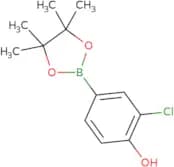
CAS:<p>Versatile small molecule scaffold</p>Formula:C8H7BrF2OPurity:Min. 95%Molecular weight:237.04 g/mol3-Chloro-4-hydroxyphenylboronic acid pinacol ester
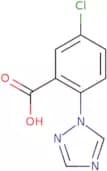
CAS:Versatile small molecule scaffoldFormula:C12H16BClO3Purity:Min. 95%Molecular weight:254.52 g/mol5-Chloro-2-(1H-1,2,4-triazol-1-yl)benzoic acid
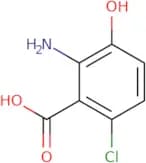
CAS:Versatile small molecule scaffoldFormula:C9H6ClN3O2Purity:Min. 95%Molecular weight:223.61 g/mol2-Amino-6-chloro-3-hydroxybenzoic acid
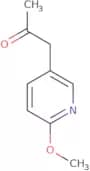
CAS:<p>Versatile small molecule scaffold</p>Formula:C7H6ClNO3Purity:Min. 95%Molecular weight:187.58 g/mol1-(6-Methoxypyridin-3-yl)propan-2-one
CAS:Versatile small molecule scaffoldFormula:C9H11NO2Purity:Min. 95%Molecular weight:165.19 g/mol8-(Difluoromethoxy)quinolin-4-ol
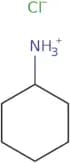
CAS:<p>Versatile small molecule scaffold</p>Formula:C10H7F2NO2Purity:Min. 95%Molecular weight:211.16 g/molCyclohexylamine Hydrochloride
CAS:<p>Cyclohexylamine hydrochloride (CHA) is a cyclohexane ring with an amine group on the side. It is used as a metabolic rate indicator, which can be seen through optical sensors. The most common use of CHA is in bladder studies, where it is used to test the effect of various chemicals on the cells lining the bladder. CHA also has long-term toxicity and particle effects, which have been shown in animal studies. Cyclohexylamine hydrochloride may also have carcinogenic potential because it binds to fatty acid receptors, leading to increased uptake and tumor growth. Cyclohexylamine hydrochloride also has an effect on glucocorticoid receptors that can lead to toxic effects on the testes and ovaries. Cyclohexylamine hydrochloride has no known interactions with any other drugs or chemicals.</p>Formula:C6H13N·HClPurity:Min. 95%Molecular weight:135.64 g/mol3-Ethyl-4-hydroxybenzonitrile
CAS:<p>Versatile small molecule scaffold</p>Formula:C9H9NOPurity:Min. 95%Molecular weight:147.17 g/mol
![5-Bromobenzo[d]isothiazol-3(2H)-one 1,1-dioxide](/_next/image/?url=https%3A%2Fstatic.cymitquimica.com%2Fproducts%2F3D%2Fthumb-webp%2FEBA63282.webp&w=3840&q=75)

![3,3-difluoro-8-azabicyclo[3.2.1]octane hydrochloride](/_next/image/?url=https%3A%2Fstatic.cymitquimica.com%2Fproducts%2F3D%2Fthumb-webp%2FEAC10406.webp&w=3840&q=75)