Building Blocks
Subcategories of "Building Blocks"
- Boronic Acids & Boronic Acid Derivatives(5,805 products)
- Chiral Building Blocks(1,248 products)
- Hydrocarbon Building Blocks(6,122 products)
- Organic Building Blocks(61,463 products)
Found 208442 products of "Building Blocks"
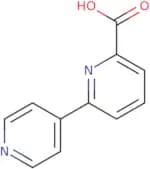
2,4'-Bipyridine-6-carboxylic acid
CAS:Versatile small molecule scaffold
Formula:C11H8N2O2Purity:Min. 95%Molecular weight:200.2 g/mol(3-Bromo-4-(trifluoromethyl)phenyl)methanamine hydrochloride
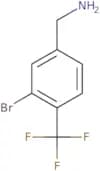
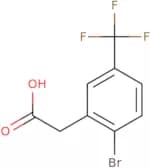
CAS:Versatile small molecule scaffoldFormula:C8H8BrClF3NPurity:Min. 95%Molecular weight:290.51 g/mol2-(2-bromo-5-(trifluoromethyl)phenyl)acetic acid
CAS:Versatile small molecule scaffold
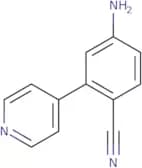
Formula:C9H6BrF3O2Purity:Min. 95%Molecular weight:283.04 g/mol4-Amino-2-(pyridin-4-yl)benzonitrile
CAS:Versatile small molecule scaffold
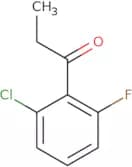
Formula:C12H9N3Purity:Min. 95%Molecular weight:195.22 g/mol1-(2-Chloro-6-fluorophenyl)propan-1-one
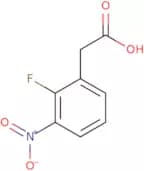
CAS:Versatile small molecule scaffoldFormula:C9H8ClFOPurity:Min. 95%Molecular weight:186.61 g/mol2-(2-Fluoro-3-nitrophenyl)acetic acid
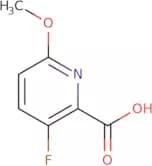
CAS:Versatile small molecule scaffoldFormula:C8H6FNO4Purity:Min. 95%Molecular weight:199.1 g/mol3-Fluoro-6-methoxypyridine-2-carboxylic acid
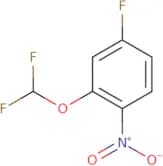
CAS:Versatile small molecule scaffoldFormula:C7H6FNO3Purity:Min. 95%Molecular weight:171.13 g/mol2-(Difluoromethoxy)-4-fluoro-1-nitro-benzene
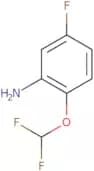
CAS:Versatile small molecule scaffoldFormula:C7H4F3NO3Purity:Min. 95%Molecular weight:207.11 g/mol2-(Difluoromethoxy)-5-fluoroaniline
CAS:Versatile small molecule scaffold
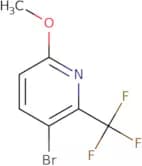
Formula:C7H6F3NOPurity:Min. 95%Molecular weight:177.12 g/mol3-Bromo-6-methoxy-2-(trifluoromethyl)pyridine
CAS:Versatile small molecule scaffoldFormula:C7H5BrF3NOPurity:Min. 95%Molecular weight:256.02 g/mol4-[(3-Chlorophenyl)amino]-4-oxobutanoic acid
CAS:4-Amino-4-oxobutanoic acid is a weak organic acid that is found in the form of a white, crystalline powder. It has a molecular weight of 123.17 and a melting point of 163°C. 4-Amino-4-oxobutanoic acid is soluble in water, but not in alcohols or ethers. This compound can be classified as an amide, due to the presence of hydrogen bonds between the carbonyl group and the amino group. 4-Amino-4-oxobutanoic acid is also known as 4-[(3-chlorophenyl)amino]-4-oxobutanoic acid (CLAB).
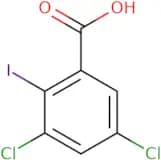
Formula:C10H10ClNO3Purity:Min. 95%Molecular weight:227.64 g/mol3,5-Dichloro-2-iodobenzoic acid
CAS:Versatile small molecule scaffold
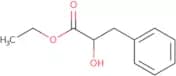
Formula:C7H3Cl2IO2Purity:Min. 95%Molecular weight:316.9 g/molEthyl 2-hydroxy-3-phenylpropanoate
CAS:Ethyl 2-hydroxy-3-phenylpropanoate (EPP) is a component of the fragrance, which is used in perfumes, soaps, and detergents. It has been shown to have a hypocholesterolemic effect in rats and a proliferator-activated receptor agonist effect on human cells. EPP also has been shown to stimulate collagen production and inhibit the proliferation of human keratinocytes. The biological properties of this compound are related to its ability to activate insulin receptors in muscle cells. EP can be synthesized by reacting 3-phenylpropanal with ethyl bromoacetate followed by hydrolysis of the resulting ester.
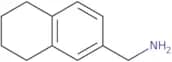
Formula:C11H14O3Purity:Min. 95%Molecular weight:194.23 g/mol(5,6,7,8-tetrahydronaphthalen-2-yl)methanamine
CAS:Versatile small molecule scaffold
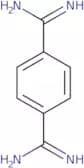
Formula:C11H15NPurity:Min. 95%Molecular weight:161.24 g/mol1,4-Diamidinobenzene
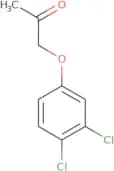
CAS:1,4-Diamidinobenzene is a chemical compound that belongs to the group of triazines. It has been extensively used in pharmaceutical preparations because of its stability and low toxicity. 1,4-Diamidinobenzene is an acid complex with a molecule that has a crystalline structure. It is soluble in organic solvents such as ethanol and acetone. The terminal half-life of 1,4-diamidinobenzene depends on the type of coating applied to the metal surface; it can be degradable or not. The electronic interaction between 1,4-diamidinobenzene and urokinase-type plasminogen increases its activity by tenfold when compared to other non-interacting molecules.Formula:C8H10N4Purity:Min. 95%Molecular weight:162.19 g/mol1-(3,4-Dichlorophenoxy)propan-2-one
CAS:Versatile small molecule scaffold
Formula:C9H8Cl2O2Purity:Min. 95%Molecular weight:219.06 g/mol3-(2-bromoethoxy)prop-1-ene
CAS:Versatile small molecule scaffold
Formula:C5H9OBrPurity:Min. 95%Molecular weight:165.02 g/mol3-(3-Bromopropoxy)prop-1-ene
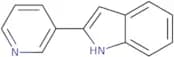
CAS:Versatile small molecule scaffoldFormula:C6H11BrOPurity:Min. 95%Molecular weight:179.05 g/mol2-(Pyridin-3-yl)-1H-indole
CAS:Versatile small molecule scaffold
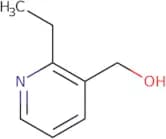
Formula:C13H10N2Purity:Min. 95%Molecular weight:194.23 g/mol(2-Ethylpyridin-3-yl)methanol
CAS:(2-Ethylpyridin-3-yl)methanol is a drug that can be used for the treatment of cerebral ischemia. It has been shown to increase blood flow to the brain and reduce the infarct size in animal models. (2-Ethylpyridin-3-yl)methanol is also effective in treating acute ischemic stroke, as it has been shown to reduce the severity of cerebral vasospasm. This drug can be used as a substitute for insulin in type 2 diabetes mellitus, because it reduces insulin resistance and improves glycemic control. As with other drugs in this class, (2-Ethylpyridin-3-yl)methanol should be administered by intravenous infusion only. The recommended dose for adults with normal renal function is 3 mg/kg body weight over 15 minutes followed by an infusion at 0.5 mg/kg over 4 hours. If given as an infusion,Formula:C8H11NOPurity:Min. 95%Molecular weight:137.18 g/mol

![4-[(3-Chlorophenyl)amino]-4-oxobutanoic acid](/_next/image/?url=https%3A%2Fstatic.cymitquimica.com%2Fproducts%2F3D%2Fthumb-webp%2FQAA38696.webp&w=3840&q=75)