Building Blocks
This section contains fundamental products for the synthesis of organic and biological compounds. Building blocks are the essential starting materials used to construct complex molecules through various chemical reactions. They play a critical role in drug discovery, material science, and chemical research. At CymitQuimica, we offer a diverse range of high-quality building blocks to support your innovative research and industrial projects, ensuring you have the essential components for successful synthesis.
Subcategories of "Building Blocks"
- Boronic Acids & Boronic Acid Derivatives(5,778 products)
- Chiral Building Blocks(1,243 products)
- Hydrocarbon Building Blocks(6,098 products)
- Organic Building Blocks(61,057 products)
Found 200710 products of "Building Blocks"
Sort by
Purity (%)
0
100
|
0
|
50
|
90
|
95
|
100
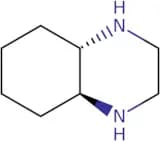
trans-Decahydro-quinoxaline
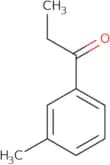
CAS:<p>Versatile small molecule scaffold</p>Formula:C8H16N2Purity:Min. 95%Molecular weight:140.23 g/mol1-(m-Tolyl)propan-1-one
CAS:Controlled Product<p>Amphetamine is a psychostimulant and sympathomimetic that is used to treat attention-deficit hyperactivity disorder, narcolepsy, and obesity. Amphetamine is structurally similar to phenylethylamine, a naturally occurring trace amine found in humans. Amphetamine has been shown to bind with high affinity to tissues in the heart, lungs, stomach, and intestines. It also binds with moderate affinity to the liver. Amphetamine can be detected by analyses of chemical structures using diode-array detection or mass spectrometry. In addition, amphetamine can be detected in urine using liquid chromatography or gas chromatography/mass spectrometry. Amphetamines are addictive and have been shown to cause long-term damage in animal models of addiction. Cathinones are related compounds that have been found in human urine samples and have been shown to be toxicologically similar to amphetamines.</p>Formula:C10H12OPurity:Min. 95%Molecular weight:148.2 g/molFenicoberan
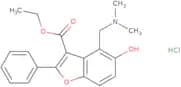
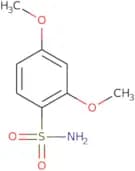
CAS:<p>Fenicoberan is a bronchodilator that has been shown to be effective in the treatment of chronic bronchitis. Fenicoberan is also used as an antiarrhythmic and a medicinal preparation for treating gastritis, heart disease, and infarction. Fenicoberan has been shown to be an effective drug in the ligation of coronary artery thrombi, with normalization of heart function, and hepatoprotective properties. The active chemical component of fenicoberan is phenylephrine hydrochloride. It is a sympathomimetic amine that increases blood pressure by acting on alpha-adrenergic receptors in the vascular smooth muscle cells. Fenicoberan also induces phosphatidylcholine synthesis by activating phospholipase C (PLC) enzymes, which are involved in the hydrolysis of membrane phospholipids.</p>Formula:C20H22ClNO4Purity:Min. 95%Molecular weight:375.8 g/mol2,4-Dimethoxybenzenesulfonamide
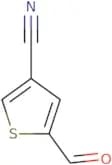
CAS:<p>Versatile small molecule scaffold</p>Formula:C8H11NO4SPurity:Min. 95%Molecular weight:217.25 g/mol5-formylthiophene-3-carbonitrile
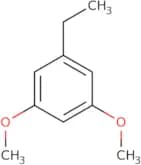
CAS:<p>Versatile small molecule scaffold</p>Formula:C6H3NOSPurity:Min. 95%Molecular weight:137.15 g/mol1-Ethyl-3,5-dimethoxybenzene
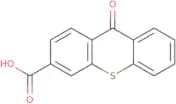
CAS:<p>Versatile small molecule scaffold</p>Formula:C10H14O2Purity:Min. 95%Molecular weight:166.22 g/mol9-Oxo-9H-thioxanthene-3-carboxylic acid
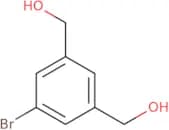
CAS:<p>9-Oxo-9H-thioxanthene-3-carboxylic acid is an organic compound that is used in the treatment of wastewater. It is used to inhibit the growth of microorganisms present in wastewater and has been shown to be effective at inhibiting enzymes involved in energy metabolism and citric acid production. 9-Oxo-9H-thioxanthene-3-carboxylic acid also acts as a potent inhibitor of pyrazinoic acid production, which is a major cause of chronic coughs. This chemical also inhibits glomerular filtration rate in rats, which can lead to proteinuria. The chemical's effect on kidney function can be determined by preparing a sample for titration calorimetry.</p>Formula:C14H8O3SPurity:Min. 95%Molecular weight:256.28 g/mol(5-Bromo-1,3-phenylene)dimethanol
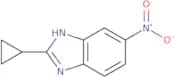
CAS:<p>Versatile small molecule scaffold</p>Formula:C8H9BrO2Purity:Min. 95%Molecular weight:217.06 g/mol2-Cyclopropyl-5-nitro-1H-1,3-benzodiazole
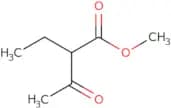
CAS:Versatile small molecule scaffoldFormula:C10H9N3O2Purity:Min. 95%Molecular weight:203.2 g/molMethyl 2-ethylacetoacetate
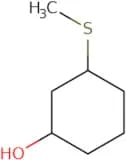
CAS:<p>Methyl 2-ethylacetoacetate (MEAA) is a reactive chemical that is used in the industrial process of dry extraction. MEAA is used as an antibacterial agent and has been shown to be effective against a number of bacteria, including Escherichia coli and Pseudomonas aeruginosa. MEAA binds to fatty acids, disrupting their structure and inhibiting bacterial growth. It also inhibits fatty acid synthesis in bacteria, which leads to cell death by disruption of membrane integrity. The carboxylate group on MEAA can act as a diluent for other more reactive chemicals, such as formaldehyde or glutaraldehyde.</p>Formula:C7H12O3Purity:Min. 95%Molecular weight:144.17 g/mol3-(Methylsulfanyl)cyclohexan-1-ol
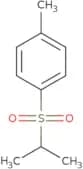
CAS:<p>Versatile small molecule scaffold</p>Formula:C7H14OSPurity:Min. 95%Molecular weight:146.25 g/mol1-Methyl-4-(propane-2-sulfonyl)benzene
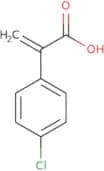
CAS:Versatile small molecule scaffoldFormula:C10H14O2SPurity:Min. 95%Molecular weight:198.28 g/mol2-(4-Chlorophenyl)prop-2-enoic acid
CAS:<p>Versatile small molecule scaffold</p>Formula:C9H7ClO2Purity:Min. 95%Molecular weight:182.6 g/mol1',2',3',4',5',6'-Hexahydro-[2,3']bipyridinyl dihydrochloride
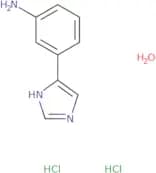
CAS:Versatile small molecule scaffoldFormula:C10H16Cl2N2Purity:Min. 95%Molecular weight:235.16 g/mol3-(1H-Imidazol-4-yl)aniline dihydrochloride
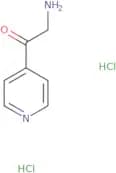
CAS:<p>Versatile small molecule scaffold</p>Formula:C9H13Cl2N3OPurity:Min. 95%Molecular weight:250.12 g/mol2-Amino-1-(pyridin-4-yl)ethanone dihydrochloride
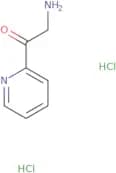
CAS:Versatile small molecule scaffoldFormula:C7H10Cl2N2OPurity:Min. 95%Molecular weight:209.07 g/mol2-(2-Aminoacetyl)pyridine Dihydrochloride
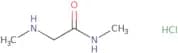
CAS:Versatile small molecule scaffoldFormula:C7H8N2O·2HClPurity:Min. 95%Molecular weight:209.07 g/molN-Methyl-2-(methylamino)acetamide hydrochloride
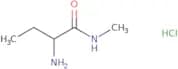
CAS:Versatile small molecule scaffoldFormula:C4H11ClN2OPurity:Min. 95%Molecular weight:138.59 g/mol2-Amino-N-methylbutanamide hydrochloride
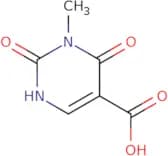
CAS:Versatile small molecule scaffoldFormula:C5H13ClN2OPurity:Min. 95%Molecular weight:152.62 g/mol3-Methyl-2,4-dioxo-1,2,3,4-tetrahydropyrimidine-5-carboxylic acid
CAS:Versatile small molecule scaffoldFormula:C6H6N2O4Purity:Min. 95%Molecular weight:170.12 g/mol

![1',2',3',4',5',6'-Hexahydro-[2,3']bipyridinyl dihydrochloride](/_next/image/?url=https%3A%2Fstatic.cymitquimica.com%2Fproducts%2F3D%2Fthumb-webp%2FBCA74700.webp&w=3840&q=75)