


Building Blocks
This section contains fundamental products for the synthesis of organic and biological compounds. Building blocks are the essential starting materials used to construct complex molecules through various chemical reactions. They play a critical role in drug discovery, material science, and chemical research. At CymitQuimica, we offer a diverse range of high-quality building blocks to support your innovative research and industrial projects, ensuring you have the essential components for successful synthesis.
Subcategories of "Building Blocks"
- Boronic Acids & Boronic Acid Derivatives(5,756 products)
- Chiral Building Blocks(1,242 products)
- Hydrocarbon Building Blocks(6,095 products)
- Organic Building Blocks(61,055 products)
Found 199650 products of "Building Blocks"
Sort by
Purity (%)
0
100
|
0
|
50
|
90
|
95
|
100
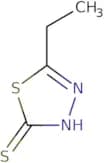
5-Ethyl-1,3,4-thiadiazole-2-thiol
CAS:<p>Versatile small molecule scaffold</p>Formula:C4H6N2S2Purity:Min. 95%Molecular weight:146.2 g/molRef: 3D-MBA66351
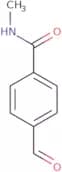
Discontinued product4-Formyl-N-methyl-benzamide
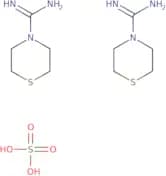
CAS:<p>Versatile small molecule scaffold</p>Formula:C9H9NO2Purity:Min. 95%Molecular weight:163.18 g/molBis(thiomorpholine-4-carboximidamide) sulfate
CAS:<p>Versatile small molecule scaffold</p>Formula:C10H24N6O4S3Purity:Min. 95%Molecular weight:388.5 g/mol5-(Propan-2-yl)-1-(pyridin-4-yl)-1H-pyrazole-3-carboxylic acid
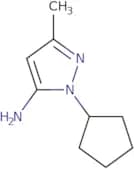
CAS:<p>Versatile small molecule scaffold</p>Formula:C12H13N3O2Purity:Min. 95%Molecular weight:231.25 g/mol2-Cyclopentyl-5-methyl-2H-pyrazol-3-ylamine
CAS:<p>Versatile small molecule scaffold</p>Formula:C9H15N3Purity:Min. 95%Molecular weight:165.24 g/mol3-[(4-Methylphenyl)methyl]azetidine hydrochloride
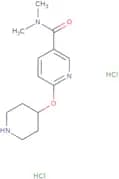
CAS:<p>Versatile small molecule scaffold</p>Formula:C11H16ClNPurity:Min. 95%Molecular weight:197.7 g/molN,N-Dimethyl-6-(piperidin-4-yloxy)pyridine-3-carboxamide dihydrochloride
CAS:<p>Versatile small molecule scaffold</p>Formula:C13H21Cl2N3O2Purity:Min. 95%Molecular weight:322.2 g/molRef: 3D-FDD53991
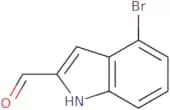
Discontinued product4-bromo-1H-indole-2-carbaldehyde
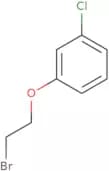
CAS:<p>Versatile small molecule scaffold</p>Formula:C9H6BrNOPurity:Min. 95%Molecular weight:224.1 g/mol1-(2-Bromoethoxy)-3-chlorobenzene
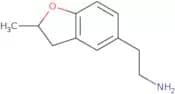
CAS:<p>Versatile small molecule scaffold</p>Formula:C8H8BrClOPurity:Min. 95%Molecular weight:235.51 g/mol2-(2-Methyl-2,3-dihydro-1-benzofuran-5-yl)ethan-1-amine
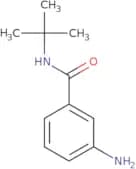
CAS:Controlled Product<p>Versatile small molecule scaffold</p>Formula:C11H15NOPurity:Min. 95%Molecular weight:177.24 g/mol3-Amino-N-(tert-butyl)benzamide
CAS:<p>Versatile small molecule scaffold</p>Formula:C11H16N2OPurity:Min. 95%Molecular weight:192.26 g/molRef: 3D-ABA90062
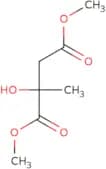
Discontinued product1,4-Dimethyl 2-hydroxy-2-methylbutanedioate
CAS:<p>1,4-Dimethyl 2-hydroxy-2-methylbutanedioate is an allylating agent that modifies the amino acid lysine residues in proteins. It has been shown to be effective in the treatment of skin lesions caused by Staphylococcus aureus and other bacteria because it inhibits bacterial growth through an antimicrobial effect. 1,4-Dimethyl 2-hydroxy-2-methylbutanedioate also has been used as a precursor for the synthesis of vitamin D3. This compound is metabolized in mammalian cells to form cysteamine, which is further converted to S-(1,4-dimethylpentadienoyl)cysteamine (DMPE). The resulting product can be used as a functional group on collagen or malic acid. 1,4-Dimethyl 2-hydroxy-2-methylbutanedioate also is used for modifications of mucocutaneous tissues such as skin and oral muc</p>Formula:C7H12O5Purity:Min. 95%Molecular weight:176.17 g/molRef: 3D-UAA02062
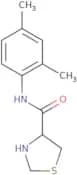
Discontinued productN-(2,4-Dimethylphenyl)-1,3-thiazolidine-4-carboxamide
CAS:<p>Versatile small molecule scaffold</p>Formula:C12H16N2OSPurity:Min. 95%Molecular weight:236.34 g/mol3-{[3-(Trifluoromethyl)-1H-pyrazol-1-yl]methyl}benzoic acid
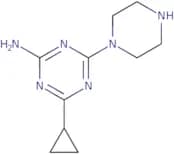
CAS:<p>Versatile small molecule scaffold</p>Formula:C12H9F3N2O2Purity:Min. 95%Molecular weight:270.21 g/mol4-Cyclopropyl-6-(piperazin-1-yl)-1,3,5-triazin-2-amine
CAS:<p>Versatile small molecule scaffold</p>Formula:C10H16N6Purity:Min. 95%Molecular weight:220.27 g/molRef: 3D-AAD33568
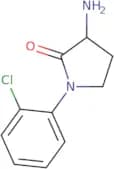
Discontinued product3-Amino-1-(2-chlorophenyl)pyrrolidin-2-one
CAS:<p>Versatile small molecule scaffold</p>Formula:C10H11ClN2OPurity:Min. 95%Molecular weight:210.66 g/molRef: 3D-AAC28734
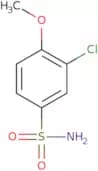
Discontinued product3-Chloro-4-methoxybenzene-1-sulfonamide
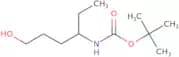
CAS:<p>Versatile small molecule scaffold</p>Formula:C7H8ClNO3SPurity:Min. 95%Molecular weight:221.66 g/moltert-Butyl 6-hydroxyhexan-3-ylcarbamate
CAS:<p>Versatile small molecule scaffold</p>Formula:C11H23NO3Purity:Min. 95%Molecular weight:217.31 g/molRef: 3D-UCB44687
Discontinued product(2S,5S)-1-{[(9H-Fluoren-9-yl)methoxy]carbonyl}-5-phenylpyrrolidine-2-carboxylic acid
CAS:<p>Versatile small molecule scaffold</p>Formula:C26H23NO4Purity:Min. 95%Molecular weight:413.5 g/molRef: 3D-UYB95360
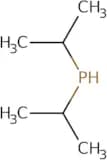
Discontinued productDiisopropylphosphine, 10wt.% in hexane
CAS:<p>Please enquire for more information about Diisopropylphosphine, 10wt.% in hexane including the price, delivery time and more detailed product information at the technical inquiry form on this page</p>Formula:C6H15PPurity:Min. 95%Molecular weight:118.16 g/molRef: 3D-VAA49153
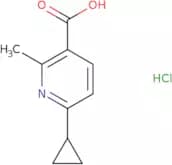
Discontinued product6-Cyclopropyl-2-methylpyridine-3-carboxylic acid hydrochloride
CAS:<p>Versatile small molecule scaffold</p>Formula:C10H12ClNO2Purity:Min. 95%Molecular weight:213.66 g/molRef: 3D-VXC68611
Discontinued product1-(4-Methylphenyl)-1H,4H,5H-pyrazolo[3,4-d]pyrimidin-4-one
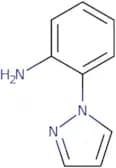
CAS:<p>Versatile small molecule scaffold</p>Formula:C12H10N4OPurity:Min. 95%Molecular weight:226.23 g/mol1-(2-Aminophenyl)-1H-pyrazole
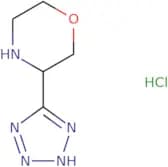
CAS:<p>1-(2-Aminophenyl)-1H-pyrazole is a chemical compound that is used in the synthesis of other compounds. It can be produced by various reactions from benzyl chloride and ammonia. The reactivity of 1-(2-aminophenyl)-1H-pyrazole has been studied using single crystal X-ray diffraction. This technique was used to determine the structure and reaction pathway of this molecule as well as to study its catalytic properties. 1-(2-Aminophenyl)-1H-pyrazole is a ligand that binds to metal ions, such as aluminium, in order to form complexes with different functional groups.</p>Formula:C9H9N3Purity:Min. 95%Molecular weight:159.19 g/mol3-(1H-1,2,3,4-Tetrazol-5-yl)morpholine hydrochloride
CAS:<p>Versatile small molecule scaffold</p>Formula:C5H10ClN5OPurity:Min. 95%Molecular weight:191.62 g/molRef: 3D-VXC70511
Discontinued productThieno[2,3-b]pyridine-5-carbonitrile
CAS:<p>Thienopyridine analogs are a class of chemical compounds that function as agonists of the receptor α. These compounds have been shown to inhibit fatty acid oxidation and ATP production in rat liver cells, which may be due to their ability to activate AMP-activated protein kinase (AMPK). Thienopyridine analogs are being investigated for use as anti-inflammatory agents and cancer treatments.</p>Formula:C8H4N2SPurity:Min. 95%Molecular weight:160.2 g/molRef: 3D-WAA34431
Discontinued product[6-(Pyridin-2-yl)pyridin-3-yl]methanol
CAS:<p>Versatile small molecule scaffold</p>Formula:C11H10N2OPurity:Min. 95%Molecular weight:186.21 g/molRef: 3D-WFA58187
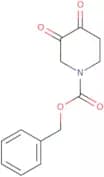
Discontinued productBenzyl 3,4-dioxopiperidine-1-carboxylate
CAS:<p>Versatile small molecule scaffold</p>Formula:C13H13NO4Purity:Min. 95%Molecular weight:247.25 g/molRef: 3D-JHD94774
Discontinued product4,5-Dihydroxy-2,3-dihydro-1H-isoindole-1,3-dione
CAS:4,5-Dihydroxy-2,3-dihydro-1H-isoindole-1,3-dione is a molybdenum compound with a hydroxyl group. It has been shown to inhibit the growth of bacteria that are resistant to penicillin by binding to the penicillin-binding proteins in their cell wall. 4,5-Dihydroxy-2,3-dihydro-1H-isoindole-1,3-dione has been found to be an effective inhibitor of polymer film formation when used in conjunction with 3 chloroperoxybenzoic acid. This compound also has been shown to have anti bacterial properties against Escherichia coli and Pseudomonas aeruginosa. 4,5-Dihydroxy -2,3 -dihydro -1H -isoindole -1,3 -dione may also have environmental applications due itsFormula:C8H5NO4Purity:Min. 95%Molecular weight:179.13 g/molRef: 3D-DGA35672
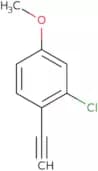
Discontinued product2-Chloro-1-ethynyl-4-methoxybenzene
CAS:<p>Versatile small molecule scaffold</p>Formula:C9H7ClOPurity:Min. 95%Molecular weight:166.6 g/molRef: 3D-DGA44068
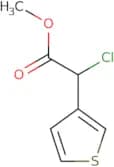
Discontinued productMethyl 2-chloro-2-(thiophen-3-yl)acetate
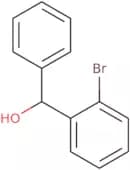
CAS:<p>Versatile small molecule scaffold</p>Formula:C7H7ClO2SPurity:Min. 95%Molecular weight:190.65 g/mol(2-Bromophenyl)(phenyl)methanol
CAS:<p>The synthesis of (2-bromophenyl)(phenyl)methanol is accomplished by the reaction of an aldehyde with bromine followed by an alkylation with magnesium. The product is obtained as a racemic mixture of enantiomers with a chiral center, which can be resolved by fractional crystallization or other separation methods. This method has been shown to be efficient for the synthesis of alcohols and carbinols, and stereogenic reactions.</p>Formula:C13H11OBrPurity:Min. 95%Molecular weight:263.12 g/molRef: 3D-JCA14247
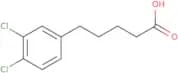
Discontinued product5-(3,4-Dichlorophenyl)pentanoic acid
CAS:<p>Versatile small molecule scaffold</p>Formula:C11H12Cl2O2Purity:Min. 95%Molecular weight:247.11 g/mol4-Chloro-2-methyl-5-nitroaniline
CAS:<p>4-Chloro-2-methyl-5-nitroaniline is an organic compound with the chemical formula C6H4ClNO2. It is a nitro derivative of aniline. 4-Chloro-2-methyl-5-nitroaniline is a white solid that is soluble in water, alcohols, and ethers. It has a melting point around 206 °C and decomposes at temperatures over 350 °C. This compound can be obtained by reacting hydroxylamine with nitrous acid and chlorinating 2,5-dimethylaniline. The sequence of reactions can be summarized as follows: hydroxy group to nitro group, nitro group to methyl group, methyl group to acetyl or acetylamino, acetyl or acetylamino to acetylation or methylation, transformation from hydroxyl group to amino group and esterification from acid hydrazide to acid group.</p>Formula:C7H7ClN2O2Purity:Min. 95%Molecular weight:186.59 g/mol7-Chloro-5-fluoro-1,3-benzoxazole-2-thiol
CAS:<p>Versatile small molecule scaffold</p>Formula:C7H3ClFNOSPurity:Min. 95%Molecular weight:203.62 g/mol3-Morpholin-4-ylmethyl-2,3-dihydro-1H-indole
CAS:<p>Versatile small molecule scaffold</p>Formula:C13H18N2OPurity:Min. 95%Molecular weight:218.29 g/molRef: 3D-DKB61741
Discontinued productOctahydro-pyrazino[2,1-c][1,4]thiazine 2,2-dioxide hydrochloride
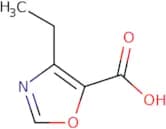
CAS:<p>Versatile small molecule scaffold</p>Formula:C7H16Cl2N2O2SPurity:Min. 95%Molecular weight:263.18 g/mol4-Ethyl-1,3-oxazole-5-carboxylic acid
CAS:<p>Versatile small molecule scaffold</p>Formula:C6H7NO3Purity:Min. 95%Molecular weight:141.12 g/molRef: 3D-XMB14527
Discontinued product[1-(1H-Pyrazole-4-sulfonyl)piperidin-3-yl]methanamine
CAS:<p>Versatile small molecule scaffold</p>Formula:C9H16N4O2SPurity:Min. 95%Molecular weight:244.32 g/molRef: 3D-XZB14507
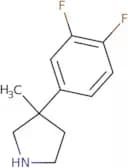
Discontinued product3-(3,4-Difluorophenyl)-3-methylpyrrolidine
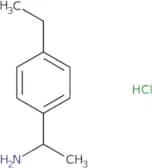
CAS:<p>Versatile small molecule scaffold</p>Formula:C11H13F2NPurity:Min. 95%Molecular weight:197.22 g/mol(1R)-1-(4-Ethylphenyl)ethan-1-amine hydrochloride
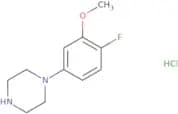
CAS:<p>Versatile small molecule scaffold</p>Formula:C10H16ClNPurity:Min. 95%Molecular weight:185.69 g/mol1-(4-Fluoro-3-methoxyphenyl)piperazine hydrochloride
CAS:Controlled Product<p>Versatile small molecule scaffold</p>Formula:C11H16ClFN2OPurity:Min. 95%Molecular weight:246.71 g/molRef: 3D-DXC56724
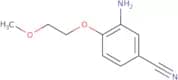
Discontinued product3-Amino-4-(2-methoxyethoxy)benzonitrile
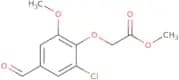
CAS:<p>Versatile small molecule scaffold</p>Formula:C10H12N2O2Purity:Min. 95%Molecular weight:192.21 g/molMethyl (2-chloro-4-formyl-6-methoxyphenoxy)acetate
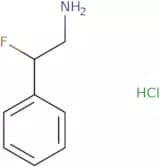
CAS:<p>Versatile small molecule scaffold</p>Formula:C11H11ClO5Purity:Min. 95%Molecular weight:258.65 g/mol(2S)-2-Fluoro-2-phenylethan-1-amine hydrochloride
CAS:<p>Versatile small molecule scaffold</p>Formula:C8H11ClFNPurity:Min. 95%Molecular weight:175.63 g/molRef: 3D-XZB16372
Discontinued product2-{8-Oxa-3-azabicyclo[3.2.1]octan-3-yl}ethan-1-ol hydrochloride
CAS:<p>Versatile small molecule scaffold</p>Formula:C8H16ClNO2Purity:Min. 95%Molecular weight:193.7 g/molRef: 3D-DPD67782
Discontinued product2-Ethoxycyclopentan-1-one
CAS:<p>Versatile small molecule scaffold</p>Formula:C7H12O2Purity:Min. 95%Molecular weight:128.17 g/molRef: 3D-ZAA06581
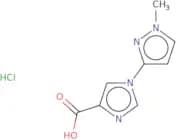
Discontinued product1-(1-Methyl-1H-pyrazol-3-yl)-1H-imidazole-4-carboxylic acid hydrochloride
CAS:<p>Versatile small molecule scaffold</p>Formula:C8H9ClN4O2Purity:Min. 95%Molecular weight:228.6 g/molRef: 3D-DPD67436
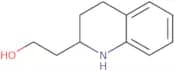
Discontinued product2-(1,2,3,4-Tetrahydroquinolin-2-yl)ethan-1-ol
CAS:<p>Versatile small molecule scaffold</p>Formula:C11H15NOPurity:Min. 95%Molecular weight:177.24 g/molRef: 3D-QCA62340
Discontinued product3-Boc-3-azabicyclo[3.2.1]octan-8-amine
CAS:<p>Versatile small molecule scaffold</p>Formula:C12H22N2O2Purity:Min. 95%Molecular weight:226.32 g/mol2-Bromo-3,3,3-trifluoro-1-propene
CAS:Controlled Product<p>2-Bromo-3,3,3-trifluoro-1-propene is a chemical compound that has been synthesized in an asymmetric reaction. The reactant is bromopropane and the product is 2,2,2-trifluoropropene. The methylene group on the propene molecule is activated by the nucleophilic attack of a fluoride ion from hydrogen fluoride to form a cavity with a highly strained bond. The kinetic study of this reaction revealed that the activation energy for the reaction is 42 kJ/mol. Palladium-catalyzed coupling reactions are catalyzed by palladium and require nonpolar solvents such as toluene or dichloromethane. This type of reaction has been shown to be exothermic with an isolated yield of 1%.</p>Formula:C3H2BrF3Purity:Min. 95%Color and Shape:Colorless PowderMolecular weight:174.95 g/mol


![3-[(4-Methylphenyl)methyl]azetidine hydrochloride](/_next/image/?url=https%3A%2Fstatic.cymitquimica.com%2Fproducts%2F3D%2Fthumb-webp%2FFDD54017.webp&w=3840&q=75)
![3-{[3-(Trifluoromethyl)-1H-pyrazol-1-yl]methyl}benzoic acid](/_next/image/?url=https%3A%2Fstatic.cymitquimica.com%2Fproducts%2F3D%2Fthumb-webp%2FEQB64362.webp&w=3840&q=75)
![(2S,5S)-1-{[(9H-Fluoren-9-yl)methoxy]carbonyl}-5-phenylpyrrolidine-2-carboxylic acid](/_next/image/?url=https%3A%2Fstatic.cymitquimica.com%2Fproducts%2F3D%2Fthumb-webp%2FUYB95360.webp&w=3840&q=75)
![1-(4-Methylphenyl)-1H,4H,5H-pyrazolo[3,4-d]pyrimidin-4-one](/_next/image/?url=https%3A%2Fstatic.cymitquimica.com%2Fproducts%2F3D%2Fthumb-webp%2FECA73875.webp&w=3840&q=75)
![Thieno[2,3-b]pyridine-5-carbonitrile](/_next/image/?url=https%3A%2Fstatic.cymitquimica.com%2Fproducts%2F3D%2Fthumb-webp%2FWAA34431.webp&w=3840&q=75)
![[6-(Pyridin-2-yl)pyridin-3-yl]methanol](/_next/image/?url=https%3A%2Fstatic.cymitquimica.com%2Fproducts%2F3D%2Fthumb-webp%2FWFA58187.webp&w=3840&q=75)


![Octahydro-pyrazino[2,1-c][1,4]thiazine 2,2-dioxide hydrochloride](/_next/image/?url=https%3A%2Fstatic.cymitquimica.com%2Fproducts%2F3D%2Fthumb-webp%2FDXC60335.webp&w=3840&q=75)
![[1-(1H-Pyrazole-4-sulfonyl)piperidin-3-yl]methanamine](/_next/image/?url=https%3A%2Fstatic.cymitquimica.com%2Fproducts%2F3D%2Fthumb-webp%2FXZB14507.webp&w=3840&q=75)
![2-{8-Oxa-3-azabicyclo[3.2.1]octan-3-yl}ethan-1-ol hydrochloride](/_next/image/?url=https%3A%2Fstatic.cymitquimica.com%2Fproducts%2F3D%2Fthumb-webp%2FDPD67782.webp&w=3840&q=75)
![3-Boc-3-azabicyclo[3.2.1]octan-8-amine](/_next/image/?url=https%3A%2Fstatic.cymitquimica.com%2Fproducts%2F3D%2Fthumb-webp%2FFDC76351.webp&w=3840&q=75)
