


Building Blocks
This section contains fundamental products for the synthesis of organic and biological compounds. Building blocks are the essential starting materials used to construct complex molecules through various chemical reactions. They play a critical role in drug discovery, material science, and chemical research. At CymitQuimica, we offer a diverse range of high-quality building blocks to support your innovative research and industrial projects, ensuring you have the essential components for successful synthesis.
Subcategories of "Building Blocks"
- Boronic Acids & Boronic Acid Derivatives(5,756 products)
- Chiral Building Blocks(1,242 products)
- Hydrocarbon Building Blocks(6,095 products)
- Organic Building Blocks(61,055 products)
Found 199650 products of "Building Blocks"
Sort by
Purity (%)
0
100
|
0
|
50
|
90
|
95
|
100
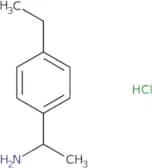
(1R)-1-(4-Ethylphenyl)ethan-1-amine hydrochloride
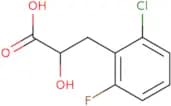
CAS:<p>Versatile small molecule scaffold</p>Formula:C10H16ClNPurity:Min. 95%Molecular weight:185.69 g/mol3-(2-Chloro-6-fluorophenyl)-2-hydroxypropanoic acid
CAS:<p>Versatile small molecule scaffold</p>Formula:C9H8ClFO3Purity:Min. 95%Molecular weight:218.61 g/molRef: 3D-GXB56152
Discontinued product4-[(tert-Butoxy)methyl]aniline
CAS:<p>Versatile small molecule scaffold</p>Formula:C11H17NOPurity:Min. 95%Molecular weight:179.26 g/molRef: 3D-PRB31145
Discontinued product1-({2-Methyl-5H,6H,7H,8H-imidazo[1,2-a]pyridin-3-yl}methyl)piperazine
CAS:<p>Versatile small molecule scaffold</p>Formula:C13H22N4Purity:Min. 95%Molecular weight:234.34 g/molRef: 3D-CHC38025
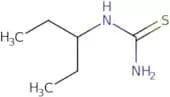
Discontinued product(Pentan-3-yl)thiourea
CAS:<p>Versatile small molecule scaffold</p>Formula:C6H14N2SPurity:Min. 95%Molecular weight:146.26 g/molRef: 3D-EJB65468
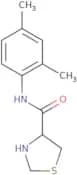
Discontinued productN-(2,4-Dimethylphenyl)-1,3-thiazolidine-4-carboxamide
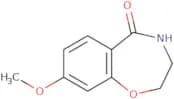
CAS:<p>Versatile small molecule scaffold</p>Formula:C12H16N2OSPurity:Min. 95%Molecular weight:236.34 g/mol8-Methoxy-2,3,4,5-tetrahydro-1,4-benzoxazepin-5-one
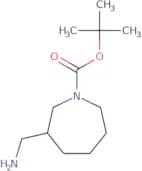
CAS:<p>Versatile small molecule scaffold</p>Formula:C10H11NO3Purity:Min. 95%Molecular weight:193.2 g/moltert-butyl 3-(aminomethyl)azepane-1-carboxylate
CAS:<p>Versatile small molecule scaffold</p>Formula:C12H24N2O2Purity:Min. 95%Molecular weight:228.3 g/molRef: 3D-BKB14747
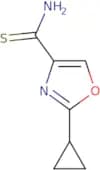
Discontinued product2-Cyclopropyl-1,3-oxazole-4-carbothioamide
CAS:<p>Versatile small molecule scaffold</p>Formula:C7H8N2OSPurity:Min. 95%Molecular weight:168.22 g/molRef: 3D-BKD17844
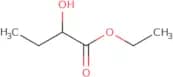
Discontinued product(R)-Ethyl 2-hydroxybutanoate
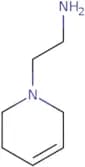
CAS:<p>Versatile small molecule scaffold</p>Formula:C6H12O3Purity:Min. 95%Molecular weight:132.16 g/mol2-(1,2,3,6-Tetrahydropyridin-1-yl)ethan-1-amine
CAS:<p>Versatile small molecule scaffold</p>Formula:C7H14N2Purity:Min. 95%Molecular weight:126.2 g/molRef: 3D-CBA57863
Discontinued product5-Chloro-2-(1H-pyrrol-1-yl)aniline
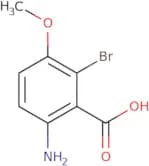
CAS:<p>Versatile small molecule scaffold</p>Formula:C10H9ClN2Purity:Min. 95%Molecular weight:192.64 g/mol6-Amino-2-bromo-3-methoxybenzoic acid
CAS:<p>Versatile small molecule scaffold</p>Formula:C8H8BrNO3Purity:Min. 95%Molecular weight:246.06 g/molRef: 3D-CGA94638
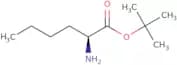
Discontinued producttert-butyl (2S)-2-aminohexanoate
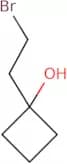
CAS:<p>Tert-butyl (2S)-2-aminohexanoate is an intermediate that is used in the synthesis of glycine by the reaction of benzyl bromide and tert-butyl amine. The stereospecifically incorporated tert-butyl group has a high degree of enantioselectivity, which makes this intermediate useful in the synthesis of glycine. Tert-butyl (2S)-2-aminohexanoate can be synthesized using lithium diisopropylamide and a tertiary amine as an alkylating agent.</p>Formula:C10H21NO2Purity:Min. 95%Molecular weight:187.3 g/mol1-(2-Bromoethyl)cyclobutan-1-ol
CAS:<p>Versatile small molecule scaffold</p>Formula:C6H11BrOPurity:Min. 95%Molecular weight:179.05 g/molRef: 3D-JBD30961
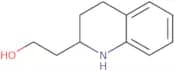
Discontinued product2-(1,2,3,4-Tetrahydroquinolin-2-yl)ethan-1-ol
CAS:<p>Versatile small molecule scaffold</p>Formula:C11H15NOPurity:Min. 95%Molecular weight:177.24 g/molRef: 3D-QCA62340
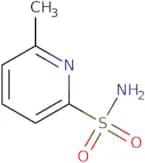
Discontinued product6-Methylpyridine-2-sulfonamide
CAS:<p>Versatile small molecule scaffold</p>Formula:C6H8N2O2SPurity:Min. 95%Molecular weight:172.21 g/molRef: 3D-QCA93876
Discontinued product5H,6H,7H-Pyrrolo[3,4-b]pyridine-2-carboxylic acid hydrochloride
CAS:<p>Versatile small molecule scaffold</p>Formula:C8H9ClN2O2Purity:Min. 95%Molecular weight:200.62 g/molRef: 3D-FDD55460
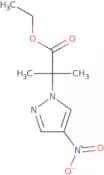
Discontinued product2-Methyl-2-(4-nitro-pyrazol-1-yl)-propionic acid ethyl ester
CAS:<p>Versatile small molecule scaffold</p>Formula:C9H13N3O4Purity:Min. 95%Molecular weight:227.22 g/molRef: 3D-CQB24373
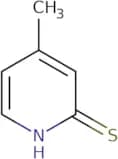
Discontinued product4-Methylpyridine-2-thiol
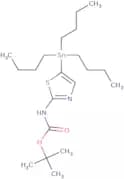
CAS:<p>4-Methylpyridine-2-thiol is a ligand that binds to metal ions. It has been shown to be an effective photoelectron scavenger for mercury and lead, as well as a wide variety of other metals. 4-Methylpyridine-2-thiol is also an important monomer in the preparation of polymers and resins. This ligand has been used in the synthesis of compounds with cyclic structures and hydrochloric acid, as well as being crystallized with x-ray crystallography. The properties of this ligand have been studied by voltammetry, spectroscopies, and crystallography. 4-Methylpyridine-2-thiol interacts with chloride ions in acetonitrile to form a salt called methylpyridinium chloride.</p>Formula:C6H7NSPurity:Min. 95%Molecular weight:125.19 g/mol2-(N-Boc-amino)-5-(tributylstannyl)thiazole
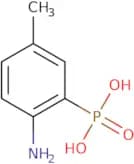
CAS:Controlled Product<p>Versatile small molecule scaffold</p>Formula:C20H38N2O2SSnPurity:Min. 95%Molecular weight:489.3 g/mol(2-Amino-5-methylphenyl)phosphonic acid
CAS:<p>Versatile small molecule scaffold</p>Formula:C7H10NO3PPurity:Min. 95%Molecular weight:187.13 g/molN-[1-(Furan-2-yl)ethyl]pyridin-2-amine
CAS:<p>Versatile small molecule scaffold</p>Formula:C11H12N2OPurity:Min. 95%Molecular weight:188.23 g/molRef: 3D-FPA83374
Discontinued product2-Cyclopropylbenzaldehyde
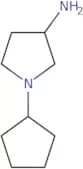
CAS:<p>Versatile small molecule scaffold</p>Formula:C10H10OPurity:Min. 95%Molecular weight:146.19 g/mol1-cyclopentylpyrrolidin-3-amine
CAS:<p>Versatile small molecule scaffold</p>Formula:C9H18N2Purity:Min. 95%Molecular weight:154.25 g/molRef: 3D-IMB71303
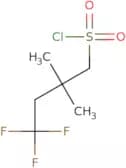
Discontinued product4,4,4-Trifluoro-2,2-dimethylbutane-1-sulfonyl chloride
CAS:<p>Versatile small molecule scaffold</p>Formula:C6H10ClF3O2SPurity:Min. 95%Molecular weight:238.66 g/molRef: 3D-FWC66938
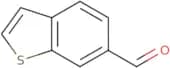
Discontinued product1-Benzothiophene-6-carboxaldehyde
CAS:<p>1-Benzothiophene-6-carboxaldehyde (BTA) is a heterocyclic compound that contains sulfur. It is a colorless liquid with a sweet odor. BTA is used in the manufacture of pesticides, pharmaceuticals, and other organic chemicals. It is also used as a building block in the synthesis of other compounds and has been shown to have anti-inflammatory properties.</p>Formula:C9H6OSPurity:Min. 95%Molecular weight:162.21 g/molRef: 3D-GAA38680
Discontinued product2-Chloro-1-[4-(furan-2-carbonyl)piperazin-1-yl]ethan-1-one
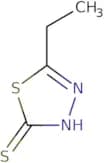
CAS:<p>Versatile small molecule scaffold</p>Formula:C11H13ClN2O3Purity:Min. 95%Molecular weight:256.68 g/mol5-Ethyl-1,3,4-thiadiazole-2-thiol
CAS:<p>Versatile small molecule scaffold</p>Formula:C4H6N2S2Purity:Min. 95%Molecular weight:146.2 g/molRef: 3D-MBA66351
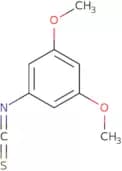
Discontinued product3,5-dimethoxyphenyl isothiocyanate
CAS:<p>3,5-dimethoxyphenyl isothiocyanate (3,5-DMPIC) is a benzimidazole derivative that has been shown to be a potent and selective antagonist of the gonadotropin-releasing hormone (GnRH). 3,5-DMPIC has been shown to desensitize GnRH receptors on the pituitary gland and may have applications in the treatment of prostate cancer. It also inhibits the release of luteinizing hormone and follicle stimulating hormone from the pituitary gland.</p>Formula:C9H9NO2SPurity:Min. 95%Molecular weight:195.24 g/molRef: 3D-EEA96858
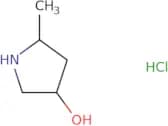
Discontinued product5-Methylpyrrolidin-3-ol hydrochloride
CAS:<p>Versatile small molecule scaffold</p>Formula:C5H12ClNOPurity:Min. 95%Molecular weight:137.61 g/mol2-Ethoxycyclopentan-1-one
CAS:<p>Versatile small molecule scaffold</p>Formula:C7H12O2Purity:Min. 95%Molecular weight:128.17 g/molRef: 3D-ZAA06581
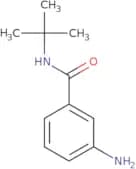
Discontinued product3-Amino-N-(tert-butyl)benzamide
CAS:<p>Versatile small molecule scaffold</p>Formula:C11H16N2OPurity:Min. 95%Molecular weight:192.26 g/molRef: 3D-ABA90062
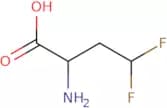
Discontinued product(2R)-2-Amino-4,4-difluorobutanoic acid
CAS:<p>Versatile small molecule scaffold</p>Formula:C4H7F2NO2Purity:Min. 95%Molecular weight:139.1 g/molRef: 3D-KHA34878
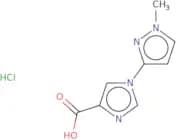
Discontinued product1-(1-Methyl-1H-pyrazol-3-yl)-1H-imidazole-4-carboxylic acid hydrochloride
CAS:<p>Versatile small molecule scaffold</p>Formula:C8H9ClN4O2Purity:Min. 95%Molecular weight:228.6 g/molRef: 3D-DPD67436
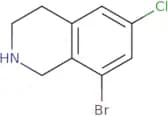
Discontinued product8-Bromo-6-chloro-1,2,3,4-tetrahydroisoquinoline
CAS:<p>Versatile small molecule scaffold</p>Formula:C9H9BrClNPurity:Min. 95%Molecular weight:246.53 g/molRef: 3D-DLC43685
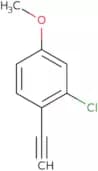
Discontinued product2-Chloro-1-ethynyl-4-methoxybenzene
CAS:<p>Versatile small molecule scaffold</p>Formula:C9H7ClOPurity:Min. 95%Molecular weight:166.6 g/molRef: 3D-DGA44068
Discontinued product4,5-Dihydroxy-2,3-dihydro-1H-isoindole-1,3-dione
CAS:4,5-Dihydroxy-2,3-dihydro-1H-isoindole-1,3-dione is a molybdenum compound with a hydroxyl group. It has been shown to inhibit the growth of bacteria that are resistant to penicillin by binding to the penicillin-binding proteins in their cell wall. 4,5-Dihydroxy-2,3-dihydro-1H-isoindole-1,3-dione has been found to be an effective inhibitor of polymer film formation when used in conjunction with 3 chloroperoxybenzoic acid. This compound also has been shown to have anti bacterial properties against Escherichia coli and Pseudomonas aeruginosa. 4,5-Dihydroxy -2,3 -dihydro -1H -isoindole -1,3 -dione may also have environmental applications due itsFormula:C8H5NO4Purity:Min. 95%Molecular weight:179.13 g/molRef: 3D-DGA35672
Discontinued productQuinoline-5-carbonitrile
CAS:<p>Quinoline-5-carbonitrile is a cyanide compound that can be used in the synthesis of heterocyclic compounds. The reaction between quinoline and 5-cyanovaleric acid produces 6-nitroquinoline, which is then converted to dimethyl sulfoxide by alcoholysis. This reaction product can then be used to synthesize an amide or nucleophile. Quinoline-5-carbonitrile reacts with potassium in the presence of bifunctional hydrazide to produce a cyanide ion, which can be hydrolyzed by an acid to release hydrogen cyanide gas. This experiment has been shown as a model for reactions involving cyano compounds.</p>Formula:C10H6N2Purity:Min. 95%Molecular weight:154.17 g/molRef: 3D-JCA55102
Discontinued product[6-(Pyridin-2-yl)pyridin-3-yl]methanol
CAS:<p>Versatile small molecule scaffold</p>Formula:C11H10N2OPurity:Min. 95%Molecular weight:186.21 g/molRef: 3D-WFA58187
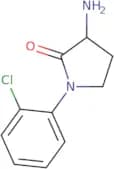
Discontinued product3-Amino-1-(2-chlorophenyl)pyrrolidin-2-one
CAS:<p>Versatile small molecule scaffold</p>Formula:C10H11ClN2OPurity:Min. 95%Molecular weight:210.66 g/molRef: 3D-AAC28734
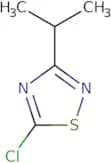
Discontinued product5-Chloro-3-(propan-2-yl)-1,2,4-thiadiazole
CAS:<p>Versatile small molecule scaffold</p>Formula:C5H7ClN2SPurity:Min. 95%Molecular weight:162.64 g/mol2-{8-Oxa-3-azabicyclo[3.2.1]octan-3-yl}ethan-1-ol hydrochloride
CAS:<p>Versatile small molecule scaffold</p>Formula:C8H16ClNO2Purity:Min. 95%Molecular weight:193.7 g/molRef: 3D-DPD67782
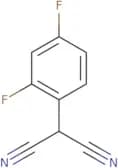
Discontinued product2-(2,4-Difluorophenyl)propanedinitrile
CAS:<p>Versatile small molecule scaffold</p>Formula:C9H4F2N2Purity:Min. 95%Molecular weight:178.14 g/molRef: 3D-DXC58290
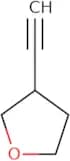
Discontinued product3-Ethynyltetrahydrofuran
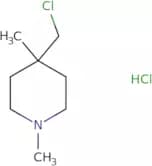
CAS:<p>Versatile small molecule scaffold</p>Formula:C6H8OPurity:Min. 95%Molecular weight:96.13 g/mol4-(Chloromethyl)-1,4-dimethylpiperidine hydrochloride
CAS:<p>Versatile small molecule scaffold</p>Formula:C8H17Cl2NPurity:Min. 95%Molecular weight:198.13 g/molRef: 3D-DXC58362
Discontinued product2-[2-(Furan-2-yl)-2-oxoethylidene]-3-methyl-1,3-thiazolidin-4-one
CAS:<p>Versatile small molecule scaffold</p>Formula:C10H9NO3SPurity:Min. 95%Molecular weight:223.25 g/molRef: 3D-AQB93221
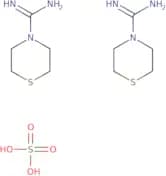
Discontinued productBis(thiomorpholine-4-carboximidamide) sulfate
CAS:<p>Versatile small molecule scaffold</p>Formula:C10H24N6O4S3Purity:Min. 95%Molecular weight:388.5 g/mol2-Bromo-3,3,3-trifluoro-1-propene
CAS:Controlled Product<p>2-Bromo-3,3,3-trifluoro-1-propene is a chemical compound that has been synthesized in an asymmetric reaction. The reactant is bromopropane and the product is 2,2,2-trifluoropropene. The methylene group on the propene molecule is activated by the nucleophilic attack of a fluoride ion from hydrogen fluoride to form a cavity with a highly strained bond. The kinetic study of this reaction revealed that the activation energy for the reaction is 42 kJ/mol. Palladium-catalyzed coupling reactions are catalyzed by palladium and require nonpolar solvents such as toluene or dichloromethane. This type of reaction has been shown to be exothermic with an isolated yield of 1%.</p>Formula:C3H2BrF3Purity:Min. 95%Color and Shape:Colorless PowderMolecular weight:174.95 g/mol3-Boc-3-azabicyclo[3.2.1]octan-8-amine
CAS:<p>Versatile small molecule scaffold</p>Formula:C12H22N2O2Purity:Min. 95%Molecular weight:226.32 g/mol

![4-[(tert-Butoxy)methyl]aniline](/_next/image/?url=https%3A%2Fstatic.cymitquimica.com%2Fproducts%2F3D%2Fthumb-webp%2FPRB31145.webp&w=3840&q=75)
![1-({2-Methyl-5H,6H,7H,8H-imidazo[1,2-a]pyridin-3-yl}methyl)piperazine](/_next/image/?url=https%3A%2Fstatic.cymitquimica.com%2Fproducts%2F3D%2Fthumb-webp%2FCHC38025.webp&w=3840&q=75)

![5H,6H,7H-Pyrrolo[3,4-b]pyridine-2-carboxylic acid hydrochloride](/_next/image/?url=https%3A%2Fstatic.cymitquimica.com%2Fproducts%2F3D%2Fthumb-webp%2FFDD55460.webp&w=3840&q=75)
![N-[1-(Furan-2-yl)ethyl]pyridin-2-amine](/_next/image/?url=https%3A%2Fstatic.cymitquimica.com%2Fproducts%2F3D%2Fthumb-webp%2FFPA83374.webp&w=3840&q=75)

![2-Chloro-1-[4-(furan-2-carbonyl)piperazin-1-yl]ethan-1-one](/_next/image/?url=https%3A%2Fstatic.cymitquimica.com%2Fproducts%2F3D%2Fthumb-webp%2FEEB57887.webp&w=3840&q=75)
![[6-(Pyridin-2-yl)pyridin-3-yl]methanol](/_next/image/?url=https%3A%2Fstatic.cymitquimica.com%2Fproducts%2F3D%2Fthumb-webp%2FWFA58187.webp&w=3840&q=75)
![2-{8-Oxa-3-azabicyclo[3.2.1]octan-3-yl}ethan-1-ol hydrochloride](/_next/image/?url=https%3A%2Fstatic.cymitquimica.com%2Fproducts%2F3D%2Fthumb-webp%2FDPD67782.webp&w=3840&q=75)
![2-[2-(Furan-2-yl)-2-oxoethylidene]-3-methyl-1,3-thiazolidin-4-one](/_next/image/?url=https%3A%2Fstatic.cymitquimica.com%2Fproducts%2F3D%2Fthumb-webp%2FAQB93221.webp&w=3840&q=75)

![3-Boc-3-azabicyclo[3.2.1]octan-8-amine](/_next/image/?url=https%3A%2Fstatic.cymitquimica.com%2Fproducts%2F3D%2Fthumb-webp%2FFDC76351.webp&w=3840&q=75)