


Building Blocks
This section contains fundamental products for the synthesis of organic and biological compounds. Building blocks are the essential starting materials used to construct complex molecules through various chemical reactions. They play a critical role in drug discovery, material science, and chemical research. At CymitQuimica, we offer a diverse range of high-quality building blocks to support your innovative research and industrial projects, ensuring you have the essential components for successful synthesis.
Subcategories of "Building Blocks"
- Boronic Acids & Boronic Acid Derivatives(5,756 products)
- Chiral Building Blocks(1,242 products)
- Hydrocarbon Building Blocks(6,093 products)
- Organic Building Blocks(60,532 products)
Found 195533 products of "Building Blocks"
Sort by
Purity (%)
0
100
|
0
|
50
|
90
|
95
|
100
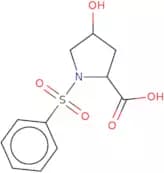
1-(Benzenesulfonyl)-4-hydroxypyrrolidine-2-carboxylic acid
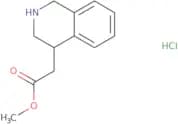
CAS:<p>Versatile small molecule scaffold</p>Formula:C11H13NO5SPurity:Min. 95%Molecular weight:271.3 g/molMethyl 2-(1,2,3,4-tetrahydroisoquinolin-4-yl)acetate hydrochloride
CAS:<p>Versatile small molecule scaffold</p>Formula:C12H16ClNO2Purity:Min. 95%Molecular weight:241.71 g/mol3,5-Dichlorobenzo[d]isoxazole
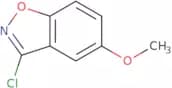
CAS:<p>Versatile small molecule scaffold</p>Formula:C7H3Cl2NOPurity:Min. 95%Molecular weight:188.01 g/mol3-Chloro-5-methoxy-1,2-benzoxazole
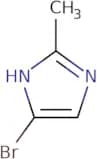
CAS:<p>Versatile small molecule scaffold</p>Formula:C8H6ClNO2Purity:Min. 95%Molecular weight:183.59 g/mol4-Bromo-2-methyl-1H-imidazole
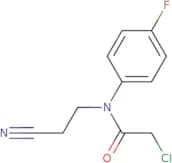
CAS:<p>4-Bromo-2-methyl-1H-imidazole is a carboxylic acid derivative that has been shown to function as a catalyst. It has been used in the synthesis of imidazoles, succinimides, and acylamino derivatives. 4-Bromo-2-methyl-1H-imidazole also has an acidic nature, which makes it useful for the synthesis of esters and amides from carboxylic acids. This compound can be used in the preparation of glycosides by reacting with sugars. 4-Bromo-2-methyl-1H-imidazole is also able to form radicals when heated with oxygen or sodium nitrite. The radical formed will react with alkyl halides and trifluoromethanesulfonic anhydride to form acyl halides and trifluoromethanesulfonamides respectively.</p>Formula:C4H5BrN2Purity:Min. 95%Molecular weight:161 g/mol2-Chloro-N-(2-cyanoethyl)-N-(4-fluorophenyl)acetamide
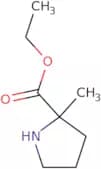
CAS:<p>Versatile small molecule scaffold</p>Formula:C11H10ClFN2OPurity:Min. 95%Molecular weight:240.66 g/molEthyl 2-methylpyrrolidine-2-carboxylate
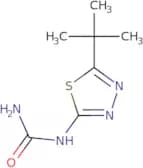
CAS:<p>Versatile small molecule scaffold</p>Formula:C8H15NO2Purity:Min. 95%Molecular weight:157.21 g/mol(5-tert-Butyl-1,3,4-thiadiazol-2-yl)urea
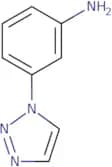
CAS:<p>Versatile small molecule scaffold</p>Formula:C7H12N4OSPurity:Min. 95%Molecular weight:200.26 g/mol3-(1H-1,2,3-Triazol-1-yl)aniline
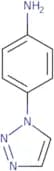
CAS:<p>Versatile small molecule scaffold</p>Formula:C8H8N4Purity:Min. 95%Molecular weight:160.18 g/mol4-(1H-1,2,3-Triazol-1-yl)aniline
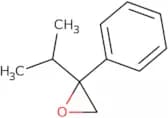
CAS:<p>Versatile small molecule scaffold</p>Formula:C8H8N4Purity:Min. 95%Molecular weight:160.18 g/mol2-Phenyl-2-(propan-2-yl)oxirane
CAS:<p>Versatile small molecule scaffold</p>Formula:C11H14OPurity:Min. 95%Molecular weight:162.23 g/molThieno[3,2-d]pyrimidin-4-amine
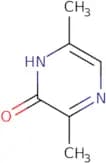
CAS:<p>Thieno[3,2-d]pyrimidin-4-amine is an inhibitor of the enzyme dihydrofolate reductase. This drug is being studied for the treatment of tuberculosis and other bacterial infections. It is a potent inhibitor of the uptake of thiocyanate by erythrocytes. The metabolic pathway for this drug has been shown to involve oxidation by cytochrome p450 enzymes, reduction by glutathione reductase, or conjugation with glucuronic acid. Thieno[3,2-d]pyrimidin-4-amine inhibits the synthesis of purine nucleotides in the mitochondria by inhibiting oxidative phosphorylation at complex III and IV. It also inhibits protein synthesis in bacteria. Thieno[3,2-d]pyrimidin-4-amine has been shown to have antiplasmodial activity against Plasmodium falciparum (</p>Formula:C6H5N3SPurity:Min. 95%Molecular weight:151.19 g/mol3,6-Dimethylpyrazin-2-ol
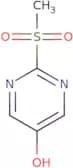
CAS:<p>3,6-Dimethylpyrazin-2-ol is a natural product that is found in the marine sponge Agelas mauritania. It was identified by its chemical structure and confirmed by X-ray crystallography. 3,6-Dimethylpyrazin-2-ol has been shown to inhibit the growth of E. coli bacteria and may be an effective antimicrobial agent against this type of bacteria.</p>Formula:C6H8N2OPurity:Min. 95%Molecular weight:124.14 g/mol2-Methanesulfonylpyrimidin-5-ol
CAS:<p>Versatile small molecule scaffold</p>Formula:C5H6N2O3SPurity:Min. 95%Molecular weight:174.18 g/mol5-chlorobenzo[b]thiophene-3-carbaldehyde
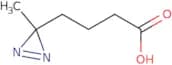
CAS:<p>Versatile small molecule scaffold</p>Formula:C9H5ClOSPurity:Min. 95%Molecular weight:196.65 g/mol4-(3-Methyl-3H-diazirin-3-yl)butanoic acid
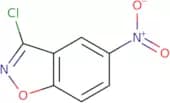
CAS:<p>Versatile small molecule scaffold</p>Formula:C6H10N2O2Purity:Min. 95%Molecular weight:142.16 g/mol3-Chloro-5-nitro-1,2-benzoxazole
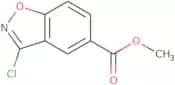
CAS:<p>Versatile small molecule scaffold</p>Formula:C7H3ClN2O3Purity:Min. 95%Molecular weight:198.56 g/molMethyl 3-chloro-1,2-benzoxazole-5-carboxylate
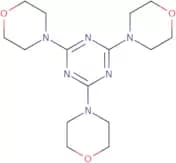
CAS:<p>Versatile small molecule scaffold</p>Formula:C9H6ClNO3Purity:Min. 95%Molecular weight:211.6 g/molTris(morpholin-4-yl)-1,3,5-triazine
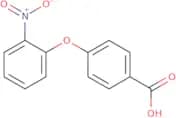
CAS:<p>Tris(morpholin-4-yl)-1,3,5-triazine is a morpholine that has been used as a solvent. It is also used for the synthesis of ligands or as an acceptor in crystallographic studies. Tris(morpholin-4-yl)-1,3,5-triazine has a wide range of properties and can be used to adsorb different substances due to its interaction with them. This compound has been shown to have strong interactions with hydrochloric acid and isotherms are often used to describe these interactions.</p>Formula:C15H24N6O3Purity:Min. 95%Molecular weight:336.39 g/mol4-(2-Nitrophenoxy)benzoic acid
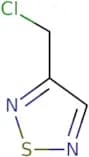
CAS:<p>Versatile small molecule scaffold</p>Formula:C13H9NO5Purity:Min. 95%Molecular weight:259.21 g/mol3-(Chloromethyl)-1,2,5-thiadiazole
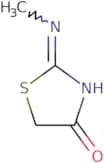
CAS:<p>Versatile small molecule scaffold</p>Formula:C3H3ClN2SPurity:Min. 95%Molecular weight:134.59 g/mol2-(Methylamino)-4,5-dihydro-1,3-thiazol-4-one
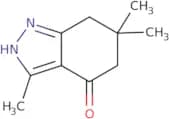
CAS:<p>2-(Methylamino)-4,5-dihydro-1,3-thiazol-4-one is a sulfur heterocycle that is a white crystalline solid at room temperature. It has a molecular weight of 165.14 and an empirical formula of C8H10N2S. 2-(Methylamino)-4,5-dihydro-1,3-thiazol-4-one has two tautomers: the enol and keto forms. The enol form dominates due to the electron delocalization over the sulfur atom in the molecule. 2-(Methylamino)-4,5-dihydro-1,3-thiazol-4-one is used as a reagent for chemical synthesis and as a starting material for other substances such as pharmaceuticals. The structure of this substance was determined by x-ray diffraction studies and by analyzing its diffraction pattern using the cent</p>Formula:C4H6N2OSPurity:Min. 95%Molecular weight:130.17 g/mol3,6,6-Trimethyl-1,5,6,7-tetrahydro-4h-indazol-4-one
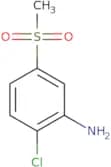
CAS:<p>Isoxazoles are a class of chemical compounds that contain the isoxazole ring. Isoxazoles can be synthesized by ring-opening reactions from 1,3-dihydroisoxazol-2-ones or by the reductive condensation of 2-hydroxybenzaldehydes and malononitrile derivatives. The synthesis of 3,6,6-trimethyl-1,5,6,7-tetrahydro-4H-indazol-4-one (TMI) is an example of this type of reaction. This compound was prepared in 1949 by H.P. Brown and coworkers at DuPont as part of their search for an organic insecticide. TMI has been shown to have a high degree of stability across a range of conditions and temperatures.</p>Formula:C10H14N2OPurity:Min. 95%Molecular weight:178.24 g/mol2-Chloro-5-methanesulfonylaniline
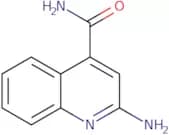
CAS:<p>Versatile small molecule scaffold</p>Formula:C7H8ClNO2SPurity:Min. 95%Molecular weight:205.66 g/mol2-Aminoquinoline-4-carboxamide
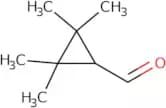
CAS:<p>2-Aminoquinoline-4-carboxamide is a medicament that is used in the treatment of fibrosis and inflammatory disorders. It has been combined with other medicaments to treat fibrotic diseases and inflammatory disorders. 2-Aminoquinoline-4-carboxamide may be used for prophylaxis and/or treatment of fibrotic diseases and inflammatory disorders.</p>Formula:C10H9N3OPurity:Min. 95%Molecular weight:187.2 g/mol2,2,3,3-Tetramethylcyclopropane-1-carbaldehyde
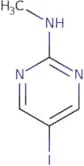
CAS:<p>Versatile small molecule scaffold</p>Formula:C8H14OPurity:Min. 95%Molecular weight:126.2 g/mol5-Iodo-N-methylpyrimidin-2-amine
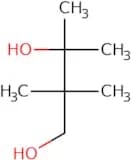
CAS:<p>Versatile small molecule scaffold</p>Formula:C5H6IN3Purity:Min. 95%Molecular weight:235.03 g/mol2,2,3-Trimethylbutane-1,3-diol
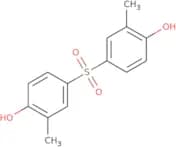
CAS:<p>Versatile small molecule scaffold</p>Formula:C7H16O2Purity:Min. 95%Molecular weight:132.2 g/mol4,4′-Sulfonylbis(2-methylphenol)
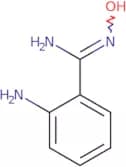
CAS:<p>4,4′-Sulfonylbis(2-methylphenol) is a synthetic estrogen analog that binds to the estrogen receptor. It has been shown to bind to the receptor with high affinity and act as an agonist. In addition, it can inhibit aromatase activity in vitro and in vivo. 4,4′-Sulfonylbis(2-methylphenol) has been used for the treatment of breast cancer in postmenopausal women with hormone receptors positive for estrogen. The drug also shows promise as an anti-inflammatory agent for autoimmune diseases such as systemic lupus erythematosus (SLE). It may be useful in treating various types of cancer, including prostate and colon cancer. 4,4′-Sulfonylbis(2-methylphenol) is not metabolized by humans but rather excreted unchanged in urine.</p>Formula:C14H14O4SPurity:Min. 95%Molecular weight:278.33 g/mol2-Aminobenzamidoxime
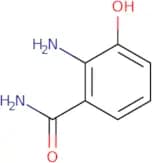
CAS:<p>2-Aminobenzamidoxime is a hydrogen bond donor that can regulate the interaction between two molecules, including proteins and nucleic acids. This chemical can also be used to boost the activity of an acceptor molecule. It is used in pharmacodynamics to introduce fluorescent groups into drugs or other compounds for detection. 2-Aminobenzamidoxime has been shown to possess fluorescence properties and cyclic behavior, which makes it useful for glycan studies. The affinity of 2-aminobenzamidoxime for glycans is due to its nature as a glycosylating agent.</p>Formula:C7H9N3OPurity:Min. 95%Molecular weight:151.17 g/mol2-Amino-3-hydroxybenzamide
CAS:<p>2-Amino-3-hydroxybenzamide is a benzamide, which is a class of natural products. It has been shown to have anti-candida activity against Candida albicans and to inhibit the growth of methicillin-resistant Staphylococcus aureus and Escherichia coli. 2-Amino-3-hydroxybenzamide has been isolated from the marine sponge Eucheuma cottonii and has been shown to be active against glioma cells. The compound was found to bind with high affinity to DNA, which inhibits DNA synthesis by preventing the unwinding of DNA strands. This inhibition leads to cell death by inhibiting protein synthesis or affecting other cellular processes.</p>Formula:C7H8N2O2Purity:Min. 95%Molecular weight:152.15 g/mol1,10-Diiododecane
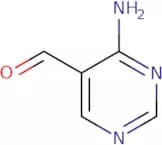
CAS:<p>1,10-Diiododecane is a chemical crosslinking agent that reacts with hydroxyl groups to form ether linkages. It has been shown to be effective in vitro and in vivo for treating hemicyanine-induced pulmonary fibrosis. 1,10-Diiododecane has also been used as a quaternization agent and as a monolayer on polymer films. The redox potential of the diiododecane molecule is high enough for it to react with electrophilic reagents such as hydrochloric acid. This property makes 1,10-diiododecane an excellent candidate for use as a crosslinking agent in polymer films.</p>Formula:C10H20I2Purity:Min. 95%Molecular weight:394.08 g/mol4-Aminopyrimidine-5-carboxaldehyde
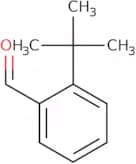
CAS:<p>4-Aminopyrimidine-5-carboxaldehyde is a molecule that has been found to cause regression of cancer. It targets the erbb-2 receptor, which is necessary for cell growth and survival in many types of cancer. This compound has been shown to inhibit the growth of cancer cells in vitro by downregulating the expression of erbb-2. The molecular descriptors have been calculated using an algorithm and are used to describe the physical properties of this molecule. It has been shown that it is effective at inhibiting tumor growth and inducing regression in mice bearing human breast tumors xenografted with human breast cancer cells. 4-Aminopyrimidine-5-carboxaldehyde has also been shown to inhibit colorectal cancer cell proliferation by reducing cellular protein synthesis.<br>br>br><br>This molecule's structure consists of a 4-amino group, a pyrimidine ring, and an aldehyde group. It contains functional groups such as carb</p>Formula:C5H5N3OPurity:Min. 95%Molecular weight:123.11 g/mol2-tert-Butylbenzaldehyde
CAS:<p>2-tert-Butylbenzaldehyde is a reactive compound that can be used in the synthesis of complex molecules. It is a reagent for the production of unsymmetrical compounds and has been used in various methodologies, such as condensations, ionic reactions, and electrochemistry. 2-tert-Butylbenzaldehyde has also been shown to act as an intermediate for the production of other chemical compounds. This compound is often used as a substrate for enzymes such as aldolases and bifunctional enzymes. 2-tert-Butylbenzaldehyde is found naturally in plants and animals.</p>Formula:C11H14OPurity:Min. 95%Molecular weight:162.23 g/mol5-Chloro-benzo[b]thiophene-3-carboxylic acid
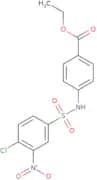
CAS:<p>Versatile small molecule scaffold</p>Formula:C9H5ClO2SPurity:Min. 95%Molecular weight:212.65 g/molEthyl 4-(4-chloro-3-nitrobenzenesulfonamido)benzoate
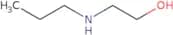
CAS:<p>Versatile small molecule scaffold</p>Formula:C15H13ClN2O6SPurity:Min. 95%Molecular weight:384.8 g/mol2-(Propylamino)ethanol
CAS:<p>2-(Propylamino)ethanol (2-PAE) is a structural isomer of 2-aminoethanol. It has been shown to interact with polymer concentration and covid-19 pandemic. 2-PAE is an amine that can be used as a pharmaceutical solvent in the synthesis of polymers. This molecule also interacts with red blood cells and can be used in the study of these cells. Magnetic resonance spectroscopy (MRS) was used to measure the viscosity of 2-PAE, which was found to be lower than expected for this type of molecule. The decoupling effect between 2-PAE and water molecules was also studied using MRS, which showed that the interaction between 2-PAE and water molecules is stronger than that between water molecules themselves.<br>2-(Propylamino)ethanol has been shown to have a similar effect on chloride ion permeability as other alkanolamines, such as monoethanol</p>Purity:Min. 95%4-Chloro-5H,6H,7H,8H,9H-pyrimido[4,5-b]azepine
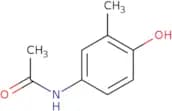
CAS:<p>Versatile small molecule scaffold</p>Formula:C8H10ClN3Purity:Min. 95%Molecular weight:183.64 g/molN-(4-hydroxy-3-methylphenyl)acetamide
CAS:<p>N-(4-hydroxy-3-methylphenyl)acetamide (HMPAA) is a nitroaromatic compound that is used as a reagent in organic synthesis. It is also used as a chemical intermediate for the production of other compounds, such as pharmacological agents. HMPAA has been shown to inhibit the activity of 3-methylcholanthrene and some other carcinogens by reacting with them and preventing their binding to DNA. This drug also reacts with primary amino groups on proteins, which may be due to its ability to hydrolyze these compounds. HMPAA has also been used to detect aluminium ions in organic solvents.</p>Formula:C9H11NO2Purity:Min. 95%Molecular weight:165.19 g/molN-[3-(Hydroxymethyl)phenyl]acetamide
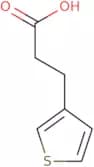
CAS:<p>Versatile small molecule scaffold</p>Formula:C9H11NO2Purity:Min. 95%Molecular weight:165.19 g/mol3-(3-Thienyl)propanoic acid
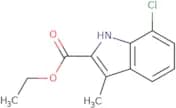
CAS:<p>3-(3-Thienyl)propanoic acid is a protonated form of 3-thienylacetic acid that is prepared by electropolymerization. This compound is a dipole with an enthalpic interaction, which has been shown to be thermodynamically favorable. The protonation of the 3-(3-thienyl)propanoic acid molecule takes place at the perovskite surface and leads to an exothermic reaction.</p>Formula:C7H8O2SPurity:Min. 95%Molecular weight:156.2 g/molEthyl 7-chloro-3-methyl-1H-indole-2-carboxylate
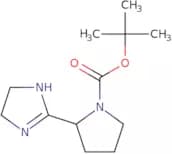
CAS:<p>Versatile small molecule scaffold</p>Formula:C12H12ClNO2Purity:Min. 95%Molecular weight:237.68 g/moltert-Butyl 2-(4,5-dihydro-1H-imidazol-2-yl)pyrrolidine-1-carboxylate
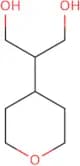
CAS:<p>Versatile small molecule scaffold</p>Formula:C12H21N3O2Purity:Min. 95%Molecular weight:239.31 g/mol2-(Oxan-4-yl)propane-1,3-diol
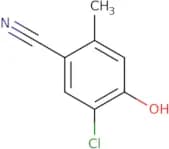
CAS:<p>Versatile small molecule scaffold</p>Formula:C8H16O3Purity:Min. 95%Molecular weight:160.21 g/mol5-Chloro-4-hydroxy-2-methylbenzonitrile
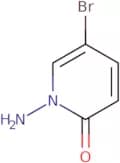
CAS:<p>Versatile small molecule scaffold</p>Formula:C8H6ClNOPurity:Min. 95%Molecular weight:167.59 g/mol1-Amino-5-bromo-1,2-dihydropyridin-2-one
CAS:<p>Versatile small molecule scaffold</p>Formula:C5H5BrN2OPurity:Min. 95%Molecular weight:189.01 g/mol8-Oxo-7H,8H-imidazo[1,2-a]pyrazine-2-carboxylic acid
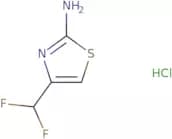
CAS:<p>Versatile small molecule scaffold</p>Formula:C7H5N3O3Purity:Min. 95%Molecular weight:179.13 g/mol4-(Difluoromethyl)-1,3-thiazol-2-amine hydrochloride
CAS:<p>Versatile small molecule scaffold</p>Formula:C4H5ClF2N2SPurity:Min. 95%Molecular weight:186.61 g/mol[(5,5-Dimethylpyrrolidin-3-yl)methyl]dimethylamine
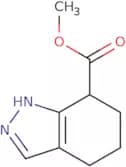
CAS:<p>Versatile small molecule scaffold</p>Formula:C9H20N2Purity:Min. 95%Molecular weight:156.3 g/molMethyl 4,5,6,7-tetrahydro-1H-indazole-7-carboxylate
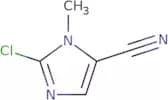
CAS:<p>Versatile small molecule scaffold</p>Formula:C9H12N2O2Purity:Min. 95%Molecular weight:180.2 g/mol2-Chloro-1-methyl-1H-imidazole-5-carbonitrile
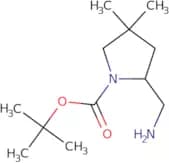
CAS:<p>Versatile small molecule scaffold</p>Formula:C5H4ClN3Purity:Min. 95%Molecular weight:141.56 g/moltert-Butyl 2-(aminomethyl)-4,4-dimethylpyrrolidine-1-carboxylate
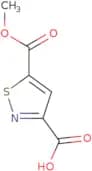
CAS:<p>Versatile small molecule scaffold</p>Formula:C12H24N2O2Purity:Min. 95%Molecular weight:228.33 g/mol5-(Methoxycarbonyl)-1,2-thiazole-3-carboxylic acid
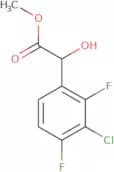
CAS:<p>Versatile small molecule scaffold</p>Formula:C6H5NO4SPurity:Min. 95%Molecular weight:187.2 g/molMethyl 2-(3-chloro-2,4-difluorophenyl)-2-hydroxyacetate
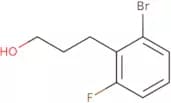
CAS:<p>Versatile small molecule scaffold</p>Formula:C9H7ClF2O3Purity:Min. 95%Molecular weight:236.6 g/mol3-(2-Bromo-6-fluorophenyl)propan-1-ol
CAS:<p>Versatile small molecule scaffold</p>Formula:C9H10BrFOPurity:Min. 95%Molecular weight:233.08 g/mol1-(3-Methanesulfonylphenyl)cyclopentane-1-carboxylic acid
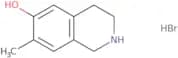
CAS:<p>Versatile small molecule scaffold</p>Formula:C13H16O4SPurity:Min. 95%Molecular weight:268.33 g/mol7-Methyl-1,2,3,4-tetrahydroisoquinolin-6-ol hydrobromide
CAS:<p>Versatile small molecule scaffold</p>Formula:C10H14BrNOPurity:Min. 95%Molecular weight:244.13 g/mol3-[3-(3-Hydroxypropyl)phenyl]propan-1-ol
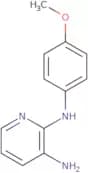
CAS:<p>Versatile small molecule scaffold</p>Formula:C12H18O2Purity:Min. 95%Molecular weight:194.27 g/mol2-N-(4-Methoxyphenyl)pyridine-2,3-diamine
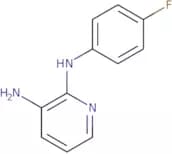
CAS:<p>Versatile small molecule scaffold</p>Formula:C12H13N3OPurity:Min. 95%Molecular weight:215.25 g/mol2-N-(4-Fluorophenyl)pyridine-2,3-diamine
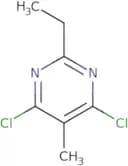
CAS:<p>Versatile small molecule scaffold</p>Formula:C11H10FN3Purity:Min. 95%Molecular weight:203.22 g/mol4,6-Dichloro-2-ethyl-5-methylpyrimidine
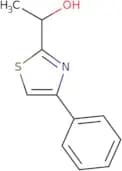
CAS:<p>Versatile small molecule scaffold</p>Formula:C7H8Cl2N2Purity:Min. 95%Molecular weight:191.05 g/mol1-(4-Phenyl-1,3-thiazol-2-yl)ethan-1-ol
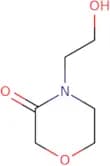
CAS:<p>Versatile small molecule scaffold</p>Formula:C11H11NOSPurity:Min. 95%Molecular weight:205.28 g/mol4-(2-hydroxyethyl)morpholin-3-one
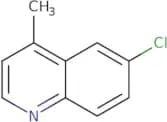
CAS:<p>Versatile small molecule scaffold</p>Formula:C6H11NO3Purity:Min. 95%Molecular weight:145.15 g/mol6-Chloro-4-methylquinoline
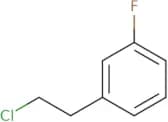
CAS:<p>6-Chloro-4-methylquinoline is a quinoline compound that is used as a catalyst in organic synthesis. It is soluble in butanediol, carbon tetrachloride, and anilines. 6-Chloro-4-methylquinoline catalyzes the conversion of 1,2-dichlorobutane to 2,3-dichloropropane with carbon tetrachloride and butanediol as the reaction solvent. The process can be accelerated by using molecular sieves or aluminum oxide as a catalyst. 6-Chloro-4-methylquinoline has been shown to be effective for the production of 2,3 dichloropropane from 1,2 dichlorobutane via the following reaction:</p>Formula:C10H8ClNPurity:Min. 95%Molecular weight:177.63 g/molBenzene, 1-(2-chloroethyl)-3-fluoro-
CAS:<p>Benzene, 1-(2-chloroethyl)-3-fluoro-, is a fluorinated benzene that is used as an organic sorbent. It has been shown to be nonpolar and polar in nature, with the fluorine atoms contributing to its polarity. The molecule has structural analogs with other fluorinated compounds. In addition, it can be used in chromatographic applications as a stationary phase or as an eluent.</p>Formula:C8H8ClFPurity:Min. 95%Molecular weight:158.6 g/mol6,7,8,9-Tetrahydro-5H-pyrido[2,3-b]azepine
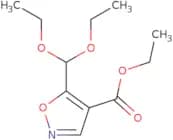
CAS:<p>Versatile small molecule scaffold</p>Formula:C9H12N2Purity:Min. 95%Molecular weight:148.2 g/molEthyl 5-(diethoxymethyl)-1,2-oxazole-4-carboxylate
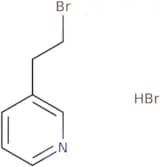
CAS:<p>Versatile small molecule scaffold</p>Formula:C11H17NO5Purity:Min. 95%Molecular weight:243.26 g/mol3-(2-Bromoethyl)pyridine hydrobromide
CAS:<p>Versatile small molecule scaffold</p>Formula:C7H9Br2NPurity:Min. 95%Molecular weight:266.96 g/mol1-(1,3-Thiazol-4-yl)ethan-1-ol
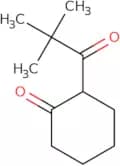
CAS:<p>Versatile small molecule scaffold</p>Formula:C5H7NOSPurity:Min. 95%Molecular weight:129.18 g/mol2-(2,2-Dimethylpropanoyl)cyclohexan-1-one
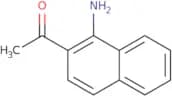
CAS:<p>Versatile small molecule scaffold</p>Formula:C11H18O2Purity:Min. 95%Molecular weight:182.26 g/mol1-(1-Aminonaphthalen-2-yl)ethan-1-one
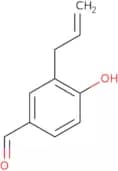
CAS:<p>Versatile small molecule scaffold</p>Formula:C12H11NOPurity:Min. 95%Molecular weight:185.22 g/mol3-Allyl-4-hydroxybenzaldehyde
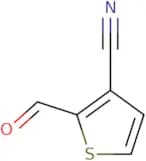
CAS:<p>3-Allyl-4-hydroxybenzaldehyde is a hydroxyalkyl, 6-membered, heteroaromatic ring with a hydroxyl group. It has a hydroxy, alkoxycarbonyl, formyl group, alkoxy group, acid group, alkenyl, alkyloxy, formyl and alkenyl group. 3-Allyl-4-hydroxybenzaldehyde can be found in the chemical family of nitro, carbamoyl.</p>Formula:C10H10O2Purity:Min. 95%Molecular weight:162.19 g/mol2-Formylthiophene-3-carbonitrile
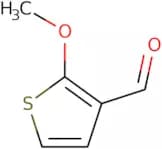
CAS:<p>Versatile small molecule scaffold</p>Formula:C6H3NOSPurity:Min. 95%Molecular weight:137.16 g/mol2-Methoxy-3-thiophenecarboxaldehyde
CAS:<p>Versatile small molecule scaffold</p>Formula:C6H6O2SPurity:Min. 95%Molecular weight:142.17 g/mol1',2'-Dihydrospiro[cyclopentane-1,3'-indole]-2'-one
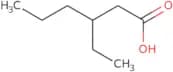
CAS:<p>1',2'-Dihydrospiro[cyclopentane-1,3'-indole]-2'-one is a bromodomain inhibitor that inhibits the function of the bromodomain and prevents it from binding to acetylated lysine residues in the N-terminal domain of histones. This drug has been shown to inhibit the growth and proliferation of cancer cells in vitro. 1',2'-Dihydrospiro[cyclopentane-1,3'-indole]-2'-one is used as an excipient or diluent in pharmaceutical formulations. The drug is also used therapeutically as bromodomain inhibitors for cancers including breast, prostate, and colorectal cancers.</p>Formula:C12H13NOPurity:Min. 95%Molecular weight:187.24 g/mol3-Ethylhexanoic acid
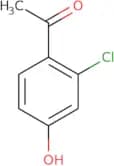
CAS:<p>3-Ethylhexanoic acid is an organic compound that can be synthesized by reacting benzyl chloride with triethylamine and aluminum chloride in the presence of a catalyst such as sulfuric acid. 3-Ethylhexanoic acid is used to produce polymers, solvents, and plasticizers. It has been shown that 3-ethylhexanoic acid reacts with birch wood to give a mixture of enolates, which can then be alkylated to produce a variety of compounds. The reduction of 3-ethylhexanoic acid using lithium reduces it to 2-ethylhexanol.</p>Formula:C8H16O2Purity:Min. 95%Molecular weight:144.21 g/mol1-(2-Chloro-4-methoxyphenyl)ethanone
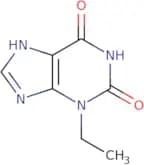
CAS:<p>Versatile small molecule scaffold</p>Formula:C9H9ClO2Purity:Min. 95%Molecular weight:184.62 g/mol3-Ethyl-1H-purine-2,6(3H,7H)-dione
CAS:Controlled Product<p>3-Ethyl-1H-purine-2,6(3H,7H)-dione is a pharmaceutical preparation that is used in the treatment of cardiac diseases. It has been shown to be effective in the treatment of cardiac disease by lowering blood pressure and improving exercise tolerance. This medication should not be taken if you have a history of congestive heart failure or cardiogenic shock.</p>Formula:C7H8N4O2Purity:Min. 95%Molecular weight:180.16 g/mol2-[(Ethylcarbamoyl)amino]-2-oxoethanecarbonimidoyl cyanide
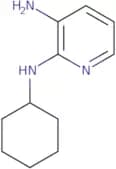
CAS:<p>Versatile small molecule scaffold</p>Formula:C6H8N4O3Purity:Min. 95%Molecular weight:184.15 g/mol2-N-Cyclohexylpyridine-2,3-diamine
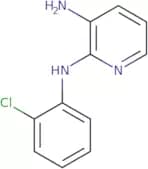
CAS:<p>Versatile small molecule scaffold</p>Formula:C11H17N3Purity:Min. 95%Molecular weight:191.27 g/mol2-N-(2-Chlorophenyl)pyridine-2,3-diamine
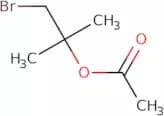
CAS:<p>Versatile small molecule scaffold</p>Formula:C11H10ClN3Purity:Min. 95%Molecular weight:219.67 g/mol1-Bromo-2-methylpropan-2-yl acetate
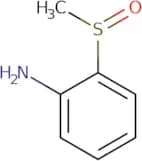
CAS:<p>1-Bromo-2-methylpropan-2-yl acetate is a glycol that is used as a stabilizer in the synthesis of other organic compounds. It can be used to cleave bonds and is useful for the production of drugs, such as antibiotics. In addition, 1-Bromo-2-methylpropan-2-yl acetate has been shown to inhibit the growth of staphylococcus aureus and other bacteria. This compound binds to the ribosome and inhibits protein synthesis by preventing peptide bond formation. It also has been shown to be effective against vancomycin resistance in strains of staphylococcus aureus.</p>Formula:C6H11BrO2Purity:Min. 95%Molecular weight:195.05 g/mol2-Methanesulfinylaniline
CAS:<p>2-Methanesulfinylaniline is a chemical compound that can be used as an arylating agent. It reacts with benzaldehyde or benzaldehydes to form benzylic alcohols. The reaction is catalyzed by acid and the regioselectivity of the reaction depends on the type of acid used. 2-Methanesulfinylaniline has been shown to be effective in the synthesis of 3-benzoylbenzoic acids, which are useful intermediates in organic chemistry.</p>Formula:C7H9NOSPurity:Min. 95%Molecular weight:155.22 g/mol(E,E)-Bis[(4-chlorophenyl)methylidene]hydrazine
CAS:<p>Versatile small molecule scaffold</p>Purity:Min. 95%Molecular weight:277.15 g/mol7-bromothieno[3,2-d]pyrimidine-2,4-diol
CAS:<p>Versatile small molecule scaffold</p>Formula:C6H3BrN2O2SPurity:Min. 95%Molecular weight:247.07 g/mol7-bromo-2,4-dichlorothieno[3,2-d]pyrimidine
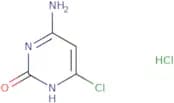
CAS:<p>Versatile small molecule scaffold</p>Formula:C6HBrCl2N2SPurity:Min. 95%Molecular weight:283.95 g/mol4-Amino-6-chloro-1,2-dihydropyrimidin-2-one hydrochloride
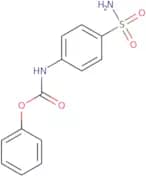
CAS:<p>Versatile small molecule scaffold</p>Formula:C4H5Cl2N3OPurity:Min. 95%Molecular weight:182.01 g/molPhenyl N-(4-sulfamoylphenyl)carbamate
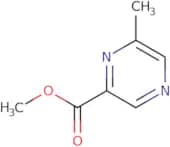
CAS:<p>Versatile small molecule scaffold</p>Formula:C13H12N2O4SPurity:Min. 95%Molecular weight:292.31 g/molMethyl 6-methylpyrazine-2-carboxylate
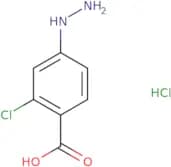
CAS:<p>Versatile small molecule scaffold</p>Formula:C7H8N2O2Purity:Min. 95%Molecular weight:152.15 g/mol2-Chloro-4-hydrazinylbenzoic Acid Hydrochloride
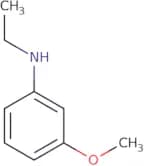
CAS:<p>Versatile small molecule scaffold</p>Formula:C7H7N2O2Cl·HClPurity:Min. 95%Molecular weight:223.05 g/molN-Ethyl-3-methoxyaniline
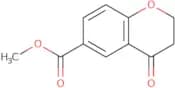
CAS:<p>N-Ethyl-3-methoxyaniline (NEM) is a biocompatible and biodegradable surrogate that can be used as a substitute for arginine in metathesis reactions. NEM has been shown to inhibit thrombin, an enzyme involved in the coagulation of blood. Cocrystallization with cobalt(II) chloride has been optimized to yield crystals with an x-ray crystal structure. The crystal structure was analyzed by x-ray diffraction and found to contain the cocrystallized product of NEM and cobalt(II) chloride.</p>Formula:C9H13NOPurity:Min. 95%Molecular weight:151.21 g/molMethyl 4-oxochromane-6-carboxylate
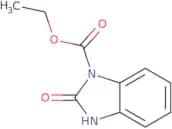
CAS:<p>Versatile small molecule scaffold</p>Formula:C11H10O4Purity:Min. 95%Molecular weight:206.2 g/molEthyl 2-oxo-2,3-dihydro-1H-1,3-benzodiazole-1-carboxylate
CAS:<p>Versatile small molecule scaffold</p>Formula:C10H10N2O3Purity:Min. 95%Molecular weight:206.2 g/mol5-Methyl-2-sulfanyl-4H,7H-[1,2,4]triazolo[1,5-a]pyrimidin-7-one
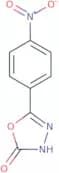
CAS:<p>Versatile small molecule scaffold</p>Formula:C6H6N4OSPurity:Min. 95%Molecular weight:182.2 g/mol5-(4-Nitrophenyl)-1,3,4-oxadiazol-2-ol
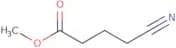
CAS:<p>Nitrophenols, such as 5-(4-nitrophenyl)-1,3,4-oxadiazol-2-ol (NPO), are a class of drugs that bind to the c1-6 alkyl receptor. This binding causes receptor desensitization and leads to the inhibition of the release of neurotransmitters such as acetylcholine, histamine, and serotonin. NPO is an excipient in some pharmaceuticals and may also be used for treatment of high blood pressure or damaged heart tissue. The carboxylic acid group on NPO can react with sodium ions to form a salt called sodium nitrophenolate. The residue from this reaction can be removed by adding a cationic polymer before use.</p>Formula:C8H5N3O4Purity:Min. 95%Molecular weight:207.14 g/molMethyl 4-cyanobutanoate
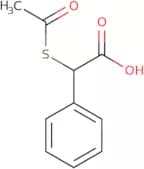
CAS:<p>Versatile small molecule scaffold</p>Formula:C6H9NO2Purity:Min. 95%Molecular weight:127.14 g/mol2-(Acetylsulfanyl)-2-phenylacetic acid
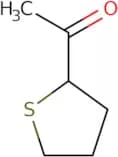
CAS:<p>Versatile small molecule scaffold</p>Formula:C10H10O3SPurity:Min. 95%Color and Shape:PowderMolecular weight:210.25 g/mol1-(Thiolan-2-yl)ethan-1-one
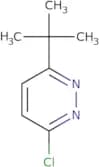
CAS:<p>Versatile small molecule scaffold</p>Formula:C6H10OSPurity:Min. 95%Molecular weight:130.21 g/mol3-tert-Butyl-6-chloropyridazine
CAS:<p>Versatile small molecule scaffold</p>Formula:C8H11ClN2Purity:Min. 95%Molecular weight:170.64 g/mol2,2-Dimethyl-1,3-diphenylpropane-1,3-dione
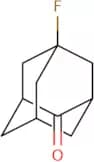
CAS:<p>Versatile small molecule scaffold</p>Formula:C17H16O2Purity:Min. 95%Molecular weight:252.31 g/mol5-Fluoroadamantan-2-one
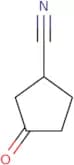
CAS:<p>5-Fluoroadamantan-2-one is a stable molecule that has been shown to stabilize transition states in the presence of cyclohexanone. This agent can also be used for carbonyl reduction, iminium formation and epoxidation reactions. 5-Fluoroadamantan-2-one can also react with nucleophiles to form imino or organic chemistry moieties. It acts as a radical cation and can be detected by infrared spectroscopy.</p>Formula:C10H13FOPurity:Min. 95%Molecular weight:168.21 g/mol3-Oxocyclopentane-1-carbonitrile
CAS:<p>3-Oxocyclopentane-1-carbonitrile is a chiral aliphatic compound that is used in the synthesis of other organic compounds. It is a diastereomer of cyclopentanone and can be obtained by the isomerization of cyclohexanone. The carbon atom at position 1 has three different substituents, which give it three stereoisomers. 3-Oxocyclopentane-1-carbonitrile is used to synthesize hexanoic acid, acrylonitrile, and styrene.</p>Purity:Min. 95%3-[4-(Methoxycarbonyl)-1,3-oxazol-5-yl]propanoic acid
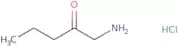
CAS:<p>Versatile small molecule scaffold</p>Formula:C8H9NO5Purity:Min. 95%Molecular weight:199.16 g/mol1-Aminopentan-2-one hydrochloride
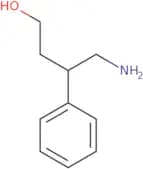
CAS:<p>Versatile small molecule scaffold</p>Formula:C5H12ClNOPurity:Min. 95%Molecular weight:137.61 g/mol4-Amino-3-phenylbutan-1-ol
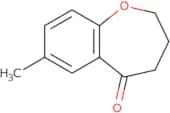
CAS:<p>Versatile small molecule scaffold</p>Formula:C10H15NOPurity:Min. 95%Molecular weight:165.23 g/mol7-Methyl-2,3,4,5-tetrahydro-1-benzoxepin-5-one
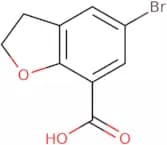
CAS:<p>Versatile small molecule scaffold</p>Formula:C11H12O2Purity:Min. 95%Molecular weight:176.21 g/mol5-Bromo-2,3-dihydrobenzofuran-7-carboxylic acid
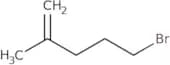
CAS:<p>Versatile small molecule scaffold</p>Formula:C9H7BrO3Purity:Min. 95%Molecular weight:243.06 g/mol5-bromo-2-methylpent-1-ene
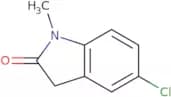
CAS:<p>5-bromo-2-methylpent-1-ene is an organic compound that belongs to the group of isopentenyl compounds. It is a synthetic compound that has been shown to be effective as an antimicrobial agent. 5-bromo-2-methylpent-1-ene has a copper complex which binds to the copper and diphosphate groups in bacterial DNA, preventing replication and transcription. This drug also inhibits the synthesis of proteins by binding to ribosomes, thereby inhibiting protein synthesis. The antimicrobial activity of 5-bromo-2-methylpent-1e is due to its ability to inhibit RNA synthesis and DNA synthesis in bacteria.</p>Formula:C6H11BrPurity:Min. 95%Molecular weight:163.06 g/mol5-Chloro-1-methyl-2,3-dihydro-1H-indol-2-one
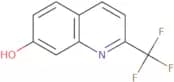
CAS:<p>Versatile small molecule scaffold</p>Formula:C9H8ClNOPurity:Min. 95%Molecular weight:181.62 g/mol2-(Trifluoromethyl)quinolin-7-ol
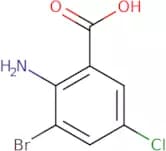
CAS:<p>Versatile small molecule scaffold</p>Formula:C10H6F3NOPurity:Min. 95%Molecular weight:213.16 g/mol2-Amino-3-bromo-5-chlorobenzoic acid
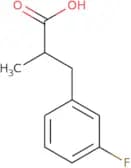
CAS:<p>Versatile small molecule scaffold</p>Formula:C7H5BrClNO2Purity:Min. 95%Molecular weight:250.48 g/mol3-(3-fluorophenyl)-2-methylpropanoic acid
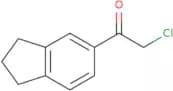
CAS:<p>Versatile small molecule scaffold</p>Formula:C10H11O2FPurity:Min. 95%Molecular weight:182.19 g/mol2-Chloro-1-(2,3-dihydro-1H-inden-5-yl)ethan-1-one
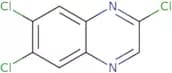
CAS:<p>Versatile small molecule scaffold</p>Formula:C11H11ClOPurity:Min. 95%Molecular weight:194.66 g/mol2,6,7-Trichloroquinoxaline
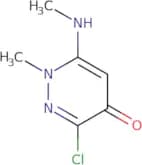
CAS:<p>Versatile small molecule scaffold</p>Formula:C8H3Cl3N2Purity:Min. 95%Molecular weight:233.5 g/mol3-Chloro-1-methyl-6-(methylamino)-1,4-dihydropyridazin-4-one
CAS:<p>Versatile small molecule scaffold</p>Formula:C6H8ClN3OPurity:Min. 95%Molecular weight:173.6 g/mol1-[(2-Methylphenyl)methyl]piperidin-4-amine
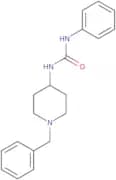
CAS:<p>Versatile small molecule scaffold</p>Formula:C13H20N2Purity:Min. 95%Molecular weight:204.31 g/mol3-(1-Benzylpiperidin-4-yl)-1-phenylurea
CAS:<p>Versatile small molecule scaffold</p>Formula:C19H23N3OPurity:Min. 95%Molecular weight:309.4 g/mol1H-Tetrazol-1-ylacetyl chloride
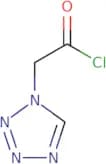
CAS:<p>Versatile small molecule scaffold</p>Formula:C3H3ClN4OPurity:Min. 95%Molecular weight:146.53 g/mol3-(Chloromethyl)-6-methoxypyridazine
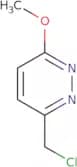
CAS:<p>Versatile small molecule scaffold</p>Formula:C6H7ClN2OPurity:Min. 95%Molecular weight:158.58 g/mol2,3-Dimethyl-3H-imidazo[4,5-b]pyridine
CAS:<p>Versatile small molecule scaffold</p>Formula:C8H9N3Purity:Min. 95%Color and Shape:PowderMolecular weight:147.18 g/molN-Methyl-2-piperidin-1-ylethanamine
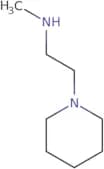
CAS:<p>Versatile small molecule scaffold</p>Formula:C8H18N2Purity:Min. 95%Molecular weight:142.24 g/molH-Imidazo[1,2-a]pyridine-3-carbaldehyde
CAS:<p>H-Imidazo[1,2-a]pyridine-3-carbaldehyde is an anti-infective agent that is active against bacteria and fungi. The compound inhibits the growth of bacteria by interfering with the synthesis of DNA and RNA. H-Imidazo[1,2-a]pyridine-3-carbaldehyde has been shown to be effective in treating infections caused by Stenotrophomonas maltophilia and Pseudomonas aeruginosa. It also has an effect on Enterobacteriaceae, including Escherichia coli, Klebsiella pneumoniae, and Proteus mirabilis. H-Imidazo[1,2-a]pyridine-3-carbaldehyde is not effective against Streptococcus species such as Streptococcus pyogenes or Group A beta hemolytic streptococci.</p>Formula:C9H8N2OPurity:Min. 95%Molecular weight:160.17 g/mol2-Amino-2-[4-(aminomethyl)phenyl]acetic acid dihydrochloride
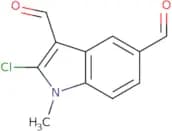
CAS:<p>Versatile small molecule scaffold</p>Formula:C9H14Cl2N2O2Purity:Min. 95%Molecular weight:253.12 g/mol2-Chloro-1-methyl-1H-indole-3,5-dicarbaldehyde
CAS:<p>Versatile small molecule scaffold</p>Formula:C11H8ClNO2Purity:Min. 95%Molecular weight:221.64 g/mol8-Methyl-1,4-dioxaspiro[4.5]decan-8-ol
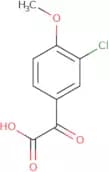
CAS:<p>Versatile small molecule scaffold</p>Formula:C9H16O3Purity:Min. 95%Molecular weight:172.23 g/mol2-(3-Chloro-4-methoxyphenyl)-2-oxoacetic acid
CAS:<p>Versatile small molecule scaffold</p>Formula:C9H7ClO4Purity:Min. 95%Molecular weight:214.6 g/molrac-[(1R,2S,4R,5R,6R)-3-Oxatricyclo[3.2.1.0,2,4]octan-6-yl]methanamine
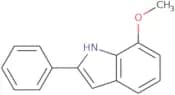
CAS:<p>Versatile small molecule scaffold</p>Formula:C8H13NOPurity:Min. 95%Molecular weight:139.2 g/mol7-Methoxy-2-phenyl-1H-indole
CAS:<p>Versatile small molecule scaffold</p>Formula:C15H13NOPurity:Min. 95%Molecular weight:223.27 g/molImidazo[1,2-a]pyridin-5-ylamine
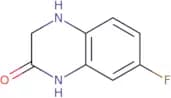
CAS:<p>Versatile small molecule scaffold</p>Formula:C7H7N3Purity:Min. 95%Molecular weight:133.15 g/mol7-Fluoro-3,4-dihydro-2(1H)-quinoxalinone
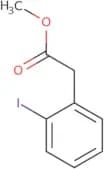
CAS:<p>Versatile small molecule scaffold</p>Formula:C8H7FN2OPurity:Min. 95%Molecular weight:166.15 g/molMethyl 2-(2-iodophenyl)acetate
CAS:<p>Methyl 2-(2-iodophenyl)acetate is an alkylating agent that inhibits the growth of cancer cells by binding to their estrogen receptors. It has been shown that this drug binds to the estrogen receptor and blocks its interaction with estradiol in MCF-7 cells. Methyl 2-(2-iodophenyl)acetate also inhibits cell cycle progression, leading to cancer cell death. The stereoselective nature of this drug may be due to a specific interaction with the estrogen receptor, as well as other interactions with proteins in the target cell. In addition, this compound can be used to treat breast cancer by inhibiting tumor growth and stimulating apoptosis in MDA-MB-231 cells.</p>Formula:C9H9IO2Purity:Min. 95%Molecular weight:276.07 g/mol2-Hydrazino-4-methyl-pyrimidine-5-carboxylic acid ethyl ester
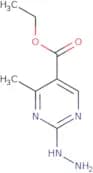
CAS:<p>2-Hydrazino-4-methylpyrimidine-5-carboxylic acid ethyl ester is a heterocyclic compound that is used in organic synthesis. It is obtained by the reaction of ethylene with chloroacetic acid and 2,6-dichloropyrimidine. This product can be used as a cocatalyst to promote the polymerization of ethylene. The molecular structure of this heterocyclic ring consists of three carbon atoms, five nitrogen atoms, and two oxygen atoms. The nomenclature for this product can be found in IUPAC Gold Book 1985. Triisobutylaluminium (TIBA) is a typical catalyst for the reaction. In addition, 2-hydrazino-4-methylpyrimidine-5-carboxylic acid ethyl ester chelates with copper or zinc compounds to form catalysts for reactions with other substrates.</p>Formula:C8H12N4O2Purity:Min. 95%Molecular weight:196.21 g/mol3-Ethyl-4,5-dihydro-1,2-oxazole-5-carbonitrile
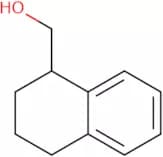
CAS:<p>Versatile small molecule scaffold</p>Formula:C6H8N2OPurity:Min. 95%Molecular weight:124.14 g/mol(1,2,3,4-Tetrahydronaphthalen-1-yl)methanol
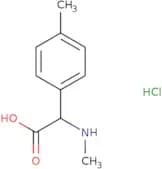
CAS:<p>Versatile small molecule scaffold</p>Formula:C11H14OPurity:Min. 95%Molecular weight:162.23 g/mol2-(Methylamino)-2-(4-methylphenyl)acetic acid hydrochloride
CAS:<p>Versatile small molecule scaffold</p>Formula:C10H14ClNO2Purity:Min. 95%Molecular weight:215.67 g/mol3-Bromo-5,7-dimethyl-1H,2H-pyrazolo[1,5-a]pyrimidin-2-one
CAS:<p>Versatile small molecule scaffold</p>Formula:C8H8BrN3OPurity:Min. 95%Molecular weight:242.07 g/mol3-(1-Benzothiophen-3-yl)-2-oxopropanoic acid
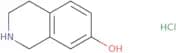
CAS:<p>Versatile small molecule scaffold</p>Formula:C11H8O3SPurity:Min. 95%Molecular weight:220.2 g/mol1,2,3,4-tetrahydroisoquinolin-7-ol hydrochloride
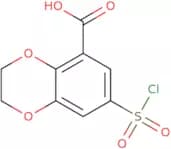
CAS:<p>Versatile small molecule scaffold</p>Formula:C9H12ClNOPurity:Min. 95%Molecular weight:185.65 g/mol7-(Chlorosulfonyl)-2,3-dihydro-1,4-benzodioxine-5-carboxylic acid
CAS:<p>Versatile small molecule scaffold</p>Formula:C9H7ClO6SPurity:Min. 95%Molecular weight:278.67 g/mol7-Nitro-2,3-dihydro-1,4-benzodioxine-5-carboxylic acid
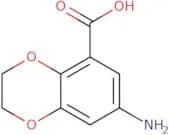
CAS:<p>Versatile small molecule scaffold</p>Formula:C9H7NO6Purity:Min. 95%Molecular weight:225.15 g/mol7-Amino-2,3-dihydro-1,4-benzodioxine-5-carboxylic acid
CAS:<p>Versatile small molecule scaffold</p>Formula:C9H9NO4Purity:Min. 95%Molecular weight:195.17 g/mol6,7-Dibromo-2,3-dihydro-1,4-benzodioxine-5-carboxylic acid
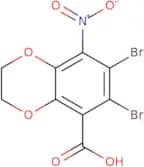
CAS:<p>Versatile small molecule scaffold</p>Formula:C9H6Br2O4Purity:Min. 95%Molecular weight:337.9 g/mol6,7-Dibromo-8-nitro-2,3-dihydro-1,4-benzodioxine-5-carboxylic acid
CAS:<p>Versatile small molecule scaffold</p>Formula:C9H5Br2NO6Purity:Min. 95%Molecular weight:382.95 g/mol8-Chloro-2,3-dihydro-1,4-benzodioxine-5-carboxylic acid
CAS:<p>Versatile small molecule scaffold</p>Formula:C9H7ClO4Purity:Min. 95%Molecular weight:214.6 g/mol6,7-Dinitro-2,3-dihydro-1,4-benzodioxine-5-carboxylic acid
CAS:<p>Versatile small molecule scaffold</p>Formula:C9H6N2O8Purity:Min. 95%Molecular weight:270.2 g/mol2,4-Diethyl 3-ethyl-5-methyl-1H-pyrrole-2,4-dicarboxylate
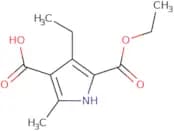
CAS:<p>Versatile small molecule scaffold</p>Formula:C13H19NO4Purity:Min. 95%Molecular weight:253.29 g/mol5-(Ethoxycarbonyl)-4-ethyl-2-methyl-1H-pyrrole-3-carboxylic acid
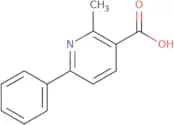
CAS:<p>Versatile small molecule scaffold</p>Formula:C11H15NO4Purity:Min. 95%Molecular weight:225.24 g/mol2-Methyl-6-phenylpyridine-3-carboxylic acid
CAS:<p>2-Methyl-6-phenylpyridine-3-carboxylic acid is a compound that has been used as an antimicrobial agent. It is the most active of the aldehydes for the treatment of tuberculosis. 2-Methyl-6-phenylpyridine-3-carboxylic acid inhibits bacterial growth by binding to DNA dependent RNA polymerase, thereby preventing transcription and replication. The high frequency of human activity has been shown using a patch clamp technique on human erythrocytes. This active form is metabolized through a number of metabolic transformations, including hydrolysis by esterases or glucuronidases, oxidation by cytochrome P450 enzymes, reduction by glutathione reductase, or conjugation with glucuronic acid. 2 methyl 6 phenylpyridine 3 carboxylic acid also specifically binds to markers expressed at high levels in Mycobacterium tuberculosis strains (e.g</p>Formula:C13H11NO2Purity:Min. 95%Molecular weight:213.23 g/mol4-[4-(Oxiran-2-ylmethoxy)phenyl]butan-2-one
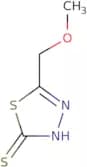
CAS:<p>Versatile small molecule scaffold</p>Formula:C13H16O3Purity:Min. 95%Molecular weight:220.26 g/mol5-Methoxymethyl-1,3,4-thiadiazole-2-thiol
CAS:<p>Versatile small molecule scaffold</p>Formula:C4H6N2OS2Purity:Min. 95%Molecular weight:162.2 g/mol2-(1,2-Thiazol-4-yl)acetonitrile
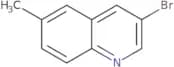
CAS:<p>Versatile small molecule scaffold</p>Formula:C5H4N2SPurity:Min. 95%Molecular weight:124.2 g/mol3-Bromo-6-methylquinoline
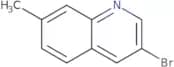
CAS:<p>3-Bromo-6-methylquinoline is a helical molecule with an axial arrangement of methyl groups around the central benzene ring. It has been shown to undergo racemization in aqueous solution, and the helicenes are photoproducts from the reaction. The photophysical properties of 3-bromo-6-methylquinoline have been studied extensively and it is found to be a good candidate for applications in organic light emitting diodes and solar cells. Computational studies have shown that 3-bromo-6-methylquinoline is a potential substrate for alkylation reactions with pyridinium ions and may be used as a catalyst.<br>Helix molecules are composed of repeating units called turns or residues. Each turn consists of two parts: one part which runs up the center of the helix, called the backbone; and one part which runs down the outside edge, called the side chain. The backbone is always made</p>Formula:C10H8BrNPurity:Min. 95%Molecular weight:222.08 g/mol3-Bromo-7-methylquinoline
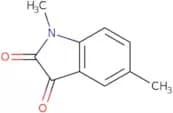
CAS:<p>Versatile small molecule scaffold</p>Formula:C10H8BrNPurity:Min. 95%Molecular weight:222.08 g/mol1,5-Dimethyl-1H-indole-2,3-dione
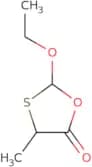
CAS:<p>1,5-Dimethyl-1H-indole-2,3-dione is a molecule with antibacterial activity. It has been shown to have interactions with staphylococcus and subtilis strains. Computational results show that the molecule has inhibitory effects on bacterial dna gyrase and topoisomerase IV. This inhibits the synthesis of bacterial proteins and leads to cell death. Hydrazides have been shown to be effective against staphylococcus aureus isolates and are hypothesized to inhibit protein synthesis by binding to bacterial ribosomes. The mechanism of action of 1,5-dimethyl-1H-indole-2,3-dione is not yet known.</p>Formula:C10H9NO2Purity:Min. 95%Molecular weight:175.19 g/mol2-Ethoxy-4-methyl-1,3-oxathiolan-5-one
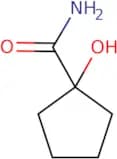
CAS:<p>Versatile small molecule scaffold</p>Formula:C6H10O3SPurity:Min. 95%Molecular weight:162.21 g/mol1-Hydroxycyclopentane-1-carboxamide
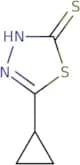
CAS:<p>Versatile small molecule scaffold</p>Formula:C6H11NO2Purity:Min. 95%Molecular weight:129.16 g/mol5-Cyclopropyl-1,3,4-thiadiazole-2-thiol
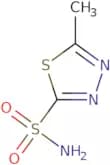
CAS:<p>Versatile small molecule scaffold</p>Formula:C5H6N2S2Purity:Min. 95%Molecular weight:158.2 g/mol5-Methyl-1,3,4-thiadiazole-2-sulfonamide
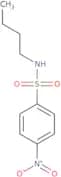
CAS:<p>Versatile small molecule scaffold</p>Formula:C3H5N3O2S2Purity:Min. 95%Molecular weight:179.2 g/molN-Butyl-4-nitrobenzenesulfonamide
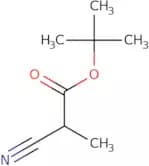
CAS:<p>N-Butyl-4-nitrobenzenesulfonamide is a chemical compound that belongs to the group of nitro compounds. It is synthesized by the reaction of an aliphatic amine with nitrobenzenesulfonyl chloride. The structure of this compound is characterized by an electron-deficient phenyl ring, which can be protonated and form a radical anion. N-Butyl-4-nitrobenzenesulfonamide has been shown to yield nitrated aliphatic amines, such as 3-nitropropane sulfonamide, when treated with sodium nitrate in dilute sulfuric acid. This chemical reaction occurs through radical ion mechanisms and involves the cleavage of a bond between two carbon atoms.</p>Formula:C10H14N2O4SPurity:Min. 95%Molecular weight:258.3 g/moltert-Butyl 2-cyano-2-methylacetate
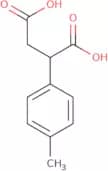
CAS:<p>tert-Butyl 2-cyano-2-methylacetate is a nonpolar chemical that is used as an alkylating agent in organic chemistry. It is synthesized by the reaction of glyoxylate and imine, which forms an enantiomeric pair with opposite stereogenic properties. The compound can also be used in asymmetric synthesis to form enantiomerically pure products. This compound has been shown to have catalytic activity when dissolved in organic solvents. Tert-butyl 2-cyano-2-methylacetate is soluble in both polar and nonpolar solvents, making it suitable for use in a variety of reactions.</p>Formula:C8H13NO2Purity:Min. 95%Molecular weight:155.19 g/mol2-(4-Methylphenyl)butanedioic acid
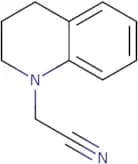
CAS:<p>Versatile small molecule scaffold</p>Formula:C11H12O4Purity:Min. 95%Molecular weight:208.21 g/mol2-(1,2,3,4-Tetrahydroquinolin-1-yl)acetonitrile
CAS:<p>Versatile small molecule scaffold</p>Formula:C11H12N2Purity:Min. 95%Molecular weight:172.23 g/mol6-chloro-3-methylbenzo[b]thiophene-2-carboxylic acid
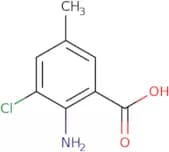
CAS:<p>Versatile small molecule scaffold</p>Formula:C10H7ClO2SPurity:Min. 95%Molecular weight:226.67 g/mol2-Amino-3-chloro-5-methylbenzoic acid
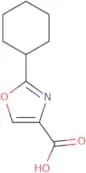
CAS:<p>Versatile small molecule scaffold</p>Formula:C8H8ClNO2Purity:Min. 95%Molecular weight:185.61 g/mol2-Cyclohexyl-oxazole-4-carboxylic acid
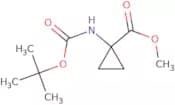
CAS:<p>Versatile small molecule scaffold</p>Formula:C10H13NO3Purity:Min. 95%Molecular weight:195.22 g/molMethyl 1-((tert-butoxycarbonyl)amino)cyclopropanecarboxylate
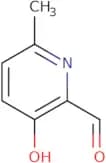
CAS:<p>Methyl 1-((tert-butoxycarbonyl)amino)cyclopropanecarboxylate is a six-membered analogue of the five-membered ring compound iprodione. It is used in the synthesis of compounds that are used as fungicides, such as propiconazole and fenpropimorph. This chemical reacts with nucleophiles to form adducts, which can be isolated in high yield by chromatography or crystallization. The methyl group in this compound also makes it an analogue of the six-membered ring molecule methylcyclopropane carboxylate.</p>Formula:C10H17NO4Purity:Min. 95%Molecular weight:215.25 g/mol3-Hydroxy-6-methylpyridine-2-carbaldehyde
CAS:<p>3-Hydroxy-6-methylpyridine-2-carbaldehyde is a building block for the synthesis of spiropyran, a magnetic heterocyclic compound. 3-Hydroxy-6-methylpyridine-2-carbaldehyde is an aldehyde with a short chain and has the ability to form crossover chains. It has been shown to be fluorescent under UV light and has magnetic properties.</p>Formula:C7H7NO2Purity:Min. 95%Molecular weight:137.14 g/mol5-methylfuro[3,2-b]pyridine-2-carboxylic Acid hydrochloride
CAS:<p>Versatile small molecule scaffold</p>Formula:C9H7NO3·HClPurity:Min. 95%Molecular weight:213.61 g/molrac-(1R,5S)-1-Phenyl-3-azabicyclo[3.1.0]hexane hydrochloride
CAS:<p>Versatile small molecule scaffold</p>Formula:C11H14ClNPurity:Min. 95%Molecular weight:195.69 g/molrac-(1R,5S)-1-Phenyl-3-azabicyclo[3.1.0]hexane-2,4-dione
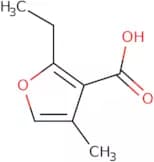
CAS:<p>Versatile small molecule scaffold</p>Formula:C11H9NO2Purity:Min. 95%Molecular weight:187.19 g/mol2-Ethyl-4-methylfuran-3-carboxylic acid
CAS:<p>Versatile small molecule scaffold</p>Formula:C8H10O3Purity:Min. 95%Molecular weight:154.16 g/mol2-(Oxan-4-ylidene)ethan-1-ol
CAS:<p>Versatile small molecule scaffold</p>Formula:C7H12O2Purity:Min. 95%Molecular weight:128.2 g/mol[(1E)-3-(Hydroxyamino)prop-1-en-1-yl]phosphonic acid
CAS:<p>Versatile small molecule scaffold</p>Formula:C3H8NO4PPurity:Min. 95%Molecular weight:153.07 g/mol[(2-Chlorobenzyl)thio]acetic acid
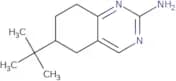
CAS:<p>Versatile small molecule scaffold</p>Formula:C9H9ClO2SPurity:Min. 95%Molecular weight:216.68 g/mol6-tert-Butyl-5,6,7,8-tetrahydroquinazolin-2-amine
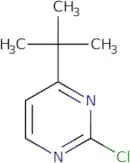
CAS:<p>Versatile small molecule scaffold</p>Formula:C12H19N3Purity:Min. 95%Molecular weight:205.3 g/mol4-tert-Butyl-2-chloropyrimidine
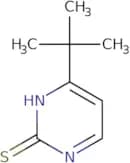
CAS:<p>4-tert-Butyl-2-chloropyrimidine is an Australian nitrogen heterocycle with a chiral center. It is a metal complex that has substituents on the ring and the nitrogen atom. 4-tert-Butyl-2-chloropyrimidine is a mononuclear ligand.</p>Formula:C8H11ClN2Purity:Min. 95%Molecular weight:170.64 g/mol4-(tert-Butyl)pyrimidine-2-thiol
CAS:<p>Versatile small molecule scaffold</p>Formula:C8H12N2SPurity:Min. 95%Molecular weight:168.26 g/mol[4-(2-Methyl-1,3-dioxolan-2-yl)phenyl]methanamine
CAS:<p>Versatile small molecule scaffold</p>Formula:C11H15NO2Purity:Min. 95%Molecular weight:193.24 g/mol6-(Ethylsulfanyl)pyrazine-2-carboxylic acid
CAS:<p>Versatile small molecule scaffold</p>Formula:C7H8N2O2SPurity:Min. 95%Molecular weight:184.22 g/mol6-[3-(Trifluoromethyl)phenyl]pyridazin-3-ol
CAS:<p>6-[3-(Trifluoromethyl)phenyl]pyridazin-3-ol is a medicament that belongs to the class of anti-tumour agents. It was shown to have antitumor activity against liver cancer in mice. 6-[3-(Trifluoromethyl)phenyl]pyridazin-3-ol inhibits the growth of tumor cells by binding to the nucleus and preventing transcription of DNA into RNA. This drug also inhibits erythrocyte proliferation and increases the rate of apoptosis, which may be due to its ability to inhibit the synthesis of proteins required for cell division.</p>Formula:C11H7F3N2OPurity:Min. 95%Molecular weight:240.18 g/mol3-Chloro-6-[3-(trifluoromethyl)phenyl]pyridazine
CAS:<p>Versatile small molecule scaffold</p>Formula:C11H6ClF3N2Purity:Min. 95%Molecular weight:258.62 g/mol2-(2-Chlorophenyl)-2-(morpholin-4-yl)acetonitrile
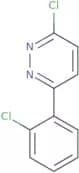
CAS:<p>Versatile small molecule scaffold</p>Formula:C12H13ClN2OPurity:Min. 95%Molecular weight:236.7 g/mol3-Chloro-6-(2-chlorophenyl)pyridazine
CAS:<p>Versatile small molecule scaffold</p>Formula:C10H6Cl2N2Purity:Min. 95%Molecular weight:225.07 g/mol6-(2-Fluorophenyl)pyridazin-3(2H)-one
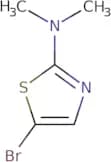
CAS:<p>Versatile small molecule scaffold</p>Formula:C10H7FN2OPurity:Min. 95%Molecular weight:190.18 g/mol5-Bromo-N,N-dimethyl-1,3-thiazol-2-amine
CAS:<p>Versatile small molecule scaffold</p>Formula:C5H7BrN2SPurity:Min. 95%Molecular weight:207.09 g/mol4-Ethylhexan-1-ol
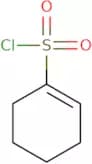
CAS:<p>Versatile small molecule scaffold</p>Formula:C8H18OPurity:Min. 95%Molecular weight:130.2 g/molCyclohex-1-ene-1-sulfonyl chloride
CAS:<p>Versatile small molecule scaffold</p>Formula:C6H9ClO2SPurity:Min. 95%Color and Shape:Clear LiquidMolecular weight:180.65 g/mol5-(Benzylamino)-8-thia-4,6-diazatricyclo[7.4.0.0,2,7]trideca-1(9),2(7),5-trien-3-one
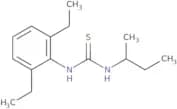
CAS:<p>Versatile small molecule scaffold</p>Formula:C17H17N3OSPurity:Min. 95%Molecular weight:311.4 g/mol3-(Butan-2-yl)-1-(2,6-diethylphenyl)thiourea
CAS:<p>Versatile small molecule scaffold</p>Formula:C15H24N2SPurity:Min. 95%Molecular weight:264.4 g/mol3-Acetylbenzo[b]furan
CAS:<p>3-Acetylbenzo[b]furan is a potent inhibitor of lipase and other enzymes. It has been shown to inhibit acetaldehyde dehydrogenase, an enzyme that catalyzes the conversion of acetaldehyde to acetic acid. 3-Acetylbenzo[b]furan also inhibits chemoenzymatic reactions and has a potent inhibitory activity against asymmetric synthesis. This compound has been shown to be useful for the production of chiral compounds with high selectivities. 3-Acetylbenzo[b]furan can be used as a ligand and isomeric in various fluorescent assays.</p>Formula:C10H8O2Purity:Min. 95%Molecular weight:160.17 g/molRU 24969
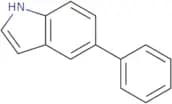
CAS:<p>RU 24969 is a 5-ht1a and 5-ht1b receptor agonist and has been shown to increase locomotor activity in animals. This drug also antagonizes the effects of drugs that bind to the 5-ht1b receptor, such as sumatriptan, which can lead to an increase in locomotor activity. RU 24969 may have therapeutic uses for treating depression and anxiety disorders. It is also an antagonist of 5-ht2 receptors, which can cause an increase in dopamine levels and a decrease in camp levels.</p>Formula:C14H16N2OPurity:Min. 95%Molecular weight:228.29 g/mol5-Phenyl-1H-indole
CAS:<p>Phenylindole is a chemical compound that is used as a medicine to treat bacterial infections. It has been shown to inhibit the production of chemokines, which are proinflammatory cytokines that play an important role in the immune system. Phenylindole has been shown to cross-couple with biphenyl or other compounds and has antibacterial activity. It can be used for microscopy to optimize water content or other factors such as pH. Phenylindole inhibits bacterial growth by binding to the ribosomal RNA and preventing protein synthesis. The inhibitory effect can be observed through morphological changes, such as cell shrinkage or cell lysis. Phenylindole has also been found to have antifungal effects, which may be due to its ability to react with aryl halides or activate energy for aryl chlorides.</p>Formula:C14H11NPurity:Min. 95%Molecular weight:193.25 g/mol2-Phenyl-1H-benzimidazole-7-carboxylic acid
CAS:<p>2-Phenyl-1H-benzimidazole-7-carboxylic acid is a heterocyclic compound that has been shown to have antiviral and antiparasitic properties. It is an analog of benzimidazole, which is a lead compound for the development of new drugs for the treatment of viral diseases, such as coxsackievirus B3. This drug also has antiinflammatory properties and is documented to inhibit Coxsackie virus in cell culture.</p>Formula:C14H10N2O2Purity:Min. 95%Molecular weight:238.24 g/mol1-Ethyltetrahydro-2(1H)-pyrimidinone
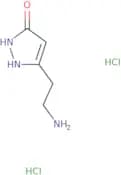
CAS:<p>Versatile small molecule scaffold</p>Formula:C6H12N2OPurity:Min. 95%Molecular weight:128.17 g/mol5-(2-Aminoethyl)-2,3-dihydro-1H-pyrazol-3-one dihydrochloride
CAS:<p>Versatile small molecule scaffold</p>Formula:C5H11Cl2N3OPurity:Min. 95%Molecular weight:200.06 g/molEthyl 4-{[(tert-butoxy)carbonyl]amino}-3-oxopentanoate
CAS:<p>Versatile small molecule scaffold</p>Formula:C12H20O5Purity:Min. 95%Molecular weight:244.28 g/mol1-(Pyridazin-4-yl)propan-1-one
CAS:<p>Versatile small molecule scaffold</p>Formula:C7H8N2OPurity:Min. 95%Molecular weight:136.15 g/mol4-Azido-[1,2,3,4]tetrazolo[1,5-a]quinoxaline
CAS:<p>Versatile small molecule scaffold</p>Formula:C8H4N8Purity:Min. 95%Molecular weight:212.17 g/mol

![3,5-Dichlorobenzo[d]isoxazole](/_next/image/?url=https%3A%2Fstatic.cymitquimica.com%2Fproducts%2F3D%2Fthumb-webp%2FRAA26353.webp&w=3840&q=75)
![Thieno[3,2-d]pyrimidin-4-amine](/_next/image/?url=https%3A%2Fstatic.cymitquimica.com%2Fproducts%2F3D%2Fthumb-webp%2FRAA28574.webp&w=3840&q=75)
![5-chlorobenzo[b]thiophene-3-carbaldehyde](/_next/image/?url=https%3A%2Fstatic.cymitquimica.com%2Fproducts%2F3D%2Fthumb-webp%2FRAA29668.webp&w=3840&q=75)

![5-Chloro-benzo[b]thiophene-3-carboxylic acid](/_next/image/?url=https%3A%2Fstatic.cymitquimica.com%2Fproducts%2F3D%2Fthumb-webp%2FRAA36124.webp&w=3840&q=75)
![4-Chloro-5H,6H,7H,8H,9H-pyrimido[4,5-b]azepine](/_next/image/?url=https%3A%2Fstatic.cymitquimica.com%2Fproducts%2F3D%2Fthumb-webp%2FRAA37220.webp&w=3840&q=75)
![N-[3-(Hydroxymethyl)phenyl]acetamide](/_next/image/?url=https%3A%2Fstatic.cymitquimica.com%2Fproducts%2F3D%2Fthumb-webp%2FRAA37594.webp&w=3840&q=75)
![8-Oxo-7H,8H-imidazo[1,2-a]pyrazine-2-carboxylic acid](/_next/image/?url=https%3A%2Fstatic.cymitquimica.com%2Fproducts%2F3D%2Fthumb-webp%2FRAD20798.webp&w=3840&q=75)
![[(5,5-Dimethylpyrrolidin-3-yl)methyl]dimethylamine](/_next/image/?url=https%3A%2Fstatic.cymitquimica.com%2Fproducts%2F3D%2Fthumb-webp%2FRAD22550.webp&w=3840&q=75)

![3-[3-(3-Hydroxypropyl)phenyl]propan-1-ol](/_next/image/?url=https%3A%2Fstatic.cymitquimica.com%2Fproducts%2F3D%2Fthumb-webp%2FRBA00985.webp&w=3840&q=75)
![6,7,8,9-Tetrahydro-5H-pyrido[2,3-b]azepine](/_next/image/?url=https%3A%2Fstatic.cymitquimica.com%2Fproducts%2F3D%2Fthumb-webp%2FRBA03870.webp&w=3840&q=75)

![1',2'-Dihydrospiro[cyclopentane-1,3'-indole]-2'-one](/_next/image/?url=https%3A%2Fstatic.cymitquimica.com%2Fproducts%2F3D%2Fthumb-webp%2FRBA05867.webp&w=3840&q=75)
![2-[(Ethylcarbamoyl)amino]-2-oxoethanecarbonimidoyl cyanide](/_next/image/?url=https%3A%2Fstatic.cymitquimica.com%2Fproducts%2F3D%2Fthumb-webp%2FRBA07809.webp&w=3840&q=75)
![(E,E)-Bis[(4-chlorophenyl)methylidene]hydrazine](/_next/image/?url=https%3A%2Fstatic.cymitquimica.com%2Fproducts%2F3D%2Fthumb-webp%2FRBA09737.webp&w=3840&q=75)
![7-bromothieno[3,2-d]pyrimidine-2,4-diol](/_next/image/?url=https%3A%2Fstatic.cymitquimica.com%2Fproducts%2F3D%2Fthumb-webp%2FRBA10202.webp&w=3840&q=75)
![7-bromo-2,4-dichlorothieno[3,2-d]pyrimidine](/_next/image/?url=https%3A%2Fstatic.cymitquimica.com%2Fproducts%2F3D%2Fthumb-webp%2FRBA10225.webp&w=3840&q=75)
![5-Methyl-2-sulfanyl-4H,7H-[1,2,4]triazolo[1,5-a]pyrimidin-7-one](/_next/image/?url=https%3A%2Fstatic.cymitquimica.com%2Fproducts%2F3D%2Fthumb-webp%2FRBA12281.webp&w=3840&q=75)

![3-[4-(Methoxycarbonyl)-1,3-oxazol-5-yl]propanoic acid](/_next/image/?url=https%3A%2Fstatic.cymitquimica.com%2Fproducts%2F3D%2Fthumb-webp%2FRBA17261.webp&w=3840&q=75)
![1-[(2-Methylphenyl)methyl]piperidin-4-amine](/_next/image/?url=https%3A%2Fstatic.cymitquimica.com%2Fproducts%2F3D%2Fthumb-webp%2FRBA22034.webp&w=3840&q=75)
![2,3-Dimethyl-3H-imidazo[4,5-b]pyridine](/_next/image/?url=https%3A%2Fstatic.cymitquimica.com%2Fproducts%2F3D%2Fthumb-webp%2FRBA23105.webp&w=3840&q=75)
![H-Imidazo[1,2-a]pyridine-3-carbaldehyde](/_next/image/?url=https%3A%2Fstatic.cymitquimica.com%2Fproducts%2F3D%2Fthumb-webp%2FRBA24294.webp&w=3840&q=75)
![2-Amino-2-[4-(aminomethyl)phenyl]acetic acid dihydrochloride](/_next/image/?url=https%3A%2Fstatic.cymitquimica.com%2Fproducts%2F3D%2Fthumb-webp%2FRCA32062.webp&w=3840&q=75)
![8-Methyl-1,4-dioxaspiro[4.5]decan-8-ol](/_next/image/?url=https%3A%2Fstatic.cymitquimica.com%2Fproducts%2F3D%2Fthumb-webp%2FRCA33642.webp&w=3840&q=75)
![rac-[(1R,2S,4R,5R,6R)-3-Oxatricyclo[3.2.1.0,2,4]octan-6-yl]methanamine](/_next/image/?url=https%3A%2Fstatic.cymitquimica.com%2Fproducts%2F3D%2Fthumb-webp%2FRCA34153.webp&w=3840&q=75)
![Imidazo[1,2-a]pyridin-5-ylamine](/_next/image/?url=https%3A%2Fstatic.cymitquimica.com%2Fproducts%2F3D%2Fthumb-webp%2FRCA35823.webp&w=3840&q=75)

![3-Bromo-5,7-dimethyl-1H,2H-pyrazolo[1,5-a]pyrimidin-2-one](/_next/image/?url=https%3A%2Fstatic.cymitquimica.com%2Fproducts%2F3D%2Fthumb-webp%2FRCA38354.webp&w=3840&q=75)





![4-[4-(Oxiran-2-ylmethoxy)phenyl]butan-2-one](/_next/image/?url=https%3A%2Fstatic.cymitquimica.com%2Fproducts%2F3D%2Fthumb-webp%2FRCA42254.webp&w=3840&q=75)
![6-chloro-3-methylbenzo[b]thiophene-2-carboxylic acid](/_next/image/?url=https%3A%2Fstatic.cymitquimica.com%2Fproducts%2F3D%2Fthumb-webp%2FRCA49032.webp&w=3840&q=75)
![5-methylfuro[3,2-b]pyridine-2-carboxylic Acid hydrochloride](/_next/image/?url=https%3A%2Fstatic.cymitquimica.com%2Fproducts%2F3D%2Fthumb-webp%2FRCA49744.webp&w=3840&q=75)
![rac-(1R,5S)-1-Phenyl-3-azabicyclo[3.1.0]hexane hydrochloride](/_next/image/?url=https%3A%2Fstatic.cymitquimica.com%2Fproducts%2F3D%2Fthumb-webp%2FRCA50436.webp&w=3840&q=75)
![rac-(1R,5S)-1-Phenyl-3-azabicyclo[3.1.0]hexane-2,4-dione](/_next/image/?url=https%3A%2Fstatic.cymitquimica.com%2Fproducts%2F3D%2Fthumb-webp%2FRCA50437.webp&w=3840&q=75)
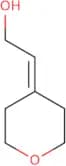
![[(1E)-3-(Hydroxyamino)prop-1-en-1-yl]phosphonic acid](/_next/image/?url=https%3A%2Fstatic.cymitquimica.com%2Fproducts%2F3D%2Fthumb-webp%2FRCA50829.webp&w=3840&q=75)
![[(2-Chlorobenzyl)thio]acetic acid](/_next/image/?url=https%3A%2Fstatic.cymitquimica.com%2Fproducts%2F3D%2Fthumb-webp%2FRCA51665.webp&w=3840&q=75)
![[4-(2-Methyl-1,3-dioxolan-2-yl)phenyl]methanamine](/_next/image/?url=https%3A%2Fstatic.cymitquimica.com%2Fproducts%2F3D%2Fthumb-webp%2FRCA52261.webp&w=3840&q=75)

![6-[3-(Trifluoromethyl)phenyl]pyridazin-3-ol](/_next/image/?url=https%3A%2Fstatic.cymitquimica.com%2Fproducts%2F3D%2Fthumb-webp%2FRCA54862.webp&w=3840&q=75)
![3-Chloro-6-[3-(trifluoromethyl)phenyl]pyridazine](/_next/image/?url=https%3A%2Fstatic.cymitquimica.com%2Fproducts%2F3D%2Fthumb-webp%2FRCA54863.webp&w=3840&q=75)



![5-(Benzylamino)-8-thia-4,6-diazatricyclo[7.4.0.0,2,7]trideca-1(9),2(7),5-trien-3-one](/_next/image/?url=https%3A%2Fstatic.cymitquimica.com%2Fproducts%2F3D%2Fthumb-webp%2FRCA60749.webp&w=3840&q=75)
![3-Acetylbenzo[b]furan](/_next/image/?url=https%3A%2Fstatic.cymitquimica.com%2Fproducts%2F3D%2Fthumb-webp%2FRCA61115.webp&w=3840&q=75)



![Ethyl 4-{[(tert-butoxy)carbonyl]amino}-3-oxopentanoate](/_next/image/?url=https%3A%2Fstatic.cymitquimica.com%2Fproducts%2F3D%2Fthumb-webp%2FRCA64380.webp&w=3840&q=75)

![4-Azido-[1,2,3,4]tetrazolo[1,5-a]quinoxaline](/_next/image/?url=https%3A%2Fstatic.cymitquimica.com%2Fproducts%2F3D%2Fthumb-webp%2FRCA64823.webp&w=3840&q=75)