Building Blocks
This section contains fundamental products for the synthesis of organic and biological compounds. Building blocks are the essential starting materials used to construct complex molecules through various chemical reactions. They play a critical role in drug discovery, material science, and chemical research. At CymitQuimica, we offer a diverse range of high-quality building blocks to support your innovative research and industrial projects, ensuring you have the essential components for successful synthesis.
Subcategories of "Building Blocks"
- Boronic Acids & Boronic Acid Derivatives(5,756 products)
- Chiral Building Blocks(1,242 products)
- Hydrocarbon Building Blocks(6,095 products)
- Organic Building Blocks(61,038 products)
Found 196817 products of "Building Blocks"
Sort by
Purity (%)
0
100
|
0
|
50
|
90
|
95
|
100
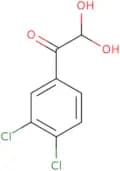
1-(3,4-Dichlorophenyl)-2,2-dihydroxyethan-1-one
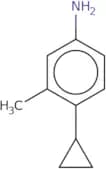
CAS:<p>Versatile small molecule scaffold</p>Formula:C8H6Cl2O3Purity:Min. 95%Molecular weight:221.03 g/mol4-Cyclopropyl-3-methylaniline
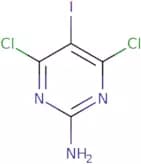
CAS:<p>Versatile small molecule scaffold</p>Formula:C10H13NPurity:Min. 95%Molecular weight:147.22 g/mol4,6-Dichloro-5-iodopyrimidin-2-amine
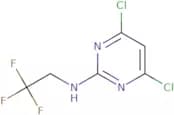
CAS:<p>Versatile small molecule scaffold</p>Formula:C4H2Cl2IN3Purity:Min. 95%Molecular weight:289.89 g/mol4,6-Dichloro-N-(2,2,2-trifluoroethyl)pyrimidin-2-amine
CAS:<p>Versatile small molecule scaffold</p>Formula:C6H4Cl2F3N3Purity:Min. 95%Molecular weight:246.01 g/molMethyl 2-chlorobenzo[d]thiazole-4-carboxylate
CAS:<p>Versatile small molecule scaffold</p>Formula:C9H6ClNO2SPurity:Min. 95%Molecular weight:227.67 g/mol3-Sulfanyl-[1,2,4]triazolo[4,3-a]pyridine-6-carboxylic acid
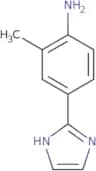
CAS:<p>Versatile small molecule scaffold</p>Formula:C7H5N3O2SPurity:Min. 95%Molecular weight:195.2 g/mol4-(1H-Imidazol-2-yl)-2-methylaniline
CAS:<p>Versatile small molecule scaffold</p>Formula:C10H11N3Purity:Min. 95%Molecular weight:173.21 g/mol7-Chloro-5-cyclopropyl-[1,2,4]triazolo[1,5-a]pyrimidine
CAS:<p>Versatile small molecule scaffold</p>Formula:C8H7ClN4Purity:Min. 95%Molecular weight:194.62 g/mol1-Amino-4-bromo-1H-pyrrole-2-carboxylic acid methyl ester
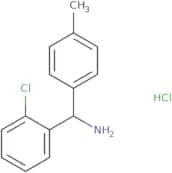
CAS:<p>Versatile small molecule scaffold</p>Formula:C6H7BrN2O2Purity:Min. 95%Molecular weight:219.04 g/mol(2-Chlorophenyl)(4-methylphenyl)methanamine hydrochloride
CAS:<p>Versatile small molecule scaffold</p>Formula:C14H15Cl2NPurity:Min. 95%Molecular weight:268.2 g/molQuinoline-5-carbonitrile
CAS:<p>Quinoline-5-carbonitrile is a cyanide compound that can be used in the synthesis of heterocyclic compounds. The reaction between quinoline and 5-cyanovaleric acid produces 6-nitroquinoline, which is then converted to dimethyl sulfoxide by alcoholysis. This reaction product can then be used to synthesize an amide or nucleophile. Quinoline-5-carbonitrile reacts with potassium in the presence of bifunctional hydrazide to produce a cyanide ion, which can be hydrolyzed by an acid to release hydrogen cyanide gas. This experiment has been shown as a model for reactions involving cyano compounds.</p>Formula:C10H6N2Purity:Min. 95%Molecular weight:154.17 g/mol1H,5H,6H,10Bh-Pyrazolo[1,5-c]quinazoline-5-thione
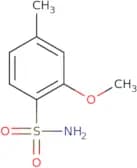
CAS:<p>1H,5H,6H,10Bh-Pyrazolo[1,5-c]quinazoline-5-thione is a heterocyclic compound composed of a benzene ring fused to a thiazole. It has been shown to react with thiophosgene in the presence of sodium borohydride and hydrazine to form the corresponding alkylated product. The reaction proceeds via an analogous mechanism. 1H,5H,6H,10Bh-Pyrazolo[1,5-c]quinazoline-5-thione also reacts with quinoline in the presence of acylation agents such as sulfonyl chlorides or acyl chlorides to form the corresponding ester. This compound can be used in alkali fission reactions that are analogous to hydrogen/deuterium exchange reactions.</p>Formula:C10H9N3SPurity:Min. 95%Molecular weight:203.27 g/mol2-Methoxy-4-methylbenzenesulfonamide
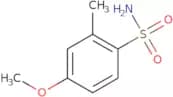
CAS:<p>Versatile small molecule scaffold</p>Formula:C8H11NO3SPurity:Min. 95%Molecular weight:201.24 g/mol4-Methoxy-2-methylbenzene-1-sulfonamide
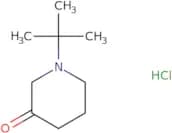
CAS:<p>Versatile small molecule scaffold</p>Formula:C8H11NO3SPurity:Min. 95%Molecular weight:201.25 g/mol1-tert-Butylpiperidin-3-one hydrochloride
CAS:<p>Versatile small molecule scaffold</p>Formula:C9H18ClNOPurity:Min. 95%Molecular weight:191.7 g/molN-Methyl 4-bromo-2-methylaniline
CAS:<p>Versatile small molecule scaffold</p>Formula:C8H10BrNPurity:Min. 95%Molecular weight:200.08 g/mol1-[5-(Propan-2-yl)furan-2-yl]ethan-1-one
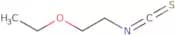
CAS:<p>Versatile small molecule scaffold</p>Formula:C9H12O2Purity:Min. 95%Molecular weight:152.19 g/mol1-Ethoxy-2-isothiocyanatoethane
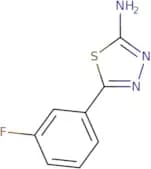
CAS:<p>Versatile small molecule scaffold</p>Formula:C5H9NOSPurity:Min. 95%Molecular weight:131.2 g/mol5-(3-Fluorophenyl)-1,3,4-thiadiazol-2-amine
CAS:<p>5-(3-Fluorophenyl)-1,3,4-thiadiazol-2-amine is a white crystalline solid that is soluble in water. It reacts with hydrogen chloride to form 5-(3-chlorophenyl)-1,3,4-thiadiazol-2-amine and 5-(3-fluorobenzene)-1,3,4-thiadiazol-2-amine. The two dimers are centrosymmetric.</p>Formula:C8H6FN3SPurity:Min. 95%Molecular weight:195.22 g/mol4-(5-Amino-[1,3,4]thiadiazol-2-yl)-phenol
CAS:<p>4-(5-Amino-[1,3,4]thiadiazol-2-yl)-phenol is a fluorescent probe that has been shown to be active against the transcription-polymerase chain of various plant viruses. It is also capable of inhibiting the replication of human immunodeficiency virus type 1 (HIV-1) and murine leukemia virus (MLV). 4-(5-Amino-[1,3,4]thiadiazol-2-yl)-phenol has been used to detect signal in living cells and tissues by fluorescence microscopy. This probe can also be used to detect protein ubiquitination and proteasomal degradation in a variety of organisms, including humans and mice.</p>Formula:C8H7N3OSPurity:Min. 95%Molecular weight:193.23 g/molMethyl (dimethylcarbamoyl)formate
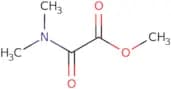
CAS:<p>Versatile small molecule scaffold</p>Formula:C5H9NO3Purity:Min. 95%Molecular weight:131.13 g/mol2-(But-3-en-1-yloxy)oxane
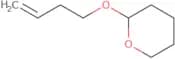
CAS:<p>Versatile small molecule scaffold</p>Formula:C9H16O2Purity:Min. 95%Molecular weight:156.22 g/mol2-(3-Methylbenzoyl)pyridine
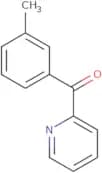
CAS:<p>Versatile small molecule scaffold</p>Formula:C13H11NOPurity:Min. 95%Molecular weight:197.23 g/molIsopropyl 2-pyridyl ketone
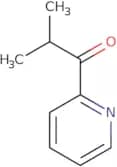
CAS:<p>Isopropyl 2-pyridyl ketone is an oxime that can be obtained from the reaction of pyridine and acetone. This compound is known for its diastereoselectivity, which is the preference of one stereoisomer over another. Isopropyl 2-pyridyl ketone has been shown to react with ammonium salts to form quaternary salt. The quaternary salt can then react with amines to form optically active products. Isopropyl 2-pyridyl ketone also reacts with hydrocarbons to form cyclic compounds.</p>Formula:C9H11NOPurity:Min. 95%Molecular weight:149.19 g/mol1,2-Bis(pyridin-2-yl)ethan-1-one
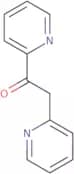
CAS:<p>1,2-Bis(pyridin-2-yl)ethan-1-one is a ligand that has an enolate form. It is a ferromagnetic compound with a solvothermal synthesis and trinuclear crystal structure. This ligand can be used as a catalyst in organic reactions and as a magnet to study magnetic properties.</p>Formula:C12H10N2OPurity:Min. 95%Molecular weight:198.22 g/mol2-(Pyridin-2-yl)-1-(pyridin-3-yl)ethan-1-one
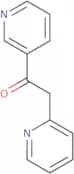
CAS:<p>Versatile small molecule scaffold</p>Formula:C12H10N2OPurity:Min. 95%Molecular weight:198.22 g/mol2-Chloro-4-[(dimethylcarbamoyl)amino]benzoic acid
CAS:<p>2-Chloro-4-[(dimethylcarbamoyl)amino]benzoic acid is an anticancer agent that inhibits the growth of cancer cells by inhibiting the enzyme catalysis that is required for the synthesis of DNA. This drug is a synthetic compound with an active methylene group and an ester hydrochloride group. 2-Chloro-4-[(dimethylcarbamoyl)amino]benzoic acid also has a hydroxy group, which can be activated by enzymes such as enamine to form a reactive methylene, which reacts with other molecules to form reaction products. The mechanism of 2-chloro-4-[(dimethylcarbamoyl)amino]benzoic acid is similar to that of other anticancer drugs such as amine and amide.</p>Formula:C10H11ClN2O3Purity:Min. 95%Molecular weight:242.66 g/mol2-Chloro-4-[(methylcarbamoyl)amino]benzoic acid
CAS:<p>Versatile small molecule scaffold</p>Formula:C9H9ClN2O3Purity:Min. 95%Molecular weight:228.63 g/molEthyl 6-hydroxy-1,3-benzothiazole-2-carboxylate
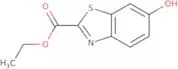
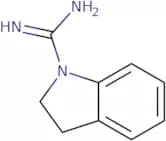
CAS:<p>Ethyl 6-hydroxy-1,3-benzothiazole-2-carboxylate (EHTBC) is a heterocyclic compound that belongs to the class of fluorinated benzothiazoles. It is used in analytical chemistry as a fluorescent probe for detection of ammonium ions. The fluorescence intensity of EHTBC is proportional to the concentration of ammonium ion and can be detected by a spectrophotometer with an excitation wavelength at 360 nm and emission wavelength at 450 nm. The detection time is typically less than 30 seconds. EHTBC has also been shown to have analytical applications in detecting fluoride ion and other halide ions in water samples. Fluoride ions react with EHTBC to form the fluorescent product ethyl 2-[6-(diethylamino)hexyloxy]benzoate, which can be detected by a fluorimeter with an excitation wavelength at 365 nm and emission wavelength at 480 nm.</p>Formula:C10H9NO3SPurity:Min. 95%Molecular weight:223.25 g/mol2,3-Dihydro-1H-indole-1-carboximidamide
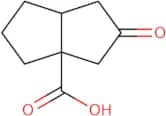
CAS:<p>2,3-Dihydro-1H-indole-1-carboximidamide is a heterocyclic compound that features a 6alkyl, nitro or heteroaromatic ring. It is an intermediate for pharmaceutical formulations and it has been shown to be active against various bacterial strains. 2,3-Dihydro-1H-indole-1-carboximidamide also has nitrogen and halogen atoms, as well as heteroatoms such as oxygen, sulfur and phosphorus. It can have a 6membered or a 5membered ring with one or two heteroatoms.</p>Formula:C9H11N3Purity:Min. 95%Molecular weight:161.2 g/molrac-(3aR,6aR)-2-Oxo-octahydropentalene-3a-carboxylic acid
CAS:<p>Versatile small molecule scaffold</p>Formula:C9H12O3Purity:Min. 95%Molecular weight:168.2 g/molSpiro[adamantane-2,2'-azetidine]
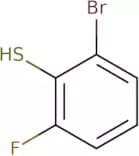
CAS:<p>Versatile small molecule scaffold</p>Formula:C12H19NPurity:Min. 95%Molecular weight:177.29 g/mol2-Bromo-6-fluorobenzene-1-thiol
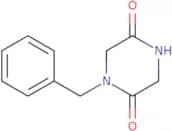
CAS:<p>Versatile small molecule scaffold</p>Formula:C6H4BrFSPurity:Min. 95%Molecular weight:207.07 g/mol1-Benzylpiperazine-2,5-dione
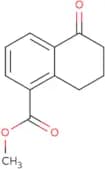
CAS:<p>Versatile small molecule scaffold</p>Formula:C11H12N2O2Purity:Min. 95%Molecular weight:204.22 g/molMethyl 5-oxo-5,6,7,8-tetrahydronaphthalene-1-carboxylate
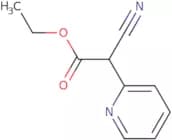
CAS:<p>Versatile small molecule scaffold</p>Formula:C12H12O3Purity:Min. 95%Molecular weight:204.22 g/molEthyl 2-cyano-2-(pyridin-2-yl)acetate
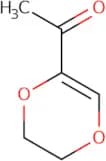
CAS:<p>Versatile small molecule scaffold</p>Formula:C10H10N2O2Purity:Min. 95%Molecular weight:190.2 g/mol1-(5,6-Dihydro-1,4-dioxin-2-yl)ethan-1-one
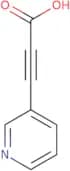
CAS:<p>Versatile small molecule scaffold</p>Formula:C6H8O3Purity:Min. 95%Molecular weight:128.13 g/mol3-(3-Pyridyl)propiolic acid
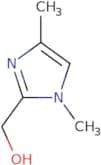
CAS:<p>Versatile small molecule scaffold</p>Formula:C8H5NO2Purity:Min. 95%Molecular weight:147.13 g/mol(1,4-Dimethyl-1H-imidazol-2-yl)methanol
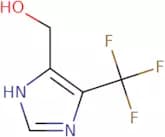
CAS:<p>Versatile small molecule scaffold</p>Formula:C6H10N2OPurity:Min. 95%Molecular weight:126.16 g/mol(4-(Trifluoromethyl)-1H-imidazol-5-yl)methanol
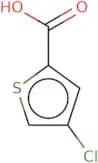
CAS:<p>Versatile small molecule scaffold</p>Formula:C5H5F3N2OPurity:Min. 95%Molecular weight:166.1 g/mol4-Chlorothiophene-2- carboxylic acid
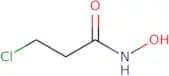
CAS:<p>4-Chlorothiophene-2-carboxylic acid is a chemical compound that belongs to the group of carboxylic acids. The synthesis of this compound is regioselective, which means that it can be synthesized in only one possible stereoisomer. 4-Chlorothiophene-2-carboxylic acid is used as an intermediate for pharmaceutical products and as a medicament, which has been shown to have trackable properties. This compound has also been shown to inhibit the interaction between anions and cations, which may lead to the development of new drugs.</p>Formula:C5H3ClO2SPurity:Min. 95%Molecular weight:162.59 g/mol3-Chloro-N-hydroxypropanamide
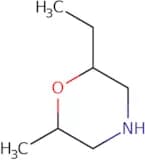
CAS:<p>Versatile small molecule scaffold</p>Formula:C3H6ClNO2Purity:Min. 95%Molecular weight:123.54 g/mol2-Ethyl-6-methylmorpholine
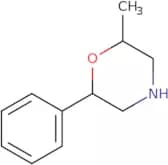
CAS:<p>Versatile small molecule scaffold</p>Formula:C7H15NOPurity:Min. 95%Molecular weight:129.2 g/mol2-Methyl-6-phenylmorpholine
CAS:<p>Versatile small molecule scaffold</p>Formula:C11H15NOPurity:Min. 95%Molecular weight:177.24 g/molN-Allylmethanesulfonamide
CAS:<p>N-Allylmethanesulfonamide is a benzamide that has been shown to react with carboxylic acids and amides by an analogous reaction. It is a precursor in the production of other drugs. It can be used for the synthesis of benzoic acid and its derivatives, such as sulfanilamide. N-Allylmethanesulfonamide can also be used to produce o-phenylenediamine, which is used in the manufacture of dyes. This compound can also be used to synthesize oximes, which are precursors to nitro compounds. N-Allylmethanesulfonamide undergoes halogenation at the sulfur atom and can be oxidized at the benzylic position.</p>Formula:C4H9NO2SPurity:Min. 95%Molecular weight:135.18 g/mol5-[(Methylsulfanyl)methyl]imidazolidine-2,4-dione
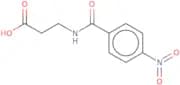
CAS:<p>Versatile small molecule scaffold</p>Formula:C5H8N2O2SPurity:Min. 95%Molecular weight:160.2 g/molN-(4-Nitrobenzoyl)-β-alanine
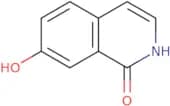
CAS:<p>N-(4-Nitrobenzoyl)-beta-alanine is a synthetic compound that can be used for the treatment of inflammatory bowel disease. This drug is synthesized by reacting 4-nitrobenzoyl chloride with beta-alanine in an organic solvent such as ethyl acetate or cyclohexanol. The reaction mixture is then filtered and crystallized to yield the desired product. The synthesis of this compound takes place at room temperature, and the reaction time can be varied depending on the desired rate of synthesis.</p>Formula:C10H10N2O5Purity:Min. 95%Molecular weight:238.2 g/mol7-Hydroxyisoquinolin-1(2H)-one
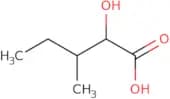
CAS:<p>Versatile small molecule scaffold</p>Formula:C9H7NO2Purity:Min. 95%Molecular weight:161.16 g/mol(2S,3S)-2-Hydroxy-3-methylpentanoic acid
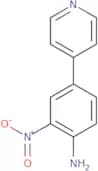
CAS:<p>(2S,3S)-2-Hydroxy-3-methylpentanoic acid (HMP) is an antimicrobial agent that functions by binding to metal ions in the bacterial cell wall and inhibiting their uptake. HMP also has a beneficial effect on insulin sensitivity. It has been shown that HMP binds to the amino acid lysine residues of proteins and inhibits protein degradation by corynebacterium glutamicum. This compound can be found in food products such as cheese and yogurt, but it is not known if it occurs naturally or is added during processing. The metabolic profile of this compound has been studied in humans and rats and it has been shown to have a wide range of effects on fatty acids and microbial metabolism. The molecular weight of HMP is 180.17 g/mol, with a melting point of 55°C. The chemical formula for HMP is C4H8O3. This molecule has two chiral centers, both at the carbon</p>Formula:C6H12O3Purity:Min. 95%Molecular weight:132.16 g/mol2-Nitro-4-(pyridin-4-yl)aniline
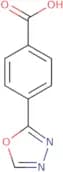
CAS:<p>Versatile small molecule scaffold</p>Formula:C11H9N3O2Purity:Min. 95%Molecular weight:215.21 g/mol4-(1,3,4-Oxadiazol-2-yl)benzoic acid
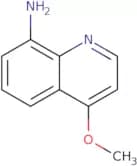
CAS:<p>Versatile small molecule scaffold</p>Formula:C9H6N203Purity:Min. 95%Molecular weight:190.16 g/mol8-amino-4-methoxyquinoline
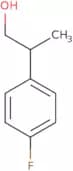
CAS:<p>Versatile small molecule scaffold</p>Formula:C10H10N2OPurity:Min. 95%Molecular weight:174.2 g/mol2-(4-Fluorophenyl)propan-1-ol
CAS:<p>Versatile small molecule scaffold</p>Formula:C9H11FOPurity:Min. 95%Molecular weight:154.18 g/mol6-Amino-3-hydroxy (1H)indazole
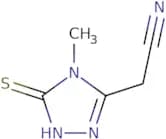
CAS:<p>Versatile small molecule scaffold</p>Formula:C7H7N3OPurity:Min. 95%Molecular weight:149.15 g/mol2-(5-Mercapto-4-methyl-4H-1,2,4-triazol-3-yl)acetonitrile
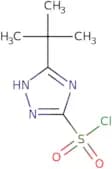
CAS:<p>Versatile small molecule scaffold</p>Formula:C5H6N4SPurity:Min. 95%Molecular weight:154.19 g/mol5-tert-Butyl-4H-1,2,4-triazole-3-sulfonyl chloride
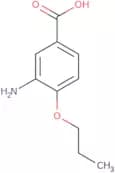
CAS:<p>Versatile small molecule scaffold</p>Formula:C6H10ClN3O2SPurity:Min. 95%Molecular weight:223.68 g/mol3-Amino-4-propoxybenzoic acid
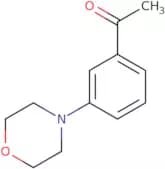
CAS:<p>3-Amino-4-propoxybenzoic acid is an ophthalmic drug that belongs to the group of anesthetics. It is used as a local anesthetic in the eye. 3-Amino-4-propoxybenzoic acid is synthesized by the reaction of 2,6-dichlorobenzoyl chloride and 4-(methoxycarbonyl)phenylacetic acid. This reaction solution contains impurities that are related to the process such as chlorinated hydrocarbons, which can be identified by chromatographic analyses. The molecular weight for 3-amino-4-propoxybenzoic acid is 169.3 g/mol.</p>Formula:C10H13NO3Purity:Min. 95%Molecular weight:195.22 g/mol1-(3-Morpholin-4-ylphenyl)ethanone
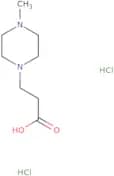
CAS:<p>Versatile small molecule scaffold</p>Formula:C12H15NO2Purity:Min. 95%Molecular weight:205.26 g/mol4-Methyl-1-piperazinepropanoic acid 2HCl
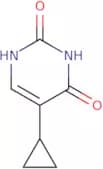
CAS:<p>Versatile small molecule scaffold</p>Formula:C8H16N2O2·2ClHPurity:Min. 95%Molecular weight:245.14 g/mol5-Cyclopropyl-1,2,3,4-tetrahydropyrimidine-2,4-dione
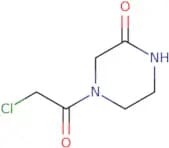
CAS:<p>5-Cyclopropyl-1,2,3,4-tetrahydropyrimidine-2,4-dione is a non-polar molecule that has been shown to have adsorption properties. It is an analogue of uracil and 6-methyluracil and can be used in the synthesis of thymine. The adsorption property of 5-cyclopropyl-1,2,3,4-tetrahydropyrimidine-2,4-dione can be analyzed using chromatographic techniques. 5CPD is also a substituted pyrimidine which can be used in the synthesis of cytosine and molecules with similar structures.</p>Formula:C7H8N2O2Purity:Min. 95%Molecular weight:152.15 g/mol4-(2-Chloroacetyl)piperazin-2-one
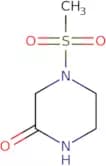
CAS:<p>Versatile small molecule scaffold</p>Formula:C6H9ClN2O2Purity:Min. 95%Molecular weight:176.6 g/mol4-Methanesulfonylpiperazin-2-one
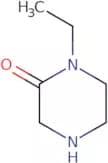
CAS:<p>Versatile small molecule scaffold</p>Formula:C5H10N2O3SPurity:Min. 95%Molecular weight:178.21 g/mol1-Ethylpiperazin-2-one
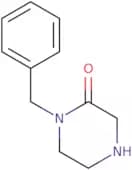
CAS:<p>Versatile small molecule scaffold</p>Formula:C6H12N2OPurity:Min. 95%Molecular weight:128.17 g/mol1-Benzylpiperazin-2-one
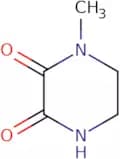
CAS:<p>1-Benzylpiperazin-2-one is a derivative of isoxazolidine. It is an amination reaction product that has been shown to have a profile of inhibition against phagocytic cells. 1-Benzylpiperazin-2-one has the ability to inhibit uptake and modification of drugs by inhibiting transport into the cell, which may be due to its antagonistic effects on halides and thp-1 cells. 1-Benzylpiperazin-2-one can also inhibit reuptake by blocking the transporter in presynaptic neurons, thereby preventing neurotransmitters from being recycled back into the neuron. The drug may also have antidepressant properties because it blocks reuptake of serotonin and dopamine in synapses.</p>Formula:C11H14N2OPurity:Min. 95%Molecular weight:190.25 g/mol1-Methylpiperazine-2,3-dione
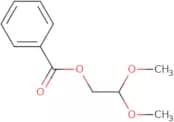
CAS:<p>Versatile small molecule scaffold</p>Formula:C5H8N2O2Purity:Min. 95%Molecular weight:128.13 g/mol2-Benzoyloxy-1,1-dimethoxy-ethane
CAS:<p>Versatile small molecule scaffold</p>Formula:C11H14O4Purity:Min. 95%Molecular weight:210.23 g/moltert-Butyl 2-amino-4H,5H,6H-cyclopenta[b]thiophene-3-carboxylate
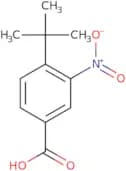
CAS:<p>Versatile small molecule scaffold</p>Formula:C12H17NO2SPurity:Min. 95%Molecular weight:239.3 g/mol4-tert-butyl-3-nitrobenzoic acid
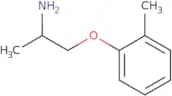
CAS:<p>4-tert-butyl-3-nitrobenzoic acid is an inorganic compound that has been used as a semiconductor material. It is a programmable material that can be fabricated to have properties that can be changed by exposing it to radiation, such as electron beams or x-rays. 4-tert-butyl-3-nitrobenzoic acid has been studied for use in fabricating solar cells, transistors, and diodes. The compound has shown high growth rates and functionalities when it is exposed to silver ions or germanium. The ligands of the compound have also been optimized for use with organic materials.</p>Formula:C11H13NO4Purity:Min. 95%Molecular weight:223.2 g/mol1-(2-Aminopropoxy)-2-methylbenzene
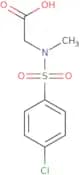
CAS:<p>Versatile small molecule scaffold</p>Formula:C10H15NOPurity:Min. 95%Molecular weight:165.23 g/mol2-(N-Methyl4-chlorobenzenesulfonamido)acetic acid
CAS:<p>Versatile small molecule scaffold</p>Formula:C9H10ClNO4SPurity:Min. 95%Molecular weight:263.7 g/mol2-[N-(Carboxymethyl)4-methylbenzenesulfonamido]acetic acid
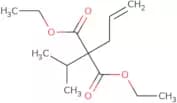
CAS:<p>Versatile small molecule scaffold</p>Formula:C11H11NO6SPurity:Min. 95%Molecular weight:285.28 g/mol1,3-Diethyl 2-(prop-2-en-1-yl)-2-(propan-2-yl)propanedioate
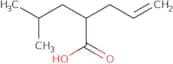
CAS:<p>Versatile small molecule scaffold</p>Formula:C13H22O4Purity:Min. 95%Molecular weight:242.31 g/mol2-(2-Methylpropyl)pent-4-enoic acid
CAS:<p>Versatile small molecule scaffold</p>Formula:C9H16O2Purity:Min. 95%Molecular weight:156.22 g/mol1-Methyl-2-((4-(methylthio)phenoxy)methyl)-5-nitro-1H-imidazole
CAS:<p>1-Methyl-2-((4-(methylthio)phenoxy)methyl)-5-nitro-1H-imidazole is a nitroheterocyclic compound that belongs to the group of antimicrobial agents. It has been shown to be active against Leishmania and is used in combination therapy with melarsoprol and sesquiterpene lactones. 1-Methyl-2-((4-(methylthio)phenoxy)methyl)-5-nitro-1H-imidazole inhibits the growth of bacteria by interfering with their electron transport system, which may lead to cell death. 1-Methyl-2-[(4-(methylthio)phenoxy)methyl]-5nitro -1H imidazole also has pharmacokinetic properties that are similar to those of fexinidazole, which makes it suitable as an experimental model for this drug's effects on humans.</p>Formula:C12H13N3O3SPurity:Min. 95%Molecular weight:279.31 g/molN-Heptylformamide
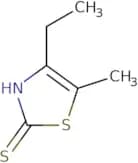
CAS:<p>N-Heptylformamide is a growth factor and an energy metabolism regulator that has been shown to affect platelet aggregation and human serum. It has been studied as a potential treatment for carcinoma cell lines in vitro assays. This compound also has neurotrophic effects, meaning it stimulates the growth and differentiation of nerve cells. N-Heptylformamide may be useful as a treatment for melanoma, since it induces the production of melanoma antigen by polymerase chain reaction. In vitro assays have shown that N-heptylformamide binds to protein kinase C (PKC) and inhibits PKC activity by preventing the phosphorylation of proteins.</p>Formula:C8H17NOPurity:Min. 95%Molecular weight:143.23 g/mol4-Ethyl-5-methyl-1,3-thiazole-2-thiol
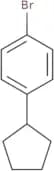
CAS:<p>Versatile small molecule scaffold</p>Formula:C6H9NS2Purity:Min. 95%Molecular weight:159.3 g/mol1-Bromo-4-cyclopentylbenzene
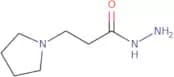
CAS:<p>1-Bromo-4-cyclopentylbenzene (1-BCPB) is a chlorinated aromatic compound that can be synthesized by reacting 1-bromo-4-chlorobenzene and cyclopentylmagnesium bromide. The reaction sequence begins with the addition of hydrochloric acid to the first reactant, followed by magnesium chloride and ether. The mixture is heated to produce a liquid solution of ethylhexyloxy pyridine, which reacts with the second reactant in a sequence that leads to the desired product. 1-BCPB is used as an intermediate in organic synthesis. It has been shown to have moderate interaction with paraldehyde and pyridinium salts at room temperature, but it does not react with cycloalkyls or pyridinium salts at elevated temperatures.</p>Formula:C11H13BrPurity:Min. 95%Molecular weight:225.13 g/mol3-(Pyrrolidin-1-yl)propanehydrazide
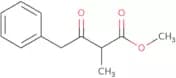
CAS:<p>Versatile small molecule scaffold</p>Formula:C7H15N3OPurity:Min. 95%Molecular weight:157.21 g/molMethyl 2-methyl-3-oxo-4-phenylbutanoate
CAS:<p>Versatile small molecule scaffold</p>Formula:C12H14O3Purity:Min. 95%Molecular weight:206.24 g/molEthyl 3-[(4-bromophenyl)amino]-2-cyanoprop-2-enoate
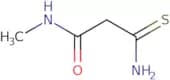
CAS:<p>Versatile small molecule scaffold</p>Formula:C12H11BrN2O2Purity:Min. 95%Molecular weight:295.13 g/mol3-Amino-N-methyl-3-thioxopropanamide
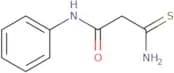
CAS:<p>Versatile small molecule scaffold</p>Formula:C4H8N2OSPurity:Min. 95%Molecular weight:132.19 g/mol2-Carbamothioyl-N-phenylacetamide
CAS:<p>2-Carbamothioyl-N-phenylacetamide is a basic compound that reacts with sodium hydroxide to form the corresponding amide. It is used in the synthesis of other compounds, including xanthine and caffeine. 2-Carbamothioyl-N-phenylacetamide can be prepared by reacting phenylacetic acid with thiourea in the presence of ethanol, followed by hydrolysis with sodium hydroxide. The product can also be obtained by heating xanthine in aqueous solution with sodium hydroxide and ethanol. This reaction is shown in figure 1 below.</p>Formula:C9H10N2OSPurity:Min. 95%Molecular weight:194.26 g/mol2-Carbamothioyl-N-(furan-2-ylmethyl)acetamide
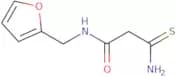
CAS:<p>Versatile small molecule scaffold</p>Formula:C8H10N2O2SPurity:Min. 95%Molecular weight:198.24 g/mol(E)-(Methyl N-cyano-2-methylpropanecarboximidate)
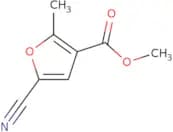
CAS:<p>Versatile small molecule scaffold</p>Formula:C6H10N2OPurity:Min. 95%Molecular weight:126.2 g/molMethyl 5-cyano-2-methylfuran-3-carboxylate
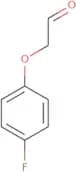
CAS:<p>Versatile small molecule scaffold</p>Formula:C8H7NO3Purity:Min. 95%Molecular weight:165.15 g/mol2-(4-Fluorophenoxy)acetaldehyde
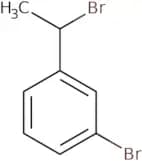
CAS:<p>Versatile small molecule scaffold</p>Formula:C8H7FO2Purity:Min. 95%Molecular weight:154.14 g/mol1-bromo-3-(1-bromoethyl)benzene
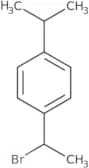
CAS:<p>Versatile small molecule scaffold</p>Formula:C8H8Br2Purity:Min. 95%Molecular weight:263.96 g/mol1-(1-Bromoethyl)-4-(propan-2-yl)benzene
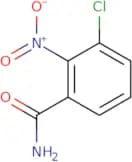
CAS:<p>Versatile small molecule scaffold</p>Formula:C11H15BrPurity:Min. 95%Molecular weight:227.14 g/mol3-Chloro-2-nitrobenzamide
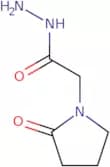
CAS:<p>Versatile small molecule scaffold</p>Formula:C7H5ClN2O3Purity:Min. 95%Molecular weight:200.58 g/mol2-(2-Oxopyrrolidin-1-yl)acetohydrazide
CAS:<p>Versatile small molecule scaffold</p>Formula:C6H11N3O2Purity:Min. 95%Molecular weight:157.17 g/molMethyl 3-sulfamoylbenzoate
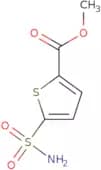
CAS:<p>Versatile small molecule scaffold</p>Formula:C8H9NO4SPurity:Min. 95%Molecular weight:215.22 g/molMethyl 5-sulfamoylthiophene-2-carboxylate
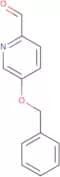
CAS:<p>Versatile small molecule scaffold</p>Formula:C6H7NO4S2Purity:Min. 95%Molecular weight:221.3 g/mol5-(Benzyloxy)pyridine-2-carbaldehyde
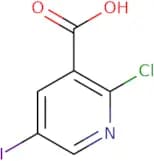
CAS:<p>Versatile small molecule scaffold</p>Formula:C13H11NO2Purity:Min. 95%Molecular weight:213.23 g/mol2-Chloro-5-iodonicotinic acid
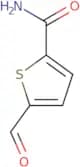
CAS:<p>Versatile small molecule scaffold</p>Formula:C6H3ClINO2Purity:Min. 95%Molecular weight:283.45 g/mol5-Formylthiophene-2-carboxamide
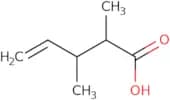
CAS:<p>Versatile small molecule scaffold</p>Formula:C6H5NO2SPurity:Min. 95%Molecular weight:155.18 g/mol2,3-Dimethylpent-4-enoic acid
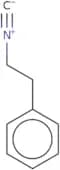
CAS:<p>Versatile small molecule scaffold</p>Formula:C7H12O2Purity:Min. 95%Molecular weight:128.17 g/mol2-Isocyanoethylbenzene
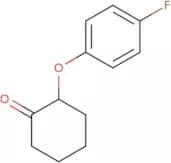
CAS:<p>2-Isocyanoethylbenzene, also known as 2-IBAB, is an organic compound that contains a carbonyl group and two isocyanate groups. It is used as a catalyst in hydrosilylation reactions to synthesize polymers such as polyurethanes. The reaction between 2-isocyanoethylbenzene and copper complex produces an imine that reacts with phosphite to form quinoline derivatives. These quinoline derivatives are then reacted with carboxylates to form ruthenium complexes, which catalyze the polymerization of deionized water. The polymerization initiator for this process is typically an organic peroxide or azide.</p>Formula:C9H9NPurity:Min. 95%Molecular weight:131.18 g/mol2-(4-Fluorophenoxy)cyclohexan-1-one
CAS:<p>Versatile small molecule scaffold</p>Formula:C12H13FO2Purity:Min. 95%Molecular weight:208.23 g/mol9-Cyclopropylnonan-1-ol
CAS:<p>Versatile small molecule scaffold</p>Formula:C12H24OPurity:Min. 95%Molecular weight:184.32 g/mol3-Chloro-6-nitro-benzo[b]thiophene-2-carboxylic acid methyl ester
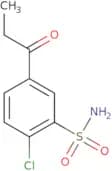
CAS:<p>Versatile small molecule scaffold</p>Formula:C10H6ClNO4SPurity:Min. 95%Molecular weight:271.68 g/mol2-Chloro-5-propanoylbenzene-1-sulfonamide
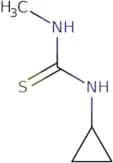
CAS:<p>Versatile small molecule scaffold</p>Formula:C9H10ClNO3SPurity:Min. 95%Molecular weight:247.7 g/mol1-Cyclopropyl-3-methylthiourea
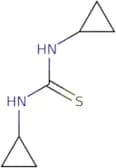
CAS:<p>1-Cyclopropyl-3-methylthiourea (1CMTU) is an inhibitor of glutamate dehydrogenase and has been shown to regulate the levels of glutamate in the brain. It is an effective treatment for a number of neurological disorders, such as epilepsy and Parkinson's disease. 1CMTU inhibits the activity of glutamic acid decarboxylase, which is responsible for converting glutamate into GABA. This drug also prevents neuronal death by inhibiting oxidative stress and regulating insulin sensitivity.</p>Formula:C5H10N2SPurity:Min. 95%Molecular weight:130.21 g/mol1,3-Dicyclopropylthiourea
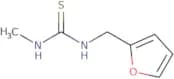
CAS:<p>Versatile small molecule scaffold</p>Formula:C7H12N2SPurity:Min. 95%Molecular weight:156.25 g/mol1-(Furan-2-ylmethyl)-3-methylthiourea
CAS:<p>Versatile small molecule scaffold</p>Formula:C7H10N2OSPurity:Min. 95%Molecular weight:170.23 g/mol4-bromo-3-sulfamoylbenzoic acid
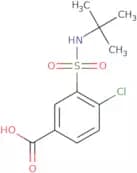
CAS:<p>Versatile small molecule scaffold</p>Formula:C7H6BrNO4SPurity:Min. 95%Molecular weight:280.1 g/mol3-(tert-Butylsulfamoyl)-4-chlorobenzoic acid
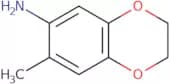
CAS:<p>Versatile small molecule scaffold</p>Formula:C11H14ClNO4SPurity:Min. 95%Molecular weight:291.75 g/mol7-Methyl-2,3-dihydro-1,4-benzodioxin-6-amine
CAS:<p>Versatile small molecule scaffold</p>Formula:C9H11NO2Purity:Min. 95%Molecular weight:165.19 g/mol2H,3H,6H-[1,4]Dioxino[2,3-F]indole-7-carboxylic acid
CAS:<p>2H,3H,6H-[1,4]Dioxino[2,3-F]indole-7-carboxylic acid is an indole that reacts with electrophiles such as chlorine and bromine to form chloro and bromo derivatives. These derivatives can be used to produce a wide variety of compounds. The reactivity of this chemical is determined by the presence of electron withdrawing groups on the ring. When these groups are present, the compound is more reactive. This reactivity can be seen in the reaction with sodium hydroxide, which produces an alkoxide ion when reacted with 2H,3H,6H-[1,4]Dioxino[2,3-F]indole-7-carboxylic acid.</p>Formula:C11H9NO4Purity:Min. 95%Molecular weight:219.19 g/mol7-bromo-2,3-dihydrobenzo[b][1,4]dioxine-6-carboxylic acid
CAS:<p>Versatile small molecule scaffold</p>Formula:C9H7BrO4Purity:Min. 95%Molecular weight:259.05 g/mol6-Bromo-7-nitro-2,3-dihydrobenzo[b][1,4]dioxine
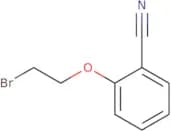
CAS:<p>Versatile small molecule scaffold</p>Formula:C8H6BrNO4Purity:Min. 95%Molecular weight:260.04 g/mol2-(2-Bromoethoxy)benzonitrile
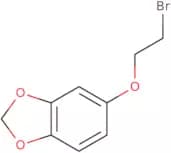
CAS:<p>Versatile small molecule scaffold</p>Formula:C9H8BrNOPurity:Min. 95%Molecular weight:226.07 g/mol5-(2-Bromoethoxy)-1,3-dioxaindane
CAS:<p>Versatile small molecule scaffold</p>Formula:C9H9BrO3Purity:Min. 95%Molecular weight:245.07 g/mol4-(1,2,3-Thiadiazol-4-yl)phenol
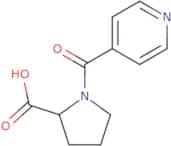
CAS:<p>4-(1,2,3-Thiadiazol-4-yl)phenol is an antibiotic that belongs to the group of antimicrobials. It has an inhibitory concentration (IC) of 0.5 micrograms/ml against pyogenic bacteria and 1.0 micrograms/ml against a number of other bacterial strains. 4-(1,2,3-Thiadiazol-4-yl)phenol also has antimicrobial properties against fungi and may be used for the treatment of catalase-producing bacteria such as Streptococcus pyogenes or Staphylococcus aureus. Elemental analysis revealed that this compound is composed entirely of carbon, hydrogen, and oxygen. The molecular weight was found to be 166.16 g/mol. This compound inhibits bacterial growth by binding to DNA-dependent RNA polymerase and preventing transcription and replication of DNA. This active form is metabolized through a number of metabolic transformations including hydro</p>Formula:C8H6N2OSPurity:Min. 95%Molecular weight:178.21 g/mol1-(Pyridine-4-carbonyl)pyrrolidine-2-carboxylic acid
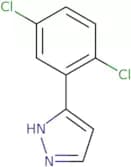
CAS:<p>Versatile small molecule scaffold</p>Formula:C11H12N2O3Purity:Min. 95%Molecular weight:220.22 g/mol3-(2,5-Dichlorophenyl)pyrazole
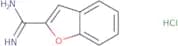
CAS:<p>Versatile small molecule scaffold</p>Formula:C9H6Cl2N2Purity:Min. 95%Molecular weight:213.06 g/mol1-Benzofuran-2-carboximidamide hydrochloride
CAS:<p>1-Benzofuran-2-carboximidamide hydrochloride is a selective serotonin reuptake inhibitor that is used in research to investigate the effects of serotonin on the central nervous system. It binds to the 5-HT1A receptor and inhibits serotonin uptake, preventing it from being broken down by neurons. This drug has also been shown to bind to 5-HT2C and D2 dopamine receptors, which may explain its ability to inhibit dopamine uptake. 1-Benzofuran-2-carboximidamide hydrochloride has been shown to have a high affinity for 5-HT1A receptors and has been used in animal studies at temperatures ranging from 0°C to 40°C.</p>Formula:C9H9ClN2OPurity:Min. 95%Molecular weight:196.63 g/mol2H,3H-[1,3]Oxazolo[4,5-c]pyridin-2-one
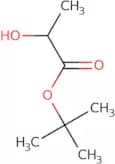
CAS:<p>Versatile small molecule scaffold</p>Formula:C6H4N2O2Purity:Min. 95%Molecular weight:136.11 g/moltert-Butyl 2-hydroxypropanoate
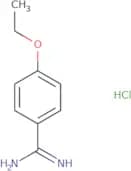
CAS:<p>Tert-Butyl 2-hydroxypropanoate (TBHP) is a lactate compound that is synthesized in the vapor phase. It is a liquid at room temperature and has a molecular weight of 147. TBHP has been shown to have neuroprotective effects, which are due to its ability to reduce oxidative stress. TBHP also possesses potent antagonist activity against GABAA receptors, which may be due to its ability to inhibit the binding of GABA.</p>Formula:C7H14O3Purity:Min. 95%Molecular weight:146.18 g/mol4-Ethoxybenzene-1-carboximidamide hydrochloride
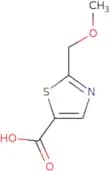
CAS:<p>Versatile small molecule scaffold</p>Formula:C9H13ClN2OPurity:Min. 95%Molecular weight:200.66 g/mol2-(Methoxymethyl)-1,3-thiazole-5-carboxylic acid
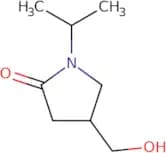
CAS:<p>Versatile small molecule scaffold</p>Formula:C6H7NO3SPurity:Min. 95%Molecular weight:173.19 g/mol4-(Hydroxymethyl)-1-isopropylpyrrolidin-2-one
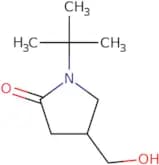
CAS:<p>Versatile small molecule scaffold</p>Formula:C8H15NO2Purity:Min. 95%Molecular weight:157.21 g/mol1-tert-Butyl-4-(hydroxymethyl)pyrrolidin-2-one
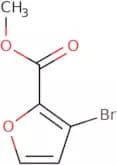
CAS:<p>Versatile small molecule scaffold</p>Formula:C9H17NO2Purity:Min. 95%Molecular weight:171.24 g/molMethyl 3-bromofuran-2-carboxylate
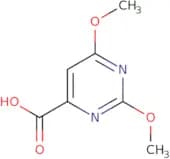
CAS:<p>Methyl 3-bromofuran-2-carboxylate is a methoxylated furan that can be synthesized by the oxidation of methyl 2-bromofuran-2-carboxylate. It has a methoxyl group, which is a reactive functional group. With this reaction, it can be used to create other compounds. Furan rings are found in many natural and manmade molecules such as drugs and plastics. The graphs show that the reaction mechanism for furan carboxylic acid involves the removal of a proton from sulfuric acid, followed by an electrophilic addition by bromine to form methyl 3-bromofuran-2-carboxylate.</p>Formula:C6H5BrO3Purity:Min. 95%Molecular weight:205.01 g/mol2,4-Dimethoxypyrimidine-6-carboxylic acid
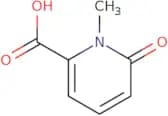
CAS:<p>Versatile small molecule scaffold</p>Formula:C7H8N2O4Purity:Min. 95%Molecular weight:184.15 g/mol1-Methyl-6-oxo-1,6-dihydropyridine-2-carboxylic acid
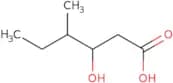
CAS:<p>Versatile small molecule scaffold</p>Formula:C7H7NO3Purity:Min. 95%Molecular weight:153.14 g/mol3-Hydroxy-4-methylhexanoic acid
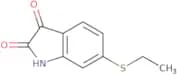
CAS:<p>3-Hydroxy-4-methylhexanoic acid is a cyclic octapeptide with a hydroxyl group in the 3-position, which has been found to be an intermediate in penicillin biosynthesis. It was originally isolated from Penicillium chrysogenum and other fungi that produce penicillin. 3-Hydroxy-4-methylhexanoic acid can be synthesized by the condensation of L -alanine and succinic acid. The synthesis of this compound is an example of bioorganic chemistry, where organic compounds are synthesized using living organisms. 3-Hydroxy-4-methylhexanoic acid has a physicochemical property that allows it to be easily purified by high performance liquid chromatography (HPLC) or gas chromatography (GC). This compound also has antibiotic activity against Gram positive bacteria including Staphylococcus aureus and Gram negative bacteria such as Escherichia coli.</p>Formula:C7H14O3Purity:Min. 95%Molecular weight:146.18 g/mol6-(Ethylsulfanyl)-2,3-dihydro-1H-indole-2,3-dione
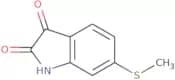
CAS:<p>Versatile small molecule scaffold</p>Formula:C10H9NO2SPurity:Min. 95%Molecular weight:207.25 g/mol6-(Methylsulfanyl)-2,3-dihydro-1H-indole-2,3-dione
CAS:<p>Versatile small molecule scaffold</p>Formula:C9H7NO2SPurity:Min. 95%Molecular weight:193.22 g/mol2-chloroquinazolin-4-amine
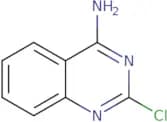
CAS:<p>2-Chloroquinazolin-4-amine (CQA) is an anti-oxidant that exhibits significant cytotoxicity against human cancer cells. It is a competitive inhibitor of the enzyme chloride channel protein, which is involved in regulating the concentration of chloride ions in the blood. CQA has been shown to inhibit chemotaxis of white blood cells and platelets, and to have a protective effect on muscle tissue. The cytotoxic effects of CQA were shown to be due to its ability to induce apoptosis, or programmed cell death.</p>Formula:C8H6ClN3Purity:Min. 95%Molecular weight:179.6 g/mol3-Chloro-4-(3-methoxyphenoxy)aniline
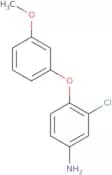
CAS:<p>Versatile small molecule scaffold</p>Formula:C13H12ClNO2Purity:Min. 95%Molecular weight:249.69 g/moltert-Butyl 4-chlorocarbonylpiperazine-1-carboxylate
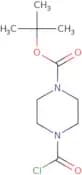
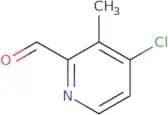
CAS:<p>Versatile small molecule scaffold</p>Formula:C10H17ClN2O3Purity:Min. 95%Color and Shape:PowderMolecular weight:248.71 g/mol4-Chloro-3-methylpyridine-2-carbaldehyde
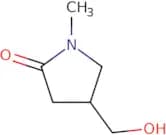
CAS:<p>Versatile small molecule scaffold</p>Formula:C7H6ClNOPurity:Min. 95%Molecular weight:155.58 g/mol4-(Hydroxymethyl)-1-methylpyrrolidin-2-one
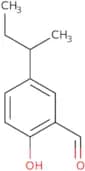
CAS:<p>Versatile small molecule scaffold</p>Formula:C6H11NO2Purity:Min. 95%Molecular weight:129.16 g/mol5-(Butan-2-yl)-2-hydroxybenzaldehyde
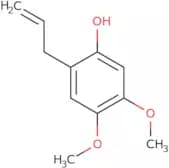
CAS:<p>Versatile small molecule scaffold</p>Formula:C11H14O2Purity:Min. 95%Molecular weight:178.23 g/mol2-Allyl-4,5-dimethoxyphenol
CAS:<p>2-Allyl-4,5-dimethoxyphenol is a pheromone that binds to the olfactory receptor of Diptera. It is also present in the fruit of Eugenia sp. (Myrtaceae). The binding of 2-allyl-4,5-dimethoxyphenol to the olfactory receptor of Diptera has been shown in vivo and in vitro. Spectrometric analyses have revealed significant cytotoxicity for this molecule against breast cancer cells. This molecule may be transformed by β-caryophyllene and eugenol into bioactive molecules with cytotoxic, antioxidant, or antiinflammatory activities.</p>Formula:C11H14O3Purity:Min. 95%Molecular weight:194.23 g/mol3-Ethyl-5,6-dimethyl-2-sulfanyl-3H,4H-thieno[2,3-d]pyrimidin-4-one
CAS:<p>Versatile small molecule scaffold</p>Formula:C10H12N2OS2Purity:Min. 95%Molecular weight:240.3 g/mol3-Butyl-5,6-dimethyl-2-sulfanyl-3H,4H-thieno[2,3-d]pyrimidin-4-one
CAS:<p>Versatile small molecule scaffold</p>Formula:C12H16N2OS2Purity:Min. 95%Molecular weight:268.4 g/mol3-Benzyl-5,6-dimethyl-2-sulfanyl-3H,4H-thieno[2,3-d]pyrimidin-4-one
CAS:<p>Versatile small molecule scaffold</p>Formula:C15H14N2OS2Purity:Min. 95%Molecular weight:302.4 g/mol4-Ethyl-5-sulfanyl-8-thia-4,6-diazatricyclo[7.4.0.0,2,7]trideca-1(9),2(7),5-trien-3-one
CAS:Versatile small molecule scaffoldFormula:C12H14N2OS2Purity:Min. 95%Molecular weight:266.4 g/mol4-(4-Methylphenyl)-5-sulfanyl-8-thia-4,6-diazatricyclo[7.4.0.0,2,7]trideca-1(9),2(7),5-trien-3-one
CAS:<p>Versatile small molecule scaffold</p>Formula:C17H16N2OS2Purity:Min. 95%Molecular weight:328.5 g/mol4-Phenyl-5-sulfanyl-8-thia-4,6-diazatricyclo[7.5.0.0,2,7]tetradeca-1(9),2(7),5-trien-3-one
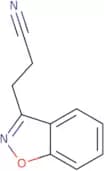
CAS:<p>Versatile small molecule scaffold</p>Formula:C17H16N2OS2Purity:Min. 95%Molecular weight:328.5 g/mol3-(1,2-Benzoxazol-3-yl)propanenitrile
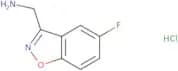
CAS:<p>Versatile small molecule scaffold</p>Formula:C10H8N2OPurity:Min. 95%Molecular weight:172.18 g/mol(5-Fluoro-1,2-benzoxazol-3-yl)methanamine hydrochloride
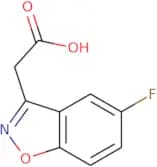
CAS:<p>Versatile small molecule scaffold</p>Formula:C8H8ClFN2OPurity:Min. 95%Molecular weight:202.61 g/mol2-(5-Fluoro-1,2-benzoxazol-3-yl)acetic acid
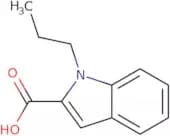
CAS:<p>Versatile small molecule scaffold</p>Formula:C9H6FNO3Purity:Min. 95%Molecular weight:195.15 g/mol1-Propyl-1H-indole-2-carboxylic acid
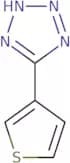
CAS:<p>Versatile small molecule scaffold</p>Formula:C12H13NO2Purity:Min. 95%Molecular weight:203.24 g/mol5-(Thiophen-3-yl)-2H-1,2,3,4-tetrazole
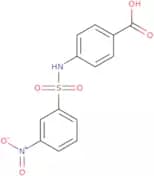
CAS:<p>Versatile small molecule scaffold</p>Formula:C5H4N4SPurity:Min. 95%Molecular weight:152.18 g/mol4-(3-Nitro-benzenesulfonylamino)-benzoic acid
CAS:<p>Versatile small molecule scaffold</p>Formula:C13H10N2O6SPurity:Min. 95%Molecular weight:322.3 g/mol4-[2-(Diethylamino)ethoxy]benzoic acid hydrochloride
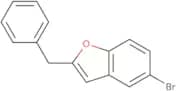
CAS:Controlled Product<p>Versatile small molecule scaffold</p>Formula:C13H20ClNO3Purity:Min. 95%Molecular weight:273.75 g/mol2-Benzyl-5-bromo-1-benzofuran
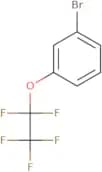
CAS:<p>Versatile small molecule scaffold</p>Formula:C15H11BrOPurity:Min. 95%Molecular weight:287.15 g/mol1-Bromo-3-(1,1,2,2,2-pentafluoroethoxy)benzene
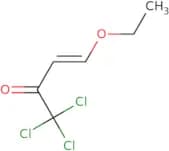
CAS:<p>Versatile small molecule scaffold</p>Formula:C8H4BrF5OPurity:Min. 95%Molecular weight:291.01 g/mol1,1,1-Trichloro-4-ethoxy-but-3-en-2-one
CAS:<p>1,1,1-Trichloro-4-ethoxy-but-3-en-2-one is a chemical compound that is used as a solvent and as a reagent in organic synthesis. It has been used to prepare pyrazole derivatives with regiospecific substitution at the alpha position. 1,1,1-Trichloro-4-ethoxy-but-3-en-2-one can also be used to produce enamines and vinyl ethers by reacting with pyrrole or carbonyl groups. This chemical is an excellent catalyst for reactions involving heterocycles such as sulfates and isomeric chlorides. 1,1,1-Trichloro4ethoxybut3en2one reacts with diethyl ether in the presence of a base to form ethyl chloride.</p>Formula:C6H7Cl3O2Purity:Min. 95%Molecular weight:217.48 g/mol3-Iodo-7-methyl-imidazo[1,2-a]pyridine
CAS:<p>Versatile small molecule scaffold</p>Formula:C8H7IN2Purity:Min. 95%Molecular weight:258.06 g/mol(3-Bromoimidazo[1,2-a]pyridin-2-yl)methanol
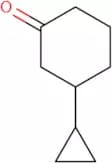
CAS:<p>Versatile small molecule scaffold</p>Formula:C8H7BrN2OPurity:Min. 95%Molecular weight:227.06 g/mol3-Cyclopropylcyclohexan-1-one
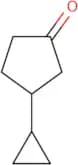
CAS:<p>Versatile small molecule scaffold</p>Formula:C9H14OPurity:Min. 95%Molecular weight:138.21 g/mol3-Cyclopropylcyclopentan-1-one
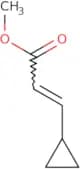
CAS:<p>Versatile small molecule scaffold</p>Formula:C8H12OPurity:Min. 95%Molecular weight:124.18 g/molMethyl (2E)-3-cyclopropylprop-2-enoate
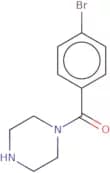
CAS:<p>Methyl (2E)-3-cyclopropylprop-2-enoate is a chiral compound. It can be synthesized from the corresponding chiral propionate by a cross-coupling reaction with cyclopropanes and triflates. The product is a racemic mixture of two diastereomers, an E and Z isomer, which can be separated using chromatography or crystallization. This compound has been used in the synthesis of natural compounds such as alkenes and esters. Methyl (2E)-3-cyclopropylprop-2-enoate can also be synthesized through the use of sodium borohydride to reduce acrylate or catalytic hydrogenation to reduce esters.</p>Formula:C7H10O2Purity:Min. 95%Molecular weight:126.15 g/mol1-(4-bromobenzoyl)piperazine
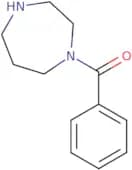
CAS:<p>Versatile small molecule scaffold</p>Formula:C11H13BrN2OPurity:Min. 95%Molecular weight:269.1 g/mol1-Benzoyl-1,4-diazepane
CAS:<p>Versatile small molecule scaffold</p>Formula:C12H16N2OPurity:Min. 95%Molecular weight:204.27 g/molPyrazolo[1,5-a]pyridin-2(1H)-one
CAS:<p>Pyrazolo[1,5-a]pyridin-2(1H)-one is a natural product that is found in plants and fungi. It has been shown to have anticancer activity by inhibiting the proliferation of cancer cells. Pyrazolo[1,5-a]pyridin-2(1H)-one may also act as a backup for dehydrogenase enzymes such as uridine 5'-diphospho-glucose dehydrogenase (UDPGDH) that are involved in the biosynthesis of nucleotides such as uridine triphosphate (UTP). Pyrazolo[1,5-a]pyridin-2(1H)-one inhibits mitochondrial membrane potential and cell proliferation in leukemia cells. The inhibition of mitochondrial membrane potential may be due to its ability to inhibit the enzyme electron transport chain complex I.</p>Formula:C7H6N2OPurity:Min. 95%Molecular weight:134.14 g/mol1-(pyrazolo[1,5-a]pyridin-3-yl)ethanone
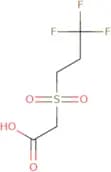
CAS:<p>Versatile small molecule scaffold</p>Formula:C9H8N2OPurity:Min. 95%Molecular weight:160.17 g/mol2-(3,3,3-Trifluoropropanesulfonyl)acetic acid
CAS:<p>Versatile small molecule scaffold</p>Formula:C5H7F3O4SPurity:Min. 95%Molecular weight:220.17 g/mol1-[(Methylamino)methyl]-2,3-dihydro-1H-inden-1-ol
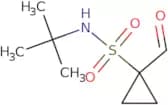
CAS:<p>Versatile small molecule scaffold</p>Formula:C11H15NOPurity:Min. 95%Molecular weight:177.24 g/molN-tert-Butyl-1-formylcyclopropane-1-sulfonamide
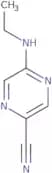
CAS:<p>Versatile small molecule scaffold</p>Formula:C8H15NO3SPurity:Min. 95%Molecular weight:205.28 g/mol5-(Ethylamino)pyrazine-2-carbonitrile
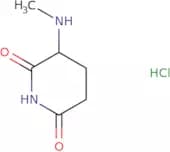
CAS:<p>Versatile small molecule scaffold</p>Formula:C7H8N4Purity:Min. 95%Molecular weight:148.17 g/mol3-(Methylamino)piperidine-2,6-dione hydrochloride
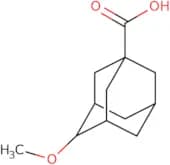
CAS:<p>Versatile small molecule scaffold</p>Formula:C6H11ClN2O2Purity:Min. 95%Molecular weight:178.62 g/mol4-Methoxyadamantane-1-carboxylic acid
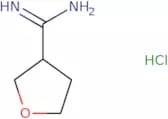
CAS:<p>Versatile small molecule scaffold</p>Formula:C12H18O3Purity:Min. 95%Molecular weight:210.27 g/molOxolane-3-carboximidamide hydrochloride
CAS:<p>Versatile small molecule scaffold</p>Formula:C5H11ClN2OPurity:Min. 95%Molecular weight:150.61 g/mol3-Chloro-5H,6H,7H,8H-imidazo[1,2-a]pyrazine dihydrochloride
CAS:<p>Versatile small molecule scaffold</p>Formula:C6H10Cl3N3Purity:Min. 95%Molecular weight:230.5 g/mol5H,6H,7H,8H-Imidazo[1,5-a]pyridine-1-carboxylic acid hydrochloride
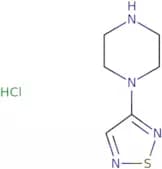
CAS:<p>Versatile small molecule scaffold</p>Formula:C8H11ClN2O2Purity:Min. 95%Molecular weight:202.64 g/mol1-(1,2,5-Thiadiazol-3-yl)piperazine hydrochloride
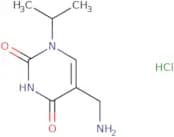
CAS:<p>Versatile small molecule scaffold</p>Formula:C6H11ClN4SPurity:Min. 95%Molecular weight:206.7 g/mol5-(Aminomethyl)-1-(propan-2-yl)-1,2,3,4-tetrahydropyrimidine-2,4-dione hydrochloride
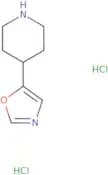
CAS:<p>Versatile small molecule scaffold</p>Formula:C8H14ClN3O2Purity:Min. 95%Molecular weight:219.67 g/mol4-(1,3-Oxazol-5-yl)piperidine dihydrochloride
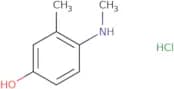
CAS:<p>Versatile small molecule scaffold</p>Formula:C8H14Cl2N2OPurity:Min. 95%Molecular weight:225.11 g/mol3-Methyl-4-(methylamino)phenol hydrochloride
CAS:<p>Versatile small molecule scaffold</p>Formula:C8H12ClNOPurity:Min. 95%Molecular weight:173.64 g/molSodium 1H,2H,3H-pyrazolo[1,5-a]imidazole-7-carboxylate
CAS:<p>Versatile small molecule scaffold</p>Formula:C6H6N3NaO2Purity:Min. 95%Molecular weight:175.12 g/molMethyl(pent-4-yn-1-yl)amine hydrochloride
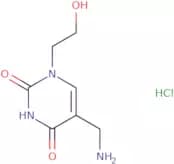
CAS:<p>Versatile small molecule scaffold</p>Formula:C6H12ClNPurity:Min. 95%Molecular weight:133.62 g/mol5-(Aminomethyl)-1-(2-hydroxyethyl)-1,2,3,4-tetrahydropyrimidine-2,4-dione hydrochloride
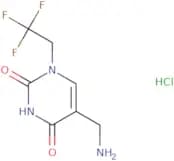
CAS:<p>Versatile small molecule scaffold</p>Formula:C7H12ClN3O3Purity:Min. 95%Molecular weight:221.64 g/mol5-(Aminomethyl)-1-(2,2,2-trifluoroethyl)-1,2,3,4-tetrahydropyrimidine-2,4-dione hydrochloride
CAS:<p>Versatile small molecule scaffold</p>Formula:C7H9ClF3N3O2Purity:Min. 95%Molecular weight:259.61 g/mol4H,5H,6H,7H-Pyrazolo[1,5-a]pyridin-5-amine dihydrochloride
CAS:<p>Versatile small molecule scaffold</p>Formula:C7H13Cl2N3Purity:Min. 95%Molecular weight:210.1 g/mol2-(4-Methylphenyl)pyrazolo[1,5-a]pyrimidine
CAS:<p>Versatile small molecule scaffold</p>Formula:C13H11N3Purity:Min. 95%Molecular weight:209.25 g/molMethyl 4-amino-4H,5H,6H,7H-pyrazolo[1,5-a]pyridine-2-carboxylate hydrochloride
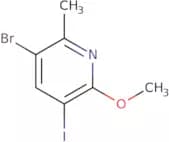
CAS:<p>Versatile small molecule scaffold</p>Formula:C9H14ClN3O2Purity:Min. 95%Molecular weight:231.68 g/mol3-Bromo-5-iodo-6-methoxy-2-methylpyridine
CAS:<p>Versatile small molecule scaffold</p>Formula:C7H7BrINOPurity:Min. 95%Molecular weight:327.94 g/mol2-(4-Aminopiperidin-1-yl)-6-methyl-3,4-dihydropyrimidin-4-one dihydrochloride
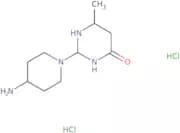
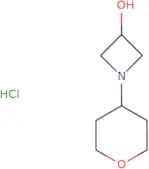
CAS:<p>Versatile small molecule scaffold</p>Formula:C10H22Cl2N4OPurity:Min. 95%Molecular weight:285.21 g/mol1-(Oxan-4-yl)azetidin-3-ol hydrochloride
CAS:<p>Versatile small molecule scaffold</p>Formula:C8H16ClNO2Purity:Min. 95%Molecular weight:193.7 g/mol1-[4-(Pyridin-2-yloxy)phenyl]methanamine dihydrochloride
CAS:<p>Versatile small molecule scaffold</p>Formula:C12H14Cl2N2OPurity:Min. 95%Molecular weight:273.15 g/moltert-Butyl N-[1-(hydrazinecarbonyl)-1-methylethyl]carbamate
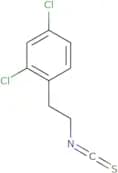
CAS:<p>Versatile small molecule scaffold</p>Formula:C9H19N3O3Purity:Min. 95%Molecular weight:217.27 g/mol2,4-Dichloro-1-(2-isothiocyanatoethyl)benzene
CAS:<p>Versatile small molecule scaffold</p>Formula:C9H7Cl2NSPurity:Min. 95%Molecular weight:232.13 g/mol4-{[(tert-Butoxy)carbonyl]amino}-2-hydroxybenzoic acid
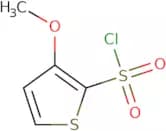
CAS:<p>Versatile small molecule scaffold</p>Formula:C12H15NO5Purity:Min. 95%Molecular weight:253.25 g/mol3-Methoxythiophene-2-sulfonyl chloride
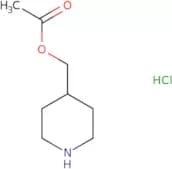
CAS:<p>Versatile small molecule scaffold</p>Formula:C5H5ClO3S2Purity:Min. 95%Molecular weight:212.7 g/mol4-Piperidinylmethyl acetate hydrochloride
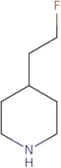
CAS:<p>Versatile small molecule scaffold</p>Formula:C8H16ClNO2Purity:Min. 95%Molecular weight:193.67 g/mol4-(2-Fluoroethyl)piperidine
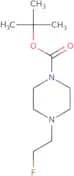
CAS:<p>4-(2-Fluoroethyl)piperidine is a synthetic piperidine compound that has been shown to inhibit thrombin. This drug is orally administered and has a long half-life, which makes it suitable for chronic use in humans. 4-(2-Fluoroethyl)piperidine has also been shown to have a modulating effect on platelets and prolong the clotting time. The drug was found to be safe in vivo, with no significant side effects observed. Pharmacokinetic studies showed that the drug is excreted unchanged by both kidneys and intestines, suggesting that its elimination is not mediated by hepatic metabolism.<br>END></p>Formula:C7H14FNPurity:Min. 95%Molecular weight:131.19 g/moltert-Butyl 4-(2-fluoroethyl)piperazine-1-carboxylate
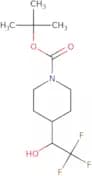
CAS:<p>Versatile small molecule scaffold</p>Formula:C11H21FN2O2Purity:Min. 95%Molecular weight:232.29 g/moltert-Butyl 4-(2,2,2-trifluoro-1-hydroxyethyl)piperidine-1-carboxylate
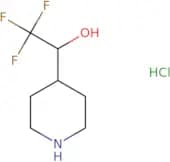
CAS:<p>Versatile small molecule scaffold</p>Formula:C12H20F3NO3Purity:Min. 95%Molecular weight:283.29 g/mol2,2,2-Trifluoro-1-(piperidin-4-yl)ethan-1-ol hydrochloride
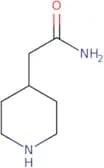
CAS:<p>Versatile small molecule scaffold</p>Formula:C7H13ClF3NOPurity:Min. 95%Molecular weight:219.63 g/mol2-(Piperidin-4-yl)acetamide
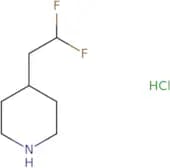
CAS:<p>2-(Piperidin-4-yl)acetamide is a cardiac drug that belongs to the class of piperidines. It has been evaluated for its ability to prevent and reverse myocardial infarction in animal models and human clinical trials. The compound has been shown to be safe and well tolerated, with no significant adverse effects or changes in heart rate or blood pressure. 2-(Piperidin-4-yl)acetamide is undergoing further development as a cardiovascular drug, with optimization being carried out on the basis of preclinical pharmacomodulation studies.</p>Formula:C7H14N2OPurity:Min. 95%Molecular weight:142.2 g/mol4-(2,2-Difluoroethyl)piperidine hydrochloride
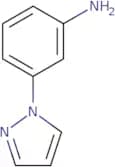
CAS:<p>Versatile small molecule scaffold</p>Formula:C7H14ClF2NPurity:Min. 95%Molecular weight:185.64 g/mol3-Pyrazol-1-yl-phenylamine
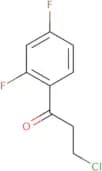
CAS:<p>Versatile small molecule scaffold</p>Formula:C9H9N3Purity:Min. 95%Molecular weight:159.19 g/mol3-Chloro-1-(2,4-difluorophenyl)propan-1-one
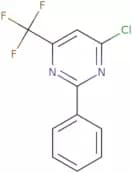
CAS:<p>Versatile small molecule scaffold</p>Formula:C9H7ClF2OPurity:Min. 95%Molecular weight:204.6 g/mol4-Chloro-2-phenyl-6-(trifluoromethyl)pyrimidine
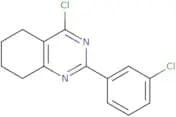
CAS:<p>Versatile small molecule scaffold</p>Formula:C11H6ClF3N2Purity:Min. 95%Molecular weight:258.62 g/mol4-Chloro-2-(3-chlorophenyl)-5,6,7,8-tetrahydroquinazoline
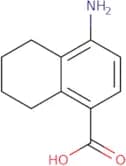
CAS:<p>Versatile small molecule scaffold</p>Formula:C14H12Cl2N2Purity:Min. 95%Molecular weight:279.2 g/mol4-Amino-5,6,7,8-tetrahydronaphthalene-1-carboxylic acid
CAS:<p>Versatile small molecule scaffold</p>Formula:C11H13NO2Purity:Min. 95%Molecular weight:191.23 g/mol

![Methyl 2-chlorobenzo[d]thiazole-4-carboxylate](/_next/image/?url=https%3A%2Fstatic.cymitquimica.com%2Fproducts%2F3D%2Fthumb-webp%2FIYB22586.webp&w=3840&q=75)
![3-Sulfanyl-[1,2,4]triazolo[4,3-a]pyridine-6-carboxylic acid](/_next/image/?url=https%3A%2Fstatic.cymitquimica.com%2Fproducts%2F3D%2Fthumb-webp%2FIYB24977.webp&w=3840&q=75)
![7-Chloro-5-cyclopropyl-[1,2,4]triazolo[1,5-a]pyrimidine](/_next/image/?url=https%3A%2Fstatic.cymitquimica.com%2Fproducts%2F3D%2Fthumb-webp%2FIYB33629.webp&w=3840&q=75)

![1H,5H,6H,10Bh-Pyrazolo[1,5-c]quinazoline-5-thione](/_next/image/?url=https%3A%2Fstatic.cymitquimica.com%2Fproducts%2F3D%2Fthumb-webp%2FJCA55309.webp&w=3840&q=75)

![1-[5-(Propan-2-yl)furan-2-yl]ethan-1-one](/_next/image/?url=https%3A%2Fstatic.cymitquimica.com%2Fproducts%2F3D%2Fthumb-webp%2FJCA55853.webp&w=3840&q=75)
![4-(5-Amino-[1,3,4]thiadiazol-2-yl)-phenol](/_next/image/?url=https%3A%2Fstatic.cymitquimica.com%2Fproducts%2F3D%2Fthumb-webp%2FJCA56553.webp&w=3840&q=75)
![2-Chloro-4-[(dimethylcarbamoyl)amino]benzoic acid](/_next/image/?url=https%3A%2Fstatic.cymitquimica.com%2Fproducts%2F3D%2Fthumb-webp%2FJCA58701.webp&w=3840&q=75)
![2-Chloro-4-[(methylcarbamoyl)amino]benzoic acid](/_next/image/?url=https%3A%2Fstatic.cymitquimica.com%2Fproducts%2F3D%2Fthumb-webp%2FJCA58702.webp&w=3840&q=75)
![Spiro[adamantane-2,2'-azetidine]](/_next/image/?url=https%3A%2Fstatic.cymitquimica.com%2Fproducts%2F3D%2Fthumb-webp%2FJCA59193.webp&w=3840&q=75)

![5-[(Methylsulfanyl)methyl]imidazolidine-2,4-dione](/_next/image/?url=https%3A%2Fstatic.cymitquimica.com%2Fproducts%2F3D%2Fthumb-webp%2FJCA64066.webp&w=3840&q=75)

![tert-Butyl 2-amino-4H,5H,6H-cyclopenta[b]thiophene-3-carboxylate](/_next/image/?url=https%3A%2Fstatic.cymitquimica.com%2Fproducts%2F3D%2Fthumb-webp%2FJCA71355.webp&w=3840&q=75)
![2-[N-(Carboxymethyl)4-methylbenzenesulfonamido]acetic acid](/_next/image/?url=https%3A%2Fstatic.cymitquimica.com%2Fproducts%2F3D%2Fthumb-webp%2FJCA72485.webp&w=3840&q=75)

![Ethyl 3-[(4-bromophenyl)amino]-2-cyanoprop-2-enoate](/_next/image/?url=https%3A%2Fstatic.cymitquimica.com%2Fproducts%2F3D%2Fthumb-webp%2FJCA74700.webp&w=3840&q=75)

![3-Chloro-6-nitro-benzo[b]thiophene-2-carboxylic acid methyl ester](/_next/image/?url=https%3A%2Fstatic.cymitquimica.com%2Fproducts%2F3D%2Fthumb-webp%2FJCA81236.webp&w=3840&q=75)
![2H,3H,6H-[1,4]Dioxino[2,3-F]indole-7-carboxylic acid](/_next/image/?url=https%3A%2Fstatic.cymitquimica.com%2Fproducts%2F3D%2Fthumb-webp%2FJCA82087.webp&w=3840&q=75)
![7-bromo-2,3-dihydrobenzo[b][1,4]dioxine-6-carboxylic acid](/_next/image/?url=https%3A%2Fstatic.cymitquimica.com%2Fproducts%2F3D%2Fthumb-webp%2FJCA82091.webp&w=3840&q=75)
![6-Bromo-7-nitro-2,3-dihydrobenzo[b][1,4]dioxine](/_next/image/?url=https%3A%2Fstatic.cymitquimica.com%2Fproducts%2F3D%2Fthumb-webp%2FJCA82092.webp&w=3840&q=75)
![2H,3H-[1,3]Oxazolo[4,5-c]pyridin-2-one](/_next/image/?url=https%3A%2Fstatic.cymitquimica.com%2Fproducts%2F3D%2Fthumb-webp%2FJCA85150.webp&w=3840&q=75)
![3-Ethyl-5,6-dimethyl-2-sulfanyl-3H,4H-thieno[2,3-d]pyrimidin-4-one](/_next/image/?url=https%3A%2Fstatic.cymitquimica.com%2Fproducts%2F3D%2Fthumb-webp%2FJCA89860.webp&w=3840&q=75)
![3-Butyl-5,6-dimethyl-2-sulfanyl-3H,4H-thieno[2,3-d]pyrimidin-4-one](/_next/image/?url=https%3A%2Fstatic.cymitquimica.com%2Fproducts%2F3D%2Fthumb-webp%2FJCA89861.webp&w=3840&q=75)
![3-Benzyl-5,6-dimethyl-2-sulfanyl-3H,4H-thieno[2,3-d]pyrimidin-4-one](/_next/image/?url=https%3A%2Fstatic.cymitquimica.com%2Fproducts%2F3D%2Fthumb-webp%2FJCA89863.webp&w=3840&q=75)
![4-Ethyl-5-sulfanyl-8-thia-4,6-diazatricyclo[7.4.0.0,2,7]trideca-1(9),2(7),5-trien-3-one](/_next/image/?url=https%3A%2Fstatic.cymitquimica.com%2Fproducts%2F3D%2Fthumb-webp%2FJCA89866.webp&w=3840&q=75)
![4-(4-Methylphenyl)-5-sulfanyl-8-thia-4,6-diazatricyclo[7.4.0.0,2,7]trideca-1(9),2(7),5-trien-3-one](/_next/image/?url=https%3A%2Fstatic.cymitquimica.com%2Fproducts%2F3D%2Fthumb-webp%2FJCA89869.webp&w=3840&q=75)
![4-Phenyl-5-sulfanyl-8-thia-4,6-diazatricyclo[7.5.0.0,2,7]tetradeca-1(9),2(7),5-trien-3-one](/_next/image/?url=https%3A%2Fstatic.cymitquimica.com%2Fproducts%2F3D%2Fthumb-webp%2FJCA89871.webp&w=3840&q=75)
![4-[2-(Diethylamino)ethoxy]benzoic acid hydrochloride](/_next/image/?url=https%3A%2Fstatic.cymitquimica.com%2Fproducts%2F3D%2Fthumb-webp%2FJCA93128.webp&w=3840&q=75)
![3-Iodo-7-methyl-imidazo[1,2-a]pyridine](/_next/image/?url=https%3A%2Fstatic.cymitquimica.com%2Fproducts%2F3D%2Fthumb-webp%2FJCA93833.webp&w=3840&q=75)
![(3-Bromoimidazo[1,2-a]pyridin-2-yl)methanol](/_next/image/?url=https%3A%2Fstatic.cymitquimica.com%2Fproducts%2F3D%2Fthumb-webp%2FJCA93841.webp&w=3840&q=75)
![Pyrazolo[1,5-a]pyridin-2(1H)-one](/_next/image/?url=https%3A%2Fstatic.cymitquimica.com%2Fproducts%2F3D%2Fthumb-webp%2FJCA94287.webp&w=3840&q=75)
![1-(pyrazolo[1,5-a]pyridin-3-yl)ethanone](/_next/image/?url=https%3A%2Fstatic.cymitquimica.com%2Fproducts%2F3D%2Fthumb-webp%2FJCA94295.webp&w=3840&q=75)
![1-[(Methylamino)methyl]-2,3-dihydro-1H-inden-1-ol](/_next/image/?url=https%3A%2Fstatic.cymitquimica.com%2Fproducts%2F3D%2Fthumb-webp%2FJGC88194.webp&w=3840&q=75)
![3-Chloro-5H,6H,7H,8H-imidazo[1,2-a]pyrazine dihydrochloride](/_next/image/?url=https%3A%2Fstatic.cymitquimica.com%2Fproducts%2F3D%2Fthumb-webp%2FJGD15409.webp&w=3840&q=75)
![5H,6H,7H,8H-Imidazo[1,5-a]pyridine-1-carboxylic acid hydrochloride](/_next/image/?url=https%3A%2Fstatic.cymitquimica.com%2Fproducts%2F3D%2Fthumb-webp%2FJGD15475.webp&w=3840&q=75)
![Sodium 1H,2H,3H-pyrazolo[1,5-a]imidazole-7-carboxylate](/_next/image/?url=https%3A%2Fstatic.cymitquimica.com%2Fproducts%2F3D%2Fthumb-webp%2FJGD15689.webp&w=3840&q=75)

![4H,5H,6H,7H-Pyrazolo[1,5-a]pyridin-5-amine dihydrochloride](/_next/image/?url=https%3A%2Fstatic.cymitquimica.com%2Fproducts%2F3D%2Fthumb-webp%2FJGD15732.webp&w=3840&q=75)
![2-(4-Methylphenyl)pyrazolo[1,5-a]pyrimidine](/_next/image/?url=https%3A%2Fstatic.cymitquimica.com%2Fproducts%2F3D%2Fthumb-webp%2FJGD15738.webp&w=3840&q=75)
![Methyl 4-amino-4H,5H,6H,7H-pyrazolo[1,5-a]pyridine-2-carboxylate hydrochloride](/_next/image/?url=https%3A%2Fstatic.cymitquimica.com%2Fproducts%2F3D%2Fthumb-webp%2FJGD36754.webp&w=3840&q=75)
![1-[4-(Pyridin-2-yloxy)phenyl]methanamine dihydrochloride](/_next/image/?url=https%3A%2Fstatic.cymitquimica.com%2Fproducts%2F3D%2Fthumb-webp%2FJGD62168.webp&w=3840&q=75)
![tert-Butyl N-[1-(hydrazinecarbonyl)-1-methylethyl]carbamate](/_next/image/?url=https%3A%2Fstatic.cymitquimica.com%2Fproducts%2F3D%2Fthumb-webp%2FJHA00261.webp&w=3840&q=75)
![4-{[(tert-Butoxy)carbonyl]amino}-2-hydroxybenzoic acid](/_next/image/?url=https%3A%2Fstatic.cymitquimica.com%2Fproducts%2F3D%2Fthumb-webp%2FJHA03342.webp&w=3840&q=75)