Building Blocks
This section contains fundamental products for the synthesis of organic and biological compounds. Building blocks are the essential starting materials used to construct complex molecules through various chemical reactions. They play a critical role in drug discovery, material science, and chemical research. At CymitQuimica, we offer a diverse range of high-quality building blocks to support your innovative research and industrial projects, ensuring you have the essential components for successful synthesis.
Subcategories of "Building Blocks"
- Boronic Acids & Boronic Acid Derivatives(5,756 products)
- Chiral Building Blocks(1,242 products)
- Hydrocarbon Building Blocks(6,095 products)
- Organic Building Blocks(61,037 products)
Found 196139 products of "Building Blocks"
Sort by
Purity (%)
0
100
|
0
|
50
|
90
|
95
|
100
2-[3-(Difluoromethyl)cyclobutyl]ethan-1-amine hydrochloride
CAS:<p>Versatile small molecule scaffold</p>Formula:C7H14ClF2NPurity:Min. 95%Molecular weight:185.6 g/molN-({Octahydropyrano[3,4-c]pyrrol-7a-yl}methyl)cyclopropanecarboxamide hydrochloride
CAS:<p>Versatile small molecule scaffold</p>Formula:C12H21ClN2O2Purity:Min. 95%Molecular weight:260.8 g/mol1,4,4-Trimethylpyrrolidine-2-carboxylic acid hydrochloride
CAS:<p>Versatile small molecule scaffold</p>Formula:C8H16ClNO2Purity:Min. 95%Molecular weight:193.7 g/mol4-(But-3-en-1-yl)piperidine-4-carboxylic acid hydrochloride
CAS:<p>Versatile small molecule scaffold</p>Formula:C10H18ClNO2Purity:Min. 95%Molecular weight:219.7 g/moltert-Butyl 5-methylpiperidine-2-carboxylate
CAS:<p>Versatile small molecule scaffold</p>Formula:C11H21NO2Purity:Min. 95%Molecular weight:199.3 g/mol7-Azaspiro[4.6]undecane hydrochloride
CAS:<p>Versatile small molecule scaffold</p>Formula:C10H20ClNPurity:Min. 95%Molecular weight:189.7 g/mol4-methyl-2-(1-methylpiperidin-3-yl)-1,3-oxazole-5-carboxylate lithium
CAS:Versatile small molecule scaffoldFormula:C11H15LiN2O3Purity:Min. 95%Molecular weight:230.2 g/mol5-Methyl-[1,2,4]triazolo[1,5-a]pyrimidine-2-carboxylic acid
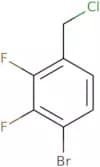
CAS:<p>Versatile small molecule scaffold</p>Formula:C7H6N4O2Purity:Min. 95%Molecular weight:178.15 g/mol1-Bromo-4-(chloromethyl)-2,3-difluorobenzene
CAS:<p>Versatile small molecule scaffold</p>Formula:C7H4BrClF2Purity:Min. 95%Molecular weight:241.46 g/mol2-{Bicyclo[2.2.1]heptan-2-yl}-2-({[(9H-fluoren-9-yl)methoxy]carbonyl}amino)acetic acid
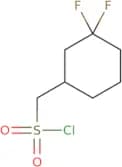
CAS:<p>Versatile small molecule scaffold</p>Formula:C24H25NO4Purity:Min. 95%Molecular weight:391.5 g/mol(3,3-Difluorocyclohexyl)methanesulfonyl chloride
CAS:<p>Versatile small molecule scaffold</p>Formula:C7H11ClF2O2SPurity:Min. 95%Molecular weight:232.68 g/moltert-Butyl N-{2-[(3-bromo-4-methoxyphenyl)methyl]-3-hydroxypropyl}carbamate
CAS:<p>Versatile small molecule scaffold</p>Formula:C16H24BrNO4Purity:Min. 95%Molecular weight:374.27 g/mol3'-Imino-3,4-dihydro-2H-spiro[naphthalene-1,2'-[1,4]oxazolidine]-5'-one
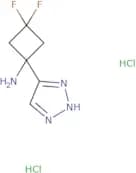
CAS:<p>Versatile small molecule scaffold</p>Formula:C12H12N2O2Purity:Min. 95%Molecular weight:216.24 g/mol3,3-Difluoro-1-(1H-triazol-5-yl)cyclobutanamine dihydrochloride
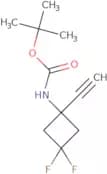
CAS:<p>Versatile small molecule scaffold</p>Formula:C6H10Cl2F2N4Purity:Min. 95%Molecular weight:247.07 g/moltert-Butyl N-(1-ethynyl-3,3-difluoro-cyclobutyl)carbamate
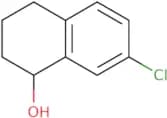
CAS:<p>Versatile small molecule scaffold</p>Formula:C11H15F2NO2Purity:Min. 95%Molecular weight:231.24 g/mol(1R)-7-Chloro-1,2,3,4-tetrahydronaphthalen-1-ol
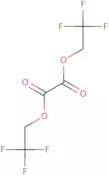
CAS:<p>Versatile small molecule scaffold</p>Formula:C10H11ClOPurity:Min. 95%Molecular weight:182.64 g/molBis(2,2,2-trifluoroethyl) oxalate
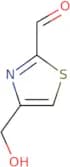
CAS:<p>Versatile small molecule scaffold</p>Formula:C6H4F6O4Purity:Min. 95%Molecular weight:254.08 g/mol4-(Hydroxymethyl)-1,3-thiazole-2-carbaldehyde
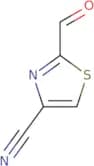
CAS:<p>Versatile small molecule scaffold</p>Formula:C5H5NO2SPurity:Min. 95%Molecular weight:143.17 g/mol2-Formyl-1,3-thiazole-4-carbonitrile
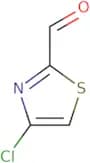
CAS:<p>Versatile small molecule scaffold</p>Formula:C5H2N2OSPurity:Min. 95%Molecular weight:138.15 g/mol4-Chloro-1,3-thiazole-2-carbaldehyde
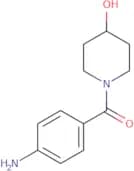
CAS:<p>Versatile small molecule scaffold</p>Formula:C4H2NOSClPurity:Min. 95%Molecular weight:147.58 g/mol1-(4-Aminobenzoyl)piperidin-4-ol
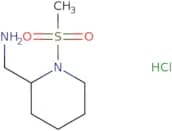
CAS:<p>Versatile small molecule scaffold</p>Formula:C12H16N2O2Purity:Min. 95%Molecular weight:220.27 g/mol(1-Methanesulfonylpiperidin-2-yl)methanamine hydrochloride
CAS:<p>Versatile small molecule scaffold</p>Formula:C7H17ClN2O2SPurity:Min. 95%Molecular weight:228.74 g/molN-[4-(4-Methylpiperazin-1-yl)phenyl]pyrimidin-2-amine
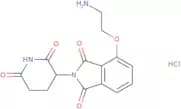
CAS:<p>Versatile small molecule scaffold</p>Formula:C15H19N5Purity:Min. 95%Molecular weight:269.3 g/molThalidomide 4'-ether-alkylC2-amine
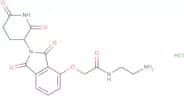
CAS:<p>Thalidomide 4'-ether-alkylC2-amine is a potent and selective blocker of Na+ channels. It has been shown to inhibit the activation of voltage-gated Na+ channels in rat dorsal root ganglia neurons. Thalidomide 4'-ether-alkylC2-amine also binds to the extracellular domain of the G protein coupled receptor, inhibiting the binding of ligands to this receptor. It can be used as a research tool for studying protein interactions and as an inhibitor for many peptides, including alpha-MSH, neuropeptide Y, substance P, calcitonin gene related peptide (CGRP), and bombesin. Thalidomide 4'-ether-alkylC2-amine can also be used for purification of antibodies or cell biology experiments.</p>Formula:C15H16ClN3O5Purity:Min. 95%Molecular weight:353.76 g/molThalidomide 4'-oxyacetamide-alkylC2-amine
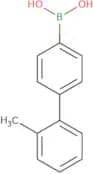
CAS:<p>Thalidomide is a research tool that is used to study the function of proteins and peptides. It can also be used to study ion channels, cell biology, and pharmacology. Thalidomide has been shown to bind to receptor proteins and activate them by binding to the ligand-binding site. Thalidomide inhibits certain types of ion channels in nerve cells. It also binds with high affinity to antibodies, which may have therapeutic applications for autoimmune diseases.</p>Formula:C17H19ClN4O6Purity:Min. 95%Molecular weight:410.8 g/mol4-(2-Methylphenyl)phenylboronic acid
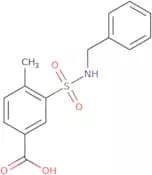
CAS:<p>Versatile small molecule scaffold</p>Formula:C13H13BO2Purity:Min. 95%Molecular weight:212.06 g/mol3-(Benzylsulfamoyl)-4-methylbenzoic acid
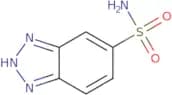
CAS:<p>3-(Benzylsulfamoyl)-4-methylbenzoic acid is a benzylsulfonamide derivative. It is a competitive inhibitor of the GABA-A receptor, with a Ki value of 3.2 nM. The binding site of 3-(Benzylsulfamoyl)-4-methylbenzoic acid on the GABA-A receptor is located at the interface between the alpha and beta subunits. This compound has been shown to block neuronal calcium currents in rat hippocampal neurons and to inhibit acetylcholine release in synaptosomes from rat brain.</p>Formula:C15H15NO4SPurity:Min. 95%Molecular weight:305.4 g/mol1H-1,2,3-Benzotriazole-5-sulfonamide
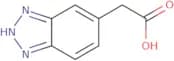
CAS:<p>Versatile small molecule scaffold</p>Formula:C6H6N4O2SPurity:Min. 95%Molecular weight:198.21 g/mol2-(1H-1,2,3-Benzotriazol-5-yl)acetic acid
CAS:<p>Versatile small molecule scaffold</p>Formula:C8H7N3O2Purity:Min. 95%Molecular weight:177.16 g/mol3-[(5-Methyl-3-nitro-pyrazol-1-yl)methyl]benzoic acid
CAS:<p>Versatile small molecule scaffold</p>Formula:C12H11N3O4Purity:Min. 95%Molecular weight:261.23 g/moltert-Butyl N-[(5-bromo-2-fluorophenyl)methyl]carbamate
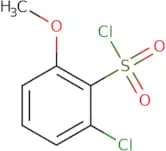
CAS:<p>Versatile small molecule scaffold</p>Formula:C12H15BrFNO2Purity:Min. 95%Molecular weight:304.15 g/mol2-Chloro-6-methoxybenzene-1-sulfonyl chloride
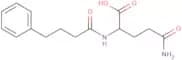
CAS:<p>Versatile small molecule scaffold</p>Formula:C7H6Cl2O3SPurity:Min. 95%Molecular weight:241.09 g/mol4-Carbamoyl-2-(4-phenylbutanamido)butanoic acid
CAS:<p>4-Carbamoyl-2-(4-phenylbutanamido)butanoic acid is a prodrug that is metabolized to phenylacetylglutamine in vivo. 4-Carbamoyl-2-(4-phenylbutanamido)butanoic acid has been shown to be effective for the treatment of hyperammonemia. Administration of this drug has been shown to be synergistic with benzoate, an inhibitor of ammonia production. This drug also has proteolytic properties, which are essential for protein digestion and absorption. It is not known whether this drug crosses the blood brain barrier or if it can be used as a dietary supplement. The use of 4-Carbamoyl-2-(4-phenylbutanamido)butanoic acid as a treatment method is still experimental and its efficacy has not yet been determined.</p>Formula:C15H20N2O4Purity:Min. 95%Molecular weight:292.33 g/mol2-(4-Chlorophenyl)-5-[(4H-1,2,4-triazol-3-ylsulfanyl)methyl]-1,3,4-oxadiazole
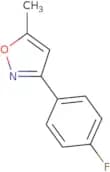
CAS:<p>Versatile small molecule scaffold</p>Formula:C11H8ClN5OSPurity:Min. 95%Molecular weight:293.73 g/mol3-(4-Fluorophenyl)-5-methyl-1,2-oxazole
CAS:<p>Versatile small molecule scaffold</p>Formula:C10H8FNOPurity:Min. 95%Molecular weight:177.17 g/mol2-Oxatricyclo[5.3.0.0,1,5]decan-8-one
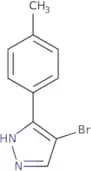
CAS:<p>Versatile small molecule scaffold</p>Formula:C9H12O2Purity:Min. 95%Molecular weight:152.19 g/mol4-Bromo-3-p-tolyl-1(2)H-pyrazole
CAS:<p>Versatile small molecule scaffold</p>Formula:C10H9BrN2Purity:Min. 95%Molecular weight:237.1 g/mol5-Methyl-2-(tetramethyl-1,3,2-dioxaborolan-2-yl)benzonitrile
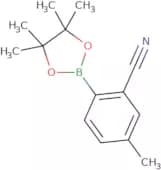
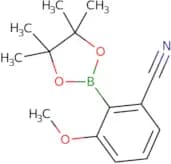
CAS:<p>Versatile small molecule scaffold</p>Formula:C14H18BNO2Purity:Min. 95%Molecular weight:243.11 g/mol3-Methoxy-2-(tetramethyl-1,3,2-dioxaborolan-2-yl)benzonitrile
CAS:<p>Versatile small molecule scaffold</p>Formula:C14H18BNO3Purity:Min. 95%Molecular weight:259.11 g/mol5-Methoxy-2-(tetramethyl-1,3,2-dioxaborolan-2-yl)benzonitrile
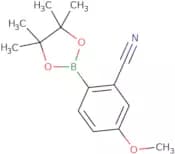
CAS:<p>Versatile small molecule scaffold</p>Formula:C14H18BNO3Purity:Min. 95%Molecular weight:259.11 g/mol7-Amino-6-methoxy-1,2,3,4-tetrahydroquinolin-2-one
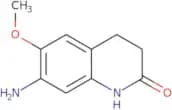
CAS:<p>Versatile small molecule scaffold</p>Formula:C10H12N2O2Purity:Min. 95%Molecular weight:192.21 g/mol1-[5-(Hydroxymethyl)pyrimidin-2-yl]piperidin-4-ol
CAS:<p>Versatile small molecule scaffold</p>Formula:C10H15N3O2Purity:Min. 95%Molecular weight:209.24 g/molS-Methyl-S-(pyridin-4-yl) sulfoximine
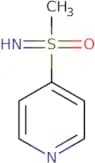
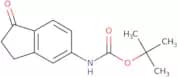
CAS:<p>Versatile small molecule scaffold</p>Formula:C6H8N2OSPurity:Min. 95%Molecular weight:156.21 g/moltert-Butyl N-(1-oxo-2,3-dihydro-1H-inden-5-yl)carbamate
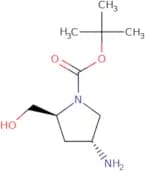
CAS:<p>Versatile small molecule scaffold</p>Formula:C14H17NO3Purity:Min. 95%Molecular weight:247.29 g/mol(2S,4R)-1-Boc-2-Hydroxymethyl-4-aminopyrrolidinehydrochloride
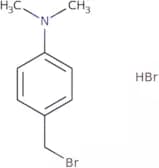
CAS:<p>Versatile small molecule scaffold</p>Formula:C10H21ClN2O3Purity:Min. 95%Molecular weight:252.74 g/mol4-(Dimethylamino)benzyl bromide hydrobromide
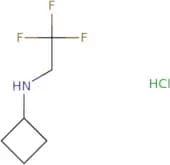
CAS:<p>Versatile small molecule scaffold</p>Formula:C9H13Br2NPurity:Min. 95%Molecular weight:295.02 g/molN-(2,2,2-Trifluoroethyl)cyclobutanamine hydrochloride
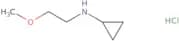
CAS:<p>Versatile small molecule scaffold</p>Formula:C6H11ClF3NPurity:Min. 95%Molecular weight:189.6 g/molN-(2-Methoxyethyl)cyclopropanamine hydrochloride
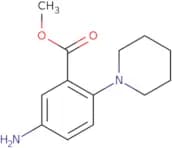
CAS:<p>Versatile small molecule scaffold</p>Formula:C6H14ClNOPurity:Min. 95%Molecular weight:151.63 g/molMethyl 5-amino-2-(piperidin-1-yl)benzoate
CAS:<p>Versatile small molecule scaffold</p>Formula:C13H18N2O2Purity:Min. 95%Molecular weight:234.29 g/mol3-Bromoimidazo[1,2-a]pyridine-8-carboxylic acid
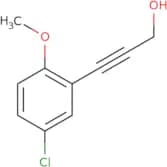
CAS:<p>Versatile small molecule scaffold</p>Formula:C8H5BrN2O2Purity:Min. 95%Molecular weight:241.04 g/mol3-(5-Chloro-2-methoxyphenyl)prop-2-yn-1-ol
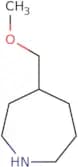
CAS:<p>Versatile small molecule scaffold</p>Formula:C10H9ClO2Purity:Min. 95%Molecular weight:196.63 g/mol4-(Methoxymethyl)azepane
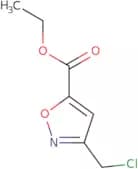
CAS:<p>Versatile small molecule scaffold</p>Formula:C8H17NOPurity:Min. 95%Molecular weight:143.23 g/molEthyl 3-(Chloromethyl)isoxazole-5-carboxylate
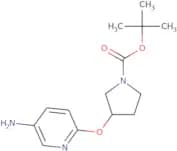
CAS:<p>Versatile small molecule scaffold</p>Formula:C7H8ClNO3Purity:Min. 95%Molecular weight:189.6 g/mol(S)-tert-Butyl 3-(5-aminopyridin-2-yloxy)pyrrolidine-1-carboxylate
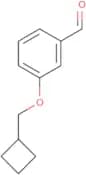
CAS:<p>Versatile small molecule scaffold</p>Formula:C14H21N3O3Purity:Min. 95%Molecular weight:279.33 g/mol3-(Cyclobutylmethoxy)benzaldehyde
CAS:<p>Versatile small molecule scaffold</p>Formula:C12H14O2Purity:Min. 95%Molecular weight:190.24 g/mol4-Hydroxy-N-[(2S)-2-hydroxypropyl]benzamide
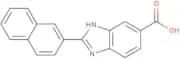
CAS:<p>Versatile small molecule scaffold</p>Formula:C10H13NO3Purity:Min. 95%Molecular weight:195.21 g/mol2-(Naphthalen-2-yl)-1H-1,3-benzodiazole-5-carboxylic acid
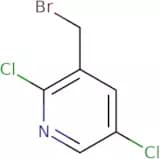
CAS:<p>Versatile small molecule scaffold</p>Formula:C18H12N2O2Purity:Min. 95%Molecular weight:288.3 g/mol3-(Bromomethyl)-2,5-dichloropyridine
CAS:<p>Versatile small molecule scaffold</p>Formula:C6H4BrCl2NPurity:Min. 95%Molecular weight:240.91 g/mol(1-Cyclopropylpyrazol-3-yl)methanamine hydrochloride
CAS:<p>Versatile small molecule scaffold</p>Formula:C7H12ClN3Purity:Min. 95%Molecular weight:173.65 g/mol(E)-ethyl 2-cyano-3-((3,5-difluorophenyl)amino)acrylate
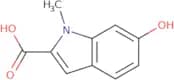
CAS:<p>Versatile small molecule scaffold</p>Formula:C12H10F2N2O2Purity:Min. 95%Molecular weight:252.22 g/mol6-Hydroxy-1-methyl-1H-indole-2-carboxylic acid
CAS:<p>Versatile small molecule scaffold</p>Formula:C10H9NO3Purity:Min. 95%Molecular weight:191.18 g/mol1-(5-Chloro-2-nitrobenzoyl)pyrrolidine
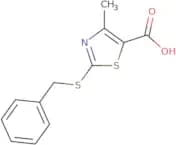
CAS:<p>1-(5-Chloro-2-nitrobenzoyl)pyrrolidine is a natural product with a bicyclic pyrrolidine ring. It is the primary metabolite of the alkaloid olivacine isolated from the plant family Apocynaceae. 1-(5-Chloro-2-nitrobenzoyl)pyrrolidine has been used as an analytical reference material and a quality control substance for HPLC, GC, and LC methods. This compound is also bioactive, which means that it can have an effect on living cells or organisms. 1-(5-Chloro-2-nitrobenzoyl)pyrrolidine is often used in research and development to screen for other compounds that may be useful for medicinal purposes.</p>Formula:C11H11ClN2O3Purity:Min. 95%Molecular weight:254.67 g/mol2-(Benzylsulfanyl)-4-methyl-1,3-thiazole-5-carboxylic acid
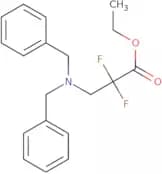
CAS:<p>Versatile small molecule scaffold</p>Formula:C12H11NO2S2Purity:Min. 95%Molecular weight:265.4 g/molethyl 3-(dibenzylaMino)-2,2-difluoropropanoate
CAS:<p>Versatile small molecule scaffold</p>Formula:C19H21F2NO2Purity:Min. 95%Molecular weight:333.37 g/mol6-Bromo-3-(trifluoromethyl)-[1,2,4]triazolo[4,3-a]pyridine
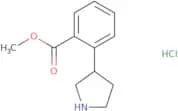
CAS:<p>Versatile small molecule scaffold</p>Formula:C7H3BrF3N3Purity:Min. 95%Molecular weight:266.02 g/molMethyl 2-(pyrrolidin-3-yl)benzoate hydrochloride
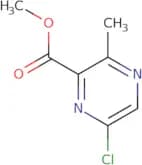
CAS:<p>Versatile small molecule scaffold</p>Formula:C12H16ClNO2Purity:Min. 95%Molecular weight:241.7 g/molMethyl 6-chloro-3-methylpyrazine-2-carboxylate
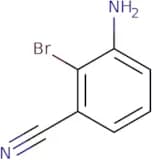
CAS:<p>Versatile small molecule scaffold</p>Formula:C7H7ClN2O2Purity:Min. 95%Molecular weight:186.6 g/mol3-amino-2-bromobenzonitrile
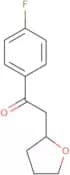
CAS:<p>Versatile small molecule scaffold</p>Formula:C7H5BrN2Purity:Min. 95%Molecular weight:197 g/mol1-(4-Fluorophenyl)-2-(oxolan-2-yl)ethan-1-one
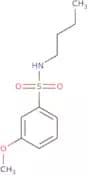
CAS:<p>Versatile small molecule scaffold</p>Formula:C12H13FO2Purity:Min. 95%Molecular weight:208.23 g/molN-Butyl-3-methoxybenzene-1-sulfonamide
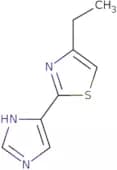
CAS:<p>Versatile small molecule scaffold</p>Formula:C11H17NO3SPurity:Min. 95%Molecular weight:243.32 g/mol4-Ethyl-2-(1H-imidazol-4-yl)-1,3-thiazole
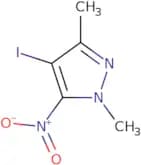
CAS:<p>Versatile small molecule scaffold</p>Formula:C8H9N3SPurity:Min. 95%Molecular weight:179.24 g/mol4-Iodo-1,3-dimethyl-5-nitro-1H-pyrazole
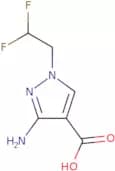
CAS:<p>Versatile small molecule scaffold</p>Formula:C5H6IN3O2Purity:Min. 95%Molecular weight:267.02 g/mol3-Amino-1-(2,2-difluoroethyl)-1H-pyrazole-4-carboxylic acid
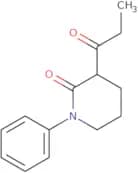
CAS:<p>Versatile small molecule scaffold</p>Formula:C6H7F2N3O2Purity:Min. 95%Molecular weight:191.14 g/mol1-Phenyl-3-propanoylpiperidin-2-one
CAS:<p>Versatile small molecule scaffold</p>Formula:C14H17NO2Purity:Min. 95%Molecular weight:231.29 g/molPotassium ({1-[(tert-butoxy)carbonyl]piperidin-4-ylidene}methyl)trifluoroboranuide
CAS:<p>Versatile small molecule scaffold</p>Formula:C11H18BF3KNO2Purity:Min. 95%Molecular weight:303.17 g/molPotassium ({1-[(tert-butoxy)carbonyl]azetidin-3-ylidene}methyl)trifluoroboranuide
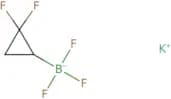
CAS:<p>Versatile small molecule scaffold</p>Formula:C9H14BF3KNO2Purity:Min. 95%Molecular weight:275.12 g/molPotassium (2,2-difluorocyclopropyl)trifluoroboranuide
CAS:<p>Versatile small molecule scaffold</p>Formula:C3H3BF5KPurity:Min. 95%Molecular weight:183.96 g/molPotassium {6-[(tert-butoxy)carbonyl]-2,2-difluoro-6-azaspiro[2.5]octan-1-yl}trifluoroboranuide
CAS:<p>Versatile small molecule scaffold</p>Formula:C12H18BF5KNO2Purity:Min. 95%Molecular weight:353.18 g/moltert-Butyl N-({4-[imino(methyl)oxo-λ6-sulfanyl]-1-methyl-1H-pyrazol-5-yl}methyl)carbamate
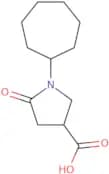
CAS:<p>Versatile small molecule scaffold</p>Formula:C11H20N4O3SPurity:Min. 95%Molecular weight:288.4 g/mol1-Cycloheptyl-5-oxopyrrolidine-3-carboxylic acid
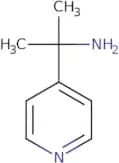
CAS:<p>Versatile small molecule scaffold</p>Formula:C12H19NO3Purity:Min. 95%Molecular weight:225.28 g/mol2-(Pyridin-4-yl)propan-2-amine
CAS:<p>Versatile small molecule scaffold</p>Formula:C8H12N2Purity:Min. 95%Molecular weight:136.2 g/mol2-(6-Methylpyridin-3-yl)propan-2-amine
CAS:<p>Versatile small molecule scaffold</p>Formula:C9H14N2Purity:Min. 95%Molecular weight:150.22 g/mol3-(2-Methoxyphenyl)-2,2-dimethylpropanoic acid
CAS:<p>Versatile small molecule scaffold</p>Formula:C12H16O3Purity:Min. 95%Molecular weight:208.25 g/molEthyl 2-(Chloromethyl)acrylate (stabilized with HQ)
CAS:<p>Ethyl 2-(chloromethyl)acrylate is a monomer that belongs to the group of fluoroalkyl. It has been shown to be capable of copolymerization with other monomers, such as methacrylic acid. Copolymers are often used in polymer films and coatings because they have excellent water repellent properties. Copolymers can also be made using azobisisobutyronitrile (AIBN), which is an initiator that produces radicals that react with the double bond in the acrylate monomer. The size-exclusion chromatography technique can be used to measure the molecular weight of polymers. Polymerization reactions are often performed in the presence of cyanamide, which is a source of nitrogen for use as a reducing agent in these reactions. The benzoate anion or salt can be used as a stabilizer for this type of reaction, producing an ethyl ester from the benzoic acid</p>Formula:C6H9ClO2Purity:Min. 95%Molecular weight:148.59 g/molMethyl 2-[2-(hydroxyimino)cyclohexyl]acetate
CAS:<p>Versatile small molecule scaffold</p>Formula:C9H15NO3Purity:Min. 95%Molecular weight:185.22 g/mol(2,3-Dihydro-1H-inden-4-yl)methanamine
CAS:<p>Versatile small molecule scaffold</p>Formula:C10H13NPurity:Min. 95%Molecular weight:147.22 g/mol(1-Benzofuran-6-yl)methanamine
CAS:<p>Versatile small molecule scaffold</p>Formula:C9H9NOPurity:Min. 95%Molecular weight:147.17 g/mol1-Phenyl-1H-imidazole-2(3H)-thione
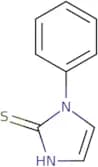
CAS:<p>1-Phenyl-1H-imidazole-2(3H)-thione is a ligand that binds to metal ions. It can be synthesized by reacting an olefinic compound with acetylacetonates in the presence of zirconium, forming a cyclopentadienyl complex. The chloride ion acts as a counterion and is removed when the reaction is complete. This product has a particle size of less than 10 micrometers and can be used for the synthesis of organic compounds with metal carbonate ligands.</p>Formula:C9H8N2SPurity:Min. 95%Molecular weight:176.24 g/mol1-(4-Chlorophenyl)-1H-imidazole-2(3H)-thione
CAS:<p>1-(4-Chlorophenyl)-1H-imidazole-2(3H)-thione is a crystalline solid that belongs to the class of imidazoles. It has been synthesized by reacting 1,2-dibromoethane with sodium methoxide in methanol. The compound was found to have a melting point of about 183°C and a molecular weight of 212.06 g/mol. This compound has been shown to interact with methanol, methoxide, and ethoxy groups. Crystallization occurs when the substance is heated to about 183°C in vacuum and then cooled slowly.</p>Formula:C9H7ClN2SPurity:Min. 95%Molecular weight:210.68 g/mol1-(4-Methoxyphenyl)-1H-imidazole-2(3H)-thione
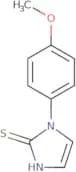
CAS:<p>Versatile small molecule scaffold</p>Formula:C10H10N2OSPurity:Min. 95%Molecular weight:206.26 g/mol1-(2,6-Dimethylphenyl)-2,3-dihydro-1H-imidazole-2-thione
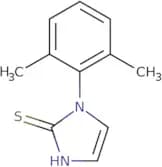
CAS:<p>Versatile small molecule scaffold</p>Formula:C11H12N2SPurity:Min. 95%Molecular weight:204.29 g/mol1-(4-Bromophenyl)imidazoline-2-thione
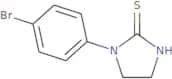
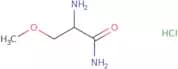
CAS:<p>Versatile small molecule scaffold</p>Formula:C9H7BrN2SPurity:Min. 95%Molecular weight:255.14 g/mol2-Amino-3-methoxypropanamide hydrochloride
CAS:<p>Versatile small molecule scaffold</p>Formula:C4H11ClN2O2Purity:Min. 95%Molecular weight:154.59 g/mol7-Chloro-3-phenyl-3H-[1,2,3]triazolo[4,5-d]pyrimidine
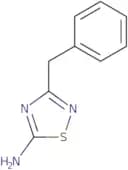
CAS:<p>Versatile small molecule scaffold</p>Formula:C10H6ClN5Purity:Min. 95%Molecular weight:231.64 g/mol3-Benzyl-1,2,4-thiadiazol-5-amine
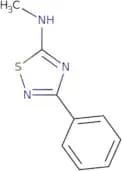
CAS:<p>Versatile small molecule scaffold</p>Formula:C9H9N3SPurity:Min. 95%Molecular weight:191.26 g/molN-Methyl-3-phenyl-1,2,4-thiadiazol-5-amine
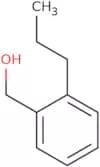
CAS:<p>Versatile small molecule scaffold</p>Formula:C9H9N3SPurity:Min. 95%Molecular weight:191.26 g/mol(2-Propylphenyl)methanol
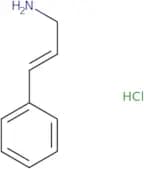
CAS:<p>2-Propylphenyl methy alcohol is a carboxylic acid that is used in the synthesis of esterification products. It reacts with an alcohol to form an ester. This reaction can be done by heating the carboxylic acid and the alcohol together, or by using a catalyst such as sulfuric acid. 2-Propylphenyl methy alcohol can also react with a reactive halogenated molecule to form an ether. This process is called hydrolysis, which is the breaking down of a compound through water molecules. 2-Propylphenyl methy alcohol will react with a chlorine atom to form a chloroalkoxide, which can then be used in another reaction.</p>Formula:C10H14OPurity:Min. 95%Molecular weight:150.22 g/molTranylcypromine Related Compound B
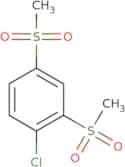
CAS:<p>Tranylcypromine Related Compound B (TCRB) is a fluorescent substrate for monoamine oxidase. It is used to measure the activity of this enzyme in biological samples, including plasma, urine, and cerebrospinal fluid. TCRB has been shown to be irreversibly fluorescent. TCRB is reversibly fluorescent when the pH of the sample is decreased by adding hydrochloric acid or sodium hydroxide. The fluorescence intensity decreases as pH increases from 2-6 and then increases as pH increases from 7-10 due to the accumulation of nonfluorescent products. Tranylcypromine also inhibits pepsin activity at low concentrations and can be used for measuring pepsin activity in vitro. This compound has been shown to have an operational half-life of about 18 hours in rats and about 27 hours in humans.</p>Formula:C9H11N·HClPurity:Min. 95%Molecular weight:169.65 g/mol1-Chloro-2,4-dimethanesulfonylbenzene
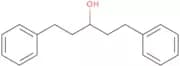
CAS:<p>Versatile small molecule scaffold</p>Formula:C8H9ClO4S2Purity:Min. 95%Molecular weight:268.7 g/mol1,5-Diphenylpentan-3-ol
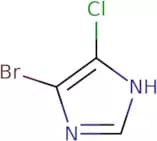
CAS:<p>Flindersia laevicarpa is a small tree native to Australia. The leaves of the tree are used for medicinal purposes and contain 1,5-diphenylpentan-3-ol. Flindersia laevicarpa has been shown to have anti-inflammatory and antioxidant properties, as well as an ability to inhibit platelet aggregation.</p>Formula:C17H20OPurity:Min. 95%Molecular weight:240.34 g/mol4-Bromo-5-chloro-1H-imidazole
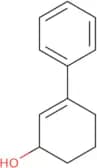
CAS:<p>Versatile small molecule scaffold</p>Formula:C3H2BrClN2Purity:Min. 95%Molecular weight:181.42 g/mol3-Phenylcyclohex-2-en-1-ol
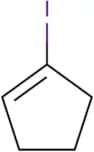
CAS:<p>Versatile small molecule scaffold</p>Formula:C12H14OPurity:Min. 95%Molecular weight:174.24 g/mol1-Iodocyclopent-1-ene
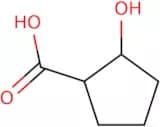
CAS:<p>Versatile small molecule scaffold</p>Formula:C5H7IPurity:Min. 95%Molecular weight:194.01 g/molCis-2-hydroxycyclopentanecarboxylic acid
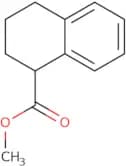
CAS:<p>Cis-2-hydroxycyclopentane-carboxylic acid is a tosyl ester that is used as an intramolecular nucleophile. It reacts with a variety of electrophiles, including dioxan, to form tosylates. Cis-2-hydroxycyclopentane carboxylic acid has been found to be a useful buffer in the analysis of its kinetics and spectroscopic studies. This compound also shows aqueous solubility that is dependent on the presence of carbon tetrachloride or borate.</p>Formula:C6H10O3Purity:Min. 95%Molecular weight:130.14 g/molMethyl 1,2,3,4-tetrahydronaphthalene-1-carboxylate
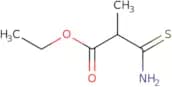
CAS:<p>Versatile small molecule scaffold</p>Formula:C12H14O2Purity:Min. 95%Molecular weight:190.24 g/molethyl 2-carbamothioyl-2-methylacetate
CAS:<p>Versatile small molecule scaffold</p>Formula:C6H11NO2SPurity:Min. 95%Molecular weight:161.22 g/molMethyl 4-hydroxy-[1,1'-biphenyl]-3-carboxylate
CAS:<p>Versatile small molecule scaffold</p>Formula:C14H12O3Purity:Min. 95%Molecular weight:228.24 g/mol5-(4-Methylphenyl)-3H,4H-thieno[2,3-d]pyrimidin-4-one
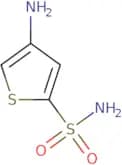
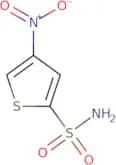
CAS:<p>Versatile small molecule scaffold</p>Formula:C13H10N2OSPurity:Min. 95%Molecular weight:242.3 g/mol4-Aminothiophene-2-sulfonamide
CAS:<p>Versatile small molecule scaffold</p>Formula:C4H6N2O2S2Purity:Min. 95%Molecular weight:178.2 g/mol4-Nitrothiophene-2-sulfonamide
CAS:<p>Versatile small molecule scaffold</p>Formula:C4H4N2O4S2Purity:Min. 95%Molecular weight:208.2 g/molC-(1-Phenyl-cyclopentyl)-methylamine hydrochloride
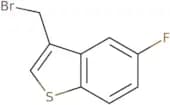
CAS:<p>C-(1-Phenyl-cyclopentyl)-methylamine hydrochloride is a versatile compound that has various applications in different industries. It is commonly used as a racemase inhibitor and can be found in medications such as tiagabine hydrochloride, which is used to treat epilepsy. This compound also acts as a glycoprotein stabilizer and plasticizer, making it useful in the production of pharmaceuticals and plastics. Additionally, C-(1-Phenyl-cyclopentyl)-methylamine hydrochloride is used in the synthesis of other chemicals like l-lysine, metformin hydrochloride, and hydroxybenzoic acid. Its unique properties also make it suitable for research purposes, including the development of microcapsules and electrodes. With its diverse range of applications, this compound plays a crucial role in various industries.</p>Formula:C12H18ClNPurity:Min. 95%Molecular weight:211.74 g/mol3-(Bromomethyl)-5-fluoro-1-benzothiophene
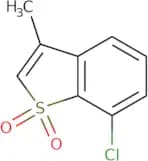
CAS:<p>Versatile small molecule scaffold</p>Formula:C9H6BrFSPurity:Min. 95%Molecular weight:245.11 g/mol7-Chloro-3-methyl-1λ⁶-benzothiophene-1,1-dione
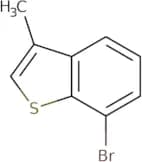
CAS:<p>Versatile small molecule scaffold</p>Formula:C9H7ClO2SPurity:Min. 95%Molecular weight:214.67 g/mol7-Bromo-3-methyl-1-benzothiophene
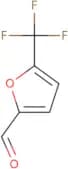
CAS:<p>Versatile small molecule scaffold</p>Formula:C9H7BrSPurity:Min. 95%Molecular weight:227.12 g/mol5-(Trifluoromethyl)-2-furaldehyde
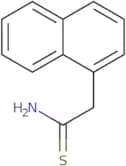
CAS:<p>5-(Trifluoromethyl)-2-furaldehyde is a trifluoroacetate that is used for the trifluoromethylation of organic compounds. It can be used to produce 5,5-difluoro-2-pentanol, which is an organic solvent. The reaction proceeds through an electrophilic substitution mechanism.</p>Formula:C6H3F3O2Purity:Min. 95%Molecular weight:164.08 g/mol2-(Naphthalen-1-yl)ethanethioamide
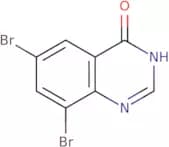
CAS:<p>2-(Naphthalen-1-yl)ethanethioamide is a phytohormone that belongs to the class of ethylene. It is involved in the regulation of many processes, including apical dominance, peduncle elongation, leaf senescence, and fruit ripening. 2-(Naphthalen-1-yl)ethanethioamide is an active form of ethylene that binds to the receptor protein ETR1. This binding stimulates the synthesis of proteins that regulate these processes. It has been shown to be effective in treating flowers with inflorescence stems and fruits with peduncles. The transformation process may involve hydrocarbon molecules with long aliphatic chains.</p>Formula:C12H11NSPurity:Min. 95%Molecular weight:201.29 g/mol6,8-Dibromo-3,4-dihydroquinazolin-4-one
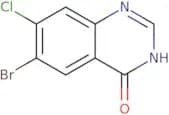
CAS:<p>Versatile small molecule scaffold</p>Formula:C8H4Br2N2OPurity:Min. 95%Molecular weight:303.94 g/mol6-Bromo-7-chloroquinazolin-4(3H)-one
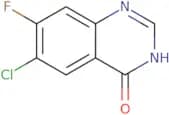
CAS:<p>Versatile small molecule scaffold</p>Formula:C8H4BrClN2OPurity:Min. 95%Molecular weight:259.49 g/mol6-Chloro-7-fluoro-3,4-dihydroquinazolin-4-one
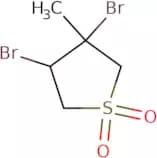
CAS:<p>Versatile small molecule scaffold</p>Formula:C8H4ClFN2OPurity:Min. 95%Molecular weight:198.58 g/mol3,4-Dibromo-3-methyltetrahydrothiophene 1,1-dioxide
CAS:<p>Versatile small molecule scaffold</p>Formula:C5H8Br2O2SPurity:Min. 95%Molecular weight:291.99 g/mol5-(4-Methoxyphenyl)-3H,4H-thieno[2,3-d]pyrimidin-4-one
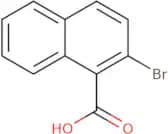
CAS:<p>Versatile small molecule scaffold</p>Formula:C13H10N2O2SPurity:Min. 95%Molecular weight:258.3 g/mol2-Bromonaphthalene-1-carboxylic acid
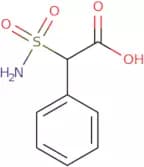
CAS:<p>2-Bromonaphthalene-1-carboxylic acid is a carboxylic acid that is converted to 2-bromo-1,2-diphenylethane by the action of deuterium. This reaction was rationalized by invoking an intramolecular nucleophilic substitution. The yields of the reaction were investigated and found to be dependent on the conditions employed. The mechanism of this reaction is unknown but was shown to be stereoselective due to the use of copper as a catalyst. The molecular ion peaks for this compound were observed at m/z 219 and 160, which corresponded to CBrNO and CBrN respectively. The fragmentation patterns for these ions are characteristic of a carboxylic acid with one para substituent and one ortho substituent. This compound has not been studied in great detail due to its uninvestigated nature.</p>Formula:C11H7BrO2Purity:Min. 95%Molecular weight:251.08 g/mol2-Phenyl-2-sulfamoylacetic acid
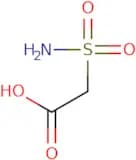
CAS:<p>Versatile small molecule scaffold</p>Formula:C8H9NO4SPurity:Min. 95%Molecular weight:215.23 g/mol2-Sulfamoylacetic acid
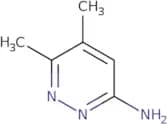
CAS:<p>2-Sulfamoylacetic acid is a sulfonamide drug that is used in the treatment of blood pressure and insulin resistance. It is an activated form of 2-sulfamoylacetamide, which has been shown to inhibit cholesterol acyltransferase. This inhibition reduces cholesterol synthesis and subsequently lowers blood pressure levels. It also inhibits fatty acid synthesis, which prevents the accumulation of triglycerides in the bloodstream, reducing insulin resistance. The conversion of 2-sulfamoylacetic acid to 2-sulfamoylacetamide is facilitated by hydroxyl groups and logistic regression analysis confirmed that this conversion was dependent on wastewater treatment.</p>Formula:C2H5NO4SPurity:Min. 95%Molecular weight:139.13 g/mol5,6-Dimethylpyridazin-3-amine
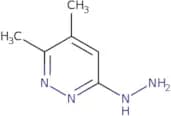
CAS:<p>Versatile small molecule scaffold</p>Formula:C6H9N3Purity:Min. 95%Molecular weight:123.16 g/mol6-Hydrazinyl-3,4-dimethylpyridazine
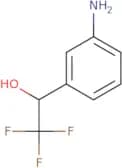
CAS:<p>Versatile small molecule scaffold</p>Formula:C6H10N4Purity:Min. 95%Molecular weight:138.17 g/mol1-(3-Aminophenyl)-2,2,2-trifluoroethan-1-ol
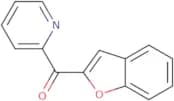
CAS:<p>Versatile small molecule scaffold</p>Formula:C8H8F3NOPurity:Min. 95%Molecular weight:191.15 g/mol2-(1-Benzofuran-2-carbonyl)pyridine
CAS:<p>Versatile small molecule scaffold</p>Formula:C14H9NO2Purity:Min. 95%Molecular weight:223.23 g/mol2-[(E)-2-(4-Methoxyphenyl)ethenyl]-1H-pyrrole
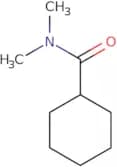
CAS:<p>Versatile small molecule scaffold</p>Formula:C13H13NOPurity:Min. 95%Molecular weight:199.2 g/molN,N-Dimethylcyclohexanecarboxamide
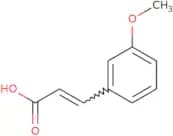
CAS:<p>N,N-Dimethylcyclohexanecarboxamide is an acid salt of besylate that is used as a drug for the treatment of hyperglycemia. It has been shown to have a rapid onset and short duration of action. The chemical name for N,N-Dimethylcyclohexanecarboxamide is 1-[2-(2-methoxyethoxy)ethyl]-4-methyl-1,4-dihydropyridine 2,4-dicarboxylic acid methyl ester. This compound inhibits insulin release from the pancreas and stimulates glucagon release from the alpha cells in the pancreas. These effects lead to an increase in blood glucose levels.</p>Formula:C9H17NOPurity:Min. 95%Molecular weight:155.24 g/mol3-(3-Methoxyphenyl)prop-2-enoic acid
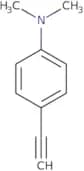
CAS:<p>3-(3-Methoxyphenyl)prop-2-enoic acid is a phenolic compound that has been shown to have anti-inflammatory effects in bowel disease. It also has antioxidant properties and can inhibit the production of acetate, a toxic byproduct of lipid peroxidation. This compound is found in many natural products, such as coffee beans and green tea leaves. 3-(3-methoxyphenyl)prop-2-enoic acid exhibits strong free radical scavenging activity and may be used for the prevention of metabolic disorders due to its ability to inhibit mitochondrial membrane potential. 3-(3-methoxyphenyl)prop-2-enoic acid also inhibits the growth of carcinoma cells, which may be due to its inhibition of tumor cell proliferation or induction of apoptosis.</p>Formula:C10H10O3Purity:Min. 95%Molecular weight:178.18 g/mol4-Ethynyl-N,N-dimethylaniline
CAS:<p>4-Ethynyl-N,N-dimethylaniline (EDMA) is a potential drug candidate for the treatment of cancer. EDMA has been shown to have anti-cancer activity in vitro and in vivo. It inhibits the growth of cancer cells by binding to amines and other functional groups, which prevents their use by enzymes. This binding also prevents the production of reactive oxygen species, leading to cell death. The structure of EDMA has been determined using X-ray crystallography, which showed that it binds to chloride ions in a catalytic mechanism. The chloride ion was found to be an important component for the drug’s activity. EDMA also has anti-inflammatory properties due to its ability to inhibit hydroxamic acid synthesis in neutrophils and macrophages.</p>Formula:C10H11NPurity:Min. 95%Molecular weight:145.2 g/mol2-[(Hydroxyimino)methyl]-6-nitrophenol
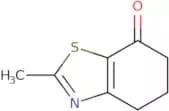
CAS:<p>Versatile small molecule scaffold</p>Formula:C7H6N2O4Purity:Min. 95%Molecular weight:182.13 g/mol2-Methyl-4,5,6,7-tetrahydro-1,3-benzothiazol-7-one
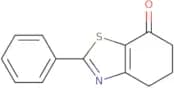
CAS:<p>Versatile small molecule scaffold</p>Formula:C8H9NOSPurity:Min. 95%Molecular weight:167.23 g/mol2-Phenyl-4,5,6,7-tetrahydro-1,3-benzothiazol-7-one
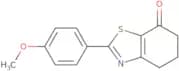
CAS:<p>Versatile small molecule scaffold</p>Formula:C13H11NOSPurity:Min. 95%Molecular weight:229.3 g/mol2-(4-Methoxyphenyl)-4,5,6,7-tetrahydro-1,3-benzothiazol-7-one
CAS:<p>Versatile small molecule scaffold</p>Formula:C14H13NO2SPurity:Min. 95%Molecular weight:259.33 g/mol(2R)-2-Amino-3-methanesulfonylpropanoic acid
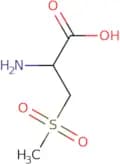
CAS:<p>Versatile small molecule scaffold</p>Formula:C4H9NO4SPurity:Min. 95%Molecular weight:167.19 g/mol2-[(Dimethylamino)methyl]cyclohexan-1-ol
CAS:<p>Versatile small molecule scaffold</p>Formula:C9H19NOPurity:Min. 95%Molecular weight:157.25 g/mol2,5-Dioxopyrrolidin-1-yl formate
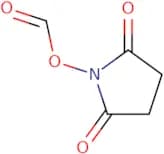
CAS:<p>2,5-Dioxopyrrolidin-1-yl formate is a solubilized ATP analog that has been clinically developed for the treatment of cancer. This drug binds to cell membranes and causes alkylation of the acidic phospholipids in the membrane, leading to increased permeability of the membrane and release of intracellular components. 2,5-Dioxopyrrolidin-1-yl formate also interacts with lysosomes and increases their acidity, which may lead to an increase in lysosomal enzyme activity. This drug has been shown to inhibit tumor growth in a mouse model by binding to erythrocytes while it was being simultaneously administered intravenously. The chemical structures of this drug are closely related to those of phaseolus, which is known for its anticancer effects.</p>Formula:C5H5NO4Purity:Min. 95%Molecular weight:143.1 g/mol2,4-Dichloro-5-methylaniline
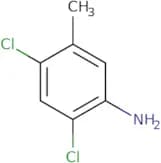
CAS:<p>Versatile small molecule scaffold</p>Formula:C7H7Cl2NPurity:Min. 95%Molecular weight:176.04 g/mol1-Azabicyclo[3.2.1]octan-4-one
CAS:<p>Versatile small molecule scaffold</p>Formula:C7H11NOPurity:Min. 95%Molecular weight:125.17 g/mol4-Oxo-cycloheptanecarboxylic acid methyl ester
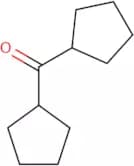
CAS:<p>4-Oxo-cycloheptanecarboxylic acid methyl ester is a transfer, mediated, electron, expansion electron transfer agent that can be used for the production of acrylic acid. It is typically used as an intermediate in the production of nylon 6 and nylon 66.</p>Formula:C9H14O3Purity:Min. 95%Molecular weight:170.21 g/molDicyclopentylmethanone
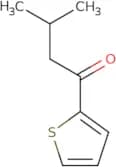
CAS:<p>Dicyclopentylmethanone is an anabolic agent that is used as a progestational, antibiotic, or antiviral agent. It binds to the hydroxy group of the enzyme's active site and inhibits it from binding to its substrate. Dicyclopentylmethanone also has antiviral activity against some viruses by binding to their ribonucleic acid (RNA) and preventing viral replication. This drug may be used in vaccines to stimulate antibody production, but it has not been approved for this use.</p>Formula:C11H18OPurity:Min. 95%Molecular weight:166.26 g/mol3-Methyl-1-(thiophen-2-yl)butan-1-one
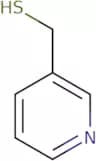
CAS:<p>Versatile small molecule scaffold</p>Formula:C9H12OSPurity:Min. 95%Molecular weight:168.26 g/mol3-Pyridinemethanethiol
CAS:<p>3-Pyridinemethanethiol is a ketone with the formula CHCH(SH). It is a ligand that reacts with metals in a variety of coordination complexes. 3-Pyridinemethanethiol reacts with alkyl groups to form cyclic thioketones, which are intermediates in many organic syntheses. The reaction of 3-pyridinemethanethiol with diethyl ether can be followed by voltammetry and has been used to measure the rate of the reaction. 3-Pyridinemethanethiol can also be used as a cocatalyst for reactions involving acid catalysts, such as inorganic acids. This compound has been shown to react with transition metal salts to form coordination complexes and undergo reactions involving oxidation or reduction.</p>Formula:C6H7NSPurity:Min. 95%Molecular weight:125.19 g/molDisodium 4-sulfinatobenzoate
CAS:<p>Versatile small molecule scaffold</p>Formula:C7H4Na2O4SPurity:Min. 95%Molecular weight:230.1 g/mol2-[4-Amino(methyl)anilino]-1-ethanol
CAS:<p>Versatile small molecule scaffold</p>Formula:C9H14N2OPurity:Min. 95%Molecular weight:166.22 g/mol2-{2-[Bis(2-hydroxyethyl)amino]ethoxy}ethan-1-ol
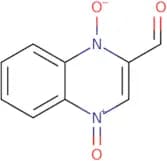
CAS:<p>Versatile small molecule scaffold</p>Formula:C8H19NO4Purity:Min. 95%Molecular weight:193.24 g/mol1,4-Dioxoquinoxaline-2-carboxaldehyde
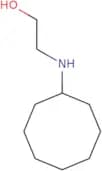
CAS:<p>1,4-Dioxoquinoxaline-2-carboxaldehyde is a drug metabolite that binds to the enzyme cytochrome P450. It is an anti-infective agent that inhibits bacterial growth by binding to DNA-dependent RNA polymerase, thereby preventing transcription and replication. The high frequency of human activity has been shown using a patch-clamp technique on human erythrocytes. This active form is metabolized through a number of metabolic transformations, including hydrolysis by esterases or glucuronidases, oxidation by cytochrome P450 enzymes, reduction by glutathione reductase, or conjugation with glucuronic acid. 1,4-Dioxoquinoxaline-2-carboxaldehyde also specifically binds to markers expressed at high levels in Mycobacterium tuberculosis strains (e.g., ESX-1 secretion system protein) and inhibits cell growth in culture.</p>Formula:C9H6N2O3Purity:Min. 95%Molecular weight:190.16 g/mol2-(Cyclooctylamino)ethan-1-ol
CAS:<p>Versatile small molecule scaffold</p>Formula:C10H21NOPurity:Min. 95%Molecular weight:171.28 g/mol2,3-Dimethyl-quinoxaline-6-carboxylic acid
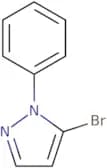
CAS:<p>Versatile small molecule scaffold</p>Formula:C11H10N2O2Purity:Min. 95%Molecular weight:202.21 g/mol5-Bromo-1-phenyl-1H-pyrazole
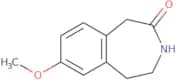
CAS:<p>Versatile small molecule scaffold</p>Formula:C9H7BrN2Purity:Min. 95%Molecular weight:223.07 g/mol7-Methoxy-2,3,4,5-tetrahydro-1H-3-benzazepin-2-one
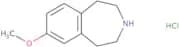
CAS:<p>Versatile small molecule scaffold</p>Formula:C11H13NO2Purity:Min. 95%Molecular weight:191.23 g/mol7-methoxy-2,3,4,5-tetrahydro-1H-3-benzazepine hydrochloride
CAS:<p>Versatile small molecule scaffold</p>Formula:C11H16ClNOPurity:Min. 95%Molecular weight:213.71 g/mol2-Chloro-N-[2-(4-methoxyphenyl)ethyl]acetamide
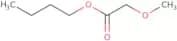
CAS:<p>Versatile small molecule scaffold</p>Formula:C11H14ClNO2Purity:Min. 95%Molecular weight:227.69 g/molButyl 2-methoxyacetate
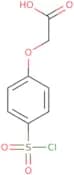
CAS:<p>Butyl 2-methoxyacetate is a solvent that is used in the polymerization of acrylate monomers. It can also be used as a polymerization initiator to initiate the polymerization of acrylic acid, methacrylic acid and acrylonitrile. Butyl 2-methoxyacetate has an acidic nature and reacts with inorganic salts such as sodium hydroxide or potassium hydroxide. This reaction produces an organic salt, which can be isolated by crystallization. The hydrocarbon group on butyl 2-methoxyacetate makes it useful for extraction of lipids from natural sources. Butyl 2-methoxyacetate is also used as a solid catalyst in the polymerization of styrene, vinyl acetate and other aliphatic hydrocarbons.</p>Formula:C7H14O3Purity:Min. 95%Molecular weight:146.18 g/mol2-(4-(Chlorosulfonyl)phenoxy)acetic acid
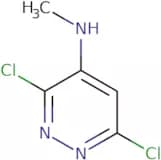
CAS:<p>Versatile small molecule scaffold</p>Formula:C8H7ClO5SPurity:Min. 95%Molecular weight:250.66 g/mol3,6-Dichloro-N-methylpyridazin-4-amine
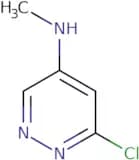
CAS:<p>Versatile small molecule scaffold</p>Formula:C5H5Cl2N3Purity:Min. 95%Molecular weight:178.02 g/mol6-Chloro-N-methylpyridazin-4-amine
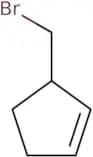
CAS:<p>Versatile small molecule scaffold</p>Formula:C5H6ClN3Purity:Min. 95%Molecular weight:143.57 g/mol3-(Bromomethyl)cyclopent-1-ene
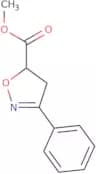
CAS:<p>Versatile small molecule scaffold</p>Formula:C6H9BrPurity:Min. 95%Molecular weight:161.04 g/molMethyl 3-phenyl-4,5-dihydro-1,2-oxazole-5-carboxylate
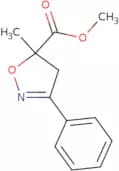
CAS:<p>Versatile small molecule scaffold</p>Formula:C11H11NO3Purity:Min. 95%Molecular weight:205.21 g/molMethyl 5-methyl-3-phenyl-4,5-dihydro-1,2-oxazole-5-carboxylate
CAS:<p>Versatile small molecule scaffold</p>Formula:C12H13NO3Purity:Min. 95%Molecular weight:219.24 g/mol1-(4-Amino-1,2,5-oxadiazol-3-yl)ethan-1-one
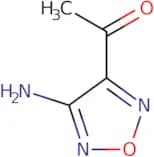
CAS:<p>Versatile small molecule scaffold</p>Formula:C4H5N3O2Purity:Min. 95%Molecular weight:127.1 g/mol4,4-Bis(methylsulfanyl)but-3-en-2-one
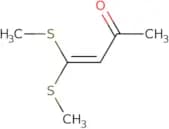
CAS:<p>Versatile small molecule scaffold</p>Formula:C6H10OS2Purity:Min. 95%Molecular weight:162.3 g/mol2-Butylpyrrolidine hydrochloride
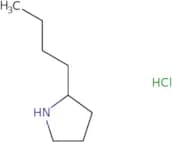
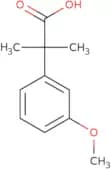
CAS:<p>Versatile small molecule scaffold</p>Formula:C8H18ClNPurity:Min. 95%Molecular weight:163.69 g/mol2-(3-Methoxyphenyl)-2-methylpropanoic acid
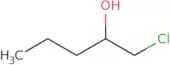
CAS:<p>Versatile small molecule scaffold</p>Formula:C11H14O3Purity:Min. 95%Molecular weight:194.23 g/mol1-Chloropentan-2-ol
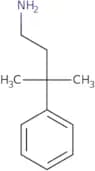
CAS:<p>1-Chloropentan-2-ol is an allylphenol compound with a chiral center. It is used as a chiral synthon in the synthesis of pharmaceutically active compounds, including pharmaceuticals and agrochemicals. 1-Chloropentan-2-ol can be synthesized by the reaction of allyl bromide and chloroform in the presence of copper(I) iodide and a diphosphine catalyst. This process generates enantiomeric excesses of up to 99%. The use of bimetallic catalysts can also increase the enantioselectivity, with selectivities up to 99% ee.<br>1-Chloropentan-2-ol has been shown to be effective as a chiral catalyst in the formation of chlorohydrins from primary amines or secondary amines. Chlorohydrins are intermediates in organic synthesis, which are used for the production of</p>Formula:C5H11ClOPurity:Min. 95%Molecular weight:122.59 g/mol3-Methyl-3-phenylbutan-1-amine
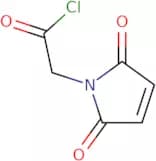
CAS:<p>Versatile small molecule scaffold</p>Formula:C11H17NPurity:Min. 95%Molecular weight:163.26 g/mol2-(2,5-Dioxo-2,5-dihydro-1H-pyrrol-1-yl)acetyl chloride
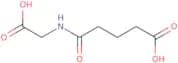
CAS:<p>2-(2,5-Dioxo-2,5-dihydro-1H-pyrrol-1-yl)acetyl chloride is a stereoselective monomer for the preparation of polymers and acetoxy compounds. It is used as an acylation agent and has been shown to react with azetidinones. 2-(2,5-Dioxo-2,5-dihydro-1H-pyrrol-1-yl)acetyl chloride is a colorless liquid that can be synthesized by reacting acetaldehyde with pyrrole in the presence of sodium <br>desulfite.</p>Formula:C6H4ClNO3Purity:Min. 95%Molecular weight:173.55 g/molN-Glutarylglycin
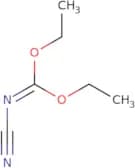
CAS:<p>N-Glutarylglycin is an antiretroviral drug that inhibits the HIV virus from infecting human cells. It is a type of nucleoside analog and works by blocking the reverse transcriptase enzyme, which is necessary for viral replication. N-Glutarylglycin has been shown to be effective in treating cardiac and renal diseases caused by HIV infection, as well as other diseases such as atherosclerosis. The drug is not active against viruses that do not use reverse transcriptase or that replicate within the cytoplasm of a cell. N-Glutarylglycin has also been shown to have probiotic properties, which may be due to its ability to stimulate intestinal bacterial growth and inhibit the adhesion of certain bacteria to intestinal epithelial cells.</p>Formula:C7H11NO5Purity:Min. 95%Molecular weight:189.17 g/molEthyl N-cyanoethoxycarboximidate
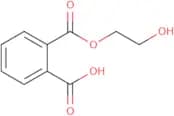
CAS:<p>Ethyl N-cyanoethoxycarboximidate is a chemical compound that is used to synthesize selenadiazoles. This compound undergoes photolysis with ultraviolet light, which leads to the formation of the corresponding oxadiazole. The sulfur analogues of this compound are thermally stable and can be synthesized using catalytic hydrogenation or hydrolysis. Ethyl N-cyanoethoxycarboximidate has been shown to react with alkenes in a rearrangement reaction and also undergoes thermolysis when heated.</p>Formula:C6H10N2O2Purity:Min. 95%Molecular weight:142.16 g/mol2-((2-Hydroxyethoxy)carbonyl)benzoic acid
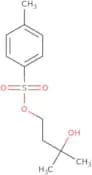
CAS:<p>2-((2-Hydroxyethoxy)carbonyl)benzoic acid (HECA) is a reactive and catalytic ligand that can be used to study the kinetics and mechanism of transition metal catalyzed reactions. HECA binds to transition metals such as nickel, palladium, platinum, and copper. It is also a ligand for alkoxides and alcohols. HECA has been shown to be an effective catalyst in organic synthesis, including the catalysis of oxidative addition reactions.</p>Formula:C10H10O5Purity:Min. 95%Molecular weight:210.18 g/mol3-hydroxy-3-methylbutyl 4-methylbenzenesulfonate
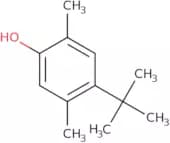
CAS:<p>Versatile small molecule scaffold</p>Formula:C12H18O4SPurity:Min. 95%Molecular weight:258.34 g/mol4-(tert-Butyl)-2,5-dimethylphenol
CAS:<p>Versatile small molecule scaffold</p>Formula:C12H18OPurity:Min. 95%Molecular weight:178.27 g/molN-Hydroxyfuran-2-carboxamide
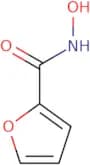
CAS:<p>Furfural is a sugar-derived compound that has been used in the production of polyurethane and other synthetic materials. It is also a major component of "coffee grounds" and can be found in many food products, such as bakery goods, cocoa, and chocolate. Furfural inhibits lipases by binding to the active site of the enzyme which prevents it from breaking down fats. The basic group on furfural interacts with the active site of the enzyme, which slows down its reaction rate. A mathematical model has been created to help determine kinetic parameters for furfural's inhibitory effect on lipases. These parameters are then used to measure the affinity between furfural and the enzyme's active site based on mathematical theory. Furfural also has an inhibitory effect on hydroxamic acid-type enzymes by binding to their active sites and reducing their enzymatic activity. This may be due to its ability to form hydrogen bonds with water molecules at the active site of</p>Formula:C5H5NO3Purity:Min. 95%Molecular weight:127.1 g/molN-Hydroxythiophene-2-carboxamide
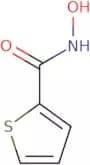
CAS:<p>N-Hydroxythiophene-2-carboxamide is an organic compound that contains a furyl, hydroxamic, alkenyl, halogen atoms, pyridyl, endoparasites, alkynyl, sulfur, cycloalkyl, heteroaryl and nitro group. It is used as a pesticide for the control of various plant diseases. N-Hydroxythiophene-2-carboxamide has been shown to be effective against various fungi and parasites in laboratory tests.</p>Formula:C5H5NO2SPurity:Min. 95%Molecular weight:143.17 g/molBenzyl 3-hydroxy-2,2-dimethylpropanoate
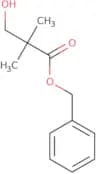
CAS:<p>Benzyl 3-hydroxy-2,2-dimethylpropanoate is a prodrug that is metabolized to the active form, benzyl 3-hydroxy-2,2-dimethylpropionate (BZMDP), by esterases. It has been shown to have pharmacological effects in animals and humans. BZMDP is a pyrazole derivative with a carbonyl group and an alkylene chain. It binds to the human liver enzyme cytochrome P450 2C8 and inhibits the metabolism of acetaminophen, thereby increasing its bioavailability. As an analgesic agent, BZMDP has been shown to be effective against postoperative pain in animal studies. BZMDP has also been shown to reduce hyperglycemia in diabetic mice through inhibition of carbohydrate metabolism at the level of glycolysis.</p>Formula:C12H16O3Purity:Min. 95%Molecular weight:208.26 g/mol3-Methoxypropyl isothiocyanate
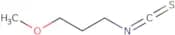
CAS:<p>Versatile small molecule scaffold</p>Formula:C5H9NOSPurity:Min. 95%Molecular weight:131.2 g/mol2-Amino-2-methyl-propanamide HCl
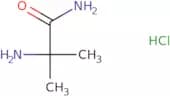
CAS:<p>Versatile small molecule scaffold</p>Formula:C4H11ClN2OPurity:Min. 95%Molecular weight:138.6 g/mol2-Amino-2-ethylbutanamide hydrochloride
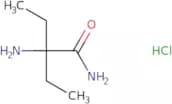
CAS:<p>Versatile small molecule scaffold</p>Formula:C6H15ClN2OPurity:Min. 95%Molecular weight:166.65 g/mol1-Aminocyclopentane-1-carboxamide hydrochloride
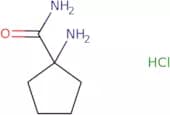
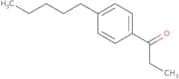
CAS:<p>1-Aminocyclopentane-1-carboxamide hydrochloride is a potent and selective inhibitor of neutral endopeptidase (NEP) that can be used for the treatment of migraine. This drug is a competitive antagonist at the NEP receptor, which is located in the central nervous system. 1-Aminocyclopentane-1-carboxamide hydrochloride has shown to be an effective treatment for migraine sufferers, with minimal side effects.</p>Formula:C6H13ClN2OPurity:Min. 95%Molecular weight:164.63 g/mol1-(4-Pentylphenyl)propan-1-one
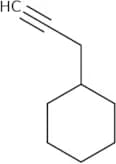
CAS:<p>Versatile small molecule scaffold</p>Formula:C14H20OPurity:Min. 95%Molecular weight:204.31 g/mol3-Cyclohexyl-1-propyne
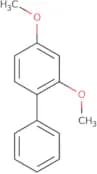
CAS:<p>3-Cyclohexyl-1-propyne is a molecule that has been synthesized using palladium-catalyzed coupling. This compound has been shown to inhibit the growth of staphylococcus, and other bacteria, by inhibiting pyrazole synthesis. 3-Cyclohexyl-1-propyne can also be used for the preparation of conjugates with chemical species such as hydroxy groups. The use of homogeneous catalysts and the use of stereoselective reactions have made this process highly efficient.</p>Formula:C9H14Purity:Min. 95%Molecular weight:122.21 g/mol2,4-Dimethoxy-1-phenylbenzene
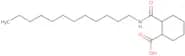
CAS:<p>Versatile small molecule scaffold</p>Formula:C14H14O2Purity:Min. 95%Molecular weight:214.26 g/molrac-(1R,2S)-2-(Dodecylcarbamoyl)cyclohexane-1-carboxylic acid
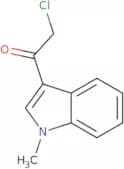
CAS:<p>Versatile small molecule scaffold</p>Formula:C20H37NO3Purity:Min. 95%Molecular weight:339.5 g/mol2-Chloro-1-(1-methyl-1H-indol-3-yl)-ethanone
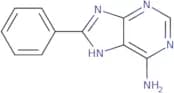
CAS:Controlled Product<p>Versatile small molecule scaffold</p>Formula:C11H10ClNOPurity:Min. 95%Molecular weight:207.66 g/mol8-Phenyl-9H-purin-6-amine
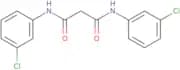
CAS:<p>8-Phenyl-9H-purin-6-amine is a purine nucleoside that has been shown to be an antagonist of the adenosine receptor. Purines are found in DNA and RNA, and they are used as a source of energy in cells. The purines can also act as signaling molecules in the body by binding to adenosine receptors. This drug inhibits these receptors, which may be useful for treating intestinal diseases (e.g., irritable bowel syndrome). 8-Phenyl-9H-purin-6-amine has also been shown to inhibit cancer cell growth and tumor formation. It interacts with the G protein coupled receptors, which may lead to its antihypertensive effect.</p>Formula:C11H9N5Purity:Min. 95%Molecular weight:211.22 g/molN,N'-Bis(3-chlorophenyl)propanediamide
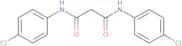
CAS:<p>Versatile small molecule scaffold</p>Formula:C15H12Cl2N2O2Purity:Min. 95%Molecular weight:323.2 g/molN,N'-Bis(4-chlorophenyl)propanediamide
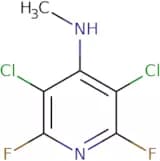
CAS:<p>Versatile small molecule scaffold</p>Formula:C15H12Cl2N2O2Purity:Min. 95%Molecular weight:323.2 g/mol3,5-Dichloro-2,6-difluoro-N-methyl-4-pyridinamine
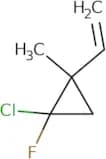
CAS:<p>Versatile small molecule scaffold</p>Formula:C6H4Cl2F2N2Purity:Min. 95%Molecular weight:213.01 g/mol1-Chloro-2-ethenyl-1-fluoro-2-methylcyclopropane
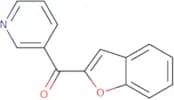
CAS:<p>Versatile small molecule scaffold</p>Formula:C6H8ClFPurity:Min. 95%Molecular weight:134.58 g/mol3-(1-Benzofuran-2-carbonyl)pyridine
CAS:<p>Versatile small molecule scaffold</p>Formula:C14H9NO2Purity:Min. 95%Molecular weight:223.23 g/mol7-Phenylheptan-1-amine
CAS:<p>Versatile small molecule scaffold</p>Formula:C13H21NPurity:Min. 95%Molecular weight:191.3 g/mol[(4-Chlorophenyl)amino](oxo)acetic acid
CAS:<p>Versatile small molecule scaffold</p>Formula:C8H6ClNO3Purity:Min. 95%Molecular weight:199.59 g/mol[(3-Methylphenyl)carbamoyl]formic acid
CAS:<p>Versatile small molecule scaffold</p>Formula:C9H9NO3Purity:Min. 95%Molecular weight:179.17 g/mol2-{[(4-Bromophenyl)methyl]sulfanyl}acetic acid
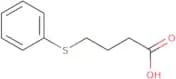
CAS:<p>Versatile small molecule scaffold</p>Formula:C9H9BrO2SPurity:Min. 95%Molecular weight:261.14 g/mol4-(Phenylsulfanyl)butanoic acid
CAS:<p>4-(Phenylsulfanyl)butanoic acid is an analog of retinoic acid, which is a metabolite of vitamin A. This drug has been shown to have both activating and inhibitory effects on the kidney cell, depending on the concentration. It has been shown to be effective in reducing acute kidney injury in rats by inhibiting the production of inflammatory cytokines. 4-(Phenylsulfanyl)butanoic acid has also been shown to activate N-acetylglucosamine kinase, which plays an important role in protein synthesis and cell division. The pharmacophore for this drug is a phenylsulfanyl group with a butanoyl chain. This drug binds to a protein target, which activates or inhibits various proteins that are involved in cellular processes such as protein synthesis, cell division, and activation of inflammatory cytokines.</p>Formula:C10H12O2SPurity:Min. 95%Molecular weight:196.26 g/mol2-{2-Methylimidazo[1,2-a]pyridin-3-yl}acetic acid
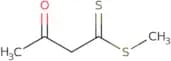
CAS:<p>Versatile small molecule scaffold</p>Formula:C10H10N2O2Purity:Min. 95%Molecular weight:190.2 g/molMethyl 3-oxobutanedithioate
CAS:<p>Methyl 3-oxobutanedithioate is a lead compound that can be used to lower blood glucose levels. It is a ligand that binds to the peroxisome proliferator-activated receptor gamma (PPARγ) and activates it, causing insulin sensitivity. Methyl 3-oxobutanedithioate has been shown to have high lipophilicity, which is important for its activity as a PPARγ agonist. This drug also has a low toxicity profile and does not cause liver toxicity or damage when administered orally. Methyl 3-oxobutanedithioate has been shown to reduce blood glucose in mice by oral administration of a glucose load and improves glycemic control in diabetic rats with pancreatic beta cells. It is highly selective for PPARγ, but may also have some affinity for PPARα and PPARβ/δ.</p>Formula:C5H8OS2Purity:Min. 95%Molecular weight:148.3 g/mol
![2-[3-(Difluoromethyl)cyclobutyl]ethan-1-amine hydrochloride](/_next/image/?url=https%3A%2Fstatic.cymitquimica.com%2Fproducts%2F3D%2Fthumb-webp%2FRPD13900.webp&w=3840&q=75)

![N-({Octahydropyrano[3,4-c]pyrrol-7a-yl}methyl)cyclopropanecarboxamide hydrochloride](/_next/image/?url=https%3A%2Fstatic.cymitquimica.com%2Fproducts%2F3D%2Fthumb-webp%2FRPD13903.webp&w=3840&q=75)


![7-Azaspiro[4.6]undecane hydrochloride](/_next/image/?url=https%3A%2Fstatic.cymitquimica.com%2Fproducts%2F3D%2Fthumb-webp%2FRPD13918.webp&w=3840&q=75)

![5-Methyl-[1,2,4]triazolo[1,5-a]pyrimidine-2-carboxylic acid](/_next/image/?url=https%3A%2Fstatic.cymitquimica.com%2Fproducts%2F3D%2Fthumb-webp%2FRSC85988.webp&w=3840&q=75)
![2-{Bicyclo[2.2.1]heptan-2-yl}-2-({[(9H-fluoren-9-yl)methoxy]carbonyl}amino)acetic acid](/_next/image/?url=https%3A%2Fstatic.cymitquimica.com%2Fproducts%2F3D%2Fthumb-webp%2FRSC93259.webp&w=3840&q=75)
![tert-Butyl N-{2-[(3-bromo-4-methoxyphenyl)methyl]-3-hydroxypropyl}carbamate](/_next/image/?url=https%3A%2Fstatic.cymitquimica.com%2Fproducts%2F3D%2Fthumb-webp%2FRSC95213.webp&w=3840&q=75)
![3'-Imino-3,4-dihydro-2H-spiro[naphthalene-1,2'-[1,4]oxazolidine]-5'-one](/_next/image/?url=https%3A%2Fstatic.cymitquimica.com%2Fproducts%2F3D%2Fthumb-webp%2FRSC96422.webp&w=3840&q=75)
![N-[4-(4-Methylpiperazin-1-yl)phenyl]pyrimidin-2-amine](/_next/image/?url=https%3A%2Fstatic.cymitquimica.com%2Fproducts%2F3D%2Fthumb-webp%2FRTD60694.webp&w=3840&q=75)
![3-[(5-Methyl-3-nitro-pyrazol-1-yl)methyl]benzoic acid](/_next/image/?url=https%3A%2Fstatic.cymitquimica.com%2Fproducts%2F3D%2Fthumb-webp%2FRUA83182.webp&w=3840&q=75)
![tert-Butyl N-[(5-bromo-2-fluorophenyl)methyl]carbamate](/_next/image/?url=https%3A%2Fstatic.cymitquimica.com%2Fproducts%2F3D%2Fthumb-webp%2FRUA83684.webp&w=3840&q=75)
![2-(4-Chlorophenyl)-5-[(4H-1,2,4-triazol-3-ylsulfanyl)methyl]-1,3,4-oxadiazole](/_next/image/?url=https%3A%2Fstatic.cymitquimica.com%2Fproducts%2F3D%2Fthumb-webp%2FRUA87361.webp&w=3840&q=75)
![2-Oxatricyclo[5.3.0.0,1,5]decan-8-one](/_next/image/?url=https%3A%2Fstatic.cymitquimica.com%2Fproducts%2F3D%2Fthumb-webp%2FRUB03649.webp&w=3840&q=75)
![1-[5-(Hydroxymethyl)pyrimidin-2-yl]piperidin-4-ol](/_next/image/?url=https%3A%2Fstatic.cymitquimica.com%2Fproducts%2F3D%2Fthumb-webp%2FRUB33972.webp&w=3840&q=75)
![3-Bromoimidazo[1,2-a]pyridine-8-carboxylic acid](/_next/image/?url=https%3A%2Fstatic.cymitquimica.com%2Fproducts%2F3D%2Fthumb-webp%2FRUB69126.webp&w=3840&q=75)
![4-Hydroxy-N-[(2S)-2-hydroxypropyl]benzamide](/_next/image/?url=https%3A%2Fstatic.cymitquimica.com%2Fproducts%2F3D%2Fthumb-webp%2FRVB93090.webp&w=3840&q=75)



![6-Bromo-3-(trifluoromethyl)-[1,2,4]triazolo[4,3-a]pyridine](/_next/image/?url=https%3A%2Fstatic.cymitquimica.com%2Fproducts%2F3D%2Fthumb-webp%2FRWB81953.webp&w=3840&q=75)
![Potassium ({1-[(tert-butoxy)carbonyl]piperidin-4-ylidene}methyl)trifluoroboranuide](/_next/image/?url=https%3A%2Fstatic.cymitquimica.com%2Fproducts%2F3D%2Fthumb-webp%2FRWD05616.webp&w=3840&q=75)
![Potassium ({1-[(tert-butoxy)carbonyl]azetidin-3-ylidene}methyl)trifluoroboranuide](/_next/image/?url=https%3A%2Fstatic.cymitquimica.com%2Fproducts%2F3D%2Fthumb-webp%2FRWD05622.webp&w=3840&q=75)
![Potassium {6-[(tert-butoxy)carbonyl]-2,2-difluoro-6-azaspiro[2.5]octan-1-yl}trifluoroboranuide](/_next/image/?url=https%3A%2Fstatic.cymitquimica.com%2Fproducts%2F3D%2Fthumb-webp%2FRWD05640.webp&w=3840&q=75)
![tert-Butyl N-({4-[imino(methyl)oxo-λ6-sulfanyl]-1-methyl-1H-pyrazol-5-yl}methyl)carbamate](/_next/image/?url=https%3A%2Fstatic.cymitquimica.com%2Fproducts%2F3D%2Fthumb-webp%2FRWD23067.webp&w=3840&q=75)
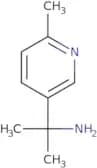
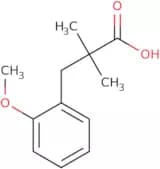
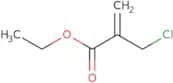
![Methyl 2-[2-(hydroxyimino)cyclohexyl]acetate](/_next/image/?url=https%3A%2Fstatic.cymitquimica.com%2Fproducts%2F3D%2Fthumb-webp%2FSAA44849.webp&w=3840&q=75)
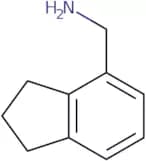


![7-Chloro-3-phenyl-3H-[1,2,3]triazolo[4,5-d]pyrimidine](/_next/image/?url=https%3A%2Fstatic.cymitquimica.com%2Fproducts%2F3D%2Fthumb-webp%2FSAA46600.webp&w=3840&q=75)
![Methyl 4-hydroxy-[1,1'-biphenyl]-3-carboxylate](/_next/image/?url=https%3A%2Fstatic.cymitquimica.com%2Fproducts%2F3D%2Fthumb-webp%2FSAA50413.webp&w=3840&q=75)
![5-(4-Methylphenyl)-3H,4H-thieno[2,3-d]pyrimidin-4-one](/_next/image/?url=https%3A%2Fstatic.cymitquimica.com%2Fproducts%2F3D%2Fthumb-webp%2FSAA50921.webp&w=3840&q=75)

![5-(4-Methoxyphenyl)-3H,4H-thieno[2,3-d]pyrimidin-4-one](/_next/image/?url=https%3A%2Fstatic.cymitquimica.com%2Fproducts%2F3D%2Fthumb-webp%2FSAA53776.webp&w=3840&q=75)
![2-[(E)-2-(4-Methoxyphenyl)ethenyl]-1H-pyrrole](/_next/image/?url=https%3A%2Fstatic.cymitquimica.com%2Fproducts%2F3D%2Fthumb-webp%2FSAA55959.webp&w=3840&q=75)
![2-[(Hydroxyimino)methyl]-6-nitrophenol](/_next/image/?url=https%3A%2Fstatic.cymitquimica.com%2Fproducts%2F3D%2Fthumb-webp%2FSAA58064.webp&w=3840&q=75)
![2-[(Dimethylamino)methyl]cyclohexan-1-ol](/_next/image/?url=https%3A%2Fstatic.cymitquimica.com%2Fproducts%2F3D%2Fthumb-webp%2FSAA58970.webp&w=3840&q=75)
![1-Azabicyclo[3.2.1]octan-4-one](/_next/image/?url=https%3A%2Fstatic.cymitquimica.com%2Fproducts%2F3D%2Fthumb-webp%2FSAA60477.webp&w=3840&q=75)

![2-[4-Amino(methyl)anilino]-1-ethanol](/_next/image/?url=https%3A%2Fstatic.cymitquimica.com%2Fproducts%2F3D%2Fthumb-webp%2FSAA62586.webp&w=3840&q=75)
![2-{2-[Bis(2-hydroxyethyl)amino]ethoxy}ethan-1-ol](/_next/image/?url=https%3A%2Fstatic.cymitquimica.com%2Fproducts%2F3D%2Fthumb-webp%2FSAA62634.webp&w=3840&q=75)
![2-Chloro-N-[2-(4-methoxyphenyl)ethyl]acetamide](/_next/image/?url=https%3A%2Fstatic.cymitquimica.com%2Fproducts%2F3D%2Fthumb-webp%2FSAA63950.webp&w=3840&q=75)
acetic acid](/_next/image/?url=https%3A%2Fstatic.cymitquimica.com%2Fproducts%2F3D%2Fthumb-webp%2FSAA73871.webp&w=3840&q=75)
![[(3-Methylphenyl)carbamoyl]formic acid](/_next/image/?url=https%3A%2Fstatic.cymitquimica.com%2Fproducts%2F3D%2Fthumb-webp%2FSAA73878.webp&w=3840&q=75)
![2-{[(4-Bromophenyl)methyl]sulfanyl}acetic acid](/_next/image/?url=https%3A%2Fstatic.cymitquimica.com%2Fproducts%2F3D%2Fthumb-webp%2FSAA74250.webp&w=3840&q=75)
![2-{2-Methylimidazo[1,2-a]pyridin-3-yl}acetic acid](/_next/image/?url=https%3A%2Fstatic.cymitquimica.com%2Fproducts%2F3D%2Fthumb-webp%2FSAA74507.webp&w=3840&q=75)