Building Blocks
This section contains fundamental products for the synthesis of organic and biological compounds. Building blocks are the essential starting materials used to construct complex molecules through various chemical reactions. They play a critical role in drug discovery, material science, and chemical research. At CymitQuimica, we offer a diverse range of high-quality building blocks to support your innovative research and industrial projects, ensuring you have the essential components for successful synthesis.
Subcategories of "Building Blocks"
- Boronic Acids & Boronic Acid Derivatives(5,778 products)
- Chiral Building Blocks(1,242 products)
- Hydrocarbon Building Blocks(6,098 products)
- Organic Building Blocks(61,034 products)
Found 199601 products of "Building Blocks"
Sort by
Purity (%)
0
100
|
0
|
50
|
90
|
95
|
100
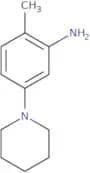
2-Methyl-5-(piperidin-1-yl)aniline
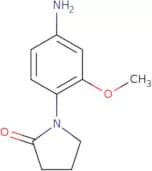
CAS:<p>Versatile small molecule scaffold</p>Formula:C12H18N2Purity:Min. 95%Molecular weight:190.28 g/mol1-(4-Amino-2-methoxyphenyl)pyrrolidin-2-one
CAS:Versatile small molecule scaffoldFormula:C11H14N2O2Purity:Min. 95%Molecular weight:206.24 g/mol2-{[(Propan-2-yl)carbamoyl]amino}benzoic acid
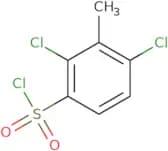
CAS:<p>Versatile small molecule scaffold</p>Formula:C11H14N2O3Purity:Min. 95%Molecular weight:222.24 g/mol2,4-Dichloro-3-methylbenzene-1-sulfonyl chloride
CAS:<p>Versatile small molecule scaffold</p>Formula:C7H5Cl3O2SPurity:Min. 95%Molecular weight:259.5 g/mol[3,5-Bis(aminomethyl)phenyl]methanamine trihydrochloride
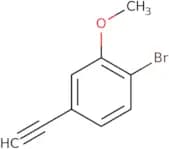
CAS:<p>Versatile small molecule scaffold</p>Formula:C9H18Cl3N3Purity:Min. 95%Molecular weight:274.6 g/mol1-Bromo-4-ethynyl-2-methoxybenzene
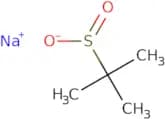
CAS:<p>Versatile small molecule scaffold</p>Formula:C9H7BrOPurity:Min. 95%Molecular weight:211.05 g/molSodium 2-methylpropane-2-sulfinate
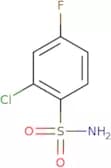
CAS:<p>Sodium 2-methylpropane-2-sulfinate is an amino acid and can be used as a cell growth supplement. It has been shown to improve the viability of cells in culture, which could be due to its ability to provide additional protein synthesis. Sodium 2-methylpropane-2-sulfinate also has antiviral activity and is able to inhibit the replication of certain viruses, such as HIV, in human cells.</p>Formula:C4H9NaO2SPurity:Min. 95%Molecular weight:144.17 g/mol2-Chloro-4-fluorobenzenesulfonamide
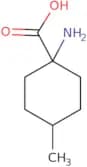
CAS:<p>Versatile small molecule scaffold</p>Formula:C6H5ClFNO2SPurity:Min. 95%Molecular weight:209.63 g/mol1-amino-4-methylcyclohexanecarboxylic acid
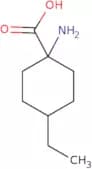
CAS:<p>Versatile small molecule scaffold</p>Formula:C8H15NO2Purity:Min. 95%Molecular weight:157.21 g/mol1-Amino-4-ethylcyclohexane-1-carboxylic acid
CAS:<p>Versatile small molecule scaffold</p>Formula:C9H17NO2Purity:Min. 95%Molecular weight:171.24 g/mol4-[(tert-Butyldimethylsilyl)oxy]butanoic acid
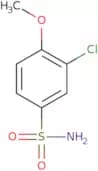
CAS:Versatile small molecule scaffoldFormula:C10H22O3SiPurity:Min. 95%Molecular weight:218.36 g/mol3-Chloro-4-methoxybenzene-1-sulfonamide
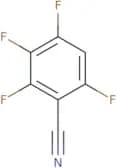
CAS:Versatile small molecule scaffoldFormula:C7H8ClNO3SPurity:Min. 95%Molecular weight:221.66 g/mol2,3,4,6-Tetrafluorobenzonitrile
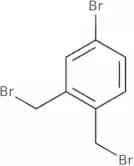
CAS:<p>Versatile small molecule scaffold</p>Formula:C7HF4NPurity:Min. 95%Molecular weight:175.08 g/mol4-Bromo-1,2-bis(bromomethyl)benzene
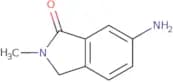
CAS:<p>Versatile small molecule scaffold</p>Formula:C8H7Br3Purity:Min. 95%Molecular weight:342.85 g/mol6-Amino-2,3-dihydro-2-methyl-1H-Isoindol-1-one
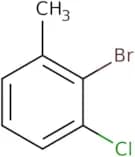
CAS:<p>6-Amino-2,3-dihydro-2-methyl-1H-isoindol-1-one is a monoclinic crystalline compound with a molecular formula of C8H6N4O and a molecular weight of 156.07 g/mol. The crystal structure has been determined by XRD and the quality of the data was confirmed by FTIR spectroscopy. 6-Amino-2,3-dihydro-2-methyl isoindolone is an organic molecule that can exist in different forms, including as a dimer or cocrystallized with 5Fluorocytosine. 6ADI is one of the most important compounds for research on interactions and conformation because it can be found in both crystalline and amorphous form.</p>Formula:C9H10N2OPurity:Min. 95%Molecular weight:162.19 g/mol2-BROMO-3-CHLOROTOLUENE
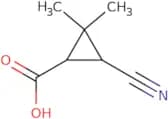
CAS:<p>Versatile small molecule scaffold</p>Formula:C7H6BrClPurity:Min. 95%Molecular weight:205.48 g/mol(1S,3R)-3-Cyano-2,2-dimethylcyclopropane-1-carboxylic acid
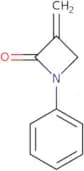
CAS:Versatile small molecule scaffoldFormula:C7H9NO2Purity:Min. 95%Molecular weight:139.2 g/mol3-Methylidene-1-phenylazetidin-2-one
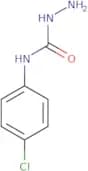
CAS:<p>Versatile small molecule scaffold</p>Formula:C10H9NOPurity:Min. 95%Molecular weight:159.18 g/molN-(4-Chlorophenyl)-1-hydrazinecarboxamide
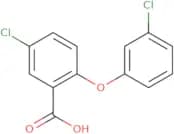
CAS:<p>Versatile small molecule scaffold</p>Formula:C7H8ClN3OPurity:Min. 95%Molecular weight:185.61 g/mol5-Chloro-2-(3-chlorophenoxy)benzoic acid
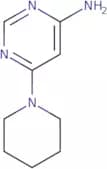
CAS:<p>Versatile small molecule scaffold</p>Formula:C13H8Cl2O3Purity:Min. 95%Molecular weight:283.1 g/mol4-Amino-6-piperidinopyrimidine
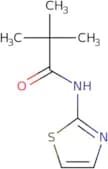
CAS:<p>Versatile small molecule scaffold</p>Formula:C9H14N4Purity:Min. 95%Molecular weight:178.23 g/mol2,2-Dimethyl-N-(1,3-thiazol-2-yl)propanamide
CAS:<p>Versatile small molecule scaffold</p>Formula:C8H12N2OSPurity:Min. 95%Molecular weight:184.26 g/mol5H,6H,7H-Cyclopenta[b]pyridine-7-carbothioamide
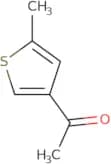
CAS:<p>Versatile small molecule scaffold</p>Formula:C9H10N2SPurity:Min. 95%Molecular weight:178.26 g/mol1-(5-Methylthiophen-3-yl)ethan-1-one
CAS:<p>Versatile small molecule scaffold</p>Formula:C7H8OSPurity:Min. 95%Molecular weight:140.2 g/mol5-Bromoimidazo[1,2-a]pyridine
CAS:<p>5-Bromoimidazo[1,2-a]pyridine is an inhibitor of the mitotic kinesin KIF5B. It is a bicyclic compound that has been shown to inhibit cellular activity and tumor growth in preclinical models. 5-Bromoimidazo[1,2-a]pyridine blocks the interaction between KIF5B and histone H3, preventing mitosis, which leads to cell death. This drug has also been shown to inhibit the proliferation of cancer cells in vitro and in vivo.</p>Formula:C7H5BrN2Purity:Min. 95%Molecular weight:197.03 g/mol2,2,2-Trichloroethyl sulfamate
CAS:<p>2,2,2-Trichloroethyl sulfamate is a reactive molecule that can be synthesized through the aziridination of 2-chloroethanol with sodium azide. It undergoes the reaction with sulfamic acid in the presence of copper to form a sulfamate. The chemical properties of this molecule have been studied using X-ray diffraction data and found that it has bioactive molecules and is a potential agent for kidney cancer treatment. 2,2,2-Trichloroethyl sulfamate also has transfer reactions with other compounds such as formaldehyde and amines. These reactions are influenced by factors such as the reaction time and the pH.</p>Formula:C2H4Cl3NO3SPurity:Min. 95%Molecular weight:228.47 g/molrac-(1R,2R)-2-Phenylcyclobutan-1-amine hydrochloride
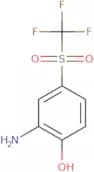
CAS:<p>Versatile small molecule scaffold</p>Formula:C10H14ClNPurity:Min. 95%Molecular weight:183.7 g/mol2-Amino-4-trifluoromethanesulfonylphenol
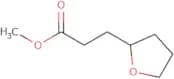
CAS:Versatile small molecule scaffoldFormula:C7H6F3NO3SPurity:Min. 95%Molecular weight:241.19 g/molMethyl 3-(oxolan-2-yl)propanoate
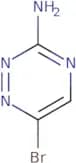
CAS:<p>Versatile small molecule scaffold</p>Formula:C8H14O3Purity:Min. 95%Molecular weight:158.19 g/mol6-Bromo-1,2,4-triazin-3-amine
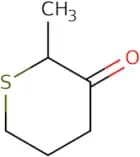
CAS:<p>6-Bromo-1,2,4-triazin-3-amine is an inhibitor of the c-MET kinase that can be used for the treatment of cancer. 6-Bromo-1,2,4-triazin-3-amine inhibits the activation of the c-MET and other kinases by interfering with their ability to bind to ATP. 6BTA inhibits tumor cell proliferation through inhibition of crosstalk between growth factor receptors and downstream signaling pathways. It has been shown to inhibit tumor growth in vivo and in vitro.</p>Formula:C3H3BrN4Purity:Min. 95%Molecular weight:174.99 g/mol2-Methylthian-3-one
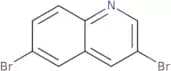
CAS:<p>2-Methylthian-3-one is an alkylating agent that has been used to synthesize substituted pyridines. It is a six-membered ring with two methyl groups on the same side of the ring, which gives it its name. This compound has been shown to undergo stereoselective alkylation reactions at carbons adjacent to both the axial and equatorial positions with alkyl halides. The chemical shift for 2-methylthian-3-one is constant, at -1.6 ppm in chloroform solution and -0.5 ppm in DMSO solution. The parameters that affect the chemical shift are conformational and axial substituents on the ring, as well as substitution patterns on the other carbon atoms of the molecule.</p>Formula:C6H10OSPurity:Min. 95%Molecular weight:130.21 g/mol3,6-dibromoquinoline
CAS:<p>3,6-Dibromoquinoline is a synthetic, kinetic isotope that has been used to assess the mechanistic effects of heterocycles in base catalysis. This research was conducted using deuterated 3,6-dibromoquinoline and assessing the isotope effects on kinetic isotopes. The kinetic isotope effects were measured using a gas chromatograph with a flame ionization detector (GC-FID) and a mass spectrometer (MS).</p>Formula:C9H5Br2NPurity:Min. 95%Molecular weight:287 g/mol[1,2,4]Triazolo[1,5-a]pyridine-8-carbonitrile
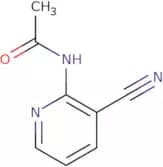
CAS:<p>Versatile small molecule scaffold</p>Formula:C7H4N4Purity:Min. 95%Molecular weight:144.13 g/molN-(3-Cyanopyridin-2-yl)acetamide
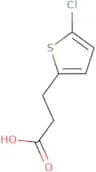
CAS:<p>Versatile small molecule scaffold</p>Formula:C8H7N3OPurity:Min. 95%Molecular weight:161.16 g/mol3-(5-Chlorothiophen-2-yl)propanoic acid
CAS:<p>Versatile small molecule scaffold</p>Formula:C7H7ClO2SPurity:Min. 95%Molecular weight:190.65 g/mol2-Chloro-4H,5H,6H-cyclopenta[b]thiophen-4-one
CAS:Versatile small molecule scaffoldFormula:C7H5ClOSPurity:Min. 95%Molecular weight:172.63 g/mol6,7-Dihydro-5H-spiro[1-benzothiophene-4,4'-imidazolidine]-2',5'-dione
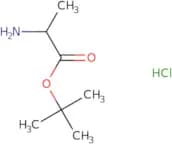
CAS:<p>Versatile small molecule scaffold</p>Formula:C10H10N2O2SPurity:Min. 95%Molecular weight:222.27 g/molDL-alanine tert-butyl ester hydrochloride
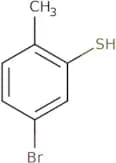
CAS:<p>Versatile small molecule scaffold</p>Formula:C7H16ClNO2Purity:Min. 95%Molecular weight:181.66 g/mol5-Bromo-2-methylbenzene-1-thiol
CAS:<p>Versatile small molecule scaffold</p>Formula:C7H7BrSPurity:Min. 95%Molecular weight:203.1 g/mol3-[2-(4-Chlorophenyl)-2-oxoethyl]-2-benzofuran-1(3H)-one
CAS:<p>Versatile small molecule scaffold</p>Formula:C16H11ClO3Purity:Min. 95%Molecular weight:286.71 g/mol1-[(2-Aminoethyl)sulfanyl]-4-bromobenzene
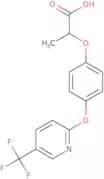
CAS:<p>Versatile small molecule scaffold</p>Formula:C8H10BrNSPurity:Min. 95%Molecular weight:232.15 g/molFluazifop solution
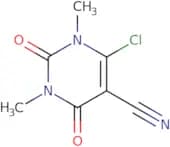
CAS:<p>Fluazifop solution is a herbicide that inhibits the biosynthesis of fatty acids in plants. It has been shown to inhibit the uptake and hydrolysis of fatty acids, which reduces their availability for plant growth. Fluazifop solution has also been shown to have synergistic effects with solanum tuberosum extract, which may be due to its ability to reduce the degradation of nitrogen-containing compounds. Fluazifop solution has a number of physiological effects in plants. It inhibits protein synthesis by binding to ribosomes and impairs photosynthesis by inhibiting electron transport. Fluazifop solution also affects microbial metabolism by inhibiting the uptake of nitrate and phosphate, as well as their conversion into organic nitrogen compounds.</p>Formula:C15H12F3NO4Purity:Min. 95%Molecular weight:327.26 g/mol6-Chloro-1,3-dimethyl-2,4-dioxo-1,2,3,4-tetrahydropyrimidine-5-carbonitrile
CAS:6-Chloro-1,3-dimethyl-2,4-dioxo-1,2,3,4-tetrahydropyrimidine-5-carbonitrile is a specific inhibitor of the IκB kinase (IKK). It has been shown to be effective against many inflammatory diseases in experimental models. 6CdmTHPC inhibits the expression of cytokine genes by preventing phosphorylation of IκBα and translocation. 6CdmTHPC also prevents the formation of complexes with transcription factors that regulate gene expression. This drug has high potency and may be repurposed for treatment of inflammatory diseases.Formula:C7H6ClN3O2Purity:Min. 95%Molecular weight:199.59 g/mol5-Aminopyrimidine-4,6-diol
CAS:<p>Versatile small molecule scaffold</p>Formula:C4H5N3O2Purity:Min. 95%Molecular weight:127.1 g/mol(4-Bromobut-1-yn-1-yl)trimethylsilane
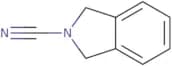
CAS:<p>The synthesis of 4-bromobut-1-yn-1-yl)trimethylsilane is a three step process that begins with the reaction of bromobenzene and trimethylsilane. In the second step, the product from the first step undergoes a cross coupling reaction with copper to form an organosilicon compound. The third step involves a reductive elimination reaction to form 4-bromobut-1-yn-1-yl)trimethylsilane. This process yields high yields (up to 100%) for this compound, which can be used in organic chemistry as a reagent for stereoselective reactions.</p>Formula:C7H13BrSiPurity:Min. 95%Molecular weight:205.17 g/mol1,3-Dihydro-2H-isoindole-2-carbonitrile
CAS:<p>Versatile small molecule scaffold</p>Formula:C9H8N2Purity:Min. 95%Molecular weight:144.17 g/mol3-[(4-Chlorophenyl)amino]propan-1-ol
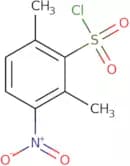
CAS:Versatile small molecule scaffoldFormula:C9H12ClNOPurity:Min. 95%Molecular weight:185.65 g/mol2,6-Dimethyl-3-nitrobenzene-1-sulfonyl chloride
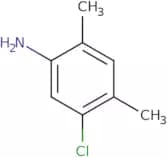
CAS:<p>Versatile small molecule scaffold</p>Formula:C8H8ClNO4SPurity:Min. 95%Molecular weight:249.67 g/mol5-Chloro-2,4-dimethylaniline
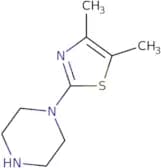
CAS:<p>Versatile small molecule scaffold</p>Formula:C8H10ClNPurity:Min. 95%Molecular weight:155.62 g/mol1-(Dimethyl-1,3-thiazol-2-yl)piperazine
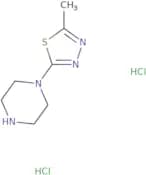
CAS:<p>Versatile small molecule scaffold</p>Formula:C9H15N3SPurity:Min. 95%Molecular weight:197.3 g/mol1-(5-Methyl-1,3,4-thiadiazol-2-yl)piperazine dihydrochloride
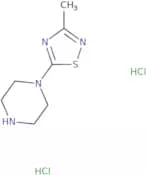
CAS:Versatile small molecule scaffoldFormula:C7H14Cl2N4SPurity:Min. 95%Molecular weight:257.18 g/mol1-(3-Methyl-1,2,4-thiadiazol-5-yl)piperazine dihydrochloride
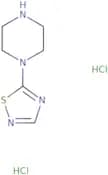
CAS:<p>Versatile small molecule scaffold</p>Formula:C7H14Cl2N4SPurity:Min. 95%Molecular weight:257.18 g/mol1-(1,2,4-Thiadiazol-5-yl)piperazine dihydrochloride
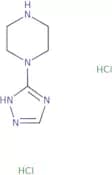
CAS:<p>Versatile small molecule scaffold</p>Formula:C6H12Cl2N4SPurity:Min. 95%Molecular weight:243.16 g/mol1-(1H-1,2,4-Triazol-3-yl)piperazine dihydrochloride
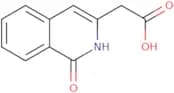
CAS:<p>Versatile small molecule scaffold</p>Formula:C6H13Cl2N5Purity:Min. 95%Molecular weight:226.1 g/mol2-(1-Oxo-1,2-dihydroisoquinolin-3-yl)acetic acid
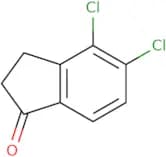
CAS:<p>Versatile small molecule scaffold</p>Formula:C11H9NO3Purity:Min. 95%Molecular weight:203.19 g/mol4,5-Dichloro-2,3-dihydro-1H-inden-1-one
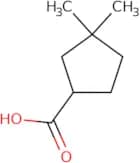
CAS:<p>Versatile small molecule scaffold</p>Formula:C8H6Cl2N2Purity:Min. 95%Molecular weight:201.05 g/mol3,3-Dimethylcyclopentane-1-carboxylic acid
CAS:Versatile small molecule scaffoldFormula:C8H14O2Purity:Min. 95%Molecular weight:142.2 g/mol2H-1,3-benzodioxol-4-ol
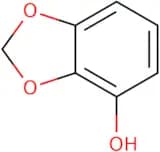
CAS:<p>2H-1,3-benzodioxol-4-ol is a colorless liquid that has a density of 0.938 g/mL at 20°C. It is an acid with a pH of 3 and a lipophilicity of 1.2. The compound is reactive with chlorine, which can lead to the formation of diazonium salts in the presence of an acid catalyst. 2H-1,3-benzodioxol-4-ol's viscosity increases as its temperature decreases.</p>Formula:C7H6O3Purity:Min. 95%Molecular weight:138.12 g/mol2-(2'-Chloroethoxy)ethylphosphonic acid
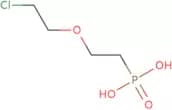
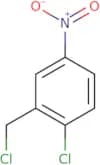
CAS:<p>Versatile small molecule scaffold</p>Formula:C4H10ClO4PPurity:Min. 95%Molecular weight:188.55 g/mol1-Chloro-2-(chloromethyl)-4-nitrobenzene
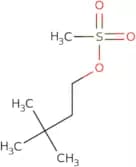
CAS:<p>1-Chloro-2-(chloromethyl)-4-nitrobenzene is a chemical that is used as a reagent to measure creatinine in human urine. Creatinine is a natural product of muscle metabolism, and its concentration in the blood is usually used to estimate the rate of muscle breakdown. The creatinine content of urine can be determined by measuring the concentration of 1-chloro-2-(chloromethyl)-4-nitrobenzene. This compound has been shown to be metabolized to oxime, which can be quantified using gas chromatography with mass spectrometry (GC/MS) or liquid chromatography with mass spectrometry (LC/MS). The validation of this method for creatinine quantification in human urine has been done by analyzing different dilutions of urine samples and comparing them with their corresponding values from the standard curve. Emulsions are also used in this process as they can help increase accuracy</p>Formula:C7H5Cl2NO2Purity:Min. 95%Molecular weight:206.02 g/mol3,3-Dimethylbutyl methanesulfonate
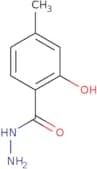
CAS:<p>Versatile small molecule scaffold</p>Formula:C7H16O3SPurity:Min. 95%Molecular weight:180.27 g/mol2-Hydroxy-4-methylbenzohydrazide
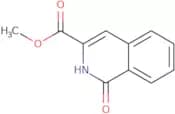
CAS:<p>2-Hydroxy-4-methylbenzohydrazide (2HMBA) is a supramolecular ligand that can bind to the active site of PI3K and AKT, which are two signaling molecules. 2HMBA has been shown to suppress immunosuppressive activities in an assay that measures the suppression of T cell proliferation by human peripheral blood mononuclear cells. The ligand binds to the active site of the enzyme and prevents its interaction with ATP, thereby inhibiting PI3K/AKT signaling. It also has magnetic properties. 2HMBA is a macrocyclic compound with a chiral center at C-2, which is responsible for its activity.</p>Formula:C8H10N2O2Purity:Min. 95%Molecular weight:166.18 g/molMethyl 1-oxo-1,2-dihydroisoquinoline-3-carboxylate
CAS:Methyl 1-oxo-1,2-dihydroisoquinoline-3-carboxylate is a ligand that binds to the benzodiazepine receptor. It is a potential antitumor agent that inhibits the growth of cells in culture. The methyl ester form of Methyl 1-oxo-1,2-dihydroisoquinoline-3-carboxylate has been shown to have apoptosis inducing activity in human leukemia cells. This compound also has antiplasmodial and antiinflammatory properties.Formula:C11H9NO3Purity:Min. 95%Molecular weight:203.19 g/mol3-(Pyrrolidine-1-carbonyl)-1,2-dihydroisoquinolin-1-one
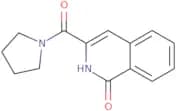
CAS:<p>Versatile small molecule scaffold</p>Formula:C14H14N2O2Purity:Min. 95%Molecular weight:242.27 g/mol4-Benzyloxy-3-bromobenzaldehyde
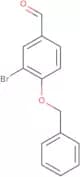
CAS:<p>4-Benzyloxy-3-bromobenzaldehyde (4BBA) is a natural product that has been found to have high affinity for the histone deacetylase (HDAC) enzyme. 4BBA shows low cytotoxicity in fibroblast cells, which are cells that synthesize collagen, and it may be used as a fluorescent probe for HDACs in marine sponges. 4BBA binds to the cytoplasmic side of the cell's nucleus and exhibits fluorescence when excited with light at 350 nm. This fluorogenic activity is due to the phenyl ring and should allow for visualization of HDACs on the surface of cells using microscopy techniques.</p>Formula:C14H11BrO2Purity:Min. 95%Molecular weight:291.14 g/mol1-(4-Methoxyphenyl)pyrimidine-2,4,6(1H,3H,5H)-trione
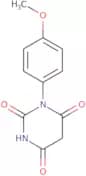
CAS:<p>Versatile small molecule scaffold</p>Formula:C11H10N2O4Purity:Min. 95%Molecular weight:234.21 g/mol2,2,4-Trimethylpentanenitrile
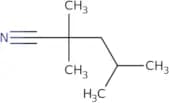
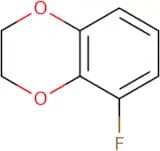
CAS:<p>Flecainide is an anti-arrhythmic drug that belongs to the class of drugs called Class IA or Class IC antiarrhythmics. It is used to treat arrhythmias in adults and children who are at least 6 months old. Flecainide is a long-acting medication, which means it remains active for a long time. This drug has been shown to have a low risk of causing neutropenia in women who take it during pregnancy. Flecainide has also been shown to cause an increase in serum levels of amide and trichloroethanol (TCE). The amide metabolite is responsible for most of the pharmacological effects of flecainide. The conformation and antipyrine metabolites are active against some bacteria and fungi, but not against other microorganisms such as Mycobacterium tuberculosis.</p>Formula:C8H15NPurity:Min. 95%Molecular weight:125.21 g/mol5-Fluoro-2,3-dihydro-1,4-benzodioxine
CAS:<p>Versatile small molecule scaffold</p>Formula:C8H7FO2Purity:Min. 95%Molecular weight:154.14 g/mol1,4-Diazabicyclo[2.2.2]octane-2-carboxylic acid dihydrochloride
CAS:Versatile small molecule scaffoldFormula:C7H14Cl2N2O2Purity:Min. 95%Molecular weight:229.1 g/mol4-(Pyrimidin-2-yl)aniline
CAS:<p>Versatile small molecule scaffold</p>Formula:C10H9N3Purity:Min. 95%Molecular weight:171.2 g/mol4-(Pyrimidin-5-yl)aniline
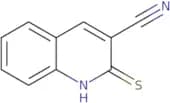
CAS:<p>Versatile small molecule scaffold</p>Formula:C10H9N3Purity:Min. 95%Molecular weight:171.2 g/mol2-Sulfanylquinoline-3-carbonitrile
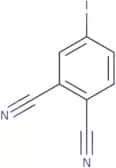
CAS:<p>2-Sulfanylquinoline-3-carbonitrile is a quinoline derivative that has been synthesized from chloroacetamide and chloroacetonitrile. It has antibacterial activity, and is effective against Gram-positive bacteria such as Methicillin-resistant Staphylococcus aureus (MRSA). Quinoline derivatives have been used in the synthesis of alkynylated quinolones, which are potent inhibitors of bacterial topoisomerase IV. These compounds have also been shown to be effective against Gram-negative bacteria. 2-Sulfanylquinoline-3-carbonitrile has also been shown to inhibit the production of proteins vital for cell division by binding to bacterial 16S ribosomal RNA.</p>Formula:C10H6N2SPurity:Min. 95%Molecular weight:186.24 g/mol4-Iodophthalonitrile
CAS:<p>4-Iodophthalonitrile is an unsymmetrical molecule with a low detection limit. This compound is soluble in organic solvents and has optical properties that are sensitive to the polarity of the solvent. 4-Iodophthalonitrile can be used as a precursor to other compounds, such as phenylacetic acid derivatives, which have potential applications in cancer treatment.</p>Formula:C8H3IN2Purity:Min. 95%Molecular weight:254.03 g/mol3-Formyl-4-methylbenzoic acid
CAS:<p>Versatile small molecule scaffold</p>Formula:C9H8O3Purity:Min. 95%Molecular weight:164.16 g/molEthyl 2-aminofuro[3,2-b]pyridine-3-carboxylate
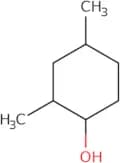
CAS:<p>Versatile small molecule scaffold</p>Formula:C10H10N2O3Purity:Min. 95%Molecular weight:206.2 g/mol2,4-Dimethylcyclohexan-1-ol
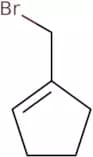
CAS:<p>Versatile small molecule scaffold</p>Formula:C8H16OPurity:Min. 95%Molecular weight:128.21 g/mol1-(bromomethyl)cyclopentene
CAS:<p>1-(bromomethyl)cyclopentene is an organocatalyst that can be used in tandem with a metal salt to form a zirconocene. It reacts with alkynes to form conjugated dienes, which are useful for the production of polymers. 1-(bromomethyl)cyclopentene is also commonly used as a monomer in the synthesis of polymers containing nonconjugated vinyl groups.</p>Formula:C6H9BrPurity:Min. 95%Molecular weight:161.04 g/mol4-Chloro-N-(cyclopropylmethyl)aniline
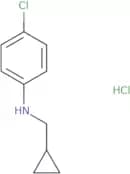
CAS:<p>Versatile small molecule scaffold</p>Formula:C10H12ClNPurity:Min. 95%Molecular weight:181.67 g/mol3,5-Diethyl-4-hydroxybenzaldehyde
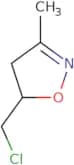
CAS:<p>Versatile small molecule scaffold</p>Formula:C11H14O2Purity:Min. 95%Molecular weight:178.23 g/mol5-(Chloromethyl)-3-methyl-4,5-dihydro-1,2-oxazole
CAS:Versatile small molecule scaffoldFormula:C5H8ClNOPurity:Min. 95%Molecular weight:133.57 g/mol2-Oxo-2,3-dihydro-1H-imidazole-4,5-dicarboxylic acid
CAS:Versatile small molecule scaffoldFormula:C5H4N2O5Purity:Min. 95%Molecular weight:172.1 g/mol2H,3H,5H-Indeno[1,2-c]pyridazin-3-one
CAS:<p>Versatile small molecule scaffold</p>Formula:C11H8N2OPurity:Min. 95%Molecular weight:184.19 g/mol3-Chloro-5H-indeno[1,2-c]pyridazine
CAS:<p>Versatile small molecule scaffold</p>Formula:C11H7ClN2Purity:Min. 95%Molecular weight:202.64 g/molTricyclo[7.1.1.0,2,7]undeca-2,4,6-trien-8-one
CAS:Versatile small molecule scaffoldFormula:C11H10OPurity:Min. 95%Molecular weight:158.2 g/mol2-Pentyl-1,3-thiazolidine-4-carboxylic acid
CAS:<p>Versatile small molecule scaffold</p>Formula:C9H17NO2SPurity:Min. 95%Molecular weight:203.3 g/mol6-Chloro-N-phenyl-4-pyrimidinamine
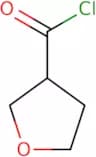
CAS:<p>Versatile small molecule scaffold</p>Formula:C10H8ClN3Purity:Min. 95%Molecular weight:205.65 g/molTetrahydrofuran-3-carbonyl chloride
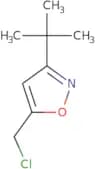
CAS:<p>Tetrahydrofuran-3-carbonyl chloride is a chiral, stereoselective, and sustainable chemical. It is used in the synthesis of various chiral compounds with high stereospecificity. Tetrahydrofuran-3-carbonyl chloride is an imine that reacts with an amine to produce an unsymmetrical ketone. The reaction mechanism involves the formation of a mixed anhydride as the first step by reacting the amine with chlorine or bromine. In this step, the carbonyl group of the reactant becomes attached to one carbon atom of the double bond in the mixed anhydride. This reaction can be used to synthesize staudinger and stereoselectively substituted tetrahydrofurans with high selectivity.</p>Formula:C5H7ClO2Purity:Min. 95%Molecular weight:134.56 g/mol3-tert-Butyl-5-(chloromethyl)-1,2-oxazole
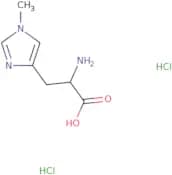
CAS:<p>Versatile small molecule scaffold</p>Formula:C8H12ClNOPurity:Min. 95%Molecular weight:173.64 g/mol1-Methyl-L-histidine dihydrochloride
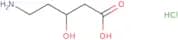
CAS:<p>Versatile small molecule scaffold</p>Formula:C7H13Cl2N3O2Purity:Min. 95%Molecular weight:242.1 g/mol5-Amino-3-hydroxypentanoic acid hydrochloride
CAS:<p>Versatile small molecule scaffold</p>Formula:C5H12ClNO3Purity:Min. 95%Molecular weight:169.61 g/molEthyl 5-{[(tert-butoxy)carbonyl]amino}-3-oxopentanoate
CAS:Versatile small molecule scaffoldFormula:C12H21NO5Purity:Min. 95%Molecular weight:259.3 g/mol2-Iodo-1-benzofuran
CAS:<p>2-Iodo-1-benzofuran is a polymerase chain inhibitor that can bind to the d2 dopamine receptor. This drug has been shown to have potential use in the treatment of diseases such as autoimmune diseases, Parkinson’s disease, and cancer. 2-Iodo-1-benzofuran is a potent inhibitor of HIV replication in vitro and has been shown to be active against other retroviruses. 2-Iodo-1-benzofuran also binds with high affinity and specificity to rat striatal D2 dopamine receptors. The binding of this drug to the receptor leads to a decrease in the levels of dopamine in the brain and an increase in blood pressure.</p>Formula:C8H5IOPurity:Min. 95%Molecular weight:244.03 g/mol3-Cyclopropylimidazolidine-2,4-dione
CAS:<p>Versatile small molecule scaffold</p>Formula:C6H8N2O2Purity:Min. 95%Molecular weight:140.14 g/molPhenyl morpholine-4-carboxylate
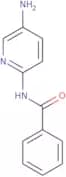
CAS:<p>Versatile small molecule scaffold</p>Formula:C11H13NO3Purity:Min. 95%Molecular weight:207.23 g/molN-(5-Aminopyridin-2-yl)benzamide
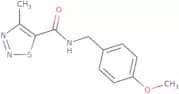
CAS:<p>Versatile small molecule scaffold</p>Formula:C12H11N3OPurity:Min. 95%Molecular weight:213.23 g/molN-(4-Methoxybenzyl)-4-methyl-1,2,3-thiadiazole-5-carboxamide
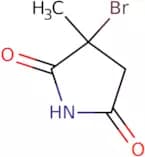
CAS:Versatile small molecule scaffoldFormula:C12H13N3O2SPurity:Min. 95%Molecular weight:263.32 g/mol3-Bromo-3-methylpyrrolidine-2,5-dione
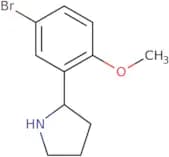
CAS:<p>Versatile small molecule scaffold</p>Formula:C5H6BrNO2Purity:Min. 95%Molecular weight:192.01 g/mol2-(5-Bromo-2-methoxyphenyl)pyrrolidine
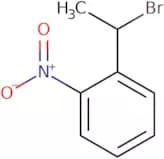
CAS:<p>Versatile small molecule scaffold</p>Formula:C11H14BrNOPurity:Min. 95%Molecular weight:256.14 g/mol1-(1-Bromoethyl)-2-nitrobenzene
CAS:<p>Versatile small molecule scaffold</p>Formula:C8H8BrNO2Purity:Min. 95%Molecular weight:230.06 g/molPentacyclo[6.3.0.0(2,7).0(4,11).0(5,9)]undecan-3-one
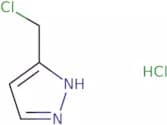
CAS:<p>Pentacyclo[6.3.0.0(2,7).0(4,11).0(5,9)]undecan-3-one is a polycyclic compound that has been postulated to be a thione derived from the desulfurization of pentacyclo[6.3.0.0(2,7).0(4,11).0(5,9)]undecane with dimethoxycarbene and toluene as reagents in the presence of a catalyst (Scheme 1). The stereoselective desulfurization of the lactams leads to the formation of either (1S) or (1R) products depending on the conditions used for the reaction. This reaction is thermally driven and occurs at 130°C under vacuum with a pressure of 10-2 Torr. The desulfurized product can then be converted into various esters by treatment with alcohols in the presence of</p>Formula:C11H12OPurity:Min. 95%Molecular weight:160.21 g/mol3-(Chloromethyl)-1H-pyrazole hydrochloride
CAS:Versatile small molecule scaffoldFormula:C4H6Cl2N2Purity:Min. 95%Molecular weight:153.01 g/mol3-Methyl-3,6-diazabicyclo[3.2.1]octane
CAS:<p>Versatile small molecule scaffold</p>Formula:C7H14N2Purity:Min. 95%Molecular weight:126.2 g/mol2-Hydroxy-2-methyl-1-[4-(propan-2-yl)phenyl]propan-1-one
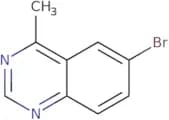
CAS:<p>Versatile small molecule scaffold</p>Formula:C13H18O2Purity:Min. 95%Molecular weight:206.28 g/mol6-Bromo-4-methylquinazoline
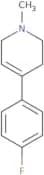
CAS:<p>Versatile small molecule scaffold</p>Formula:C9H7BrN2Purity:Min. 95%Molecular weight:223.07 g/mol4-(4-Fluorophenyl)-1,2,3,6-tetrahydro-1-methylpyridine
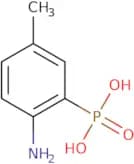
CAS:<p>4-(4-Fluorophenyl)-1,2,3,6-tetrahydro-1-methylpyridine is a chemical substance that can be used in the preparation of samples for analysis. It is sensitive to paroxetine and has analytical properties that are suitable for use as an analytical standard. 4-(4-Fluorophenyl)-1,2,3,6-tetrahydro-1-methylpyridine has been validated using liquid chromatography coupled with tandem mass spectrometry (LC/MS/MS) and has been shown to be minimal and highly repeatable. This reagent can be used in environments where the presence of toxic substances is not desirable.</p>Formula:C12H14FNPurity:Min. 95%Molecular weight:191.24 g/mol(2-Amino-5-methylphenyl)phosphonic acid
CAS:Versatile small molecule scaffoldFormula:C7H10NO3PPurity:Min. 95%Molecular weight:187.13 g/mol2-[2-(1,3-dioxo-2,3-dihydro-1H-isoindol-2-yl)ethoxy]acetic acid
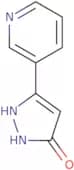
CAS:<p>2-[2-(1,3-Dioxo-2,3-dihydro-1H-isoindol-2-yl)ethoxy]acetic acid is an analog of niacinamide. It is a colorless liquid at room temperature and has a chemical formula of C5H8O4. 2-[2-(1,3-Dioxo-2,3-dihydro-1H-isoindol-2-yl)ethoxy]acetic acid can be synthesized by reacting ethyl acetate with acetone and methyl ethyl ketone. This reaction produces a mixture of diacetates. The diacetates are then reacted with nitric acid to produce 2-[2-(1,3-dioxo-2,3,-dihydroisindol)-2yl)ethoxy]acetic acid. The synthesis of this compound is similar to the synthesis of niacinamide from</p>Formula:C12H11NO5Purity:Min. 95%Molecular weight:249.22 g/mol3-(Pyridin-3-yl)-4,5-dihydro-1H-pyrazol-5-one
CAS:<p>Versatile small molecule scaffold</p>Formula:C8H7N3OPurity:Min. 95%Molecular weight:161.16 g/molrac-(2R,4R,6S)-2,4,6-Trimethylpiperidine hydrochloride
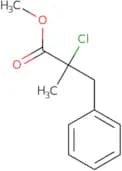
CAS:<p>Versatile small molecule scaffold</p>Formula:C8H18ClNPurity:Min. 95%Molecular weight:163.69 g/molMethyl 2-chloro-2-methyl-3-phenylpropanoate
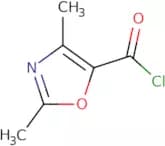
CAS:<p>Versatile small molecule scaffold</p>Formula:C11H13ClO2Purity:Min. 95%Molecular weight:212.67 g/molDimethyl-1,3-oxazole-5-carbonyl chloride
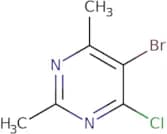
CAS:<p>Versatile small molecule scaffold</p>Formula:C6H6ClNO2Purity:Min. 95%Molecular weight:159.57 g/mol5-bromo-4-chloro-2,6-dimethylpyrimidine
CAS:Versatile small molecule scaffoldFormula:C6H6BrClN2Purity:Min. 95%Molecular weight:221.5 g/mol5-Bromo-2,4-dimethylpyrimidine
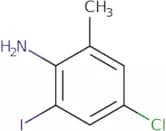
CAS:<p>Versatile small molecule scaffold</p>Formula:C6H7BrN2Purity:Min. 95%Molecular weight:187.04 g/mol4-Chloro-2-iodo-6-methylaniline
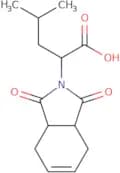
CAS:<p>4-Chloro-2-iodo-6-methylaniline is a chemical intermediate that is used as a catalyst in the synthesis of polyurethane. It can be prepared by transmetalation of chloroacetophenone with PdCl2, followed by reaction with 3 equivalents of iodine. The resulting mixture can then be purified using column chromatography and recrystallized from hexanes. 4-Chloro-2-iodo-6-methylaniline has been shown to yield high yields in this reaction (>90%) and has been used in the synthesis of polyurethane for use in tires, insulation foam, and carpet backing. This compound can also be obtained from anilines through a multigram scale operationally scalable procedure.</p>Formula:C7H7ClINPurity:Min. 95%Molecular weight:267.5 g/mol2-(1,3-Dioxo-1,3,3a,4,7,7a-hexahydro-isoindol-2-yl)-4-methyl-pentanoic acid
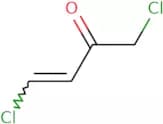
CAS:<p>Versatile small molecule scaffold</p>Formula:C14H19NO4Purity:Min. 95%Molecular weight:265.3 g/mol(3E)-1,4-Dichlorobut-3-en-2-one
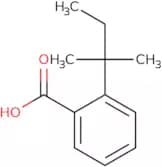
CAS:<p>(3E)-1,4-Dichlorobut-3-en-2-one is a reactive compound that reacts with malonic acid to form esters. It can also form adducts with aluminum chloride, which are typically hydrocarbons. It has been shown to undergo cyclisation when treated with styryl chloride and hydrogen chloride, and can be converted into analogues of aromatic hydrocarbons. This compound condenses with chlorides, such as aluminum chloride, to form a stable product. (3E)-1,4-Dichlorobut-3-en-2-one is used in the production of paints and varnishes because it is an effective pigment dispersant.</p>Formula:C4H4Cl2OPurity:Min. 95%Molecular weight:138.98 g/mol2-(2-Methylbutan-2-yl)benzoic acid
CAS:<p>Versatile small molecule scaffold</p>Formula:C12H16O2Purity:Min. 95%Molecular weight:192.25 g/mol2-(6-Methoxy-1-benzofuran-3-yl)acetic acid
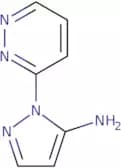
CAS:<p>2-(6-Methoxy-1-benzofuran-3-yl)acetic acid (MBFAA) is a fluorescent probe that is used to observe the process of DNA transfer. MBFAA has been shown to be a good candidate for use in the study of nucleophilic substitution reactions and other chemical reactions because it has a high degree of stability. It is also useful as a linear regression analysis tool. The spectral properties are characterized by a red shift in the fluorescence emission spectrum and an increase in fluorescence intensity with increasing concentration.</p>Formula:C11H10O4Purity:Min. 95%Molecular weight:206.19 g/mol1-(Pyridazin-3-yl)-1H-pyrazol-5-amine
CAS:<p>Versatile small molecule scaffold</p>Formula:C7H7N5Purity:Min. 95%Molecular weight:161.16 g/molEthyl 3-(2-aminoethyl)benzoate hydrochloride
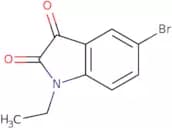
CAS:<p>Versatile small molecule scaffold</p>Formula:C11H16ClNO2Purity:Min. 95%Molecular weight:229.7 g/mol5-Bromo-1-ethyl-2,3-dihydro-1H-indole-2,3-dione
CAS:<p>5-Bromo-1-ethyl-2,3-dihydro-1H-indole-2,3-dione is a heterocyclic organic compound that contains both linear and cyclic structures. It has been used to study the symmetric nature of cyclic voltammetry. 5BED has also been used as an optical probe to study the potentials of carbazoles. 5BED exhibits strong photoluminescence at low temperatures, which can be attributed to its substitutions. The substitutions in 5BED can be determined by electrochemical studies.</p>Formula:C10H8BrNO2Purity:Min. 95%Molecular weight:254.08 g/mol3-{[(2-Chlorophenyl)methyl]amino}propan-1-ol
CAS:<p>Versatile small molecule scaffold</p>Formula:C10H14ClNOPurity:Min. 95%Molecular weight:199.68 g/mol7-Chloro-1,2,3,4-tetrahydronaphthalen-1-ol
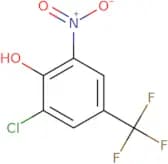
CAS:Versatile small molecule scaffoldFormula:C10H11ClOPurity:Min. 95%Molecular weight:182.64 g/mol2-Chloro-6-nitro-4-(trifluoromethyl)phenol
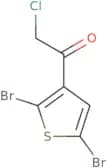
CAS:Versatile small molecule scaffoldFormula:C7H3ClF3NO3Purity:Min. 95%Molecular weight:241.55 g/mol2-Chloro-1-(2,5-dibromothiophen-3-yl)ethan-1-one
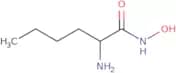
CAS:<p>Versatile small molecule scaffold</p>Formula:C6H3Br2ClOSPurity:Min. 95%Molecular weight:318.41 g/molN-Hydroxy2-aminohexanimidic acid
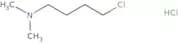
CAS:<p>N-Hydroxy2-aminohexanimidic acid is a ligand that forms hydroxo complexes with hydrogen ions. It has been shown to be a potentiometric indicator for the presence of hydroxo ions in solutions. The formation constants for N-hydroxy2-aminohexanimidic acid are high and it can form polynuclear complexes with metal ions, such as iron, manganese, and zinc. This ligand also chelates transition metals and heavy metals, such as copper and arsenic. The protonation constant of N-hydroxy2-aminohexanimidic acid is 10^6. The bivalent complexes formed by this ligand have been shown to have strong absorption bands in the ultraviolet region of the electromagnetic spectrum.</p>Formula:C6H14N2O2Purity:Min. 95%Molecular weight:146.19 g/mol(4-chlorobutyl)dimethylamine hydrochloride
CAS:<p>Versatile small molecule scaffold</p>Formula:C6H15Cl2NPurity:Min. 95%Molecular weight:172.09 g/mol2-Methanesulfonyl-1,3-thiazole
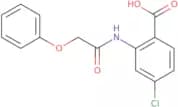
CAS:Versatile small molecule scaffoldFormula:C4H5NO2S2Purity:Min. 95%Molecular weight:163.2 g/mol4-Chloro-2-(2-phenoxyacetamido)benzoic acid
CAS:<p>Versatile small molecule scaffold</p>Formula:C15H12ClNO4Purity:Min. 95%Molecular weight:305.71 g/mol2-[2-(4-Chlorophenoxy)acetamido]benzoic acid
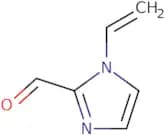
CAS:Versatile small molecule scaffoldFormula:C15H12ClNO4Purity:Min. 95%Molecular weight:305.71 g/mol1-Ethenyl-1H-imidazole-2-carboxaldehyde
CAS:<p>1-Ethenyl-1H-imidazole-2-carboxaldehyde is a molecule that contains a vinyl group and a hydrogen bond. It has an intramolecular interaction with the carbonyl group and interactions with the formyl group and the pyridine ring. The vinyl group is also able to interact with other vinyl groups in other molecules, creating cycles of these molecules.</p>Formula:C6H6N2OPurity:Min. 95%Molecular weight:122.12 g/mol3-Benzyl-5-(1-chloroethyl)-1,2,4-oxadiazole
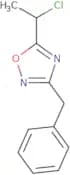
CAS:<p>Versatile small molecule scaffold</p>Formula:C11H11ClN2OPurity:Min. 95%Molecular weight:222.67 g/mol1-Bromo-4-(tert-butoxy)butane
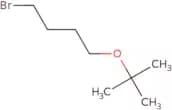
CAS:<p>Versatile small molecule scaffold</p>Formula:C8H17BrOPurity:Min. 95%Molecular weight:209.12 g/mol[2-(2-Methylphenoxy)ethyl]hydrazine hydrochloride
CAS:Versatile small molecule scaffoldFormula:C9H15ClN2OPurity:Min. 95%Molecular weight:202.68 g/mol[2-(4-Chlorophenoxy)ethyl]hydrazine hydrochloride
CAS:<p>Versatile small molecule scaffold</p>Formula:C8H12Cl2N2OPurity:Min. 95%Molecular weight:223.1 g/mol5-Aminopyrimidin-4(3H)-one
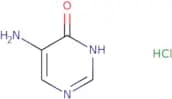
CAS:<p>5-Aminopyrimidin-4(3H)-one is an imidazole that is a precursor to the purines, which are nucleic acid bases. It is synthesized from the reaction of ammonium persulfate and 5-aminouracil with diacetate. This compound can be used as a fungicide and can also be used in the synthesis of 5-amino-1-(2,4,6-trichlorophenoxy)pyrimidine (5-ATP), a chemotherapeutic agent.</p>Purity:Min. 95%6-Methyl-1H,6H,7H-pyrazolo[3,4-d]pyridazin-7-one
CAS:<p>Versatile small molecule scaffold</p>Formula:C6H6N4OPurity:Min. 95%Molecular weight:150.14 g/mol4-Ethoxynaphthalen-1-amine
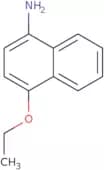
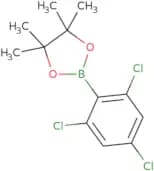
CAS:<p>Versatile small molecule scaffold</p>Formula:C12H13NOPurity:Min. 95%Molecular weight:187.24 g/mol4,4,5,5-Tetramethyl-2-(2,4,6-trichlorophenyl)-1,3,2-dioxaborolane
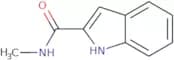
CAS:<p>Versatile small molecule scaffold</p>Formula:C12H14BCl3O2Purity:Min. 95%Molecular weight:307.41 g/molN-Methyl-1H-indole-2-carboxamide
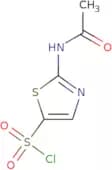
CAS:<p>N-Methyl-1H-indole-2-carboxamide is a molecule that has been optimized for antibacterial activity. It belongs to an indole family of molecules and has been shown to be active against the fungus, Neosartorya fischeri. In theory, this molecule could have potential as a drug agent for the prevention of bacterial infection. The optimization process was based on parameters such as carboxamide functional theory, nmr spectra, and potentials. The experimental data collected from NMR spectra and antibacterial activity confirmed that this molecule had a high degree of antibacterial activity against Gram-positive bacteria such as Staphylococcus aureus and Gram-negative bacteria such as Escherichia coli.</p>Formula:C10H10N2OPurity:Min. 95%Molecular weight:174.2 g/mol2-Acetamidothiazole-5-sulfonyl chloride
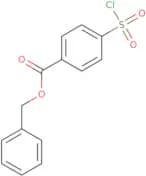
CAS:2-Acetamidothiazole-5-sulfonyl chloride (2A5C) is a sulfonamide anticancer drug that exhibits cytotoxic activity. 2A5C is an indole derivative that has been synthesized for the purpose of developing a new class of anticancer agents. This drug has shown to have significant anti-tumor activity in molecular docking studies and can be used as a lead compound for future research.Formula:C5H5ClN2O3S2Purity:Min. 95%Molecular weight:240.69 g/molBenzyl 4-(chlorosulfonyl)benzoate
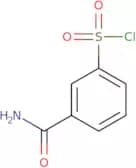
CAS:<p>Versatile small molecule scaffold</p>Formula:C14H11ClO4SPurity:Min. 95%Molecular weight:310.8 g/mol3-(aminocarbonyl)benzenesulfonyl chloride
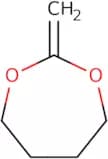
CAS:3-(aminocarbonyl)benzenesulfonyl chloride (3-ACBSCl) is a compound that inhibits the life cycle of the HIV virus. It is a hexamer and binds to viral proteins, inhibiting the process of viral assembly. 3-ACBSCl helps to optimize lead compounds for antiviral drugs. This inhibitor has been shown to be active against HIV-1, and also inhibits other viruses that have an analogous life cycle. 3-ACBSCl has been shown to inhibit HIV-1 infection by binding to the capsid protein and preventing it from assembling into a functional virus particle.Formula:C7H6ClNO3SPurity:Min. 95%Molecular weight:219.64 g/mol2-Methylene-1,3-dioxepane
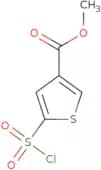
CAS:<p>2-Methylene-1,3-dioxepane is a biodegradable polymer that is used in the production of polyesters for use in film and packaging. It is synthesized by cationic polymerization, which involves the formation of ester linkages. 2-Methylene-1,3-dioxepane has been shown to be biocompatible in cell culture and can be used as a growth factor for tissue engineering. The melting point of this polymer is dependent on the molecular weight and it undergoes phase transition at temperatures around 130°C. This polymer degrades through hydrolysis when exposed to alkali or hydrogen chloride.2-Methylene-1,3-dioxepane has been observed to have an FTIR spectrum containing carbonyl absorption bands at 1710 cm−1 and 1650 cm−1. This material also displays a 13C NMR spectrum with peaks at -18 ppm and -7 ppm</p>Formula:C6H10O2Purity:Min. 95%Molecular weight:114.14 g/molMethyl 5-(chlorosulfonyl)thiophene-3-carboxylate
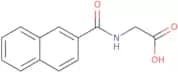
CAS:Versatile small molecule scaffoldFormula:C6H5ClO4S2Purity:Min. 95%Molecular weight:240.7 g/mol2-(Naphthalen-2-ylformamido)acetic acid
CAS:<p>2-(Naphthalen-2-ylformamido)acetic acid (Nafamid) is a toxic agent that can be used to induce experimental diabetes in animals. Nafamid is metabolized to benzoate and then to chloride, which can be detected in urine. Chromatographic experiments showed that Nafamid was not metabolized by rats or mice, but was eliminated as the mercapturic acid (MNA) and mercapturic acid glucuronide (MAG). MNA has been isolated from urine samples of rats injected with Nafamid. The metabolic pathways for Nafamid are the same for animals and humans.</p>Formula:C13H11NO3Purity:Min. 95%Molecular weight:229.23 g/mol2-[(1-Benzofuran-2-yl)formamido]acetic acid
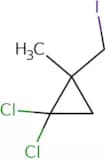
CAS:<p>Versatile small molecule scaffold</p>Formula:C11H9NO4Purity:Min. 95%Molecular weight:219.19 g/mol1,1-Dichloro-2-(iodomethyl)-2-methylcyclopropane
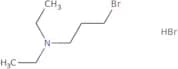
CAS:<p>Versatile small molecule scaffold</p>Formula:C5H7Cl2IPurity:Min. 95%Molecular weight:264.92 g/mol(3-Bromopropyl)diethylamine hydrobromide
CAS:Versatile small molecule scaffoldFormula:C7H17Br2NPurity:Min. 95%Molecular weight:275.02 g/mol2-Chloro-N-[4-(3-methylphenoxy)phenyl]acetamide
CAS:Versatile small molecule scaffoldFormula:C15H14ClNO2Purity:Min. 95%Molecular weight:275.73 g/mol2-Chloro-N-[4-(2-chlorophenoxy)phenyl]acetamide
CAS:Versatile small molecule scaffoldFormula:C14H11Cl2NO2Purity:Min. 95%Molecular weight:296.1 g/mol2-Chloro-N-[4-(3-chlorophenoxy)phenyl]acetamide
CAS:<p>Versatile small molecule scaffold</p>Formula:C14H11Cl2NO2Purity:Min. 95%Molecular weight:296.1 g/mol3-(Methoxymethyl)-5-methylhexan-2-one
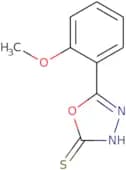
CAS:<p>Versatile small molecule scaffold</p>Formula:C9H18O2Purity:Min. 95%Molecular weight:158.2 g/mol5-(2-Methoxyphenyl)-1,3,4-oxadiazole-2-thiol
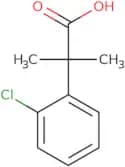
CAS:<p>Versatile small molecule scaffold</p>Formula:C9H8N2O2SPurity:Min. 95%Molecular weight:208.24 g/mol2-(2-Chlorophenyl)-2-methylpropanoic acid
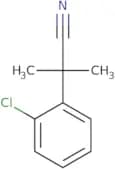
CAS:Versatile small molecule scaffoldFormula:C10H11O2ClPurity:Min. 95%Molecular weight:198.64 g/mol2-(2-chlorophenyl)-2-methylpropanenitrile
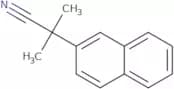
CAS:<p>Versatile small molecule scaffold</p>Formula:C10H10ClNPurity:Min. 95%Molecular weight:179.65 g/mol2-Methyl-2-(naphthalen-2-yl)propanenitrile
CAS:Versatile small molecule scaffoldFormula:C14H13NPurity:Min. 95%Molecular weight:195.26 g/mol3-([3-(Dimethylamino)propyl]amino)propanamide
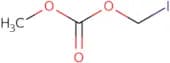
CAS:<p>Versatile small molecule scaffold</p>Formula:C8H19N3OPurity:Min. 95%Molecular weight:173.26 g/molIodomethyl methyl carbonate
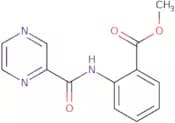
CAS:<p>Iodomethyl methyl carbonate is a carbapenem antibiotic that has been shown to have anti-influenza activity. It inhibits the cap-dependent endonuclease of the influenza virus, which prevents viral replication and release of new viruses. Iodomethyl methyl carbonate also inhibits the HIV integrase enzyme and may be used as an inhibitor for the treatment of HIV infection. This compound has antibacterial activity against bacteria that contain metallo-β-lactamase, such as Enterobacteriaceae. Iodomethyl methyl carbonate is stable in organic solvents, making it useful for chemical reactions.</p>Formula:C3H5IO3Purity:Min. 95%Molecular weight:215.97 g/molMethyl 2-(pyrazine-2-amido)benzoate
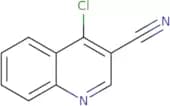
CAS:<p>Versatile small molecule scaffold</p>Formula:C13H11N3O3Purity:Min. 95%Molecular weight:257.24 g/mol4-Chloroquinoline-3-carbonitrile
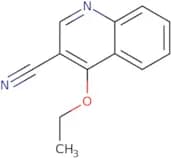
CAS:<p>4-Chloroquinoline-3-carbonitrile is an intermediate in the synthesis of the tyrosine kinase inhibitor pelitinib and the process for its synthesis has been described. The synthetic process starts from acetonitrile, which reacts with nitrous acid to produce 4-chloroquinoline-3-carbonitrile. The next stage involves the reaction of 4-chloroquinoline-3-carbonitrile with ethyl acetate in the presence of a catalyst to produce 2-(4'-chlorophenyl)ethyl acetate. This compound can then be reacted with phenylethylamine to form (2E)-N-[2-(4'-chlorophenyl)ethyl]-N-(2,6-dimethoxyphenyl)acrylamide, which is a key intermediate in the synthesis of pelitinib.</p>Formula:C10H5ClN2Purity:Min. 95%Molecular weight:188.61 g/mol4-Ethoxyquinoline-3-carbonitrile
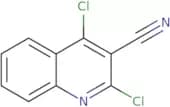
CAS:<p>Versatile small molecule scaffold</p>Formula:C12H10N2OPurity:Min. 95%Molecular weight:198.22 g/mol2,4-Dichloroquinoline-3-carbonitrile
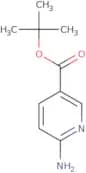
CAS:<p>2,4-Dichloroquinoline-3-carbonitrile is a nitrosourea compound that inhibits cancer cells. It is activated by the addition of a reducing agent such as triethyl orthoformate and then reacts with an amine to form the corresponding N,N'-dichloroquinoline. The product of this reaction inhibits cancer cells by binding to DNA and inhibiting RNA synthesis. 2,4-Dichloroquinoline-3-carbonitrile has been shown to be effective against leukemia cells in vitro.</p>Formula:C10H4Cl2N2Purity:Min. 95%Molecular weight:223.06 g/moltert-Butyl 6-aminopyridine-3-carboxylate
CAS:<p>Versatile small molecule scaffold</p>Formula:C10H14N2O2Purity:Min. 95%Molecular weight:194.23 g/mol6-Hydrazinylpyridine-3-carboxamide
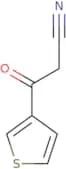
CAS:<p>6-Hydrazinylpyridine-3-carboxamide is a coligand with high affinity for technetium, which is used in analytical chemistry. The compound has been shown to bind to the transcription-polymerase chain reaction (PCR) and monoclonal antibody binding sites of the human immunodeficiency virus type 1 (HIV-1). 6-Hydrazinylpyridine-3-carboxamide has also been shown to be an effective inhibitor of protein synthesis in animal cells and to inhibit tumor cell growth. Clinical trials have demonstrated that this compound can be used as an aneurysm sealant and as a cancer treatment.</p>Formula:C6H8N4OPurity:Min. 95%Molecular weight:152.15 g/mol3-Oxo-3-(3-thienyl)propanenitrile
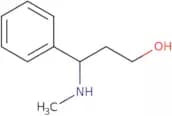
CAS:<p>3-Oxo-3-(3-thienyl)propanenitrile is a metabolite of 3-oxothiopropanal. It is an analog of prostaglandin, which has been shown to have antiinflammatory properties. 3-Oxo-3-(3-thienyl)propanenitrile has been used in the treatment of adjuvant arthritis and was found to inhibit the production of prostaglandins.</p>Formula:C7H5NOSPurity:Min. 95%Molecular weight:151.19 g/mol3-(Methylamino)-3-phenylpropan-1-ol
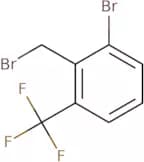
CAS:<p>Versatile small molecule scaffold</p>Formula:C10H15NOPurity:Min. 95%Molecular weight:165.23 g/mol2-Bromo-6-(trifluoromethyl)benzyl bromide
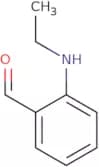
CAS:<p>Versatile small molecule scaffold</p>Purity:Min. 95%2-(Ethylamino)benzaldehyde
CAS:<p>2-(Ethylamino)benzaldehyde (2-EABA) is a reactive, radiation-sensitive compound that can be used as a diagnostic agent. 2-EABA is the precursor of styryl dyes and coumarin derivatives. 2-EABA reacts with chloride to form an amide in the presence of hydroxyl groups. The amide reacts with aromatic hydrocarbons to produce cationic polymers. The reactive functional group of 2-EABA is an aldehyde group, which reacts with basic dyes to form diamines and diamides. In addition, it has been shown that 2-EABA can be used to detect chloride ions in water samples, owing to its high solubility in water.</p>Formula:C9H11NOPurity:Min. 95%Molecular weight:149.19 g/mol1,2,3,4-Tetrahydroquinoline-8-carbaldehyde
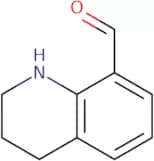
CAS:Versatile small molecule scaffoldFormula:C10H11NOPurity:Min. 95%Molecular weight:161.2 g/mol3-Butylcyclobutan-1-one
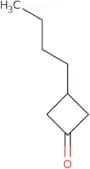
CAS:<p>Versatile small molecule scaffold</p>Formula:C8H14OPurity:Min. 95%Molecular weight:126.2 g/mol3-Phenoxycyclobutan-1-one
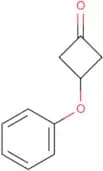
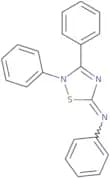
CAS:<p>3-Phenoxycyclobutan-1-one is a chemical compound that belongs to the group of sulfoxides. It is an intermediate in the synthesis of other compounds, such as methyl esters and sulfones. 3-Phenoxycyclobutan-1-one can be synthesized by coupling with phenol and cyclohexanone in the presence of a base. 3-Phenoxycyclobutan-1-one is also a precursor for the synthesis of other compounds, such as dyes and pharmaceuticals. The conversion to 3-phenoxycyclobutanones requires pyrolysis at temperatures greater than 300°C.</p>Formula:C10H10O2Purity:Min. 95%Molecular weight:162.19 g/molN,2,3-Triphenyl-2,5-dihydro-1,2,4-thiadiazol-5-imine
CAS:<p>Versatile small molecule scaffold</p>Formula:C20H15N3SPurity:Min. 95%Molecular weight:329.4 g/molrac-[(2R,5S)-5-tert-Butyloxolan-2-yl]methanol
CAS:Versatile small molecule scaffoldFormula:C9H18O2Purity:Min. 95%Molecular weight:158.2 g/mol1-(3-Methylphenyl)-3-(prop-2-yn-1-yl)urea
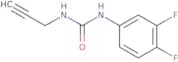
CAS:<p>Versatile small molecule scaffold</p>Formula:C11H12N2OPurity:Min. 95%Molecular weight:188.23 g/mol1-(3,4-Difluorophenyl)-3-(prop-2-yn-1-yl)urea
CAS:<p>Versatile small molecule scaffold</p>Formula:C10H8F2N2OPurity:Min. 95%Molecular weight:210.18 g/mol4-Chloro-2-fluoro-1-isocyanatobenzene
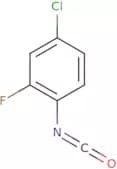
CAS:<p>Versatile small molecule scaffold</p>Formula:C7H3ClFNOPurity:Min. 95%Molecular weight:171.55 g/mol5-Amino-1-phenyl-1H,4H,5H-pyrazolo[3,4-d]pyrimidin-4-one
CAS:Versatile small molecule scaffoldFormula:C11H9N5OPurity:Min. 95%Molecular weight:227.22 g/mol2-Fluoro-1-isocyanato-4-methylbenzene
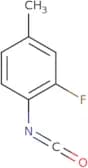
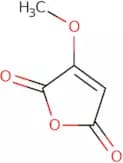
CAS:<p>Versatile small molecule scaffold</p>Formula:C8H6FNOPurity:Min. 95%Molecular weight:151.14 g/mol3-Methoxy-2,5-furandione
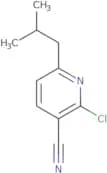
CAS:<p>3-Methoxy-2,5-furandione is a reactive functional group that belongs to the group of β-carboline alkaloids. It is used as a crosslinker in polyvinyl and iontophoresis applications, as well as a cross-linking agent for coatings or natural compounds. 3-Methoxy-2,5-furandione reacts with benzyl groups to form crosslinked products that are stable in acidic environments. This product is also used as an intermediate for the synthesis of tetronic acid (a coating) or reaction products.</p>Formula:C5H4O4Purity:Min. 95%Molecular weight:128.08 g/mol2-Chloro-6-(2-methylpropyl)pyridine-3-carbonitrile
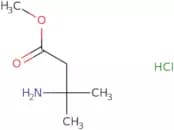
CAS:<p>2-Chloro-6-(2-methylpropyl)pyridine-3-carbonitrile is a naphthyridine that has been correlated to the ionization of the molecule. The substituent on the nitrogen atom is not ionized, while the nitrogens on the ring are. This difference in ionization constants allows 2CMP to be used as a research tool for studying nucleic acids and proteins.</p>Formula:C10H11ClN2Purity:Min. 95%Molecular weight:194.66 g/molMethyl 3-amino-3-methylbutanoate hydrochloride
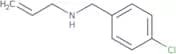
CAS:<p>Versatile small molecule scaffold</p>Formula:C6H14ClNO2Purity:Min. 95%Molecular weight:167.63 g/molN-(4-Chlorobenzyl)prop-2-en-1-amine
CAS:<p>Versatile small molecule scaffold</p>Formula:C10H12ClNPurity:Min. 95%Molecular weight:181.66 g/mol[(3,4-Dichlorophenyl)methyl](propan-2-yl)amine
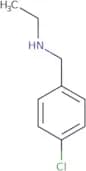
CAS:<p>Versatile small molecule scaffold</p>Formula:C10H13Cl2NPurity:Min. 95%Molecular weight:218.12 g/molN-Ethyl-4-chlorobenzylamine
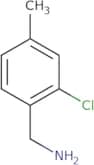
CAS:<p>Versatile small molecule scaffold</p>Formula:C9H12ClNPurity:Min. 95%Molecular weight:169.65 g/mol(2-Chloro-4-methylphenyl)methanamine
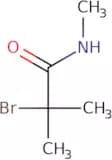
CAS:<p>Versatile small molecule scaffold</p>Formula:C8H10ClNPurity:Min. 95%Molecular weight:155.62 g/mol2-Bromo-N,2-dimethylpropanamide
CAS:<p>Versatile small molecule scaffold</p>Formula:C5H10BrNOPurity:Min. 95%Molecular weight:180.04 g/mol2-(Oxiran-2-yl)oxane
CAS:<p>Versatile small molecule scaffold</p>Formula:C7H12O2Purity:Min. 95%Molecular weight:128.2 g/mol2,2-Dimethyl-2H-chromene-6-carbaldehyde
CAS:<p>Versatile small molecule scaffold</p>Formula:C12H12O2Purity:Min. 95%Molecular weight:188.23 g/mol3-[(Methylsulfanyl)methyl]pyridine
CAS:<p>Versatile small molecule scaffold</p>Formula:C7H9NSPurity:Min. 95%Molecular weight:139.22 g/mol3-[(Phenylsulfanyl)methyl]pyridine
CAS:<p>Versatile small molecule scaffold</p>Formula:C12H11NSPurity:Min. 95%Molecular weight:201.29 g/molN-Methyl-N-[(pyridin-3-yl)methyl]acetamide
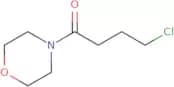
CAS:<p>Versatile small molecule scaffold</p>Formula:C9H12N2OPurity:Min. 95%Molecular weight:164.2 g/mol4-Chloro-1-(morpholin-4-yl)butan-1-one
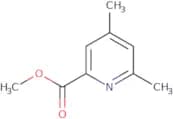
CAS:Versatile small molecule scaffoldFormula:C8H14ClNO2Purity:Min. 95%Molecular weight:191.65 g/molMethyl 4,6-dimethylpyridine-2-carboxylate
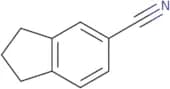
CAS:Versatile small molecule scaffoldFormula:C9H11NO2Purity:Min. 95%Molecular weight:165.19 g/mol2,3-Dihydro-1h-indene-5-carbonitrile
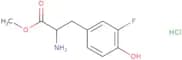
CAS:<p>Versatile small molecule scaffold</p>Formula:C10H9NPurity:Min. 95%Molecular weight:143.19 g/molMethyl 2-amino-3-(3-fluoro-4-hydroxyphenyl)propanoate hydrochloride
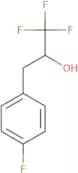
CAS:<p>Versatile small molecule scaffold</p>Formula:C10H13ClFNO3Purity:Min. 95%Molecular weight:249.66 g/mol1,1,1-Trifluoro-3-(4-fluorophenyl)propan-2-ol
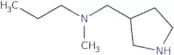
CAS:<p>Versatile small molecule scaffold</p>Formula:C9H8F4OPurity:Min. 95%Molecular weight:208.15 g/molMethyl(propyl)(pyrrolidin-3-ylmethyl)amine
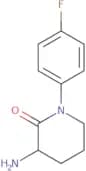
CAS:Versatile small molecule scaffoldFormula:C9H20N2Purity:Min. 95%Molecular weight:156.27 g/mol3-Amino-1-(4-fluorophenyl)piperidin-2-one
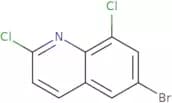
CAS:<p>Versatile small molecule scaffold</p>Formula:C11H13FN2OPurity:Min. 95%Molecular weight:208.23 g/mol6-Bromo-2,8-dichloroquinoline
CAS:<p>Versatile small molecule scaffold</p>Formula:C9H4BrCl2NPurity:Min. 95%Molecular weight:276.94 g/mol

![2-{[(Propan-2-yl)carbamoyl]amino}benzoic acid](/_next/image/?url=https%3A%2Fstatic.cymitquimica.com%2Fproducts%2F3D%2Fthumb-webp%2FUCA14557.webp&w=3840&q=75)
![[3,5-Bis(aminomethyl)phenyl]methanamine trihydrochloride](/_next/image/?url=https%3A%2Fstatic.cymitquimica.com%2Fproducts%2F3D%2Fthumb-webp%2FUCA14657.webp&w=3840&q=75)
![4-[(tert-Butyldimethylsilyl)oxy]butanoic acid](/_next/image/?url=https%3A%2Fstatic.cymitquimica.com%2Fproducts%2F3D%2Fthumb-webp%2FUCA17162.webp&w=3840&q=75)
![5H,6H,7H-Cyclopenta[b]pyridine-7-carbothioamide](/_next/image/?url=https%3A%2Fstatic.cymitquimica.com%2Fproducts%2F3D%2Fthumb-webp%2FUCA21311.webp&w=3840&q=75)
![5-Bromoimidazo[1,2-a]pyridine](/_next/image/?url=https%3A%2Fstatic.cymitquimica.com%2Fproducts%2F3D%2Fthumb-webp%2FUCA21409.webp&w=3840&q=75)


![[1,2,4]Triazolo[1,5-a]pyridine-8-carbonitrile](/_next/image/?url=https%3A%2Fstatic.cymitquimica.com%2Fproducts%2F3D%2Fthumb-webp%2FUCA27799.webp&w=3840&q=75)
![2-Chloro-4H,5H,6H-cyclopenta[b]thiophen-4-one](/_next/image/?url=https%3A%2Fstatic.cymitquimica.com%2Fproducts%2F3D%2Fthumb-webp%2FUCA30048.webp&w=3840&q=75)
![6,7-Dihydro-5H-spiro[1-benzothiophene-4,4'-imidazolidine]-2',5'-dione](/_next/image/?url=https%3A%2Fstatic.cymitquimica.com%2Fproducts%2F3D%2Fthumb-webp%2FUCA30050.webp&w=3840&q=75)
![3-[2-(4-Chlorophenyl)-2-oxoethyl]-2-benzofuran-1(3H)-one](/_next/image/?url=https%3A%2Fstatic.cymitquimica.com%2Fproducts%2F3D%2Fthumb-webp%2FUCA32223.webp&w=3840&q=75)
![1-[(2-Aminoethyl)sulfanyl]-4-bromobenzene](/_next/image/?url=https%3A%2Fstatic.cymitquimica.com%2Fproducts%2F3D%2Fthumb-webp%2FUCA32662.webp&w=3840&q=75)


![3-[(4-Chlorophenyl)amino]propan-1-ol](/_next/image/?url=https%3A%2Fstatic.cymitquimica.com%2Fproducts%2F3D%2Fthumb-webp%2FUCA38037.webp&w=3840&q=75)
![1,4-Diazabicyclo[2.2.2]octane-2-carboxylic acid dihydrochloride](/_next/image/?url=https%3A%2Fstatic.cymitquimica.com%2Fproducts%2F3D%2Fthumb-webp%2FUCA49142.webp&w=3840&q=75)



![Ethyl 2-aminofuro[3,2-b]pyridine-3-carboxylate](/_next/image/?url=https%3A%2Fstatic.cymitquimica.com%2Fproducts%2F3D%2Fthumb-webp%2FUCA53964.webp&w=3840&q=75)


![2H,3H,5H-Indeno[1,2-c]pyridazin-3-one](/_next/image/?url=https%3A%2Fstatic.cymitquimica.com%2Fproducts%2F3D%2Fthumb-webp%2FUCA58116.webp&w=3840&q=75)
![3-Chloro-5H-indeno[1,2-c]pyridazine](/_next/image/?url=https%3A%2Fstatic.cymitquimica.com%2Fproducts%2F3D%2Fthumb-webp%2FUCA58117.webp&w=3840&q=75)
![Tricyclo[7.1.1.0,2,7]undeca-2,4,6-trien-8-one](/_next/image/?url=https%3A%2Fstatic.cymitquimica.com%2Fproducts%2F3D%2Fthumb-webp%2FUCA58447.webp&w=3840&q=75)


![Ethyl 5-{[(tert-butoxy)carbonyl]amino}-3-oxopentanoate](/_next/image/?url=https%3A%2Fstatic.cymitquimica.com%2Fproducts%2F3D%2Fthumb-webp%2FUCA61921.webp&w=3840&q=75)


![Pentacyclo[6.3.0.0(2,7).0(4,11).0(5,9)]undecan-3-one](/_next/image/?url=https%3A%2Fstatic.cymitquimica.com%2Fproducts%2F3D%2Fthumb-webp%2FUCA64919.webp&w=3840&q=75)
![3-Methyl-3,6-diazabicyclo[3.2.1]octane](/_next/image/?url=https%3A%2Fstatic.cymitquimica.com%2Fproducts%2F3D%2Fthumb-webp%2FUCA66709.webp&w=3840&q=75)
![2-Hydroxy-2-methyl-1-[4-(propan-2-yl)phenyl]propan-1-one](/_next/image/?url=https%3A%2Fstatic.cymitquimica.com%2Fproducts%2F3D%2Fthumb-webp%2FUCA67385.webp&w=3840&q=75)
![2-[2-(1,3-dioxo-2,3-dihydro-1H-isoindol-2-yl)ethoxy]acetic acid](/_next/image/?url=https%3A%2Fstatic.cymitquimica.com%2Fproducts%2F3D%2Fthumb-webp%2FUCA67665.webp&w=3840&q=75)




![3-{[(2-Chlorophenyl)methyl]amino}propan-1-ol](/_next/image/?url=https%3A%2Fstatic.cymitquimica.com%2Fproducts%2F3D%2Fthumb-webp%2FUCA73955.webp&w=3840&q=75)


![2-[2-(4-Chlorophenoxy)acetamido]benzoic acid](/_next/image/?url=https%3A%2Fstatic.cymitquimica.com%2Fproducts%2F3D%2Fthumb-webp%2FUCA76409.webp&w=3840&q=75)
![[2-(2-Methylphenoxy)ethyl]hydrazine hydrochloride](/_next/image/?url=https%3A%2Fstatic.cymitquimica.com%2Fproducts%2F3D%2Fthumb-webp%2FUCA78193.webp&w=3840&q=75)
![[2-(4-Chlorophenoxy)ethyl]hydrazine hydrochloride](/_next/image/?url=https%3A%2Fstatic.cymitquimica.com%2Fproducts%2F3D%2Fthumb-webp%2FUCA78224.webp&w=3840&q=75)
![6-Methyl-1H,6H,7H-pyrazolo[3,4-d]pyridazin-7-one](/_next/image/?url=https%3A%2Fstatic.cymitquimica.com%2Fproducts%2F3D%2Fthumb-webp%2FUCA79272.webp&w=3840&q=75)
![2-[(1-Benzofuran-2-yl)formamido]acetic acid](/_next/image/?url=https%3A%2Fstatic.cymitquimica.com%2Fproducts%2F3D%2Fthumb-webp%2FUCA82670.webp&w=3840&q=75)
![2-Chloro-N-[4-(3-methylphenoxy)phenyl]acetamide](/_next/image/?url=https%3A%2Fstatic.cymitquimica.com%2Fproducts%2F3D%2Fthumb-webp%2FUCA83852.webp&w=3840&q=75)
![2-Chloro-N-[4-(2-chlorophenoxy)phenyl]acetamide](/_next/image/?url=https%3A%2Fstatic.cymitquimica.com%2Fproducts%2F3D%2Fthumb-webp%2FUCA83853.webp&w=3840&q=75)
![2-Chloro-N-[4-(3-chlorophenoxy)phenyl]acetamide](/_next/image/?url=https%3A%2Fstatic.cymitquimica.com%2Fproducts%2F3D%2Fthumb-webp%2FUCA83854.webp&w=3840&q=75)
![3-([3-(Dimethylamino)propyl]amino)propanamide](/_next/image/?url=https%3A%2Fstatic.cymitquimica.com%2Fproducts%2F3D%2Fthumb-webp%2FUCA85249.webp&w=3840&q=75)

![rac-[(2R,5S)-5-tert-Butyloxolan-2-yl]methanol](/_next/image/?url=https%3A%2Fstatic.cymitquimica.com%2Fproducts%2F3D%2Fthumb-webp%2FUCA91466.webp&w=3840&q=75)

![5-Amino-1-phenyl-1H,4H,5H-pyrazolo[3,4-d]pyrimidin-4-one](/_next/image/?url=https%3A%2Fstatic.cymitquimica.com%2Fproducts%2F3D%2Fthumb-webp%2FUCA92395.webp&w=3840&q=75)
amine](/_next/image/?url=https%3A%2Fstatic.cymitquimica.com%2Fproducts%2F3D%2Fthumb-webp%2FUCA95782.webp&w=3840&q=75)

![3-[(Methylsulfanyl)methyl]pyridine](/_next/image/?url=https%3A%2Fstatic.cymitquimica.com%2Fproducts%2F3D%2Fthumb-webp%2FUCA96644.webp&w=3840&q=75)
![3-[(Phenylsulfanyl)methyl]pyridine](/_next/image/?url=https%3A%2Fstatic.cymitquimica.com%2Fproducts%2F3D%2Fthumb-webp%2FUCA96647.webp&w=3840&q=75)
![N-Methyl-N-[(pyridin-3-yl)methyl]acetamide](/_next/image/?url=https%3A%2Fstatic.cymitquimica.com%2Fproducts%2F3D%2Fthumb-webp%2FUCA96650.webp&w=3840&q=75)