Building Blocks
This section contains fundamental products for the synthesis of organic and biological compounds. Building blocks are the essential starting materials used to construct complex molecules through various chemical reactions. They play a critical role in drug discovery, material science, and chemical research. At CymitQuimica, we offer a diverse range of high-quality building blocks to support your innovative research and industrial projects, ensuring you have the essential components for successful synthesis.
Subcategories of "Building Blocks"
- Boronic Acids & Boronic Acid Derivatives(5,778 products)
- Chiral Building Blocks(1,242 products)
- Hydrocarbon Building Blocks(6,098 products)
- Organic Building Blocks(61,092 products)
Found 199296 products of "Building Blocks"
Sort by
Purity (%)
0
100
|
0
|
50
|
90
|
95
|
100
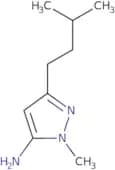
1-Methyl-3-(3-methylbutyl)-1H-pyrazol-5-amine
CAS:<p>Versatile small molecule scaffold</p>Formula:C9H17N3Purity:Min. 95%Molecular weight:167.25 g/molRef: 3D-CWB70775
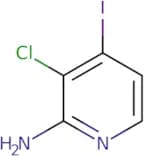
Discontinued product3-Chloro-4-iodopyridin-2-amine
CAS:<p>3-Chloro-4-iodopyridin-2-amine is a chemical compound with the formula CHI. It is a white solid that can be used in evaluating cross-coupling reactions, such as the coupling of an alkyne with a chlorine atom. This chemical has been shown to react well with chlorination reagents and to form substituted cyanides. The nature of the substituent on the chlorine atom determines its regioselectivity and reactivity, making this compound useful for regiocontrolled synthesis.</p>Formula:C5H4ClIN2Purity:Min. 95%Molecular weight:254.46 g/mol3-Ethyl-3-(4-methylphenyl)pyrrolidine-2,5-dione
CAS:<p>Versatile small molecule scaffold</p>Formula:C13H15NO2Purity:Min. 95%Molecular weight:217.26 g/molRef: 3D-CWB58411
Discontinued product1-(3-Methylbenzoyl)piperidine-2-carboxylic acid
CAS:<p>Versatile small molecule scaffold</p>Formula:C14H17NO3Purity:Min. 95%Molecular weight:247.29 g/mol1,2-Dihydro-1-oxo-2-[(pyridin-3-yl)methyl]isoquinoline-4-carboxylic acid
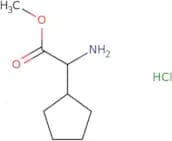
CAS:<p>Versatile small molecule scaffold</p>Formula:C16H12N2O3Purity:Min. 95%Molecular weight:280.29 g/molMethyl 2-amino-2-cyclopentylacetate hydrochloride
CAS:<p>Versatile small molecule scaffold</p>Formula:C8H16ClNO2Purity:Min. 95%Molecular weight:193.67 g/molRef: 3D-CUA58483
Discontinued product1-[(4-Bromo-2-chlorophenyl)methyl]-1H-pyrazol-4-amine
CAS:<p>Versatile small molecule scaffold</p>Formula:C10H9BrClN3Purity:Min. 95%Molecular weight:286.55 g/molRef: 3D-CPC18522
Discontinued product(1R,2R,6S,7S)-4,9-Diazatricyclo[5.3.0.0,2,6]decane dihydrochloride
CAS:<p>Versatile small molecule scaffold</p>Formula:C8H16Cl2N2Purity:Min. 95%Molecular weight:211.1 g/molRef: 3D-CND73121
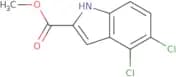
Discontinued productMethyl 4,5-dichloro-1H-indole-2-carboxylate
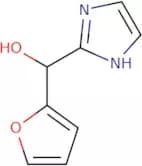
CAS:<p>Versatile small molecule scaffold</p>Formula:C10H7Cl2NO2Purity:Min. 95%Molecular weight:244.07 g/molFuran-2-yl(1H-imidazol-2-yl)methanol
CAS:<p>Versatile small molecule scaffold</p>Formula:C8H8N2O2Purity:Min. 95%Molecular weight:164.16 g/molRef: 3D-CKC76859
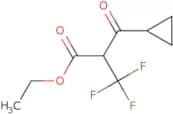
Discontinued productEthyl 3-cyclopropyl-3-oxo-2-(trifluoromethyl)propanoate
CAS:<p>Versatile small molecule scaffold</p>Formula:C9H11F3O3Purity:Min. 95%Molecular weight:224.18 g/molRef: 3D-CKC21604
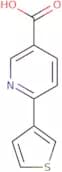
Discontinued product6-(Thiophen-3-yl)pyridine-3-carboxylic acid
CAS:<p>Versatile small molecule scaffold</p>Formula:C10H7NO2SPurity:Min. 95%Molecular weight:205.23 g/molRef: 3D-CKB67490
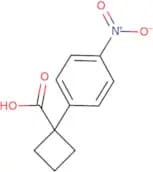
Discontinued product1-(4-Nitrophenyl)cyclobutanecarboxylic acid
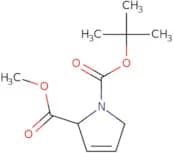
CAS:<p>Versatile small molecule scaffold</p>Formula:C11H11NO4Purity:Min. 95%Molecular weight:221.21 g/mol1-tert-Butyl 2-methyl 2,5-dihydro-1H-pyrrole-1,2-dicarboxylate
CAS:<p>Versatile small molecule scaffold</p>Formula:C11H17NO4Purity:Min. 95%Molecular weight:227.26 g/mol4-{8-Nitro-2,4-dioxo-3-azatricyclo[7.3.1.0,5,13]trideca-1(13),5,7,9,11-pentaen-3-yl}benzoic acid
CAS:<p>Versatile small molecule scaffold</p>Formula:C19H10N2O6Purity:Min. 95%Molecular weight:362.3 g/molPB-22 3-carboxyindole metabolite solution
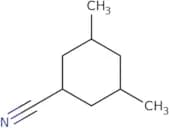
CAS:Controlled Product<p>PB-22 is a synthetic cannabinoid, which can be classified as a CB1 receptor agonist. It is one of the many cannabinoids that have been created in an attempt to circumvent drug laws by creating compounds that are similar to those found in cannabis but have different chemical structures. PB-22 has shown to increase locomotor activity and stimulate the cb1 receptor in mice. Magnetic resonance spectroscopy (MRS) and assays were used to determine the binding affinity of PB-22 for the CB1 receptor. The MRS data showed that PB-22 bound with high affinity to the CB1 receptor and had a lower affinity for CB2 receptors. This suggests that PB-22 may be more potent than other synthetic cannabinoids, such as JWH-018 and CP 55,940, which bind better with CB2 receptors than CB1 receptors.<br>PB-22 is an analog of JWH-073 and has been shown to have a stronger effect on locomotor activity than JWH</p>Formula:C14H17NO2Purity:Min. 95%Molecular weight:231.29 g/mol3,5-Dimethylcyclohexane-1-carbonitrile
CAS:<p>Versatile small molecule scaffold</p>Formula:C9H15NPurity:Min. 95%Molecular weight:137.22 g/molRef: 3D-CEA94274
Discontinued productN-[2-(Propan-2-yl)phenyl]-5,6-dihydro-4H-1,3-thiazin-2-amine
CAS:<p>Versatile small molecule scaffold</p>Formula:C13H18N2SPurity:Min. 95%Molecular weight:234.36 g/mol3-[(4-Methoxyphenyl)sulfanyl]propanenitrile
CAS:<p>Versatile small molecule scaffold</p>Formula:C10H11NOSPurity:Min. 95%Molecular weight:193.27 g/molRef: 3D-CEA23672
Discontinued productN-{4-[(Propan-2-yl)imino]cyclohexa-2,5-dien-1-ylidene}aniline
CAS:<p>Versatile small molecule scaffold</p>Formula:C15H16N2Purity:Min. 95%Molecular weight:224.3 g/molRef: 3D-CCA87043
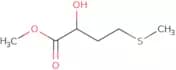
Discontinued productMethyl 2-hydroxy-4-(methylsulfanyl)butanoate
CAS:<p>Versatile small molecule scaffold</p>Formula:C6H12O3SPurity:Min. 95%Molecular weight:164.22 g/molRef: 3D-CCA70396
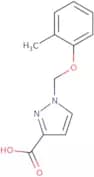
Discontinued product1-(2-Methylphenoxymethyl)-1H-pyrazole-3-carboxylic acid
CAS:<p>Versatile small molecule scaffold</p>Formula:C12H12N2O3Purity:Min. 95%Molecular weight:232.23 g/molRef: 3D-BQB51922
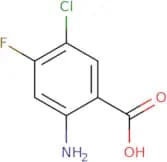
Discontinued product2-Amino-5-chloro-4-fluorobenzoic acid
CAS:<p>Versatile small molecule scaffold</p>Formula:C7H5ClFNO2Purity:Min. 95%Molecular weight:189.57 g/molRef: 3D-BPA36777
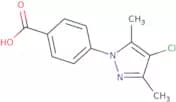
Discontinued product4-(4-Chloro-3,5-dimethyl-pyrazol-1-yl)-benzoic acid
CAS:<p>Versatile small molecule scaffold</p>Formula:C12H11ClN2O2Purity:Min. 95%Molecular weight:250.69 g/molRef: 3D-BMB25772
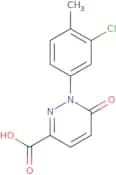
Discontinued product1-(3-Chloro-4-methylphenyl)-6-oxo-1,6-dihydropyridazine-3-carboxylic acid
CAS:<p>Versatile small molecule scaffold</p>Formula:C12H9ClN2O3Purity:Min. 95%Molecular weight:264.66 g/molRef: 3D-BMB25615
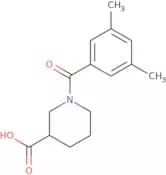
Discontinued product1-(3,5-Dimethylbenzoyl)piperidine-3-carboxylic acid
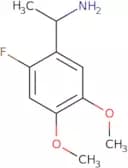
CAS:<p>Versatile small molecule scaffold</p>Formula:C15H19NO3Purity:Min. 95%Molecular weight:261.32 g/mol1-(2-Fluoro-4,5-dimethoxyphenyl)ethan-1-amine
CAS:<p>Versatile small molecule scaffold</p>Formula:C10H14FNO2Purity:Min. 95%Molecular weight:199.22 g/molRef: 3D-BMB25152
Discontinued product1-(2-Hydroxyethyl)-3-methyl-1H-pyrazolo[3,4-b]pyridine-5-carboxylic acid
CAS:<p>Versatile small molecule scaffold</p>Formula:C10H11N3O3Purity:Min. 95%Molecular weight:221.21 g/molRef: 3D-BMB25042
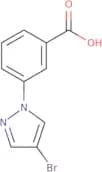
Discontinued product3-(4-bromo-1H-pyrazol-1-yl)benzoic acid
CAS:<p>Versatile small molecule scaffold</p>Formula:C10H7BrN2O2Purity:Min. 95%Molecular weight:267.1 g/mol1-[(3-Methylphenyl)carbamoyl]piperidine-3-carboxylic acid
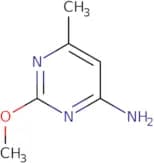
CAS:<p>Versatile small molecule scaffold</p>Formula:C14H18N2O3Purity:Min. 95%Molecular weight:262.3 g/mol2-Methoxy-6-methylpyrimidine-4-yl-amine
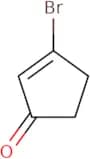
CAS:<p>Versatile small molecule scaffold</p>Formula:C6H9N3OPurity:Min. 95%Molecular weight:139.15 g/mol3-Bromocyclopent-2-en-1-one
CAS:<p>3-Bromocyclopent-2-en-1-one is an organic compound that belongs to the group of cycloalkenones. It is a methyl ester with a cyclopentane backbone and a ketone group at the end of the molecule. 3-Bromocyclopent-2-en-1-one is synthesized by a cross-coupling reaction between zinc chloride and 3,4,5,6,7,8,9,10,11 bromodecane. The product can be isolated in crystalline form as well as in yields up to 90%. The product has been shown to act as an analog for prostaglandin E2.</p>Formula:C5H5BrOPurity:Min. 95%Molecular weight:161 g/mol4-Chloro-3-methyl-[1,2]oxazolo[5,4-d]pyrimidine
CAS:<p>Versatile small molecule scaffold</p>Formula:C6H4ClN3OPurity:Min. 95%Molecular weight:169.57 g/molRef: 3D-BCA85060
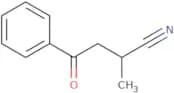
Discontinued product2-Methyl-4-oxo-4-phenylbutanenitrile
CAS:<p>2-Methyl-4-oxo-4-phenylbutanenitrile is a chemical compound that is used in the synthesis of pharmaceuticals. It can be obtained by reacting an organic base with an organic acid. This reaction takes place in a reaction vessel and requires an inorganic base and inorganic reagents. The process also requires ethyl cyanoacetate as the starting material and produces 2-methyl-4-oxo-4-phenylbutanenitrile as the product. The use of this chemical has been linked to environmental pollution, so it should never be released into the environment or come into contact with water.</p>Formula:C11H11NOPurity:Min. 95%Molecular weight:173.21 g/molRef: 3D-BCA76578
Discontinued productEthyl 1,4-dioxaspiro[4.5]dec-8-ylideneacetate
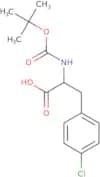
CAS:<p>Versatile small molecule scaffold</p>Formula:C12H18O4Purity:Min. 95%Molecular weight:226.27 g/mol2-((tert-Butoxycarbonyl)amino)-3-(4-chlorophenyl)propanoic acid
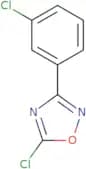
CAS:<p>Versatile small molecule scaffold</p>Formula:C14H18ClNO4Purity:Min. 95%Molecular weight:299.75 g/mol5-Chloro-3-(3-chlorophenyl)-1,2,4-oxadiazole
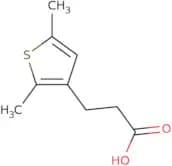
CAS:<p>Versatile small molecule scaffold</p>Formula:C8H4Cl2N2OPurity:Min. 95%Molecular weight:215.03 g/mol3-(2,5-Dimethylthiophen-3-yl)propanoic acid
CAS:<p>Versatile small molecule scaffold</p>Formula:C9H12O2SPurity:Min. 95%Molecular weight:184.26 g/molRef: 3D-BBA42138
Discontinued product(2R)-3-[(Carboxymethyl)sulfanyl]-2-acetamidopropanoic acid
CAS:<p>(2R)-3-[(Carboxymethyl)sulfanyl]-2-acetamidopropanoic acid is a metabolite of the drug sulfapyridine. It is formed by conjugation with glutathione in the liver to form 3-glutathione-2-sulfapyridine, and then excreted into bile. (2R)-3-[(Carboxymethyl)sulfanyl]-2-acetamidopropanoic acid has been found to be genotoxic in mice, which may be due to its ability to form reactive metabolites that bind to DNA. This compound also possesses cytotoxic properties, which may be due to its ability to inhibit protein synthesis.</p>Formula:C7H11NO5SPurity:Min. 95%Molecular weight:221.23 g/molRef: 3D-BBA17754
Discontinued product2-{2-Oxa-6-azaspiro[3.3]heptan-6-yl}ethan-1-ol
CAS:<p>Versatile small molecule scaffold</p>Formula:C7H13NO2Purity:Min. 95%Molecular weight:143.18 g/mol6-Methyl-2,3-dihydro-1-benzothiophene-2-carboxylic acid
CAS:<p>Versatile small molecule scaffold</p>Formula:C10H10O2SPurity:Min. 95%Molecular weight:194.25 g/molRef: 3D-BBA01871
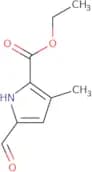
Discontinued productEthyl 5-formyl-3-methyl-1H-pyrrole-2-carboxylate
CAS:<p>Versatile small molecule scaffold</p>Formula:C9H11NO3Purity:Min. 95%Molecular weight:181.19 g/molRef: 3D-BBA01830
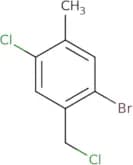
Discontinued product1-Bromo-4-chloro-2-(chloromethyl)-5-methylbenzene
CAS:<p>Versatile small molecule scaffold</p>Formula:C8H7BrCl2Purity:Min. 95%Molecular weight:253.95 g/molRef: 3D-BAD58556
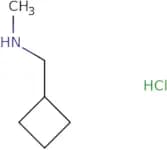
Discontinued product(Cyclobutylmethyl)methylamine hydrochloride
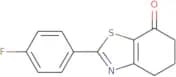
CAS:<p>Versatile small molecule scaffold</p>Formula:C6H14ClNPurity:Min. 95%Molecular weight:135.64 g/mol2-(4-Fluorophenyl)-4,5,6,7-tetrahydro-1,3-benzothiazol-7-one
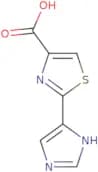
CAS:<p>Versatile small molecule scaffold</p>Formula:C13H10FNOSPurity:Min. 95%Molecular weight:247.29 g/mol2-(1H-Imidazol-5-yl)-1,3-thiazole-4-carboxylic acid
CAS:<p>Versatile small molecule scaffold</p>Formula:C7H5N3O2SPurity:Min. 95%Molecular weight:195.2 g/molRef: 3D-BAC92332
Discontinued product[(2-Chloropyridin-4-yl)methyl](2-methoxyethyl)methylamine
CAS:<p>Versatile small molecule scaffold</p>Formula:C10H15ClN2OPurity:Min. 95%Molecular weight:214.69 g/molRef: 3D-BAC35497
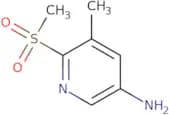
Discontinued product5-Methyl-6-(methylsulfonyl)pyridin-3-amine
CAS:<p>Versatile small molecule scaffold</p>Formula:C7H10N2O2SPurity:Min. 95%Molecular weight:186.23 g/molN-(2-Azidoethyl)-2-methylpropanamide
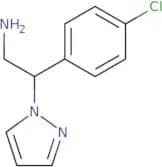
CAS:<p>Versatile small molecule scaffold</p>Formula:C6H12N4OPurity:Min. 95%Molecular weight:156.19 g/mol2-(4-Chlorophenyl)-2-(1H-pyrazol-1-yl)ethan-1-amine
CAS:<p>Versatile small molecule scaffold</p>Formula:C11H12ClN3Purity:Min. 95%Molecular weight:221.68 g/molRef: 3D-BAC10496
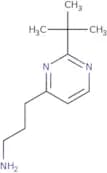
Discontinued product3-(2-tert-Butylpyrimidin-4-yl)propan-1-amine
CAS:<p>Versatile small molecule scaffold</p>Formula:C11H19N3Purity:Min. 95%Molecular weight:193.29 g/molRef: 3D-BAC08805
Discontinued product3-[(4-Bromo-1H-pyrazol-1-yl)methyl]-5-propyl-1,2,4-oxadiazole
CAS:<p>Versatile small molecule scaffold</p>Formula:C9H11BrN4OPurity:Min. 95%Molecular weight:271.11 g/molRef: 3D-BAC04876
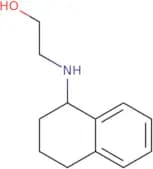
Discontinued product2-((1,2,3,4-Tetrahydronaphthalen-1-yl)amino)ethanol
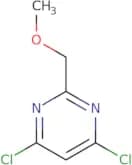
CAS:<p>Versatile small molecule scaffold</p>Formula:C12H17NOPurity:Min. 95%Molecular weight:191.27 g/mol4,6-dichloro-2-(methoxymethyl)pyrimidine
CAS:<p>Versatile small molecule scaffold</p>Formula:C6H6Cl2N2OPurity:Min. 95%Molecular weight:193 g/molRef: 3D-BAA90392
Discontinued productrac-(1R,2S,4S)-7-Oxabicyclo[2.2.1]heptane-2-carbonitrile, endo
CAS:<p>Versatile small molecule scaffold</p>Formula:C7H9NOPurity:Min. 95%Molecular weight:123.15 g/molRef: 3D-BAA72796
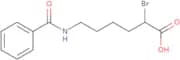
Discontinued product2-Bromo-6-(phenylformamido)hexanoic acid
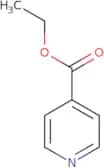
CAS:<p>Versatile small molecule scaffold</p>Formula:C13H16BrNO3Purity:Min. 95%Molecular weight:314.17 g/mol4-Pyridinecarboxylic Acid Ethyl Ester
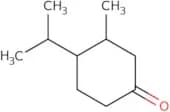
CAS:<p>4-Pyridinecarboxylic Acid Ethyl Ester is a compound that belongs to the group of pyridinecarboxylic acids. It is a metabolite of nicotinamide, which is converted to 4-pyridinecarboxylic acid ethyl ester by esterases in the intestine. Nicotinamide is an important component of the vitamin B3 and has been shown to be effective for treating autoimmune diseases such as rheumatoid arthritis. 4-Pyridinecarboxylic Acid Ethyl Ester may have similar effects on inflammatory bowel disease and alopecia areata. The reaction mechanism of this compound has not been elucidated, but it has been shown to inhibit amyloid protein production in rat intestines. Hydroxyl groups on the side chain likely play a role in hydrogen bonding interactions with receptors in inflammatory bowel disease and alopecia areata.</p>Formula:C8H9NO2Purity:Min. 95%Molecular weight:151.16 g/mol3-Methyl-4-(propan-2-yl)cyclohexan-1-one
CAS:<p>Versatile small molecule scaffold</p>Formula:C10H18OPurity:Min. 95%Molecular weight:154.25 g/molRef: 3D-BAA53819
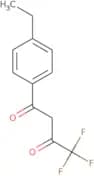
Discontinued product1-(4-Ethylphenyl)-4,4,4-trifluorobutane-1,3-dione
CAS:<p>Versatile small molecule scaffold</p>Formula:C12H11F3O2Purity:Min. 95%Molecular weight:244.21 g/mol6-benzyl-2-methyl-5,6,7,8-tetrahydropyrido[4,3-d]pyrimidin-4(3H)-one
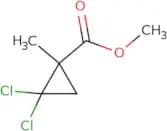
CAS:<p>Versatile small molecule scaffold</p>Formula:C15H17N3OPurity:Min. 95%Molecular weight:255.32 g/molMethyl 2,2-dichloro-1-methylcyclopropanecarboxylate
CAS:<p>Methyl 2,2-dichloro-1-methylcyclopropanecarboxylate is a cyclic compound with an effective rate of 11.6 s−1. It has been shown to be an effective catalyst for the electrochemical reduction of anthracene and other aromatic compounds in metallocomplexes. The catalytic activity of Methyl 2,2-dichloro-1-methylcyclopropanecarboxylate is dependent on the concentration and type of anion present in solution. In homogeneous systems, this compound is catalytically active for the electrochemical reduction of radical anions and polarographic oxidation of pyridine. This chemical also shows high electrochemical reductive activity towards palladium.</p>Formula:C6H8Cl2O2Purity:Min. 95%Molecular weight:183.03 g/molRef: 3D-BAA44713
Discontinued productEthyl 5-(4-methoxyphenyl)-1,3-oxazole-2-carboxylate
CAS:<p>Versatile small molecule scaffold</p>Formula:C13H13NO4Purity:Min. 95%Molecular weight:247.25 g/molRef: 3D-BAA44137
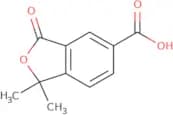
Discontinued product1,1-Dimethyl-3-oxo-1,3-dihydro-2-benzofuran-5-carboxylic acid
CAS:<p>Versatile small molecule scaffold</p>Formula:C11H10O4Purity:Min. 95%Molecular weight:206.19 g/molRef: 3D-BAA42881
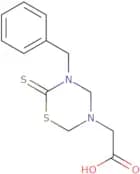
Discontinued product2-(5-Benzyl-6-thioxo-1,3,5-thiadiazinan-3-yl)acetic acid
CAS:<p>2-(5-Benzyl-6-thioxo-1,3,5-thiadiazinan-3-yl)acetic acid is a hydroxyl group containing fatty acid. It is an implanting agent that has biological properties including skin condition and choroidal neovascularization. Inhibitor compounds have been shown to be effective in preventing the growth of δ opioid receptor agonists in vitro. Sodium citrate can be used as a reconstituted cross linking agent for 2-(5-benzyl-6-thioxo-1,3,5-thiadiazinan-3-yl)acetic acid. Fatty acids are also a cross linking agents for 2-(5-benzyl-6-thioxo-1,3,5 thiadiazinan 3 yl)acetic acid. Furthermore, herpes simplex virus and other viruses are inhibited by 2-(5 benzyl</p>Formula:C12H14N2O2S2Purity:Min. 95%Molecular weight:282.4 g/molRef: 3D-BAA21977
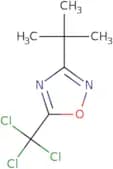
Discontinued product3-tert-Butyl-5-(trichloromethyl)-1,2,4-oxadiazole
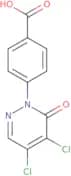
CAS:<p>Versatile small molecule scaffold</p>Formula:C7H9Cl3N2OPurity:Min. 95%Molecular weight:243.5 g/mol4-(4,5-Dichloro-6-oxo-1,6-dihydropyridazin-1-yl)benzoic acid
CAS:<p>Versatile small molecule scaffold</p>Formula:C11H6Cl2N2O3Purity:Min. 95%Molecular weight:285.08 g/mol2-{[3-(Dimethylamino)propyl]sulfanyl}aniline
CAS:<p>Versatile small molecule scaffold</p>Formula:C11H18N2SPurity:Min. 95%Molecular weight:210.34 g/molRef: 3D-BAA13477
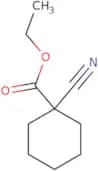
Discontinued product1-Cyano-cyclohexanecarboxylic acid ethyl ester
CAS:<p>1-Cyano-cyclohexanecarboxylic acid ethyl ester is a synthetic intermediate in the preparation of benzene. It is used as a reagent for the synthesis of methylcyclohexane and other cyclohexanones. The compound can be prepared by reacting chlorinated aliphatic hydrocarbons with carbon dioxide, followed by acidification and decarbonylation. 1-Cyano-cyclohexanecarboxylic acid ethyl ester can be purified by distillation or recrystallization from acetonitrile, chloroform, or benzene.</p>Formula:C10H15NO2Purity:Min. 95%Molecular weight:181.23 g/mol2-Cyclopropyl-5-fluorobenzoic acid
CAS:<p>Versatile small molecule scaffold</p>Formula:C10H9FO2Purity:Min. 95%Molecular weight:180.17 g/molRef: 3D-AAC50478
Discontinued product3-[(6-Chloropyrimidin-4-yl)amino]propanamide
CAS:<p>Versatile small molecule scaffold</p>Formula:C7H9ClN4OPurity:Min. 95%Molecular weight:200.62 g/mol1-(3-Methoxyphenyl)ethane-1-sulfonamide
CAS:<p>Versatile small molecule scaffold</p>Formula:C9H13NO3SPurity:Min. 95%Molecular weight:215.27 g/molRef: 3D-AAC48760
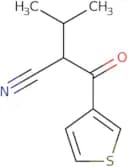
Discontinued product3-Methyl-2-(thiophene-3-carbonyl)butanenitrile
CAS:<p>Versatile small molecule scaffold</p>Formula:C10H11NOSPurity:Min. 95%Molecular weight:193.27 g/molRef: 3D-AAC35155
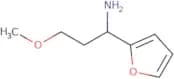
Discontinued product1-(Furan-2-yl)-3-methoxypropan-1-amine
CAS:<p>Versatile small molecule scaffold</p>Formula:C8H13NO2Purity:Min. 95%Molecular weight:155.19 g/molRef: 3D-AAC28244
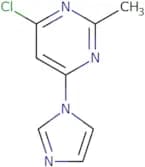
Discontinued product4-Chloro-6-(1H-imidazol-1-yl)-2-methylpyrimidine
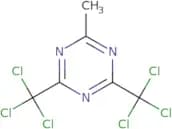
CAS:<p>Versatile small molecule scaffold</p>Formula:C8H7ClN4Purity:Min. 95%Molecular weight:194.62 g/mol2-Methyl-4,6-bis(trichloromethyl)-1,3,5-triazine
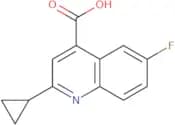
CAS:<p>2-Methyl-4,6-bis(trichloromethyl)-1,3,5-triazine is a triazine with an ionic structure. It is used as a precursor to benzene and acetonitrile. The yields of 2-methyl-4,6-bis(trichloromethyl)-1,3,5-triazine are higher in the presence of benzene compared to acetonitrile. The quantum yield for 2-methyl-4,6-bis(trichloromethyl)-1,3,5-triazine has been found to be 0.2 from the photophysical properties of its emission spectrum. This technique has been used to detect small amounts of singlet oxygen that are generated by photolysis or irradiation with lasers.</p>Formula:C6H3Cl6N3Purity:Min. 95%Molecular weight:329.81 g/mol2-Cyclopropyl-6-fluoroquinoline-4-carboxylic acid
CAS:<p>Versatile small molecule scaffold</p>Formula:C13H10FNO2Purity:Min. 95%Molecular weight:231.22 g/molRef: 3D-AAA78458
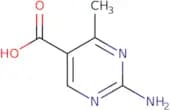
Discontinued product2-Amino-4-methyl-pyrimidine-5-carboxylic acid
CAS:<p>2-Amino-4-methyl-pyrimidine-5-carboxylic acid is a spleen cell immunogen that induces antibody production in animals. 2-Amino-4-methyl-pyrimidine-5-carboxylic acid is an immunogen that belongs to the class of pyrimidine carboxylic acids. It has been optimised for use as an animal vaccine by inoculating it into tissues and monitoring antibody production with an enzyme linked immunosorbent assay. This compound has also been used to monitor and screen for antibodies in liquid chromatography.</p>Formula:C6H7N3O2Purity:Min. 95%Molecular weight:153.14 g/molRef: 3D-AAA76951
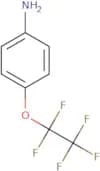
Discontinued product4-(Perfluoroethoxy)aniline
CAS:<p>Versatile small molecule scaffold</p>Formula:C8H6F5NOPurity:Min. 95%Molecular weight:227.13 g/molRef: 3D-AAA71785
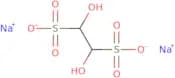
Discontinued productGlyoxal bis(sodium hydrogen sulfite) adduct hydrate
CAS:<p>Glyoxal bis(sodium hydrogen sulfite) adduct hydrate is a reactive compound that has been shown to react with quinoxaline derivatives. The nitrogen atoms in the amide and nitrogen atoms in the quinoxaline derivative are oxidized by oxidation catalyst, such as sodium carbonate, to form an amide-quinone. This reaction leads to the formation of a polyvinyl polymer that can be used for sample preparation. In addition, this compound has been shown to have receptor activity and detergent compositions. Glyoxal bis(sodium hydrogen sulfite) adduct hydrate also has antimicrobial properties and can be used for plant physiology studies and pharmacokinetic properties.</p>Formula:OHCCHO·2NaHSO3Purity:Min. 95%Molecular weight:266.16 g/molRef: 3D-AAA51721
Discontinued productN-[4-Chloro-3-(trifluoromethyl)phenyl]-2-hydroxybenzamide
CAS:<p>Versatile small molecule scaffold</p>Formula:C14H9ClF3NO2Purity:Min. 95%Molecular weight:315.67 g/molRef: 3D-AAA36974
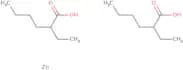
Discontinued productEthylhexanoic acid zinc
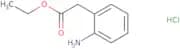
CAS:<p>Ethylhexanoic acid zinc salt is a viscosity-increasing agent that is used in the production of high-viscosity polymers. It is a carboxylate salt of ethyl hexanoic acid and zinc. The reaction of ethylhexane with zirconium oxide produces a viscous liquid with a strong cationic polymerization activity. This product reacts with diphenyl ether and aromatic hydrocarbons to form solid products. The reaction with calcium stearate, an ester of glycerol, results in the formation of particles that are insoluble in water but soluble in organic solvents. Ethylhexane also reacts with ethylene diamine to form methyl myristate, which has kinetic data available for it.</p>Formula:C16H30O4ZnPurity:Min. 95%Molecular weight:351.8 g/molethyl 2-(2-aminophenyl)acetate hydrochloride
CAS:<p>Versatile small molecule scaffold</p>Formula:C10H13NO2·HClPurity:Min. 95%Molecular weight:215.67 g/molRef: 3D-AAA06188
Discontinued producttert-Butyl 5-bromo-3,4-dihydro-2,7-naphthyridine-2(1H)-carboxylate
CAS:<p>Versatile small molecule scaffold</p>Formula:C13H17BrN2O2Purity:Min. 95%Molecular weight:313.19 g/mol3-[5-(Aminomethyl)-1-oxo-2,3-dihydro-1H-isoindol-2-yl]piperidine-2,6-dione hydrochloride
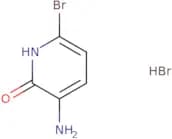
CAS:<p>Versatile small molecule scaffold</p>Formula:C14H16ClN3O3Purity:Min. 95%Molecular weight:309.75 g/mol3-amino-6-bromopyridin-2-ol hydrobromide
CAS:<p>Versatile small molecule scaffold</p>Formula:C5H6Br2N2OPurity:Min. 95%Molecular weight:269.9 g/mol1-[3-(Dimethylamino)propyl]-1-(4-fluorophenyl)-1,3-dihydro-3-oxo-5-isobenzofurancarbonitrile
CAS:<p>Please enquire for more information about 1-[3-(Dimethylamino)propyl]-1-(4-fluorophenyl)-1,3-dihydro-3-oxo-5-isobenzofurancarbonitrile including the price, delivery time and more detailed product information at the technical inquiry form on this page</p>Formula:C20H19FN2O2Purity:Min. 95%Molecular weight:338.38 g/molRef: 3D-FD184085
Discontinued product3-Boc-3-azabicyclo[3.2.1]octan-8-amine
CAS:<p>Versatile small molecule scaffold</p>Formula:C12H22N2O2Purity:Min. 95%Molecular weight:226.32 g/mol3-(Methoxycarbonyl)pyridine-4-carboxylic acid
CAS:<p>Versatile small molecule scaffold</p>Formula:C8H7NO4Purity:Min. 95%Molecular weight:181.15 g/mol2-Acetylbenzoic acid
CAS:<p>2-Acetylbenzoic acid is a functional molecule that contains an acetyl group. It can form hydrogen bonds with other molecules and has been shown to induce apoptosis in cells. The reaction products of 2-acetylbenzoic acid are malonic acid, acetylsalicylic acid, and 2-benzoylbenzoic acid. These three compounds are made by the addition of hydrogen or hydroxide to the molecule 2-acetylbenzoic acid. The molecule has two functional groups: a carbonyl group and an acetyl group. The chemical structure of this molecule can be seen in the figure below.<br>2-Acetylbenzoic Acid</p>Formula:C9H8O3Purity:Min. 95%Color and Shape:PowderMolecular weight:164.16 g/molRef: 3D-FA05086
Discontinued product(2S,3R)-2-((((9H-Fluoren-9-yl)methoxy)carbonyl)amino)-3-methoxybutanoic acid
CAS:<p>Versatile small molecule scaffold</p>Formula:C20H21NO5Purity:Min. 95%Molecular weight:355.4 g/mol3-Methylbenzo[b]thiophene-2-carboxylic acid
CAS:<p>3-Methylbenzo[b]thiophene-2-carboxylic acid (MBTCA) is a heterocyclic compound that is an intermediate in the synthesis of 3-methylthiophene-2-carboxylic acid, a precursor to other drugs. MBTCA is an aerobic, nonpolar compound that has shown antimicrobial activity against some bacteria and fungi. It also has been shown to have practicality as a biomolecular probe for methyl groups in organic solvents. MBTCA can be synthesized by nitration of benzene in the presence of sulfur and sulfoxides. This reaction produces nitrobenzene, which can then be oxidized by potassium permanganate or hydrogen peroxide to produce MBTCA. The most common isomer of MBTCA is 2-(3,5-dimethoxybenzylidene)tetrahydrofuran, with three methyl groups on the</p>Formula:C10H8O2SPurity:Min. 95%Molecular weight:192.23 g/mol2-Bromo-3,3,3-trifluoro-1-propene
CAS:Controlled Product<p>2-Bromo-3,3,3-trifluoro-1-propene is a chemical compound that has been synthesized in an asymmetric reaction. The reactant is bromopropane and the product is 2,2,2-trifluoropropene. The methylene group on the propene molecule is activated by the nucleophilic attack of a fluoride ion from hydrogen fluoride to form a cavity with a highly strained bond. The kinetic study of this reaction revealed that the activation energy for the reaction is 42 kJ/mol. Palladium-catalyzed coupling reactions are catalyzed by palladium and require nonpolar solvents such as toluene or dichloromethane. This type of reaction has been shown to be exothermic with an isolated yield of 1%.</p>Formula:C3H2BrF3Purity:Min. 95%Color and Shape:Colorless PowderMolecular weight:174.95 g/mol2-Bromo-4-(4-fluorophenyl)-1,3-thiazole
CAS:<p>Versatile small molecule scaffold</p>Formula:C9H5NFSBrPurity:Min. 95%Molecular weight:258.11 g/mol6,6-Difluorospiro[3.3]heptan-2-amine Hydrochloride
CAS:<p>Versatile small molecule scaffold</p>Formula:C7H11F2N·HClPurity:Min. 95%Molecular weight:147.17 g/molH-Ser-Ala-Glu-Glu-Tyr-Glu-Tyr-Pro-Ser OH trifluoroacetate
CAS:<p>Please enquire for more information about H-Ser-Ala-Glu-Glu-Tyr-Glu-Tyr-Pro-Ser OH trifluoroacetate including the price, delivery time and more detailed product information at the technical inquiry form on this page</p>Formula:C47H63N9O20•(C2HF3O2)xPurity:Min. 95%Ref: 3D-FS183525
Discontinued productGivinostat hydrochloride
CAS:<p>Givinostat hydrochloride is a research chemical that has shown potential in various fields. It is a molybdenum-based compound that has been studied for its effects on dopamine release and hydrogen evolution. Givinostat hydrochloride has also been investigated as an osteoclast inhibitor, which may be beneficial in the treatment of bone-related disorders such as osteoporosis. Additionally, it has shown promise as a retinoid and calpain inhibitor, suggesting its potential use in dermatological conditions and neurodegenerative diseases. The compound contains fluorine atoms, making it suitable for imaging studies using fluorine MRI techniques. Givinostat hydrochloride has been tested on MDA-MB-231 cells and has shown inhibitory effects on their growth, indicating its potential as an anticancer agent.</p>Formula:C24H27N3O4·HClPurity:Min. 95%Molecular weight:457.95 g/mol



![1,2-Dihydro-1-oxo-2-[(pyridin-3-yl)methyl]isoquinoline-4-carboxylic acid](/_next/image/?url=https%3A%2Fstatic.cymitquimica.com%2Fproducts%2F3D%2Fthumb-webp%2FCUA85107.webp&w=3840&q=75)
![1-[(4-Bromo-2-chlorophenyl)methyl]-1H-pyrazol-4-amine](/_next/image/?url=https%3A%2Fstatic.cymitquimica.com%2Fproducts%2F3D%2Fthumb-webp%2FCPC18522.webp&w=3840&q=75)
![(1R,2R,6S,7S)-4,9-Diazatricyclo[5.3.0.0,2,6]decane dihydrochloride](/_next/image/?url=https%3A%2Fstatic.cymitquimica.com%2Fproducts%2F3D%2Fthumb-webp%2FCND73121.webp&w=3840&q=75)
![4-{8-Nitro-2,4-dioxo-3-azatricyclo[7.3.1.0,5,13]trideca-1(13),5,7,9,11-pentaen-3-yl}benzoic acid](/_next/image/?url=https%3A%2Fstatic.cymitquimica.com%2Fproducts%2F3D%2Fthumb-webp%2FCIA34140.webp&w=3840&q=75)

![N-[2-(Propan-2-yl)phenyl]-5,6-dihydro-4H-1,3-thiazin-2-amine](/_next/image/?url=https%3A%2Fstatic.cymitquimica.com%2Fproducts%2F3D%2Fthumb-webp%2FCEA38918.webp&w=3840&q=75)
![3-[(4-Methoxyphenyl)sulfanyl]propanenitrile](/_next/image/?url=https%3A%2Fstatic.cymitquimica.com%2Fproducts%2F3D%2Fthumb-webp%2FCEA23672.webp&w=3840&q=75)
![N-{4-[(Propan-2-yl)imino]cyclohexa-2,5-dien-1-ylidene}aniline](/_next/image/?url=https%3A%2Fstatic.cymitquimica.com%2Fproducts%2F3D%2Fthumb-webp%2FCCA87043.webp&w=3840&q=75)
![1-(2-Hydroxyethyl)-3-methyl-1H-pyrazolo[3,4-b]pyridine-5-carboxylic acid](/_next/image/?url=https%3A%2Fstatic.cymitquimica.com%2Fproducts%2F3D%2Fthumb-webp%2FBMB25042.webp&w=3840&q=75)
![1-[(3-Methylphenyl)carbamoyl]piperidine-3-carboxylic acid](/_next/image/?url=https%3A%2Fstatic.cymitquimica.com%2Fproducts%2F3D%2Fthumb-webp%2FBMB23836.webp&w=3840&q=75)
![4-Chloro-3-methyl-[1,2]oxazolo[5,4-d]pyrimidine](/_next/image/?url=https%3A%2Fstatic.cymitquimica.com%2Fproducts%2F3D%2Fthumb-webp%2FBCA85060.webp&w=3840&q=75)
![Ethyl 1,4-dioxaspiro[4.5]dec-8-ylideneacetate](/_next/image/?url=https%3A%2Fstatic.cymitquimica.com%2Fproducts%2F3D%2Fthumb-webp%2FBCA65691.webp&w=3840&q=75)
![(2R)-3-[(Carboxymethyl)sulfanyl]-2-acetamidopropanoic acid](/_next/image/?url=https%3A%2Fstatic.cymitquimica.com%2Fproducts%2F3D%2Fthumb-webp%2FBBA17754.webp&w=3840&q=75)
![2-{2-Oxa-6-azaspiro[3.3]heptan-6-yl}ethan-1-ol](/_next/image/?url=https%3A%2Fstatic.cymitquimica.com%2Fproducts%2F3D%2Fthumb-webp%2FBBA09635.webp&w=3840&q=75)

methylamine](/_next/image/?url=https%3A%2Fstatic.cymitquimica.com%2Fproducts%2F3D%2Fthumb-webp%2FBAC35497.webp&w=3840&q=75)

![3-[(4-Bromo-1H-pyrazol-1-yl)methyl]-5-propyl-1,2,4-oxadiazole](/_next/image/?url=https%3A%2Fstatic.cymitquimica.com%2Fproducts%2F3D%2Fthumb-webp%2FBAC04876.webp&w=3840&q=75)
![rac-(1R,2S,4S)-7-Oxabicyclo[2.2.1]heptane-2-carbonitrile, endo](/_next/image/?url=https%3A%2Fstatic.cymitquimica.com%2Fproducts%2F3D%2Fthumb-webp%2FBAA72796.webp&w=3840&q=75)
![6-benzyl-2-methyl-5,6,7,8-tetrahydropyrido[4,3-d]pyrimidin-4(3H)-one](/_next/image/?url=https%3A%2Fstatic.cymitquimica.com%2Fproducts%2F3D%2Fthumb-webp%2FBAA44840.webp&w=3840&q=75)

![2-{[3-(Dimethylamino)propyl]sulfanyl}aniline](/_next/image/?url=https%3A%2Fstatic.cymitquimica.com%2Fproducts%2F3D%2Fthumb-webp%2FBAA13477.webp&w=3840&q=75)

![3-[(6-Chloropyrimidin-4-yl)amino]propanamide](/_next/image/?url=https%3A%2Fstatic.cymitquimica.com%2Fproducts%2F3D%2Fthumb-webp%2FAAC48959.webp&w=3840&q=75)

![N-[4-Chloro-3-(trifluoromethyl)phenyl]-2-hydroxybenzamide](/_next/image/?url=https%3A%2Fstatic.cymitquimica.com%2Fproducts%2F3D%2Fthumb-webp%2FAAA36974.webp&w=3840&q=75)

![3-[5-(Aminomethyl)-1-oxo-2,3-dihydro-1H-isoindol-2-yl]piperidine-2,6-dione hydrochloride](/_next/image/?url=https%3A%2Fstatic.cymitquimica.com%2Fproducts%2F3D%2Fthumb-webp%2FIWB26469.webp&w=3840&q=75)
![1-[3-(Dimethylamino)propyl]-1-(4-fluorophenyl)-1,3-dihydro-3-oxo-5-isobenzofurancarbonitrile](/_next/image/?url=https%3A%2Fstatic.cymitquimica.com%2Fproducts%2F3D%2Fthumb-webp%2FFD184085.webp&w=3840&q=75)
![3-Boc-3-azabicyclo[3.2.1]octan-8-amine](/_next/image/?url=https%3A%2Fstatic.cymitquimica.com%2Fproducts%2F3D%2Fthumb-webp%2FFDC76351.webp&w=3840&q=75)


![3-Methylbenzo[b]thiophene-2-carboxylic acid](/_next/image/?url=https%3A%2Fstatic.cymitquimica.com%2Fproducts%2F3D%2Fthumb-webp%2FDAA13378.webp&w=3840&q=75)


![6,6-Difluorospiro[3.3]heptan-2-amine Hydrochloride](/_next/image/?url=https%3A%2Fstatic.cymitquimica.com%2Fproducts%2F3D%2Fthumb-webp%2FYGC03271.webp&w=3840&q=75)