Building Blocks
This section contains fundamental products for the synthesis of organic and biological compounds. Building blocks are the essential starting materials used to construct complex molecules through various chemical reactions. They play a critical role in drug discovery, material science, and chemical research. At CymitQuimica, we offer a diverse range of high-quality building blocks to support your innovative research and industrial projects, ensuring you have the essential components for successful synthesis.
Subcategories of "Building Blocks"
- Boronic Acids & Boronic Acid Derivatives(5,756 products)
- Chiral Building Blocks(1,242 products)
- Hydrocarbon Building Blocks(6,095 products)
- Organic Building Blocks(61,037 products)
Found 196139 products of "Building Blocks"
Sort by
Purity (%)
0
100
|
0
|
50
|
90
|
95
|
100
3-[2-(Trifluoromethyl)benzenesulfonamido]propanoic acid
CAS:<p>Versatile small molecule scaffold</p>Formula:C10H10F3NO4SPurity:Min. 95%Molecular weight:297.25 g/mol5-Fluoro-2-phenoxyaniline
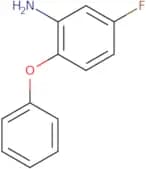
CAS:<p>5-Fluoro-2-phenoxyaniline is a synthetic drug that has been shown to bind to the benzodiazepine receptor in rat brain tissue. This binding causes a decrease in cerebral blood flow, which can lead to seizure activity. 5-Fluoro-2-phenoxyaniline has also been shown to inhibit the production of inflammatory cytokines and other substances that are associated with neuroinflammation. It has not been determined whether this drug binds to any other receptors or what its target organ might be.</p>Formula:C12H10FNOPurity:Min. 95%Molecular weight:203.22 g/mol3-Methyl-1-oxa-3,8-diazaspiro[4,5]decan-2-one hydrochloride
CAS:<p>Versatile small molecule scaffold</p>Formula:C8H15ClN2O2Purity:Min. 95%Molecular weight:206.67 g/mol2,4,6-Trifluoro-N-methylbenzamide
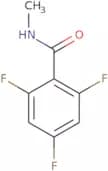
CAS:<p>Versatile small molecule scaffold</p>Formula:C8H6F3NOPurity:Min. 95%Molecular weight:189.13 g/mol1-(3-Methoxyphenyl)-1H-pyrazole
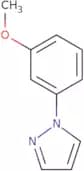
CAS:<p>Versatile small molecule scaffold</p>Formula:C10H10N2OPurity:Min. 95%Molecular weight:174.2 g/mol3-Iodo-4-phenyl-1H-pyrazole
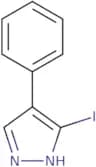
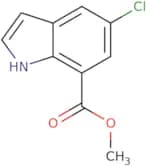
CAS:<p>Versatile small molecule scaffold</p>Formula:C9H7IN2Purity:Min. 95%Molecular weight:270.07 g/molMethyl 5-chloro-1H-indole-7-carboxylate
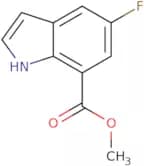
CAS:<p>Versatile small molecule scaffold</p>Formula:C10H8ClNO2Purity:Min. 95%Molecular weight:209.63 g/molMethyl 5-fluoro-1H-indole-7-carboxylate
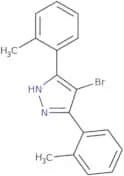
CAS:<p>Versatile small molecule scaffold</p>Formula:C10H8FNO2Purity:Min. 95%Molecular weight:193.17 g/mol4-Bromo-3,5-bis(2-methylphenyl)-1H-pyrazole
CAS:<p>Versatile small molecule scaffold</p>Formula:C17H15BrN2Purity:Min. 95%Molecular weight:327.2 g/molN-[(Z)-2-Nitroethenyl]acetamide
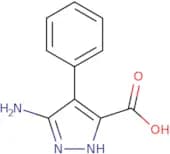
CAS:<p>N-[(Z)-2-Nitroethenyl]acetamide is a synthetic anti-influenza drug. It has shown to be effective against influenza virus, and it is currently being optimized for use as an anti-influenza drug. N-[(Z)-2-Nitroethenyl]acetamide binds to the neuraminidase enzyme of influenza viruses, which prevents them from releasing viral particles. This drug has been shown to be effective in experiments that used nitro compounds in place of the more commonly used tetraethyl amine. The nitro group is thought to increase the rate of reaction because it is more reactive than the tetraethyl amine group. Optimization of parameters such as solvent, temperature, and concentration were required for this synthesis.</p>Formula:C4H6N2O3Purity:Min. 95%Molecular weight:130.1 g/mol5-amino-4-phenyl-1H-pyrazole-3-carboxylic acid
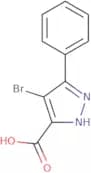
CAS:<p>Versatile small molecule scaffold</p>Formula:C10H9N3O2Purity:Min. 95%Molecular weight:203.2 g/mol4-bromo-3-phenyl-1H-pyrazole-5-carboxylic acid
CAS:<p>Versatile small molecule scaffold</p>Formula:C10H7BrN2O2Purity:Min. 95%Molecular weight:267.1 g/mol6,6-Difluoro-5,6,7,8,9,10-hexahydrobenzo[8]annulen-5-one
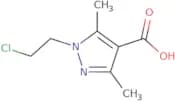
CAS:<p>Versatile small molecule scaffold</p>Formula:C12H12F2OPurity:Min. 95%Molecular weight:210.22 g/mol1-(2-Chloroethyl)-3,5-dimethyl-1H-pyrazole-4-carboxylic acid
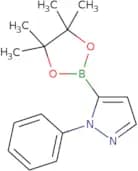
CAS:<p>Versatile small molecule scaffold</p>Formula:C8H11ClN2O2Purity:Min. 95%Molecular weight:202.64 g/mol1-Phenyl-5-(4,4,5,5-tetramethyl-1,3,2-dioxaborolan-2-yl)-1H-pyrazole
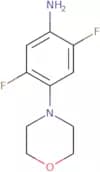
CAS:<p>Versatile small molecule scaffold</p>Formula:C15H19BN2O2Purity:Min. 95%Molecular weight:270.14 g/mol2,5-Difluoro-4-(morpholin-4-yl)aniline
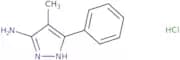
CAS:<p>Versatile small molecule scaffold</p>Formula:C10H12F2N2OPurity:Min. 95%Molecular weight:214.21 g/mol4-Methyl-3-phenyl-1H-pyrazol-5-amine hydrochloride
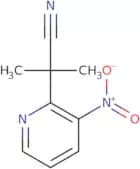
CAS:<p>Versatile small molecule scaffold</p>Formula:C10H12ClN3Purity:Min. 95%Molecular weight:209.67 g/mol2-Methyl-2-(3-nitropyridin-2-yl)propanenitrile
CAS:<p>Versatile small molecule scaffold</p>Formula:C9H9N3O2Purity:Min. 95%Molecular weight:191.19 g/molN-(5-Hydroxy-2,4-dimethylphenyl)acetamide
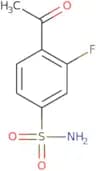
CAS:<p>Versatile small molecule scaffold</p>Formula:C10H13NO2Purity:Min. 95%Molecular weight:179.2 g/mol4-Acetyl-3-fluorobenzene-1-sulfonamide
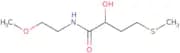
CAS:<p>Versatile small molecule scaffold</p>Formula:C8H8FNO3SPurity:Min. 95%Molecular weight:217.22 g/mol2-Hydroxy-N-(2-methoxyethyl)-4-(methylsulfanyl)butanamide
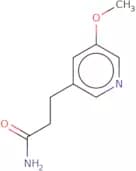
CAS:<p>Versatile small molecule scaffold</p>Formula:C8H17NO3SPurity:Min. 95%Molecular weight:207.3 g/mol3-(5-Methoxypyridin-3-yl)propanamide
CAS:<p>Versatile small molecule scaffold</p>Formula:C9H12N2O2Purity:Min. 95%Molecular weight:180.2 g/moln-Hexyl sulfonyl chloride
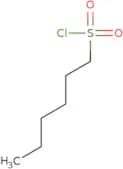
CAS:<p>n-Hexyl sulfonyl chloride is a reactive aliphatic hydrocarbon that can be used to prepare conjugates with polymers. The compound class includes halides, alkyl sulfonates, and other compounds with a sulfur atom in the molecule. n-Hexyl sulfonyl chloride is prepared by reacting hexane with chlorosulfonic acid in the presence of water. The reaction products are then hydrolyzed to yield n-hexyl sulfonyl chloride and hydrochloric acid. This compound has been used as an intermediate for polymer conjugation reactions and an amide synthesis. It also inhibits skin cancer cell growth and can be used to inhibit herpes simplex virus replication in vitro.</p>Formula:C6H13ClO2SPurity:Min. 95%Molecular weight:184.69 g/mol6-Nitro-benzooxazole-2-thiol
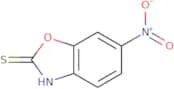
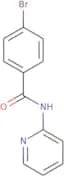
CAS:<p>6-Nitro-benzooxazole-2-thiol is a heterocyclic amine that has been used as an inorganic base. It is synthesized from 6-nitrobenzooxazole and 2-mercaptobenzimidazole using elemental sulfur and solvents. 6-Nitrobenzooxazole-2-thiol can be used to produce a wide variety of organic compounds, including sulfides, which are useful for eliminating pesticides. This compound also has antitubercular activity and can be used as a sulfur source for elemental sulfur.</p>Formula:C7H4N2O3SPurity:Min. 95%Molecular weight:196.18 g/mol4-bromo-N-pyridin-2-ylbenzamide
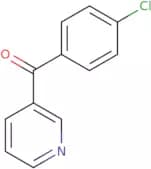
CAS:<p>4-Bromo-N-pyridin-2-ylbenzamide is a heterocyclic compound that has been found to have sustainable properties. It can be synthesized from aminopyridine and aldehydes, and the reaction is efficient and mechanistic. This compound is not fluorescent, but it has been found to bind to functional groups. 4-Bromo-N-pyridin-2-ylbenzamide has been shown to have an interaction with dehydrogenative methods, which are used in organic synthesis. The nitrogen atoms in this compound are microscopy operational, which means they emit light when stimulated by electromagnetic radiation of an appropriate wavelength.</p>Formula:C12H9N2OBrPurity:Min. 95%Molecular weight:277.11 g/mol(4-Chlorophenyl)(pyridin-3-yl)methanone
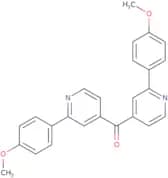
CAS:<p>4-Chlorophenyl)(pyridin-3-yl)methanone is an organic compound that is structurally related to a number of other compounds, including chlorinated and aminated analogues. It has been found in the urine of patients treated with the drug amitriptyline. 4-Chlorophenyl)(pyridin-3-yl)methanone binds to serotonin (5HT) and dopamine (DA), which are neurotransmitters that influence mood and behavior. The uptake of this drug into the brain may be facilitated by oxalate, a dicarboxylic acid that is present in the blood and tissues of mammals. This drug has also been found to inhibit neuronal uptake of 5HT and DA, which may contribute to its antidepressant effects.</p>Formula:C12H8ClNOPurity:Min. 95%Molecular weight:217.65 g/mol(4-Methoxyphenyl)(4-pyridyl)methanone
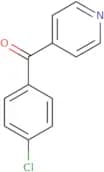
CAS:<p>Oximes are compounds that react with hydroperoxides to form alcohols. They are classified as either primary or secondary, depending on the type of the nitrogen atom in the oxime. 4-Methoxyphenyl (4-pyridyl)methanone is a secondary oxime and reacts with peroxides to form an alkoxide. This reaction is reversible and can be used to measure peroxide concentration. The structure of 4-methoxyphenyl (4-pyridyl)methanone is pyridine with an intramolecular hydrogen bond and a quaternary carbon. Its spectra are characterized by a strong hydrogen bond between the hydroxymethyl group and the amide carbonyl group, which corresponds to nmr peaks at δ 2.24 ppm, δ 2.27 ppm, δ 3.42 ppm, δ 4.47 ppm, δ 5.80 ppm, and</p>Formula:C13H11NO2Purity:Min. 95%Molecular weight:213.23 g/mol4-(4-Chlorobenzoyl)pyridine
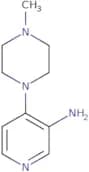
CAS:<p>4-(4-Chlorobenzoyl)pyridine is a reactive compound that has been shown to kill bacterial cells by irradiation. This compound binds to the bacterial membrane, and when irradiated, it causes the release of protons from within the cell. This leads to the disruption of the proton gradient and an influx of water into the cell. The increase in water disrupts protein synthesis and causes cell death. 4-(4-Chlorobenzoyl)pyridine has been shown to be effective against gram-negative bacteria such as Staphylococcus aureus and Pseudomonas aeruginosa, but not against gram-positive bacteria such as Streptococcus pyogenes or Enterococcus faecalis.</p>Formula:C12H8ClNOPurity:Min. 95%Molecular weight:217.65 g/mol4-(4-Methylpiperazin-1-yl)pyridin-3-amine
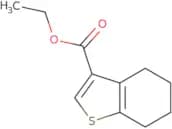
CAS:<p>Versatile small molecule scaffold</p>Formula:C10H16N4Purity:Min. 95%Molecular weight:192.26 g/molEthyl 4,5,6,7-tetrahydro-1-benzothiophene-3-carboxylate
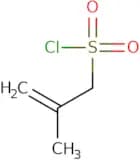
CAS:<p>Versatile small molecule scaffold</p>Formula:C11H14O2SPurity:Min. 95%Molecular weight:210.29 g/mol2-Methylprop-2-ene-1-sulfonyl chloride
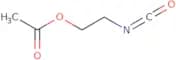
CAS:<p>2-Methylprop-2-ene-1-sulfonyl chloride is a chlorosulfonation agent that is used in the production of photoresist. It is also used to make benzyl chlorides, which are used for the synthesis of aldehydes and amides. 2-Methylprop-2-ene-1-sulfonyl chloride is commonly used for microbicidal applications and has been shown to be effective against Escherichia coli and Staphylococcus aureus. 2--Methylprop-2--ene--1--sulfonyl chloride also acts as an alicyclic sulfonating agent and can be used in lithography with high yield and regioselectivity.</p>Formula:C4H7ClO2SPurity:Min. 95%Molecular weight:154.62 g/mol2-Isocyanatoethyl acetate
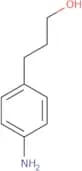
CAS:<p>Versatile small molecule scaffold</p>Formula:C5H7NO3Purity:Min. 95%Molecular weight:129.11 g/mol4-Amino-benzenepropanol
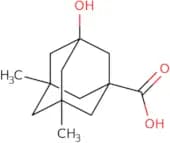
CAS:<p>Versatile small molecule scaffold</p>Formula:C9H13NOPurity:Min. 95%Molecular weight:151.21 g/mol3-Hydroxy-5,7-dimethyladamantane-1-carboxylic acid
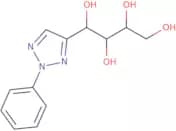
CAS:<p>Versatile small molecule scaffold</p>Formula:C13H20O3Purity:Min. 95%Molecular weight:224.3 g/mol1-(2-Phenyl-2H-1,2,3-triazol-4-yl)butane-1,2,3,4-tetrol
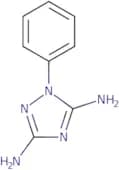
CAS:<p>Versatile small molecule scaffold</p>Formula:C12H15N3O4Purity:Min. 95%Molecular weight:265.26 g/mol1-Phenyl-1H-1,2,4-triazole-3,5-diamine
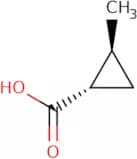
CAS:<p>1-Phenyl-1H-1,2,4-triazole-3,5-diamine is a heterocyclic amine that is used as a crosslinking agent in coatings. It reacts with hydrochloric acid to form the methylated products of 1,2,4-triazole and 3,5-diaminopyridine. This reaction also produces active methylene compounds that are involved in membrane transport and chloride ion transport. The nitrogen atoms are ethylenically unsaturated and can react with ethylene diamine to form monomers. These monomers can be polymerized to produce polyurethanes or other polymers.</p>Formula:C8H9N5Purity:Min. 95%Molecular weight:175.19 g/mol(1S,2S)-(+)-2-Methylcyclopropane-1-carboxylic acid
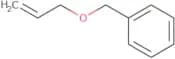
CAS:<p>(1S,2S)-(+)-2-Methylcyclopropane-1-carboxylic acid is a flavoring agent that is used as a substitute for menthol. It can be synthesized enzymatically by using microbial cells, such as Rhodococcus erythropolis. This compound can also be synthesized by modifying an amide with the optically active reagent (+)-alpha-(trifluoromethyl)benzylidene tartrate and catalyzed with enzyme amides. The taste of this molecule has been shown to be modified by the presence of an enzymatic matrix. The enantioselective synthesis of (1S,2S)-(+)-2-methylcyclopropane-1-carboxylic acid is achieved from racemic 2-methylcyclopropanol.</p>Formula:C5H8O2Purity:Min. 95%Molecular weight:100.12 g/molAllyl Benzyl Ether
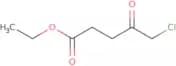
CAS:<p>Allyl benzyl ether is an ethyl ester, which is a compound of the organic acid, hydrochloric acid and the alcohol, ethanol. Allyl benzyl ether is used in the production of serotonin, an important neurotransmitter in the mammalian central nervous system. Serotonin has been shown to have an inhibitory effect on the growth of many bacteria by stimulating the release of serotonin from nerve endings. This compound also inhibits plant physiology. The hydrolysis of allyl benzyl ether to release methyl anthranilate can be catalyzed by either inorganic acids or oxidation catalysts. The reaction mechanism for this process has not yet been elucidated, but it appears that patterning may be involved.</p>Formula:C10H12OPurity:Min. 95%Molecular weight:148.21 g/molEthyl 5-chloro-4-oxopentanoate
CAS:<p>Versatile small molecule scaffold</p>Formula:C7H11ClO3Purity:Min. 95%Molecular weight:178.61 g/mol[(3,4-Dimethoxyphenyl)methyl]thiourea
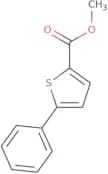
CAS:<p>Versatile small molecule scaffold</p>Formula:C10H14N2O2SPurity:Min. 95%Molecular weight:226.3 g/molMethyl 5-phenylthiophene-2-carboxylate
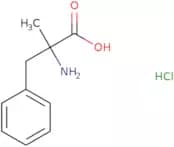
CAS:<p>Versatile small molecule scaffold</p>Formula:C12H10O2SPurity:Min. 95%Molecular weight:218.27 g/mol(2R)-2-Amino-2-methyl-3-phenylpropanoic acid hydrochloride
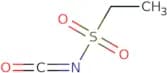
CAS:<p>Versatile small molecule scaffold</p>Formula:C10H14ClNO2Purity:Min. 95%Molecular weight:215.67 g/molEthanesulfonyl isocyanate
CAS:<p>Ethanesulfonyl isocyanate is a salt form of an alkoxycarbonyl group that has been used in agricultural applications. It is also used as a reagent to prepare thioethers and as a source of sulfur in organic synthesis. In the environment, it can be found in gram-negative organisms and metal halides. Ethanesulfonyl isocyanate has been shown to have anti-HIV activity and can be used in the production of cycloaliphatic compounds.</p>Formula:C3H5NO3SPurity:Min. 95%Molecular weight:135.14 g/mol3-Methylpyrido[3,4-E][1,2,4]triazine
CAS:<p>Versatile small molecule scaffold</p>Formula:C7H6N4Purity:Min. 95%Molecular weight:146.15 g/mol2,3-Dihydro-benzo[b]thiophen-3-amine 1,1-dioxide hydrochloride
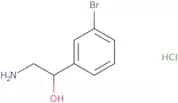
CAS:<p>Versatile small molecule scaffold</p>Formula:C8H10ClNO2SPurity:Min. 95%Molecular weight:219.69 g/mol2-Amino-1-(3-bromophenyl)ethanol hydrochloride
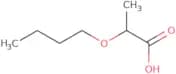
CAS:<p>Versatile small molecule scaffold</p>Formula:C8H10BrNO•HClPurity:Min. 95%Molecular weight:252.54 g/mol2-Butoxypropanoic acid
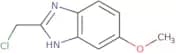
CAS:<p>Versatile small molecule scaffold</p>Formula:C7H14O3Purity:Min. 95%Molecular weight:146.18 g/mol2-(Chloromethyl)-6-methoxy-1H-1,3-benzodiazole
CAS:<p>Versatile small molecule scaffold</p>Formula:C9H9ClN2OPurity:Min. 95%Molecular weight:196.63 g/molThieno[3,4-b]thiophene-2-carboxylic acid
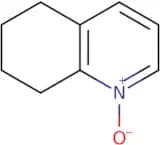
CAS:<p>Thieno[3,4-b]thiophene-2-carboxylic acid is a carboxylic acid. It has the ability to form stable thieno[3,4-b]thiophene-2-carboxylate ions in an aqueous solution. These ions can be detected by spectroscopic studies of the adsorption on electrodes and electrochemical polymerization. Thieno[3,4-b]thiophene-2-carboxylic acid is not easily oxidized or reduced due to its stability and low energy state.</p>Formula:C8H6O2S2Purity:Min. 95%Molecular weight:198.26 g/mol5,6,7,8-Tetrahydroquinolin-1-ium-1-olate
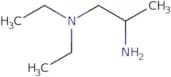
CAS:<p>5,6,7,8-Tetrahydroquinolin-1-ium-1-olate is a white crystalline solid. It has a molecular weight of 178.07 and a melting point of 190°C. 5,6,7,8-Tetrahydroquinolin-1-ium-1-olate is stabilized by hydrogen bonds between the two monomers in the dimer form. It also has an asymmetric conformation with six carbons in its backbone. The hemihydrate form of 5,6,7,8 tetrahydroquinolinium 1 -olate is formed when the water molecule is bound to one oxygen atom on each monomer in the dimer.</p>Formula:C9H11NOPurity:Min. 95%Molecular weight:149.19 g/mol(2-Aminopropyl)diethylamine
CAS:<p>Versatile small molecule scaffold</p>Formula:C7H18N2Purity:Min. 95%Molecular weight:130.23 g/mol3-Amino-4(3H)-quinazolinone
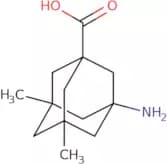
CAS:<p>3-Amino-4(3H)-quinazolinone is a nucleophilic compound that can react with methyl anthranilate, an anthranilic acid derivative. When reacted with aziridine, 3-amino-4(3H) quinazolinone forms a hydroxyl group. This compound is cytotoxic to human liver cells in vitro and exhibits significant cytotoxicity against cancer cells. It has been shown to inhibit the growth of epidermal growth factor (EGF) in vitro and can be used as a tumor promoter. 3-Amino-4(3H)-quinazolinone also reacts with amines such as amino acids, amides, and ammonia to form aziridinium ions. Aziridinium ions are nitrogen nucleophiles that can react with other molecules to form new compounds or break down existing ones.</p>Formula:C8H7N3OPurity:Min. 95%Molecular weight:161.16 g/mol3-Amino-5,7-dimethyladamantane-1-carboxylic acid
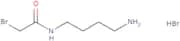
CAS:<p>Versatile small molecule scaffold</p>Formula:C13H21NO2Purity:Min. 95%Molecular weight:223.3 g/molN-(4-Aminobutyl)-2-bromoacetamide hydrobromide
CAS:<p>Versatile small molecule scaffold</p>Formula:C6H14Br2N2OPurity:Min. 95%Molecular weight:290 g/mol2-Methanesulfonyl-2-Methylpropanenitrile
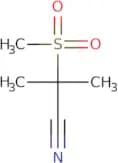
CAS:<p>Versatile small molecule scaffold</p>Formula:C5H9NO2SPurity:Min. 95%Molecular weight:147.2 g/mol7-Oxoazepane-2-carboxylic acid
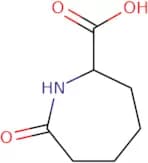
CAS:<p>Versatile small molecule scaffold</p>Formula:C7H11NO3Purity:Min. 95%Molecular weight:157.17 g/molMethyl-(5-methyl-furan-2-ylmethyl)-amine
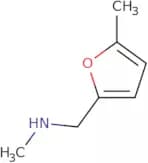
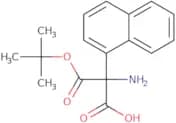
CAS:<p>Versatile small molecule scaffold</p>Formula:C7H11NOPurity:Min. 95%Molecular weight:125.17 g/mol(N-BOC-Amino)(naphthalen-1-yl)acetic acid
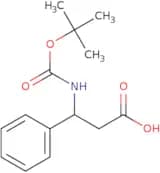
CAS:<p>Versatile small molecule scaffold</p>Formula:C17H19NO4Purity:Min. 95%Molecular weight:301.34 g/mol3-tert-Butoxycarbonylamino-3-phenyl-propionic acid
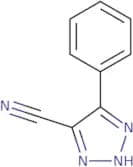
CAS:<p>Versatile small molecule scaffold</p>Formula:C14H19NO4Purity:Min. 95%Molecular weight:265.31 g/mol4-Phenyl-1H-1,2,3-triazole-5-carbonitrile
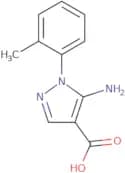
CAS:<p>Versatile small molecule scaffold</p>Formula:C9H6N4Purity:Min. 95%Molecular weight:170.17 g/mol5-Amino-1-(2-methylphenyl)-1H-pyrazole-4-carboxylic acid
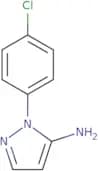
CAS:<p>Versatile small molecule scaffold</p>Formula:C11H11N3O2Purity:Min. 95%Molecular weight:217.22 g/mol1-(4-Chlorophenyl)-1H-pyrazol-5-amine
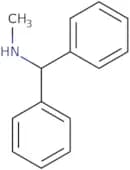
CAS:<p>Versatile small molecule scaffold</p>Formula:C9H8ClN3Purity:Min. 95%Molecular weight:193.63 g/molN-(Diphenylmethyl)methylamine
CAS:<p>N-(Diphenylmethyl)methylamine is an immunomodulatory drug. It is a prodrug of 3-mercaptopropionic acid, which can inhibit the growth of tumor cells and influenza virus. N-(Diphenylmethyl)methylamine has been shown to have anti-inflammatory effects in diabetic patients. This drug also has the ability to regulate β-amino acid and β-catenin levels in the body. N-(Diphenylmethyl)methylamine inhibits phosphorylation of β-catenin by inhibiting protein kinase C activity, leading to increased expression of this protein in cancer cells.</p>Formula:C14H15NPurity:Min. 95%Molecular weight:197.28 g/molN-[(2-Methylphenyl)methylidene]hydroxylamine
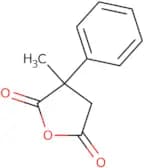
CAS:<p>N-[(2-Methylphenyl)methylidene]hydroxylamine is a pest control agent that is used as an insecticide and a fungicide. It is classified as an aryloxyphenoxy hydroxamic acid. N-[(2-Methylphenyl)methylidene]hydroxylamine binds to the enzyme cytochrome oxidase, which is essential for aerobic respiration, and inhibits oxidative phosphorylation. This leads to the accumulation of toxic reactive oxygen species (ROS) and cell death. N-[(2-Methylphenyl)methylidene]hydroxylamine has been shown to be bactericidal against Gram-positive bacteria such as Bacillus spp., Staphylococcus spp., and Streptococcus pyogenes, as well as Gram-negative bacteria such as Escherichia coli, Salmonella enterica, Pseudomonas aeruginosa, and Klebs</p>Formula:C8H9NOPurity:Min. 95%Molecular weight:135.16 g/mol3-Methyl-3-phenyloxolane-2,5-dione
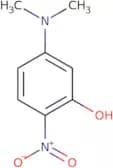
CAS:<p>Versatile small molecule scaffold</p>Formula:C11H10O3Purity:Min. 95%Molecular weight:190.19 g/mol5-(Dimethylamino)-2-nitrophenol
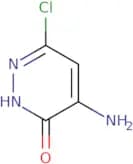
CAS:<p>Versatile small molecule scaffold</p>Formula:C8H10N2O3Purity:Min. 95%Molecular weight:182.18 g/mol4-Amino-6-chloro-2,3-dihydropyridazin-3-one
CAS:<p>Versatile small molecule scaffold</p>Formula:C4H4ClN3OPurity:Min. 95%Molecular weight:145.55 g/mol3-Methylpyrrolidine-2-carboxylic acid hydrochloride
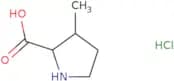
CAS:<p>Versatile small molecule scaffold</p>Formula:C6H12ClNO2Purity:Min. 95%Molecular weight:165.62 g/mol2,2,5-Trimethylhexan-3-one
CAS:<p>Trimethylhexan-3-one is a chemical compound with the molecular formula C8H16O. It has three methyl groups, one of which is in the 2 position and two of which are in the 3 position. Trimethylhexan-3-one is an organic compound that can be found in some foods and beverages. The most common form of trimethylhexan-3-one is 2,2,5-trimethylhexane, also known as octane. Octane is used as a gasoline additive to increase octane rating and provide better engine performance. Trimethylhexan-3-one may also have antineoplastic effects, but this has not been well studied. Additionally, trimethylhexan-3-one may be associated with neutropenia or infant mortality in animal studies.</p>Formula:C9H18OPurity:Min. 95%Molecular weight:142.24 g/mol6-Methoxy-2-methylimidazo[1,2-b]pyridazine-3-carboxylic acid
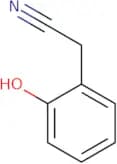
CAS:<p>Versatile small molecule scaffold</p>Formula:C9H9N3O3Purity:Min. 95%Molecular weight:207.19 g/mol(2-Hydroxyphenyl)acetonitrile
CAS:<p>(2-Hydroxyphenyl)acetonitrile is a benzofuran derivative that has been shown to be an effective inhibitor of amide synthetase. It is soluble in polar solvents and immiscible in apolar solvents, which makes it a useful reagent for the synthesis of amides from primary amines. The compound was isolated from a strain of Streptomyces sp. with the gene sequence identified and sequenced. The compound exhibits high specificity against the enzyme and can be used as a tool in biomolecular studies.</p>Formula:C8H7NOPurity:Min. 95%Molecular weight:133.15 g/mol1-(2-Hydroxyethyl)-4,6-dimethyl-1,2-dihydropyrimidin-2-one
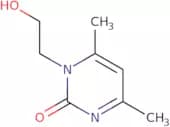
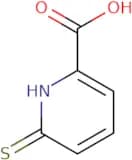
CAS:<p>Nitrite ion is a gas that is found in the environment and has been shown to have various beneficial effects. Nitrite ion has been shown to have hepatoprotective properties, as it protects rat liver cells from death by benzalkonium chloride. This substance also prevents neuronal death in an experimental model of cerebral ischemia.</p>Formula:C8H12N2O2Purity:Min. 95%Molecular weight:168.19 g/mol6-Sulfanylpyridine-2-carboxylic acid
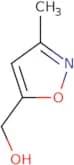
CAS:<p>Versatile small molecule scaffold</p>Formula:C6H5NO2SPurity:Min. 95%Molecular weight:155.18 g/mol5-(Hydroxymethyl)-3-methylisoxazole
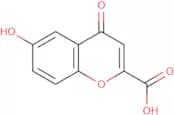
CAS:<p>5-(Hydroxymethyl)-3-methylisoxazole is a chloride heterocycle that has been shown to be an agonist of the adenosine A3 receptor. It has been synthesised by reacting 2-chlorobenzaldehyde with methyl hydroxymethyl ketone and nitroethane. 5-(Hydroxymethyl)-3-methylisoxazole has been used in screening tests for the identification of novel biomolecules with desirable functionalisation. The yields of synthesized isoxazoles have been found to be improved by irradiation. This heterocycle has also been used in the synthesis of isoxazolines, which are a class of compounds that are structurally related to benzoxazinones and benzothiazinones.</p>Formula:C5H7NO2Purity:Min. 95%Molecular weight:113.11 g/mol6-Hydroxy-4-oxo-4H-chromene-2-carboxylic acid
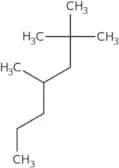
CAS:<p>Versatile small molecule scaffold</p>Formula:C10H6O5Purity:Min. 95%Molecular weight:206.15 g/mol2,2,4-Trimethylheptane
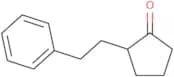
CAS:<p>2,2,4-Trimethylheptane is a volatile organic compound with a strong odor. It is used as a modeling or calibration standard for the analysis of other volatile compounds. The headspace technique can be used to extract 2,2,4-trimethylheptane from samples. Solid phase extraction can also be used to remove 2,2,4-trimethylheptane from samples. This compound has been found in the environment due to its presence in gasoline and cigarette smoke.</p>Formula:C10H22Purity:Min. 95%Molecular weight:142.28 g/mol2-(2-Phenylethyl)cyclopentan-1-one
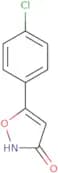
CAS:<p>Versatile small molecule scaffold</p>Formula:C13H16OPurity:Min. 95%Molecular weight:188.26 g/mol5-(4-Chlorophenyl)-1,2-oxazol-3-ol
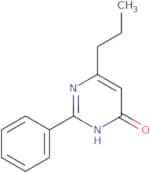
CAS:<p>Versatile small molecule scaffold</p>Formula:C9H6ClNO2Purity:Min. 95%Molecular weight:195.6 g/mol2-Phenyl-6-propyl-3,4-dihydropyrimidin-4-one
CAS:<p>Versatile small molecule scaffold</p>Formula:C13H14N2OPurity:Min. 95%Molecular weight:214.26 g/molSpiro[4.4]nonan-1-one
CAS:<p>Versatile small molecule scaffold</p>Formula:C9H14OPurity:Min. 95%Molecular weight:138.21 g/mol3-(Chloromethyl)-5-phenylisoxazole
CAS:<p>3-(Chloromethyl)-5-phenylisoxazole is a water soluble moiety that is used in the synthesis of conjugates with antitumor activity. 3-(Chloromethyl)-5-phenylisoxazole has been shown to inhibit the growth of brain tumors by binding to DNA, inhibiting transcription and replication. The drug also inhibits protein synthesis and cell division. This compound can be esterified and isothiazole substituted to form an antitumor drug that has a strong antiproliferative effect on human leukemia cells. The biological activity of 3-(chloromethyl)-5-phenylisoxazole can be enhanced by catalytic hydrogenation with methanol in acidic conditions.</p>Formula:C10H8ClNOPurity:Min. 95%Molecular weight:193.63 g/mol5-(Bromoacetyl)-3-phenylisoxazole
CAS:<p>Versatile small molecule scaffold</p>Formula:C11H8BrNO2Purity:Min. 95%Molecular weight:266.09 g/mol5-[(4-Methylphenyl)amino]-1,3,4-thiadiazole-2-thiol
CAS:<p>Versatile small molecule scaffold</p>Formula:C9H9N3S2Purity:Min. 95%Molecular weight:223.3 g/mol5-(Benzylamino)-1,3,4-thiadiazole-2-thiol
CAS:<p>Versatile small molecule scaffold</p>Formula:C9H9N3S2Purity:Min. 95%Molecular weight:223.32 g/mol4-(But-3-yn-1-yl)morpholine
CAS:<p>Versatile small molecule scaffold</p>Formula:C8H13NOPurity:Min. 95%Molecular weight:139.19 g/mol1-(But-3-yn-1-yl)pyrrolidine
CAS:<p>Versatile small molecule scaffold</p>Formula:C8H14ClNPurity:Min. 95%Molecular weight:159.65 g/mol2-[2-(Methoxycarbonyl)phenyl]acetic acid
CAS:<p>Versatile small molecule scaffold</p>Formula:C10H10O4Purity:Min. 95%Molecular weight:194.19 g/mol2-(2-methoxy-2-oxoethyl)benzoic acid
CAS:<p>2-(2-Methoxy-2-oxoethyl)benzoic acid is an organic compound that can be synthesized by the reaction of 2-methoxyacetophenone with lithium borohydride. It is also obtained as a byproduct in the synthesis of other organic compounds, such as esters and anhydrides. The chloride group of 2-(2-methoxy-2-oxoethyl)benzoic acid can be replaced with other groups to produce homophthalic, acetyl, or anhydride derivatives. 2-(2-Methoxy-2-oxoethyl)benzoic acid is often used as a starting material for the synthesis of cyclic esters and alcohols. It has been used in the synthesis of drugs such as dipyridamole and dapsone.</p>Formula:C10H10O4Purity:Min. 95%Molecular weight:194.2 g/mol2-Amino-5-phenyl-3-furonitrile
CAS:<p>2-Amino-5-phenyl-3-furonitrile is a heterocyclic compound that belongs to the group of pyrimidine derivatives. It can be prepared by the reaction of 2,4,6-trichloropyrimidine with phenylacetonitrile and sodium hydroxide in water. This synthesis gives high yields of 2-amino-5-phenyl-3-furonitrile. The compound reacts with isothiocyanates to form heterocyclic compounds. The process of catalyzed heterocyclization has been shown to be effective for the synthesis of pyrimidine derivatives.</p>Formula:C11H8N2OPurity:Min. 95%Molecular weight:184.19 g/mol2,2,6,6-Tetramethyl-2H-pyran-3,5(4H,6H)-dione
CAS:<p>Versatile small molecule scaffold</p>Formula:C9H14O3Purity:Min. 95%Molecular weight:170.21 g/mol2-[(1,3-Thiazol-2-yl)amino]ethan-1-ol
CAS:<p>Versatile small molecule scaffold</p>Formula:C5H8N2OSPurity:Min. 95%Molecular weight:144.2 g/mol4-Chloro-1-N,1-N-dimethylbenzene-1,3-disulfonamide
CAS:<p>Versatile small molecule scaffold</p>Formula:C8H11ClN2O4S2Purity:Min. 95%Molecular weight:298.8 g/molMethyl 2-oxo-2,3-dihydro-1H-indole-3-carboxylate
CAS:<p>Versatile small molecule scaffold</p>Formula:C10H9NO3Purity:Min. 95%Molecular weight:191.18 g/mol7-Nitroquinolin-1-ium-1-olate
CAS:<p>Versatile small molecule scaffold</p>Formula:C9H6N2O3Purity:Min. 95%Molecular weight:190.16 g/mol3,4-dihydro-1,6-naphthyridin-2(1h)-one
CAS:<p>Versatile small molecule scaffold</p>Formula:C8H8N2OPurity:Min. 95%Molecular weight:148.17 g/mol2-Formylfuran-3-carboxylic acid
CAS:<p>2-Formylfuran-3-carboxylic acid is a furan derivative with an oxidation product that has been shown to be useful as a peroxide scavenger. It is synthesized by the reaction of 2-formylphenol and formaldehyde in the presence of copper salts. The molecular modelling studies revealed that this compound consists of a five membered ring with an oxygen atom at its centre, which is flanked by two carbon atoms at each side. The carboxylic acid group (-COOH) is on one end and the hydroxymethyl group (-CHOH) on the other end. The molecule also has a carbonyl group (-C=O) and a methylene bridge (-CH2-) between the two carbon atoms. This compound has been found to have efficient antioxidant properties when it reacts with reactive oxygen species (ROS). It was also found to have antioxidative activities when it reacts with ROS produced by galacturonic acid and fur</p>Formula:C6H4O4Purity:Min. 95%Molecular weight:140.09 g/mol4-Chlorofuro[2,3-d]pyridazine
CAS:<p>Versatile small molecule scaffold</p>Formula:C6H3ClN2OPurity:Min. 95%Molecular weight:154.55 g/mol7-Chlorofuro[2,3-d]pyridazine
CAS:<p>Versatile small molecule scaffold</p>Formula:C6H3ClN2OPurity:Min. 95%Molecular weight:154.55 g/molEthyl 6-(bromomethyl)-4-methyl-2-oxo-1,2,3,4-tetrahydropyrimidine-5-carboxylate
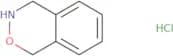
CAS:<p>Versatile small molecule scaffold</p>Formula:C9H13BrN2O3Purity:Min. 95%Molecular weight:277.11 g/mol3,4-Dihydro-1H-2,3-benzoxazine hydrochloride
CAS:<p>Versatile small molecule scaffold</p>Formula:C8H10ClNOPurity:Min. 95%Molecular weight:171.62 g/mol1-Piperidino-2-[4]piperidyl-ethane
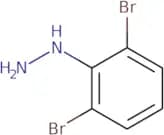
CAS:<p>Versatile small molecule scaffold</p>Formula:C12H24N2Purity:Min. 95%Molecular weight:196.33 g/mol(2,6-Dibromophenyl)hydrazine
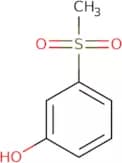
CAS:<p>Versatile small molecule scaffold</p>Formula:C6H6Br2N2Purity:Min. 95%Molecular weight:265.93 g/mol3-Methanesulfonylphenol
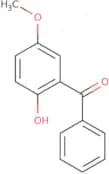
CAS:<p>3-Methanesulfonylphenol is a reactive and computationally descriptors, damages, neutralizing, piperidine, vector, oxygen species, molecular descriptors, antioxidant, phenolic lead compound that was synthesized for the purpose of identifying new potential antioxidants. 3-Methanesulfonylphenol has been shown to inhibit the oxidation of lipids and proteins in cells. It also has a strong antioxidant activity against peroxyl radicals and hydroxyl radicals. 3-Methanesulfonylphenol also inhibits the production of hydrogen peroxide by reacting with peroxides in vivo. This results in reduced levels of lipid hydroperoxides and protein carbonyls.</p>Formula:C7H8O3SPurity:Min. 95%Molecular weight:172.2 g/mol2-Benzoyl-4-methoxyphenol
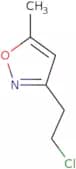
CAS:<p>2-Benzoyl-4-methoxyphenol is a surfactant that is sustainable and biodegradable. It is used in the production of micelles to form detergents, which are important for the environment. The binding constants of this chemical with 2-hydroxybenzophenone and benzyl have been determined at different temperatures. 2-Benzoyl-4-methoxyphenol has been shown to be an effective transient probe for mechanistic investigations in organic chemistry. This compound can be prepared by reacting benzaldehyde with methoxyacetophenone in acetonitrile. Irradiation can break down the benzene ring, producing phenoxy (2,6-dioxo)cyclohexane or 2-(2,6-dioxo)cyclohexanone. 2-Benzoyl-4-methoxyphenol also has hydrophobic properties and can be used as a surf</p>Formula:C14H12O3Purity:Min. 95%Molecular weight:228.24 g/mol3-(2-Chloroethyl)-5-methyl-1,2-oxazole
CAS:<p>Versatile small molecule scaffold</p>Formula:C6H8ClNOPurity:Min. 95%Molecular weight:145.59 g/mol2-[(4-Methylphenyl)sulfanyl]acetohydrazide
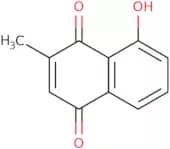
CAS:<p>Versatile small molecule scaffold</p>Formula:C9H12N2OSPurity:Min. 95%Molecular weight:196.27 g/mol8-Hydroxy-2-methyl-1,4-dihydronaphthalene-1,4-dione
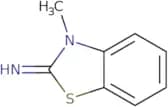
CAS:<p>8-Hydroxy-2-methyl-1,4-dihydronaphthalene-1,4-dione is a natural product that has been found to have anticancer activity. It induces apoptosis in human cancer cells and inhibits the growth of bacteria by binding to the 50S ribosomal subunit. 8HMN has also been shown to inhibit the proliferation of cervical cancer cells in vitro. The active form of this compound is acetate extract and it has been shown to have strong anti-inflammatory properties by inhibiting prostaglandin synthesis in neutrophils. 8HMN binds to mitochondrial membrane protein complexes, leading to mitochondrial fission and inhibition of ATP production.</p>Formula:C11H8O3Purity:Min. 95%Molecular weight:188.18 g/mol3-Methyl-2,3-dihydro-1,3-benzothiazol-2-imine
CAS:<p>3-Methyl-2,3-dihydro-1,3-benzothiazol-2-imine is an imine nitrogen that is a ligand for transition metals. It is used in the synthesis of 1,3-benzothiazoles and has been shown to have anti-malarial activity. 3-Methyl-2,3-dihydro-1,3-benzothiazol-2-imine interacts with aldehydes to form ring opening products. This compound also has been shown to be a ligand for palladium and platinum metals. The compound has been functionalized with thiol groups and can be used as a reagent in organic synthesis.</p>Formula:C8H8N2SPurity:Min. 95%Molecular weight:164.23 g/mol7-Methylbenzo[d]thiazol-2-amine
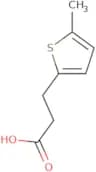
CAS:<p>7-Methylbenzo[d]thiazol-2-amine is an antimicrobial agent that has been shown to have both antibacterial and antifungal properties. It has a broad spectrum of activity against Gram-positive and Gram-negative bacteria, as well as fungi. 7-Methylbenzo[d]thiazol-2-amine also inhibits the growth of yeast cells by interfering with their ability to produce proteins necessary for cell division. This drug can be synthesized using a number of different techniques, including the reaction between phenyl mercaptan and dimethyl acetylenedicarboxylate in the presence of aluminium chloride or phosphorus pentachloride. The yield is typically low (5%).</p>Formula:C8H8N2SPurity:Min. 95%Molecular weight:164.23 g/mol3-(5-Methyl-thiophen-2-yl)-propionic acid
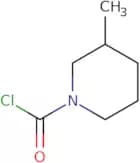
CAS:<p>Versatile small molecule scaffold</p>Formula:C8H10O2SPurity:Min. 95%Molecular weight:170.23 g/mol3-Methylpiperidine-1-carbonyl chloride
CAS:<p>Versatile small molecule scaffold</p>Formula:C7H12ClNOPurity:Min. 95%Molecular weight:161.63 g/molN-[3,3-Dimethyl-1-(1H-pyrazol-1-yl)butan-2-ylidene]hydroxylamine
CAS:<p>Versatile small molecule scaffold</p>Formula:C9H15N3OPurity:Min. 95%Molecular weight:181.23 g/mol3-Methyl-1-(1H-pyrazol-1-yl)butan-2-one
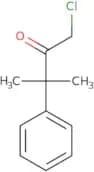
CAS:<p>Versatile small molecule scaffold</p>Formula:C8H12N2OPurity:Min. 95%Molecular weight:152.19 g/mol1-Chloro-3-methyl-3-phenylbutan-2-one
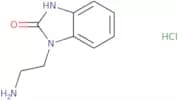
CAS:<p>Versatile small molecule scaffold</p>Formula:C11H13ClOPurity:Min. 95%Molecular weight:196.67 g/mol1-(2-Aminoethyl)-2,3-dihydro-1H-1,3-benzodiazol-2-one hydrochloride
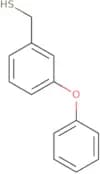
CAS:<p>Versatile small molecule scaffold</p>Formula:C9H12ClN3OPurity:Min. 95%Molecular weight:213.67 g/mol(3-Phenoxyphenyl)methanethiol
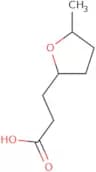
CAS:<p>Versatile small molecule scaffold</p>Formula:C13H12OSPurity:Min. 95%Molecular weight:216.3 g/mol3-(5-Methyloxolan-2-yl)propanoic acid
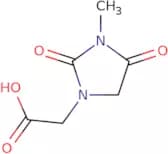
CAS:<p>Versatile small molecule scaffold</p>Formula:C8H14O3Purity:Min. 95%Molecular weight:158.19 g/mol2-(3-Methyl-2,4-dioxoimidazolidin-1-yl)acetic acid
CAS:<p>Versatile small molecule scaffold</p>Formula:C6H8N2O4Purity:Min. 95%Molecular weight:172.14 g/molEthyl imidazo[1,2-a]pyrimidine-3-carboxylate
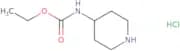
CAS:<p>Versatile small molecule scaffold</p>Formula:C9H9N3O2Purity:Min. 95%Molecular weight:191.19 g/molEthyl piperidin-4-ylcarbamate hydrochloride
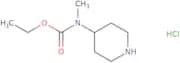
CAS:<p>Versatile small molecule scaffold</p>Formula:C8H17ClN2O2Purity:Min. 95%Molecular weight:208.68 g/molEthyl N-methyl-N-(piperidin-4-yl)carbamate hydrochloride
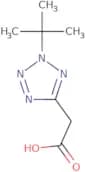
CAS:<p>Versatile small molecule scaffold</p>Formula:C9H19ClN2O2Purity:Min. 95%Molecular weight:222.71 g/mol2-(2-tert-Butyl-2H-1,2,3,4-tetrazol-5-yl)acetic acid
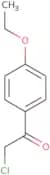
CAS:<p>Versatile small molecule scaffold</p>Formula:C7H12N4O2Purity:Min. 95%Molecular weight:184.2 g/mol2-Chloro-1-(4-ethoxyphenyl)ethan-1-one
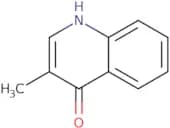
CAS:<p>2-Chloro-1-(4-ethoxyphenyl)ethan-1-one is a hydrocarbon radical that is used as a vitamin and in the synthesis of other molecules. This molecule has a covalent bond between the two chlorine atoms and one carbon atom. The hydrocarbon radical is also present in many hydrocarbons.</p>Formula:C10H11ClO2Purity:Min. 95%Molecular weight:198.64 g/mol3-methylquinolin-4-ol
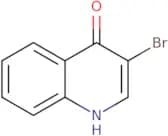
CAS:<p>Versatile small molecule scaffold</p>Formula:C10H9NOPurity:Min. 95%Molecular weight:159.19 g/mol3-Bromoquinolin-4-ol
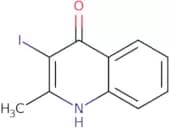
CAS:<p>3-Bromoquinolin-4-ol is a pyrrole derivative with a hydroxy group on the 4 position. It is an intermediate in the synthesis of 3-bromo-5-hydroxypyridine, which can be used as a reagent for aminations, oxindole syntheses, and piperidide formation. The presence of substituents on the 2 position of the quinoline ring determines whether it is an isomeric or nonisomeric compound. Substituents on the 2 position also determine if it is a nucleus or not. Finally, a substitution at the 4 position determines whether it is 2-amino-4-hydroxypyridine or pyrrole derivatives.</p>Formula:C9H6BrNOPurity:Min. 95%Molecular weight:224.05 g/mol3-Iodo-2-methylquinolin-4-ol
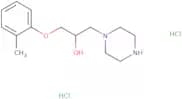
CAS:<p>Versatile small molecule scaffold</p>Formula:C10H8INOPurity:Min. 95%Molecular weight:285.08 g/mol1-(2-Methylphenoxy)-3-(piperazin-1-yl)propan-2-ol dihydrochloride
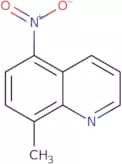
CAS:<p>Versatile small molecule scaffold</p>Formula:C14H24Cl2N2O2Purity:Min. 95%Molecular weight:323.3 g/mol8-Methyl-5-nitroquinoline
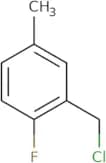
CAS:<p>8-methyl-5-nitroquinoline is a linker that has been shown to be cytotoxic in tumor cells. It binds to DNA by forming covalent bonds and inhibits the synthesis of DNA. 8-methyl-5-nitroquinoline is also able to inhibit the growth of human colon carcinoma cells in vitro and tumor xenografts in vivo. This nitro compound has been shown to cause necrosis, which may be due to its ability to bind oxygen and generate reactive oxygen species. The ability of 8-methyl-5-nitroquinoline to form covalent bonds with DNA makes it a potent antioxidant that may be used for the treatment of radiation injury.</p>Formula:C10H8N2O2Purity:Min. 95%Molecular weight:188.18 g/mol2-(Chloromethyl)-1-fluoro-4-methylbenzene
CAS:<p>Versatile small molecule scaffold</p>Formula:C8H8ClFPurity:Min. 95%Molecular weight:158.6 g/mol4-(Benzylamino)-4-oxobutanoic acid
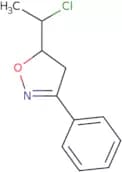
CAS:<p>Versatile small molecule scaffold</p>Formula:C11H13NO3Purity:Min. 95%Molecular weight:207.23 g/mol5-(1-Chloroethyl)-3-phenyl-4,5-dihydro-1,2-oxazole
CAS:<p>Versatile small molecule scaffold</p>Formula:C11H12ClNOPurity:Min. 95%Molecular weight:209.67 g/mol2-[2-(4-Hydroxyphenyl)ethyl]-2,3-dihydro-1H-isoindole-1,3-dione
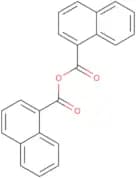
CAS:<p>Versatile small molecule scaffold</p>Formula:C16H13NO3Purity:Min. 95%Molecular weight:267.28 g/molNaphthalene-1-carbonyl naphthalene-1-carboxylate
CAS:<p>Naphthalene-1-carbonyl naphthalene-1-carboxylate is a benzoylation of a primary alcohol. It is a monosubstituted benzoyl derivative with a transition state that has a benzoic anhydride and enolate as reactants. It is not an alkylation reaction because the carbonyl group prevents the formation of an alkyl bond. The kinetic product, which is favored in this reaction, is the cyclic sulfate ester. The carboxylate group can be either chiral or non-chiral depending on the configuration of the starting material. The R/S system for naphthalene-1-carbonyl naphthalene-1-carboxylate would be S/R because it has no chiral atoms. Naphthalene-1-carbonyl naphthalene-1-carboxylate can also form chiral alcohol</p>Formula:C22H14O3Purity:Min. 95%Molecular weight:326.3 g/mol4-[(2,5-Dioxo-2,5-dihydro-1H-pyrrol-1-yl)methyl]benzoic acid
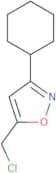
CAS:<p>Versatile small molecule scaffold</p>Formula:C12H9NO4Purity:Min. 95%Molecular weight:231.2 g/mol5-(Chloromethyl)-3-cyclohexylisoxazole
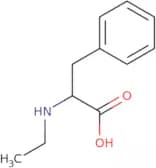
CAS:<p>5-(Chloromethyl)-3-cyclohexylisoxazole is an aliphatic aldehyde. It reacts with aldoximes to form cyclic imines, and then undergoes nucleophilic substitution with sodium hydroxide to produce the corresponding oxime. This reagent can be used for the synthesis of 2-amino-1,3-dioxolane compounds.</p>Formula:C10H14ClNOPurity:Min. 95%Molecular weight:199.68 g/mol2-(Ethylamino)-3-phenylpropanoic acid
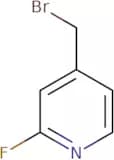
CAS:<p>Versatile small molecule scaffold</p>Formula:C11H15NO2Purity:Min. 95%Molecular weight:193.24 g/mol4-(Bromomethyl)-2-fluoropyridine
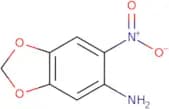
CAS:<p>Versatile small molecule scaffold</p>Formula:C6H5BrFNPurity:Min. 95%Molecular weight:190.01 g/mol6-Nitro-1,3-benzodioxol-5-amine
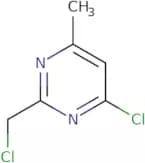
CAS:<p>Versatile small molecule scaffold</p>Formula:C7H6N2O4Purity:Min. 95%Molecular weight:182.13 g/mol4-Chloro-2-(chloromethyl)-6-methylpyrimidine
CAS:<p>Versatile small molecule scaffold</p>Formula:C6H6Cl2N2Purity:Min. 95%Molecular weight:177.03 g/mol4-[2-(2-Methoxyethoxy)ethoxy]benzaldehyde
CAS:<p>Versatile small molecule scaffold</p>Formula:C12H16O4Purity:Min. 95%Molecular weight:224.25 g/mol2-(Piperidin-3-yl)-acetic acid ethyl ester
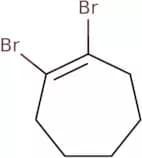
CAS:<p>Versatile small molecule scaffold</p>Formula:C9H17NO2Purity:Min. 95%Molecular weight:171.24 g/mol1,2-Dibromocyclohept-1-ene
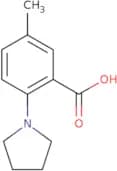
CAS:<p>Versatile small molecule scaffold</p>Formula:C7H10Br2Purity:Min. 95%Molecular weight:253.96 g/mol5-Methyl-2-(pyrrolidin-1-yl)benzoic acid
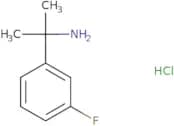
CAS:<p>Versatile small molecule scaffold</p>Formula:C12H15NO2Purity:Min. 95%Molecular weight:205.25 g/mol2-(3-Fluorophenyl)propan-2-amine hydrochloride
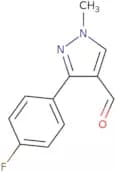
CAS:<p>Versatile small molecule scaffold</p>Formula:C9H13ClFNPurity:Min. 95%Molecular weight:189.66 g/mol3-(4-Fluorophenyl)-1-methyl-1H-pyrazole-4-carbaldehyde
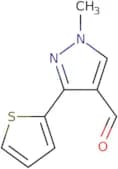
CAS:<p>Versatile small molecule scaffold</p>Formula:C11H9FN2OPurity:Min. 95%Molecular weight:204.2 g/mol1-Methyl-3-(thiophen-2-yl)-1H-pyrazole-4-carbaldehyde
CAS:<p>Versatile small molecule scaffold</p>Formula:C9H8N2OSPurity:Min. 95%Molecular weight:192.24 g/mol2-(4-Fluorophenyl)-2-(methylamino)acetic acid
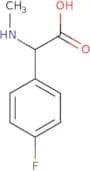
CAS:<p>Versatile small molecule scaffold</p>Formula:C9H10FNO2Purity:Min. 95%Molecular weight:183.18 g/mol2-(1,1,3-Trioxo-3,4-dihydro-2H-1λ⁶,4-benzothiazin-2-yl)acetic acid
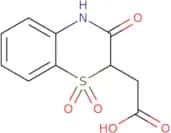
CAS:<p>Versatile small molecule scaffold</p>Formula:C10H9NO5SPurity:Min. 95%Molecular weight:255.2 g/mol7H,8H-Imidazo[1,2-d][1,2,4]triazin-8-one
CAS:<p>Versatile small molecule scaffold</p>Formula:C5H4N4OPurity:Min. 95%Molecular weight:136.1 g/mol1-[2-(Diethylamino)ethyl]-1H-indol-5-amine
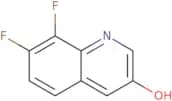
CAS:<p>Versatile small molecule scaffold</p>Formula:C14H21N3Purity:Min. 95%Molecular weight:231.34 g/mol7,8-Difluoroquinolin-3-ol
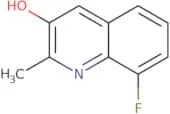
CAS:<p>Versatile small molecule scaffold</p>Formula:C9H5F2NOPurity:Min. 95%Molecular weight:181.14 g/mol8-Fluoro-2-methylquinolin-3-ol
CAS:<p>Versatile small molecule scaffold</p>Formula:C10H8FNOPurity:Min. 95%Molecular weight:177.17 g/mol2-Methanesulfonyl-2-methylpropan-1-amine hydrochloride
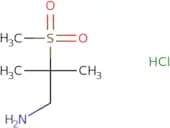
CAS:<p>Versatile small molecule scaffold</p>Formula:C5H14ClNO2SPurity:Min. 95%Molecular weight:187.69 g/mol3-Methyl-benzo[d]isoxazole-5-boronic acid pinacol ester
CAS:<p>Versatile small molecule scaffold</p>Formula:C14H18BNO3Purity:Min. 95%Molecular weight:259.11 g/mol6-(tetramethyl-1,3,2-dioxaborolan-2-yl)-[1,2,4]triazolo[4,3-a]pyridine
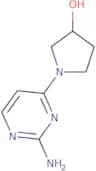
CAS:<p>Versatile small molecule scaffold</p>Formula:C12H16BN3O2Purity:Min. 95%Molecular weight:245.09 g/mol2-Amino-4-(3-hydroxypyrrolidino)pyrimidine
CAS:<p>Versatile small molecule scaffold</p>Formula:C8H12N4OPurity:Min. 95%Molecular weight:180.21 g/mol5-Bromo-2-(prop-1-en-2-yl)pyrimidine
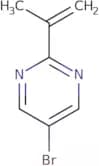
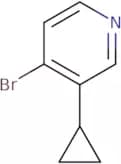
CAS:<p>Versatile small molecule scaffold</p>Formula:C7H7BrN2Purity:Min. 95%Molecular weight:199.05 g/mol4-Bromo-3-cyclopropylpyridine
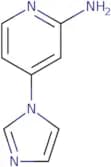
CAS:<p>Versatile small molecule scaffold</p>Formula:C8H8BrNPurity:Min. 95%Molecular weight:198.06 g/mol4-(1H-Imidazol-1-yl)pyridin-2-amine
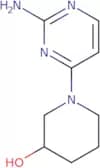
CAS:<p>Versatile small molecule scaffold</p>Formula:C8H8N4Purity:Min. 95%Molecular weight:160.18 g/mol1-(2-Aminopyrimidin-4-yl)piperidin-3-ol
CAS:<p>Versatile small molecule scaffold</p>Formula:C9H14N4OPurity:Min. 95%Molecular weight:194.23 g/mol4-(Cyclohexyloxy)pyridin-2-amine
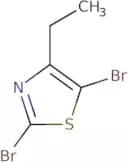
CAS:<p>Versatile small molecule scaffold</p>Formula:C11H16N2OPurity:Min. 95%Molecular weight:192.3 g/mol2,5-Dibromo-4-ethyl-1,3-thiazole
CAS:<p>Versatile small molecule scaffold</p>Formula:C5H5Br2NSPurity:Min. 95%Molecular weight:270.98 g/molSpiro[3.4]octane-5-carboxylic acid
CAS:<p>Versatile small molecule scaffold</p>Formula:C9H14O2Purity:Min. 95%Molecular weight:154.2 g/mol6-[(tert-Butoxy)carbonyl]-6-azaspiro[3.4]octane-8-carboxylic acid
CAS:<p>Versatile small molecule scaffold</p>Formula:C13H21NO4Purity:Min. 95%Molecular weight:255.31 g/molspiro[2.5]octane-7-carboxylic acid
CAS:<p>Spiro[2.5]octane-7-carboxylic acid is an industrial chemical that is used in the synthesis of other chemicals, such as pharmaceuticals and dyes. It can also be used for the production of solvents, such as ethanol and methanol. The compound is synthesized from a reaction between p-toluenesulfonic acid and magnesium chloride to produce magnesium sulfate, which reacts with ethyl bromide to form spiro[2.5]octane-7-carboxylic acid. Spiro[2.5]octane-7-carboxylic acid can also be synthesized by reacting potassium tert butoxide with isobutyryl chloride in ether at room temperature. This reaction produces a Grignard reagent that reacts with p-toluenesulfonic acid in ether to form spiro[2.5]octane-7-carboxylic acid.</p>Formula:C9H14O2Purity:Min. 95%Molecular weight:154.2 g/molrac-tert-Butyl (1R,5S,6S)-6-amino-2-azabicyclo[3.2.0]heptane-2-carboxylate
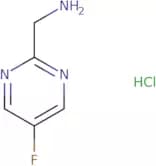
CAS:<p>Versatile small molecule scaffold</p>Formula:C11H20N2O2Purity:Min. 95%Molecular weight:212.3 g/mol(5-Fluoropyrimidin-2-yl)methanamine HCl
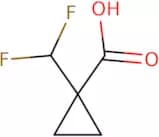
CAS:<p>Versatile small molecule scaffold</p>Formula:C5H7ClFN3Purity:Min. 95%Molecular weight:163.58 g/mol1-(Difluoromethyl)cyclopropane-1-carboxylic acid
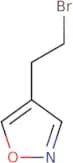
CAS:<p>Versatile small molecule scaffold</p>Formula:C5H6F2O2Purity:Min. 95%Molecular weight:136.1 g/mol4-(2-Bromoethyl)-1,2-oxazole
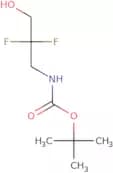
CAS:<p>Versatile small molecule scaffold</p>Formula:C5H6BrNOPurity:Min. 95%Molecular weight:176.01 g/moltert-Butyl (2,2-difluoro-3-hydroxypropyl)carbamate
CAS:<p>Versatile small molecule scaffold</p>Formula:C10H13NO4Purity:Min. 95%Molecular weight:211.21 g/mol(2,2,6,6-tetramethyloxan-4-yl)methanol
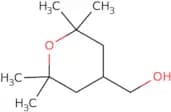
CAS:<p>Versatile small molecule scaffold</p>Formula:C10H20O2Purity:Min. 95%Molecular weight:172.26 g/molrac-tert-Butyl (4aR,7aS)-6,6-dioxo-octahydro-6λ6-thieno[3,4-b]piperazine-1-carboxylate
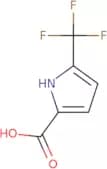
CAS:<p>Versatile small molecule scaffold</p>Formula:C11H20N2O4SPurity:Min. 95%Molecular weight:276.4 g/mol5-Trifluoromethyl-1H-Pyrrole-2-Carboxylic Acid
CAS:<p>Versatile small molecule scaffold</p>Formula:C6H4F3NO2Purity:Min. 95%Molecular weight:179.1 g/mol[1-(Difluoromethyl)cyclopropyl]methanol
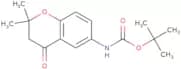
CAS:<p>Versatile small molecule scaffold</p>Formula:C5H8F2OPurity:Min. 95%Molecular weight:122.11 g/moltert-Butyl N-(2,2-dimethyl-4-oxo-3,4-dihydro-2H-1-benzopyran-6-yl)carbamate
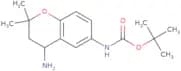
CAS:<p>Versatile small molecule scaffold</p>Formula:C16H21NO4Purity:Min. 95%Molecular weight:291.34 g/moltert-butyl N-(4-amino-2,2-dimethyl-3,4-dihydro-2H-1-benzopyran-6-yl)carbamate
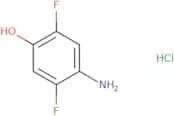
CAS:<p>Versatile small molecule scaffold</p>Formula:C16H24N2O3Purity:Min. 95%Molecular weight:292.4 g/mol4-Amino-2,5-difluorophenol hydrochloride
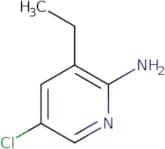
CAS:<p>Versatile small molecule scaffold</p>Formula:C6H6ClF2NOPurity:Min. 95%Molecular weight:181.57 g/mol5-Chloro-3-ethylpyridin-2-amine
CAS:<p>Versatile small molecule scaffold</p>Formula:C7H9ClN2Purity:Min. 95%Molecular weight:156.61 g/mol2-[6-(Trifluoromethyl)-1,3-benzothiazol-2-yl]acetonitrile
CAS:<p>Versatile small molecule scaffold</p>Formula:C10H5F3N2SPurity:Min. 95%Molecular weight:242.22 g/molPotassium [[(tert-Butoxycarbonyl)amino]methyl]trifluoroborate
CAS:<p>Versatile small molecule scaffold</p>Formula:C6H12BF3KNO2Purity:Min. 95%Molecular weight:237.07 g/moltert-butyl N-[(5-formylthiophen-2-yl)methyl]carbamate
CAS:<p>Versatile small molecule scaffold</p>Formula:C11H15NO3SPurity:Min. 95%Molecular weight:241.3 g/mol2-(Quinolin-5-yl)propan-2-amine
CAS:<p>Versatile small molecule scaffold</p>Formula:C12H14N2Purity:Min. 95%Molecular weight:186.25 g/mol1-[4-(Hydroxymethyl)phenyl]cyclopropane-1-carbonitrile
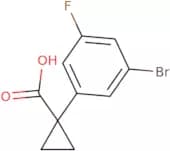
CAS:<p>Versatile small molecule scaffold</p>Formula:C11H11NOPurity:Min. 95%Molecular weight:173.21 g/mol1-(3-Bromo-5-fluorophenyl)cyclopropane-1-carboxylic acid
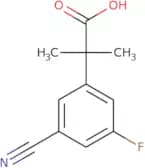
CAS:<p>Versatile small molecule scaffold</p>Formula:C10H8BrFO2Purity:Min. 95%Molecular weight:259.07 g/mol2-(3-Cyano-5-fluorophenyl)-2-methylpropanoic acid
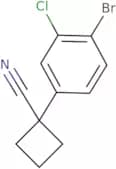
CAS:<p>Versatile small molecule scaffold</p>Formula:C11H10FNO2Purity:Min. 95%Molecular weight:207.2 g/mol1-(4-Bromo-3-chlorophenyl)cyclobutane-1-carbonitrile
CAS:<p>Versatile small molecule scaffold</p>Formula:C11H9BrClNPurity:Min. 95%Molecular weight:270.55 g/mol1-[4-(Dimethylamino)phenyl]cyclopropane-1-carboxylic acid
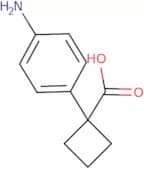
CAS:<p>Versatile small molecule scaffold</p>Formula:C12H15NO2Purity:Min. 95%Molecular weight:205.25 g/mol1-(4-Aminophenyl)cyclobutane-1-carboxylic acid
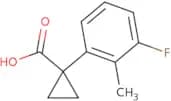
CAS:<p>Versatile small molecule scaffold</p>Formula:C11H13NO2Purity:Min. 95%Molecular weight:191.23 g/mol1-(3-Fluoro-2-methylphenyl)cyclopropane-1-carboxylic acid
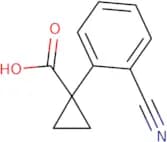
CAS:<p>Versatile small molecule scaffold</p>Formula:C11H11FO2Purity:Min. 95%Molecular weight:194.2 g/mol1-(2-Cyanophenyl)cyclopropane-1-carboxylic acid
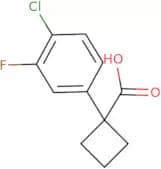
CAS:<p>Versatile small molecule scaffold</p>Formula:C11H9NO2Purity:Min. 95%Molecular weight:187.19 g/mol1-(4-Chloro-3-fluorophenyl)cyclobutane-1-carboxylic acid
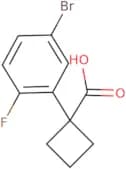
CAS:<p>Versatile small molecule scaffold</p>Formula:C11H10ClFO2Purity:Min. 95%Molecular weight:228.65 g/mol1-(5-Bromo-2-fluorophenyl)cyclobutane-1-carboxylic acid
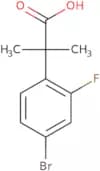
CAS:<p>Versatile small molecule scaffold</p>Formula:C11H10BrFO2Purity:Min. 95%Molecular weight:273.1 g/mol2-(4-Bromo-2-fluorophenyl)-2-methylpropanoic acid
CAS:<p>Versatile small molecule scaffold</p>Formula:C10H10BrFO2Purity:Min. 95%Molecular weight:261.09 g/mol1-[4-(Trifluoromethoxy)phenyl]cyclobutan-1-amine
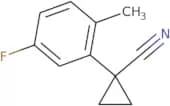
CAS:<p>Versatile small molecule scaffold</p>Formula:C11H12F3NOPurity:Min. 95%Molecular weight:231.21 g/mol1-(5-Fluoro-2-methylphenyl)cyclopropane-1-carbonitrile
CAS:<p>Versatile small molecule scaffold</p>Formula:C11H10FNPurity:Min. 95%Molecular weight:175.2 g/moltert-Butyl N-[3-(2-aminopropan-2-yl)phenyl]carbamate
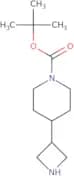
CAS:<p>Versatile small molecule scaffold</p>Formula:C14H22N2O2Purity:Min. 95%Molecular weight:250.34 g/moltert-butyl 4-(azetidin-3-yl)piperidine-1-carboxylate
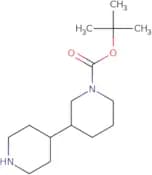
CAS:<p>Versatile small molecule scaffold</p>Formula:C13H24N2O2Purity:Min. 95%Molecular weight:240.3 g/moltert-Butyl 3-(piperidin-4-yl)piperidine-1-carboxylate
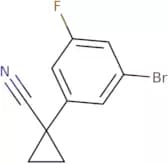
CAS:<p>Versatile small molecule scaffold</p>Formula:C15H28N2O2Purity:Min. 95%Molecular weight:268.39 g/mol1-(3-Bromo-5-fluorophenyl)cyclopropane-1-carbonitrile
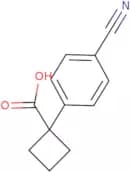
CAS:<p>Versatile small molecule scaffold</p>Formula:C10H7BrFNPurity:Min. 95%Molecular weight:240.07 g/mol1-(4-Cyanophenyl)cyclobutane-1-carboxylic acid
CAS:<p>Versatile small molecule scaffold</p>Formula:C12H11NO2Purity:Min. 95%Molecular weight:201.22 g/mol
![3-[2-(Trifluoromethyl)benzenesulfonamido]propanoic acid](/_next/image/?url=https%3A%2Fstatic.cymitquimica.com%2Fproducts%2F3D%2Fthumb-webp%2FNZA65796.webp&w=3840&q=75)

![3-Methyl-1-oxa-3,8-diazaspiro[4,5]decan-2-one hydrochloride](/_next/image/?url=https%3A%2Fstatic.cymitquimica.com%2Fproducts%2F3D%2Fthumb-webp%2FNZA67534.webp&w=3840&q=75)
![N-[(Z)-2-Nitroethenyl]acetamide](/_next/image/?url=https%3A%2Fstatic.cymitquimica.com%2Fproducts%2F3D%2Fthumb-webp%2FNZB30524.webp&w=3840&q=75)
![6,6-Difluoro-5,6,7,8,9,10-hexahydrobenzo[8]annulen-5-one](/_next/image/?url=https%3A%2Fstatic.cymitquimica.com%2Fproducts%2F3D%2Fthumb-webp%2FNZB62755.webp&w=3840&q=75)
![[(3,4-Dimethoxyphenyl)methyl]thiourea](/_next/image/?url=https%3A%2Fstatic.cymitquimica.com%2Fproducts%2F3D%2Fthumb-webp%2FPAA59651.webp&w=3840&q=75)
![3-Methylpyrido[3,4-E][1,2,4]triazine](/_next/image/?url=https%3A%2Fstatic.cymitquimica.com%2Fproducts%2F3D%2Fthumb-webp%2FPAA61229.webp&w=3840&q=75)
![2,3-Dihydro-benzo[b]thiophen-3-amine 1,1-dioxide hydrochloride](/_next/image/?url=https%3A%2Fstatic.cymitquimica.com%2Fproducts%2F3D%2Fthumb-webp%2FPAA61343.webp&w=3840&q=75)
![Thieno[3,4-b]thiophene-2-carboxylic acid](/_next/image/?url=https%3A%2Fstatic.cymitquimica.com%2Fproducts%2F3D%2Fthumb-webp%2FPAA63008.webp&w=3840&q=75)

![N-[(2-Methylphenyl)methylidene]hydroxylamine](/_next/image/?url=https%3A%2Fstatic.cymitquimica.com%2Fproducts%2F3D%2Fthumb-webp%2FPAA68379.webp&w=3840&q=75)

![6-Methoxy-2-methylimidazo[1,2-b]pyridazine-3-carboxylic acid](/_next/image/?url=https%3A%2Fstatic.cymitquimica.com%2Fproducts%2F3D%2Fthumb-webp%2FPAA71423.webp&w=3840&q=75)
![Spiro[4.4]nonan-1-one](/_next/image/?url=https%3A%2Fstatic.cymitquimica.com%2Fproducts%2F3D%2Fthumb-webp%2FPAA72758.webp&w=3840&q=75)


![5-[(4-Methylphenyl)amino]-1,3,4-thiadiazole-2-thiol](/_next/image/?url=https%3A%2Fstatic.cymitquimica.com%2Fproducts%2F3D%2Fthumb-webp%2FPAA73125.webp&w=3840&q=75)


![2-[2-(Methoxycarbonyl)phenyl]acetic acid](/_next/image/?url=https%3A%2Fstatic.cymitquimica.com%2Fproducts%2F3D%2Fthumb-webp%2FPAA73649.webp&w=3840&q=75)


![2-[(1,3-Thiazol-2-yl)amino]ethan-1-ol](/_next/image/?url=https%3A%2Fstatic.cymitquimica.com%2Fproducts%2F3D%2Fthumb-webp%2FPAA74701.webp&w=3840&q=75)


![4-Chlorofuro[2,3-d]pyridazine](/_next/image/?url=https%3A%2Fstatic.cymitquimica.com%2Fproducts%2F3D%2Fthumb-webp%2FPAA75781.webp&w=3840&q=75)
![7-Chlorofuro[2,3-d]pyridazine](/_next/image/?url=https%3A%2Fstatic.cymitquimica.com%2Fproducts%2F3D%2Fthumb-webp%2FPAA75789.webp&w=3840&q=75)

![1-Piperidino-2-[4]piperidyl-ethane](/_next/image/?url=https%3A%2Fstatic.cymitquimica.com%2Fproducts%2F3D%2Fthumb-webp%2FPAA75909.webp&w=3840&q=75)
![2-[(4-Methylphenyl)sulfanyl]acetohydrazide](/_next/image/?url=https%3A%2Fstatic.cymitquimica.com%2Fproducts%2F3D%2Fthumb-webp%2FPAA77665.webp&w=3840&q=75)
![7-Methylbenzo[d]thiazol-2-amine](/_next/image/?url=https%3A%2Fstatic.cymitquimica.com%2Fproducts%2F3D%2Fthumb-webp%2FPAA77918.webp&w=3840&q=75)
![N-[3,3-Dimethyl-1-(1H-pyrazol-1-yl)butan-2-ylidene]hydroxylamine](/_next/image/?url=https%3A%2Fstatic.cymitquimica.com%2Fproducts%2F3D%2Fthumb-webp%2FPCA92157.webp&w=3840&q=75)
![Ethyl imidazo[1,2-a]pyrimidine-3-carboxylate](/_next/image/?url=https%3A%2Fstatic.cymitquimica.com%2Fproducts%2F3D%2Fthumb-webp%2FPCA95107.webp&w=3840&q=75)
![2-[2-(4-Hydroxyphenyl)ethyl]-2,3-dihydro-1H-isoindole-1,3-dione](/_next/image/?url=https%3A%2Fstatic.cymitquimica.com%2Fproducts%2F3D%2Fthumb-webp%2FPCA98542.webp&w=3840&q=75)
![4-[(2,5-Dioxo-2,5-dihydro-1H-pyrrol-1-yl)methyl]benzoic acid](/_next/image/?url=https%3A%2Fstatic.cymitquimica.com%2Fproducts%2F3D%2Fthumb-webp%2FPCA98781.webp&w=3840&q=75)
![4-[2-(2-Methoxyethoxy)ethoxy]benzaldehyde](/_next/image/?url=https%3A%2Fstatic.cymitquimica.com%2Fproducts%2F3D%2Fthumb-webp%2FPCA99451.webp&w=3840&q=75)

![7H,8H-Imidazo[1,2-d][1,2,4]triazin-8-one](/_next/image/?url=https%3A%2Fstatic.cymitquimica.com%2Fproducts%2F3D%2Fthumb-webp%2FPCB29800.webp&w=3840&q=75)
![1-[2-(Diethylamino)ethyl]-1H-indol-5-amine](/_next/image/?url=https%3A%2Fstatic.cymitquimica.com%2Fproducts%2F3D%2Fthumb-webp%2FPCB30012.webp&w=3840&q=75)
![3-Methyl-benzo[d]isoxazole-5-boronic acid pinacol ester](/_next/image/?url=https%3A%2Fstatic.cymitquimica.com%2Fproducts%2F3D%2Fthumb-webp%2FPCC13600.webp&w=3840&q=75)
![6-(tetramethyl-1,3,2-dioxaborolan-2-yl)-[1,2,4]triazolo[4,3-a]pyridine](/_next/image/?url=https%3A%2Fstatic.cymitquimica.com%2Fproducts%2F3D%2Fthumb-webp%2FPCC13724.webp&w=3840&q=75)
![Spiro[3.4]octane-5-carboxylic acid](/_next/image/?url=https%3A%2Fstatic.cymitquimica.com%2Fproducts%2F3D%2Fthumb-webp%2FPCC38870.webp&w=3840&q=75)
![6-[(tert-Butoxy)carbonyl]-6-azaspiro[3.4]octane-8-carboxylic acid](/_next/image/?url=https%3A%2Fstatic.cymitquimica.com%2Fproducts%2F3D%2Fthumb-webp%2FPCC38877.webp&w=3840&q=75)
![spiro[2.5]octane-7-carboxylic acid](/_next/image/?url=https%3A%2Fstatic.cymitquimica.com%2Fproducts%2F3D%2Fthumb-webp%2FPCC39066.webp&w=3840&q=75)
![rac-tert-Butyl (1R,5S,6S)-6-amino-2-azabicyclo[3.2.0]heptane-2-carboxylate](/_next/image/?url=https%3A%2Fstatic.cymitquimica.com%2Fproducts%2F3D%2Fthumb-webp%2FPCC39324.webp&w=3840&q=75)
![rac-tert-Butyl (4aR,7aS)-6,6-dioxo-octahydro-6λ6-thieno[3,4-b]piperazine-1-carboxylate](/_next/image/?url=https%3A%2Fstatic.cymitquimica.com%2Fproducts%2F3D%2Fthumb-webp%2FPCC39942.webp&w=3840&q=75)
![[1-(Difluoromethyl)cyclopropyl]methanol](/_next/image/?url=https%3A%2Fstatic.cymitquimica.com%2Fproducts%2F3D%2Fthumb-webp%2FPCC40208.webp&w=3840&q=75)
![2-[6-(Trifluoromethyl)-1,3-benzothiazol-2-yl]acetonitrile](/_next/image/?url=https%3A%2Fstatic.cymitquimica.com%2Fproducts%2F3D%2Fthumb-webp%2FPCC51862.webp&w=3840&q=75)
![Potassium [[(tert-Butoxycarbonyl)amino]methyl]trifluoroborate](/_next/image/?url=https%3A%2Fstatic.cymitquimica.com%2Fproducts%2F3D%2Fthumb-webp%2FPCC53855.webp&w=3840&q=75)
![tert-butyl N-[(5-formylthiophen-2-yl)methyl]carbamate](/_next/image/?url=https%3A%2Fstatic.cymitquimica.com%2Fproducts%2F3D%2Fthumb-webp%2FPCC53874.webp&w=3840&q=75)

![1-[4-(Hydroxymethyl)phenyl]cyclopropane-1-carbonitrile](/_next/image/?url=https%3A%2Fstatic.cymitquimica.com%2Fproducts%2F3D%2Fthumb-webp%2FPCC64827.webp&w=3840&q=75)
![1-[4-(Dimethylamino)phenyl]cyclopropane-1-carboxylic acid](/_next/image/?url=https%3A%2Fstatic.cymitquimica.com%2Fproducts%2F3D%2Fthumb-webp%2FPCC66066.webp&w=3840&q=75)
![1-[4-(Trifluoromethoxy)phenyl]cyclobutan-1-amine](/_next/image/?url=https%3A%2Fstatic.cymitquimica.com%2Fproducts%2F3D%2Fthumb-webp%2FPCC69780.webp&w=3840&q=75)
![tert-Butyl N-[3-(2-aminopropan-2-yl)phenyl]carbamate](/_next/image/?url=https%3A%2Fstatic.cymitquimica.com%2Fproducts%2F3D%2Fthumb-webp%2FPCC69889.webp&w=3840&q=75)