Building Blocks
This section contains fundamental products for the synthesis of organic and biological compounds. Building blocks are the essential starting materials used to construct complex molecules through various chemical reactions. They play a critical role in drug discovery, material science, and chemical research. At CymitQuimica, we offer a diverse range of high-quality building blocks to support your innovative research and industrial projects, ensuring you have the essential components for successful synthesis.
Subcategories of "Building Blocks"
- Boronic Acids & Boronic Acid Derivatives(5,756 products)
- Chiral Building Blocks(1,242 products)
- Hydrocarbon Building Blocks(6,095 products)
- Organic Building Blocks(61,037 products)
Found 196200 products of "Building Blocks"
Sort by
Purity (%)
0
100
|
0
|
50
|
90
|
95
|
100
N-[(Z)-2-Nitroethenyl]acetamide
CAS:<p>N-[(Z)-2-Nitroethenyl]acetamide is a synthetic anti-influenza drug. It has shown to be effective against influenza virus, and it is currently being optimized for use as an anti-influenza drug. N-[(Z)-2-Nitroethenyl]acetamide binds to the neuraminidase enzyme of influenza viruses, which prevents them from releasing viral particles. This drug has been shown to be effective in experiments that used nitro compounds in place of the more commonly used tetraethyl amine. The nitro group is thought to increase the rate of reaction because it is more reactive than the tetraethyl amine group. Optimization of parameters such as solvent, temperature, and concentration were required for this synthesis.</p>Formula:C4H6N2O3Purity:Min. 95%Molecular weight:130.1 g/mol5-amino-4-phenyl-1H-pyrazole-3-carboxylic acid
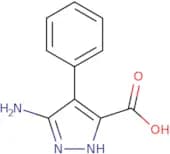
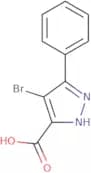
CAS:<p>Versatile small molecule scaffold</p>Formula:C10H9N3O2Purity:Min. 95%Molecular weight:203.2 g/mol4-bromo-3-phenyl-1H-pyrazole-5-carboxylic acid
CAS:<p>Versatile small molecule scaffold</p>Formula:C10H7BrN2O2Purity:Min. 95%Molecular weight:267.1 g/mol6,6-Difluoro-5,6,7,8,9,10-hexahydrobenzo[8]annulen-5-one
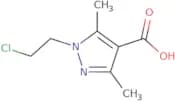
CAS:<p>Versatile small molecule scaffold</p>Formula:C12H12F2OPurity:Min. 95%Molecular weight:210.22 g/mol1-(2-Chloroethyl)-3,5-dimethyl-1H-pyrazole-4-carboxylic acid
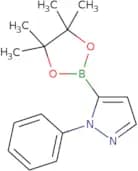
CAS:<p>Versatile small molecule scaffold</p>Formula:C8H11ClN2O2Purity:Min. 95%Molecular weight:202.64 g/mol1-Phenyl-5-(4,4,5,5-tetramethyl-1,3,2-dioxaborolan-2-yl)-1H-pyrazole
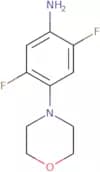
CAS:<p>Versatile small molecule scaffold</p>Formula:C15H19BN2O2Purity:Min. 95%Molecular weight:270.14 g/mol2,5-Difluoro-4-(morpholin-4-yl)aniline
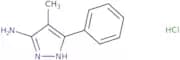
CAS:<p>Versatile small molecule scaffold</p>Formula:C10H12F2N2OPurity:Min. 95%Molecular weight:214.21 g/mol4-Methyl-3-phenyl-1H-pyrazol-5-amine hydrochloride
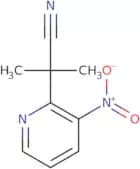
CAS:<p>Versatile small molecule scaffold</p>Formula:C10H12ClN3Purity:Min. 95%Molecular weight:209.67 g/mol2-Methyl-2-(3-nitropyridin-2-yl)propanenitrile
CAS:<p>Versatile small molecule scaffold</p>Formula:C9H9N3O2Purity:Min. 95%Molecular weight:191.19 g/molN-(5-Hydroxy-2,4-dimethylphenyl)acetamide
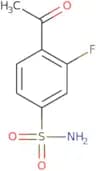
CAS:<p>Versatile small molecule scaffold</p>Formula:C10H13NO2Purity:Min. 95%Molecular weight:179.2 g/mol4-Acetyl-3-fluorobenzene-1-sulfonamide
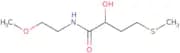
CAS:<p>Versatile small molecule scaffold</p>Formula:C8H8FNO3SPurity:Min. 95%Molecular weight:217.22 g/mol2-Hydroxy-N-(2-methoxyethyl)-4-(methylsulfanyl)butanamide
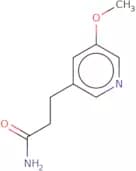
CAS:<p>Versatile small molecule scaffold</p>Formula:C8H17NO3SPurity:Min. 95%Molecular weight:207.3 g/mol3-(5-Methoxypyridin-3-yl)propanamide
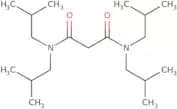
CAS:<p>Versatile small molecule scaffold</p>Formula:C9H12N2O2Purity:Min. 95%Molecular weight:180.2 g/molN,N,N',N'-Tetrakis(2-methylpropyl)propanediamide
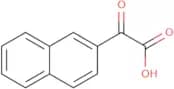
CAS:<p>N,N,N',N'-Tetrakis(2-methylpropyl)propanediamide (TPDA) is a hexavalent diamide that has been used as a catalyst in organic synthesis. TPDA has shown to be an effective catalyst for the Diels-Alder reaction of 2,3-dimethylbutadiene with maleic anhydride. TPDA is also useful in the synthesis of polymers such as polyurethane and polyimides.</p>Formula:C19H38N2O2Purity:Min. 95%Molecular weight:326.5 g/mol2-(Naphthalen-2-yl)-2-oxoacetic acid
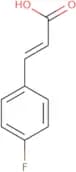
CAS:<p>2-(Naphthalen-2-yl)-2-oxoacetic acid is a naphthalene derivative that can be synthesized by reacting 2-naphthol with ethyl acetate. It has been shown to have a quantum yield of 0.024 and fluorescence emission at 561 nm in aqueous solution. The reaction scheme for the synthesis of 2-(naphthalen-2-yl)-2-oxoacetic acid is as follows:</p>Formula:C12H8O3Purity:Min. 95%Molecular weight:200.19 g/mol(E)-3-(4-Fluorophenyl)acrylic acid
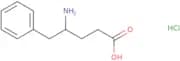
CAS:<p>(E)-3-(4-Fluorophenyl)acrylic acid is a cinnamic acid derivative that is activated by trifluoroacetic acid. It has been shown to be effective in the treatment of wastewater containing high levels of organic matter, as well as bacterial strains found in sewage and clinical samples. This compound also inhibits lung fibroblasts and lung cancer cells, with an effective dose at less than 1 mM. (E)-3-(4-Fluorophenyl)acrylic acid has potent inhibitory activity against tumour cells and has been shown to inhibit gene expression. In addition, this compound shows kinetic effects on the hl-60 cell line.</p>Formula:C9H7FO2Purity:Min. 95%Molecular weight:166.15 g/mol4-Amino-5-phenylpentanoic acid hydrochloride
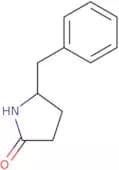
CAS:<p>Versatile small molecule scaffold</p>Formula:C11H16ClNO2Purity:Min. 95%Molecular weight:229.7 g/mol5-Benzylpyrrolidin-2-one
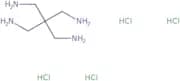
CAS:<p>5-Benzylpyrrolidin-2-one (5BP) is a small molecule that has been shown to have potent inhibition of boophilus, as well as other related species. The 5BP inhibits the target enzymes in the respiratory electron transport chain and blocks the flow of electrons from cytochrome C1, which is an important component of this system. This leads to an increase in hydrogen ions, which causes a change in the pH, and consequently an increase in blood pressure. In addition, 5BP binds to DNA and forms covalent adducts with cytosine nucleobases. These adducts can be used as molecular targets for designing drugs that are effective against cancer cells. 5BP is also a potent inhibitor of cancer cells, including human melanoma cells and human prostate carcinoma cells. There is evidence that this drug may be effective against marine microorganisms such as Vibrio spp., which causes cholera.</p>Formula:C11H13NOPurity:Min. 95%Molecular weight:175.23 g/mol2,2-Bis(aminomethyl)propane-1,3-diamine tetrahydrochloride
CAS:<p>Versatile small molecule scaffold</p>Formula:C5H20Cl4N4Purity:Min. 95%Molecular weight:278 g/mol5-Bromo-1,2-dihydropyrimidine-2-thione
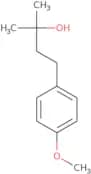
CAS:<p>Versatile small molecule scaffold</p>Formula:C4H3BrN2SPurity:Min. 95%Molecular weight:191.05 g/mol4-(4-Methoxyphenyl)-2-methylbutan-2-ol
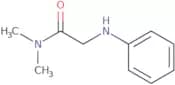
CAS:<p>Versatile small molecule scaffold</p>Formula:C12H18O2Purity:Min. 95%Molecular weight:194.27 g/molN,N-Dimethyl-2-(phenylamino)acetamide
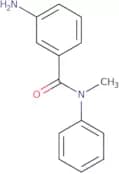
CAS:<p>In the late 1990s, a new chemical compound was discovered with a novel inhibitory effect on tumor growth. This compound is called N,N-dimethyl-2-(phenylamino)acetamide (DPA). DPA has been shown to inhibit tumor growth by preventing the synthesis of glucose. It also inhibits tumor growth in vivo and in vitro. DPA has been found to be effective against cancer cells that are resistant to chemotherapy and radiation therapy. The mechanism of action is not yet known, but it may be related to its ability to bind to sugar molecules or its inhibition of glucose production by pancreatic beta cells.<br>The structural analysis of this compound is still being studied, but it is thought that it may be derived from either wheat germ or monoclonal antibodies.</p>Formula:C10H14N2OPurity:Min. 95%Molecular weight:178.23 g/mol3-Amino-N-methyl-N-phenylbenzamide
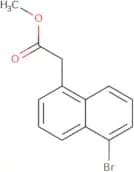
CAS:<p>Versatile small molecule scaffold</p>Formula:C14H14N2OPurity:Min. 95%Molecular weight:226.27 g/molMethyl 2-(5-bromonaphthalen-1-yl)acetate
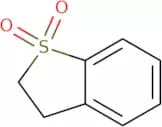
CAS:<p>Versatile small molecule scaffold</p>Formula:C13H11BrO2Purity:Min. 95%Molecular weight:279.13 g/mol2,3-dihydro-1-benzothiophene-1,1-dione
CAS:<p>2,3-Dihydro-1-benzothiophene-1,1-dione is an inhibitor of mitotic kinesin. The sulfone moiety of this inhibitor is electron rich and has a high degree of electrostatic attraction to the benzene ring. This compound has been shown to have in vivo activity against mitotic kinesin, with a potency similar to that of taxol. The synthetic methodology for this compound was developed from a dihydrobenzofuran intermediate.</p>Formula:C8H8O2SPurity:Min. 95%Molecular weight:168.21 g/mol7-methyl-1-benzothiophene
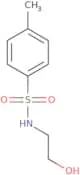
CAS:<p>7-methyl-1-benzothiophene is an enthalpic, programmed, linear regression analysis, aldehydes, desulfurization, stable compounds, molecular orbitals. <br>7-Methyl-1-benzothiophene is involved in the synthesis of antiinflammatory drugs and antioxidants. It has been shown to be effective for the treatment of chronic inflammatory diseases such as arthritis and asthma. 7-Methyl-1-benzothiophene also possesses antioxidant properties that may be useful in preventing cancer or heart disease. The stability of this compound makes it suitable for use in different chromatographic methods or as a precursor for other chemical reactions. This substance also has been shown to be necessary for the production of some proteins related to cell growth.</p>Formula:C9H8SPurity:Min. 95%Molecular weight:148.22 g/molN-(2-Hydroxyethyl)-4-methylbenzenesulfonamide
CAS:<p>N-(2-Hydroxyethyl)-4-methylbenzenesulfonamide is a morpholine derivative. It is prepared by etherification of the corresponding sulfonyl chloride with N,N'-dimethylethylenediamine followed by amination of the resulting secondary amide with methylamine. The intramolecular cyclization reaction of the resulting diamine with an activated methylene group yields the desired compound. This heterocyclic compound can be reduced to yield chelonin and obtained in high yields. The stereoselective synthesis was achieved using a catalyst and stereoselective conditions.</p>Formula:C9H13NO3SPurity:Min. 95%Molecular weight:215.27 g/mol3-Amino-6-chloro-5-hydroxypyrazine-2-carboxylic acid
CAS:<p>Versatile small molecule scaffold</p>Formula:C5H4ClN3O3Purity:Min. 95%Molecular weight:189.56 g/molEthyl 2-(3-nitrophenyl)acetate
CAS:<p>Ethyl 2-(3-nitrophenyl)acetate is an organic compound. It is a chloride channel blocker that has been shown to inhibit the activity of multidrug-resistant proteins (e.g., p-glycoprotein and multidrug resistance protein). The uptake of this drug in cells is limited by its low oral bioavailability and its interaction with aluminium ions. This drug interacts with multidrug-resistance proteins, which are involved in the transport of drugs or toxins out of the cell, by competing for binding sites. Ethyl 2-(3-nitrophenyl)acetate inhibits the catalytic activity of these proteins, leading to a regression in multidrug resistance. It can also inhibit the activity of isoxazoles and alcohols.br>br>/p></p>Formula:C10H11NO4Purity:Min. 95%Molecular weight:209.2 g/mol4-Methyl-2-phenylpentanoic acid
CAS:<p>4-Methyl-2-phenylpentanoic acid is a structural formula with the molecular formula C9H14O4. It is an anti-inflammatory compound that has been shown to inhibit nitric oxide production. 4-Methyl-2-phenylpentanoic acid inhibits the production of inflammatory cytokines such as tumor necrosis factor alpha (TNFα) and interleukin 1β (IL1β). It also has been shown to decrease the production of reactive oxygen species and nitric oxide, which are believed to play a role in inflammatory processes. This drug can be used in oral dosage form for the treatment of inflammation.</p>Formula:C12H16O2Purity:Min. 95%Molecular weight:192.25 g/mol2-(N-Benzyl-N-methylamino)acetonitrile
CAS:<p>Versatile small molecule scaffold</p>Formula:C10H12N2Purity:Min. 95%Molecular weight:160.22 g/molBenzyl(methyl)(oxiran-2-ylmethyl)amine
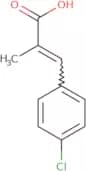
CAS:<p>Versatile small molecule scaffold</p>Formula:C11H15NOPurity:Min. 95%Molecular weight:177.24 g/mol(2E)-3-(4-Chlorophenyl)-2-methylprop-2-enoic acid
CAS:<p>Versatile small molecule scaffold</p>Formula:C10H9ClO2Purity:Min. 95%Molecular weight:196.63 g/mol4-Hydroxy-2-Ethylpyrimidine
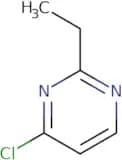
CAS:<p>Versatile small molecule scaffold</p>Formula:C6H8N2OPurity:Min. 95%Molecular weight:124.14 g/mol4-chloro-2-ethylpyrimidine
CAS:<p>Versatile small molecule scaffold</p>Formula:C6H7ClN2Purity:Min. 95%Molecular weight:142.59 g/mol3-Methyl-4-methylidene-1,2,3,4-tetrahydroquinazoline-2-thione
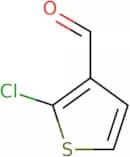
CAS:<p>Versatile small molecule scaffold</p>Formula:C10H10N2SPurity:Min. 95%Molecular weight:190.27 g/mol2-Chlorothiophene-3-carboxaldehyde
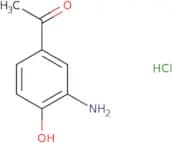
CAS:<p>2-Chlorothiophene-3-carboxaldehyde is a colorless liquid. This chemical belongs to the group of thiophenes and has an isoindolone ring. It can be synthesized by cyclization of 2-chlorothiophene with 3,4-dimethoxybenzoyl chloride. It has been used in the synthesis of isoindolone as well as other compounds.</p>Formula:C5H3ClOSPurity:Min. 95%Molecular weight:146.59 g/mol1-(3-Amino-4-hydroxyphenyl)ethan-1-one hydrochloride
CAS:<p>Versatile small molecule scaffold</p>Formula:C8H10ClNO2Purity:Min. 95%Molecular weight:187.62 g/mol2-(1-Methylcyclohexyl)acetic acid
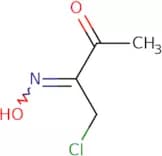
CAS:<p>2-(1-Methylcyclohexyl)acetic acid is a heterocyclic compound with a molecular weight of 136.22 g/mol, a melting point of -7.5 °C, and a boiling point of 115 °C at 760 mmHg. It has a density of 1.038 g/cm3 and solubility in water at 20°C of less than 0.2 mg/L. 2-(1-Methylcyclohexyl)acetic acid is an organic compound that belongs to the class of acetic acid derivatives and isomers thereof. It has two chiral centers and six stereoisomers, all of which are racemic mixtures with no single stereoisomer being present in greater quantity than any other. The conformation of the molecule can be changed by rotation about the C2-C3 bond, which has been shown to have a rate constant for conversion from one conformation to another (k) at</p>Formula:C9H16O2Purity:Min. 95%Molecular weight:156.22 g/mol4-Chloro-3-(hydroxyimino)butan-2-one
CAS:<p>Versatile small molecule scaffold</p>Formula:C4H6ClNO2Purity:Min. 95%Molecular weight:135.55 g/mol1-Chloro-4-[(2-chloroethyl)sulfanyl]benzene
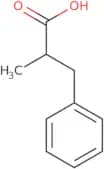
CAS:<p>Versatile small molecule scaffold</p>Formula:C8H8Cl2SPurity:Min. 95%Molecular weight:207.12 g/mol(2S)-2-Methyl-3-phenylpropanoic acid
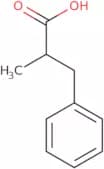
CAS:<p>(2S)-2-Methyl-3-phenylpropanoic acid is a chiral organic compound that can be catalysed to produce enantioenriched products. It has been shown to be an efficient catalyst for the ester hydrolysis reaction, with a rate constant of 10.8 x 10 M s. The enzyme lipase catalyzes this reaction by hydrolyzing ester bonds in (2S)-2-methyl-3-phenylpropanoic acid, producing a mixture of the enantiomers 2R-(+)-2-methyl-3-phenylpropanoic acid and 2S-(−)-2-methyl-3-phenylpropanoic acid. Lipases are proteins that specifically hydrolyze fats, which means they only work on one specific type of molecule. This is advantageous because it allows for higher stereoselectivity in the production of the desired product. Pseudomonas fluorescens produces lipases that are</p>Formula:C10H12O2Purity:Min. 95%Molecular weight:164.2 g/mol(2R)-2-Methyl-3-phenylpropanoic acid
CAS:<p>Versatile small molecule scaffold</p>Formula:C10H12O2Purity:Min. 95%Molecular weight:164.2 g/mol2-(1-Hydroxycyclopentyl)acetonitrile
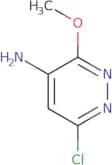
CAS:<p>Versatile small molecule scaffold</p>Formula:C7H11NOPurity:Min. 95%Molecular weight:125.17 g/mol6-Chloro-3-methoxypyridazin-4-amine
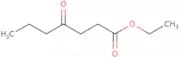
CAS:<p>6-Chloro-3-methoxypyridazin-4-amine is an acidic compound with a pKa of 4.6. It is hydrolyzed in water and alkaline solutions, with the reaction being faster in alkaline solutions. 6-Chloro-3-methoxypyridazin-4-amine interacts with thiourea and hydrazine, forming a yellow compound. This compound reacts with ethanol to form an orange precipitate, which is soluble in potassium acetate.</p>Formula:C5H6ClN3OPurity:Min. 95%Molecular weight:159.57 g/molEthyl 4-oxoheptanoate
CAS:<p>Ethyl 4-oxoheptanoate (E4OH) is an inhibitor of tyrosine hydroxylase, which converts the amino acid tyrosine to the neurotransmitter L-DOPA. It is a trisubstituted, high stereoselective, and hydroxylase inhibitor. E4OH inhibits the enzyme tyrosine hydroxylase and prevents the synthesis of L-DOPA in a stereospecific manner. This compound also has been shown to inhibit diastereoisomeric synthses of L-DOPA.</p>Formula:C9H16O3Purity:Min. 95%Molecular weight:172.22 g/mol2-Isothiocyanatobicyclo[2.2.1]heptane
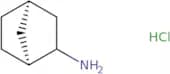
CAS:<p>Versatile small molecule scaffold</p>Formula:C8H11NSPurity:Min. 95%Molecular weight:153.24 g/molExo-norbornylamine hydrochloride
CAS:<p>Exo-norbornylamine hydrochloride is a metabolite of amantadine and is produced by acetylation of the aromatic ring. It has been shown to be a substrate for epoxide hydrolase, which catalyzes the conversion of this compound to an epoxide. It has been shown to inhibit influenza virus replication in vitro and in vivo, possibly by regulating ion channels or inhibiting viral RNA synthesis. Exo-norbornylamine hydrochloride also inhibits lung epithelial cell proliferation, which may be due to its ability to inhibit the production of inflammatory mediators such as prostaglandins and leukotrienes.</p>Formula:C7H13N·HClPurity:Min. 95%Molecular weight:147.65 g/mol2-Isocyanatobicyclo[2.2.1]heptane
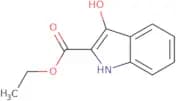
CAS:<p>2-Isocyanatobicyclo[2.2.1]heptane is a natural product that has been shown to be a potent inhibitor of the soluble epoxide hydrolase and an epoxide hydrolase enzyme, which are responsible for the degradation of epoxides. This compound is structurally similar to aniline and amine compounds, which have been shown to inhibit the virus that causes SARS or severe acute respiratory syndrome (SARS-CoV). 2-Isocyanatobicyclo[2.2.1]heptane has also been shown to inhibit coronavirus, which is one of the most common causes of upper respiratory infections in humans.</p>Formula:C8H11NOPurity:Min. 95%Molecular weight:137.18 g/molEthyl 3-hydroxy-1H-indole-2-carboxylate
CAS:<p>Ethyl 3-hydroxy-1H-indole-2-carboxylate is a dimer that is produced by the condensation of two molecules of diazomalonate. This product can be used in the synthesis of esters, such as acid esters or cyclization reactions. It has been shown to yield high yields at high temperatures and is an Australian product. This compound can also be used as a precursor for carbene catalysts.</p>Formula:C11H11NO3Purity:Min. 95%Molecular weight:205.21 g/mol4-(4-Methylpentyl)cyclohexan-1-one
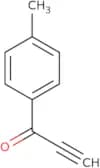
CAS:<p>Versatile small molecule scaffold</p>Formula:C12H22OPurity:Min. 95%Molecular weight:182.3 g/mol1-(4-Methylphenyl)prop-2-yn-1-one
CAS:<p>Versatile small molecule scaffold</p>Formula:C10H8OPurity:Min. 95%Molecular weight:144.17 g/mol2-(4-Butylphenyl)acetic acid
CAS:<p>Versatile small molecule scaffold</p>Formula:C12H16O2Purity:Min. 95%Molecular weight:192.25 g/mol6,7,8,9-Tetrahydro-5H-benzo[7]annulene-5-carboxylic acid
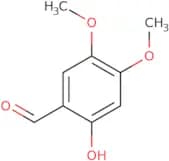
CAS:<p>Versatile small molecule scaffold</p>Formula:C12H14O2Purity:Min. 95%Molecular weight:190.24 g/mol2-Hydroxy-4,5-dimethoxybenzaldehyde
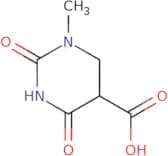
CAS:<p>2-Hydroxy-4,5-dimethoxybenzaldehyde (2HMB) is a natural product that belongs to the group of methides. It has been isolated from plants belonging to the genus Neorautanenia. This compound has been shown to inhibit target enzymes such as neorautanenia amboensis, methides, eupatorium, spathulenol, chalcone, benzofuran derivatives and conjugates. 2HMB also inhibits bacterial growth by binding to ribosomes and preventing protein synthesis. 2HMB can be synthesized from corydine or skeletons by borohydride reduction. The skeleton structure of 2HMB is the same as that of the synthetic drug neorautanenia amboensis and is used for treatment of sepsis in humans.</p>Formula:C9H10O4Purity:Min. 95%Molecular weight:182.17 g/mol5-Pyrimidinecarboxylic acid, 1,2,3,4-tetrahydro-1-methyl-2,4-dioxo-
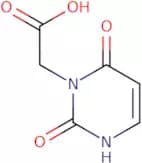
CAS:<p>Versatile small molecule scaffold</p>Formula:C6H6N2O4Purity:Min. 95%Molecular weight:170.12 g/mol2-(2,6-Dioxo-1,2,3,6-tetrahydropyrimidin-1-yl)acetic acid
CAS:<p>Versatile small molecule scaffold</p>Formula:C6H6N2O4Purity:Min. 95%Molecular weight:170.12 g/mol4H,5H-[1,2,4]Triazolo[1,5-a]pyrimidin-5-one
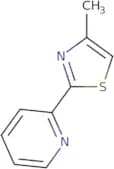
CAS:<p>4H,5H-[1,2,4]Triazolo[1,5-a]pyrimidin-5-one is a heterocyclic compound that is structurally related to the purines. It has been shown to bind to phenanthroline and bipyridine as ligands. The X-ray structure reveals that the molecule consists of two bridging pyridine rings with an azopyrimidine ring in the center. 4H,5H-[1,2,4]Triazolo[1,5-a]pyrimidin-5-one binds anionic ligands such as trimethylammonium ions and formates through its nitrogen atoms.</p>Formula:C5H4N4OPurity:Min. 95%Molecular weight:136.11 g/mol2-(4-Methyl-1,3-thiazol-2-yl)pyridine
CAS:<p>Versatile small molecule scaffold</p>Formula:C9H8N2SPurity:Min. 95%Molecular weight:176.2 g/mol2-(1H-tetrazol-5-yl)pyridine
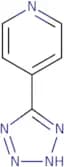
CAS:<p>2-(1H-Tetrazol-5-yl)pyridine (TPZ) is a hydrogen bonding molecule that has been extensively used as a probe to study the coordination geometry of metal ions. The TPZ molecule has a trigonal planar structure with three nitrogen atoms and one chloride ligand. The TPZ molecule is a strong base with a pKb value of 8.6, which makes it a good candidate for protonating other molecules. The TPZ molecule can be synthesized in various forms, including the hydrochloride salt form.</p>Formula:C6H5N5Purity:Min. 95%Molecular weight:147.14 g/mol2-(2,2-Dimethyloxan-4-yl)acetic acid
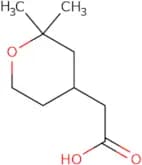
CAS:<p>Versatile small molecule scaffold</p>Formula:C9H16O3Purity:Min. 95%Molecular weight:172.22 g/mol4-Chloro-5,6-dimethyl-pyrimidin-2-ylamine
CAS:<p>Versatile small molecule scaffold</p>Formula:C6H8ClN3Purity:Min. 95%Molecular weight:157.6 g/mol4-Bromo-2-methylbenzene-1-thiol
CAS:<p>4-Bromo-2-methylbenzene-1-thiol is a chemical compound that is not found in nature. It can be accessed via the etoricoxib reaction with 4,4'-biphenylsulfonyl chloride in the presence of sodium hydroxide. The compound has anisotropic properties and its magnetic resonance data show methyl sulfonyl groups with Covid-19 at 3.3 ppm and Covid-19 Pandemic at 5.8 ppm as well as intermediates at 2.6 and 2.8 ppm. It also shows resonance peaks for an element at 8.0 ppm and diamagnetic properties at 1.5ppm.</p>Formula:C7H7BrSPurity:Min. 95%Molecular weight:203.1 g/mol4-Bromo-3-methyl-benzenethiol
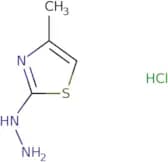
CAS:<p>4-Bromo-3-methyl-benzenethiol is an experimental compound that belongs to the class of fluorine compounds. It has a molecular weight of 221.8 and a chemical formula of C6H5BrSCH2. 4-Bromo-3-methyl-benzenethiol contains a methoxy substituent, which is located on the central carbon atom. This compound also contains two bromine atoms, which are located on either side of the central sulfur atom. 4-Bromo-3-methyl-benzenethiol has been shown to have sulfhydryl group in its structure, and can form couplings with other molecules through this group.</p>Formula:C7H7BrSPurity:Min. 95%Molecular weight:203.1 g/mol2-Hydrazino-4-methyl-1,3-thiazole Hydrochloride
CAS:<p>Versatile small molecule scaffold</p>Formula:C4H7N3S·HClPurity:Min. 95%Molecular weight:165.64 g/mol6-Chloro-2-(hydroxymethyl)-3,4-dihydroquinazolin-4-one
CAS:<p>Versatile small molecule scaffold</p>Formula:C9H7ClN2O2Purity:Min. 95%Molecular weight:210.62 g/mol(1-Hydroxy-cyclohexyl)-acetic acid
CAS:<p>1-Hydroxy-cyclohexyl)-acetic acid (1HCAA) is a polystyrene-based monomer that is used in the production of polymers such as vinyl ethers. 1HCAA has been shown to undergo mechanistic reactions with solvents and alkali metal chlorides, which are both required for its synthesis. The 1HCAA molecule can react with water molecules and form monocarboxylic acids, carboxylic acids, or recemic products. 1HCAA also catalyzes cross-linking reactions when it reacts with an oxidizing agent such as iodine.</p>Formula:C8H14O3Purity:Min. 95%Molecular weight:158.19 g/mol2-(tert-Butoxy)ethanimidamide hydrochloride
CAS:<p>Versatile small molecule scaffold</p>Formula:C6H15ClN2OPurity:Min. 95%Molecular weight:166.65 g/mol1,4-(Diamidino)benzene dihydrochloride
CAS:<p>1,4-Diamidino-benzene dihydrochloride (DABD) is a synthetic, crystalline organic compound that is insoluble in water. This chemical compound has been shown to be a reactive electron donor towards carbamazepine and its derivatives. DABD has also been immobilized on an electrode surface for use as a stable and sustainable electrode material. The immobilization of DABD on an electrode surface was done by covalently binding the DABD molecule to the surface with triazine molecules by covalent bonds. This process resulted in a stable and functional electrode material that can be used for up to 12 hours.</p>Formula:C8H12Cl2N4Purity:Min. 95%Molecular weight:235.11 g/molProp-2-ene-1-sulfonyl chloride
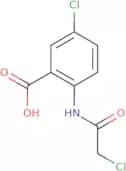
CAS:<p>Prop-2-ene-1-sulfonyl chloride is an organic compound that is used as a pharmaceutical intermediate. It has been shown to have potent inhibitory activity against pancreatic lipase, which makes it a potential treatment for inflammatory diseases such as arthritis. The active form of prop-2-ene-1-sulfonyl chloride binds to the receptor site of the molecule and prevents it from binding with other molecules, thereby blocking the inflammatory response. Prop-2-ene-1-sulfonyl chloride also binds to cholesterol esters in cells and prevents them from being transferred. This inhibits cholesterol production and reduces inflammation caused by high levels of cholesterol.</p>Formula:C3H5ClO2SPurity:Min. 95%Molecular weight:140.59 g/mol5-Chloro-2-(2-chloroacetamido)benzoic acid
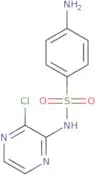
CAS:<p>Versatile small molecule scaffold</p>Formula:C9H7Cl2NO3Purity:Min. 95%Molecular weight:248.06 g/mol4-Amino-N-(3-chloropyrazin-2-yl)benzenesulfonamide
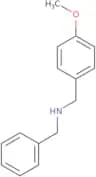
CAS:<p>Versatile small molecule scaffold</p>Formula:C10H9ClN4O2SPurity:Min. 95%Molecular weight:284.72 g/molBenzyl-(4-methoxy-benzyl)-amine
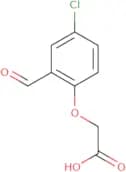
CAS:<p>Benzyl-(4-methoxy-benzyl)-amine is a chemical compound that has the molecular formula CHNO. It is an organic compound with a nitrate group, which are common in esters and phenolates. This compound can be synthesized by debenzylating benzyl amines and reacting them with nitric acid. Benzyl-(4-methoxy-benzyl)-amine may also be prepared by reacting benzaldehyde with ammonium hydroxide or ammonia gas. The synthesis of this compound is chemoselective, meaning it only reacts at one point on the molecule, rather than two. Benzyl-(4-methoxy-benzyl)-amine is used as a precursor to other compounds such as ammonium nitrate, esters, phenolates, and amides.</p>Formula:C15H17NOPurity:Min. 95%Molecular weight:227.3 g/mol2-(4-Chloro-2-formylphenoxy)acetic acid
CAS:<p>2-(4-Chloro-2-formylphenoxy)acetic acid is a chemical compound that is found in microalgae. The compound has been shown to inhibit the growth of bacteria by binding to glucose transporters and inhibiting their ability to absorb glucose. This process leads to a decrease in ATP levels, energy depletion, and cell death. In addition, this compound has been shown to have trophic effects on microalgae. This compound also inhibits the expression of malic enzyme genes and ammonium transporter genes in bacteria. 2-(4-Chloro-2-formylphenoxy)acetic acid is a steerable molecule that can be used for sectioning biological material with ultrafast lasers due to its high fluorescence.</p>Formula:C9H7ClO4Purity:Min. 95%Molecular weight:214.6 g/mol2-{[2-({2-[(2-Hydroxyethyl)sulfanyl]ethyl}sulfanyl)ethyl]sulfanyl}ethan-1-ol
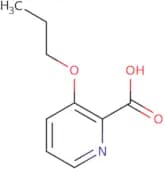
CAS:<p>2-{[2-({2-[(2-Hydroxyethyl)sulfanyl]ethyl}sulfanyl)ethyl]sulfanyl}ethan-1-ol is a polymer with a heterocyclic ring that is soluble in organic solvents. It has been used as an activator, coactivator and/or stabilizer for the thermal treatment of inorganic acids to produce imidazolines and halogens. 2-{[2-({2-[(2-Hydroxyethyl)sulfanyl]ethyl}sulfanyl)ethyl]sulfanyl}ethan-1-ol has been shown to be effective in the production of polymeric materials with good stability and low volatility.</p>Formula:C8H18O2S3Purity:Min. 95%Molecular weight:242.4 g/mol3-Propoxypyridine-2-carboxylic acid
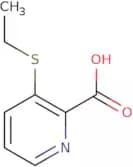
CAS:<p>3-Propoxypyridine-2-carboxylic acid is a benzene ring containing piperidine with a carboxamide substituent. It has shown to be selective for human eosinophils, and is an antagonist at the benzodiazepine site of GABAA receptors. 3-Propoxypyridine-2-carboxylic acid can also be derivatized to form a potent antagonist of benzodiazepine sites on GABAA receptors.</p>Formula:C9H11NO3Purity:Min. 95%Molecular weight:181.19 g/mol3-(Ethylsulfanyl)pyridine-2-carboxylic acid
CAS:<p>Versatile small molecule scaffold</p>Formula:C8H9NO2SPurity:Min. 95%Molecular weight:183.23 g/mol3-{[(Benzyloxy)carbonyl]amino}-3-phenylpropanoic acid
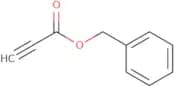
CAS:<p>Versatile small molecule scaffold</p>Formula:C17H17NO4Purity:Min. 95%Molecular weight:299.32 g/molBenzyl propiolate
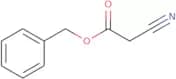
CAS:<p>Benzyl propiolate is a molecule that is structurally related to propiolic acid. It has been shown to act as an adrenergic receptor agonist, which leads to platelet aggregation and thrombocytopenia. Benzyl propiolate also forms methyl esters with alcohols and is synthesized by methyl esterification of benzyl alcohol and propionic acid. This compound is electron deficient, which allows it to react with electron-rich substances, such as thromboplastin in the reaction solution for heparin-induced thrombocytopenia.</p>Formula:C10H8O2Purity:Min. 95%Molecular weight:160.17 g/molBenzyl 2-cyanoacetate
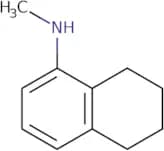
CAS:<p>Benzyl 2-cyanoacetate is an aliphatic hydrocarbon that has been used in the synthesis of various quinoline derivatives. It can be prepared by the reaction of malonic acid with hydrochloric acid, followed by borohydride reduction and the addition of active methylene. Benzyl 2-cyanoacetate is also a precursor to a number of other compounds, including β-amino acids, which are used as pharmaceutical preparations. The chloride ions in benzyl 2-cyanoacetate react with nitro groups to form chloroquinolines. This compound is also an efflux pump inhibitor that blocks bacterial cells from exporting antibiotic molecules out of the cell.</p>Formula:C10H9NO2Purity:Min. 95%Molecular weight:175.19 g/molN-Methyl-5,6,7,8-tetrahydronaphthalen-1-amine
CAS:<p>Versatile small molecule scaffold</p>Formula:C11H15NPurity:Min. 95%Molecular weight:161.24 g/mol4-[(4-Methoxyphenyl)sulfanyl]aniline
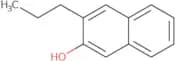
CAS:<p>Versatile small molecule scaffold</p>Formula:C13H13NOSPurity:Min. 95%Molecular weight:231.32 g/mol3-Propylnaphthalen-2-ol
CAS:<p>Versatile small molecule scaffold</p>Formula:C13H14OPurity:Min. 95%Molecular weight:186.25 g/mol3-Phenyl-2-[(prop-2-en-1-yl)amino]propanoic acid
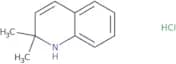
CAS:<p>Versatile small molecule scaffold</p>Formula:C12H15NO2Purity:Min. 95%Molecular weight:205.25 g/mol2,2-Dimethyl-1,2-dihydroquinoline hydrochloride
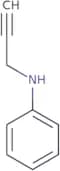
CAS:<p>Versatile small molecule scaffold</p>Formula:C11H14ClNPurity:Min. 95%Molecular weight:195.69 g/molPhenyl-prop-2-ynyl-amine
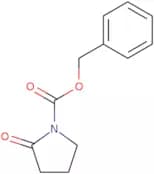
CAS:<p>Phenyl-prop-2-ynyl-amine is a primary amine with neuroprotective properties. It can be activated to the corresponding aniline by treatment with a base. Phenyl-prop-2-ynyl-amine has been shown to have neuroprotective effects in a model system of Parkinson's disease. It also possesses ring-opening activity on quinoline derivatives and gold nanoparticles. This reaction is slow, but it can be accelerated by the addition of a carboxylic acid. The use of this method for the synthesis of phenylpropene derivatives provides an efficient route for the construction of complex molecules with functional groups in their skeletons.</p>Formula:C9H9NPurity:Min. 95%Molecular weight:131.17 g/mol1-Z-2-Pyrrolidinone
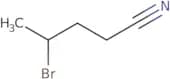
CAS:<p>Versatile small molecule scaffold</p>Formula:C12H13NO3Purity:Min. 95%Molecular weight:219.24 g/mol4-Bromopentanenitrile
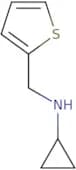
CAS:<p>4-Bromopentanenitrile is a medicinal molecule that has been shown to have oral bioavailability. This compound is an antagonist of the chemokine receptor CXCR4 and blocks the binding of SDF-1α and other ligands to this receptor, which inhibits the migration of lymphocytes from bone marrow into peripheral tissues. 4-Bromopentanenitrile has also been shown to inhibit cell proliferation in vitro and in vivo, which may be due to its ability to block DNA replication. 4-Bromopentanenitrile has been tested for its ability to inhibit the growth of cancer cells in mice models.</p>Formula:C5H8BrNPurity:Min. 95%Molecular weight:162.03 g/molCyclopropyl-thiophen-2-ylmethyl-amine
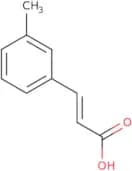
CAS:<p>Versatile small molecule scaffold</p>Formula:C8H11NSPurity:Min. 95%Molecular weight:153.25 g/mol(E)-3-(m-Tolyl)acrylic acid
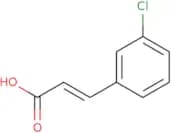
CAS:<p>(E)-3-(m-Tolyl)acrylic acid is a natural flavonoid compound found in plants. It is an intermediate in the biosynthesis of phenylpropanoids, which are a group of plant secondary metabolites. (E)-3-(m-Tolyl)acrylic acid has been shown to inhibit the production of heterocyclic amines, which are carcinogenic compounds formed during the cooking process of meat and fish. In addition, this compound has been shown to have cytotoxic effects on cancer cells and inhibitory effects on malonic acid production in plants. (E)-3-(m-Tolyl)acrylic acid is synthesized from cinnamic acid derivatives and hydroxyl groups. It is also produced by sulfonation of eugenol with sulfuric acid followed by oxidation with hydrogen peroxide.</p>Formula:C10H10O2Purity:Min. 95%Molecular weight:162.19 g/mol3-Chlorocinnamic acid
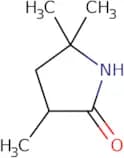
CAS:<p>3-Chlorocinnamic acid is a potential anticancer agent that has been shown to stimulate the growth of epidermal cells. It inhibits the activity of epidermal growth factor (EGF) and is active against some forms of cancer. 3-Chlorocinnamic acid binds to an activated form of the epidermal growth factor receptor and prevents its activation. 3-Chlorocinnamic acid also inhibits pro-apoptotic protein kinase activities, which may be useful for treating conditions such as tuberculosis. The chemical group in this compound is responsible for its optical properties and its ability to bind to proteins with cinnamoyl groups.</p>Formula:C9H7ClO2Purity:Min. 95%Molecular weight:182.6 g/mol3,5,5-Trimethyl-2-pyrrolidinone
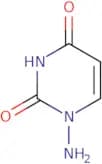
CAS:<p>3,5,5-Trimethyl-2-pyrrolidinone is a cyclic hydrocarbon that is produced by the photolysis of acetonylacetone. It undergoes hydrolysis to form 3,5,5-trimethyl-3-oxazolidinone and 2-oxopropanal. The former reacts with nitrones to form oxaziridines and pyrrolidinones. 3,5,5-Trimethyl-2-pyrrolidinone can be used as a protecting group for hydroxyl groups in organic synthesis.</p>Formula:C7H13NOPurity:Min. 95%Molecular weight:127.18 g/mol1-Amino-1,2,3,4-tetrahydropyrimidine-2,4-dione
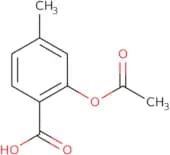
CAS:<p>1-Amino-1,2,3,4-tetrahydropyrimidine-2,4-dione is an alkynyl amine that is used in the agricultural industry as a binding agent for acid. It has been shown to bind to cyanoalkyl, haloalkyl and aminouracil groups. The compound also has a variety of other uses in the pharmaceutical industry including use as a nerve toxin. 1-Amino-1,2,3,4-tetrahydropyrimidine-2,4-dione is also used as a spectrum diluent and can be used in refluxing reactions with nitro compounds.</p>Formula:C4H5N3O2Purity:Min. 95%Molecular weight:127.1 g/mol2-(Acetyloxy)-4-methylbenzoic acid
CAS:<p>2-(Acetyloxy)-4-methylbenzoic acid (AMBA) is a compound that is used in the field of health care. It has been shown to have neuroprotective effects and to reduce neuronal apoptosis, which may be due to its ability to attenuate proinflammatory responses. AMBA has also been shown to inhibit the formation of amyloid plaques in Alzheimer's disease. This compound has also shown anti-inflammatory properties and can be used as a treatment for neuroinflammation. AMBA inhibits the activation of caspases, which are responsible for initiating the apoptosis pathway by cleaving proteins necessary for cell survival, such as PARP1 or Bcl-2. The mechanism of action is not fully understood but it appears that AMBA alters mitochondrial function and reduces intracellular calcium levels.</p>Formula:C10H10O4Purity:Min. 95%Molecular weight:194.18 g/mol2-(Acetyloxy)-5-methylbenzoic acid
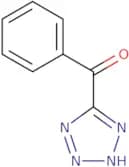
CAS:<p>Versatile small molecule scaffold</p>Formula:C10H10O4Purity:Min. 95%Molecular weight:194.18 g/mol5-Benzoyl-2H-1,2,3,4-tetrazole
CAS:<p>5-Benzoyl-2H-1,2,3,4-tetrazole is a pyrazole compound that can be synthesized by reacting an aliphatic azide with a sulfoxide. The reaction of the sulfoxide with potassium hydroxide and dimethylbenzoyl chloride produces the desired product. 5-Benzoyl-2H-1,2,3,4-tetrazole is used in research as a short term substrate for enzymes such as diazo compounds and tetrazole. It has also been shown to be capable of forming covalent bonds with alkali metal ions such as sodium and potassium. This compound is also useful for the synthesis of 2H-1,2,3,4-tetrazoles via diazotization.</p>Formula:C8H6N4OPurity:Min. 95%Molecular weight:174.16 g/mol5H,6H,7H,8H-Imidazo[1,5-c]pyrimidin-5-one
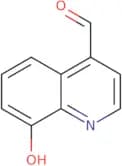
CAS:<p>5H,6H,7H,8H-Imidazo[1,5-c]pyrimidin-5-one is a marine alkaloid that belongs to the family of histamine. It is found in the sponge pseudoceratina and has been shown to have antifouling properties. 5H,6H,7H,8H-Imidazo[1,5-c]pyrimidin-5-one can be used as a treatment for hyperhistaminemia and may inhibit tyrosine hydroxylase activity.</p>Formula:C6H7N3OPurity:Min. 95%Molecular weight:137.14 g/mol8-Hydroxy-4-quinolinecarboxaldehyde
CAS:<p>8-Hydroxy-4-quinolinecarboxaldehyde is an alkaloid that is found in the bark of Broussonetia papyrifera, a tree native to Asia. Alkaloids are nitrogenous organic compounds that contain basic properties. 8-Hydroxy-4-quinolinecarboxaldehyde can be synthesized by reacting oxime with hydroquinone. This compound has been studied using spectroscopic methods and can be used as a starting point for the synthesis of other alkaloids.</p>Formula:C10H7NO2Purity:Min. 95%Molecular weight:173.17 g/mol2-Amino-3-[(2-phenylethyl)sulfanyl]propanoic acid
CAS:<p>Versatile small molecule scaffold</p>Formula:C11H15NO2SPurity:Min. 95%Molecular weight:225.31 g/mol[(2-Chloroethyl)(dimethylamino)phosphoryl]dimethylamine
CAS:<p>Versatile small molecule scaffold</p>Formula:C6H16ClN2OPPurity:Min. 95%Molecular weight:198.63 g/molSpiro[4.5]dec-6-en-8-one
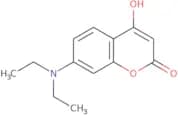
CAS:<p>Spiro[4.5]dec-6-en-8-one is a natural product isolated from the leaves of plants in Madagascar. It has an inhibitory effect on insects and was sampled by researchers at the University of Florida. Spiro[4.5]dec-6-en-8-one can be extracted from camphene, naphthalene, and solenopsis. The compound inhibits the growth of insects through its inhibitory effects on protein synthesis by binding to ribosomal RNA. This activity is more pronounced in insect cells than in human cells, which may be due to a lower expression of ribosomal RNA in human cells.</p>Formula:C10H14OPurity:Min. 95%Color and Shape:Clear LiquidMolecular weight:150.22 g/mol7-Diethylamino-4-hydroxy-chromen-2-one
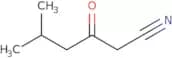
CAS:<p>7-Diethylamino-4-hydroxy-chromen-2-one is a fluorescent chemical compound that belongs to the family of atypical fluorophores. It has a number of photophysical properties, including fluorescence and regression, which are characteristic of amines. 7-Diethylamino-4-hydroxy-chromen-2-one can be synthesized from diazonium salt and 4-hydroxycoumarin. This chemical compound has been used as a fluorescent probe for nucleophilic reactions in various types of organic molecules. The nature of this fluorophore is unknown, but it may be due to its ability to shift the wavelength of fluorescence by up to 400 nm.</p>Formula:C13H15NO3Purity:Min. 95%Molecular weight:233.26 g/mol5-Methyl-3-oxohexanenitrile
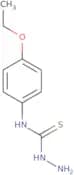
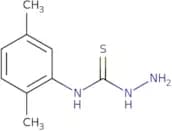
CAS:<p>5-Methyl-3-oxohexanenitrile is a dialkylamino compound that has been used as a reagent in organic chemistry. It is tautomeric and can exist as both an amide and an isoxazole. The pyridine ring of 5-methyl-3-oxohexanenitrile can be either substituted with a carbamate, nitro, or alkenyl group, depending on the substitution pattern. 5-Methyl-3-oxohexanenitrile reacts with dinitrophenyl to form an N–N bond, which is then cleaved by amines in order to generate the corresponding carbamate or amide. 5-Methyl-3-oxohexanenitrile also reacts with copper to form the corresponding nitro or alkenyl group.</p>Formula:C7H11NOPurity:Min. 95%Molecular weight:125.17 g/mol3-Amino-1-(4-ethoxyphenyl)thiourea
CAS:<p>Versatile small molecule scaffold</p>Formula:C9H13N3OSPurity:Min. 95%Molecular weight:211.29 g/mol3-Amino-1-(2,5-dimethylphenyl)thiourea
CAS:<p>Versatile small molecule scaffold</p>Formula:C9H13N3SPurity:Min. 95%Molecular weight:195.29 g/mol1,2-Dibromo-4-(bromomethyl)benzene
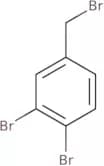
CAS:<p>1,2-Dibromo-4-(bromomethyl)benzene is a brominated organic compound that has been shown to act as a potent agonist for the peroxisome proliferator-activated receptor delta (PPARδ). It has been shown to have structural and biological effects on PPARδ. This compound has been used as a template in the synthesis of many other compounds. 1,2-Dibromo-4-(bromomethyl)benzene is non-selective and bioavailable, which means it can be taken orally or applied topically.</p>Formula:C7H5Br3Purity:Min. 95%Molecular weight:328.83 g/mol2-(4-Chlorobenzoyl)pyrimidine
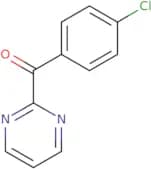
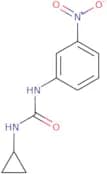
CAS:<p>Versatile small molecule scaffold</p>Formula:C11H7ClN2OPurity:Min. 95%Molecular weight:218.64 g/mol3-Cyclopropyl-1-(3-nitrophenyl)urea
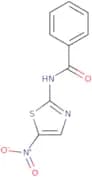
CAS:<p>Versatile small molecule scaffold</p>Formula:C10H11N3O3Purity:Min. 95%Molecular weight:221.21 g/molN-(5-Nitro-thiazol-2-yl)-benzamide
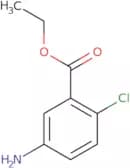
CAS:<p>N-(5-Nitro-thiazol-2-yl)-benzamide is a noncompetitive inhibitor of the enzyme succinate dehydrogenase and is used as an molluscicide. It binds to the active site of the enzyme, which is located in the mitochondrial membrane, and prevents electron transfer from succinate to ubiquinone. This leads to a decrease in production of ATP, which is needed for cell growth and division. N-(5-Nitro-thiazol-2-yl)-benzamide has been shown to inhibit inflammation by inhibiting prostaglandin synthesis in mice. The drug also inhibits neutrophil infiltration into inflamed areas, which may be due to its effect on 5HT2A receptors.</p>Formula:C10H7N3O3SPurity:Min. 95%Molecular weight:249.25 g/molEthyl 5-amino-2-chlorobenzoate
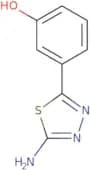
CAS:<p>Versatile small molecule scaffold</p>Formula:C9H10ClNO2Purity:Min. 95%Molecular weight:199.63 g/mol3-(5-Amino-1,3,4-thiadiazol-2-yl)phenol
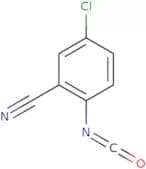
CAS:<p>Versatile small molecule scaffold</p>Formula:C8H7N3OSPurity:Min. 95%Molecular weight:193.23 g/mol5-Chloro-2-isocyanatobenzonitrile
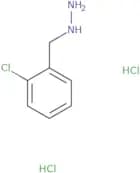
CAS:<p>Versatile small molecule scaffold</p>Formula:C8H3ClN2OPurity:Min. 95%Molecular weight:178.58 g/mol(2-chlorobenzyl)hydrazine 2hcl
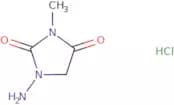
CAS:<p>Versatile small molecule scaffold</p>Formula:C7H11Cl3N2Purity:Min. 95%Molecular weight:229.53 g/mol1-Amino-3-methylimidazolidine-2,4-dione hydrochloride
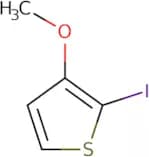
CAS:<p>Versatile small molecule scaffold</p>Formula:C4H8ClN3O2Purity:Min. 95%Molecular weight:165.58 g/mol2-Iodo-3-methoxythiophene
CAS:<p>Versatile small molecule scaffold</p>Formula:C5H5IOSPurity:Min. 95%Molecular weight:240.06 g/mol2-Methyl-1-[4-(trifluoromethyl)phenyl]propan-1-one
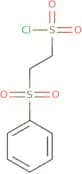
CAS:<p>Versatile small molecule scaffold</p>Formula:C11H11F3OPurity:Min. 95%Molecular weight:216.2 g/mol2-(Benzenesulfonyl)ethane-1-sulfonyl chloride
CAS:<p>Versatile small molecule scaffold</p>Formula:C8H9ClO4S2Purity:Min. 95%Molecular weight:268.7 g/mol4-Cyanophenyl chloroformate
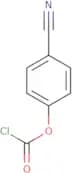
CAS:<p>4-Cyanophenyl chloroformate is a macrocyclic compound that has been shown to have a potential use as an almqvist reagent. Almqvist reagents are nucleophilic compounds that can be used in organic synthesis as carbonylating agents, which are used to form esters and amides. 4-Cyanophenyl chloroformate is a chiral compound with the ability to form macrocycles, which are biomimetic structures. The conformational stepwise reaction of the macrocycle formation enables it to mimic natural processes.</p>Formula:C8H4ClNO2Purity:Min. 95%Molecular weight:181.57 g/molethyl 2-(2-aminophenyl)acetate
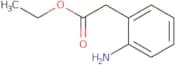
CAS:<p>Ethyl 2-(2-aminophenyl)acetate is a cytotoxic agent that binds to DNA and inhibits the synthesis of RNA and protein. It has been shown to inhibit the growth of murine leukemia cells in culture at concentrations between 0.3 and 3 mM, which are dependent on the concentration of benzyl substituents. Ethyl 2-(2-aminophenyl)acetate also exhibits dose-dependent cytotoxic activity against murine leukemia cells. The cytotoxic effects of this compound have been studied in vivo and in vitro using murine leukemia cells (WEHI-3).</p>Formula:C10H13NO2Purity:Min. 95%Molecular weight:179.2 g/mol4-Hydroxy-4-(2-oxo-1,2,3,4-tetrahydroquinolin-6-yl)butanoic acid
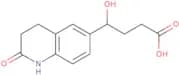
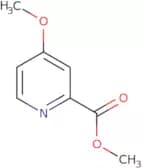
CAS:<p>Versatile small molecule scaffold</p>Formula:C13H15NO4Purity:Min. 95%Molecular weight:249.26 g/molMethyl 4-formylpyridine-2-carboxylate
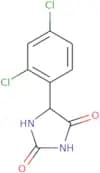
CAS:<p>Versatile small molecule scaffold</p>Formula:C8H7NO3Purity:Min. 95%Molecular weight:165.15 g/mol5-(2,4-Dichlorophenyl)imidazolidine-2,4-dione
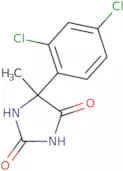
CAS:<p>Versatile small molecule scaffold</p>Formula:C9H6Cl2N2O2Purity:Min. 95%Molecular weight:245.06 g/mol5-(2,4-Dichlorophenyl)-5-methylimidazolidine-2,4-dione
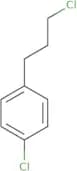
CAS:<p>Versatile small molecule scaffold</p>Formula:C10H8Cl2N2O2Purity:Min. 95%Molecular weight:259.09 g/mol1-Chloro-3-(4-chlorophenyl)propane
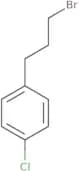
CAS:<p>Versatile small molecule scaffold</p>Formula:C9H10Cl2Purity:Min. 95%Molecular weight:189.08 g/mol1-(3-Bromopropyl)-4-chlorobenzene
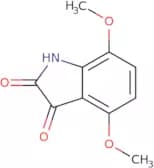
CAS:<p>1-(3-Bromopropyl)-4-chlorobenzene is an expedited source of chlorine that is used in the oxidation of aromatic compounds. The chlorination of 1-(3-bromopropyl)-4-chlorobenzene occurs with a yield of about 98% and has high selectivity for the chlorination product. In a photoredox process, this compound can be used as an oxidant to produce an intermediate that can then be used in the oxidative chlorination reactions. This compound has been shown to have bioactivity and is used as a science catalyst.</p>Formula:C9H10BrClPurity:Min. 95%Molecular weight:233.54 g/mol4,7-Dimethoxy-2,3-dihydro-1H-indole-2,3-dione
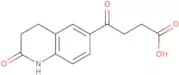
CAS:<p>Versatile small molecule scaffold</p>Formula:C10H9NO4Purity:Min. 95%Molecular weight:207.18 g/mol4-Oxo-4-(2-oxo-1,2,3,4-tetrahydroquinolin-6-yl)butanoic acid
CAS:<p>Versatile small molecule scaffold</p>Formula:C13H13NO4Purity:Min. 95%Molecular weight:247.25 g/molN-[(3-Chlorophenyl)methyl]-2-cyanoacetamide
CAS:<p>Versatile small molecule scaffold</p>Formula:C10H9ClN2OPurity:Min. 95%Molecular weight:208.64 g/mol2-Cyano-N-[(3-methylphenyl)methyl]acetamide
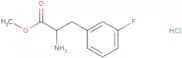
CAS:<p>Versatile small molecule scaffold</p>Formula:C11H12N2OPurity:Min. 95%Molecular weight:188.23 g/molMethyl 2-amino-3-(3-fluorophenyl)propanoate hydrochloride
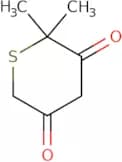
CAS:<p>Versatile small molecule scaffold</p>Formula:C10H13ClFNO2Purity:Min. 95%Molecular weight:233.67 g/mol2,2-Dimethylthiane-3,5-dione
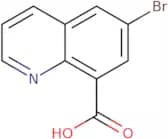
CAS:<p>Versatile small molecule scaffold</p>Formula:C7H10O2SPurity:Min. 95%Molecular weight:158.22 g/mol6-bromoquinoline-8-carboxylic acid
CAS:<p>Versatile small molecule scaffold</p>Formula:C10H6BrNO2Purity:Min. 95%Molecular weight:252.06 g/mol2-[(Cyclopropylcarbonyl)amino]acetic acid
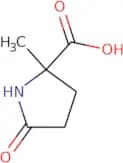
CAS:<p>2-[(Cyclopropylcarbonyl)amino]acetic acid is a carboxylic acid that is used as an oral drug for the treatment of cardiac and renal diseases. It has been shown to be effective in the treatment of angiotensin-dependent hypertension and congestive heart failure. The therapeutic effects may be due to its ability to inhibit angiotensin-converting enzyme (ACE) and block the conversion of angiotensin I to angiotensin II, which causes vasoconstriction and increased blood pressure. 2-[(Cyclopropylcarbonyl)amino]acetic acid also inhibits phosphodiesterase, which may lead to improved cardiac function.</p>Formula:C6H9NO3Purity:Min. 95%Molecular weight:143.14 g/mol2-Methyl-5-oxopyrrolidine-2-carboxylic acid
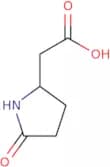
CAS:<p>2-Methyl-5-oxopyrrolidine-2-carboxylic acid (2MOP) is a levulinic acid derivative with a carboxylic acid group on the side chain. It can be synthesized from levulinic acid, which is produced from the hydrolysis of cellulose. 2MOP is used as a plasticizer and an intermediate in the synthesis of esters such as methyl acetate and ethyl acetate. 2MOP has been found to have good compatibility with polyvinyl chloride, polystyrene, and polyolefins. This compound has been used to produce plastics that are flexible, tough, and resistant to heat degradation.</p>Formula:C6H9NO3Purity:Min. 95%Molecular weight:143.14 g/mol5-Oxo-2-pyrrolidineacetic Acid
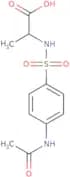
CAS:<p>Versatile small molecule scaffold</p>Formula:C6H9NO3Purity:Min. 95%Molecular weight:143.14 g/mol(2S)-2-(4-Acetamidobenzenesulfonamido)propanoic acid
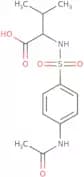
CAS:<p>Versatile small molecule scaffold</p>Formula:C11H14N2O5SPurity:Min. 95%Molecular weight:286.31 g/mol2-(4-Acetamidobenzenesulfonamido)-3-methylbutanoic acid
CAS:<p>2-(4-Acetamidobenzenesulfonamido)-3-methylbutanoic acid is a disordered molecule that has an isopropanol group at the 4th carbon. The benzene ring and methyl groups are in the 2nd and 3rd positions, respectively. The orientation of the isopropyl group determines how the molecule folds. This molecule has hydrogen bonds between its N-H and C=O groups, as well as intramolecular hydrogen bonds along with coplanar dihedral angles.<br>2-(4-Acetamidobenzenesulfonamido)-3-methylbutanoic acid is used for research purposes to study benzene rings, methyl groups, and acetamide orientations.</p>Formula:C13H18N2O5SPurity:Min. 95%Molecular weight:314.36 g/mol3-(Methylsulfamoyl)thiophene-2-carboxylic acid
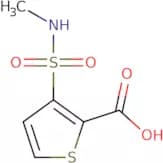
CAS:<p>Versatile small molecule scaffold</p>Formula:C6H7NO4S2Purity:Min. 95%Molecular weight:221.3 g/mol5-tert-Butyl-4-methyl-4H-1,2,4-triazole-3-thiol
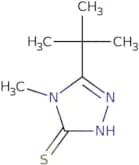
CAS:<p>Versatile small molecule scaffold</p>Formula:C7H13N3SPurity:Min. 95%Molecular weight:171.27 g/mol4-Bromo-N-[2-(morpholin-4-yl)ethyl]benzamide
CAS:<p>Versatile small molecule scaffold</p>Formula:C13H17BrN2O2Purity:Min. 95%Molecular weight:313.19 g/mol4-(Pyridin-4-ylsulfanyl)phenol
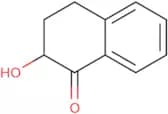
CAS:<p>Versatile small molecule scaffold</p>Formula:C11H9NOSPurity:Min. 95%Molecular weight:203.26 g/mol2-Hydroxy-1,2,3,4-tetrahydronaphthalen-1-one
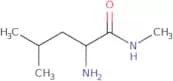
CAS:<p>2-Hydroxy-1,2,3,4-tetrahydronaphthalen-1-one is a synthetic drug that binds to the opioid receptor and is used as an analgesic. It has been shown to have a strong affinity for opioid receptors in the central nervous system and intestine. 2-Hydroxy-1,2,3,4-tetrahydronaphthalen-1-one has been found to have an uptake of 40% in the brain and intestine. This drug also has a high affinity for opioid receptors in the brain and intestinal tissue and acts as a full agonist on these sites. 2-Hydroxy-1,2,3,4-tetrahydronaphthalen-1-one also has been found to be effective in treating Alzheimer's disease. This drug can be administered orally or intravenously.</p>Formula:C10H10O2Purity:Min. 95%Molecular weight:162.18 g/mol(2S)-2-Amino-N,4-dimethylpentanamide
CAS:<p>(2S)-2-Amino-N,4-dimethylpentanamide is an amide that is a metabolite of the amino acid l-tert-leucine. This drug has been shown to have bioactive properties and may be used in pharmaceutical preparations for the treatment of degenerative diseases. (2S)-2-Amino-N,4-dimethylpentanamide binds to cannabinoid receptors, which are found on the surface of cells. It also inhibits matrix metalloproteinase activity, leading to increased bone resorption and ulceration. The stereoisomers of this compound have different activities: 2R-(+)-(2S)-2-amino-N,4-dimethylpentanamide inhibits the production of inflammatory proteins and is used as a pharmaceutical preparation for the treatment of ulcers; 2S-(+)-(2S)-2-amino-N,4-dimethylpentanamide has</p>Formula:C7H16N2OPurity:Min. 95%Molecular weight:144.21 g/molEthyl N-[3-(2-oxopropyl)-1,2,4-thiadiazol-5-yl]carbamate
CAS:<p>Versatile small molecule scaffold</p>Formula:C8H11N3O3SPurity:Min. 95%Molecular weight:229.26 g/mol(1H-Benzo[D]imidazol-4-yl)methanamine dihydrochloride
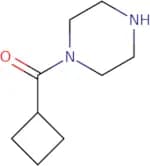
CAS:<p>Versatile small molecule scaffold</p>Formula:C8H11Cl2N3Purity:Min. 95%Molecular weight:220.1 g/molcyclobutyl(piperazin-1-yl)methanone
CAS:<p>Versatile small molecule scaffold</p>Formula:C9H16N2OPurity:Min. 95%Molecular weight:168.24 g/mol1-[Chloro(4-chlorophenyl)methyl]-4-fluorobenzene
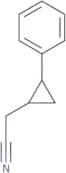
CAS:<p>Versatile small molecule scaffold</p>Formula:C13H9Cl2FPurity:Min. 95%Molecular weight:255.11 g/mol2-(2-Phenylcyclopropyl)acetonitrile
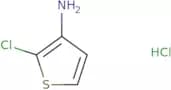
CAS:<p>Versatile small molecule scaffold</p>Formula:C11H11NPurity:Min. 95%Molecular weight:157.21 g/mol2-Chlorothiophen-3-amine hydrochloride
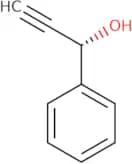
CAS:<p>Versatile small molecule scaffold</p>Formula:C4H5Cl2NSPurity:Min. 95%Molecular weight:170.06 g/mol(S)-1-Phenyl-2-propyn-1-ol
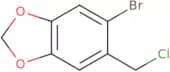
CAS:<p>(S)-1-phenyl-2-propyn-1-ol is a bicyclic compound that is used in the metathesis reaction. This chemical can undergo a metathesis reaction, where two different types of bonds are broken and two new ones are formed. (S)-1-Phenyl-2-propyn-1-ol can be used for the synthesis of polymers, pharmaceuticals, and agrochemicals.</p>Formula:C9H8OPurity:Min. 95%Molecular weight:132.16 g/mol5-Bromo-6-(chloromethyl)-1,3-dioxaindane
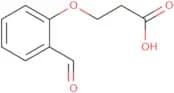
CAS:<p>Versatile small molecule scaffold</p>Formula:C8H6BrClO2Purity:Min. 95%Molecular weight:249.49 g/mol3-(2-Formylphenoxy)propanoic acid
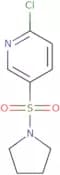
CAS:<p>3-(2-Formylphenoxy)propanoic acid is a carboxylic acid that is used in the synthesis of pharmaceuticals. The carboxylic acid group of 3-(2-Formylphenoxy)propanoic acid reacts with amines to form amides. It can also be reacted with alcohols to form esters. The propanoic acid group in this compound can undergo reactions that generate carboxylic acids, alcohols, and hydrocarbons. 3-(2-Formylphenoxy)propanoic acid has two carboxylic acid groups, one on each end of the molecule. These groups are positioned so they react with other molecules by donating their electrons to create new bonds. This conformation is called a dimer.</p>Formula:C10H10O4Purity:Min. 95%Molecular weight:194.18 g/mol2-Chloro-5-(pyrrolidine-1-sulfonyl)pyridine
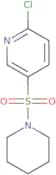
CAS:<p>Versatile small molecule scaffold</p>Formula:C9H11ClN2O2SPurity:Min. 95%Molecular weight:246.71 g/mol2-Chloro-5-(piperidine-1-sulfonyl)pyridine
CAS:<p>Versatile small molecule scaffold</p>Formula:C10H13ClN2O2SPurity:Min. 95%Molecular weight:260.74 g/mol1-[(6-Chloropyridin-3-yl)sulfonyl]-4-methylpiperazine
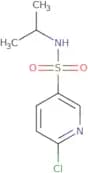
CAS:<p>Versatile small molecule scaffold</p>Formula:C10H14ClN3O2SPurity:Min. 95%Molecular weight:275.76 g/mol6-Chloro-N-(propan-2-yl)pyridine-3-sulfonamide
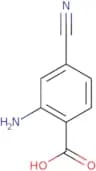
CAS:<p>Versatile small molecule scaffold</p>Formula:C8H11ClN2O2SPurity:Min. 95%Molecular weight:234.7 g/mol2-amino-4-cyanobenzoic acid
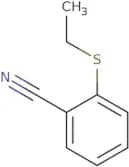
CAS:<p>Versatile small molecule scaffold</p>Formula:C8H6N2O2Purity:Min. 95%Molecular weight:162.15 g/mol2-(Ethylsulfanyl)benzonitrile
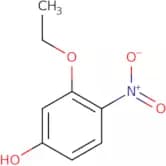
CAS:<p>Versatile small molecule scaffold</p>Formula:C9H9NSPurity:Min. 95%Molecular weight:163.24 g/mol3-Ethoxy-4-nitrophenol
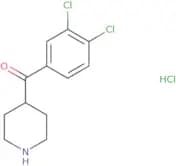
CAS:<p>3-Ethoxy-4-nitrophenol is a nitro compound that is used in the synthesis of dibenzofurans, polychlorinated biphenyls, and other organic compounds. It can be used to generate nitro groups in organic synthesis and has been shown to have high yields. 3-Ethoxy-4-nitrophenol is metabolized by the liver with a half life of approximately 10 hours and is excreted unchanged in the urine. This compound may cause adverse health effects at high doses due to its toxicity as a nitrosating agent, which may result in DNA damage or cancer.</p>Formula:C8H9NO4Purity:Min. 95%Molecular weight:183.16 g/mol4-(3,4-Dichlorobenzoyl)piperidine hydrochloride
CAS:<p>Versatile small molecule scaffold</p>Formula:C12H14Cl3NOPurity:Min. 95%Molecular weight:294.6 g/mol2-Chloro-2-methylcycloheptan-1-one
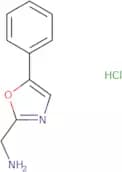
CAS:<p>2-Chloro-2-methylcycloheptan-1-one (2C7) is a cyclization agent used in organic synthesis. It is typically used to produce cyclohexyl and cyclopentyl compounds by radical cyclization of hydroperoxides or allylic hydroperoxides. 2C7 can also be used for the regioselective synthesis of substituted 2,4,6-trichlorocyclohexanes from chlorinated alkenes. The efficiency of this reaction has been shown to depend on structural features of the substituents on the alkyne. Treatment with sulfate ions has been shown to affect the reactivity of 2C7.</p>Formula:C8H13ClOPurity:Min. 95%Molecular weight:160.64 g/mol(5-Phenyl-1,3-oxazol-2-yl)methanamine hydrochloride
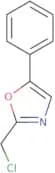
CAS:<p>Versatile small molecule scaffold</p>Formula:C10H11ClN2OPurity:Min. 95%Molecular weight:210.66 g/mol2-(chloromethyl)-5-phenyl-1,3-oxazole
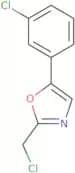
CAS:<p>2-(Chloromethyl)-5-phenyl-1,3-oxazole is an inhibitor of cholesterol ester transfer protein (CETP) that belongs to the family of amides. It binds to the active site of CETP, preventing it from cleaving cholesteryl esters from HDL and transferring them to LDL. This prevents the formation of cholesteryl ester/LDL complexes, which are believed to be one cause of atherosclerosis. 2-(Chloromethyl)-5-phenyl-1,3-oxazole also inhibits cholesterol synthesis in liver cells by inhibiting HMG CoA reductase.</p>Formula:C10H8ClNOPurity:Min. 95%Molecular weight:193.63 g/mol2-(Chloromethyl)-5-(3-chlorophenyl)-1,3-oxazole
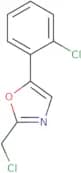
CAS:<p>Versatile small molecule scaffold</p>Formula:C10H7Cl2NOPurity:Min. 95%Molecular weight:228.07 g/mol2-(Chloromethyl)-5-(2-chlorophenyl)-1,3-oxazole
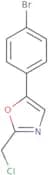
CAS:<p>Versatile small molecule scaffold</p>Formula:C10H7Cl2NOPurity:Min. 95%Molecular weight:228.07 g/mol5-(4-Bromophenyl)-2-(chloromethyl)-1,3-oxazole
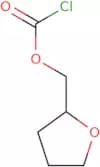
CAS:<p>Versatile small molecule scaffold</p>Formula:C10H7BrClNOPurity:Min. 95%Molecular weight:272.52 g/molOxolan-2-ylmethyl chloroformate
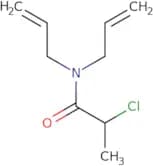
CAS:<p>Oxolan-2-ylmethyl chloroformate is an intermediate in the synthesis of pharmaceutical formulations. It can be used to synthesize various compounds such as nitroso, aliphatic hydrocarbon, formic acid, carbamic acid, aziridine, copper, alkenyl and pyridyl. Oxalan-2-ylmethyl chloroformate is a reactive compound that can react with amides to produce amides.</p>Formula:C6H9ClO3Purity:Min. 95%Molecular weight:164.59 g/mol2-Chloro-N,N-bis(prop-2-en-1-yl)propanamide
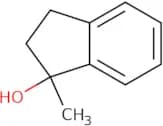
CAS:<p>Versatile small molecule scaffold</p>Formula:C9H14ClNOPurity:Min. 95%Molecular weight:187.66 g/mol1-Methyl-2,3-dihydro-1H-inden-1-ol
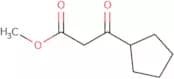
CAS:<p>1-Methyl-2,3-dihydro-1H-inden-1-ol is a carboxylic acid that can be synthesized from indene. The compound has been found to be reactive with electron microscopes and gas chromatography/mass spectrometers. 1-Methyl-2,3-dihydro-1H-inden-1-ol can be extracted from the following compounds:</p>Formula:C10H12OPurity:Min. 95%Molecular weight:148.2 g/molMethyl 3-cyclopentyl-3-oxopropanoate
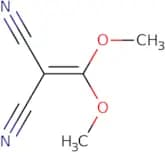
CAS:<p>Versatile small molecule scaffold</p>Formula:C9H14O3Purity:Min. 95%Molecular weight:170.21 g/mol2-(Dimethoxymethylidene)propanedinitrile
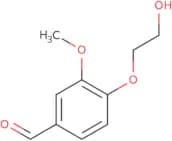
CAS:<p>Versatile small molecule scaffold</p>Formula:C6H6N2O2Purity:Min. 95%Molecular weight:138.12 g/mol4-(2-Hydroxy-ethoxy)-3-methoxy-benzaldehyde
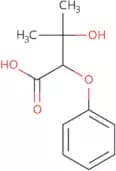
CAS:<p>4-(2-Hydroxy-ethoxy)-3-methoxybenzaldehyde (HMB) is a molecule that is commercially available as a white solid. It can be used in the production of polymers and resins, where it is used as a monomer in the polymerization process. HMB has been shown to form orthogonal polymers with other molecules. The yields for this synthesis are dependent on the solvent and reaction conditions. HMB has been shown to be stable under almost all conditions, with the exception of chlorides or benzohydrazide. This molecule also has an optimal molecular weight of 300 g/mol.</p>Formula:C10H12O4Purity:Min. 95%Molecular weight:196.2 g/mol3-Hydroxy-3-methyl-2-phenoxybutanoic acid
CAS:<p>Versatile small molecule scaffold</p>Formula:C11H14O4Purity:Min. 95%Molecular weight:210.23 g/mol4-Fluoro-2-methyl-5-nitrobenzoic acid
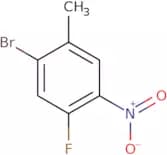
CAS:<p>Versatile small molecule scaffold</p>Formula:C8H6FNO4Purity:Min. 95%Molecular weight:199.14 g/mol2-Bromo-4-fluoro-5-nitrotoluene
CAS:<p>Versatile small molecule scaffold</p>Formula:C7H5BrFNO2Purity:Min. 95%Molecular weight:234.02 g/mol2-Bromo-5-fluoro-4-methoxybenzoic acid
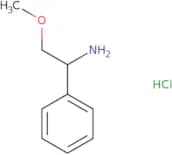
CAS:<p>Versatile small molecule scaffold</p>Formula:C8H6BrFO3Purity:Min. 95%Molecular weight:249.03 g/mol(1R)-2-Methoxy-1-phenylethanamine, hydrochloride
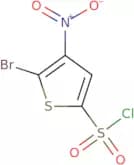
CAS:<p>Versatile small molecule scaffold</p>Formula:C9H14ClNOPurity:Min. 95%Molecular weight:187.66 g/mol5-Bromo-4-nitrothiophene-2-sulfonyl chloride
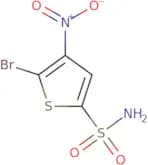
CAS:<p>Versatile small molecule scaffold</p>Formula:C4HBrClNO4S2Purity:Min. 95%Molecular weight:306.5 g/mol5-Bromo-4-nitrothiophene-2-sulfonamide
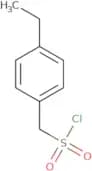
CAS:<p>Versatile small molecule scaffold</p>Formula:C4H3N2O4S2BrPurity:Min. 95%Molecular weight:287.11 g/mol(4-Ethylphenyl)methanesulfonyl chloride
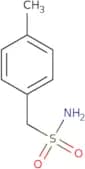
CAS:<p>Versatile small molecule scaffold</p>Formula:C9H11ClO2SPurity:Min. 95%Molecular weight:218.7 g/mol4-Methylbenzylsulfonamide
CAS:<p>Versatile small molecule scaffold</p>Formula:C8H11NO2SPurity:Min. 95%Molecular weight:185.24 g/mol(4-Ethylphenyl)methanesulfonamide
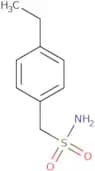
CAS:<p>Versatile small molecule scaffold</p>Formula:C9H13NO2SPurity:Min. 95%Molecular weight:199.27 g/mol[4-(Propan-2-yl)phenyl]methanesulfonamide
CAS:<p>Versatile small molecule scaffold</p>Formula:C10H15NO2SPurity:Min. 95%Molecular weight:213.3 g/mol(4-Bromophenyl)methanesulfonamide
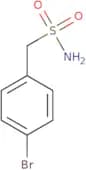
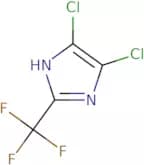
CAS:<p>Versatile small molecule scaffold</p>Formula:C7H8BrNO2SPurity:Min. 95%Molecular weight:250.11 g/mol4,5-Dichloro-2-(trifluoromethyl)imidazole
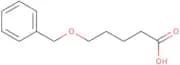
CAS:<p>Versatile small molecule scaffold</p>Formula:C4HCl2F3N2Purity:Min. 95%Molecular weight:204.96 g/mol5-(Phenylmethoxy)pentanoic Acid
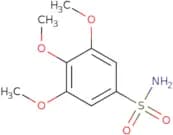
CAS:<p>5-(Phenylmethoxy)pentanoic Acid is a chiral, nucleophilic carboxylate used as a buffer. It has the ability to act as a bifunctional catalyst in reactions such as the Suzuki-Miyaura coupling, which is a reaction that generally requires harsh conditions. This compound has also been shown to enhance asymmetric alkylation reactions by acting as an anion and stabilizing the transition state of the reaction. 5-(Phenylmethoxy)pentanoic Acid has been shown to be effective in catalysis when used in conjunction with aspirin. The aspirin molecule catalyzes the reaction between 5-(Phenylmethoxy)pentanoic Acid and methyl acrylate, leading to an increase in yield of the desired product.</p>Formula:C12H16O3Purity:Min. 95%Molecular weight:208.25 g/mol3,4,5-Trimethoxybenzene-1-sulfonamide
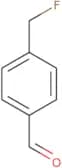
CAS:<p>Versatile small molecule scaffold</p>Formula:C9H13NO5SPurity:Min. 95%Molecular weight:247.3 g/mol4-(Fluoromethyl)benzaldehyde
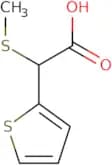
CAS:<p>Versatile small molecule scaffold</p>Formula:C8H7FOPurity:Min. 95%Molecular weight:138.14 g/mol2-(Methylsulfanyl)-2-(thiophen-2-yl)acetic acid
CAS:<p>Versatile small molecule scaffold</p>Formula:C7H8O2S2Purity:Min. 95%Molecular weight:188.3 g/mol3-[4-(2-Methylpropyl)phenyl]butan-2-one
CAS:<p>Versatile small molecule scaffold</p>Formula:C14H20OPurity:Min. 95%Molecular weight:204.31 g/mol2,2-Diethyl spiro[3.3]heptane-2,2-dicarboxylate
CAS:<p>Versatile small molecule scaffold</p>Formula:C13H20O4Purity:Min. 95%Molecular weight:240.29 g/molSpiro[3.3]heptane-2,2-dicarboxylic acid
CAS:<p>Versatile small molecule scaffold</p>Formula:C9H12O4Purity:Min. 95%Molecular weight:184.19 g/mol2-[3,5-Dimethoxy-4-(propan-2-yloxy)phenyl]ethan-1-amine
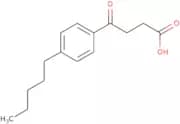
CAS:Controlled Product<p>Versatile small molecule scaffold</p>Formula:C13H21NO3Purity:Min. 95%Molecular weight:239.31 g/mol4-Oxo-4-(4-pentylphenyl)butanoic acid
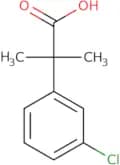
CAS:<p>Versatile small molecule scaffold</p>Formula:C15H20O3Purity:Min. 95%Molecular weight:248.32 g/mol2-(3-Chlorophenyl)-2-methylpropanoic acid
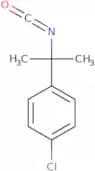
CAS:<p>Versatile small molecule scaffold</p>Formula:C10H11ClO2Purity:Min. 95%Molecular weight:198.65 g/mol1-Chloro-4-(2-isocyanatopropan-2-yl)benzene
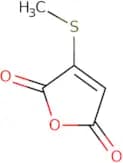
CAS:<p>Versatile small molecule scaffold</p>Formula:C10H10ClNOPurity:Min. 95%Molecular weight:195.64 g/mol3-(Methylsulfanyl)-2,5-dihydrofuran-2,5-dione
CAS:<p>Versatile small molecule scaffold</p>Formula:C5H4O3SPurity:Min. 95%Molecular weight:144.15 g/molMethyl 3-oxobicyclo[2.2.1]hept-5-ene-2-carboxylate
CAS:<p>Versatile small molecule scaffold</p>Formula:C9H10O3Purity:Min. 95%Molecular weight:166.2 g/molMethyl 3-oxobicyclo[2.2.1]heptane-2-carboxylate
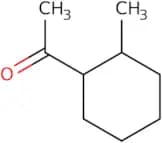
CAS:<p>Versatile small molecule scaffold</p>Formula:C9H12O3Purity:Min. 95%Molecular weight:168.19 g/mol1-(2-Methylcyclohexyl)ethan-1-one
CAS:<p>1-(2-Methylcyclohexyl)ethan-1-one is an unsaturated ketone that can be obtained by the reaction of cyclopentadiene with ethylene oxide. It is a colorless liquid that has been shown to yield a number of different products upon treatment with various reagents. 1-(2-Methylcyclohexyl)ethan-1-one can also be used for mechanistic studies in chemistry, as its fragmentation patterns are similar to those of other unsaturated ketones.</p>Formula:C9H16OPurity:Min. 95%Molecular weight:140.22 g/mol
![N-[(Z)-2-Nitroethenyl]acetamide](/_next/image/?url=https%3A%2Fstatic.cymitquimica.com%2Fproducts%2F3D%2Fthumb-webp%2FNZB30524.webp&w=3840&q=75)

![6,6-Difluoro-5,6,7,8,9,10-hexahydrobenzo[8]annulen-5-one](/_next/image/?url=https%3A%2Fstatic.cymitquimica.com%2Fproducts%2F3D%2Fthumb-webp%2FNZB62755.webp&w=3840&q=75)







![1-Chloro-4-[(2-chloroethyl)sulfanyl]benzene](/_next/image/?url=https%3A%2Fstatic.cymitquimica.com%2Fproducts%2F3D%2Fthumb-webp%2FPAA36673.webp&w=3840&q=75)

![2-Isothiocyanatobicyclo[2.2.1]heptane](/_next/image/?url=https%3A%2Fstatic.cymitquimica.com%2Fproducts%2F3D%2Fthumb-webp%2FPAA37023.webp&w=3840&q=75)
![2-Isocyanatobicyclo[2.2.1]heptane](/_next/image/?url=https%3A%2Fstatic.cymitquimica.com%2Fproducts%2F3D%2Fthumb-webp%2FPAA37047.webp&w=3840&q=75)

![6,7,8,9-Tetrahydro-5H-benzo[7]annulene-5-carboxylic acid](/_next/image/?url=https%3A%2Fstatic.cymitquimica.com%2Fproducts%2F3D%2Fthumb-webp%2FPAA37856.webp&w=3840&q=75)
![4H,5H-[1,2,4]Triazolo[1,5-a]pyrimidin-5-one](/_next/image/?url=https%3A%2Fstatic.cymitquimica.com%2Fproducts%2F3D%2Fthumb-webp%2FPAA38466.webp&w=3840&q=75)




![2-{[2-({2-[(2-Hydroxyethyl)sulfanyl]ethyl}sulfanyl)ethyl]sulfanyl}ethan-1-ol](/_next/image/?url=https%3A%2Fstatic.cymitquimica.com%2Fproducts%2F3D%2Fthumb-webp%2FPAA44077.webp&w=3840&q=75)
![3-{[(Benzyloxy)carbonyl]amino}-3-phenylpropanoic acid](/_next/image/?url=https%3A%2Fstatic.cymitquimica.com%2Fproducts%2F3D%2Fthumb-webp%2FPAA44098.webp&w=3840&q=75)
![4-[(4-Methoxyphenyl)sulfanyl]aniline](/_next/image/?url=https%3A%2Fstatic.cymitquimica.com%2Fproducts%2F3D%2Fthumb-webp%2FPAA45385.webp&w=3840&q=75)
![3-Phenyl-2-[(prop-2-en-1-yl)amino]propanoic acid](/_next/image/?url=https%3A%2Fstatic.cymitquimica.com%2Fproducts%2F3D%2Fthumb-webp%2FPAA46399.webp&w=3840&q=75)

![5H,6H,7H,8H-Imidazo[1,5-c]pyrimidin-5-one](/_next/image/?url=https%3A%2Fstatic.cymitquimica.com%2Fproducts%2F3D%2Fthumb-webp%2FPAA50966.webp&w=3840&q=75)
![2-Amino-3-[(2-phenylethyl)sulfanyl]propanoic acid](/_next/image/?url=https%3A%2Fstatic.cymitquimica.com%2Fproducts%2F3D%2Fthumb-webp%2FPAA51018.webp&w=3840&q=75)
![[(2-Chloroethyl)(dimethylamino)phosphoryl]dimethylamine](/_next/image/?url=https%3A%2Fstatic.cymitquimica.com%2Fproducts%2F3D%2Fthumb-webp%2FPAA51801.webp&w=3840&q=75)
![Spiro[4.5]dec-6-en-8-one](/_next/image/?url=https%3A%2Fstatic.cymitquimica.com%2Fproducts%2F3D%2Fthumb-webp%2FPAA52353.webp&w=3840&q=75)
![2-Methyl-1-[4-(trifluoromethyl)phenyl]propan-1-one](/_next/image/?url=https%3A%2Fstatic.cymitquimica.com%2Fproducts%2F3D%2Fthumb-webp%2FPCA43658.webp&w=3840&q=75)
![N-[(3-Chlorophenyl)methyl]-2-cyanoacetamide](/_next/image/?url=https%3A%2Fstatic.cymitquimica.com%2Fproducts%2F3D%2Fthumb-webp%2FPCA48808.webp&w=3840&q=75)
![2-Cyano-N-[(3-methylphenyl)methyl]acetamide](/_next/image/?url=https%3A%2Fstatic.cymitquimica.com%2Fproducts%2F3D%2Fthumb-webp%2FPCA48811.webp&w=3840&q=75)
![2-[(Cyclopropylcarbonyl)amino]acetic acid](/_next/image/?url=https%3A%2Fstatic.cymitquimica.com%2Fproducts%2F3D%2Fthumb-webp%2FPCA51370.webp&w=3840&q=75)
![4-Bromo-N-[2-(morpholin-4-yl)ethyl]benzamide](/_next/image/?url=https%3A%2Fstatic.cymitquimica.com%2Fproducts%2F3D%2Fthumb-webp%2FPCA54419.webp&w=3840&q=75)
![Ethyl N-[3-(2-oxopropyl)-1,2,4-thiadiazol-5-yl]carbamate](/_next/image/?url=https%3A%2Fstatic.cymitquimica.com%2Fproducts%2F3D%2Fthumb-webp%2FPCA57297.webp&w=3840&q=75)
![(1H-Benzo[D]imidazol-4-yl)methanamine dihydrochloride](/_next/image/?url=https%3A%2Fstatic.cymitquimica.com%2Fproducts%2F3D%2Fthumb-webp%2FPCA57423.webp&w=3840&q=75)
![1-[Chloro(4-chlorophenyl)methyl]-4-fluorobenzene](/_next/image/?url=https%3A%2Fstatic.cymitquimica.com%2Fproducts%2F3D%2Fthumb-webp%2FPCA58339.webp&w=3840&q=75)
![1-[(6-Chloropyridin-3-yl)sulfonyl]-4-methylpiperazine](/_next/image/?url=https%3A%2Fstatic.cymitquimica.com%2Fproducts%2F3D%2Fthumb-webp%2FPCA61453.webp&w=3840&q=75)



![[4-(Propan-2-yl)phenyl]methanesulfonamide](/_next/image/?url=https%3A%2Fstatic.cymitquimica.com%2Fproducts%2F3D%2Fthumb-webp%2FPCA73236.webp&w=3840&q=75)
![3-[4-(2-Methylpropyl)phenyl]butan-2-one](/_next/image/?url=https%3A%2Fstatic.cymitquimica.com%2Fproducts%2F3D%2Fthumb-webp%2FPCA75890.webp&w=3840&q=75)
![2,2-Diethyl spiro[3.3]heptane-2,2-dicarboxylate](/_next/image/?url=https%3A%2Fstatic.cymitquimica.com%2Fproducts%2F3D%2Fthumb-webp%2FPCA77596.webp&w=3840&q=75)
![Spiro[3.3]heptane-2,2-dicarboxylic acid](/_next/image/?url=https%3A%2Fstatic.cymitquimica.com%2Fproducts%2F3D%2Fthumb-webp%2FPCA77597.webp&w=3840&q=75)
![2-[3,5-Dimethoxy-4-(propan-2-yloxy)phenyl]ethan-1-amine](/_next/image/?url=https%3A%2Fstatic.cymitquimica.com%2Fproducts%2F3D%2Fthumb-webp%2FPCA77872.webp&w=3840&q=75)
![Methyl 3-oxobicyclo[2.2.1]hept-5-ene-2-carboxylate](/_next/image/?url=https%3A%2Fstatic.cymitquimica.com%2Fproducts%2F3D%2Fthumb-webp%2FPCA81011.webp&w=3840&q=75)
![Methyl 3-oxobicyclo[2.2.1]heptane-2-carboxylate](/_next/image/?url=https%3A%2Fstatic.cymitquimica.com%2Fproducts%2F3D%2Fthumb-webp%2FPCA81014.webp&w=3840&q=75)