Building Blocks
This section contains fundamental products for the synthesis of organic and biological compounds. Building blocks are the essential starting materials used to construct complex molecules through various chemical reactions. They play a critical role in drug discovery, material science, and chemical research. At CymitQuimica, we offer a diverse range of high-quality building blocks to support your innovative research and industrial projects, ensuring you have the essential components for successful synthesis.
Subcategories of "Building Blocks"
- Boronic Acids & Boronic Acid Derivatives(5,756 products)
- Chiral Building Blocks(1,242 products)
- Hydrocarbon Building Blocks(6,095 products)
- Organic Building Blocks(61,038 products)
Found 196817 products of "Building Blocks"
Sort by
Purity (%)
0
100
|
0
|
50
|
90
|
95
|
100
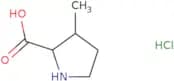
3-Methylpyrrolidine-2-carboxylic acid hydrochloride
CAS:<p>Versatile small molecule scaffold</p>Formula:C6H12ClNO2Purity:Min. 95%Molecular weight:165.62 g/mol2,2,5-Trimethylhexan-3-one
CAS:<p>Trimethylhexan-3-one is a chemical compound with the molecular formula C8H16O. It has three methyl groups, one of which is in the 2 position and two of which are in the 3 position. Trimethylhexan-3-one is an organic compound that can be found in some foods and beverages. The most common form of trimethylhexan-3-one is 2,2,5-trimethylhexane, also known as octane. Octane is used as a gasoline additive to increase octane rating and provide better engine performance. Trimethylhexan-3-one may also have antineoplastic effects, but this has not been well studied. Additionally, trimethylhexan-3-one may be associated with neutropenia or infant mortality in animal studies.</p>Formula:C9H18OPurity:Min. 95%Molecular weight:142.24 g/mol6-Methoxy-2-methylimidazo[1,2-b]pyridazine-3-carboxylic acid
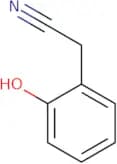
CAS:<p>Versatile small molecule scaffold</p>Formula:C9H9N3O3Purity:Min. 95%Molecular weight:207.19 g/mol(2-Hydroxyphenyl)acetonitrile
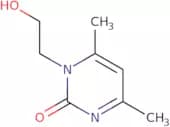
CAS:<p>(2-Hydroxyphenyl)acetonitrile is a benzofuran derivative that has been shown to be an effective inhibitor of amide synthetase. It is soluble in polar solvents and immiscible in apolar solvents, which makes it a useful reagent for the synthesis of amides from primary amines. The compound was isolated from a strain of Streptomyces sp. with the gene sequence identified and sequenced. The compound exhibits high specificity against the enzyme and can be used as a tool in biomolecular studies.</p>Formula:C8H7NOPurity:Min. 95%Molecular weight:133.15 g/mol1-(2-Hydroxyethyl)-4,6-dimethyl-1,2-dihydropyrimidin-2-one
CAS:<p>Nitrite ion is a gas that is found in the environment and has been shown to have various beneficial effects. Nitrite ion has been shown to have hepatoprotective properties, as it protects rat liver cells from death by benzalkonium chloride. This substance also prevents neuronal death in an experimental model of cerebral ischemia.</p>Formula:C8H12N2O2Purity:Min. 95%Molecular weight:168.19 g/mol6-Sulfanylpyridine-2-carboxylic acid
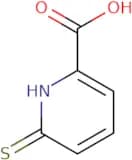
CAS:<p>Versatile small molecule scaffold</p>Formula:C6H5NO2SPurity:Min. 95%Molecular weight:155.18 g/mol5-(Hydroxymethyl)-3-methylisoxazole
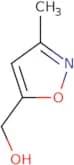
CAS:<p>5-(Hydroxymethyl)-3-methylisoxazole is a chloride heterocycle that has been shown to be an agonist of the adenosine A3 receptor. It has been synthesised by reacting 2-chlorobenzaldehyde with methyl hydroxymethyl ketone and nitroethane. 5-(Hydroxymethyl)-3-methylisoxazole has been used in screening tests for the identification of novel biomolecules with desirable functionalisation. The yields of synthesized isoxazoles have been found to be improved by irradiation. This heterocycle has also been used in the synthesis of isoxazolines, which are a class of compounds that are structurally related to benzoxazinones and benzothiazinones.</p>Formula:C5H7NO2Purity:Min. 95%Molecular weight:113.11 g/mol6-Hydroxy-4-oxo-4H-chromene-2-carboxylic acid
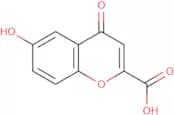
CAS:<p>Versatile small molecule scaffold</p>Formula:C10H6O5Purity:Min. 95%Molecular weight:206.15 g/mol2,2,4-Trimethylheptane
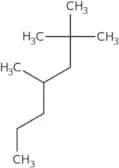
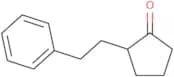
CAS:<p>2,2,4-Trimethylheptane is a volatile organic compound with a strong odor. It is used as a modeling or calibration standard for the analysis of other volatile compounds. The headspace technique can be used to extract 2,2,4-trimethylheptane from samples. Solid phase extraction can also be used to remove 2,2,4-trimethylheptane from samples. This compound has been found in the environment due to its presence in gasoline and cigarette smoke.</p>Formula:C10H22Purity:Min. 95%Molecular weight:142.28 g/mol2-(2-Phenylethyl)cyclopentan-1-one
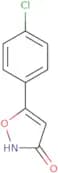
CAS:<p>Versatile small molecule scaffold</p>Formula:C13H16OPurity:Min. 95%Molecular weight:188.26 g/mol5-(4-Chlorophenyl)-1,2-oxazol-3-ol
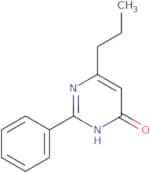
CAS:<p>Versatile small molecule scaffold</p>Formula:C9H6ClNO2Purity:Min. 95%Molecular weight:195.6 g/mol2-Phenyl-6-propyl-3,4-dihydropyrimidin-4-one
CAS:<p>Versatile small molecule scaffold</p>Formula:C13H14N2OPurity:Min. 95%Molecular weight:214.26 g/molSpiro[4.4]nonan-1-one
CAS:<p>Versatile small molecule scaffold</p>Formula:C9H14OPurity:Min. 95%Molecular weight:138.21 g/mol3-(Chloromethyl)-5-phenylisoxazole
CAS:<p>3-(Chloromethyl)-5-phenylisoxazole is a water soluble moiety that is used in the synthesis of conjugates with antitumor activity. 3-(Chloromethyl)-5-phenylisoxazole has been shown to inhibit the growth of brain tumors by binding to DNA, inhibiting transcription and replication. The drug also inhibits protein synthesis and cell division. This compound can be esterified and isothiazole substituted to form an antitumor drug that has a strong antiproliferative effect on human leukemia cells. The biological activity of 3-(chloromethyl)-5-phenylisoxazole can be enhanced by catalytic hydrogenation with methanol in acidic conditions.</p>Formula:C10H8ClNOPurity:Min. 95%Molecular weight:193.63 g/mol5-(Bromoacetyl)-3-phenylisoxazole
CAS:<p>Versatile small molecule scaffold</p>Formula:C11H8BrNO2Purity:Min. 95%Molecular weight:266.09 g/mol5-[(4-Methylphenyl)amino]-1,3,4-thiadiazole-2-thiol
CAS:<p>Versatile small molecule scaffold</p>Formula:C9H9N3S2Purity:Min. 95%Molecular weight:223.3 g/mol5-(Benzylamino)-1,3,4-thiadiazole-2-thiol
CAS:<p>Versatile small molecule scaffold</p>Formula:C9H9N3S2Purity:Min. 95%Molecular weight:223.32 g/mol4-(But-3-yn-1-yl)morpholine
CAS:<p>Versatile small molecule scaffold</p>Formula:C8H13NOPurity:Min. 95%Molecular weight:139.19 g/mol1-(But-3-yn-1-yl)pyrrolidine
CAS:<p>Versatile small molecule scaffold</p>Formula:C8H14ClNPurity:Min. 95%Molecular weight:159.65 g/mol2-[2-(Methoxycarbonyl)phenyl]acetic acid
CAS:<p>Versatile small molecule scaffold</p>Formula:C10H10O4Purity:Min. 95%Molecular weight:194.19 g/mol2-(2-methoxy-2-oxoethyl)benzoic acid
CAS:<p>2-(2-Methoxy-2-oxoethyl)benzoic acid is an organic compound that can be synthesized by the reaction of 2-methoxyacetophenone with lithium borohydride. It is also obtained as a byproduct in the synthesis of other organic compounds, such as esters and anhydrides. The chloride group of 2-(2-methoxy-2-oxoethyl)benzoic acid can be replaced with other groups to produce homophthalic, acetyl, or anhydride derivatives. 2-(2-Methoxy-2-oxoethyl)benzoic acid is often used as a starting material for the synthesis of cyclic esters and alcohols. It has been used in the synthesis of drugs such as dipyridamole and dapsone.</p>Formula:C10H10O4Purity:Min. 95%Molecular weight:194.2 g/mol2-Amino-5-phenyl-3-furonitrile
CAS:<p>2-Amino-5-phenyl-3-furonitrile is a heterocyclic compound that belongs to the group of pyrimidine derivatives. It can be prepared by the reaction of 2,4,6-trichloropyrimidine with phenylacetonitrile and sodium hydroxide in water. This synthesis gives high yields of 2-amino-5-phenyl-3-furonitrile. The compound reacts with isothiocyanates to form heterocyclic compounds. The process of catalyzed heterocyclization has been shown to be effective for the synthesis of pyrimidine derivatives.</p>Formula:C11H8N2OPurity:Min. 95%Molecular weight:184.19 g/mol2,2,6,6-Tetramethyl-2H-pyran-3,5(4H,6H)-dione
CAS:<p>Versatile small molecule scaffold</p>Formula:C9H14O3Purity:Min. 95%Molecular weight:170.21 g/mol2-[(1,3-Thiazol-2-yl)amino]ethan-1-ol
CAS:<p>Versatile small molecule scaffold</p>Formula:C5H8N2OSPurity:Min. 95%Molecular weight:144.2 g/mol4-Chloro-1-N,1-N-dimethylbenzene-1,3-disulfonamide
CAS:<p>Versatile small molecule scaffold</p>Formula:C8H11ClN2O4S2Purity:Min. 95%Molecular weight:298.8 g/molMethyl 2-oxo-2,3-dihydro-1H-indole-3-carboxylate
CAS:<p>Versatile small molecule scaffold</p>Formula:C10H9NO3Purity:Min. 95%Molecular weight:191.18 g/mol7-Nitroquinolin-1-ium-1-olate
CAS:<p>Versatile small molecule scaffold</p>Formula:C9H6N2O3Purity:Min. 95%Molecular weight:190.16 g/mol3,4-dihydro-1,6-naphthyridin-2(1h)-one
CAS:<p>Versatile small molecule scaffold</p>Formula:C8H8N2OPurity:Min. 95%Molecular weight:148.17 g/mol2-Formylfuran-3-carboxylic acid
CAS:<p>2-Formylfuran-3-carboxylic acid is a furan derivative with an oxidation product that has been shown to be useful as a peroxide scavenger. It is synthesized by the reaction of 2-formylphenol and formaldehyde in the presence of copper salts. The molecular modelling studies revealed that this compound consists of a five membered ring with an oxygen atom at its centre, which is flanked by two carbon atoms at each side. The carboxylic acid group (-COOH) is on one end and the hydroxymethyl group (-CHOH) on the other end. The molecule also has a carbonyl group (-C=O) and a methylene bridge (-CH2-) between the two carbon atoms. This compound has been found to have efficient antioxidant properties when it reacts with reactive oxygen species (ROS). It was also found to have antioxidative activities when it reacts with ROS produced by galacturonic acid and fur</p>Formula:C6H4O4Purity:Min. 95%Molecular weight:140.09 g/mol4-Chlorofuro[2,3-d]pyridazine
CAS:<p>Versatile small molecule scaffold</p>Formula:C6H3ClN2OPurity:Min. 95%Molecular weight:154.55 g/mol7-Chlorofuro[2,3-d]pyridazine
CAS:<p>Versatile small molecule scaffold</p>Formula:C6H3ClN2OPurity:Min. 95%Molecular weight:154.55 g/molEthyl 6-(bromomethyl)-4-methyl-2-oxo-1,2,3,4-tetrahydropyrimidine-5-carboxylate
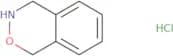
CAS:<p>Versatile small molecule scaffold</p>Formula:C9H13BrN2O3Purity:Min. 95%Molecular weight:277.11 g/mol3,4-Dihydro-1H-2,3-benzoxazine hydrochloride
CAS:<p>Versatile small molecule scaffold</p>Formula:C8H10ClNOPurity:Min. 95%Molecular weight:171.62 g/mol1-Piperidino-2-[4]piperidyl-ethane
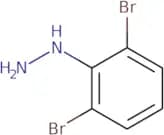
CAS:<p>Versatile small molecule scaffold</p>Formula:C12H24N2Purity:Min. 95%Molecular weight:196.33 g/mol(2,6-Dibromophenyl)hydrazine
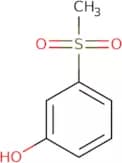
CAS:<p>Versatile small molecule scaffold</p>Formula:C6H6Br2N2Purity:Min. 95%Molecular weight:265.93 g/mol3-Methanesulfonylphenol
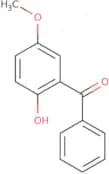
CAS:<p>3-Methanesulfonylphenol is a reactive and computationally descriptors, damages, neutralizing, piperidine, vector, oxygen species, molecular descriptors, antioxidant, phenolic lead compound that was synthesized for the purpose of identifying new potential antioxidants. 3-Methanesulfonylphenol has been shown to inhibit the oxidation of lipids and proteins in cells. It also has a strong antioxidant activity against peroxyl radicals and hydroxyl radicals. 3-Methanesulfonylphenol also inhibits the production of hydrogen peroxide by reacting with peroxides in vivo. This results in reduced levels of lipid hydroperoxides and protein carbonyls.</p>Formula:C7H8O3SPurity:Min. 95%Molecular weight:172.2 g/mol2-Benzoyl-4-methoxyphenol
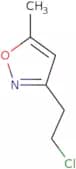
CAS:<p>2-Benzoyl-4-methoxyphenol is a surfactant that is sustainable and biodegradable. It is used in the production of micelles to form detergents, which are important for the environment. The binding constants of this chemical with 2-hydroxybenzophenone and benzyl have been determined at different temperatures. 2-Benzoyl-4-methoxyphenol has been shown to be an effective transient probe for mechanistic investigations in organic chemistry. This compound can be prepared by reacting benzaldehyde with methoxyacetophenone in acetonitrile. Irradiation can break down the benzene ring, producing phenoxy (2,6-dioxo)cyclohexane or 2-(2,6-dioxo)cyclohexanone. 2-Benzoyl-4-methoxyphenol also has hydrophobic properties and can be used as a surf</p>Formula:C14H12O3Purity:Min. 95%Molecular weight:228.24 g/mol3-(2-Chloroethyl)-5-methyl-1,2-oxazole
CAS:<p>Versatile small molecule scaffold</p>Formula:C6H8ClNOPurity:Min. 95%Molecular weight:145.59 g/mol2-[(4-Methylphenyl)sulfanyl]acetohydrazide
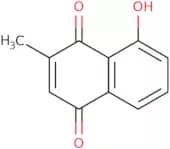
CAS:<p>Versatile small molecule scaffold</p>Formula:C9H12N2OSPurity:Min. 95%Molecular weight:196.27 g/mol8-Hydroxy-2-methyl-1,4-dihydronaphthalene-1,4-dione
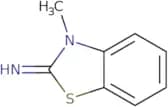
CAS:<p>8-Hydroxy-2-methyl-1,4-dihydronaphthalene-1,4-dione is a natural product that has been found to have anticancer activity. It induces apoptosis in human cancer cells and inhibits the growth of bacteria by binding to the 50S ribosomal subunit. 8HMN has also been shown to inhibit the proliferation of cervical cancer cells in vitro. The active form of this compound is acetate extract and it has been shown to have strong anti-inflammatory properties by inhibiting prostaglandin synthesis in neutrophils. 8HMN binds to mitochondrial membrane protein complexes, leading to mitochondrial fission and inhibition of ATP production.</p>Formula:C11H8O3Purity:Min. 95%Molecular weight:188.18 g/mol3-Methyl-2,3-dihydro-1,3-benzothiazol-2-imine
CAS:<p>3-Methyl-2,3-dihydro-1,3-benzothiazol-2-imine is an imine nitrogen that is a ligand for transition metals. It is used in the synthesis of 1,3-benzothiazoles and has been shown to have anti-malarial activity. 3-Methyl-2,3-dihydro-1,3-benzothiazol-2-imine interacts with aldehydes to form ring opening products. This compound also has been shown to be a ligand for palladium and platinum metals. The compound has been functionalized with thiol groups and can be used as a reagent in organic synthesis.</p>Formula:C8H8N2SPurity:Min. 95%Molecular weight:164.23 g/mol7-Methylbenzo[d]thiazol-2-amine
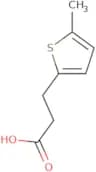
CAS:<p>7-Methylbenzo[d]thiazol-2-amine is an antimicrobial agent that has been shown to have both antibacterial and antifungal properties. It has a broad spectrum of activity against Gram-positive and Gram-negative bacteria, as well as fungi. 7-Methylbenzo[d]thiazol-2-amine also inhibits the growth of yeast cells by interfering with their ability to produce proteins necessary for cell division. This drug can be synthesized using a number of different techniques, including the reaction between phenyl mercaptan and dimethyl acetylenedicarboxylate in the presence of aluminium chloride or phosphorus pentachloride. The yield is typically low (5%).</p>Formula:C8H8N2SPurity:Min. 95%Molecular weight:164.23 g/mol3-(5-Methyl-thiophen-2-yl)-propionic acid
CAS:<p>Versatile small molecule scaffold</p>Formula:C8H10O2SPurity:Min. 95%Molecular weight:170.23 g/mol5-Chloro-2-ethoxypyrimidine
CAS:<p>Versatile small molecule scaffold</p>Formula:C6H7ClN2OPurity:Min. 95%Molecular weight:158.58 g/mol2-(1-Chloroethyl)pyrazine
CAS:<p>Versatile small molecule scaffold</p>Formula:C6H7ClN2Purity:Min. 95%Molecular weight:142.59 g/mol1-(5-Fluoro-pyrimidin-2-yl)-azetidine-3-carboxylic acid
CAS:<p>Versatile small molecule scaffold</p>Formula:C8H8FN3O2Purity:Min. 95%Molecular weight:197.17 g/moltert-Butyl 2-[(cyclopropylamino)methyl]pyrrolidine-1-carboxylate
CAS:<p>Versatile small molecule scaffold</p>Formula:C13H24N2O2Purity:Min. 95%Molecular weight:240.34 g/mol2-Bromo-4-(methoxymethyl)pyridine
CAS:<p>Versatile small molecule scaffold</p>Formula:C7H8BrNOPurity:Min. 95%Molecular weight:202.05 g/mol4-[3-(Hydroxymethyl)piperidine-1-carbonyl]-1,2-dihydropyridin-2-one
CAS:<p>Versatile small molecule scaffold</p>Formula:C12H16N2O3Purity:Min. 95%Molecular weight:236.3 g/mol5-Cyclopropyl-1,3,4-oxadiazole-2-thiol
CAS:<p>Versatile small molecule scaffold</p>Formula:C5H6N2OSPurity:Min. 95%Molecular weight:142.18 g/mol3-Amino-5-bromo-1,2-dihydropyridine-2-thione
CAS:<p>Versatile small molecule scaffold</p>Formula:C5H5BrN2SPurity:Min. 95%Molecular weight:205.08 g/mol(2-Cyclohexylpropyl)(methyl)amine hydrochloride
CAS:Controlled Product<p>Versatile small molecule scaffold</p>Formula:C10H22ClNPurity:Min. 95%Molecular weight:191.74 g/mol5-(2,6-Dimethylphenoxymethyl)-4-phenyl-4H-1,2,4-triazole-3-thiol
CAS:<p>Versatile small molecule scaffold</p>Formula:C17H17N3OSPurity:Min. 95%Molecular weight:311.4 g/mol3-Amino-N-benzylpropanamide
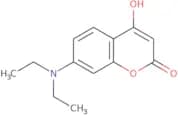
CAS:<p>Versatile small molecule scaffold</p>Formula:C10H14N2OPurity:Min. 95%Molecular weight:178.23 g/mol7-Diethylamino-4-hydroxy-chromen-2-one
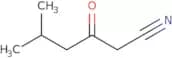
CAS:<p>7-Diethylamino-4-hydroxy-chromen-2-one is a fluorescent chemical compound that belongs to the family of atypical fluorophores. It has a number of photophysical properties, including fluorescence and regression, which are characteristic of amines. 7-Diethylamino-4-hydroxy-chromen-2-one can be synthesized from diazonium salt and 4-hydroxycoumarin. This chemical compound has been used as a fluorescent probe for nucleophilic reactions in various types of organic molecules. The nature of this fluorophore is unknown, but it may be due to its ability to shift the wavelength of fluorescence by up to 400 nm.</p>Formula:C13H15NO3Purity:Min. 95%Molecular weight:233.26 g/mol5-Methyl-3-oxohexanenitrile
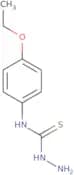
CAS:<p>5-Methyl-3-oxohexanenitrile is a dialkylamino compound that has been used as a reagent in organic chemistry. It is tautomeric and can exist as both an amide and an isoxazole. The pyridine ring of 5-methyl-3-oxohexanenitrile can be either substituted with a carbamate, nitro, or alkenyl group, depending on the substitution pattern. 5-Methyl-3-oxohexanenitrile reacts with dinitrophenyl to form an N–N bond, which is then cleaved by amines in order to generate the corresponding carbamate or amide. 5-Methyl-3-oxohexanenitrile also reacts with copper to form the corresponding nitro or alkenyl group.</p>Formula:C7H11NOPurity:Min. 95%Molecular weight:125.17 g/mol3-Amino-1-(4-ethoxyphenyl)thiourea
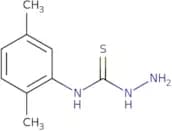
CAS:<p>Versatile small molecule scaffold</p>Formula:C9H13N3OSPurity:Min. 95%Molecular weight:211.29 g/mol3-Amino-1-(2,5-dimethylphenyl)thiourea
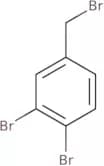
CAS:<p>Versatile small molecule scaffold</p>Formula:C9H13N3SPurity:Min. 95%Molecular weight:195.29 g/mol1,2-Dibromo-4-(bromomethyl)benzene
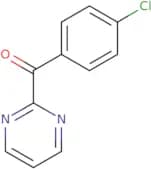
CAS:<p>1,2-Dibromo-4-(bromomethyl)benzene is a brominated organic compound that has been shown to act as a potent agonist for the peroxisome proliferator-activated receptor delta (PPARδ). It has been shown to have structural and biological effects on PPARδ. This compound has been used as a template in the synthesis of many other compounds. 1,2-Dibromo-4-(bromomethyl)benzene is non-selective and bioavailable, which means it can be taken orally or applied topically.</p>Formula:C7H5Br3Purity:Min. 95%Molecular weight:328.83 g/mol2-(4-Chlorobenzoyl)pyrimidine
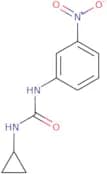
CAS:<p>Versatile small molecule scaffold</p>Formula:C11H7ClN2OPurity:Min. 95%Molecular weight:218.64 g/mol3-Cyclopropyl-1-(3-nitrophenyl)urea
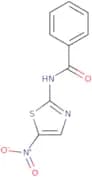
CAS:<p>Versatile small molecule scaffold</p>Formula:C10H11N3O3Purity:Min. 95%Molecular weight:221.21 g/molN-(5-Nitro-thiazol-2-yl)-benzamide
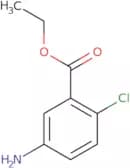
CAS:<p>N-(5-Nitro-thiazol-2-yl)-benzamide is a noncompetitive inhibitor of the enzyme succinate dehydrogenase and is used as an molluscicide. It binds to the active site of the enzyme, which is located in the mitochondrial membrane, and prevents electron transfer from succinate to ubiquinone. This leads to a decrease in production of ATP, which is needed for cell growth and division. N-(5-Nitro-thiazol-2-yl)-benzamide has been shown to inhibit inflammation by inhibiting prostaglandin synthesis in mice. The drug also inhibits neutrophil infiltration into inflamed areas, which may be due to its effect on 5HT2A receptors.</p>Formula:C10H7N3O3SPurity:Min. 95%Molecular weight:249.25 g/molEthyl 5-amino-2-chlorobenzoate
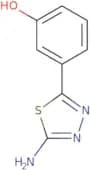
CAS:<p>Versatile small molecule scaffold</p>Formula:C9H10ClNO2Purity:Min. 95%Molecular weight:199.63 g/mol3-(5-Amino-1,3,4-thiadiazol-2-yl)phenol
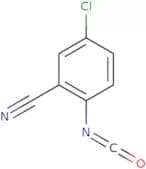
CAS:<p>Versatile small molecule scaffold</p>Formula:C8H7N3OSPurity:Min. 95%Molecular weight:193.23 g/mol5-Chloro-2-isocyanatobenzonitrile
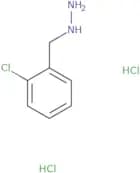
CAS:<p>Versatile small molecule scaffold</p>Formula:C8H3ClN2OPurity:Min. 95%Molecular weight:178.58 g/mol(2-chlorobenzyl)hydrazine 2hcl
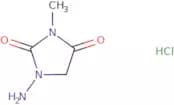
CAS:<p>Versatile small molecule scaffold</p>Formula:C7H11Cl3N2Purity:Min. 95%Molecular weight:229.53 g/mol1-Amino-3-methylimidazolidine-2,4-dione hydrochloride
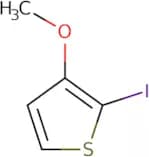
CAS:<p>Versatile small molecule scaffold</p>Formula:C4H8ClN3O2Purity:Min. 95%Molecular weight:165.58 g/mol2-Iodo-3-methoxythiophene
CAS:<p>Versatile small molecule scaffold</p>Formula:C5H5IOSPurity:Min. 95%Molecular weight:240.06 g/mol2-Methyl-1-[4-(trifluoromethyl)phenyl]propan-1-one
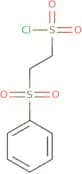
CAS:<p>Versatile small molecule scaffold</p>Formula:C11H11F3OPurity:Min. 95%Molecular weight:216.2 g/mol2-(Benzenesulfonyl)ethane-1-sulfonyl chloride
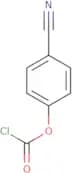
CAS:<p>Versatile small molecule scaffold</p>Formula:C8H9ClO4S2Purity:Min. 95%Molecular weight:268.7 g/mol4-Cyanophenyl chloroformate
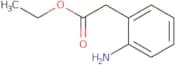
CAS:<p>4-Cyanophenyl chloroformate is a macrocyclic compound that has been shown to have a potential use as an almqvist reagent. Almqvist reagents are nucleophilic compounds that can be used in organic synthesis as carbonylating agents, which are used to form esters and amides. 4-Cyanophenyl chloroformate is a chiral compound with the ability to form macrocycles, which are biomimetic structures. The conformational stepwise reaction of the macrocycle formation enables it to mimic natural processes.</p>Formula:C8H4ClNO2Purity:Min. 95%Molecular weight:181.57 g/molethyl 2-(2-aminophenyl)acetate
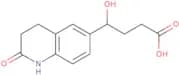
CAS:<p>Ethyl 2-(2-aminophenyl)acetate is a cytotoxic agent that binds to DNA and inhibits the synthesis of RNA and protein. It has been shown to inhibit the growth of murine leukemia cells in culture at concentrations between 0.3 and 3 mM, which are dependent on the concentration of benzyl substituents. Ethyl 2-(2-aminophenyl)acetate also exhibits dose-dependent cytotoxic activity against murine leukemia cells. The cytotoxic effects of this compound have been studied in vivo and in vitro using murine leukemia cells (WEHI-3).</p>Formula:C10H13NO2Purity:Min. 95%Molecular weight:179.2 g/mol4-Hydroxy-4-(2-oxo-1,2,3,4-tetrahydroquinolin-6-yl)butanoic acid
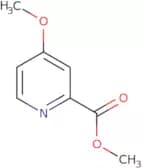
CAS:<p>Versatile small molecule scaffold</p>Formula:C13H15NO4Purity:Min. 95%Molecular weight:249.26 g/molMethyl 4-formylpyridine-2-carboxylate
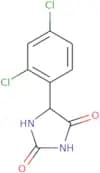
CAS:<p>Versatile small molecule scaffold</p>Formula:C8H7NO3Purity:Min. 95%Molecular weight:165.15 g/mol5-(2,4-Dichlorophenyl)imidazolidine-2,4-dione
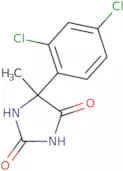
CAS:<p>Versatile small molecule scaffold</p>Formula:C9H6Cl2N2O2Purity:Min. 95%Molecular weight:245.06 g/mol5-(2,4-Dichlorophenyl)-5-methylimidazolidine-2,4-dione
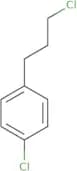
CAS:<p>Versatile small molecule scaffold</p>Formula:C10H8Cl2N2O2Purity:Min. 95%Molecular weight:259.09 g/mol1-Chloro-3-(4-chlorophenyl)propane
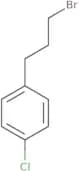
CAS:<p>Versatile small molecule scaffold</p>Formula:C9H10Cl2Purity:Min. 95%Molecular weight:189.08 g/mol1-(3-Bromopropyl)-4-chlorobenzene
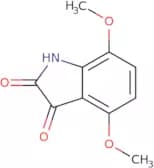
CAS:<p>1-(3-Bromopropyl)-4-chlorobenzene is an expedited source of chlorine that is used in the oxidation of aromatic compounds. The chlorination of 1-(3-bromopropyl)-4-chlorobenzene occurs with a yield of about 98% and has high selectivity for the chlorination product. In a photoredox process, this compound can be used as an oxidant to produce an intermediate that can then be used in the oxidative chlorination reactions. This compound has been shown to have bioactivity and is used as a science catalyst.</p>Formula:C9H10BrClPurity:Min. 95%Molecular weight:233.54 g/mol4,7-Dimethoxy-2,3-dihydro-1H-indole-2,3-dione
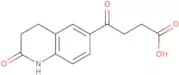
CAS:<p>Versatile small molecule scaffold</p>Formula:C10H9NO4Purity:Min. 95%Molecular weight:207.18 g/mol4-Oxo-4-(2-oxo-1,2,3,4-tetrahydroquinolin-6-yl)butanoic acid
CAS:<p>Versatile small molecule scaffold</p>Formula:C13H13NO4Purity:Min. 95%Molecular weight:247.25 g/molN-[(3-Chlorophenyl)methyl]-2-cyanoacetamide
CAS:<p>Versatile small molecule scaffold</p>Formula:C10H9ClN2OPurity:Min. 95%Molecular weight:208.64 g/mol2-Cyano-N-[(3-methylphenyl)methyl]acetamide
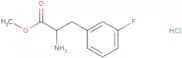
CAS:<p>Versatile small molecule scaffold</p>Formula:C11H12N2OPurity:Min. 95%Molecular weight:188.23 g/molMethyl 2-amino-3-(3-fluorophenyl)propanoate hydrochloride
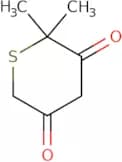
CAS:<p>Versatile small molecule scaffold</p>Formula:C10H13ClFNO2Purity:Min. 95%Molecular weight:233.67 g/mol2,2-Dimethylthiane-3,5-dione
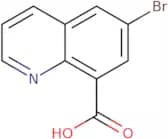
CAS:<p>Versatile small molecule scaffold</p>Formula:C7H10O2SPurity:Min. 95%Molecular weight:158.22 g/mol6-bromoquinoline-8-carboxylic acid
CAS:<p>Versatile small molecule scaffold</p>Formula:C10H6BrNO2Purity:Min. 95%Molecular weight:252.06 g/mol2-[(Cyclopropylcarbonyl)amino]acetic acid
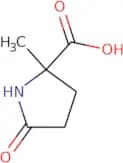
CAS:<p>2-[(Cyclopropylcarbonyl)amino]acetic acid is a carboxylic acid that is used as an oral drug for the treatment of cardiac and renal diseases. It has been shown to be effective in the treatment of angiotensin-dependent hypertension and congestive heart failure. The therapeutic effects may be due to its ability to inhibit angiotensin-converting enzyme (ACE) and block the conversion of angiotensin I to angiotensin II, which causes vasoconstriction and increased blood pressure. 2-[(Cyclopropylcarbonyl)amino]acetic acid also inhibits phosphodiesterase, which may lead to improved cardiac function.</p>Formula:C6H9NO3Purity:Min. 95%Molecular weight:143.14 g/mol2-Methyl-5-oxopyrrolidine-2-carboxylic acid
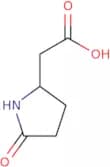
CAS:<p>2-Methyl-5-oxopyrrolidine-2-carboxylic acid (2MOP) is a levulinic acid derivative with a carboxylic acid group on the side chain. It can be synthesized from levulinic acid, which is produced from the hydrolysis of cellulose. 2MOP is used as a plasticizer and an intermediate in the synthesis of esters such as methyl acetate and ethyl acetate. 2MOP has been found to have good compatibility with polyvinyl chloride, polystyrene, and polyolefins. This compound has been used to produce plastics that are flexible, tough, and resistant to heat degradation.</p>Formula:C6H9NO3Purity:Min. 95%Molecular weight:143.14 g/mol5-Oxo-2-pyrrolidineacetic Acid
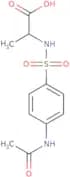
CAS:<p>Versatile small molecule scaffold</p>Formula:C6H9NO3Purity:Min. 95%Molecular weight:143.14 g/mol(2S)-2-(4-Acetamidobenzenesulfonamido)propanoic acid
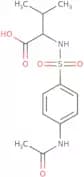
CAS:<p>Versatile small molecule scaffold</p>Formula:C11H14N2O5SPurity:Min. 95%Molecular weight:286.31 g/mol2-(4-Acetamidobenzenesulfonamido)-3-methylbutanoic acid
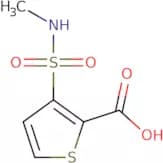
CAS:<p>2-(4-Acetamidobenzenesulfonamido)-3-methylbutanoic acid is a disordered molecule that has an isopropanol group at the 4th carbon. The benzene ring and methyl groups are in the 2nd and 3rd positions, respectively. The orientation of the isopropyl group determines how the molecule folds. This molecule has hydrogen bonds between its N-H and C=O groups, as well as intramolecular hydrogen bonds along with coplanar dihedral angles.<br>2-(4-Acetamidobenzenesulfonamido)-3-methylbutanoic acid is used for research purposes to study benzene rings, methyl groups, and acetamide orientations.</p>Formula:C13H18N2O5SPurity:Min. 95%Molecular weight:314.36 g/mol3-(Methylsulfamoyl)thiophene-2-carboxylic acid
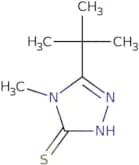
CAS:<p>Versatile small molecule scaffold</p>Formula:C6H7NO4S2Purity:Min. 95%Molecular weight:221.3 g/mol5-tert-Butyl-4-methyl-4H-1,2,4-triazole-3-thiol
CAS:<p>Versatile small molecule scaffold</p>Formula:C7H13N3SPurity:Min. 95%Molecular weight:171.27 g/mol4-Bromo-N-[2-(morpholin-4-yl)ethyl]benzamide
CAS:<p>Versatile small molecule scaffold</p>Formula:C13H17BrN2O2Purity:Min. 95%Molecular weight:313.19 g/mol4-(Pyridin-4-ylsulfanyl)phenol
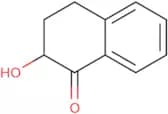
CAS:<p>Versatile small molecule scaffold</p>Formula:C11H9NOSPurity:Min. 95%Molecular weight:203.26 g/mol2-Hydroxy-1,2,3,4-tetrahydronaphthalen-1-one
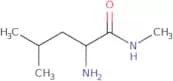
CAS:<p>2-Hydroxy-1,2,3,4-tetrahydronaphthalen-1-one is a synthetic drug that binds to the opioid receptor and is used as an analgesic. It has been shown to have a strong affinity for opioid receptors in the central nervous system and intestine. 2-Hydroxy-1,2,3,4-tetrahydronaphthalen-1-one has been found to have an uptake of 40% in the brain and intestine. This drug also has a high affinity for opioid receptors in the brain and intestinal tissue and acts as a full agonist on these sites. 2-Hydroxy-1,2,3,4-tetrahydronaphthalen-1-one also has been found to be effective in treating Alzheimer's disease. This drug can be administered orally or intravenously.</p>Formula:C10H10O2Purity:Min. 95%Molecular weight:162.18 g/mol(2S)-2-Amino-N,4-dimethylpentanamide
CAS:<p>(2S)-2-Amino-N,4-dimethylpentanamide is an amide that is a metabolite of the amino acid l-tert-leucine. This drug has been shown to have bioactive properties and may be used in pharmaceutical preparations for the treatment of degenerative diseases. (2S)-2-Amino-N,4-dimethylpentanamide binds to cannabinoid receptors, which are found on the surface of cells. It also inhibits matrix metalloproteinase activity, leading to increased bone resorption and ulceration. The stereoisomers of this compound have different activities: 2R-(+)-(2S)-2-amino-N,4-dimethylpentanamide inhibits the production of inflammatory proteins and is used as a pharmaceutical preparation for the treatment of ulcers; 2S-(+)-(2S)-2-amino-N,4-dimethylpentanamide has</p>Formula:C7H16N2OPurity:Min. 95%Molecular weight:144.21 g/molEthyl N-[3-(2-oxopropyl)-1,2,4-thiadiazol-5-yl]carbamate
CAS:<p>Versatile small molecule scaffold</p>Formula:C8H11N3O3SPurity:Min. 95%Molecular weight:229.26 g/mol(1H-Benzo[D]imidazol-4-yl)methanamine dihydrochloride
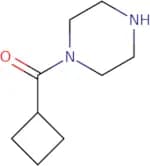
CAS:<p>Versatile small molecule scaffold</p>Formula:C8H11Cl2N3Purity:Min. 95%Molecular weight:220.1 g/molcyclobutyl(piperazin-1-yl)methanone
CAS:<p>Versatile small molecule scaffold</p>Formula:C9H16N2OPurity:Min. 95%Molecular weight:168.24 g/mol1-[Chloro(4-chlorophenyl)methyl]-4-fluorobenzene
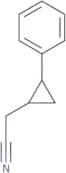
CAS:<p>Versatile small molecule scaffold</p>Formula:C13H9Cl2FPurity:Min. 95%Molecular weight:255.11 g/mol2-(2-Phenylcyclopropyl)acetonitrile
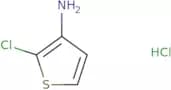
CAS:<p>Versatile small molecule scaffold</p>Formula:C11H11NPurity:Min. 95%Molecular weight:157.21 g/mol2-Chlorothiophen-3-amine hydrochloride
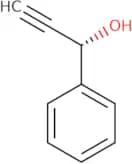
CAS:<p>Versatile small molecule scaffold</p>Formula:C4H5Cl2NSPurity:Min. 95%Molecular weight:170.06 g/mol(S)-1-Phenyl-2-propyn-1-ol
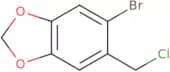
CAS:<p>(S)-1-phenyl-2-propyn-1-ol is a bicyclic compound that is used in the metathesis reaction. This chemical can undergo a metathesis reaction, where two different types of bonds are broken and two new ones are formed. (S)-1-Phenyl-2-propyn-1-ol can be used for the synthesis of polymers, pharmaceuticals, and agrochemicals.</p>Formula:C9H8OPurity:Min. 95%Molecular weight:132.16 g/mol5-Bromo-6-(chloromethyl)-1,3-dioxaindane
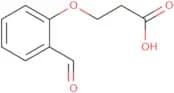
CAS:<p>Versatile small molecule scaffold</p>Formula:C8H6BrClO2Purity:Min. 95%Molecular weight:249.49 g/mol3-(2-Formylphenoxy)propanoic acid
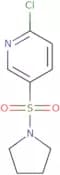
CAS:<p>3-(2-Formylphenoxy)propanoic acid is a carboxylic acid that is used in the synthesis of pharmaceuticals. The carboxylic acid group of 3-(2-Formylphenoxy)propanoic acid reacts with amines to form amides. It can also be reacted with alcohols to form esters. The propanoic acid group in this compound can undergo reactions that generate carboxylic acids, alcohols, and hydrocarbons. 3-(2-Formylphenoxy)propanoic acid has two carboxylic acid groups, one on each end of the molecule. These groups are positioned so they react with other molecules by donating their electrons to create new bonds. This conformation is called a dimer.</p>Formula:C10H10O4Purity:Min. 95%Molecular weight:194.18 g/mol2-Chloro-5-(pyrrolidine-1-sulfonyl)pyridine
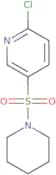
CAS:<p>Versatile small molecule scaffold</p>Formula:C9H11ClN2O2SPurity:Min. 95%Molecular weight:246.71 g/mol2-Chloro-5-(piperidine-1-sulfonyl)pyridine
CAS:<p>Versatile small molecule scaffold</p>Formula:C10H13ClN2O2SPurity:Min. 95%Molecular weight:260.74 g/mol1-[(6-Chloropyridin-3-yl)sulfonyl]-4-methylpiperazine
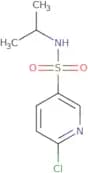
CAS:<p>Versatile small molecule scaffold</p>Formula:C10H14ClN3O2SPurity:Min. 95%Molecular weight:275.76 g/mol6-Chloro-N-(propan-2-yl)pyridine-3-sulfonamide
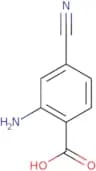
CAS:<p>Versatile small molecule scaffold</p>Formula:C8H11ClN2O2SPurity:Min. 95%Molecular weight:234.7 g/mol2-amino-4-cyanobenzoic acid
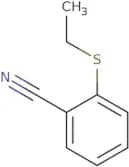
CAS:<p>Versatile small molecule scaffold</p>Formula:C8H6N2O2Purity:Min. 95%Molecular weight:162.15 g/mol2-(Ethylsulfanyl)benzonitrile
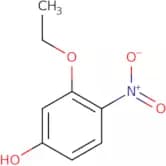
CAS:<p>Versatile small molecule scaffold</p>Formula:C9H9NSPurity:Min. 95%Molecular weight:163.24 g/mol3-Ethoxy-4-nitrophenol
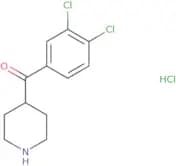
CAS:<p>3-Ethoxy-4-nitrophenol is a nitro compound that is used in the synthesis of dibenzofurans, polychlorinated biphenyls, and other organic compounds. It can be used to generate nitro groups in organic synthesis and has been shown to have high yields. 3-Ethoxy-4-nitrophenol is metabolized by the liver with a half life of approximately 10 hours and is excreted unchanged in the urine. This compound may cause adverse health effects at high doses due to its toxicity as a nitrosating agent, which may result in DNA damage or cancer.</p>Formula:C8H9NO4Purity:Min. 95%Molecular weight:183.16 g/mol4-(3,4-Dichlorobenzoyl)piperidine hydrochloride
CAS:<p>Versatile small molecule scaffold</p>Formula:C12H14Cl3NOPurity:Min. 95%Molecular weight:294.6 g/mol2-Chloro-2-methylcycloheptan-1-one
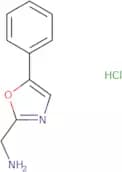
CAS:<p>2-Chloro-2-methylcycloheptan-1-one (2C7) is a cyclization agent used in organic synthesis. It is typically used to produce cyclohexyl and cyclopentyl compounds by radical cyclization of hydroperoxides or allylic hydroperoxides. 2C7 can also be used for the regioselective synthesis of substituted 2,4,6-trichlorocyclohexanes from chlorinated alkenes. The efficiency of this reaction has been shown to depend on structural features of the substituents on the alkyne. Treatment with sulfate ions has been shown to affect the reactivity of 2C7.</p>Formula:C8H13ClOPurity:Min. 95%Molecular weight:160.64 g/mol(5-Phenyl-1,3-oxazol-2-yl)methanamine hydrochloride
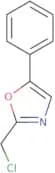
CAS:<p>Versatile small molecule scaffold</p>Formula:C10H11ClN2OPurity:Min. 95%Molecular weight:210.66 g/mol2-(chloromethyl)-5-phenyl-1,3-oxazole
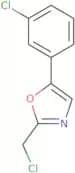
CAS:<p>2-(Chloromethyl)-5-phenyl-1,3-oxazole is an inhibitor of cholesterol ester transfer protein (CETP) that belongs to the family of amides. It binds to the active site of CETP, preventing it from cleaving cholesteryl esters from HDL and transferring them to LDL. This prevents the formation of cholesteryl ester/LDL complexes, which are believed to be one cause of atherosclerosis. 2-(Chloromethyl)-5-phenyl-1,3-oxazole also inhibits cholesterol synthesis in liver cells by inhibiting HMG CoA reductase.</p>Formula:C10H8ClNOPurity:Min. 95%Molecular weight:193.63 g/mol2-(Chloromethyl)-5-(3-chlorophenyl)-1,3-oxazole
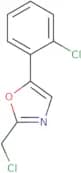
CAS:<p>Versatile small molecule scaffold</p>Formula:C10H7Cl2NOPurity:Min. 95%Molecular weight:228.07 g/mol2-(Chloromethyl)-5-(2-chlorophenyl)-1,3-oxazole
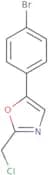
CAS:<p>Versatile small molecule scaffold</p>Formula:C10H7Cl2NOPurity:Min. 95%Molecular weight:228.07 g/mol5-(4-Bromophenyl)-2-(chloromethyl)-1,3-oxazole
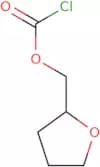
CAS:<p>Versatile small molecule scaffold</p>Formula:C10H7BrClNOPurity:Min. 95%Molecular weight:272.52 g/molOxolan-2-ylmethyl chloroformate
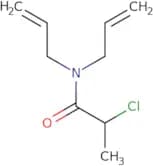
CAS:<p>Oxolan-2-ylmethyl chloroformate is an intermediate in the synthesis of pharmaceutical formulations. It can be used to synthesize various compounds such as nitroso, aliphatic hydrocarbon, formic acid, carbamic acid, aziridine, copper, alkenyl and pyridyl. Oxalan-2-ylmethyl chloroformate is a reactive compound that can react with amides to produce amides.</p>Formula:C6H9ClO3Purity:Min. 95%Molecular weight:164.59 g/mol2-Chloro-N,N-bis(prop-2-en-1-yl)propanamide
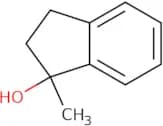
CAS:<p>Versatile small molecule scaffold</p>Formula:C9H14ClNOPurity:Min. 95%Molecular weight:187.66 g/mol1-Methyl-2,3-dihydro-1H-inden-1-ol
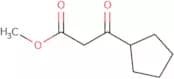
CAS:<p>1-Methyl-2,3-dihydro-1H-inden-1-ol is a carboxylic acid that can be synthesized from indene. The compound has been found to be reactive with electron microscopes and gas chromatography/mass spectrometers. 1-Methyl-2,3-dihydro-1H-inden-1-ol can be extracted from the following compounds:</p>Formula:C10H12OPurity:Min. 95%Molecular weight:148.2 g/molMethyl 3-cyclopentyl-3-oxopropanoate
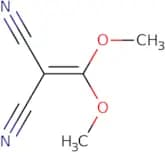
CAS:<p>Versatile small molecule scaffold</p>Formula:C9H14O3Purity:Min. 95%Molecular weight:170.21 g/mol2-(Dimethoxymethylidene)propanedinitrile
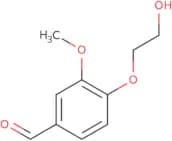
CAS:<p>Versatile small molecule scaffold</p>Formula:C6H6N2O2Purity:Min. 95%Molecular weight:138.12 g/mol4-(2-Hydroxy-ethoxy)-3-methoxy-benzaldehyde
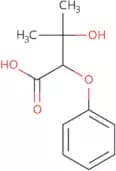
CAS:<p>4-(2-Hydroxy-ethoxy)-3-methoxybenzaldehyde (HMB) is a molecule that is commercially available as a white solid. It can be used in the production of polymers and resins, where it is used as a monomer in the polymerization process. HMB has been shown to form orthogonal polymers with other molecules. The yields for this synthesis are dependent on the solvent and reaction conditions. HMB has been shown to be stable under almost all conditions, with the exception of chlorides or benzohydrazide. This molecule also has an optimal molecular weight of 300 g/mol.</p>Formula:C10H12O4Purity:Min. 95%Molecular weight:196.2 g/mol3-Hydroxy-3-methyl-2-phenoxybutanoic acid
CAS:<p>Versatile small molecule scaffold</p>Formula:C11H14O4Purity:Min. 95%Molecular weight:210.23 g/mol4-Fluoro-2-methyl-5-nitrobenzoic acid
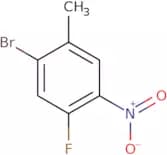
CAS:<p>Versatile small molecule scaffold</p>Formula:C8H6FNO4Purity:Min. 95%Molecular weight:199.14 g/mol2-Bromo-4-fluoro-5-nitrotoluene
CAS:<p>Versatile small molecule scaffold</p>Formula:C7H5BrFNO2Purity:Min. 95%Molecular weight:234.02 g/mol2-Bromo-5-fluoro-4-methoxybenzoic acid
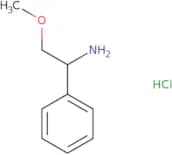
CAS:<p>Versatile small molecule scaffold</p>Formula:C8H6BrFO3Purity:Min. 95%Molecular weight:249.03 g/mol(1R)-2-Methoxy-1-phenylethanamine, hydrochloride
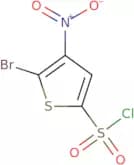
CAS:<p>Versatile small molecule scaffold</p>Formula:C9H14ClNOPurity:Min. 95%Molecular weight:187.66 g/mol5-Bromo-4-nitrothiophene-2-sulfonyl chloride
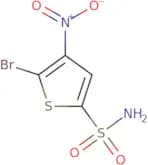
CAS:<p>Versatile small molecule scaffold</p>Formula:C4HBrClNO4S2Purity:Min. 95%Molecular weight:306.5 g/mol5-Bromo-4-nitrothiophene-2-sulfonamide
CAS:<p>Versatile small molecule scaffold</p>Formula:C4H3N2O4S2BrPurity:Min. 95%Molecular weight:287.11 g/mol(4-Ethylphenyl)methanesulfonyl chloride
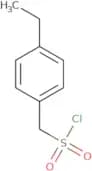
CAS:<p>Versatile small molecule scaffold</p>Formula:C9H11ClO2SPurity:Min. 95%Molecular weight:218.7 g/mol4-Methylbenzylsulfonamide
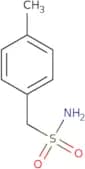
CAS:<p>Versatile small molecule scaffold</p>Formula:C8H11NO2SPurity:Min. 95%Molecular weight:185.24 g/mol(4-Ethylphenyl)methanesulfonamide
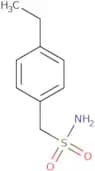
CAS:<p>Versatile small molecule scaffold</p>Formula:C9H13NO2SPurity:Min. 95%Molecular weight:199.27 g/mol[4-(Propan-2-yl)phenyl]methanesulfonamide
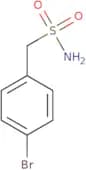
CAS:<p>Versatile small molecule scaffold</p>Formula:C10H15NO2SPurity:Min. 95%Molecular weight:213.3 g/mol(4-Bromophenyl)methanesulfonamide
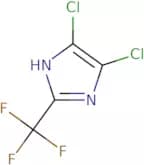
CAS:<p>Versatile small molecule scaffold</p>Formula:C7H8BrNO2SPurity:Min. 95%Molecular weight:250.11 g/mol4,5-Dichloro-2-(trifluoromethyl)imidazole
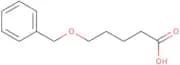
CAS:<p>Versatile small molecule scaffold</p>Formula:C4HCl2F3N2Purity:Min. 95%Molecular weight:204.96 g/mol5-(Phenylmethoxy)pentanoic Acid
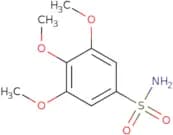
CAS:<p>5-(Phenylmethoxy)pentanoic Acid is a chiral, nucleophilic carboxylate used as a buffer. It has the ability to act as a bifunctional catalyst in reactions such as the Suzuki-Miyaura coupling, which is a reaction that generally requires harsh conditions. This compound has also been shown to enhance asymmetric alkylation reactions by acting as an anion and stabilizing the transition state of the reaction. 5-(Phenylmethoxy)pentanoic Acid has been shown to be effective in catalysis when used in conjunction with aspirin. The aspirin molecule catalyzes the reaction between 5-(Phenylmethoxy)pentanoic Acid and methyl acrylate, leading to an increase in yield of the desired product.</p>Formula:C12H16O3Purity:Min. 95%Molecular weight:208.25 g/mol3,4,5-Trimethoxybenzene-1-sulfonamide
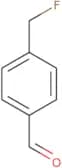
CAS:<p>Versatile small molecule scaffold</p>Formula:C9H13NO5SPurity:Min. 95%Molecular weight:247.3 g/mol4-(Fluoromethyl)benzaldehyde
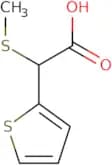
CAS:<p>Versatile small molecule scaffold</p>Formula:C8H7FOPurity:Min. 95%Molecular weight:138.14 g/mol2-(Methylsulfanyl)-2-(thiophen-2-yl)acetic acid
CAS:<p>Versatile small molecule scaffold</p>Formula:C7H8O2S2Purity:Min. 95%Molecular weight:188.3 g/mol3-[4-(2-Methylpropyl)phenyl]butan-2-one
CAS:<p>Versatile small molecule scaffold</p>Formula:C14H20OPurity:Min. 95%Molecular weight:204.31 g/mol2,2-Diethyl spiro[3.3]heptane-2,2-dicarboxylate
CAS:<p>Versatile small molecule scaffold</p>Formula:C13H20O4Purity:Min. 95%Molecular weight:240.29 g/molSpiro[3.3]heptane-2,2-dicarboxylic acid
CAS:<p>Versatile small molecule scaffold</p>Formula:C9H12O4Purity:Min. 95%Molecular weight:184.19 g/mol2-[3,5-Dimethoxy-4-(propan-2-yloxy)phenyl]ethan-1-amine
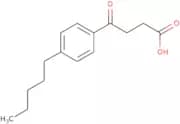
CAS:Controlled Product<p>Versatile small molecule scaffold</p>Formula:C13H21NO3Purity:Min. 95%Molecular weight:239.31 g/mol4-Oxo-4-(4-pentylphenyl)butanoic acid
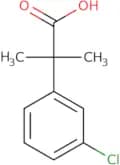
CAS:<p>Versatile small molecule scaffold</p>Formula:C15H20O3Purity:Min. 95%Molecular weight:248.32 g/mol2-(3-Chlorophenyl)-2-methylpropanoic acid
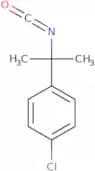
CAS:<p>Versatile small molecule scaffold</p>Formula:C10H11ClO2Purity:Min. 95%Molecular weight:198.65 g/mol1-Chloro-4-(2-isocyanatopropan-2-yl)benzene
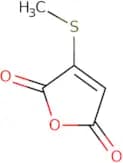
CAS:<p>Versatile small molecule scaffold</p>Formula:C10H10ClNOPurity:Min. 95%Molecular weight:195.64 g/mol3-(Methylsulfanyl)-2,5-dihydrofuran-2,5-dione
CAS:<p>Versatile small molecule scaffold</p>Formula:C5H4O3SPurity:Min. 95%Molecular weight:144.15 g/molMethyl 3-oxobicyclo[2.2.1]hept-5-ene-2-carboxylate
CAS:<p>Versatile small molecule scaffold</p>Formula:C9H10O3Purity:Min. 95%Molecular weight:166.2 g/molMethyl 3-oxobicyclo[2.2.1]heptane-2-carboxylate
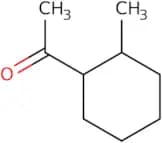
CAS:<p>Versatile small molecule scaffold</p>Formula:C9H12O3Purity:Min. 95%Molecular weight:168.19 g/mol1-(2-Methylcyclohexyl)ethan-1-one
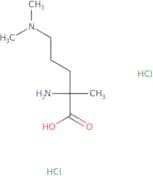
CAS:<p>1-(2-Methylcyclohexyl)ethan-1-one is an unsaturated ketone that can be obtained by the reaction of cyclopentadiene with ethylene oxide. It is a colorless liquid that has been shown to yield a number of different products upon treatment with various reagents. 1-(2-Methylcyclohexyl)ethan-1-one can also be used for mechanistic studies in chemistry, as its fragmentation patterns are similar to those of other unsaturated ketones.</p>Formula:C9H16OPurity:Min. 95%Molecular weight:140.22 g/mol2-Amino-5-(dimethylamino)-2-methylpentanoic acid dihydrochloride
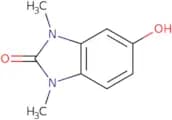
CAS:<p>Versatile small molecule scaffold</p>Formula:C8H20Cl2N2O2Purity:Min. 95%Molecular weight:247.16 g/mol5-Hydroxy-1,3-dimethyl-2,3-dihydro-1H-1,3-benzodiazol-2-one
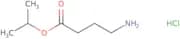
CAS:<p>Versatile small molecule scaffold</p>Formula:C9H10N2O2Purity:Min. 95%Molecular weight:178.19 g/molPropan-2-yl 4-aminobutanoate hydrochloride
CAS:<p>Versatile small molecule scaffold</p>Formula:C7H16ClNO2Purity:Min. 95%Molecular weight:181.66 g/mol2-{[(3-Chlorophenyl)methyl]amino}ethan-1-ol
CAS:<p>Versatile small molecule scaffold</p>Formula:C9H12ClNOPurity:Min. 95%Molecular weight:185.65 g/mol2-{[(4-Chlorophenyl)methyl]amino}ethan-1-ol hydrochloride
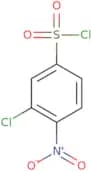
CAS:<p>Versatile small molecule scaffold</p>Formula:C9H13Cl2NOPurity:Min. 95%Molecular weight:222.11 g/mol3-Chloro-4-nitrobenzenesulfonyl chloride
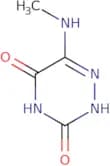
CAS:<p>Versatile small molecule scaffold</p>Formula:C6H3Cl2NO4SPurity:Min. 95%Molecular weight:256.06 g/mol6-(Methylamino)-2,3,4,5-tetrahydro-1,2,4-triazine-3,5-dione
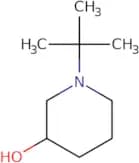
CAS:<p>Versatile small molecule scaffold</p>Formula:C4H6N4O2Purity:Min. 95%Molecular weight:142.1 g/mol1-tert-Butylpiperidin-3-ol
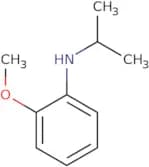
CAS:<p>Versatile small molecule scaffold</p>Formula:C9H19NOPurity:Min. 95%Molecular weight:157.25 g/mol2-Methoxy-N-(propan-2-yl)aniline
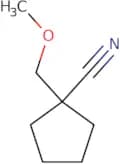
CAS:<p>Versatile small molecule scaffold</p>Formula:C10H15NOPurity:Min. 95%Molecular weight:165.23 g/mol1-(Methoxymethyl)cyclopentane-1-carbonitrile
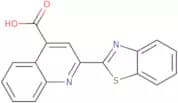
CAS:<p>Versatile small molecule scaffold</p>Formula:C8H13NOPurity:Min. 95%Molecular weight:139.19 g/mol2-(1,3-Benzothiazol-2-yl)quinoline-4-carboxylic acid
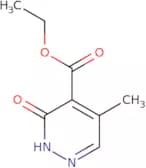
CAS:<p>Versatile small molecule scaffold</p>Formula:C17H10N2O2SPurity:Min. 95%Molecular weight:306.3 g/molEthyl 3-hydroxy-5-methylpyridazine-4-carboxylate
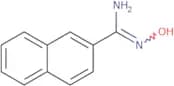
CAS:<p>Versatile small molecule scaffold</p>Formula:C8H10N2O3Purity:Min. 95%Molecular weight:182.18 g/molNaphthalene-2-amidoxime
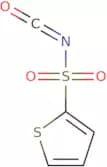
CAS:<p>Versatile small molecule scaffold</p>Formula:C11H10N2OPurity:Min. 95%Molecular weight:186.21 g/molThiophene-2-sulfonyl isocyanate
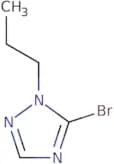
CAS:<p>Versatile small molecule scaffold</p>Formula:C5H3NO3S2Purity:Min. 95%Molecular weight:189.2 g/mol5-Bromo-1-propyl-1H-1,2,4-triazole
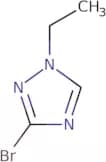
CAS:<p>Versatile small molecule scaffold</p>Formula:C5H8BrN3Purity:Min. 95%Molecular weight:190.04 g/mol3-Bromo-1-ethyl-1H-1,2,4-triazole
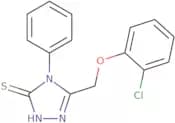
CAS:<p>Versatile small molecule scaffold</p>Formula:C4H6BrN3Purity:Min. 95%Molecular weight:176.01 g/mol5-(2-Chlorophenoxymethyl)-4-phenyl-4H-1,2,4-triazole-3-thiol
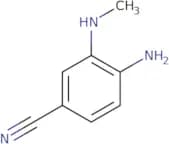
CAS:<p>Versatile small molecule scaffold</p>Formula:C15H12ClN3OSPurity:Min. 95%Molecular weight:317.8 g/mol4-Amino-3-(methylamino)benzonitrile
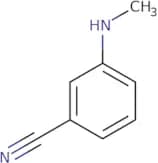
CAS:<p>Versatile small molecule scaffold</p>Formula:C8H9N3Purity:Min. 95%Molecular weight:147.18 g/mol3-(methylamino)benzonitrile
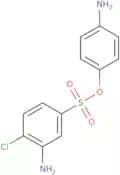
CAS:<p>3-(methylamino)benzonitrile is an analogue of benzodiazepine compounds that has potent anxiolytic activity. It is a white, crystalline solid that is soluble in organic solvents. 3-(Methylamino)benzonitrile has been shown to have toxic effects on the liver and kidneys, as well as to produce neurological disorders such as seizures and coma. This drug is broken down by the body into a number of metabolites, including benzylamine, which can be found in the urine of patients taking this drug.</p>Formula:C8H8N2Purity:Min. 95%Molecular weight:132.16 g/mol3-Amino-4-chloro-benzenesulfonic acid 4-amino-phenyl ester
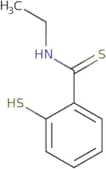
CAS:<p>Versatile small molecule scaffold</p>Formula:C12H11ClN2O3SPurity:Min. 95%Molecular weight:298.75 g/molN-Ethyl-2-sulfanylbenzene-1-carbothioamide
CAS:<p>Versatile small molecule scaffold</p>Formula:C9H11NS2Purity:Min. 95%Molecular weight:197.3 g/mol1-((Benzyloxy)carbonyl)-2-methylpiperidine-2-carboxylic acid
CAS:<p>Versatile small molecule scaffold</p>Formula:C15H19NO4Purity:Min. 95%Molecular weight:277.31 g/mol7-benzyl-3-thia-7-azabicyclo[3.3.1]nonan-9-one
CAS:<p>7-benzyl-3-thia-7-azabicyclo[3.3.1]nonan-9-one (7BAN) is a compound that has been shown to have antiarrhythmic effects in animal models. The conformational stability of 7BAN has been determined by single crystal x-ray diffraction data, and the conformers have been determined by conformational analysis. The conformation of this drug is stabilized by the benzyl group and the azabicyclo group, which are responsible for its antiarrhythmic activity.</p>Formula:C14H17NOSPurity:Min. 95%Molecular weight:247.36 g/mol3-(Ethylsulfanyl)benzonitrile
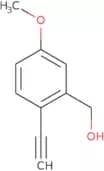
CAS:<p>Versatile small molecule scaffold</p>Formula:C9H9NSPurity:Min. 95%Molecular weight:163.24 g/mol(2-Ethynyl-5-methoxyphenyl)methanol
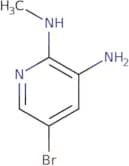
CAS:<p>Versatile small molecule scaffold</p>Formula:C10H10O2Purity:Min. 95%Molecular weight:162.19 g/mol5-Bromo-2-N-methylpyridine-2,3-diamine
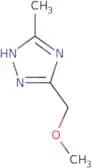
CAS:<p>Versatile small molecule scaffold</p>Formula:C6H8BrN3Purity:Min. 95%Molecular weight:202.05 g/mol5-(Methoxymethyl)-3-methyl-1H-1,2,4-triazole
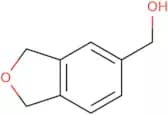
CAS:<p>Versatile small molecule scaffold</p>Formula:C5H9N3OPurity:Min. 95%Molecular weight:127.14 g/mol(1,3-dihydro-2-benzofuran-5-yl)methanol
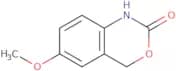
CAS:<p>Versatile small molecule scaffold</p>Formula:C9H10O2Purity:Min. 95%Molecular weight:150.18 g/mol6-Methoxy-2,4-dihydro-1H-3,1-benzoxazin-2-one
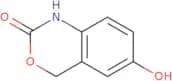
CAS:<p>Versatile small molecule scaffold</p>Formula:C9H9NO3Purity:Min. 95%Molecular weight:179.17 g/mol6-Hydroxy-2,4-dihydro-1H-3,1-benzoxazin-2-one
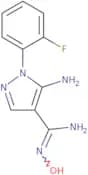
CAS:<p>Versatile small molecule scaffold</p>Formula:C8H7NO3Purity:Min. 95%Molecular weight:165.15 g/mol5-Amino-1-(2-fluorophenyl)-N'-hydroxy-1H-pyrazole-4-carboximidamide
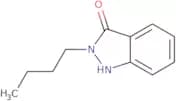
CAS:<p>Versatile small molecule scaffold</p>Formula:C10H10FN5OPurity:Min. 95%Molecular weight:235.22 g/mol2-Butyl-2,3-dihydro-1H-indazol-3-one
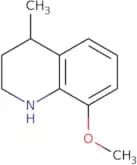
CAS:<p>Versatile small molecule scaffold</p>Formula:C11H14N2OPurity:Min. 95%Molecular weight:190.24 g/mol8-Methoxy-4-methyl-1,2,3,4-tetrahydroquinoline
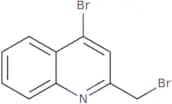
CAS:<p>Versatile small molecule scaffold</p>Formula:C11H15NOPurity:Min. 95%Molecular weight:177.24 g/mol4-Bromo-2-(bromomethyl)quinoline
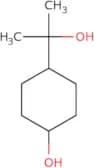
CAS:<p>Versatile small molecule scaffold</p>Formula:C10H7Br2NPurity:Min. 95%Molecular weight:300.98 g/mol4-(2-Hydroxypropan-2-yl)cyclohexan-1-ol
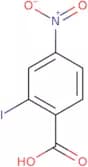
CAS:<p>Versatile small molecule scaffold</p>Formula:C9H18O2Purity:Min. 95%Molecular weight:158.24 g/mol2-iodo-4-nitrobenzoic acid
CAS:<p>2-Iodo-4-nitrobenzoic acid is a synthetic heterocyclic compound with the molecular formula C6H3INO2Cl. It has a picric pharmacophore, which is a structural motif that consists of a trifluoromethyl group and two nitro groups. 2-Iodo-4-nitrobenzoic acid is insoluble in water and hydrochloric acid. It can be synthesized by reacting diphenylmethane with sodium hydroxide solution and then adding hydrochloric acid to the resultant solution. The chemical structure of 2-iodo-4-nitrobenzoic acid appears as an orange crystalline solid in its pure form, but it has not been observed to have any biological activity. The chemical shifts for the methyl protons are between 1.5 and 4 ppm, and the chemical shifts for the hydrogen protons are between 2 and 4 ppm in its nmr spectra.</p>Formula:C7H4INO4Purity:Min. 95%Molecular weight:293 g/molPyridazine-3-carboxylic acid hydrazide
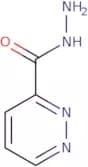
CAS:<p>Pyridazine-3-carboxylic acid hydrazide is a chemical compound that belongs to the class of heterocyclic compounds. It can be synthesized by reacting 3-hydrazinopyridine with pyridine in a process that involves elemental analysis and spectral analysis. This compound has been shown to react with metal ions and form a ligand complex. Pyridazine-3-carboxylic acid hydrazide also has electronic spectra when it reacts with acids and bases, which are related to its formation constants. The parameters of this chemical are given below:</p>Formula:C5H6N4OPurity:Min. 95%Molecular weight:138.13 g/mol5,5-Dimethyl-2,4-pyrrolidinedione
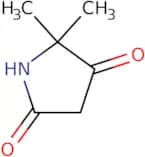
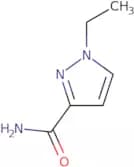
CAS:<p>5,5-Dimethyl-2,4-pyrrolidinedione is the common name for a photochemical reaction that produces the anion of a substituted pyrrole. The reaction starts with a ketone or an aldehyde and two molecules of formaldehyde. This reaction is usually carried out in the presence of light. The efficiency of this process depends on the substituents on the molecule. In some cases, n-substituted pyrroles are more efficient than n-acetylated or n-alkylated pyrroles. If all three substituents are hydrogens, then the reactivity diminishes. 5,5-Dimethyl-2,4-pyrrolidinedione has been used as a precursor to produce 1-(1H)indolium salts and other compounds with antiinflammatory properties by alkylation or methoxycarbonylation reactions.</p>Formula:C6H9NO2Purity:Min. 95%Molecular weight:127.14 g/mol1-Ethyl-1H-pyrazole-3-carboxamide
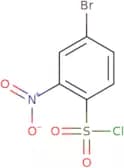
CAS:<p>1-Ethyl-1H-pyrazole-3-carboxamide (1EPC) is a carbonic anhydrase inhibitor. It is used in the treatment of cancer, including lung carcinoma and breast carcinoma. 1EPC inhibits the growth of cancer cells by inhibiting the production of ATP in hypoxic regions of the tumor cell, thereby causing a dose-dependent cytotoxicity effect. This drug also has anticancer effects against fibroblast cells and carcinoma cells, as well as inhibiting the synthesis of DNA and RNA.</p>Formula:C6H9N3OPurity:Min. 95%Molecular weight:139.16 g/mol4-Bromo-2-nitrobenzenesulphonyl chloride
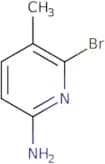
CAS:<p>Versatile small molecule scaffold</p>Formula:C6H3BrClNO4SPurity:Min. 95%Molecular weight:300.51 g/mol6-bromo-5-methylpyridin-2-amine
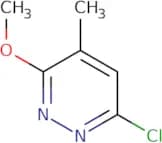
CAS:<p>6-Bromo-5-methylpyridin-2-amine is an imidazopyridine drug that has been shown to inhibit the growth of bacterial strains in vitro. It also binds to the electron density, which may be due to its heteroaromatic ring and ionization potential. 6BMPA is synthesized by reacting 2-chloro-6-bromopyridine with 5-methylpyridinium iodide. For the synthesis of a monomer, 6BMPA is reacted with a second molecule of 5-methylpyridinium iodide, yielding the imidazopyrazine as a product. Drug discovery for this compound has been shown to be promising in animal models.</p>Formula:C6H7BrN2Purity:Min. 95%Molecular weight:187 g/mol6-Chloro-3-Methoxy-4-methylpyridazine
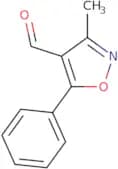
CAS:<p>6-Chloro-3-Methoxy-4-methylpyridazine is an alkoxide of hydrazine. It is a white crystalline solid that melts at 130 °C and has a mp of 138 °C. 6-Chloro-3-Methoxy-4-methylpyridazine is selective for the liver, and has been used in research to study hepatic diseases. It has also been used as an intermediate in the synthesis of other compounds. The 6-chloro group on the pyridine nitrogen atom reacts with phosphorus oxychloride to produce a monohydrate salt, which can be hydrolyzed by refluxing with water to form the oxychloride salt. The chloride atom on the methoxy group can be replaced by chlorine by heating with phosphorus and hydrazine monohydrate. This process is efficient because it produces only one chlorinated product instead of two chlorinated products that are produced when chlorine gas is added directly to</p>Formula:C6H7ClN2OPurity:Min. 95%Molecular weight:158.59 g/mol3-Methyl-5-phenyl-isoxazole-4-carbaldehyde
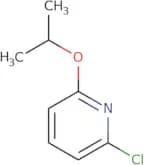
CAS:<p>Versatile small molecule scaffold</p>Formula:C11H9NO2Purity:Min. 95%Molecular weight:187.2 g/mol2-Chloro-6-isopropoxypyridine
CAS:<p>2-Chloro-6-isopropoxypyridine is a reactive organometallic compound that has the ability to form stable, structurally diverse, and often useful compounds. It can be used as an intermediate in the synthesis of substituted pyridines, furans, and other heterocycles. The synthesis of these compounds is usually achieved through cycloaddition reactions with suitably substituted arenes. 2-Chloro-6-isopropoxypyridine can be synthesized by the lithium chloride induced elimination reaction between chloroacetone and isopropyl alcohol at low temperatures. This method is regioselective, in that it gives a mixture of 2-chloro-6-isopropoxypyridine and its diastereoisomer.<br>2CIP produces a mixture of products with different substitution patterns because it undergoes a cycloaddition reaction with substituents on the aromatic ring. The lithiation</p>Formula:C8H10NOClPurity:Min. 95%Molecular weight:171.62 g/mol(2R)-2-{[(tert-Butoxy)carbonyl]amino}-3-cyclopropylpropanoic acid
CAS:<p>Versatile small molecule scaffold</p>Formula:C11H19NO4Purity:Min. 95%Molecular weight:229.27 g/mol2,5-diaza-bicyclo[2.2.1]heptane 2hcl
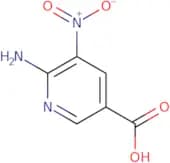
CAS:<p>Versatile small molecule scaffold</p>Formula:C5H12Cl2N2Purity:Min. 95%Molecular weight:171.07 g/mol6-Amino-5-nitronicotinic acid
CAS:<p>Versatile small molecule scaffold</p>Formula:C6H5N3O4Purity:Min. 95%Molecular weight:183.12 g/mol


![6-Methoxy-2-methylimidazo[1,2-b]pyridazine-3-carboxylic acid](/_next/image/?url=https%3A%2Fstatic.cymitquimica.com%2Fproducts%2F3D%2Fthumb-webp%2FPAA71423.webp&w=3840&q=75)
![Spiro[4.4]nonan-1-one](/_next/image/?url=https%3A%2Fstatic.cymitquimica.com%2Fproducts%2F3D%2Fthumb-webp%2FPAA72758.webp&w=3840&q=75)


![5-[(4-Methylphenyl)amino]-1,3,4-thiadiazole-2-thiol](/_next/image/?url=https%3A%2Fstatic.cymitquimica.com%2Fproducts%2F3D%2Fthumb-webp%2FPAA73125.webp&w=3840&q=75)


![2-[2-(Methoxycarbonyl)phenyl]acetic acid](/_next/image/?url=https%3A%2Fstatic.cymitquimica.com%2Fproducts%2F3D%2Fthumb-webp%2FPAA73649.webp&w=3840&q=75)


![2-[(1,3-Thiazol-2-yl)amino]ethan-1-ol](/_next/image/?url=https%3A%2Fstatic.cymitquimica.com%2Fproducts%2F3D%2Fthumb-webp%2FPAA74701.webp&w=3840&q=75)


![4-Chlorofuro[2,3-d]pyridazine](/_next/image/?url=https%3A%2Fstatic.cymitquimica.com%2Fproducts%2F3D%2Fthumb-webp%2FPAA75781.webp&w=3840&q=75)
![7-Chlorofuro[2,3-d]pyridazine](/_next/image/?url=https%3A%2Fstatic.cymitquimica.com%2Fproducts%2F3D%2Fthumb-webp%2FPAA75789.webp&w=3840&q=75)

![1-Piperidino-2-[4]piperidyl-ethane](/_next/image/?url=https%3A%2Fstatic.cymitquimica.com%2Fproducts%2F3D%2Fthumb-webp%2FPAA75909.webp&w=3840&q=75)
![2-[(4-Methylphenyl)sulfanyl]acetohydrazide](/_next/image/?url=https%3A%2Fstatic.cymitquimica.com%2Fproducts%2F3D%2Fthumb-webp%2FPAA77665.webp&w=3840&q=75)
![7-Methylbenzo[d]thiazol-2-amine](/_next/image/?url=https%3A%2Fstatic.cymitquimica.com%2Fproducts%2F3D%2Fthumb-webp%2FPAA77918.webp&w=3840&q=75)


![tert-Butyl 2-[(cyclopropylamino)methyl]pyrrolidine-1-carboxylate](/_next/image/?url=https%3A%2Fstatic.cymitquimica.com%2Fproducts%2F3D%2Fthumb-webp%2FPBC38744.webp&w=3840&q=75)

![4-[3-(Hydroxymethyl)piperidine-1-carbonyl]-1,2-dihydropyridin-2-one](/_next/image/?url=https%3A%2Fstatic.cymitquimica.com%2Fproducts%2F3D%2Fthumb-webp%2FPBD97024.webp&w=3840&q=75)


![2-Methyl-1-[4-(trifluoromethyl)phenyl]propan-1-one](/_next/image/?url=https%3A%2Fstatic.cymitquimica.com%2Fproducts%2F3D%2Fthumb-webp%2FPCA43658.webp&w=3840&q=75)
![N-[(3-Chlorophenyl)methyl]-2-cyanoacetamide](/_next/image/?url=https%3A%2Fstatic.cymitquimica.com%2Fproducts%2F3D%2Fthumb-webp%2FPCA48808.webp&w=3840&q=75)
![2-Cyano-N-[(3-methylphenyl)methyl]acetamide](/_next/image/?url=https%3A%2Fstatic.cymitquimica.com%2Fproducts%2F3D%2Fthumb-webp%2FPCA48811.webp&w=3840&q=75)
![2-[(Cyclopropylcarbonyl)amino]acetic acid](/_next/image/?url=https%3A%2Fstatic.cymitquimica.com%2Fproducts%2F3D%2Fthumb-webp%2FPCA51370.webp&w=3840&q=75)
![4-Bromo-N-[2-(morpholin-4-yl)ethyl]benzamide](/_next/image/?url=https%3A%2Fstatic.cymitquimica.com%2Fproducts%2F3D%2Fthumb-webp%2FPCA54419.webp&w=3840&q=75)
![Ethyl N-[3-(2-oxopropyl)-1,2,4-thiadiazol-5-yl]carbamate](/_next/image/?url=https%3A%2Fstatic.cymitquimica.com%2Fproducts%2F3D%2Fthumb-webp%2FPCA57297.webp&w=3840&q=75)
![(1H-Benzo[D]imidazol-4-yl)methanamine dihydrochloride](/_next/image/?url=https%3A%2Fstatic.cymitquimica.com%2Fproducts%2F3D%2Fthumb-webp%2FPCA57423.webp&w=3840&q=75)
![1-[Chloro(4-chlorophenyl)methyl]-4-fluorobenzene](/_next/image/?url=https%3A%2Fstatic.cymitquimica.com%2Fproducts%2F3D%2Fthumb-webp%2FPCA58339.webp&w=3840&q=75)
![1-[(6-Chloropyridin-3-yl)sulfonyl]-4-methylpiperazine](/_next/image/?url=https%3A%2Fstatic.cymitquimica.com%2Fproducts%2F3D%2Fthumb-webp%2FPCA61453.webp&w=3840&q=75)



![[4-(Propan-2-yl)phenyl]methanesulfonamide](/_next/image/?url=https%3A%2Fstatic.cymitquimica.com%2Fproducts%2F3D%2Fthumb-webp%2FPCA73236.webp&w=3840&q=75)
![3-[4-(2-Methylpropyl)phenyl]butan-2-one](/_next/image/?url=https%3A%2Fstatic.cymitquimica.com%2Fproducts%2F3D%2Fthumb-webp%2FPCA75890.webp&w=3840&q=75)
![2,2-Diethyl spiro[3.3]heptane-2,2-dicarboxylate](/_next/image/?url=https%3A%2Fstatic.cymitquimica.com%2Fproducts%2F3D%2Fthumb-webp%2FPCA77596.webp&w=3840&q=75)
![Spiro[3.3]heptane-2,2-dicarboxylic acid](/_next/image/?url=https%3A%2Fstatic.cymitquimica.com%2Fproducts%2F3D%2Fthumb-webp%2FPCA77597.webp&w=3840&q=75)
![2-[3,5-Dimethoxy-4-(propan-2-yloxy)phenyl]ethan-1-amine](/_next/image/?url=https%3A%2Fstatic.cymitquimica.com%2Fproducts%2F3D%2Fthumb-webp%2FPCA77872.webp&w=3840&q=75)
![Methyl 3-oxobicyclo[2.2.1]hept-5-ene-2-carboxylate](/_next/image/?url=https%3A%2Fstatic.cymitquimica.com%2Fproducts%2F3D%2Fthumb-webp%2FPCA81011.webp&w=3840&q=75)
![Methyl 3-oxobicyclo[2.2.1]heptane-2-carboxylate](/_next/image/?url=https%3A%2Fstatic.cymitquimica.com%2Fproducts%2F3D%2Fthumb-webp%2FPCA81014.webp&w=3840&q=75)
![2-{[(3-Chlorophenyl)methyl]amino}ethan-1-ol](/_next/image/?url=https%3A%2Fstatic.cymitquimica.com%2Fproducts%2F3D%2Fthumb-webp%2FPCA83459.webp&w=3840&q=75)
![2-{[(4-Chlorophenyl)methyl]amino}ethan-1-ol hydrochloride](/_next/image/?url=https%3A%2Fstatic.cymitquimica.com%2Fproducts%2F3D%2Fthumb-webp%2FPCA83467.webp&w=3840&q=75)

![7-benzyl-3-thia-7-azabicyclo[3.3.1]nonan-9-one](/_next/image/?url=https%3A%2Fstatic.cymitquimica.com%2Fproducts%2F3D%2Fthumb-webp%2FPDA39804.webp&w=3840&q=75)

![(2R)-2-{[(tert-Butoxy)carbonyl]amino}-3-cyclopropylpropanoic acid](/_next/image/?url=https%3A%2Fstatic.cymitquimica.com%2Fproducts%2F3D%2Fthumb-webp%2FPDA48308.webp&w=3840&q=75)
![2,5-diaza-bicyclo[2.2.1]heptane 2hcl](/_next/image/?url=https%3A%2Fstatic.cymitquimica.com%2Fproducts%2F3D%2Fthumb-webp%2FPDA48738.webp&w=3840&q=75)