


Building Blocks
This section contains fundamental products for the synthesis of organic and biological compounds. Building blocks are the essential starting materials used to construct complex molecules through various chemical reactions. They play a critical role in drug discovery, material science, and chemical research. At CymitQuimica, we offer a diverse range of high-quality building blocks to support your innovative research and industrial projects, ensuring you have the essential components for successful synthesis.
Subcategories of "Building Blocks"
- Boronic Acids & Boronic Acid Derivatives(5,756 products)
- Chiral Building Blocks(1,242 products)
- Hydrocarbon Building Blocks(6,093 products)
- Organic Building Blocks(60,533 products)
Found 195534 products of "Building Blocks"
Sort by
Purity (%)
0
100
|
0
|
50
|
90
|
95
|
100
2,3-Dihydro-benzo[b]thiophen-3-amine 1,1-dioxide hydrochloride
CAS:<p>Versatile small molecule scaffold</p>Formula:C8H10ClNO2SPurity:Min. 95%Molecular weight:219.69 g/mol2-Amino-1-(3-bromophenyl)ethanol hydrochloride
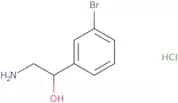
CAS:<p>Versatile small molecule scaffold</p>Formula:C8H10BrNO•HClPurity:Min. 95%Molecular weight:252.54 g/mol2-Butoxypropanoic acid
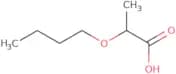
CAS:<p>Versatile small molecule scaffold</p>Formula:C7H14O3Purity:Min. 95%Molecular weight:146.18 g/mol2-(Chloromethyl)-6-methoxy-1H-1,3-benzodiazole
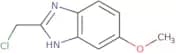
CAS:<p>Versatile small molecule scaffold</p>Formula:C9H9ClN2OPurity:Min. 95%Molecular weight:196.63 g/molThieno[3,4-b]thiophene-2-carboxylic acid
CAS:<p>Thieno[3,4-b]thiophene-2-carboxylic acid is a carboxylic acid. It has the ability to form stable thieno[3,4-b]thiophene-2-carboxylate ions in an aqueous solution. These ions can be detected by spectroscopic studies of the adsorption on electrodes and electrochemical polymerization. Thieno[3,4-b]thiophene-2-carboxylic acid is not easily oxidized or reduced due to its stability and low energy state.</p>Formula:C8H6O2S2Purity:Min. 95%Molecular weight:198.26 g/mol5,6,7,8-Tetrahydroquinolin-1-ium-1-olate
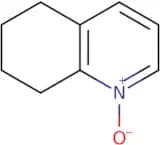
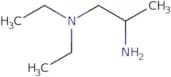
CAS:<p>5,6,7,8-Tetrahydroquinolin-1-ium-1-olate is a white crystalline solid. It has a molecular weight of 178.07 and a melting point of 190°C. 5,6,7,8-Tetrahydroquinolin-1-ium-1-olate is stabilized by hydrogen bonds between the two monomers in the dimer form. It also has an asymmetric conformation with six carbons in its backbone. The hemihydrate form of 5,6,7,8 tetrahydroquinolinium 1 -olate is formed when the water molecule is bound to one oxygen atom on each monomer in the dimer.</p>Formula:C9H11NOPurity:Min. 95%Molecular weight:149.19 g/mol(2-Aminopropyl)diethylamine
CAS:<p>Versatile small molecule scaffold</p>Formula:C7H18N2Purity:Min. 95%Molecular weight:130.23 g/mol3-Amino-4(3H)-quinazolinone
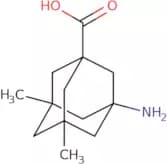
CAS:<p>3-Amino-4(3H)-quinazolinone is a nucleophilic compound that can react with methyl anthranilate, an anthranilic acid derivative. When reacted with aziridine, 3-amino-4(3H) quinazolinone forms a hydroxyl group. This compound is cytotoxic to human liver cells in vitro and exhibits significant cytotoxicity against cancer cells. It has been shown to inhibit the growth of epidermal growth factor (EGF) in vitro and can be used as a tumor promoter. 3-Amino-4(3H)-quinazolinone also reacts with amines such as amino acids, amides, and ammonia to form aziridinium ions. Aziridinium ions are nitrogen nucleophiles that can react with other molecules to form new compounds or break down existing ones.</p>Formula:C8H7N3OPurity:Min. 95%Molecular weight:161.16 g/mol3-Amino-5,7-dimethyladamantane-1-carboxylic acid
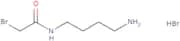
CAS:<p>Versatile small molecule scaffold</p>Formula:C13H21NO2Purity:Min. 95%Molecular weight:223.3 g/molN-(4-Aminobutyl)-2-bromoacetamide hydrobromide
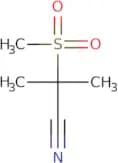
CAS:<p>Versatile small molecule scaffold</p>Formula:C6H14Br2N2OPurity:Min. 95%Molecular weight:290 g/mol2-Methanesulfonyl-2-Methylpropanenitrile
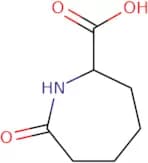
CAS:<p>Versatile small molecule scaffold</p>Formula:C5H9NO2SPurity:Min. 95%Molecular weight:147.2 g/mol7-Oxoazepane-2-carboxylic acid
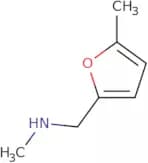
CAS:<p>Versatile small molecule scaffold</p>Formula:C7H11NO3Purity:Min. 95%Molecular weight:157.17 g/molMethyl-(5-methyl-furan-2-ylmethyl)-amine
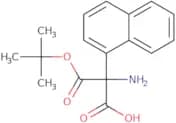
CAS:<p>Versatile small molecule scaffold</p>Formula:C7H11NOPurity:Min. 95%Molecular weight:125.17 g/mol(N-BOC-Amino)(naphthalen-1-yl)acetic acid
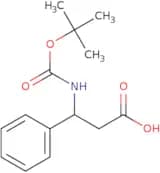
CAS:<p>Versatile small molecule scaffold</p>Formula:C17H19NO4Purity:Min. 95%Molecular weight:301.34 g/mol3-tert-Butoxycarbonylamino-3-phenyl-propionic acid
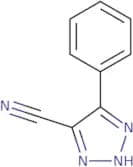
CAS:<p>Versatile small molecule scaffold</p>Formula:C14H19NO4Purity:Min. 95%Molecular weight:265.31 g/mol4-Phenyl-1H-1,2,3-triazole-5-carbonitrile
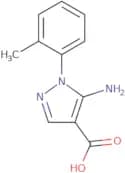
CAS:<p>Versatile small molecule scaffold</p>Formula:C9H6N4Purity:Min. 95%Molecular weight:170.17 g/mol5-Amino-1-(2-methylphenyl)-1H-pyrazole-4-carboxylic acid
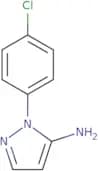
CAS:<p>Versatile small molecule scaffold</p>Formula:C11H11N3O2Purity:Min. 95%Molecular weight:217.22 g/mol1-(4-Chlorophenyl)-1H-pyrazol-5-amine
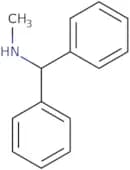
CAS:<p>Versatile small molecule scaffold</p>Formula:C9H8ClN3Purity:Min. 95%Molecular weight:193.63 g/molN-(Diphenylmethyl)methylamine
CAS:<p>N-(Diphenylmethyl)methylamine is an immunomodulatory drug. It is a prodrug of 3-mercaptopropionic acid, which can inhibit the growth of tumor cells and influenza virus. N-(Diphenylmethyl)methylamine has been shown to have anti-inflammatory effects in diabetic patients. This drug also has the ability to regulate β-amino acid and β-catenin levels in the body. N-(Diphenylmethyl)methylamine inhibits phosphorylation of β-catenin by inhibiting protein kinase C activity, leading to increased expression of this protein in cancer cells.</p>Formula:C14H15NPurity:Min. 95%Molecular weight:197.28 g/molN-[(2-Methylphenyl)methylidene]hydroxylamine
CAS:<p>N-[(2-Methylphenyl)methylidene]hydroxylamine is a pest control agent that is used as an insecticide and a fungicide. It is classified as an aryloxyphenoxy hydroxamic acid. N-[(2-Methylphenyl)methylidene]hydroxylamine binds to the enzyme cytochrome oxidase, which is essential for aerobic respiration, and inhibits oxidative phosphorylation. This leads to the accumulation of toxic reactive oxygen species (ROS) and cell death. N-[(2-Methylphenyl)methylidene]hydroxylamine has been shown to be bactericidal against Gram-positive bacteria such as Bacillus spp., Staphylococcus spp., and Streptococcus pyogenes, as well as Gram-negative bacteria such as Escherichia coli, Salmonella enterica, Pseudomonas aeruginosa, and Klebs</p>Formula:C8H9NOPurity:Min. 95%Molecular weight:135.16 g/mol3-Methyl-3-phenyloxolane-2,5-dione
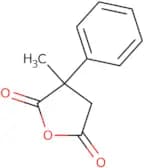
CAS:<p>Versatile small molecule scaffold</p>Formula:C11H10O3Purity:Min. 95%Molecular weight:190.19 g/mol5-(Dimethylamino)-2-nitrophenol
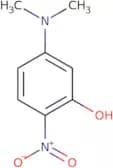
CAS:<p>Versatile small molecule scaffold</p>Formula:C8H10N2O3Purity:Min. 95%Molecular weight:182.18 g/mol4-Amino-6-chloro-2,3-dihydropyridazin-3-one
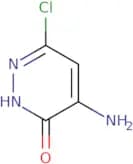
CAS:<p>Versatile small molecule scaffold</p>Formula:C4H4ClN3OPurity:Min. 95%Molecular weight:145.55 g/mol3-Methylpyrrolidine-2-carboxylic acid hydrochloride
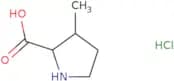
CAS:<p>Versatile small molecule scaffold</p>Formula:C6H12ClNO2Purity:Min. 95%Molecular weight:165.62 g/mol2,2,5-Trimethylhexan-3-one
CAS:<p>Trimethylhexan-3-one is a chemical compound with the molecular formula C8H16O. It has three methyl groups, one of which is in the 2 position and two of which are in the 3 position. Trimethylhexan-3-one is an organic compound that can be found in some foods and beverages. The most common form of trimethylhexan-3-one is 2,2,5-trimethylhexane, also known as octane. Octane is used as a gasoline additive to increase octane rating and provide better engine performance. Trimethylhexan-3-one may also have antineoplastic effects, but this has not been well studied. Additionally, trimethylhexan-3-one may be associated with neutropenia or infant mortality in animal studies.</p>Formula:C9H18OPurity:Min. 95%Molecular weight:142.24 g/mol6-Methoxy-2-methylimidazo[1,2-b]pyridazine-3-carboxylic acid
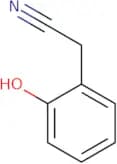
CAS:<p>Versatile small molecule scaffold</p>Formula:C9H9N3O3Purity:Min. 95%Molecular weight:207.19 g/mol(2-Hydroxyphenyl)acetonitrile
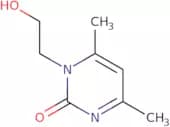
CAS:<p>(2-Hydroxyphenyl)acetonitrile is a benzofuran derivative that has been shown to be an effective inhibitor of amide synthetase. It is soluble in polar solvents and immiscible in apolar solvents, which makes it a useful reagent for the synthesis of amides from primary amines. The compound was isolated from a strain of Streptomyces sp. with the gene sequence identified and sequenced. The compound exhibits high specificity against the enzyme and can be used as a tool in biomolecular studies.</p>Formula:C8H7NOPurity:Min. 95%Molecular weight:133.15 g/mol1-(2-Hydroxyethyl)-4,6-dimethyl-1,2-dihydropyrimidin-2-one
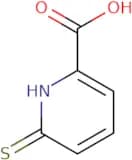
CAS:<p>Nitrite ion is a gas that is found in the environment and has been shown to have various beneficial effects. Nitrite ion has been shown to have hepatoprotective properties, as it protects rat liver cells from death by benzalkonium chloride. This substance also prevents neuronal death in an experimental model of cerebral ischemia.</p>Formula:C8H12N2O2Purity:Min. 95%Molecular weight:168.19 g/mol6-Sulfanylpyridine-2-carboxylic acid
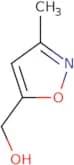
CAS:<p>Versatile small molecule scaffold</p>Formula:C6H5NO2SPurity:Min. 95%Molecular weight:155.18 g/mol5-(Hydroxymethyl)-3-methylisoxazole
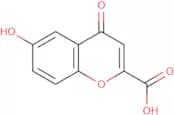
CAS:<p>5-(Hydroxymethyl)-3-methylisoxazole is a chloride heterocycle that has been shown to be an agonist of the adenosine A3 receptor. It has been synthesised by reacting 2-chlorobenzaldehyde with methyl hydroxymethyl ketone and nitroethane. 5-(Hydroxymethyl)-3-methylisoxazole has been used in screening tests for the identification of novel biomolecules with desirable functionalisation. The yields of synthesized isoxazoles have been found to be improved by irradiation. This heterocycle has also been used in the synthesis of isoxazolines, which are a class of compounds that are structurally related to benzoxazinones and benzothiazinones.</p>Formula:C5H7NO2Purity:Min. 95%Molecular weight:113.11 g/mol6-Hydroxy-4-oxo-4H-chromene-2-carboxylic acid
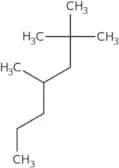
CAS:<p>Versatile small molecule scaffold</p>Formula:C10H6O5Purity:Min. 95%Molecular weight:206.15 g/mol2,2,4-Trimethylheptane
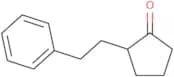
CAS:<p>2,2,4-Trimethylheptane is a volatile organic compound with a strong odor. It is used as a modeling or calibration standard for the analysis of other volatile compounds. The headspace technique can be used to extract 2,2,4-trimethylheptane from samples. Solid phase extraction can also be used to remove 2,2,4-trimethylheptane from samples. This compound has been found in the environment due to its presence in gasoline and cigarette smoke.</p>Formula:C10H22Purity:Min. 95%Molecular weight:142.28 g/mol2-(2-Phenylethyl)cyclopentan-1-one
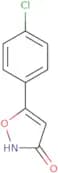
CAS:<p>Versatile small molecule scaffold</p>Formula:C13H16OPurity:Min. 95%Molecular weight:188.26 g/mol5-(4-Chlorophenyl)-1,2-oxazol-3-ol
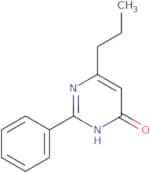
CAS:<p>Versatile small molecule scaffold</p>Formula:C9H6ClNO2Purity:Min. 95%Molecular weight:195.6 g/mol2-Phenyl-6-propyl-3,4-dihydropyrimidin-4-one
CAS:<p>Versatile small molecule scaffold</p>Formula:C13H14N2OPurity:Min. 95%Molecular weight:214.26 g/molSpiro[4.4]nonan-1-one
CAS:<p>Versatile small molecule scaffold</p>Formula:C9H14OPurity:Min. 95%Molecular weight:138.21 g/mol3-(Chloromethyl)-5-phenylisoxazole
CAS:<p>3-(Chloromethyl)-5-phenylisoxazole is a water soluble moiety that is used in the synthesis of conjugates with antitumor activity. 3-(Chloromethyl)-5-phenylisoxazole has been shown to inhibit the growth of brain tumors by binding to DNA, inhibiting transcription and replication. The drug also inhibits protein synthesis and cell division. This compound can be esterified and isothiazole substituted to form an antitumor drug that has a strong antiproliferative effect on human leukemia cells. The biological activity of 3-(chloromethyl)-5-phenylisoxazole can be enhanced by catalytic hydrogenation with methanol in acidic conditions.</p>Formula:C10H8ClNOPurity:Min. 95%Molecular weight:193.63 g/mol5-(Bromoacetyl)-3-phenylisoxazole
CAS:<p>Versatile small molecule scaffold</p>Formula:C11H8BrNO2Purity:Min. 95%Molecular weight:266.09 g/mol5-[(4-Methylphenyl)amino]-1,3,4-thiadiazole-2-thiol
CAS:<p>Versatile small molecule scaffold</p>Formula:C9H9N3S2Purity:Min. 95%Molecular weight:223.3 g/mol5-(Benzylamino)-1,3,4-thiadiazole-2-thiol
CAS:<p>Versatile small molecule scaffold</p>Formula:C9H9N3S2Purity:Min. 95%Molecular weight:223.32 g/mol4-(But-3-yn-1-yl)morpholine
CAS:<p>Versatile small molecule scaffold</p>Formula:C8H13NOPurity:Min. 95%Molecular weight:139.19 g/mol1-(But-3-yn-1-yl)pyrrolidine
CAS:<p>Versatile small molecule scaffold</p>Formula:C8H14ClNPurity:Min. 95%Molecular weight:159.65 g/mol2-[2-(Methoxycarbonyl)phenyl]acetic acid
CAS:<p>Versatile small molecule scaffold</p>Formula:C10H10O4Purity:Min. 95%Molecular weight:194.19 g/mol2-(2-methoxy-2-oxoethyl)benzoic acid
CAS:<p>2-(2-Methoxy-2-oxoethyl)benzoic acid is an organic compound that can be synthesized by the reaction of 2-methoxyacetophenone with lithium borohydride. It is also obtained as a byproduct in the synthesis of other organic compounds, such as esters and anhydrides. The chloride group of 2-(2-methoxy-2-oxoethyl)benzoic acid can be replaced with other groups to produce homophthalic, acetyl, or anhydride derivatives. 2-(2-Methoxy-2-oxoethyl)benzoic acid is often used as a starting material for the synthesis of cyclic esters and alcohols. It has been used in the synthesis of drugs such as dipyridamole and dapsone.</p>Formula:C10H10O4Purity:Min. 95%Molecular weight:194.2 g/mol2-Amino-5-phenyl-3-furonitrile
CAS:<p>2-Amino-5-phenyl-3-furonitrile is a heterocyclic compound that belongs to the group of pyrimidine derivatives. It can be prepared by the reaction of 2,4,6-trichloropyrimidine with phenylacetonitrile and sodium hydroxide in water. This synthesis gives high yields of 2-amino-5-phenyl-3-furonitrile. The compound reacts with isothiocyanates to form heterocyclic compounds. The process of catalyzed heterocyclization has been shown to be effective for the synthesis of pyrimidine derivatives.</p>Formula:C11H8N2OPurity:Min. 95%Molecular weight:184.19 g/mol2,2,6,6-Tetramethyl-2H-pyran-3,5(4H,6H)-dione
CAS:<p>Versatile small molecule scaffold</p>Formula:C9H14O3Purity:Min. 95%Molecular weight:170.21 g/mol2-[(1,3-Thiazol-2-yl)amino]ethan-1-ol
CAS:<p>Versatile small molecule scaffold</p>Formula:C5H8N2OSPurity:Min. 95%Molecular weight:144.2 g/mol4-Chloro-1-N,1-N-dimethylbenzene-1,3-disulfonamide
CAS:<p>Versatile small molecule scaffold</p>Formula:C8H11ClN2O4S2Purity:Min. 95%Molecular weight:298.8 g/molMethyl 2-oxo-2,3-dihydro-1H-indole-3-carboxylate
CAS:<p>Versatile small molecule scaffold</p>Formula:C10H9NO3Purity:Min. 95%Molecular weight:191.18 g/mol7-Nitroquinolin-1-ium-1-olate
CAS:<p>Versatile small molecule scaffold</p>Formula:C9H6N2O3Purity:Min. 95%Molecular weight:190.16 g/mol3,4-dihydro-1,6-naphthyridin-2(1h)-one
CAS:<p>Versatile small molecule scaffold</p>Formula:C8H8N2OPurity:Min. 95%Molecular weight:148.17 g/mol2-Formylfuran-3-carboxylic acid
CAS:<p>2-Formylfuran-3-carboxylic acid is a furan derivative with an oxidation product that has been shown to be useful as a peroxide scavenger. It is synthesized by the reaction of 2-formylphenol and formaldehyde in the presence of copper salts. The molecular modelling studies revealed that this compound consists of a five membered ring with an oxygen atom at its centre, which is flanked by two carbon atoms at each side. The carboxylic acid group (-COOH) is on one end and the hydroxymethyl group (-CHOH) on the other end. The molecule also has a carbonyl group (-C=O) and a methylene bridge (-CH2-) between the two carbon atoms. This compound has been found to have efficient antioxidant properties when it reacts with reactive oxygen species (ROS). It was also found to have antioxidative activities when it reacts with ROS produced by galacturonic acid and fur</p>Formula:C6H4O4Purity:Min. 95%Molecular weight:140.09 g/mol4-Chlorofuro[2,3-d]pyridazine
CAS:<p>Versatile small molecule scaffold</p>Formula:C6H3ClN2OPurity:Min. 95%Molecular weight:154.55 g/mol7-Chlorofuro[2,3-d]pyridazine
CAS:<p>Versatile small molecule scaffold</p>Formula:C6H3ClN2OPurity:Min. 95%Molecular weight:154.55 g/molEthyl 6-(bromomethyl)-4-methyl-2-oxo-1,2,3,4-tetrahydropyrimidine-5-carboxylate
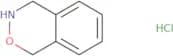
CAS:<p>Versatile small molecule scaffold</p>Formula:C9H13BrN2O3Purity:Min. 95%Molecular weight:277.11 g/mol3,4-Dihydro-1H-2,3-benzoxazine hydrochloride
CAS:<p>Versatile small molecule scaffold</p>Formula:C8H10ClNOPurity:Min. 95%Molecular weight:171.62 g/mol1-Piperidino-2-[4]piperidyl-ethane
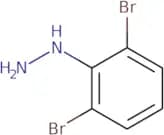
CAS:<p>Versatile small molecule scaffold</p>Formula:C12H24N2Purity:Min. 95%Molecular weight:196.33 g/mol(2,6-Dibromophenyl)hydrazine
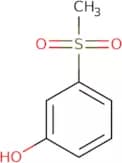
CAS:<p>Versatile small molecule scaffold</p>Formula:C6H6Br2N2Purity:Min. 95%Molecular weight:265.93 g/mol3-Methanesulfonylphenol
CAS:<p>3-Methanesulfonylphenol is a reactive and computationally descriptors, damages, neutralizing, piperidine, vector, oxygen species, molecular descriptors, antioxidant, phenolic lead compound that was synthesized for the purpose of identifying new potential antioxidants. 3-Methanesulfonylphenol has been shown to inhibit the oxidation of lipids and proteins in cells. It also has a strong antioxidant activity against peroxyl radicals and hydroxyl radicals. 3-Methanesulfonylphenol also inhibits the production of hydrogen peroxide by reacting with peroxides in vivo. This results in reduced levels of lipid hydroperoxides and protein carbonyls.</p>Formula:C7H8O3SPurity:Min. 95%Molecular weight:172.2 g/mol2-Benzoyl-4-methoxyphenol
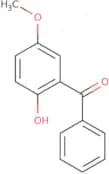
CAS:<p>2-Benzoyl-4-methoxyphenol is a surfactant that is sustainable and biodegradable. It is used in the production of micelles to form detergents, which are important for the environment. The binding constants of this chemical with 2-hydroxybenzophenone and benzyl have been determined at different temperatures. 2-Benzoyl-4-methoxyphenol has been shown to be an effective transient probe for mechanistic investigations in organic chemistry. This compound can be prepared by reacting benzaldehyde with methoxyacetophenone in acetonitrile. Irradiation can break down the benzene ring, producing phenoxy (2,6-dioxo)cyclohexane or 2-(2,6-dioxo)cyclohexanone. 2-Benzoyl-4-methoxyphenol also has hydrophobic properties and can be used as a surf</p>Formula:C14H12O3Purity:Min. 95%Molecular weight:228.24 g/mol3-(2-Chloroethyl)-5-methyl-1,2-oxazole
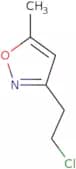
CAS:<p>Versatile small molecule scaffold</p>Formula:C6H8ClNOPurity:Min. 95%Molecular weight:145.59 g/mol2-[(4-Methylphenyl)sulfanyl]acetohydrazide
CAS:<p>Versatile small molecule scaffold</p>Formula:C9H12N2OSPurity:Min. 95%Molecular weight:196.27 g/mol8-Hydroxy-2-methyl-1,4-dihydronaphthalene-1,4-dione
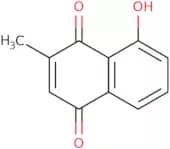
CAS:<p>8-Hydroxy-2-methyl-1,4-dihydronaphthalene-1,4-dione is a natural product that has been found to have anticancer activity. It induces apoptosis in human cancer cells and inhibits the growth of bacteria by binding to the 50S ribosomal subunit. 8HMN has also been shown to inhibit the proliferation of cervical cancer cells in vitro. The active form of this compound is acetate extract and it has been shown to have strong anti-inflammatory properties by inhibiting prostaglandin synthesis in neutrophils. 8HMN binds to mitochondrial membrane protein complexes, leading to mitochondrial fission and inhibition of ATP production.</p>Formula:C11H8O3Purity:Min. 95%Molecular weight:188.18 g/mol3-Methyl-2,3-dihydro-1,3-benzothiazol-2-imine
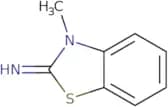
CAS:<p>3-Methyl-2,3-dihydro-1,3-benzothiazol-2-imine is an imine nitrogen that is a ligand for transition metals. It is used in the synthesis of 1,3-benzothiazoles and has been shown to have anti-malarial activity. 3-Methyl-2,3-dihydro-1,3-benzothiazol-2-imine interacts with aldehydes to form ring opening products. This compound also has been shown to be a ligand for palladium and platinum metals. The compound has been functionalized with thiol groups and can be used as a reagent in organic synthesis.</p>Formula:C8H8N2SPurity:Min. 95%Molecular weight:164.23 g/mol7-Methylbenzo[d]thiazol-2-amine
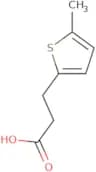
CAS:<p>7-Methylbenzo[d]thiazol-2-amine is an antimicrobial agent that has been shown to have both antibacterial and antifungal properties. It has a broad spectrum of activity against Gram-positive and Gram-negative bacteria, as well as fungi. 7-Methylbenzo[d]thiazol-2-amine also inhibits the growth of yeast cells by interfering with their ability to produce proteins necessary for cell division. This drug can be synthesized using a number of different techniques, including the reaction between phenyl mercaptan and dimethyl acetylenedicarboxylate in the presence of aluminium chloride or phosphorus pentachloride. The yield is typically low (5%).</p>Formula:C8H8N2SPurity:Min. 95%Molecular weight:164.23 g/mol3-(5-Methyl-thiophen-2-yl)-propionic acid
CAS:<p>Versatile small molecule scaffold</p>Formula:C8H10O2SPurity:Min. 95%Molecular weight:170.23 g/mol2-Amino-5-methoxybenzoxazole
CAS:<p>Versatile small molecule scaffold</p>Formula:C8H8N2O2Purity:Min. 95%Molecular weight:164.16 g/mol5-Nitrobenzo[d]oxazol-2-amine
CAS:<p>Versatile small molecule scaffold</p>Formula:C7H5N3O3Purity:Min. 95%Molecular weight:179.13 g/mol4-Phenoxybutan-1-amine hydrochloride
CAS:<p>Versatile small molecule scaffold</p>Formula:C10H16ClNOPurity:Min. 95%Molecular weight:201.69 g/mol2-Mercapto-1-methyl-1H-imidazole-5-carboxylic acid
CAS:<p>Versatile small molecule scaffold</p>Formula:C5H6N2O2SPurity:Min. 95%Molecular weight:158.18 g/mol5-Methyl-2H,3H-[1,2,4]triazolo[3,4-b][1,3]thiazol-3-one
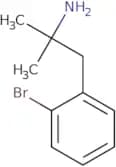
CAS:<p>Versatile small molecule scaffold</p>Formula:C5H5N3OSPurity:Min. 95%Molecular weight:155.18 g/mol1-(2-Bromophenyl)-2-methylpropan-2-amine hydrochloride
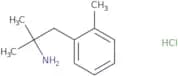
CAS:Controlled Product<p>Versatile small molecule scaffold</p>Formula:C10H14BrNPurity:Min. 95%Molecular weight:228.13 g/mol2-Methyl-1-(2-methylphenyl)propan-2-amine hydrochloride
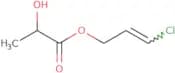
CAS:Controlled Product<p>Versatile small molecule scaffold</p>Formula:C11H18ClNPurity:Min. 95%Molecular weight:199.72 g/mol3-Chloroprop-2-en-1-yl 2-hydroxypropanoate
CAS:<p>Versatile small molecule scaffold</p>Formula:C6H9ClO3Purity:Min. 95%Molecular weight:164.59 g/mol5-[(3-Methoxyphenyl)sulfanyl]pyridin-2-amine
CAS:<p>Versatile small molecule scaffold</p>Formula:C12H12N2OSPurity:Min. 95%Molecular weight:232.3 g/mol6-Methoxyimidazo[1,2-b]pyridazine-2-carboxylic acid
CAS:<p>Versatile small molecule scaffold</p>Formula:C8H7N3O3Purity:Min. 95%Molecular weight:193.16 g/mol2-Fluoro-2-phenylethan-1-amine hydrochloride
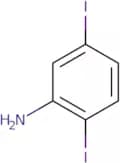
CAS:<p>Versatile small molecule scaffold</p>Formula:C8H11ClFNPurity:Min. 95%Molecular weight:175.63 g/mol2,5-Diiodoaniline
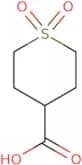
CAS:<p>Versatile small molecule scaffold</p>Formula:C6H5I2NPurity:Min. 95%Molecular weight:344.92 g/molTetrahydro-2H-thiopyran-4-carboxylic acid 1,1-dioxide
CAS:<p>Versatile small molecule scaffold</p>Formula:C6H10O4SPurity:Min. 95%Molecular weight:178.21 g/mol2-(2,6-Dimethylphenoxy)acetohydrazide
CAS:<p>2-(2,6-Dimethylphenoxy)acetohydrazide is a herbicide that inhibits the growth of monocotyledon and dicotyledon plants. It is used to control weeds in fields of soybeans, rice, corn, wheat, oats, barley and rye. The compound was found to be the most effective herbicide for the control of weeds in bioassays conducted with various types of plants. 2-(2,6-Dimethylphenoxy)acetohydrazide has been shown to inhibit the growth of Brassica species such as cabbage and broccoli by interfering with phenol synthesis.</p>Formula:C10H14N2O2Purity:Min. 95%Molecular weight:194.24 g/mol2-{Bicyclo[2.2.1]heptan-2-yl}acetonitrile
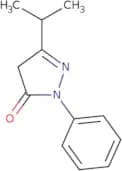
CAS:<p>Versatile small molecule scaffold</p>Formula:C9H13NPurity:Min. 95%Molecular weight:135.21 g/mol3-Isopropyl-1-phenyl-1H-pyrazol-5(4H)-one
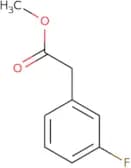
CAS:<p>Versatile small molecule scaffold</p>Formula:C12H14N2OPurity:Min. 95%Molecular weight:202.25 g/molMethyl 3-Fluorophenylacetate
CAS:<p>Methyl 3-Fluorophenylacetate is an alkali, cyclopropene carboxamide that has a nucleophilic functionality. It is positioned strategically in biomolecular chemistry and biomolecular function. Methyl 3-Fluorophenylacetate has been used as a building block to synthesize bioactive molecules such as peptides and polymers. In addition, it can be used as a fluorescent probe for the identification of nucleophilic functionalities.</p>Formula:C9H9FO2Purity:Min. 95%Molecular weight:168.17 g/mol2-{4-Chloro-1H-pyrazolo[3,4-d]pyrimidin-1-yl}ethan-1-ol
CAS:<p>Versatile small molecule scaffold</p>Formula:C7H7ClN4OPurity:Min. 95%Molecular weight:198.61 g/mol[3-(1H-1,3-Benzodiazol-2-yl)propyl](methyl)amine
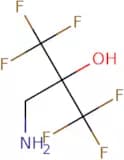
CAS:<p>Versatile small molecule scaffold</p>Formula:C11H15N3Purity:Min. 95%Molecular weight:189.26 g/mol3-Amino-1,1,1-trifluoro-2-(trifluoromethyl)propan-2-ol
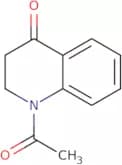
CAS:<p>Versatile small molecule scaffold</p>Formula:C4H5F6NOPurity:Min. 95%Molecular weight:197.08 g/mol1-acetyl-1,2,3,4-tetrahydroquinolin-4-one
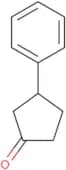
CAS:<p>1-Acetyl-1,2,3,4-tetrahydroquinolin-4-one is a chemical compound that can be prepared by nitration of quinolin-4-one with concentrated sulfuric acid. This chemical has the following constants:</p>Formula:C11H11NO2Purity:Min. 95%Molecular weight:189.21 g/mol3-Phenyl-cyclopentanone
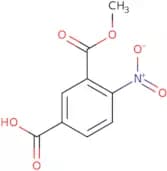
CAS:<p>3-Phenyl-cyclopentanone is a conformational chiral reagent that is used in the synthesis of enantiomerically pure compounds. It is a substrate for many enzymatic reactions, such as alkylation, and can be used to prepare one of the two possible stereoisomers. 3-Phenyl-cyclopentanone has been shown to show positive dichroism in the visible region and negative dichroism in the near infrared region. This compound also has potential for use as an analytical reagent due to its ability to separate solutes based on their chromatographic properties.</p>Formula:C11H12OPurity:Min. 95%Molecular weight:160.21 g/mol3-(Methoxycarbonyl)-4-nitrobenzoic acid
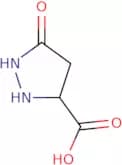
CAS:<p>Versatile small molecule scaffold</p>Formula:C9H7NO6Purity:Min. 95%Molecular weight:225.16 g/mol5-Oxopyrazolidine-3-carboxylic acid
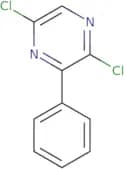
CAS:<p>Versatile small molecule scaffold</p>Formula:C4H6N2O3Purity:Min. 95%Molecular weight:130.1 g/mol2,5-Dichloro-3-phenylpyrazine
CAS:<p>Versatile small molecule scaffold</p>Formula:C10H6Cl2N2Purity:Min. 95%Molecular weight:225.07 g/molDiethyl[(piperidin-2-yl)methyl]amine
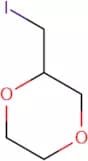
CAS:<p>Versatile small molecule scaffold</p>Formula:C10H22N2Purity:Min. 95%Molecular weight:170.3 g/mol2-(iodomethyl)-1,4-dioxane
CAS:<p>2-(iodomethyl)-1,4-dioxane is a cytotoxic moiety that binds to the capsid protein of a virus. It has been shown to be an antiviral agent against HIV-1 and other retroviruses. 2-(iodomethyl)-1,4-dioxane is hydrophobic, connecting and binds to hydrophobic regions in proteins. The compound was also observed to have antiviral activity against HIV-2 and SIV. 2-(iodomethyl)-1,4-dioxane was found to form hydrogen bonds with the capsid proteins of both HIV-1 and HIV-2, which are important for viral infectivity. This compound has been used as a linker for attaching cytotoxic molecules such as doxorubicin or camptothecin to liposomes or nanoparticles.</p>Formula:C5H9IO2Purity:Min. 95%Molecular weight:228.03 g/molSpiro[benzo[d][1,3]dioxole-2,1'-cyclohexan]-5-amine
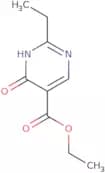
CAS:<p>Versatile small molecule scaffold</p>Formula:C12H15NO2Purity:Min. 95%Molecular weight:205.26 g/molEthyl 2-ethyl-6-oxo-1,6-dihydropyrimidine-5-carboxylate
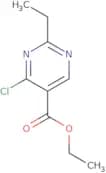
CAS:<p>Versatile small molecule scaffold</p>Formula:C9H12N2O3Purity:Min. 95%Molecular weight:196.2 g/molEthyl 4-chloro-2-ethylpyrimidine-5-carboxylate
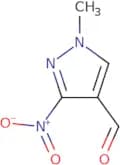
CAS:<p>Versatile small molecule scaffold</p>Formula:C9H11ClN2O2Purity:Min. 95%Molecular weight:214.65 g/mol1-Methyl-3-nitro-1H-pyrazole-4-carbaldehyde
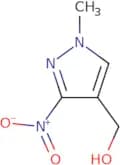
CAS:<p>Versatile small molecule scaffold</p>Formula:C5H5N3O3Purity:Min. 95%Molecular weight:155.11 g/mol(1-Methyl-3-nitro-1H-pyrazol-4-yl)methanol
CAS:<p>Versatile small molecule scaffold</p>Formula:C5H7N3O3Purity:Min. 95%Molecular weight:157.13 g/mol2-Methylpiperidine-1-carbonyl chloride
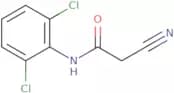
CAS:<p>Versatile small molecule scaffold</p>Formula:C7H12ClNOPurity:Min. 95%Molecular weight:161.63 g/mol2-Cyano-N-(2,6-dichlorophenyl)acetamide
CAS:<p>Versatile small molecule scaffold</p>Formula:C9H6Cl2N2OPurity:Min. 95%Molecular weight:229.06 g/mol2-[(3-Fluorophenyl)amino]acetonitrile
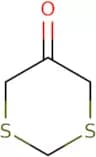
CAS:<p>Versatile small molecule scaffold</p>Formula:C8H7FN2Purity:Min. 95%Molecular weight:150.15 g/mol1,3-Dithian-5-one
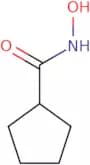
CAS:<p>1,3-Dithian-5-one is a carbonyl compound that contains an aromatic ring. It has been used as a herbicide and bactericide. Spectroscopic data has shown that the carbonyl group in 1,3-dithian-5-one is responsible for its spectra. These spectral data also show that it is an antisymmetric molecule with a carbonyl group at the center of the molecule. The carbonyl group absorbs light in the visible range, which can be seen in its spectrum. This compound also has gas phase equilibrium interactions with sulfur.</p>Formula:C4H6OS2Purity:Min. 95%Molecular weight:134.2 g/molN-Hydroxycyclopentanecarboxamide
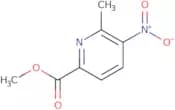
CAS:<p>Versatile small molecule scaffold</p>Formula:C6H11NO2Purity:Min. 95%Molecular weight:129.16 g/molMethyl 6-methyl-5-nitropyridine-2-carboxylate
CAS:<p>Versatile small molecule scaffold</p>Formula:C8H8N2O4Purity:Min. 95%Molecular weight:196.16 g/mol4,7-Dimethylquinoline-2-thiol
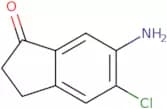
CAS:<p>Versatile small molecule scaffold</p>Formula:C11H11NSPurity:Min. 95%Molecular weight:189.28 g/mol6-Amino-5-chloro-2,3-dihydro-1H-inden-1-one
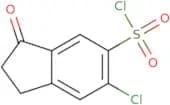
CAS:<p>Versatile small molecule scaffold</p>Formula:C9H8ClNOPurity:Min. 95%Molecular weight:181.62 g/mol6-Chloro-3-oxo-2,3-dihydro-1H-indene-5-sulfonyl chloride
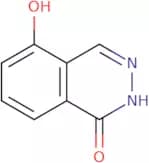
CAS:<p>Versatile small molecule scaffold</p>Formula:C9H6Cl2O3SPurity:Min. 95%Molecular weight:265.11 g/mol5-Hydroxy-1,2-dihydrophthalazin-1-one
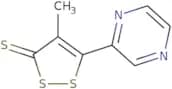
CAS:<p>Versatile small molecule scaffold</p>Formula:C8H6N2O2Purity:Min. 95%Molecular weight:162.15 g/molOltipraz-d3
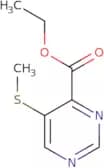
CAS:<p>Oltipraz-d3 is a chemopreventive agent that has been shown to inhibit the production of reactive oxygen species and inflammatory cytokines. Oltipraz-d3 inhibits the activation of the nuclear factor kappa B (NF-κB) pathway by preventing phosphorylation and degradation of IkappaBα, which is an inhibitor of NF-κB. It also reduces oxidative stress in the cell by increasing glutathione levels. Oltipraz-d3 has been shown to reduce DNA damage in human cells exposed to aflatoxin and may be useful for treating chronic liver diseases, such as cancer or injury.</p>Formula:C8H3D3N2S3Purity:Min. 95%Molecular weight:229.36 g/molEthyl 5-(methylsulfanyl)pyrimidine-4-carboxylate
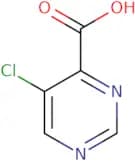
CAS:<p>Versatile small molecule scaffold</p>Formula:C8H10N2O2SPurity:Min. 95%Molecular weight:198.24 g/mol5-Chloropyrimidine-4-carboxylic acid
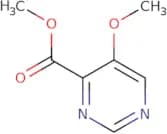
CAS:<p>5-Chloropyrimidine-4-carboxylic acid is a herbicide that is used in weed control. It has a broad spectrum of activity, which includes grasses and broadleaf weeds. This herbicide is also used in the treatment of soil contaminated with phenyl. 5-Chloropyrimidine-4-carboxylic acid inhibits the growth of weeds by inhibiting the synthesis of amino acids from their corresponding amino acid precursors.</p>Formula:C5H3ClN2O2Purity:Min. 95%Molecular weight:158.54 g/mol5-Methoxy-pyrimidine-4-carboxylic acid methyl ester
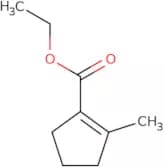
CAS:<p>Versatile small molecule scaffold</p>Formula:C7H8N2O3Purity:Min. 95%Molecular weight:168.15 g/molEthyl 2-methylcyclopent-1-ene-1-carboxylate
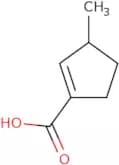
CAS:<p>Versatile small molecule scaffold</p>Formula:C9H14O2Purity:Min. 95%Molecular weight:154.21 g/mol3-Methylcyclopent-1-ene-1-carboxylic acid
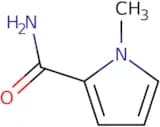
CAS:<p>Versatile small molecule scaffold</p>Formula:C7H10O2Purity:Min. 95%Molecular weight:126.15 g/mol1-methyl-1H-pyrrole-2-carboxamide
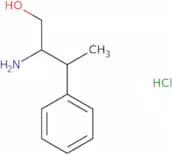
CAS:<p>1-methyl-1H-pyrrole-2-carboxamide is a heterocycle that has been shown to interact with specific DNA sequences. It is a conformational analog of the natural nucleoside guanosine, which has been shown to be a key component in the development of oligonucleotide drugs. 1-methyl-1H-pyrrole-2-carboxamide can be synthesized by the condensation of 1,2-diaminopropane and pyrrole. This compound also has magnetic properties, which allow it to be used in magnetic resonance imaging (MRI).</p>Formula:C6H8N2OPurity:Min. 95%Molecular weight:124.14 g/mol2-Amino-3-phenylbutan-1-ol hydrochloride
CAS:<p>Versatile small molecule scaffold</p>Formula:C10H16ClNOPurity:Min. 95%Molecular weight:201.69 g/mol1,2,4-Benzotriazine-3-carboxylic acid
CAS:<p>1,2,4-Benzotriazine-3-carboxylic acid is a reagent that is used in organic chemistry to produce diazonium salts. It reacts with borohydride to form tetrachloropalladate, which can be reacted with thiazoles to form the corresponding benzothiazoles. 1,2,4-Benzotriazine-3-carboxylic acid also reacts with sodium borohydride in the presence of carbonyl compounds to form the corresponding triazoles. The compound can also be alkylated using alkyl halides or tricyclic compounds.</p>Formula:C8H5N3O2Purity:Min. 95%Molecular weight:175.14 g/mol3-Fluoro-2,2-dimethylpropanoic acid
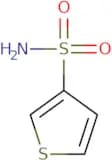
CAS:<p>Versatile small molecule scaffold</p>Formula:C5H9FO2Purity:Min. 95%Molecular weight:120.12 g/molThiophene-3-sulfonamide
CAS:<p>The thiophene-3-sulfonamide is a potent inhibitor of the enzyme carbonic anhydrase. It has been shown to inhibit the calcium ion's entry into cells, leading to a decrease in intracellular calcium ion concentration. The thiophene-3-sulfonamide has also been shown to bind to the endothelin receptor and block its function. The binding of this compound to the endothelin receptor blocks the effects of endothelin on vascular smooth muscle cells, which leads to vasodilation and increased blood flow.</p>Formula:C4H5NO2S2Purity:Min. 95%Molecular weight:163.2 g/mol3-{[5-(4-Nitrophenyl)furan-2-yl]methylidene}-2,3-dihydro-1H-indol-2-one
CAS:<p>Versatile small molecule scaffold</p>Formula:C19H12N2O4Purity:Min. 95%Molecular weight:332.3 g/mol5-Bromo-2,3-dihydro-benzo[b]thiophene 1,1-dioxide
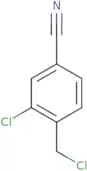
CAS:<p>Versatile small molecule scaffold</p>Formula:C8H7BrO2SPurity:Min. 95%Molecular weight:247.11 g/mol3-Chloro-4-(chloromethyl)benzonitrile
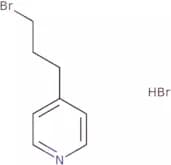
CAS:<p>Versatile small molecule scaffold</p>Formula:C8H5Cl2NPurity:Min. 95%Molecular weight:186.03 g/mol4-(3-Bromopropyl)pyridine hydrobromide
CAS:<p>Versatile small molecule scaffold</p>Formula:C8H11Br2NPurity:Min. 95%Molecular weight:280.99 g/mol2-[Methyl-[(2-methylpropan-2-yl)oxycarbonyl]amino]-3-phenyl-propanoic acid
CAS:<p>Cyclodepsipeptide is a natural product that belongs to the family of linear peptides. It is a hydrophobic amino acid with a configuration. The cyclodepsipeptide inhibits bacterial growth by binding to the active site of hydrolases, enzymes that catalyze hydrolysis reactions. Cyclodepsipeptide binds to the ester bonds present in lipids and inhibits their hydrolysis. This prevents bacterial growth and leads to cell death by depriving cells of essential building blocks for cellular functions such as protein synthesis and membrane formation.</p>Formula:C15H21NO4Purity:Min. 95%Molecular weight:279.33 g/mol(R)-(+)-1-(4-Bromophenyl)ethylamine hydrochloride
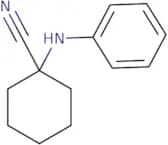
CAS:<p>Versatile small molecule scaffold</p>Formula:C8H10BrN·HClPurity:Min. 95%Molecular weight:236.54 g/mol1-Cyano-1-(phenylamino)cyclohexane
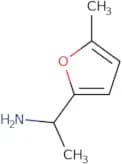
CAS:<p>1-Cyano-1-(phenylamino)cyclohexane is a ketone that can be used as a nucleophile in organic synthesis. It is catalyzed by acid and has been shown to be effective in the reduction of various carbonyl groups. The reaction mechanism is based on the formation of an imine, followed by nucleophilic attack of the ketone on the imine. 1-Cyano-1-(phenylamino)cyclohexane also has magnetic properties and can be used in techniques such as magnetic resonance imaging (MRI). It is also useful for synthesizing nanostructured materials with aliphatic amines and amines. The yield for this reaction is about 30%.</p>Formula:C13H16N2Purity:Min. 95%Molecular weight:200.28 g/mol1-(5-Methylfuran-2-yl)ethylamine
CAS:<p>Versatile small molecule scaffold</p>Formula:C7H11NOPurity:Min. 95%Molecular weight:125.17 g/mol4-Chloro-2,2-dimethylbutanenitrile
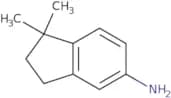
CAS:<p>Versatile small molecule scaffold</p>Formula:C6H10ClNPurity:Min. 95%Molecular weight:131.6 g/mol1,1-Dimethyl-2,3-dihydro-1H-inden-5-amine
CAS:<p>Versatile small molecule scaffold</p>Formula:C11H15NPurity:Min. 95%Molecular weight:161.24 g/mol4-(2-Aminoethylamino)-pyridine hydrochloride
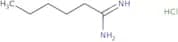
CAS:<p>Versatile small molecule scaffold</p>Formula:C7H12ClN3Purity:Min. 95%Molecular weight:173.64 g/molHexanamidine hydrochloride
CAS:<p>Hexanamidine hydrochloride is a piperazine derivative that is used as an anti-helminthic agent. It is effective against tapeworms and other helminths, such as Ascaris, Trichuris, and Enterobius. Hexanamidine hydrochloride has been shown to have anthelmintic activity in both animals and humans, but it has not been tested in veterinary medicine. The drug inhibits the growth of parasites by interfering with their metabolism or by blocking the release of histamine. Hexanamidine hydrochloride also prevents the development of eggs in female worms and prevents fertilization in male worms. This drug binds to the surface of the worm’s body and kills it through a combination of chemical reactions that disrupts its metabolic processes or blocks its ability to absorb oxygen.</p>Formula:C6H15ClN2Purity:Min. 95%Molecular weight:150.65 g/mol4,4-Dimethylpentanimidamide hydrochloride
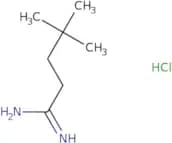
CAS:<p>Versatile small molecule scaffold</p>Formula:C7H17ClN2Purity:Min. 95%Molecular weight:164.7 g/mol2-Iodo-N-(2-phenylethyl)acetamide
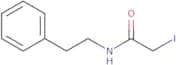
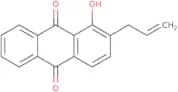
CAS:<p>Versatile small molecule scaffold</p>Formula:C10H12INOPurity:Min. 95%Molecular weight:289.11 g/molR162
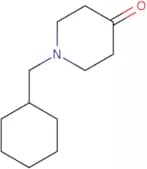
CAS:<p>R162 is a protein that has been identified as an inhibitor of glutamate dehydrogenase, an enzyme that catalyzes the conversion of glutamate to alpha-ketoglutarate. R162 also binds to basic proteins and peptides and has been shown to inhibit the activity of glutamate in vitro. R162 is currently being studied for its potential use in the treatment of cancer and autoimmune diseases.</p>Formula:C17H12O3Purity:Min. 95%Molecular weight:264.28 g/mol1-(Cyclohexylmethyl)piperidin-4-one
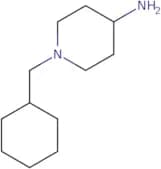
CAS:<p>Versatile small molecule scaffold</p>Formula:C12H21NOPurity:Min. 95%Molecular weight:195.3 g/mol1-Cyclohexylmethyl-piperidin-4-ylamine
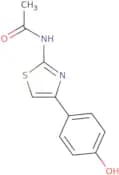
CAS:<p>Versatile small molecule scaffold</p>Formula:C12H24N2Purity:Min. 95%Molecular weight:196.33 g/molN-(4-(4-Hydroxyphenyl)thiazol-2-yl)acetamide
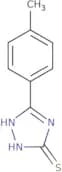
CAS:<p>Versatile small molecule scaffold</p>Formula:C11H10N2O2SPurity:Min. 95%Molecular weight:234.28 g/mol5-(4-Methylphenyl)-4H-1,2,4-triazole-3-thiol
CAS:<p>5-(4-Methylphenyl)-4H-1,2,4-triazole-3-thiol is a crystalline compound that has been shown to form cyclocondensation products with certain amino acids. It also acts as an x-ray diffraction reagent and can be used in the study of the interaction between x-rays and matter. 5-(4-Methylphenyl)-4H-1,2,4-triazole-3-thiol has been shown to react with amino acids such as L -alanine, L -serine, and L -leucine to form new compounds. This reaction is regioselective as it only occurs at the C5 position on the thiazole ring.</p>Formula:C9H9N3SPurity:Min. 95%Molecular weight:191.26 g/mol2-[4-(2-{[(tert-Butoxy)carbonyl]amino}ethyl)phenoxy]acetic acid
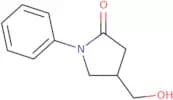
CAS:<p>Versatile small molecule scaffold</p>Formula:C15H21NO5Purity:Min. 95%Molecular weight:295.33 g/mol4-(Hydroxymethyl)-1-phenylpyrrolidin-2-one
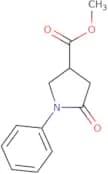
CAS:<p>Versatile small molecule scaffold</p>Formula:C11H13NO2Purity:Min. 95%Molecular weight:191.23 g/molMethyl 5-oxo-1-phenylpyrrolidine-3-carboxylate
CAS:<p>Versatile small molecule scaffold</p>Formula:C12H13NO3Purity:Min. 95%Molecular weight:219.24 g/mol3-[3-(Trifluoromethyl)phenyl]piperidine
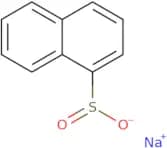
CAS:<p>Versatile small molecule scaffold</p>Formula:C12H14F3NPurity:Min. 95%Molecular weight:229.24 g/molSodium naphthalene-1-sulfinate
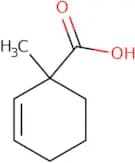
CAS:<p>Sodium naphthalene-1-sulfinate is an additive that can be used in the synthesis of pyrazoles and sulfonyl derivatives. It is a reagent for the sulfonylation of aromatic substrates, including tosylates, sulfones, and sulfoxides. Sodium naphthalene-1-sulfinate is also used as a solvent in mediated reactions. The functionalities of this compound are its ability to yield peroxides through oxidation with air or hydrogen peroxide. This compound can also be used as a synlett reagent in an advanced approach to synthesize functionalized pyrazoles.</p>Formula:C10H7NaO2SPurity:Min. 95%Molecular weight:214.22 g/mol1-Methylcyclohex-2-ene-1-carboxylic acid
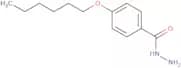
CAS:<p>Versatile small molecule scaffold</p>Formula:C8H12O2Purity:Min. 95%Molecular weight:140.18 g/mol4-(Hexyloxy)benzohydrazide
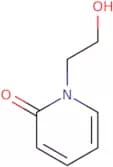
CAS:<p>4-(Hexyloxy)benzohydrazide is a chloride salt that is used as an antibacterial agent. It has been shown to be active against both Gram-positive and Gram-negative bacteria. 4-(Hexyloxy)benzohydrazide has also been shown to be effective against strains of methicillin-resistant Staphylococcus aureus (MRSA). This compound is prepared by reacting formaldehyde with hexahydrated 4-methoxybenzaldehyde in water, followed by crystallization from water or acetone. The crystals are colorless and have a melting point of 177 °C. 4-(Hexyloxy)benzohydrazide has a low solubility in water, but its solubility increases when it is mixed with other compounds such as acetaldehyde, which may contribute to its antimicrobial activity.</p>Formula:C13H20N2O2Purity:Min. 95%Molecular weight:236.32 g/mol1-(2-Hydroxyethyl)-1,2-dihydropyridin-2-one
CAS:<p>Versatile small molecule scaffold</p>Formula:C7H9NO2Purity:Min. 95%Molecular weight:139.15 g/mol2-[(6-Chloropyrazin-2-yl)oxy]ethan-1-ol
CAS:<p>Versatile small molecule scaffold</p>Formula:C6H7ClN2O2Purity:Min. 95%Molecular weight:174.58 g/mol2-(2-(2H-Benzo[d][1,2,3]triazol-2-yl)-4-methylphenoxy)acetic acid
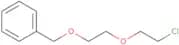
CAS:<p>Versatile small molecule scaffold</p>Formula:C15H13N3O3Purity:Min. 95%Molecular weight:283.28 g/mol((2-(2-Chloroethoxy)ethoxy)methyl)benzene
CAS:<p>Versatile small molecule scaffold</p>Formula:C11H15ClO2Purity:Min. 95%Molecular weight:214.69 g/mol[4-(2-Amino-ethyl)-phenyl]-methanol
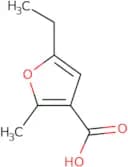
CAS:<p>Versatile small molecule scaffold</p>Formula:C9H13NOPurity:Min. 95%Molecular weight:151.21 g/mol5-Ethyl-2-methyl-furan-3-carboxylic acid
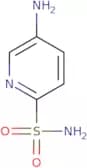
CAS:<p>Versatile small molecule scaffold</p>Formula:C8H10O3Purity:Min. 95%Molecular weight:154.16 g/mol5-Aminopyridine-2-sulfonamide
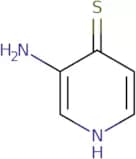
CAS:<p>5-Aminopyridine-2-sulfonamide (5APS) is an inhibitor of carbonic anhydrase. It binds to the active site of the enzyme, which is a cavity in the protein's surface, and prevents the conversion of CO2 to HCO3-. The inhibition of this process leads to a decrease in the production of bicarbonate ions and an increase in acidity. 5APS has been shown to have inhibitory properties against several isoforms of carbonic anhydrase, including those found in bacteria and erythrocytes. X-ray crystallographic studies have led to the rationalization of its binding mode within the active site. 5APS has been shown to be effective as a treatment for glaucoma by reducing intraocular pressure.</p>Formula:C5H7N3O2SPurity:Min. 95%Molecular weight:173.19 g/mol3-Aminopyridine-4-thiol
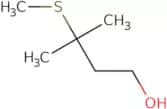
CAS:<p>Versatile small molecule scaffold</p>Formula:C5H6N2SPurity:Min. 95%Molecular weight:126.18 g/mol3-Methyl-3-(methylsulfanyl)butan-1-ol
CAS:<p>3-Methyl-3-(methylsulfanyl)butan-1-ol is a metabolite of felinine, which is an amino acid that is only found in cats. It has been shown to be a urinary protein in laboratory mice and to have a physiological effect on the animals. The major metabolic pathway of 3-methyl-3-(methylsulfanyl)butan-1-ol is via the enzyme hplc analysis, which converts it into 3-mercapto-3-methyl-1-butanol. 3MSB has also been shown to be an intermediate in the synthesis of amines, such as serotonin and dopamine.</p>Formula:C6H14OSPurity:Min. 95%Molecular weight:134.24 g/mol5-Isopropyl-1,3-oxazole-4-carboxylic acid
CAS:<p>Versatile small molecule scaffold</p>Formula:C7H9NO3Purity:Min. 95%Molecular weight:155.15 g/mol4-Isopropylphenyl isothiocyanate
CAS:<p>4-Isopropylphenyl isothiocyanate (4IPI) is a potent inhibitor of leukotriene biosynthesis. It inhibits the enzyme 5-lipoxygenase, which converts arachidonic acid to leukotrienes. 4IPI has been shown to inhibit the production of leukotrienes in animals. This compound has also been shown to be an effective inhibitor of benzothiazole and benzoxazole synthesis in vitro.<br>4IPI is used for research purposes and has not been approved for use as a medication in humans.</p>Formula:C10H11NSPurity:Min. 95%Molecular weight:177.27 g/mol6-Chloro-N-methylpyridin-2-amine
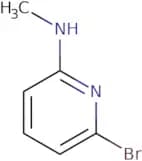
CAS:<p>Chloramine-T is an organic solvent that can be used as a dehydrohalogenating agent in the synthesis of medicines. It is also used in the production of dichloropyridine, which are medicines. The average particle diameter of chloramine-T is about 1.5 micrometers. This agent has been shown to react with alkali metals and alicyclic compounds, such as benzene and cyclohexane. Chloramine-T has also been shown to react with aromatic hydrocarbons, such as phenol and aniline, forming a product known as chlorophenols. Chloramine-T is soluble in hydrocarbon solvents including aliphatic hydrocarbons (such as hexane) and synthetic solvents (such as tetrahydrofuran).</p>Formula:C6H7ClN2Purity:Min. 95%Molecular weight:142.59 g/mol6-Bromo-2-methylaminopyridine
CAS:<p>Versatile small molecule scaffold</p>Formula:C6H7BrN2Purity:Min. 95%Molecular weight:187.04 g/mol3,4-Dihydroxy-5-methoxybenzonitrile
CAS:<p>Versatile small molecule scaffold</p>Formula:C8H7NO3Purity:Min. 95%Molecular weight:165.15 g/mol2-Oxo-1,3-oxazolidine-4-carboxylic acid
CAS:<p>2-Oxo-1,3-oxazolidine-4-carboxylic acid is a chemical compound that belongs to the group of organic solvents. It is a racemic mixture of two stereoisomers that are mirror images of one another. This compound has been shown to have antifungal properties, inhibiting the growth of Talaromyces and Curvularia. 2-Oxo-1,3-oxazolidine-4-carboxylic acid has also been shown to be effective against Achromobacter and Racemizea species and to inhibit the growth of Pseudomonas aeruginosa. The conformation of this molecule is an acidic pseudopeptide with a sulfur atom at C2.</p>Formula:C4H5NO4Purity:Min. 95%Molecular weight:131.09 g/mol2-Amino-5-chloropyrimidin-4-ol
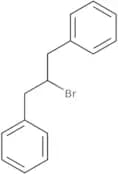
CAS:<p>Versatile small molecule scaffold</p>Formula:C4H4ClN3OPurity:Min. 95%Molecular weight:145.55 g/mol(2-Bromo-3-phenylpropyl)benzene
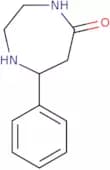
CAS:<p>Versatile small molecule scaffold</p>Formula:C15H15BrPurity:Min. 95%Molecular weight:275.18 g/mol7-Phenyl-1,4-diazepan-5-one
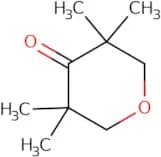
CAS:<p>Versatile small molecule scaffold</p>Formula:C11H14N2OPurity:Min. 95%Molecular weight:190.24 g/mol3,3,5,5-Tetramethyloxan-4-one
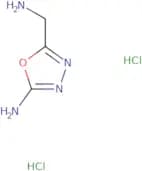
CAS:<p>Versatile small molecule scaffold</p>Formula:C9H16O2Purity:Min. 95%Molecular weight:156.22 g/mol5-(Aminomethyl)-1,3,4-oxadiazol-2-amine dihydrochloride
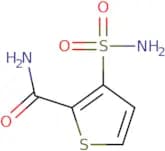
CAS:<p>Versatile small molecule scaffold</p>Formula:C3H8Cl2N4OPurity:Min. 95%Molecular weight:187.03 g/mol3-Sulfamoylthiophene-2-carboxamide
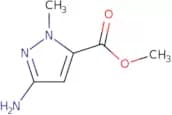
CAS:<p>Versatile small molecule scaffold</p>Formula:C5H6N2O3S2Purity:Min. 95%Molecular weight:206.2 g/molmethyl 3-amino-1-methyl-1H-pyrazole-5-carboxylate
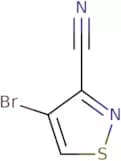
CAS:<p>Versatile small molecule scaffold</p>Formula:C6H9N3O2Purity:Min. 95%Molecular weight:155.15 g/mol4-Bromo-1,2-thiazole-3-carbonitrile
CAS:<p>Versatile small molecule scaffold</p>Formula:C4HBrN2SPurity:Min. 95%Molecular weight:189.04 g/mol2-Bromo-3-methoxyprop-1-ene
CAS:<p>Versatile small molecule scaffold</p>Formula:C4H7BrOPurity:Min. 95%Molecular weight:151 g/mol1-(2-Fluorophenyl)-1H-pyrrole
CAS:<p>1-(2-Fluorophenyl)-1H-pyrrole is a nucleophilic aromatic amine that reacts with chloride to form the 1-(2-fluorophenyl)pyrrole chloride. It has been used in the synthesis of benzoxazines and alcohols. The product yield is high and it is reusable. It also reacts with choline chloride to form the 1-(2-chlorophenyl)-1H-pyrrole chloride, which can be hydrolyzed into choline and fluorine. This compound can also be used in the preparation of a choline eutectic mixture, which is a liquid mixture of chloroform and ether that freezes at -26°C.</p>Formula:C10H8FNPurity:Min. 95%Molecular weight:161.18 g/molHex-5-en-2-yl methanesulfonate
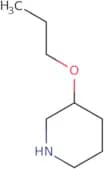
CAS:<p>Versatile small molecule scaffold</p>Formula:C7H16O4SPurity:Min. 95%Molecular weight:196.27 g/mol3-Propoxy-piperidine
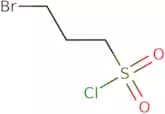
CAS:<p>Versatile small molecule scaffold</p>Formula:C8H17NOPurity:Min. 95%Molecular weight:143.23 g/mol3-Bromopropane-1-sulfonyl chloride
CAS:<p>Versatile small molecule scaffold</p>Formula:C3H6BrClO2SPurity:Min. 95%Molecular weight:221.5 g/mol4-Bromo-5-hydrazinyl-2,3-dihydropyridazin-3-one
CAS:<p>Versatile small molecule scaffold</p>Formula:C4H5BrN4OPurity:Min. 95%Molecular weight:205.01 g/mol3-thiomorpholinone 1,1-dioxide
CAS:<p>Versatile small molecule scaffold</p>Formula:C4H7NO3SPurity:Min. 95%Molecular weight:149.17 g/mol1-Ethyl-2-methyl-4-nitro-1H-imidazole
CAS:<p>Versatile small molecule scaffold</p>Formula:C6H9N3O2Purity:Min. 95%Molecular weight:155.15 g/mol3-(3-Oxo-2,3-dihydro-1,2-benzothiazol-2-yl)propanoic acid
CAS:<p>Versatile small molecule scaffold</p>Formula:C10H9NO3SPurity:Min. 95%Molecular weight:223.25 g/mol4-(3-Oxo-2,3-dihydro-1,2-benzothiazol-2-yl)butanoic acid
CAS:<p>Versatile small molecule scaffold</p>Formula:C11H11NO3SPurity:Min. 95%Molecular weight:237.28 g/mol1-(4-Propoxyphenyl)-2,5-dihydro-1H-pyrrole-2,5-dione
CAS:<p>Versatile small molecule scaffold</p>Formula:C13H13NO3Purity:Min. 95%Molecular weight:231.25 g/mol(5-Cyanofuran-2-yl)methyl acetate
CAS:<p>Versatile small molecule scaffold</p>Formula:C8H7NO3Purity:Min. 95%Molecular weight:165.15 g/mol5-(Hydroxymethyl)furan-2-carbonitrile
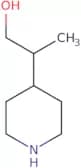
CAS:<p>Ammonium hydroxide reacts with 5-hydroxymethylfurfural in the presence of a catalyst to produce 5-(hydroxymethyl)furan-2-carbonitrile. The reaction is catalyzed by copper and zinc oxide at high temperature, and the product is obtained as a mixture of cis and trans isomers. The yield of the reaction can be increased by using an excess of ammonia as the nitrogen source. Kinetic experiments have shown that the rate determining step for this reaction is hydration. Furfural oxidation takes place in aerobic conditions in the presence of a refluxing solution of ammonium chloride.</p>Formula:C6H5NO2Purity:Min. 95%Molecular weight:123.11 g/mol2-(Piperidin-4-yl)propan-1-ol
CAS:<p>Versatile small molecule scaffold</p>Formula:C8H17NOPurity:Min. 95%Molecular weight:143.23 g/mol2-(2-(Piperidin-4-yl)ethyl)isothiazolidine 1,1-dioxide hydrochloride
CAS:<p>Versatile small molecule scaffold</p>Formula:C10H21ClN2O2SPurity:Min. 95%Molecular weight:268.8 g/mol1-Boc-4-(2-iodoethyl)piperidine
CAS:<p>Versatile small molecule scaffold</p>Formula:C12H22INO2Purity:Min. 95%Molecular weight:339.21 g/mol5-Amino-3-tert-butylisothiazole
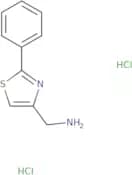
CAS:<p>Versatile small molecule scaffold</p>Formula:C7H12N2SPurity:Min. 95%Molecular weight:156.25 g/mol(2-Phenyl-1,3-thiazol-4-yl)methanamine dihydrochloride
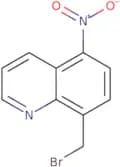
CAS:<p>Versatile small molecule scaffold</p>Formula:C10H12Cl2N2SPurity:Min. 95%Molecular weight:263.19 g/mol8-(Bromomethyl)-5-nitroquinoline
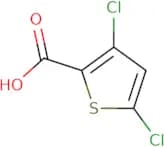
CAS:<p>Versatile small molecule scaffold</p>Formula:C10H7BrN2O2Purity:Min. 95%Molecular weight:267.08 g/mol3,5-Dichlorothiophene-2-carboxylic acid
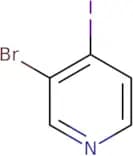
CAS:<p>Versatile small molecule scaffold</p>Formula:C5H2Cl2O2SPurity:Min. 95%Molecular weight:197.03 g/mol3-Bromo-4-iodopyridine
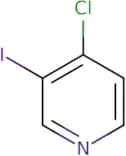
CAS:<p>3-Bromo-4-iodopyridine is a molecule that regulates the positioning of molecules. It has two different isomers, which have different conformational and intramolecular hydrogen bonding properties. 3-Bromo-4-iodopyridine is synthesized by reacting 3-bromopyridine with iodine monochloride in the presence of sodium hydroxide. This reaction produces a mixture of the two isomers, which can be separated using fractional crystallization or chromatography. 3-Bromo-4-iodopyridine has been shown to stabilize low efficiency solar cells.</p>Formula:C5H3BrINPurity:Min. 95%Molecular weight:283.89 g/mol4-Chloro-3-iodopyridine
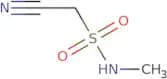
CAS:<p>4-Chloro-3-iodopyridine is a heterocyclic compound that has been used in the synthesis of tripeptides. 4-Chloro-3-iodopyridine can be synthesized by the cross-coupling of an unsymmetrical quinoline derivative and an iodide. This reaction is catalyzed by copper and produces a mixture of regioisomers. The isolated yield obtained from this synthesis was low, with only 3% being the desired product. The synthesis of 4-chloro-3-iodopyridine was also shown to have high yields when using anthracene as a starting material and halopyridines as coupling partners.</p>Formula:C5H3ClINPurity:Min. 95%Molecular weight:239.44 g/mol1-Cyano-N-methylmethanesulfonamide
CAS:<p>Versatile small molecule scaffold</p>Formula:C3H6N2O2SPurity:Min. 95%Molecular weight:134.16 g/mol7-Methoxy-1H,2H,3H,4H-cyclopenta[b]indole
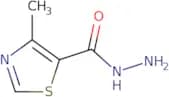
CAS:<p>Versatile small molecule scaffold</p>Formula:C12H13NOPurity:Min. 95%Molecular weight:187.24 g/mol4-Methyl-1,3-thiazole-5-carbohydrazide
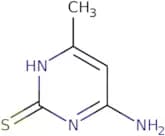
CAS:<p>4-Methyl-1,3-thiazole-5-carbohydrazide (MTZ) is a crystalline solid that has been shown to be stable in water and other polar solvents. It has been used as a precursor for the synthesis of sulfonyl chloride compounds. MTZ can be prepared by reacting benzenesulfonyl chloride with methyl iodide in the presence of potassium carbonate. This reaction results in an intermolecular S2 substitution on the benzene ring, which is stabilized by hydrogen bonding. MTZ reacts with Cl and Br to form chlorides and bromides respectively.</p>Formula:C5H7N3OSPurity:Min. 95%Molecular weight:157.2 g/mol4-Amino-6-methylpyrimidine-2-thiole
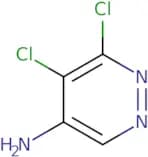
CAS:<p>4-Amino-6-methylpyrimidine-2-thiole is a macrocyclic, polyhedra ligand that interacts with the extracellular domain of lipase. It has been shown to be bacteriostatic against Staphylococcus aureus and other bacteria. 4-Amino-6-methylpyrimidine-2-thiole can bind to the active site of the lipase and inhibit its function by preventing the release of fatty acids from chylomicrons and triglycerides. This drug also inhibits bacterial growth by binding to nucleobases, which are essential for DNA synthesis and transcription.</p>Formula:C5H7N3SPurity:Min. 95%Molecular weight:141.19 g/mol5,6-dichloropyridazin-4-amine
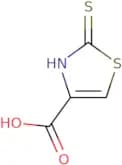
CAS:<p>5,6-Dichloropyridazin-4-amine is an aminopyridazine that has been synthesized and studied as a potential therapeutic agent. It is a quinone with an azide group. The synthesis of 5,6-dichloropyridazin-4-amine can be achieved by reacting pyridazine with sulfuric acid, followed by the addition of chlorine and then ammonia. This reaction produces a mixture of the desired product, 5,6-dichloropyridazin-4-amine and other products such as 5,6-dichloroquinoxaline. This compound has shown to have antihypertensive activity in rats and may also have some medicinal properties due to its ability to inhibit the synthesis of betaines.</p>Formula:C4H3Cl2N3Purity:Min. 95%Molecular weight:164 g/mol2-Sulfanyl-1,3-thiazole-4-carboxylic acid
CAS:<p>2-Sulfanyl-1,3-thiazole-4-carboxylic acid is a receptor binding compound that has been shown to bind to the prostaglandin E4 (EP4) receptor. This compound is an analog of prostaglandin F2α and has been shown to inhibit the binding of subtype EP4 receptors in a receptor binding assay. The structure activity relationship (SAR) of 2-sulfanyl-1,3-thiazole-4-carboxylic acid has been evaluated and optimized for maximum binding affinity with the EP4 receptor. These changes were found to be most effective in lowering blood pressure in rats.</p>Formula:C4H3NO2S2Purity:Min. 95%Molecular weight:161.2 g/mol5-Chloro-3-(2-methoxyethyl)-1,2,4-thiadiazole
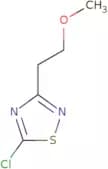
CAS:<p>Versatile small molecule scaffold</p>Formula:C5H7ClN2OSPurity:Min. 95%Molecular weight:178.64 g/mol5-Chloro-3-propyl-1,2,4-thiadiazole
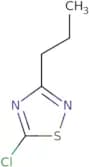
CAS:<p>Versatile small molecule scaffold</p>Formula:C5H7ClN2SPurity:Min. 95%Molecular weight:162.64 g/mol3-Amino-1-methyl-1H-pyrazole-4-carboxamide
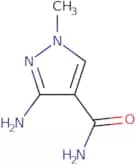
CAS:<p>Versatile small molecule scaffold</p>Formula:C5H8N4OPurity:Min. 95%Molecular weight:140.15 g/mol7-Methyl-2-phenylimidazo[1,2-a]pyridin-3-amine
CAS:<p>Versatile small molecule scaffold</p>Formula:C14H13N3Purity:Min. 95%Molecular weight:223.27 g/mol
![2,3-Dihydro-benzo[b]thiophen-3-amine 1,1-dioxide hydrochloride](/_next/image/?url=https%3A%2Fstatic.cymitquimica.com%2Fproducts%2F3D%2Fthumb-webp%2FPAA61343.webp&w=3840&q=75)

![Thieno[3,4-b]thiophene-2-carboxylic acid](/_next/image/?url=https%3A%2Fstatic.cymitquimica.com%2Fproducts%2F3D%2Fthumb-webp%2FPAA63008.webp&w=3840&q=75)

![N-[(2-Methylphenyl)methylidene]hydroxylamine](/_next/image/?url=https%3A%2Fstatic.cymitquimica.com%2Fproducts%2F3D%2Fthumb-webp%2FPAA68379.webp&w=3840&q=75)

![6-Methoxy-2-methylimidazo[1,2-b]pyridazine-3-carboxylic acid](/_next/image/?url=https%3A%2Fstatic.cymitquimica.com%2Fproducts%2F3D%2Fthumb-webp%2FPAA71423.webp&w=3840&q=75)
![Spiro[4.4]nonan-1-one](/_next/image/?url=https%3A%2Fstatic.cymitquimica.com%2Fproducts%2F3D%2Fthumb-webp%2FPAA72758.webp&w=3840&q=75)


![5-[(4-Methylphenyl)amino]-1,3,4-thiadiazole-2-thiol](/_next/image/?url=https%3A%2Fstatic.cymitquimica.com%2Fproducts%2F3D%2Fthumb-webp%2FPAA73125.webp&w=3840&q=75)


![2-[2-(Methoxycarbonyl)phenyl]acetic acid](/_next/image/?url=https%3A%2Fstatic.cymitquimica.com%2Fproducts%2F3D%2Fthumb-webp%2FPAA73649.webp&w=3840&q=75)


![2-[(1,3-Thiazol-2-yl)amino]ethan-1-ol](/_next/image/?url=https%3A%2Fstatic.cymitquimica.com%2Fproducts%2F3D%2Fthumb-webp%2FPAA74701.webp&w=3840&q=75)


![4-Chlorofuro[2,3-d]pyridazine](/_next/image/?url=https%3A%2Fstatic.cymitquimica.com%2Fproducts%2F3D%2Fthumb-webp%2FPAA75781.webp&w=3840&q=75)
![7-Chlorofuro[2,3-d]pyridazine](/_next/image/?url=https%3A%2Fstatic.cymitquimica.com%2Fproducts%2F3D%2Fthumb-webp%2FPAA75789.webp&w=3840&q=75)

![1-Piperidino-2-[4]piperidyl-ethane](/_next/image/?url=https%3A%2Fstatic.cymitquimica.com%2Fproducts%2F3D%2Fthumb-webp%2FPAA75909.webp&w=3840&q=75)
![2-[(4-Methylphenyl)sulfanyl]acetohydrazide](/_next/image/?url=https%3A%2Fstatic.cymitquimica.com%2Fproducts%2F3D%2Fthumb-webp%2FPAA77665.webp&w=3840&q=75)
![7-Methylbenzo[d]thiazol-2-amine](/_next/image/?url=https%3A%2Fstatic.cymitquimica.com%2Fproducts%2F3D%2Fthumb-webp%2FPAA77918.webp&w=3840&q=75)

![5-Nitrobenzo[d]oxazol-2-amine](/_next/image/?url=https%3A%2Fstatic.cymitquimica.com%2Fproducts%2F3D%2Fthumb-webp%2FPCA03716.webp&w=3840&q=75)


![5-Methyl-2H,3H-[1,2,4]triazolo[3,4-b][1,3]thiazol-3-one](/_next/image/?url=https%3A%2Fstatic.cymitquimica.com%2Fproducts%2F3D%2Fthumb-webp%2FPCA04059.webp&w=3840&q=75)
![5-[(3-Methoxyphenyl)sulfanyl]pyridin-2-amine](/_next/image/?url=https%3A%2Fstatic.cymitquimica.com%2Fproducts%2F3D%2Fthumb-webp%2FPCA06436.webp&w=3840&q=75)
![6-Methoxyimidazo[1,2-b]pyridazine-2-carboxylic acid](/_next/image/?url=https%3A%2Fstatic.cymitquimica.com%2Fproducts%2F3D%2Fthumb-webp%2FPCA06809.webp&w=3840&q=75)

![2-{Bicyclo[2.2.1]heptan-2-yl}acetonitrile](/_next/image/?url=https%3A%2Fstatic.cymitquimica.com%2Fproducts%2F3D%2Fthumb-webp%2FPCA11809.webp&w=3840&q=75)
![2-{4-Chloro-1H-pyrazolo[3,4-d]pyrimidin-1-yl}ethan-1-ol](/_next/image/?url=https%3A%2Fstatic.cymitquimica.com%2Fproducts%2F3D%2Fthumb-webp%2FPCA12715.webp&w=3840&q=75)
amine](/_next/image/?url=https%3A%2Fstatic.cymitquimica.com%2Fproducts%2F3D%2Fthumb-webp%2FPCA13752.webp&w=3840&q=75)
![Diethyl[(piperidin-2-yl)methyl]amine](/_next/image/?url=https%3A%2Fstatic.cymitquimica.com%2Fproducts%2F3D%2Fthumb-webp%2FPCA16809.webp&w=3840&q=75)
![Spiro[benzo[d][1,3]dioxole-2,1'-cyclohexan]-5-amine](/_next/image/?url=https%3A%2Fstatic.cymitquimica.com%2Fproducts%2F3D%2Fthumb-webp%2FPCA17941.webp&w=3840&q=75)

![2-[(3-Fluorophenyl)amino]acetonitrile](/_next/image/?url=https%3A%2Fstatic.cymitquimica.com%2Fproducts%2F3D%2Fthumb-webp%2FPCA20453.webp&w=3840&q=75)



![3-{[5-(4-Nitrophenyl)furan-2-yl]methylidene}-2,3-dihydro-1H-indol-2-one](/_next/image/?url=https%3A%2Fstatic.cymitquimica.com%2Fproducts%2F3D%2Fthumb-webp%2FPCA25883.webp&w=3840&q=75)
![5-Bromo-2,3-dihydro-benzo[b]thiophene 1,1-dioxide](/_next/image/?url=https%3A%2Fstatic.cymitquimica.com%2Fproducts%2F3D%2Fthumb-webp%2FPCA26076.webp&w=3840&q=75)
![2-[Methyl-[(2-methylpropan-2-yl)oxycarbonyl]amino]-3-phenyl-propanoic acid](/_next/image/?url=https%3A%2Fstatic.cymitquimica.com%2Fproducts%2F3D%2Fthumb-webp%2FPCA26383.webp&w=3840&q=75)



![2-[4-(2-{[(tert-Butoxy)carbonyl]amino}ethyl)phenoxy]acetic acid](/_next/image/?url=https%3A%2Fstatic.cymitquimica.com%2Fproducts%2F3D%2Fthumb-webp%2FPCA31833.webp&w=3840&q=75)
![3-[3-(Trifluoromethyl)phenyl]piperidine](/_next/image/?url=https%3A%2Fstatic.cymitquimica.com%2Fproducts%2F3D%2Fthumb-webp%2FPCA32145.webp&w=3840&q=75)
![2-[(6-Chloropyrazin-2-yl)oxy]ethan-1-ol](/_next/image/?url=https%3A%2Fstatic.cymitquimica.com%2Fproducts%2F3D%2Fthumb-webp%2FPCA33221.webp&w=3840&q=75)
![2-(2-(2H-Benzo[d][1,2,3]triazol-2-yl)-4-methylphenoxy)acetic acid](/_next/image/?url=https%3A%2Fstatic.cymitquimica.com%2Fproducts%2F3D%2Fthumb-webp%2FPCA34149.webp&w=3840&q=75)
![[4-(2-Amino-ethyl)-phenyl]-methanol](/_next/image/?url=https%3A%2Fstatic.cymitquimica.com%2Fproducts%2F3D%2Fthumb-webp%2FPCA35330.webp&w=3840&q=75)










![7-Methoxy-1H,2H,3H,4H-cyclopenta[b]indole](/_next/image/?url=https%3A%2Fstatic.cymitquimica.com%2Fproducts%2F3D%2Fthumb-webp%2FPDA16957.webp&w=3840&q=75)
![7-Methyl-2-phenylimidazo[1,2-a]pyridin-3-amine](/_next/image/?url=https%3A%2Fstatic.cymitquimica.com%2Fproducts%2F3D%2Fthumb-webp%2FPDA18545.webp&w=3840&q=75)