Building Blocks
This section contains fundamental products for the synthesis of organic and biological compounds. Building blocks are the essential starting materials used to construct complex molecules through various chemical reactions. They play a critical role in drug discovery, material science, and chemical research. At CymitQuimica, we offer a diverse range of high-quality building blocks to support your innovative research and industrial projects, ensuring you have the essential components for successful synthesis.
Subcategories of "Building Blocks"
- Boronic Acids & Boronic Acid Derivatives(5,756 products)
- Chiral Building Blocks(1,242 products)
- Hydrocarbon Building Blocks(6,095 products)
- Organic Building Blocks(60,526 products)
Found 195848 products of "Building Blocks"
Sort by
Purity (%)
0
100
|
0
|
50
|
90
|
95
|
100
9H-Pyrido[2,3-b]indol-7-ol
CAS:<p>Versatile small molecule scaffold</p>Formula:C11H8N2OPurity:Min. 95%Molecular weight:184.19 g/mol(2-chloropyrimidin-5-yl)methanamine hcl
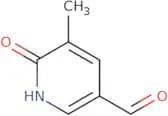
CAS:<p>Versatile small molecule scaffold</p>Formula:C5H7Cl2N3Purity:Min. 95%Molecular weight:180.03 g/mol6-Hydroxy-5-methylpyridine-3-carbaldehyde
CAS:<p>Versatile small molecule scaffold</p>Formula:C7H7NO2Purity:Min. 95%Molecular weight:137.14 g/mol2-Methylimidazo[1,2-a]pyrazine-8-carboxylic acid
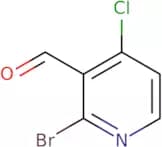
CAS:<p>Versatile small molecule scaffold</p>Formula:C8H7N3O2Purity:Min. 95%Molecular weight:177.16 g/mol2-Bromo-4-chloropyridine-3-carboxaldehyde
CAS:<p>2-Bromo-4-chloropyridine-3-carboxaldehyde is a synthetic compound that has been shown to inhibit the kinase activity of the tyrosine kinase receptor, a protein that regulates cell growth and differentiation. It was developed as a potential treatment for autoimmune diseases, including erythematosus and rheumatoid arthritis. This drug has been studied in clinical trials as an oral agent with good pharmacokinetic properties and was found to be safe and well tolerated at doses up to 1000mg per day. These studies have shown promising results in early phase 2 clinical trials.</p>Formula:C6H3BrClNOPurity:Min. 95%Molecular weight:220.45 g/mol4-(Dimethylamino)-3-formylbenzonitrile
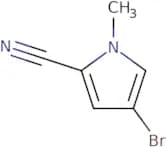
CAS:<p>Versatile small molecule scaffold</p>Formula:C10H10N2OPurity:Min. 95%Molecular weight:174.2 g/mol4-bromo-1-methyl-1H-pyrrole-2-carbonitrile
CAS:<p>Versatile small molecule scaffold</p>Formula:C6H5BrN2Purity:Min. 95%Molecular weight:185.02 g/mol5-Bromo-N-(4-methylphenyl)pyrimidin-2-amine
CAS:<p>Versatile small molecule scaffold</p>Formula:C11H10BrN3Purity:Min. 95%Molecular weight:264.12 g/mol8-Bromo-3-chloroimidazo[1,2-a]pyridine
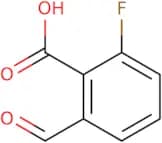
CAS:<p>Versatile small molecule scaffold</p>Formula:C7H4BrClN2Purity:Min. 95%Molecular weight:231.48 g/mol2-fluoro-6-formylbenzoic acid
CAS:<p>Versatile small molecule scaffold</p>Formula:C8H5FO3Purity:Min. 95%Molecular weight:168.1 g/mol3-(3-Bromo-1H-pyrazol-1-yl)propanenitrile
CAS:<p>Versatile small molecule scaffold</p>Formula:C6H6BrN3Purity:Min. 95%Molecular weight:200.04 g/molImidazo[1,2-a]pyrazin-2-amine
CAS:<p>Versatile small molecule scaffold</p>Formula:C6H6N4Purity:Min. 95%Molecular weight:134.14 g/moltert-Butyl 2-[(ethylamino)methyl]pyrrolidine-1-carboxylate
CAS:<p>Versatile small molecule scaffold</p>Formula:C12H24N2O2Purity:Min. 95%Molecular weight:228.33 g/mol(1R,4R)-4-[(Pyrazin-2-yl)amino]cyclohexan-1-ol
CAS:<p>Versatile small molecule scaffold</p>Formula:C10H15N3OPurity:Min. 95%Molecular weight:193.25 g/molMethyl-[1-(1-pyridin-2-yl-ethyl)-piperidin-4-yl]-amine hydrochloride
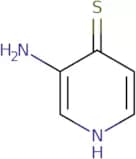
CAS:<p>Versatile small molecule scaffold</p>Formula:C13H22ClN3Purity:Min. 95%Molecular weight:255.79 g/mol3-Aminopyridine-4-thiol
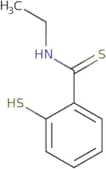
CAS:<p>Versatile small molecule scaffold</p>Formula:C5H6N2SPurity:Min. 95%Molecular weight:126.18 g/molN-Ethyl-2-sulfanylbenzene-1-carbothioamide
CAS:<p>Versatile small molecule scaffold</p>Formula:C9H11NS2Purity:Min. 95%Molecular weight:197.3 g/mol1-((Benzyloxy)carbonyl)-2-methylpiperidine-2-carboxylic acid
CAS:<p>Versatile small molecule scaffold</p>Formula:C15H19NO4Purity:Min. 95%Molecular weight:277.31 g/mol7-benzyl-3-thia-7-azabicyclo[3.3.1]nonan-9-one
CAS:<p>7-benzyl-3-thia-7-azabicyclo[3.3.1]nonan-9-one (7BAN) is a compound that has been shown to have antiarrhythmic effects in animal models. The conformational stability of 7BAN has been determined by single crystal x-ray diffraction data, and the conformers have been determined by conformational analysis. The conformation of this drug is stabilized by the benzyl group and the azabicyclo group, which are responsible for its antiarrhythmic activity.</p>Formula:C14H17NOSPurity:Min. 95%Molecular weight:247.36 g/mol3-(Ethylsulfanyl)benzonitrile
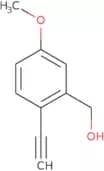
CAS:<p>Versatile small molecule scaffold</p>Formula:C9H9NSPurity:Min. 95%Molecular weight:163.24 g/mol(2-Ethynyl-5-methoxyphenyl)methanol
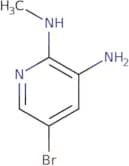
CAS:<p>Versatile small molecule scaffold</p>Formula:C10H10O2Purity:Min. 95%Molecular weight:162.19 g/mol5-Bromo-2-N-methylpyridine-2,3-diamine
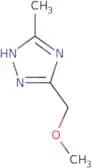
CAS:<p>Versatile small molecule scaffold</p>Formula:C6H8BrN3Purity:Min. 95%Molecular weight:202.05 g/mol5-(Methoxymethyl)-3-methyl-1H-1,2,4-triazole
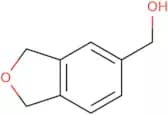
CAS:<p>Versatile small molecule scaffold</p>Formula:C5H9N3OPurity:Min. 95%Molecular weight:127.14 g/mol(1,3-dihydro-2-benzofuran-5-yl)methanol
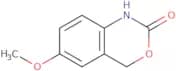
CAS:<p>Versatile small molecule scaffold</p>Formula:C9H10O2Purity:Min. 95%Molecular weight:150.18 g/mol6-Methoxy-2,4-dihydro-1H-3,1-benzoxazin-2-one
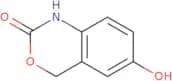
CAS:<p>Versatile small molecule scaffold</p>Formula:C9H9NO3Purity:Min. 95%Molecular weight:179.17 g/mol6-Hydroxy-2,4-dihydro-1H-3,1-benzoxazin-2-one
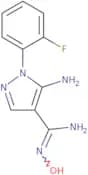
CAS:<p>Versatile small molecule scaffold</p>Formula:C8H7NO3Purity:Min. 95%Molecular weight:165.15 g/mol5-Amino-1-(2-fluorophenyl)-N'-hydroxy-1H-pyrazole-4-carboximidamide
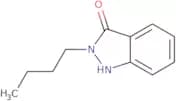
CAS:<p>Versatile small molecule scaffold</p>Formula:C10H10FN5OPurity:Min. 95%Molecular weight:235.22 g/mol2-Butyl-2,3-dihydro-1H-indazol-3-one
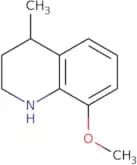
CAS:<p>Versatile small molecule scaffold</p>Formula:C11H14N2OPurity:Min. 95%Molecular weight:190.24 g/mol8-Methoxy-4-methyl-1,2,3,4-tetrahydroquinoline
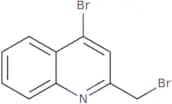
CAS:<p>Versatile small molecule scaffold</p>Formula:C11H15NOPurity:Min. 95%Molecular weight:177.24 g/mol4-Bromo-2-(bromomethyl)quinoline
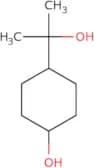
CAS:<p>Versatile small molecule scaffold</p>Formula:C10H7Br2NPurity:Min. 95%Molecular weight:300.98 g/mol4-(2-Hydroxypropan-2-yl)cyclohexan-1-ol
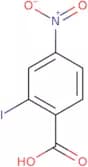
CAS:<p>Versatile small molecule scaffold</p>Formula:C9H18O2Purity:Min. 95%Molecular weight:158.24 g/mol2-iodo-4-nitrobenzoic acid
CAS:<p>2-Iodo-4-nitrobenzoic acid is a synthetic heterocyclic compound with the molecular formula C6H3INO2Cl. It has a picric pharmacophore, which is a structural motif that consists of a trifluoromethyl group and two nitro groups. 2-Iodo-4-nitrobenzoic acid is insoluble in water and hydrochloric acid. It can be synthesized by reacting diphenylmethane with sodium hydroxide solution and then adding hydrochloric acid to the resultant solution. The chemical structure of 2-iodo-4-nitrobenzoic acid appears as an orange crystalline solid in its pure form, but it has not been observed to have any biological activity. The chemical shifts for the methyl protons are between 1.5 and 4 ppm, and the chemical shifts for the hydrogen protons are between 2 and 4 ppm in its nmr spectra.</p>Formula:C7H4INO4Purity:Min. 95%Molecular weight:293 g/molPyridazine-3-carboxylic acid hydrazide
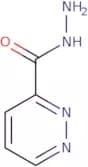
CAS:<p>Pyridazine-3-carboxylic acid hydrazide is a chemical compound that belongs to the class of heterocyclic compounds. It can be synthesized by reacting 3-hydrazinopyridine with pyridine in a process that involves elemental analysis and spectral analysis. This compound has been shown to react with metal ions and form a ligand complex. Pyridazine-3-carboxylic acid hydrazide also has electronic spectra when it reacts with acids and bases, which are related to its formation constants. The parameters of this chemical are given below:</p>Formula:C5H6N4OPurity:Min. 95%Molecular weight:138.13 g/mol5,5-Dimethyl-2,4-pyrrolidinedione
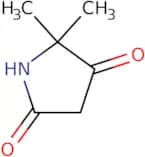
CAS:<p>5,5-Dimethyl-2,4-pyrrolidinedione is the common name for a photochemical reaction that produces the anion of a substituted pyrrole. The reaction starts with a ketone or an aldehyde and two molecules of formaldehyde. This reaction is usually carried out in the presence of light. The efficiency of this process depends on the substituents on the molecule. In some cases, n-substituted pyrroles are more efficient than n-acetylated or n-alkylated pyrroles. If all three substituents are hydrogens, then the reactivity diminishes. 5,5-Dimethyl-2,4-pyrrolidinedione has been used as a precursor to produce 1-(1H)indolium salts and other compounds with antiinflammatory properties by alkylation or methoxycarbonylation reactions.</p>Formula:C6H9NO2Purity:Min. 95%Molecular weight:127.14 g/mol1-Ethyl-1H-pyrazole-3-carboxamide
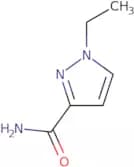
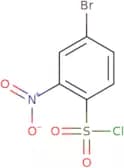
CAS:<p>1-Ethyl-1H-pyrazole-3-carboxamide (1EPC) is a carbonic anhydrase inhibitor. It is used in the treatment of cancer, including lung carcinoma and breast carcinoma. 1EPC inhibits the growth of cancer cells by inhibiting the production of ATP in hypoxic regions of the tumor cell, thereby causing a dose-dependent cytotoxicity effect. This drug also has anticancer effects against fibroblast cells and carcinoma cells, as well as inhibiting the synthesis of DNA and RNA.</p>Formula:C6H9N3OPurity:Min. 95%Molecular weight:139.16 g/mol4-Bromo-2-nitrobenzenesulphonyl chloride
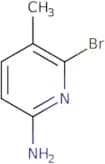
CAS:<p>Versatile small molecule scaffold</p>Formula:C6H3BrClNO4SPurity:Min. 95%Molecular weight:300.51 g/mol6-bromo-5-methylpyridin-2-amine
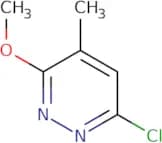
CAS:<p>6-Bromo-5-methylpyridin-2-amine is an imidazopyridine drug that has been shown to inhibit the growth of bacterial strains in vitro. It also binds to the electron density, which may be due to its heteroaromatic ring and ionization potential. 6BMPA is synthesized by reacting 2-chloro-6-bromopyridine with 5-methylpyridinium iodide. For the synthesis of a monomer, 6BMPA is reacted with a second molecule of 5-methylpyridinium iodide, yielding the imidazopyrazine as a product. Drug discovery for this compound has been shown to be promising in animal models.</p>Formula:C6H7BrN2Purity:Min. 95%Molecular weight:187 g/mol6-Chloro-3-Methoxy-4-methylpyridazine
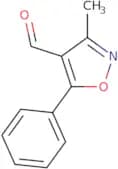
CAS:<p>6-Chloro-3-Methoxy-4-methylpyridazine is an alkoxide of hydrazine. It is a white crystalline solid that melts at 130 °C and has a mp of 138 °C. 6-Chloro-3-Methoxy-4-methylpyridazine is selective for the liver, and has been used in research to study hepatic diseases. It has also been used as an intermediate in the synthesis of other compounds. The 6-chloro group on the pyridine nitrogen atom reacts with phosphorus oxychloride to produce a monohydrate salt, which can be hydrolyzed by refluxing with water to form the oxychloride salt. The chloride atom on the methoxy group can be replaced by chlorine by heating with phosphorus and hydrazine monohydrate. This process is efficient because it produces only one chlorinated product instead of two chlorinated products that are produced when chlorine gas is added directly to</p>Formula:C6H7ClN2OPurity:Min. 95%Molecular weight:158.59 g/mol3-Methyl-5-phenyl-isoxazole-4-carbaldehyde
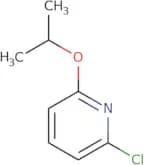
CAS:<p>Versatile small molecule scaffold</p>Formula:C11H9NO2Purity:Min. 95%Molecular weight:187.2 g/mol2-Chloro-6-isopropoxypyridine
CAS:<p>2-Chloro-6-isopropoxypyridine is a reactive organometallic compound that has the ability to form stable, structurally diverse, and often useful compounds. It can be used as an intermediate in the synthesis of substituted pyridines, furans, and other heterocycles. The synthesis of these compounds is usually achieved through cycloaddition reactions with suitably substituted arenes. 2-Chloro-6-isopropoxypyridine can be synthesized by the lithium chloride induced elimination reaction between chloroacetone and isopropyl alcohol at low temperatures. This method is regioselective, in that it gives a mixture of 2-chloro-6-isopropoxypyridine and its diastereoisomer.<br>2CIP produces a mixture of products with different substitution patterns because it undergoes a cycloaddition reaction with substituents on the aromatic ring. The lithiation</p>Formula:C8H10NOClPurity:Min. 95%Molecular weight:171.62 g/mol(2R)-2-{[(tert-Butoxy)carbonyl]amino}-3-cyclopropylpropanoic acid
CAS:<p>Versatile small molecule scaffold</p>Formula:C11H19NO4Purity:Min. 95%Molecular weight:229.27 g/mol2,5-diaza-bicyclo[2.2.1]heptane 2hcl
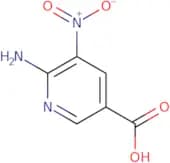
CAS:<p>Versatile small molecule scaffold</p>Formula:C5H12Cl2N2Purity:Min. 95%Molecular weight:171.07 g/mol6-Amino-5-nitronicotinic acid
CAS:<p>Versatile small molecule scaffold</p>Formula:C6H5N3O4Purity:Min. 95%Molecular weight:183.12 g/mol1,4-Diiodo-2-nitrobenzene
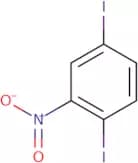
CAS:<p>Versatile small molecule scaffold</p>Formula:C6H3I2NO2Purity:Min. 95%Molecular weight:374.9 g/mol7-Oxo-4H,7H-[1,2,4]triazolo[1,5-a]pyrimidine-6-carbonitrile
CAS:<p>Versatile small molecule scaffold</p>Formula:C6H3N5OPurity:Min. 95%Molecular weight:161.12 g/mol5-Acetamidothiophene-2-carboxylic acid
CAS:<p>Versatile small molecule scaffold</p>Formula:C7H7NO3SPurity:Min. 95%Molecular weight:185.2 g/molMethyl 2-amino-3-hydroxy-2-methylpropanoate hydrochloride
CAS:<p>Versatile small molecule scaffold</p>Formula:C5H12ClNO3Purity:Min. 95%Molecular weight:169.61 g/mol2-{[(tert-Butoxy)carbonyl]amino}-3-hydroxy-2-methylpropanoic acid
CAS:<p>Versatile small molecule scaffold</p>Formula:C9H17NO5Purity:Min. 95%Molecular weight:219.23 g/mol4-Chloro-1,3-thiazole-2-sulfonamide
CAS:<p>Versatile small molecule scaffold</p>Formula:C3H3ClN2O2S2Purity:Min. 95%Molecular weight:198.7 g/mol1,3-Thiazole-4-sulfonamide
CAS:<p>1,3-Thiazole-4-sulfonamide is an herbicide belonging to the thiazole derivatives. It has a variety of uses in agriculture, forestry, and urban services such as weed control. 1,3-Thiazole-4-sulfonamide inhibits plant growth by inhibiting photosynthesis in plants. This herbicide has been shown to be effective against annual grasses and broadleaf weeds.</p>Formula:C3H4N2O2S2Purity:Min. 95%Molecular weight:164.21 g/molMethyl 5-sulfamoyl-1,3-thiazole-4-carboxylate
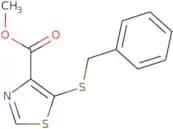
CAS:<p>Versatile small molecule scaffold</p>Formula:C5H6N2O4S2Purity:Min. 95%Molecular weight:222.2 g/molMethyl 5-(benzylsulfanyl)-1,3-thiazole-4-carboxylate
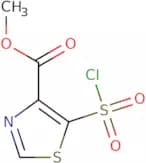
CAS:<p>Versatile small molecule scaffold</p>Formula:C12H11NO2S2Purity:Min. 95%Molecular weight:265.4 g/molMethyl 5-(chlorosulfonyl)-1,3-thiazole-4-carboxylate
CAS:<p>Versatile small molecule scaffold</p>Formula:C5H4ClNO4S2Purity:Min. 95%Molecular weight:241.7 g/mol3-Chloro-1,2-thiazole-4-sulfonamide
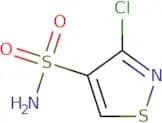
CAS:<p>Versatile small molecule scaffold</p>Formula:C3H3ClN2O2S2Purity:Min. 95%Molecular weight:198.7 g/molMethyl 4-(chlorosulfonyl)-1,2-thiazole-3-carboxylate
CAS:<p>Versatile small molecule scaffold</p>Formula:C5H4ClNO4S2Purity:Min. 95%Molecular weight:241.7 g/mol4,6-dichloro-2-(pyridin-3-yl)pyrimidine
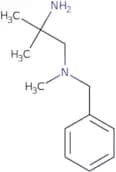
CAS:<p>Versatile small molecule scaffold</p>Formula:C9H5Cl2N3Purity:Min. 95%Molecular weight:226.1 g/mol(2-Amino-2-methylpropyl)(benzyl)methylamine
CAS:<p>Versatile small molecule scaffold</p>Formula:C12H20N2Purity:Min. 95%Molecular weight:192.3 g/mol1-Methyl-1H-imidazole-2-sulfonamide
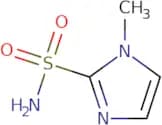
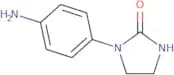
CAS:<p>Versatile small molecule scaffold</p>Formula:C4H7N3O2SPurity:Min. 95%Molecular weight:161.19 g/mol1-(4-Aminophenyl)imidazolidin-2-one
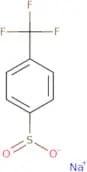
CAS:<p>Versatile small molecule scaffold</p>Formula:C9H11N3OPurity:Min. 95%Molecular weight:177.2 g/molSodium 4-(trifluoromethyl)benzene-1-sulfinate
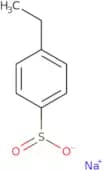
CAS:<p>Versatile small molecule scaffold</p>Formula:C7H4F3NaO2SPurity:Min. 95%Molecular weight:232.16 g/molSodium 4-ethylbenzene-1-sulfinate
CAS:<p>Versatile small molecule scaffold</p>Formula:C8H9NaO2SPurity:Min. 95%Molecular weight:192.21 g/molSodium 3-bromobenzenesulfinate
CAS:<p>Versatile small molecule scaffold</p>Formula:C6H4BrNaO2SPurity:Min. 95%Molecular weight:243.05 g/mol2-(4-Chlorophenyl)-2H-1,2,3-triazole-4-carboxylic acid
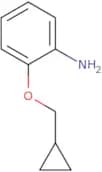
CAS:<p>Versatile small molecule scaffold</p>Formula:C9H6ClN3O2Purity:Min. 95%Molecular weight:223.61 g/mol2-(Cyclopropylmethoxy)aniline
CAS:<p>Versatile small molecule scaffold</p>Formula:C10H13NOPurity:Min. 95%Molecular weight:163.22 g/mol2-Amino-2-(2-methylcyclopropyl)acetic acids
CAS:<p>Versatile small molecule scaffold</p>Formula:C6H11NO2Purity:Min. 95%Molecular weight:129.2 g/mol5-(Hydroxymethyl)-1-methylpyrrolidin-2-one
CAS:<p>Versatile small molecule scaffold</p>Formula:C6H11NO2Purity:Min. 95%Molecular weight:129.15 g/molEthyl 2-(N-methylformamido)acetate
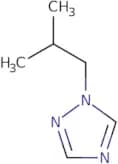
CAS:<p>Versatile small molecule scaffold</p>Formula:C6H11NO3Purity:Min. 95%Molecular weight:145.16 g/mol1-(2-Methylpropyl)-1H-1,2,4-triazole
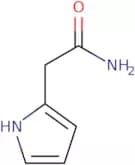
CAS:<p>Versatile small molecule scaffold</p>Formula:C6H11N3Purity:Min. 95%Molecular weight:125.17 g/mol1H-Pyrrole-2-acetamide
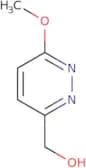
CAS:<p>1H-Pyrrole-2-acetamide (1HPA) is a pyrrole derivative that inhibits the synthesis of viral proteins by binding to the amino acid derivatives that are used for this purpose. It has been shown to have a significant effect on HIV replication in cells from patients with AIDS, but not on healthy cells. 1HPA also has an inhibitory effect on the electron transport system and can lead to nerve damage, which may be due to its ability to bind to and inhibit enzymes in the nervous system. 1HPA does not have any effect on human immunodeficiency virus type 2 (HIV-2).</p>Formula:C6H8N2OPurity:Min. 95%Molecular weight:124.14 g/mol(6-Methoxypyridazin-3-yl)methanol
CAS:<p>Versatile small molecule scaffold</p>Formula:C6H8N2O2Purity:Min. 95%Molecular weight:140.14 g/mol2-[(4-Methyl-1,3-thiazol-2-yl)amino]acetic acid
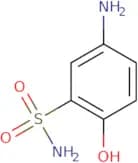
CAS:<p>Versatile small molecule scaffold</p>Formula:C6H8N2O2SPurity:Min. 95%Molecular weight:172.21 g/mol5-Amino-2-hydroxybenzene-1-sulfonamide
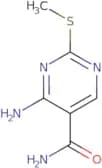
CAS:<p>Versatile small molecule scaffold</p>Formula:C6H8N2O3SPurity:Min. 95%Molecular weight:188.21 g/mol4-Amino-2-(methylthio)pyrimidine-5-carboxamide
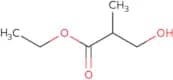
CAS:<p>Versatile small molecule scaffold</p>Formula:C6H8N4OSPurity:Min. 95%Molecular weight:184.22 g/molEthyl 3-hydroxy-2-methylpropanoate
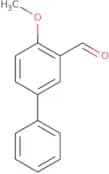
CAS:<p>Ethyl 3-hydroxy-2-methylpropanoate is an enantioselective chemical compound. It is a liquid at room temperature, with a molecular weight of 128.14 g/mol and a density of 0.879. Ethyl 3-hydroxy-2-methylpropanoate has been shown to undergo olefination reactions in the presence of acid catalysts. Reaction rates increase with increasing temperatures, reaching maximum rates at 100°C to 120°C.</p>Formula:C6H12O3Purity:Min. 95%Molecular weight:132.16 g/mol4-Methoxy-biphenyl-3-carbaldehyde
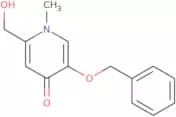
CAS:<p>4-Methoxy-biphenyl-3-carbaldehyde is a flavonoid compound that is derived from 4-methoxybenzene and the hydroxyl group of cinnamic acid. It is an alkali that can be used as a flavoring agent in Japan. When combined with bromides, benzene, or cyclized compounds, this molecule undergoes a condensation reaction to produce chalcones. This molecule also has antioxidant properties due to its ability to scavenge free radicals. When combined with other flavonoids such as chalcones and flavones, this molecule produces flavonoid compounds such as flavones or flavanones.</p>Formula:C14H12O2Purity:Min. 95%Molecular weight:212.24 g/mol5-(Benzyloxy)-2-(hydroxymethyl)-1-methyl-1,4-dihydropyridin-4-one
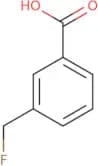
CAS:<p>Versatile small molecule scaffold</p>Formula:C14H15NO3Purity:Min. 95%Molecular weight:245.27 g/mol3-(Fluoromethyl)benzoic acid
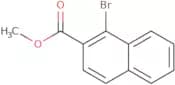
CAS:<p>Versatile small molecule scaffold</p>Formula:C8H7FO2Purity:Min. 95%Molecular weight:154.14 g/mol2-Naphthalenecarboxylic acid, 1-bromo-, methyl ester
CAS:<p>2-Naphthalenecarboxylic acid, 1-bromo-, methyl ester is a chiral molecule with two enantiomers. It can be synthesized from naphthalene and bromoacetic acid derivatives by an asymmetric synthesis. The diacid can be obtained through the cross-coupling of the corresponding organometallic reagent with a suitable halide. The 2-naphthacarboxylic acid, 1-bromo-, methyl ester has been used to synthesize various ligands with interesting properties. It has also been used in osmium chemistry and in enantioselective hydrogenation reactions.</p>Formula:C12H9BrO2Purity:Min. 95%Molecular weight:265.1 g/moltert-Butyl N-(1-benzothiophen-3-yl)carbamate
CAS:<p>Versatile small molecule scaffold</p>Formula:C13H15NO2SPurity:Min. 95%Molecular weight:249.33 g/mol5-(Chloromethyl)-8-thia-4,6-diazatricyclo[7.4.0.0,2,7]trideca-1(9),2(7),5-trien-3-one
CAS:<p>5-(Chloromethyl)-8-thia-4,6-diazatricyclo[7.4.0.0,2,7]trideca-1(9),2(7),5-trien-3-one is a molecule with the potential to outperform current devices and techniques for environmental monitoring. It has been shown to have optimal performance when used in a variety of different modules and techniques for research purposes. This compound is also being researched as an option for optimizing frequency and transferring data between modules. These optimizations will be made using parameters that are optimized to optimize the device's performance while minimizing power consumption.</p>Formula:C11H11ClN2OSPurity:Min. 95%Molecular weight:254.74 g/mol2-(Chloromethyl)-5,6-dimethyl-3H,4H-thieno[2,3-d]pyrimidin-4-one
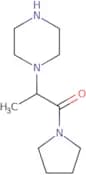
CAS:<p>Versatile small molecule scaffold</p>Formula:C9H9ClN2OSPurity:Min. 95%Molecular weight:228.7 g/mol2-(Piperazin-1-yl)-1-(pyrrolidin-1-yl)propan-1-one
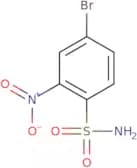
CAS:Controlled Product<p>Versatile small molecule scaffold</p>Formula:C11H21N3OPurity:Min. 95%Molecular weight:211.3 g/mol4-Bromo-2-nitrobenzenesulfonamide
CAS:<p>Versatile small molecule scaffold</p>Formula:C6H5BrN2O4SPurity:Min. 95%Molecular weight:281.09 g/mol6-Bromo-5-methyl-[1,2,4]triazolo[1,5-a]pyrimidine
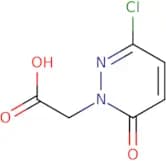
CAS:<p>Versatile small molecule scaffold</p>Formula:C6H5BrN4Purity:Min. 95%Molecular weight:213.03 g/mol(3-Chloro-6-oxopyridazin-1(6H)-yl)acetic acid
CAS:<p>Versatile small molecule scaffold</p>Formula:C6H5ClN2O3Purity:Min. 95%Molecular weight:188.57 g/mol2-Chloro-6-nitrobenzene-1-sulfonamide
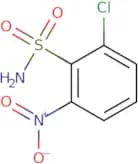
CAS:<p>Versatile small molecule scaffold</p>Formula:C6H5ClN2O4SPurity:Min. 95%Molecular weight:236.63 g/mol2-Chloro-3-chloromethyl-pyridine
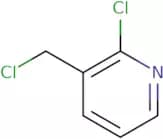
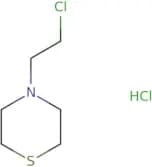
CAS:<p>2-Chloro-3-chloromethyl-pyridine is an alkali with a high yield and enantioselectivity. It has been used as an intermediate in the synthesis of pesticides, such as 2,4 dichlorophenoxyacetic acid (2,4 D). The compound is also used to produce sodium hypochlorite in the laboratory. In addition, 2-chloro-3-chloromethyl-pyridine is a useful reagent for the hydrolysis of esters and oxidation of alcohols. This compound can be synthesized using enantioselective reactions or by hydrolyzing an asymmetric precursor.</p>Formula:C6H5Cl2NPurity:Min. 95%Molecular weight:162.02 g/mol4-(2-Chloroethyl)thiomorpholine hydrochloride
CAS:<p>Versatile small molecule scaffold</p>Formula:C6H13Cl2NSPurity:Min. 95%Molecular weight:202.14 g/molN-Ethyl-3-hydroxybutanamide
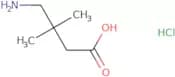
CAS:<p>Versatile small molecule scaffold</p>Formula:C6H13NO2Purity:Min. 95%Molecular weight:131.17 g/molButanoic acid, 4-amino-3,3-dimethyl-, hydrochloride
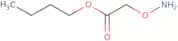
CAS:<p>Versatile small molecule scaffold</p>Formula:C6H14ClNO2Purity:Min. 95%Molecular weight:167.63 g/molButyl 2-(aminooxy)acetate
CAS:<p>Versatile small molecule scaffold</p>Formula:C6H13NO3Purity:Min. 95%Molecular weight:147.17 g/mol3-[(2-Hydroxyethyl)amino]butanoic acid
CAS:<p>Versatile small molecule scaffold</p>Formula:C6H13NO3Purity:Min. 95%Molecular weight:147.17 g/molEthyl 2-(aminooxy)-2-methylpropanoate hydrochloride
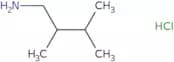
CAS:<p>Versatile small molecule scaffold</p>Formula:C6H14ClNO3Purity:Min. 95%Molecular weight:183.6 g/mol2,3-Dimethylbutan-1-amine hydrochloride
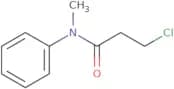
CAS:<p>Versatile small molecule scaffold</p>Formula:C6H16ClNPurity:Min. 95%Molecular weight:137.65 g/mol3-Chloro-N-methyl-N-phenylpropanamide
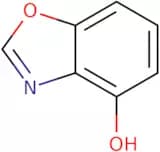
CAS:<p>Versatile small molecule scaffold</p>Formula:C10H12ClNOPurity:Min. 95%Molecular weight:197.66 g/molBenzooxazol-4-ol
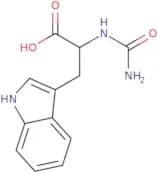
CAS:<p>Benzooxazol-4-ol is a ligand that binds to nitrogen atoms. It has coordination chemistry properties, including the ability to stabilize metal ions. This ligand is also able to form a stable carbonyl group, which is important for nucleophilic attacks on carbonyls and dioxetanes. Benzooxazol-4-ol has been shown to inhibit the formation of cell apoptosis by binding to neutrophils and stabilizing them in their active forms. It also inhibits liver disease by preventing trimethylsiloxy from forming and preventing the accumulation of mononuclear cells in the liver.</p>Formula:C7H5NO2Purity:Min. 95%Molecular weight:135.12 g/mol(2S)-2-(Carbamoylamino)-3-(1H-indol-3-yl)propanoic acid
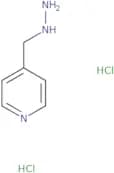
CAS:<p>(2S)-2-(Carbamoylamino)-3-(1H-indol-3-yl)propanoic acid is a synthetic drug that is used as an in vitro tool to study the mechanism of action of the bacterial enzyme desoxycholate. It is an enantiomer, which means it has two forms that are mirror images of each other. The (2S) form is also known as S-(+)-2-(carbamoylamino)-3-(1H-indol-3-yl)propanoic acid and the (2R) form is also known as R-(-)-2-(carbamoylamino)-3-(1H-indol-3-yl)propanoic acid. The (+) and (-) refer to the orientation of the hydrogen atoms on either side of the central carbon atom in each molecule. This antibiotic binds to Mn2+ ions and inhibits bacterial growth by inhibiting enzymes such as en</p>Formula:C12H13N3O3Purity:Min. 95%Molecular weight:247.25 g/mol(4-Pyridylmethyl)hydrazine dihydrochloride
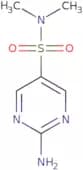
CAS:<p>Versatile small molecule scaffold</p>Formula:C6H11Cl2N3Purity:Min. 95%Molecular weight:196.08 g/mol2-Amino-N,N-dimethylpyrimidine-5-sulfonamide
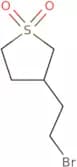
CAS:<p>Versatile small molecule scaffold</p>Formula:C6H10N4O2SPurity:Min. 95%Molecular weight:202.24 g/mol3-(2-Bromoethyl)tetrahydro-thiophene 1,1-dioxide
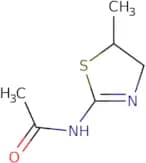
CAS:<p>Versatile small molecule scaffold</p>Formula:C6H11BrO2SPurity:Min. 95%Molecular weight:227.12 g/molN-(5-Methyl-4,5-dihydro-1,3-thiazol-2-yl)acetamide
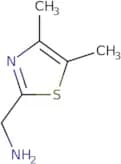
CAS:<p>Versatile small molecule scaffold</p>Formula:C6H10N2OSPurity:Min. 95%Molecular weight:158.22 g/mol(Dimethyl-1,3-thiazol-2-yl)methanamine
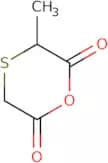
CAS:<p>Versatile small molecule scaffold</p>Formula:C6H10N2SPurity:Min. 95%Molecular weight:142.22 g/mol3-Methyl-1,4-oxathiane-2,6-dione
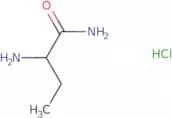
CAS:<p>Versatile small molecule scaffold</p>Formula:C5H6O3SPurity:Min. 95%Molecular weight:146.17 g/mol2-Aminobutanamide hydrochloride
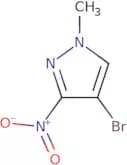
CAS:<p>2-Aminobutanamide hydrochloride (2AB) is a chemical compound that is used in the production of l-tartaric acid. It is industrially produced by dissolving 2-aminobutanoic acid in a solution of sodium hydroxide and then adding it to an aqueous solution of potassium chloride. The product precipitates as a salt, which can be purified by liquid chromatography. 2AB is unstable at high temperatures, so it must be stored under refrigeration. 2AB has virulent properties, which are attributed to its acidic nature and the fact that it reacts with chlorine to form hydrogen chloride gas.<br>!--END--></p>Formula:C4H11ClN2OPurity:Min. 95%Molecular weight:138.59 g/mol4-Bromo-1-methyl-3-nitro-1H-pyrazole
CAS:<p>4-Bromo-1-methyl-3-nitro-1H-pyrazole is a chemical compound that contains the amination functional group. It is used as a catalyst for copper in organic synthesis, and is also used in the manufacture of dyes, pharmaceuticals, and agricultural chemicals.</p>Formula:C4H4BrN3O2Purity:Min. 95%Molecular weight:206 g/mol5-Bromo-1-methyl-4-nitro-1H-pyrazole
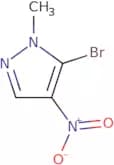
CAS:<p>5-Bromo-1-methyl-4-nitro-1H-pyrazole is a copper catalyst that can be used for amination. It is an important reagent in organic synthesis, with uses including the production of pharmaceuticals and pesticides. 5-Bromo-1-methyl-4-nitro-1H-pyrazole has been shown to be a selective catalyst for the amination of aromatic compounds. It is also an efficient catalyst for the preparation of ethylbenzene from acetophenone, nitrobenzene, and ethanolamine.</p>Formula:C4H4BrN3O2Purity:Min. 95%Molecular weight:206 g/mol3,4-Dibromo-1-methyl-1H-pyrazole
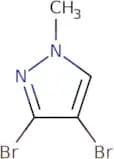
CAS:<p>Versatile small molecule scaffold</p>Formula:C4H4Br2N2Purity:Min. 95%Molecular weight:239.9 g/mol1,1,1-Triethoxy-3-methoxypropane
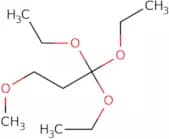
CAS:<p>Versatile small molecule scaffold</p>Formula:C10H22O4Purity:Min. 95%Molecular weight:206.28 g/mol2-Aminobut-3-enoic acid hydrochloride
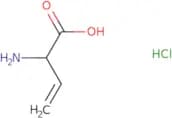
CAS:<p>Versatile small molecule scaffold</p>Formula:C4H8ClNO2Purity:Min. 95%Molecular weight:137.56 g/mol2-Hydroxy-1-[4-(trifluoromethyl)phenyl]ethan-1-one
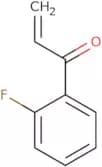
CAS:<p>Versatile small molecule scaffold</p>Formula:C9H7F3O2Purity:Min. 95%Molecular weight:204.15 g/mol1-(2-Fluorophenyl)prop-2-en-1-one
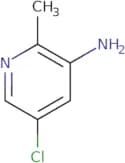
CAS:<p>Versatile small molecule scaffold</p>Formula:C9H7FOPurity:Min. 95%Molecular weight:150.15 g/mol3-Amino-5-chloropicoline
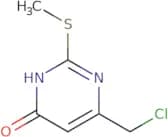
CAS:<p>Versatile small molecule scaffold</p>Formula:C6H7ClN2Purity:Min. 95%Molecular weight:142.59 g/mol6-(Chloromethyl)-2-(methylsulfanyl)-3,4-dihydropyrimidin-4-one
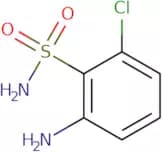
CAS:<p>Versatile small molecule scaffold</p>Formula:C6H7ClN2OSPurity:Min. 95%Molecular weight:190.65 g/mol2-Amino-6-chlorobenzene-1-sulfonamide
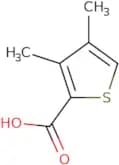
CAS:<p>2-Amino-6-chlorobenzene-1-sulfonamide is a sulfonamide that inhibits the ATP sensitive potassium channel. It is used as a muscle relaxant and to treat muscle spasms. 2-Amino-6-chlorobenzene-1-sulfonamide has been shown to have an inhibitory effect on the chlorine atom of ATP sensitive potassium channels in vitro, which may lead to vasorelaxation through the opening of potassium channels. This drug has also been shown to be more potent than other drugs with similar effects, such as heptaminol and diazoxide. In addition, this drug has a low toxicity profile.</p>Formula:C6H7ClN2O2SPurity:Min. 95%Molecular weight:206.65 g/mol3,4-Dimethylthiophene-2-carboxylic acid
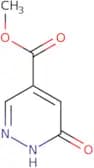
CAS:<p>3,4-Dimethylthiophene-2-carboxylic acid is an experimental compound that has been shown to be a linear molecule with a molecular weight of 144. The experimental equation for the formation of 3,4-dimethylthiophene-2-carboxylic acid from 3,4-dimethoxythiophene and acetic acid is:</p>Formula:C7H8O2SPurity:Min. 95%Molecular weight:156.2 g/molMethyl 6-oxo-1,6-dihydropyridazine-4-carboxylate
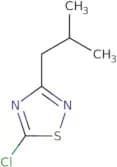
CAS:<p>Versatile small molecule scaffold</p>Formula:C6H6N2O3Purity:Min. 95%Molecular weight:154.12 g/mol5-Chloro-3-(2-methylpropyl)-1,2,4-thiadiazole
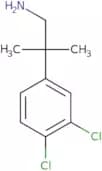
CAS:<p>Versatile small molecule scaffold</p>Formula:C6H9ClN2SPurity:Min. 95%Molecular weight:176.67 g/mol2-(3,4-Dichlorophenyl)-2-methylpropan-1-amine
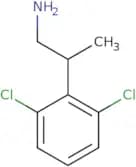
CAS:<p>Versatile small molecule scaffold</p>Formula:C10H13Cl2NPurity:Min. 95%Molecular weight:218.12 g/mol2-(2,6-Dichlorophenyl)propan-1-amine
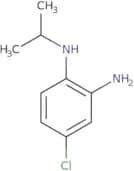
CAS:Controlled Product<p>Versatile small molecule scaffold</p>Formula:C9H11Cl2NPurity:Min. 95%Molecular weight:204.09 g/mol4-Chloro-1-N-(propan-2-yl)benzene-1,2-diamine
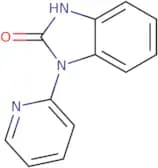
CAS:<p>Versatile small molecule scaffold</p>Formula:C9H13ClN2Purity:Min. 95%Molecular weight:184.66 g/mol1-(Pyridin-2-yl)-2,3-dihydro-1H-1,3-benzodiazol-2-one
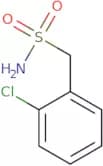
CAS:<p>Versatile small molecule scaffold</p>Formula:C12H9N3OPurity:Min. 95%Molecular weight:211.22 g/mol2-Chlorobenzylsulfonamide
CAS:<p>2-Chlorobenzylsulfonamide is a drug that binds to the receptor for neutral lipids, which is found on the surface of human fibroblasts. This binding inhibits the release of free fatty acids from adipose tissue and also prevents the uptake of these lipids by tissues such as muscle. 2-Chlorobenzylsulfonamide has been shown to be effective at reducing hyperlipidemia in mice. This drug has a limited effect on heparin-induced lipoprotein lipase activity in vivo, but it does have an antidiabetic effect on rats when given orally. The mechanism of this effect may be due to its ability to inhibit lipolysis or to activate lipoprotein lipase.</p>Formula:C7H8ClNO2SPurity:Min. 95%Molecular weight:205.66 g/molPyridin-3-yl[3-(trifluoromethyl)phenyl]methanol
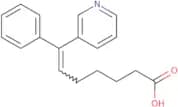
CAS:<p>Versatile small molecule scaffold</p>Formula:C13H10F3NOPurity:Min. 95%Molecular weight:253.22 g/molIsbogrel
CAS:<p>Isbogrel is a pharmaceutical preparation that belongs to the group of fatty acids. It has been shown to be effective in the treatment of inflammatory bowel disease, and has also been shown to have anti-platelet properties. Isbogrel is an analog of the natural product arachidonic acid, which is synthesized from linoleic acid through the activity of enzymes called phospholipase A2 (PLA2). Isbogrel inhibits prostaglandin synthesis by binding to and inhibiting PLA2, thereby preventing arachidonic acid production. Isbogrel may also be used for the prevention and treatment of myocardial infarcts due to its ability to reduce blood pressure and improve symptoms.</p>Formula:C18H19NO2Purity:Min. 95%Molecular weight:281.3 g/mol1-(5-Bromo-1H-indol-2-yl)ethan-1-one
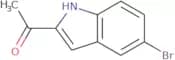
CAS:<p>Versatile small molecule scaffold</p>Formula:C10H8BrNOPurity:Min. 95%Molecular weight:238.08 g/molbicyclo[3.1.0]hexan-3-amine hcl
CAS:<p>Versatile small molecule scaffold</p>Formula:C6H12ClNPurity:Min. 95%Molecular weight:133.62 g/mol2-(1,1-Dioxido-1,2-thiazinan-2-yl)acetic acid
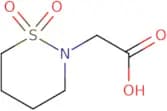
CAS:<p>Versatile small molecule scaffold</p>Formula:C6H11NO4SPurity:Min. 95%Molecular weight:193.22 g/mol1-Methyl-2-oxopyrrolidine-4-carboxamide
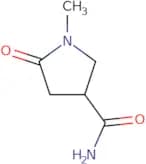
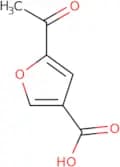
CAS:<p>1-Methyl-2-oxopyrrolidine-4-carboxamide is a bioactive molecule found in leaves. It was isolated by GC–MS analysis and identified by comparison of its retention time with the standard toluene, formic acid, and formaldehyde. 1-Methyl-2-oxopyrrolidine-4-carboxamide has shown to have antiinflammatory properties. Quantitative analysis of this molecule showed that it is present at 0.1% of the leaf extract.</p>Formula:C6H10N2O2Purity:Min. 95%Molecular weight:142.16 g/mol5-Acetylfuran-3-carboxylic acid
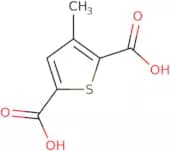
CAS:<p>Versatile small molecule scaffold</p>Formula:C7H6O4Purity:Min. 95%Molecular weight:154.12 g/mol3-Methylthiophene-2,5-dicarboxylic acid
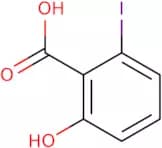
CAS:<p>Versatile small molecule scaffold</p>Formula:C7H6O4SPurity:Min. 95%Molecular weight:186.19 g/mol2-Hydroxy-6-iodobenzoic acid
CAS:<p>2-Hydroxy-6-iodobenzoic acid is a synthetic salicylate that has been shown to inhibit the x-ray induced release of catecholamines from chromaffin cells. It also inhibits the ATPase activity of V-ATPase in mouse granulosa cells, which may be due to its ability to inhibit phosphorylation at Ser/Thr residues. 2-Hydroxy-6-iodobenzoic acid has also been shown to have antitumor properties and to inhibit the growth of both leukemia and lymphoma cells. The natural product is an inhibitor of protein synthesis, as well as a potent antimicrobial agent. Its structure consists of a macrolide fused with a quinoline ring system. It is an effective inhibitor of bacterial protein synthesis and can be used as a starting material for the synthesis of other compounds that are structurally similar to 2HIB.</p>Formula:C7H5IO3Purity:Min. 95%Molecular weight:264.02 g/mol2-Iodo-4,8-dioxatricyclo[4.2.1.0,3,7]nonan-5-one
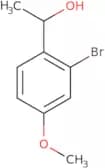
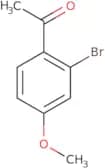
CAS:<p>Versatile small molecule scaffold</p>Formula:C7H7IO3Purity:Min. 95%Molecular weight:266.03 g/mol1-(2-Bromo-4-methoxyphenyl)ethan-1-ol
CAS:<p>Versatile small molecule scaffold</p>Formula:C9H11BrO2Purity:Min. 95%Molecular weight:231.09 g/mol2'-Bromo-4'-methoxyacetophenone
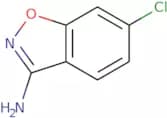
CAS:<p>Versatile small molecule scaffold</p>Formula:C9H9BrO2Purity:Min. 95%Molecular weight:229.07 g/mol6-Chloro-1,2-benzoxazol-3-amine
CAS:<p>Versatile small molecule scaffold</p>Formula:C7H5ClN2OPurity:Min. 95%Molecular weight:168.58 g/molN-[(2-Chloro-5-nitrophenyl)methylidene]hydroxylamine
CAS:<p>Versatile small molecule scaffold</p>Formula:C7H5ClN2O3Purity:Min. 95%Molecular weight:200.58 g/mol2-(Chloromethyl)-4,5,6,7-tetrahydrobenzo[D]oxazole
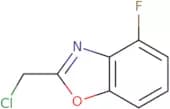
CAS:<p>Versatile small molecule scaffold</p>Formula:C8H10ClNOPurity:Min. 95%Molecular weight:171.62 g/mol2-(Chloromethyl)-4-fluoro-1,3-benzoxazole
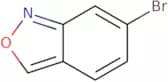
CAS:<p>Versatile small molecule scaffold</p>Formula:C8H5ClFNOPurity:Min. 95%Molecular weight:185.58 g/mol6-Bromo-2,1-benzoxazole
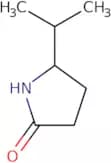
CAS:<p>Versatile small molecule scaffold</p>Formula:C7H4BrNOPurity:Min. 95%Molecular weight:198.02 g/mol(5S)-5-(Propan-2-yl)pyrrolidin-2-one
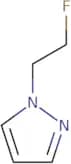
CAS:<p>(5S)-5-(Propan-2-yl)pyrrolidin-2-one is a vinyl compound that is used in the production of polyvinyl acetate. It is produced by transesterification of vinyl acetate and ethylene oxide, followed by hydrolysis of the ester group. The reaction proceeds via an enzymatic process, which is initiated by lipases.br><br>(5S)-5-(Propan-2-yl)pyrrolidin-2-one can be converted to other compounds through a number of chemical reactions. For example, it can be oxidized to (5S)-5-(propane-2,3-dione)pyrrolidine with hydrogen peroxide or sodium hypochlorite. It also reacts with potassium permanganate to form (5S)-5-(propane-1,3 diol)pyrrolidine and manganese dioxide to form (5S</p>Formula:C7H13NOPurity:Min. 95%Molecular weight:127.18 g/mol1-(2-Fluoroethyl)-1H-pyrazole
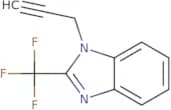
CAS:<p>Versatile small molecule scaffold</p>Formula:C5H7FN2Purity:Min. 95%Molecular weight:114.12 g/mol1-(2-Propynyl)-2-(trifluoromethyl)-1H-1,3-benzimidazole
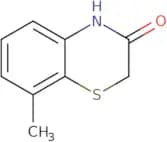
CAS:<p>Versatile small molecule scaffold</p>Formula:C11H7F3N2Purity:Min. 95%Molecular weight:224.18 g/mol8-Methyl-2H-1,4-benzothiazin-3(4H)-one
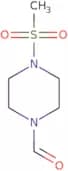
CAS:<p>Versatile small molecule scaffold</p>Formula:C9H9NOSPurity:Min. 95%Molecular weight:179.24 g/mol4-Methanesulfonylpiperazine-1-carbaldehyde
CAS:<p>Versatile small molecule scaffold</p>Formula:C6H12N2O3SPurity:Min. 95%Molecular weight:192.24 g/mol3-Iodo-2-methylbenzo[b]thiophene
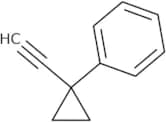
CAS:<p>Versatile small molecule scaffold</p>Formula:C9H7ISPurity:Min. 95%Molecular weight:274.12 g/mol(1-ethynylcyclopropyl)benzene
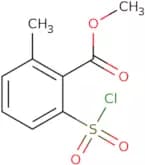
CAS:<p>Versatile small molecule scaffold</p>Formula:C11H10Purity:Min. 95%Molecular weight:142.2 g/molMethyl 2-(chlorosulfonyl)-6-methylbenzoate
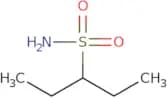
CAS:<p>Versatile small molecule scaffold</p>Formula:C9H9ClO4SPurity:Min. 95%Molecular weight:248.68 g/molPentane-3-sulfonamide
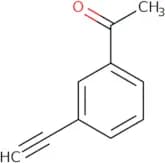
CAS:<p>Versatile small molecule scaffold</p>Formula:C5H13NO2SPurity:Min. 95%Molecular weight:151.23 g/mol1-(3-Ethynylphenyl)ethan-1-one
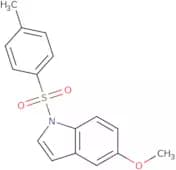
CAS:<p>Versatile small molecule scaffold</p>Formula:C10H8OPurity:Min. 95%Molecular weight:144.17 g/mol5-Methoxy-1-tosyl-1H-indole
CAS:<p>Versatile small molecule scaffold</p>Formula:C16H15NO3SPurity:Min. 95%Molecular weight:301.4 g/mol4-[(1H-Benzimidazol-1-yl)methyl]benzoic acid
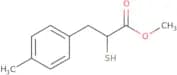
CAS:<p>4-[(1H-Benzimidazol-1-yl)methyl]benzoic acid is an ionic compound. The anion has a focus with a radius of 2.6 Å and the cation has a radius of 1.9 Å. It is stable in aqueous solution and reacts with chloride to form the salt 4-[(1H-Benzimidazol-1-yl)methyl]benzoyl chloride, which is colorless, crystalline, and soluble in water. This compound can be used for analyzing ligands that bind to lanthanide ions (e.g., lanthanum). The analyzes of frameworks have been carried out by single crystal x-ray diffraction methods and fluorescence spectroscopy parameters are given in Table 1.</p>Formula:C15H12N2O2Purity:Min. 95%Molecular weight:252.27 g/molMethyl 3-(4-methylphenyl)-2-sulfanylpropanoate
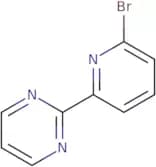
CAS:<p>Versatile small molecule scaffold</p>Formula:C11H14O2SPurity:Min. 95%Molecular weight:210.29 g/mol2-(6-Bromopyridin-2-yl)pyrimidine
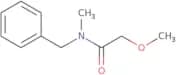
CAS:<p>Versatile small molecule scaffold</p>Formula:C9H6BrN3Purity:Min. 95%Molecular weight:236.07 g/mol3-[[[5-(Aminocarbonyl)-1-methyl-3-propyl-1H-pyrazol-4-yl]amino]carbonyl]-4-propoxybenzene
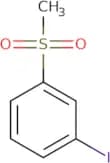
CAS:<p>Versatile small molecule scaffold</p>Formula:C18H24N4O3Purity:Min. 95%Molecular weight:344.41 g/molN-Benzyl-2-methoxy-N-methylacetamide
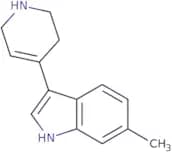
CAS:<p>Versatile small molecule scaffold</p>Formula:C11H15NO2Purity:Min. 95%Molecular weight:193.24 g/mol1-Iodo-3-methanesulfonylbenzene
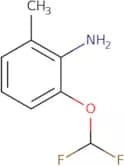
CAS:<p>Versatile small molecule scaffold</p>Formula:C7H7IO2SPurity:Min. 95%Molecular weight:282.1 g/mol6-Methyl-3-(1,2,3,6-tetrahydropyridin-4-yl)-1H-indole
CAS:<p>Versatile small molecule scaffold</p>Formula:C14H16N2Purity:Min. 95%Molecular weight:212.29 g/mol2-(Difluoromethoxy)-6-methylaniline
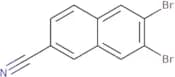
CAS:<p>Versatile small molecule scaffold</p>Formula:C8H9F2NOPurity:Min. 95%Molecular weight:173.16 g/mol6,7-dibromonaphthalene-2-carbonitrile
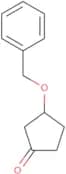
CAS:<p>Versatile small molecule scaffold</p>Formula:C11H5Br2NPurity:Min. 95%Molecular weight:311 g/mol3-(Benzyloxy)cyclopentan-1-one
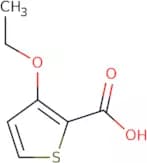
CAS:<p>Versatile small molecule scaffold</p>Formula:C12H14O2Purity:Min. 95%Molecular weight:190.24 g/mol3-Ethoxythiophene-2-carboxylic acid
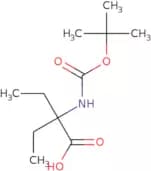
CAS:<p>Versatile small molecule scaffold</p>Formula:C7H8O3SPurity:Min. 95%Molecular weight:172.2 g/mol2-(Boc-amino)-2-ethyl-butanoic acid
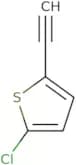
CAS:<p>Versatile small molecule scaffold</p>Formula:C11H21NO4Purity:Min. 95%Molecular weight:231.29 g/mol2-Chloro-5-ethynylthiophene
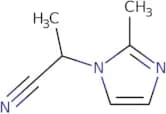
CAS:<p>2-Chloro-5-ethynylthiophene (2CET) is a x-ray crystal structure that exhibits potent adenosine receptor antagonist activity. 2CET binds to the adenosine receptor in a noncompetitive manner and blocks the receptor, preventing the activation of G proteins. The binding of 2CET to the adenosine receptor leads to an increase in adenine nucleotide levels, which may contribute to its antihypertensive properties. 2CET has also been shown to be a potent agonist at A1 and A2A receptors. It was found that 2CET bound with high affinity to both receptors, but only activated A1 receptors. This indicates that 2CET is capable of stimulating cAMP production without activating other G protein coupled receptors such as angiotensin II type 1 or muscarinic acetylcholine receptors.</p>Formula:C6H3ClSPurity:Min. 95%Molecular weight:142.61 g/mol2-(2-Methyl-1H-imidazol-1-yl)propanenitrile
CAS:<p>Versatile small molecule scaffold</p>Formula:C7H9N3Purity:Min. 95%Molecular weight:135.17 g/mol2-(4-Methoxyphenyl)-1H-pyrrolo[2,3-b]pyridine
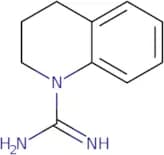
CAS:<p>Versatile small molecule scaffold</p>Formula:C14H12N2OPurity:Min. 95%Molecular weight:224.26 g/mol1,2,3,4-Tetrahydroquinoline-1-carboximidamide
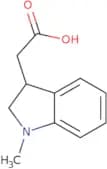
CAS:<p>Versatile small molecule scaffold</p>Formula:C10H13N3Purity:Min. 95%Molecular weight:175.23 g/mol2-(1-Methyl-2,3-dihydro-1H-indol-3-yl)acetic acid
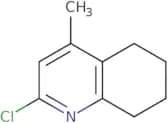
CAS:<p>Versatile small molecule scaffold</p>Formula:C11H13NO2Purity:Min. 95%Molecular weight:191.23 g/mol2-Chloro-4-methyl-5,6,7,8-tetrahydroquinoline
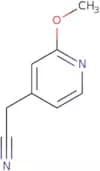
CAS:<p>2-Chloro-4-methyl-5,6,7,8-tetrahydroquinoline is an organic compound that belongs to the heterocyclic category of x-ray crystallography. It was prepared in a single crystal form using perchlorate as a solvent. The anisotropic nature of 2-Chloro-4-methyl-5,6,7,8-tetrahydroquinoline has been shown through x-ray diffraction and x ray diffraction analysis.</p>Formula:C10H12ClNPurity:Min. 95%Molecular weight:181.66 g/mol2-(2-Methoxypyridin-4-yl)acetonitrile
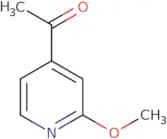
CAS:<p>Versatile small molecule scaffold</p>Formula:C8H8N2OPurity:Min. 95%Molecular weight:148.16 g/mol1-(2-Methoxypyridin-4-yl)ethanone
CAS:<p>1-(2-Methoxypyridin-4-yl)ethanone inhibits 5-lipoxygenase, the enzyme that converts arachidonic acid to leukotrienes. It is a non-selective inhibitor of cyclooxygenases (COXs) 1 and 2 which are responsible for the metabolism of arachidonic acid to prostaglandins. COXs are inhibited by aspirin and other nonsteroidal antiinflammatory drugs (NSAIDs). NSAIDs inhibit both COXs and can be classified as selective or nonselective based on their selectivity for COX-1 vs. COX-2. Celecoxib is a selective inhibitor of COX-2.<br>COX enzymes can be classified into two groups based on the range over which they are active: μm range or nm range. The μm range includes COX-1, COX-3, and PTGS2 and these enzymes regulate the</p>Formula:C8H9NO2Purity:Min. 95%Molecular weight:151.17 g/mol4'-Chloro-3-fluoro-[1,1'-biphenyl]-4-carboxylic acid
CAS:<p>Versatile small molecule scaffold</p>Formula:C13H8ClFO2Purity:Min. 95%Molecular weight:250.65 g/molexo-8-Azabicyclo[3.2.1]octane-3-methanol HCl
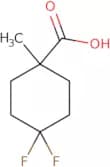
CAS:<p>Versatile small molecule scaffold</p>Formula:C8H16ClNOPurity:Min. 95%Molecular weight:177.21 g/mol4,4-Difluoro-1-methylcyclohexane-1-carboxylic acid
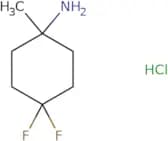
CAS:<p>Versatile small molecule scaffold</p>Formula:C8H12F2O2Purity:Min. 95%Molecular weight:178.18 g/mol4,4-Difluoro-1-methylcyclohexan-1-amine hydrochloride
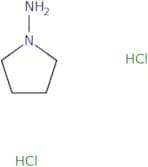
CAS:<p>Versatile small molecule scaffold</p>Formula:C7H14ClF2NPurity:Min. 95%Molecular weight:185.64 g/molAminopyrrolidine dihydrochloride
CAS:<p>Aminopyrrolidine dihydrochloride (APDC) is a fluorescent dye that is used as an absorber in nuclear magnetic resonance spectroscopy. It has been shown to bind to the adenosine receptor and may be used to study the effect of this receptor on heart function. APDC has also been shown to inhibit the binding of quinolinium, pyridinium, and benzoate ligands to their respective receptors, which may be due to its linker group. The molecule is unsymmetrical and organic, with two absorbing groups.</p>Formula:C4H12Cl2N2Purity:Min. 95%Molecular weight:159.05 g/mol4,4-Difluoro-1-[(4-fluorophenyl)methyl]cyclohexane-1-carboxylic acid
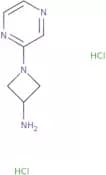
CAS:<p>Versatile small molecule scaffold</p>Formula:C14H15F3O2Purity:Min. 95%Molecular weight:272.26 g/mol1-(Pyrazin-2-yl)azetidin-3-amine dihydrochloride
CAS:<p>Versatile small molecule scaffold</p>Formula:C7H12Cl2N4Purity:Min. 95%Molecular weight:223.1 g/mol2-Trifluoromethylpiperidine sulfonyl chloride
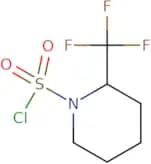
CAS:<p>Versatile small molecule scaffold</p>Formula:C6H9ClF3NO2SPurity:Min. 95%Molecular weight:251.66 g/mol1-Ethyl-4,4-difluorocyclohexane-1-carboxylic acid
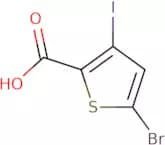
CAS:<p>Versatile small molecule scaffold</p>Formula:C9H14F2O2Purity:Min. 95%Molecular weight:192.2 g/mol5-Bromo-3-iodothiophene-2-carboxylic acid
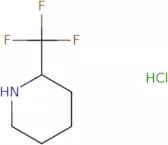
CAS:<p>Versatile small molecule scaffold</p>Formula:C5H2BrIO2SPurity:Min. 95%Molecular weight:332.94 g/mol(S)-2-Trifluoromethylpiperidine hydrochloride
CAS:<p>Versatile small molecule scaffold</p>Formula:C6H11ClF3NPurity:Min. 95%Molecular weight:189.6 g/mol(2R)-2-(Trifluoromethyl)piperidine hydrochloride
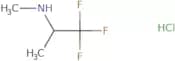
CAS:<p>Versatile small molecule scaffold</p>Formula:C6H11ClF3NPurity:Min. 95%Molecular weight:189.6 g/mol(R)-N-Methyl-1,1,1-trifluoro-2-propylamine hydrochloride
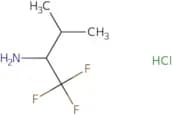
CAS:<p>Versatile small molecule scaffold</p>Formula:C4H9ClF3NPurity:Min. 95%Molecular weight:163.57 g/mol(2S)-1,1,1-Trifluoro-3-methylbutan-2-amine hydrochloride
CAS:<p>Versatile small molecule scaffold</p>Formula:C5H11ClF3NPurity:Min. 95%Molecular weight:177.59 g/mol(2R)-1,1,1-Trifluoro-3-methylbutan-2-amine hydrochloride
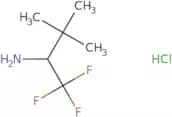
CAS:<p>Versatile small molecule scaffold</p>Formula:C5H11ClF3NPurity:Min. 95%Molecular weight:177.59 g/mol(2R)-1,1,1-Trifluoro-3,3-dimethylbutan-2-amine hydrochloride
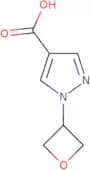
CAS:<p>Versatile small molecule scaffold</p>Formula:C6H13ClF3NPurity:Min. 95%Molecular weight:191.62 g/mol1-(Oxetan-3-yl)-1H-pyrazole-4-carboxylic acid
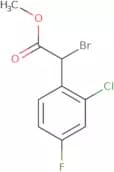
CAS:<p>Versatile small molecule scaffold</p>Formula:C7H8N2O3Purity:Min. 95%Molecular weight:168.15 g/molMethyl 2-bromo-2-(2-chloro-4-fluorophenyl)acetate
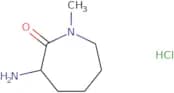
CAS:<p>Versatile small molecule scaffold</p>Formula:C9H7BrClFO2Purity:Min. 95%Molecular weight:281.5 g/mol(3R)-3-Amino-1-methylazepan-2-one hydrochloride
CAS:<p>Versatile small molecule scaffold</p>Formula:C7H15ClN2OPurity:Min. 95%Molecular weight:178.66 g/mol[(3S)-6-Fluoro-1,2,3,4-tetrahydroisoquinolin-3-yl]methanol
CAS:<p>Versatile small molecule scaffold</p>Formula:C10H12FNOPurity:Min. 95%Molecular weight:181.21 g/mol1-{2-Fluoro-4-[(2,4,6-trimethylphenyl)methoxy]phenyl}ethan-1-one
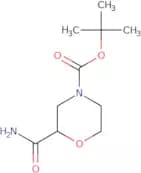
CAS:<p>Versatile small molecule scaffold</p>Formula:C18H19FO2Purity:Min. 95%Molecular weight:286.3 g/mol4-BOC-Morpholine-2-carboxamide
CAS:<p>Versatile small molecule scaffold</p>Formula:C10H18N2O4Purity:Min. 95%Molecular weight:230.26 g/mol6-[(2,2,6,6-Tetramethylpiperidin-4-yl)amino]pyridine-3-carbonitrile
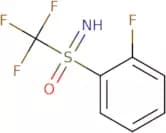
CAS:<p>Versatile small molecule scaffold</p>Formula:C15H22N4Purity:Min. 95%Molecular weight:258.36 g/mol(2-Fluorophenyl)(imino)(trifluoromethyl)-λ6-sulfanone
CAS:<p>Versatile small molecule scaffold</p>Formula:C7H5F4NOSPurity:Min. 95%Molecular weight:227.18 g/mol(1R,5R)-2-Azabicyclo[3.2.0]heptane hydrochloride
CAS:<p>Please enquire for more information about (1R,5R)-2-Azabicyclo[3.2.0]heptane hydrochloride including the price, delivery time and more detailed product information at the technical inquiry form on this page</p>Formula:C6H11N•HClPurity:Min. 95%Molecular weight:133.62 g/mol3-Methylbicyclo[3.1.0]hexane-3-carboxylic acid
CAS:<p>Versatile small molecule scaffold</p>Formula:C8H12O2Purity:Min. 95%Molecular weight:140.18 g/mol2,2-Difluoro-2-[2-(propan-2-yloxy)phenyl]acetic acid
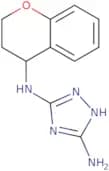
CAS:<p>Versatile small molecule scaffold</p>Formula:C11H12F2O3Purity:Min. 95%Molecular weight:230.21 g/molN3-(3,4-Dihydro-2H-1-benzopyran-4-yl)-4H-1,2,4-triazole-3,5-diamine
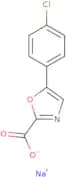
CAS:<p>Versatile small molecule scaffold</p>Formula:C11H13N5OPurity:Min. 95%Molecular weight:231.25 g/molSodium 5-(4-chlorophenyl)-1,3-oxazole-2-carboxylate
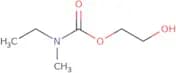
CAS:<p>Versatile small molecule scaffold</p>Formula:C10H5ClNNaO3Purity:Min. 95%Molecular weight:245.59 g/mol2-Hydroxyethyl N-ethyl-N-methylcarbamate
CAS:<p>Versatile small molecule scaffold</p>Formula:C6H13NO3Purity:Min. 95%Molecular weight:147.2 g/mol
![9H-Pyrido[2,3-b]indol-7-ol](/_next/image/?url=https%3A%2Fstatic.cymitquimica.com%2Fproducts%2F3D%2Fthumb-webp%2FPBC18935.webp&w=3840&q=75)


![2-Methylimidazo[1,2-a]pyrazine-8-carboxylic acid](/_next/image/?url=https%3A%2Fstatic.cymitquimica.com%2Fproducts%2F3D%2Fthumb-webp%2FPBC19768.webp&w=3840&q=75)


![8-Bromo-3-chloroimidazo[1,2-a]pyridine](/_next/image/?url=https%3A%2Fstatic.cymitquimica.com%2Fproducts%2F3D%2Fthumb-webp%2FPBC26179.webp&w=3840&q=75)

![Imidazo[1,2-a]pyrazin-2-amine](/_next/image/?url=https%3A%2Fstatic.cymitquimica.com%2Fproducts%2F3D%2Fthumb-webp%2FPBC26753.webp&w=3840&q=75)
![tert-Butyl 2-[(ethylamino)methyl]pyrrolidine-1-carboxylate](/_next/image/?url=https%3A%2Fstatic.cymitquimica.com%2Fproducts%2F3D%2Fthumb-webp%2FPBC38502.webp&w=3840&q=75)
![(1R,4R)-4-[(Pyrazin-2-yl)amino]cyclohexan-1-ol](/_next/image/?url=https%3A%2Fstatic.cymitquimica.com%2Fproducts%2F3D%2Fthumb-webp%2FPBC38510.webp&w=3840&q=75)
![Methyl-[1-(1-pyridin-2-yl-ethyl)-piperidin-4-yl]-amine hydrochloride](/_next/image/?url=https%3A%2Fstatic.cymitquimica.com%2Fproducts%2F3D%2Fthumb-webp%2FPBC38549.webp&w=3840&q=75)

![7-benzyl-3-thia-7-azabicyclo[3.3.1]nonan-9-one](/_next/image/?url=https%3A%2Fstatic.cymitquimica.com%2Fproducts%2F3D%2Fthumb-webp%2FPDA39804.webp&w=3840&q=75)

![(2R)-2-{[(tert-Butoxy)carbonyl]amino}-3-cyclopropylpropanoic acid](/_next/image/?url=https%3A%2Fstatic.cymitquimica.com%2Fproducts%2F3D%2Fthumb-webp%2FPDA48308.webp&w=3840&q=75)
![2,5-diaza-bicyclo[2.2.1]heptane 2hcl](/_next/image/?url=https%3A%2Fstatic.cymitquimica.com%2Fproducts%2F3D%2Fthumb-webp%2FPDA48738.webp&w=3840&q=75)
![7-Oxo-4H,7H-[1,2,4]triazolo[1,5-a]pyrimidine-6-carbonitrile](/_next/image/?url=https%3A%2Fstatic.cymitquimica.com%2Fproducts%2F3D%2Fthumb-webp%2FPDA48867.webp&w=3840&q=75)


![2-{[(tert-Butoxy)carbonyl]amino}-3-hydroxy-2-methylpropanoic acid](/_next/image/?url=https%3A%2Fstatic.cymitquimica.com%2Fproducts%2F3D%2Fthumb-webp%2FPDA50039.webp&w=3840&q=75)








![2-[(4-Methyl-1,3-thiazol-2-yl)amino]acetic acid](/_next/image/?url=https%3A%2Fstatic.cymitquimica.com%2Fproducts%2F3D%2Fthumb-webp%2FPDA53285.webp&w=3840&q=75)

![5-(Chloromethyl)-8-thia-4,6-diazatricyclo[7.4.0.0,2,7]trideca-1(9),2(7),5-trien-3-one](/_next/image/?url=https%3A%2Fstatic.cymitquimica.com%2Fproducts%2F3D%2Fthumb-webp%2FPDA56703.webp&w=3840&q=75)
![2-(Chloromethyl)-5,6-dimethyl-3H,4H-thieno[2,3-d]pyrimidin-4-one](/_next/image/?url=https%3A%2Fstatic.cymitquimica.com%2Fproducts%2F3D%2Fthumb-webp%2FPDA56705.webp&w=3840&q=75)
![6-Bromo-5-methyl-[1,2,4]triazolo[1,5-a]pyrimidine](/_next/image/?url=https%3A%2Fstatic.cymitquimica.com%2Fproducts%2F3D%2Fthumb-webp%2FPDA58142.webp&w=3840&q=75)

![3-[(2-Hydroxyethyl)amino]butanoic acid](/_next/image/?url=https%3A%2Fstatic.cymitquimica.com%2Fproducts%2F3D%2Fthumb-webp%2FPDA58445.webp&w=3840&q=75)
![2-Hydroxy-1-[4-(trifluoromethyl)phenyl]ethan-1-one](/_next/image/?url=https%3A%2Fstatic.cymitquimica.com%2Fproducts%2F3D%2Fthumb-webp%2FPDA63028.webp&w=3840&q=75)
![Pyridin-3-yl[3-(trifluoromethyl)phenyl]methanol](/_next/image/?url=https%3A%2Fstatic.cymitquimica.com%2Fproducts%2F3D%2Fthumb-webp%2FPDA66720.webp&w=3840&q=75)
![bicyclo[3.1.0]hexan-3-amine hcl](/_next/image/?url=https%3A%2Fstatic.cymitquimica.com%2Fproducts%2F3D%2Fthumb-webp%2FPDA67680.webp&w=3840&q=75)
![2-Iodo-4,8-dioxatricyclo[4.2.1.0,3,7]nonan-5-one](/_next/image/?url=https%3A%2Fstatic.cymitquimica.com%2Fproducts%2F3D%2Fthumb-webp%2FPDA67808.webp&w=3840&q=75)
![N-[(2-Chloro-5-nitrophenyl)methylidene]hydroxylamine](/_next/image/?url=https%3A%2Fstatic.cymitquimica.com%2Fproducts%2F3D%2Fthumb-webp%2FPDA69257.webp&w=3840&q=75)
![2-(Chloromethyl)-4,5,6,7-tetrahydrobenzo[D]oxazole](/_next/image/?url=https%3A%2Fstatic.cymitquimica.com%2Fproducts%2F3D%2Fthumb-webp%2FPFA54915.webp&w=3840&q=75)
![3-Iodo-2-methylbenzo[b]thiophene](/_next/image/?url=https%3A%2Fstatic.cymitquimica.com%2Fproducts%2F3D%2Fthumb-webp%2FPFA62561.webp&w=3840&q=75)
![4-[(1H-Benzimidazol-1-yl)methyl]benzoic acid](/_next/image/?url=https%3A%2Fstatic.cymitquimica.com%2Fproducts%2F3D%2Fthumb-webp%2FPFA74250.webp&w=3840&q=75)
![3-[[[5-(Aminocarbonyl)-1-methyl-3-propyl-1H-pyrazol-4-yl]amino]carbonyl]-4-propoxybenzene](/_next/image/?url=https%3A%2Fstatic.cymitquimica.com%2Fproducts%2F3D%2Fthumb-webp%2FPFA75604.webp&w=3840&q=75)
![2-(4-Methoxyphenyl)-1H-pyrrolo[2,3-b]pyridine](/_next/image/?url=https%3A%2Fstatic.cymitquimica.com%2Fproducts%2F3D%2Fthumb-webp%2FPFA96268.webp&w=3840&q=75)
![4'-Chloro-3-fluoro-[1,1'-biphenyl]-4-carboxylic acid](/_next/image/?url=https%3A%2Fstatic.cymitquimica.com%2Fproducts%2F3D%2Fthumb-webp%2FPFB72293.webp&w=3840&q=75)
![exo-8-Azabicyclo[3.2.1]octane-3-methanol HCl](/_next/image/?url=https%3A%2Fstatic.cymitquimica.com%2Fproducts%2F3D%2Fthumb-webp%2FPFC26420.webp&w=3840&q=75)
![4,4-Difluoro-1-[(4-fluorophenyl)methyl]cyclohexane-1-carboxylic acid](/_next/image/?url=https%3A%2Fstatic.cymitquimica.com%2Fproducts%2F3D%2Fthumb-webp%2FPFC31353.webp&w=3840&q=75)



![[(3S)-6-Fluoro-1,2,3,4-tetrahydroisoquinolin-3-yl]methanol](/_next/image/?url=https%3A%2Fstatic.cymitquimica.com%2Fproducts%2F3D%2Fthumb-webp%2FPFC39115.webp&w=3840&q=75)
![1-{2-Fluoro-4-[(2,4,6-trimethylphenyl)methoxy]phenyl}ethan-1-one](/_next/image/?url=https%3A%2Fstatic.cymitquimica.com%2Fproducts%2F3D%2Fthumb-webp%2FPFC65359.webp&w=3840&q=75)
![6-[(2,2,6,6-Tetramethylpiperidin-4-yl)amino]pyridine-3-carbonitrile](/_next/image/?url=https%3A%2Fstatic.cymitquimica.com%2Fproducts%2F3D%2Fthumb-webp%2FPFC93519.webp&w=3840&q=75)
![(1R,5R)-2-Azabicyclo[3.2.0]heptane hydrochloride](/_next/image/?url=https%3A%2Fstatic.cymitquimica.com%2Fproducts%2F3D%2Fthumb-webp%2FPFE37098.webp&w=3840&q=75)
![3-Methylbicyclo[3.1.0]hexane-3-carboxylic acid](/_next/image/?url=https%3A%2Fstatic.cymitquimica.com%2Fproducts%2F3D%2Fthumb-webp%2FPKC78800.webp&w=3840&q=75)
![2,2-Difluoro-2-[2-(propan-2-yloxy)phenyl]acetic acid](/_next/image/?url=https%3A%2Fstatic.cymitquimica.com%2Fproducts%2F3D%2Fthumb-webp%2FPKC82508.webp&w=3840&q=75)