


Building Blocks
This section contains fundamental products for the synthesis of organic and biological compounds. Building blocks are the essential starting materials used to construct complex molecules through various chemical reactions. They play a critical role in drug discovery, material science, and chemical research. At CymitQuimica, we offer a diverse range of high-quality building blocks to support your innovative research and industrial projects, ensuring you have the essential components for successful synthesis.
Subcategories of "Building Blocks"
- Boronic Acids & Boronic Acid Derivatives(5,756 products)
- Chiral Building Blocks(1,242 products)
- Hydrocarbon Building Blocks(6,093 products)
- Organic Building Blocks(60,532 products)
Found 195534 products of "Building Blocks"
Sort by
Purity (%)
0
100
|
0
|
50
|
90
|
95
|
100
tert-Butyl 2-[4-(2-hydroxyethyl)-1H-1,2,3-triazol-1-yl]acetate
CAS:<p>Versatile small molecule scaffold</p>Formula:C10H17N3O3Purity:Min. 95%Molecular weight:227.26 g/mol(3,6-Dihydro-2H-pyran-4-yl)methanamine hydrochloride
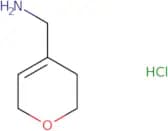
CAS:<p>Versatile small molecule scaffold</p>Formula:C6H12ClNOPurity:Min. 95%Molecular weight:149.62 g/mol2-(tert-Butylsulfanyl)-1,3-difluoro-5-nitrobenzene
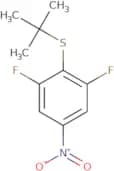
CAS:<p>Versatile small molecule scaffold</p>Formula:C10H11F2NO2SPurity:Min. 95%Molecular weight:247.26 g/mol4-(Cyclohexanesulfonyl)piperidine hydrochloride
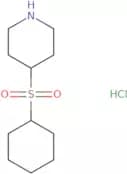
CAS:<p>Versatile small molecule scaffold</p>Formula:C11H22ClNO2SPurity:Min. 95%Molecular weight:267.82 g/mol2-Methylbutane-2,3-diamine dihydrochloride
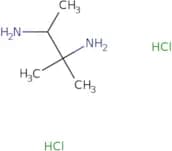
CAS:<p>Versatile small molecule scaffold</p>Formula:C5H16Cl2N2Purity:Min. 95%Molecular weight:175.1 g/molMethyl[2-methyl-1-(morpholin-4-yl)propan-2-yl]amine dihydrochloride
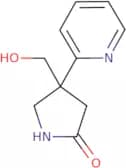
CAS:<p>Versatile small molecule scaffold</p>Formula:C9H22Cl2N2OPurity:Min. 95%Molecular weight:245.19 g/mol4-(Hydroxymethyl)-4-(pyridin-2-yl)pyrrolidin-2-one
CAS:<p>Versatile small molecule scaffold</p>Formula:C10H12N2O2Purity:Min. 95%Molecular weight:192.21 g/mol4h,5h,6h,7h-[1,2]oxazolo[4,5-c]pyridine hydrochloride
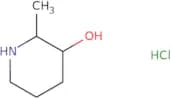
CAS:<p>Versatile small molecule scaffold</p>Formula:C6H9ClN2OPurity:Min. 95%Molecular weight:160.6 g/mol2-Methylpiperidin-3-ol hydrochloride
CAS:<p>Versatile small molecule scaffold</p>Formula:C6H14ClNOPurity:Min. 95%Molecular weight:151.63 g/mol1-Methyl-5-{[(piperidin-3-yl)methyl]amino}piperidin-2-one dihydrochloride
CAS:<p>Versatile small molecule scaffold</p>Formula:C12H25Cl2N3OPurity:Min. 95%Molecular weight:298.25 g/molBis(N-[(2-methoxypyridin-4-yl)methyl]guanidine), sulfuric acid
CAS:<p>Versatile small molecule scaffold</p>Formula:C16H26N8O6SPurity:Min. 95%Molecular weight:458.5 g/mol[3-(Propan-2-yloxy)oxolan-3-yl]methanol
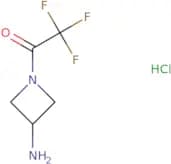
CAS:<p>Versatile small molecule scaffold</p>Formula:C8H16O3Purity:Min. 95%Molecular weight:160.21 g/mol1-(3-Aminoazetidin-1-yl)-2,2,2-trifluoroethan-1-one hydrochloride
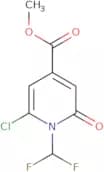
CAS:<p>Versatile small molecule scaffold</p>Formula:C5H8ClF3N2OPurity:Min. 95%Molecular weight:204.58 g/molMethyl 6-chloro-1-(difluoromethyl)-2-oxo-1,2-dihydropyridine-4-carboxylate
CAS:<p>Versatile small molecule scaffold</p>Formula:C8H6ClF2NO3Purity:Min. 95%Molecular weight:237.59 g/mol3-[(4-Bromophenyl)sulfanyl]pyrrolidine hydrochloride
CAS:<p>Versatile small molecule scaffold</p>Formula:C10H13BrClNSPurity:Min. 95%Molecular weight:294.64 g/mol5-Chloro-3-[2-(trimethylsilyl)ethynyl]pyridin-2-ol
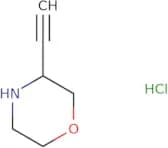
CAS:<p>Versatile small molecule scaffold</p>Formula:C10H12ClNOSiPurity:Min. 95%Molecular weight:225.74 g/mol3-Ethynylmorpholine hydrochloride
CAS:<p>Versatile small molecule scaffold</p>Formula:C6H10ClNOPurity:Min. 95%Molecular weight:147.6 g/mol3-(Aminomethyl)tetrahydro-3-thiophene-3-ol 1,1-dioxide hydrochloride
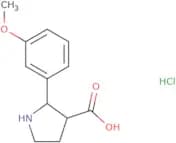
CAS:<p>Versatile small molecule scaffold</p>Formula:C5H12ClNO3SPurity:Min. 95%Molecular weight:201.67 g/mol2-(3-Methoxyphenyl)pyrrolidine-3-carboxylic acid hydrochloride
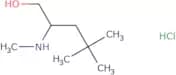
CAS:<p>Versatile small molecule scaffold</p>Formula:C12H16ClNO3Purity:Min. 95%Molecular weight:257.71 g/mol4,4-Dimethyl-2-(methylamino)pentan-1-ol hydrochloride
CAS:<p>Versatile small molecule scaffold</p>Formula:C8H20ClNOPurity:Min. 95%Molecular weight:181.7 g/mol5H,6H,7H-Pyrrolo[1,2-c]imidazol-6-amine dihydrochloride
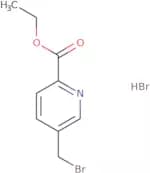
CAS:<p>Versatile small molecule scaffold</p>Formula:C6H11Cl2N3Purity:Min. 95%Molecular weight:196.07 g/molEthyl 5-(bromomethyl)pyridine-2-carboxylate hydrobromide
CAS:<p>Versatile small molecule scaffold</p>Formula:C9H11Br2NO2Purity:Min. 95%Molecular weight:325 g/molEthyl(methoxy)[1-(2-methyl-1,3-thiazol-4-yl)ethyl]amine
CAS:<p>Versatile small molecule scaffold</p>Formula:C9H16N2OSPurity:Min. 95%Molecular weight:200.3 g/mol4-[1-(Propan-2-yl)-1H-1,2,3-triazol-4-yl]-2,3,6,7-tetrahydro-1H-azepine dihydrochloride
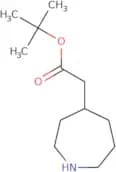
CAS:<p>Versatile small molecule scaffold</p>Formula:C11H20Cl2N4Purity:Min. 95%Molecular weight:279.21 g/moltert-Butyl 2-(azepan-4-yl)acetate
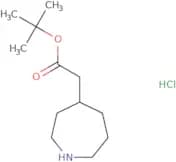
CAS:<p>Versatile small molecule scaffold</p>Formula:C12H23NO2Purity:Min. 95%Molecular weight:213.32 g/moltert-Butyl 2-(azepan-4-yl)acetate hydrochloride
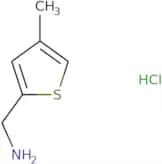
CAS:<p>Versatile small molecule scaffold</p>Formula:C12H24ClNO2Purity:Min. 95%Molecular weight:249.78 g/mol(4-Methylthiophen-2-yl)methanamine hydrochloride
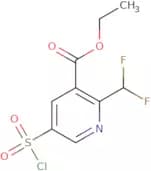
CAS:<p>Versatile small molecule scaffold</p>Formula:C6H10ClNSPurity:Min. 95%Molecular weight:163.67 g/molEthyl 5-(chlorosulfonyl)-2-(difluoromethyl)pyridine-3-carboxylate
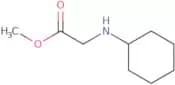
CAS:<p>Versatile small molecule scaffold</p>Formula:C9H8ClF2NO4SPurity:Min. 95%Molecular weight:299.68 g/molMethyl 2-(cyclohexylamino)acetate
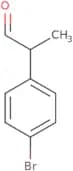
CAS:<p>Versatile small molecule scaffold</p>Formula:C9H17NO2Purity:Min. 95%Molecular weight:171.24 g/mol2-(4-Bromophenyl)propanal
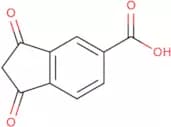
CAS:<p>Versatile small molecule scaffold</p>Formula:C9H9BrOPurity:Min. 95%Molecular weight:213.07 g/mol1,3-Dioxo-2,3-dihydro-1H-indene-5-carboxylic acid
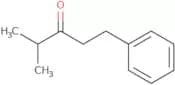
CAS:<p>Versatile small molecule scaffold</p>Formula:C10H6O4Purity:Min. 95%Molecular weight:190.15 g/mol4-Methyl-1-phenylpentan-3-one
CAS:<p>Versatile small molecule scaffold</p>Formula:C12H16OPurity:Min. 95%Molecular weight:176.25 g/mol2-Methoxy-6,7,8,9-tetrahydro-5H-benzo[7]annulen-6-one
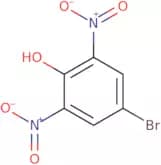
CAS:<p>Versatile small molecule scaffold</p>Formula:C12H14O2Purity:Min. 95%Molecular weight:190.24 g/mol4-Bromo-2,6-dinitrophenol
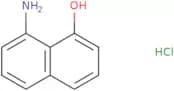
CAS:<p>Versatile small molecule scaffold</p>Formula:C6H3BrN2O5Purity:Min. 95%Molecular weight:263 g/mol8-Aminonaphthalen-1-ol hydrochloride
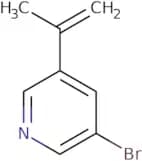
CAS:<p>Versatile small molecule scaffold</p>Formula:C10H10ClNOPurity:Min. 95%Molecular weight:195.64 g/mol2-(5-bromopyridin-3-yl)propan-2-ol
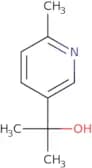
CAS:<p>Versatile small molecule scaffold</p>Formula:C8H10BrNOPurity:Min. 95%Molecular weight:216.08 g/mol2-(6-Methylpyridin-3-yl)propan-2-ol
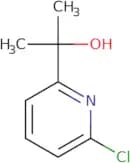
CAS:<p>Versatile small molecule scaffold</p>Formula:C9H13NOPurity:Min. 95%Molecular weight:151.21 g/mol2-(6-Chloropyridin-2-yl)propan-2-ol
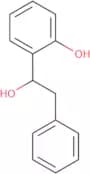
CAS:<p>Versatile small molecule scaffold</p>Formula:C8H10ClNOPurity:Min. 95%Molecular weight:171.62 g/mol2-(1-Hydroxy-2-phenylethyl)phenol
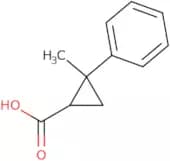
CAS:<p>Versatile small molecule scaffold</p>Formula:C14H14O2Purity:Min. 95%Molecular weight:214.26 g/mol2-Methyl-2-phenylcyclopropane-1-carboxylic acid
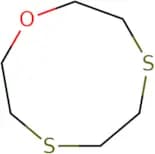
CAS:<p>Versatile small molecule scaffold</p>Formula:C11H12O2Purity:Min. 95%Molecular weight:176.21 g/mol1,4,7-Oxadithionane
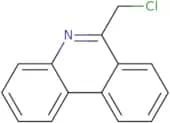
CAS:<p>Versatile small molecule scaffold</p>Formula:C6H12OS2Purity:Min. 95%Molecular weight:164.3 g/mol6-(Chloromethyl)phenanthridine
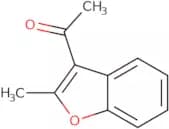
CAS:<p>6-(Chloromethyl)phenanthridine is a fatty acid that has been shown to have anti-inflammatory effects. It has also been shown to be effective in the treatment of humans and animals with musculoskeletal disorders. 6-(Chloromethyl)phenanthridine is soluble in deionized water and hydroxide solution, but insoluble in ethanol and acetone. This compound can be used as an ingredient in detergent compositions for use on clothes. It can also be used as a microcapsule coating material or as an acid catalyst in the production of soybean extract.</p>Formula:C14H10ClNPurity:Min. 95%Molecular weight:227.69 g/mol1-(2-Methyl-1-benzofuran-3-yl)ethan-1-one
CAS:<p>Versatile small molecule scaffold</p>Formula:C11H10O2Purity:Min. 95%Molecular weight:174.2 g/mol2,3-Dihydro-5-hydroxybenzo[b]furan
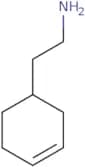
CAS:<p>2,3-Dihydro-5-hydroxybenzo[b]furan (2,3-DHBF) is a molecule that has been shown to have synergistic interaction with human polymorphonuclear leukocytes. This compound has also been found to inhibit the peroxidase-like activity and lipolytic enzymes of these cells. 2,3-DHBF may act as an antiinflammatory agent by inhibiting the production of inflammatory mediators. It also has antioxidant properties due to its ability to scavenge free radicals and protect against lipid peroxidation. The compound is soluble in organic solvents and can be synthesized from sulfonic acids and selenium compounds. 2,3-DHBF has also been found to have cytotoxic effects on heart tissue in rats.</p>Formula:C8H8O2Purity:Min. 95%Molecular weight:136.15 g/mol2-(Cyclohex-3-en-1-yl)ethan-1-amine
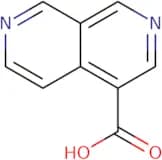
CAS:<p>Versatile small molecule scaffold</p>Formula:C8H15NPurity:Min. 95%Molecular weight:125.21 g/mol2,7-Naphthyridine-4-carboxylic acid
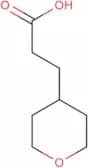
CAS:<p>Versatile small molecule scaffold</p>Formula:C9H6N2O2Purity:Min. 95%Molecular weight:174.16 g/mol3-(Tetrahydro-2H-pyran-4-yl)propanoic acid
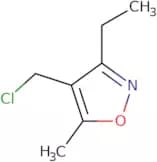
CAS:<p>Versatile small molecule scaffold</p>Formula:C8H14O3Purity:Min. 95%Molecular weight:158.19 g/mol4-(Chloromethyl)-3-ethyl-5-methyl-1,2-oxazole
CAS:<p>Versatile small molecule scaffold</p>Formula:C7H10ClNOPurity:Min. 95%Molecular weight:159.61 g/molMethyl 4'-hydroxy-[1,1'-biphenyl]-4-carboxylate
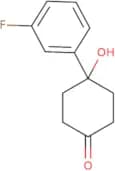
CAS:<p>Methyl 4'-hydroxy-[1,1'-biphenyl]-4-carboxylate is a liquid crystal with a molecular weight of 244.3 g/mol. It is synthesized from benzaldehyde and 4-bromobenzaldehyde in the presence of sodium hydroxide and potassium carbonate in methanol at reflux temperature. The compound crystallizes as an asymmetric carbon atom with a biphenyl skeleton. It has been shown to be soluble in chloroform and benzene, but not in ether or acetone. The compound exhibits ferroelectric properties and has been used for the synthesis of dendrimers and supramolecular structures.</p>Formula:C14H12O3Purity:Min. 95%Molecular weight:228.24 g/mol4-(3-Fluorophenyl)-4-hydroxycyclohexan-1-one
CAS:<p>Versatile small molecule scaffold</p>Formula:C12H13FO2Purity:Min. 95%Molecular weight:208.23 g/mol4-[3-(Trifluoromethyl)phenyl]cyclohexan-1-one
CAS:<p>Versatile small molecule scaffold</p>Formula:C13H13F3OPurity:Min. 95%Molecular weight:242.24 g/mol2-Aminothieno[2,3-d]thiazole
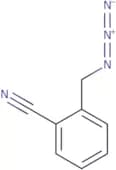
CAS:<p>2-Aminothieno[2,3-d]thiazole is a heterocyclic compound that has been used as a building block in organic synthesis. It has been found to be an intermediate in the deamination of 2-aminopyrimidine and the reductive chlorination of ethyl or benzyl thiocyanate. 2-Aminothieno[2,3-d]thiazole is produced by the decarboxylation of 2-aminoacetophenone and can be oxidized to produce 2,4-diaminothiazole. The optical rotation varies with the solvent used, with values given for ethanol being [α] = -8.5° (c=0.1 in HCl) and for methanol [α] = +6.7° (c=0.1 in HCl).<br>2-Aminothieno[2,3-d]thiaz</p>Formula:C5H4N2S2Purity:Min. 95%Molecular weight:156.23 g/mol2-(Azidomethyl)benzonitrile
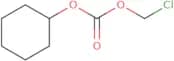
CAS:<p>Versatile small molecule scaffold</p>Formula:C8H6N4Purity:Min. 95%Molecular weight:158.16 g/molChloromethyl cyclohexyl carbonate
CAS:<p>Chloromethyl cyclohexyl carbonate is a new acyclic nucleoside phosphonate that has been shown to have antiviral properties. It is active against HIV strains and inhibits the production of clotting factors. Chloromethyl cyclohexyl carbonate can be used as a drug substance for treating bowel disease, hepatitis, and cancer. It also modulates syncytial cells and heterocycles. Pharmacokinetic studies on chloromethyl cyclohexyl carbonate have shown that it has high bioavailability in the small intestine and liver after oral administration. It is metabolized by tyrosine kinase, which indicates that it may interfere with other drugs such as warfarin or phenytoin. Chloromethyl cyclohexyl carbonate has been found to be effective in treating gastritis and cancer in animal models.</p>Formula:C8H13ClO3Purity:Min. 95%Molecular weight:192.64 g/mol3H,4H-Pyrido[3,4-d]pyridazin-4-one
CAS:<p>Versatile small molecule scaffold</p>Formula:C7H5N3OPurity:Min. 95%Molecular weight:147.13 g/mol2-{[(tert-butoxy)carbonyl]amino}-2-(3-methoxyphenyl)acetic acid
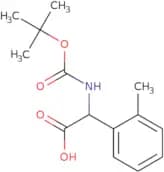
CAS:<p>Versatile small molecule scaffold</p>Formula:C14H19NO5Purity:Min. 95%Molecular weight:281.3 g/molBoc-DL-(2-methylphenyl)glycine
CAS:<p>Versatile small molecule scaffold</p>Formula:C14H19NO4Purity:Min. 95%Molecular weight:265.31 g/mol[(tert-Butoxycarbonyl)amino](3-methylphenyl)acetic acid
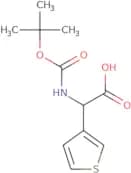
CAS:<p>Versatile small molecule scaffold</p>Formula:C14H19NO4Purity:Min. 95%Molecular weight:265.3 g/mol2-(Boc-amino)-2-(3-thiophenyl)acetic acid
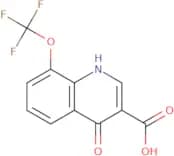
CAS:<p>2-(Boc-amino)-2-(3-thiophenyl)acetic acid is a synthetic polymer that is synthesized from ethynyl bromide and 3-thiophenylacetic acid. It is conjugated to a model compound, which has been shown to fluoresce. This polymer can be used as a model for polymers with similar properties.</p>Formula:C11H15NO4SPurity:Min. 95%Molecular weight:257.31 g/mol4-Hydroxy-8-(trifluoromethoxy)quinoline-3-carboxylic acid
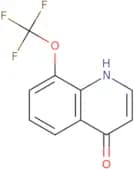
CAS:<p>Versatile small molecule scaffold</p>Formula:C11H6F3NO4Purity:Min. 95%Molecular weight:273.16 g/mol8-(Trifluoromethoxy)-4-hydroxyquinoline
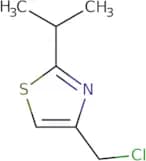
CAS:<p>Versatile small molecule scaffold</p>Formula:C10H6NO2F3Purity:Min. 95%Molecular weight:229.15 g/mol4-(Chloromethyl)-2-isopropylthiazole
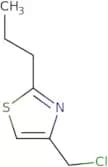
CAS:<p>Versatile small molecule scaffold</p>Formula:C7H10ClNSPurity:Min. 95%Molecular weight:175.68 g/mol4-(Chloromethyl)-2-propyl-1,3-thiazole
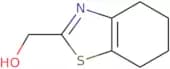
CAS:<p>Versatile small molecule scaffold</p>Formula:C7H10ClNSPurity:Min. 95%Molecular weight:175.68 g/mol(4,5,6,7-Tetrahydro-1,3-benzothiazol-2-yl)methanol
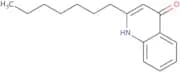
CAS:<p>Versatile small molecule scaffold</p>Formula:C8H11NOSPurity:Min. 95%Molecular weight:169.25 g/mol2-Heptylquinolin-4(1H)-one
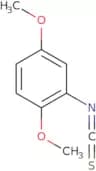
CAS:<p>Pseudomonas aeruginosa is a Gram-negative bacterium that has been implicated in many infectious diseases. It is a multidrug resistant organism and can be difficult to treat. The mode of action of 2-heptylquinolin-4(1H)-one (2HQ) is not well understood, but it appears to inhibit the growth of P. aeruginosa by binding to copper ions. 2HQ was shown to exhibit antibacterial activity against wild-type strains of P. aeruginosa as well as mutants with reduced copper resistance. 2HQ also reduces the virulence and biofilm formation of P. aeruginosa cells and inhibits the expression of genes involved in energy metabolism, signal transduction, and chlorogenic acid biosynthesis (an endpoint for quorum sensing).</p>Formula:C16H21NOPurity:Min. 95%Molecular weight:243.35 g/mol2,5-Dimethoxyphenyl isothiocyanate
CAS:<p>Versatile small molecule scaffold</p>Formula:C9H9NO2SPurity:Min. 95%Molecular weight:195.24 g/mol1-(1-Methyl-1H-pyrazol-4-yl)ethanol
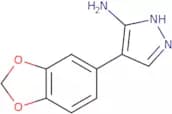
CAS:<p>Versatile small molecule scaffold</p>Formula:C6H10N2OPurity:Min. 95%Molecular weight:126.16 g/mol4-(1,3-Dioxaindan-5-yl)-1H-pyrazol-5-amine
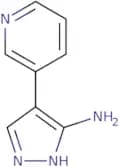
CAS:<p>Versatile small molecule scaffold</p>Formula:C10H9N3O2Purity:Min. 95%Molecular weight:203.2 g/mol4-Pyridin-3-yl-2H-pyrazol-3-ylamine
CAS:<p>Versatile small molecule scaffold</p>Formula:C8H8N4Purity:Min. 95%Molecular weight:160.18 g/molethyl propionimidate hydrochloride
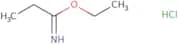
CAS:<p>Ethyl propionimidate hydrochloride is a non-selective, irreversible inhibitor of the glutamate-gated chloride channel. It is used to treat some types of psychosis, esophageal spasms, and prostatic hypertrophy. It has also been shown to inhibit metabotropic glutamate receptors and inflammatory diseases. This drug binds to an oxygen atom in the active site of the glutamate receptor and blocks its activity. Ethyl propionimidate hydrochloride has been shown to be effective against animal health as well as obesity in animal models. This drug does not have any effect on insulin resistance or blood glucose levels but does have a relaxing effect on bronchial muscles.</p>Formula:C5H12ClNOPurity:Min. 95%Molecular weight:137.61 g/mol3-Bromopyrrolidin-2-one
CAS:<p>3-Bromopyrrolidin-2-one is a homolytic, dehydrohalogenation thermochemical reagent that induces chemical diversity. It is synthesised from brominated and chloride compounds and has been used for the synthesis of 8-bromoadenine. The energy of the molecule is 8.1 kcal/mol, which makes it relevant in the dehydrogenation of organic compounds. 3-Bromopyrrolidin-2-one can be used as a reagent to induce chemical diversity.</p>Formula:C4H6BrNOPurity:Min. 95%Molecular weight:164 g/mol2-tert-Butylcyclopentan-1-one
CAS:<p>2-tert-Butylcyclopentan-1-one is a small molecule that can be used in the synthesis of pharmaceuticals, agrochemicals, and other organic compounds. It is an example of a stereocontrolled reaction, which means that the product has been synthesized by using a specific stereocenter to direct the product's configuration. This molecule has been synthesized from two different fluorine sources in order to create a pseudoequatorial structure. The selectivity for this reaction was determined by observing x-ray crystallography data and nmr spectra. The temperature at which this reaction occurred was determined through correlations between chiralities of cyclic hydroxyalkyl groups with temperatures.</p>Formula:C9H16OPurity:Min. 95%Molecular weight:140.22 g/molrac-(1R,2S)-2-tert-Butylcyclopentan-1-ol
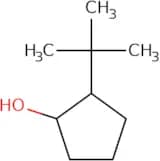
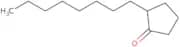
CAS:<p>Versatile small molecule scaffold</p>Formula:C9H18OPurity:Min. 95%Molecular weight:142.2 g/mol2-Octylcyclopentan-1-one
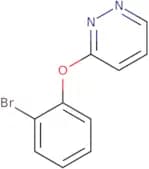
CAS:<p>Versatile small molecule scaffold</p>Formula:C13H24OPurity:Min. 95%Molecular weight:196.33 g/mol3-(2-Bromophenoxy)pyridazine
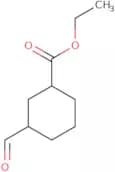
CAS:<p>3-(2-Bromophenoxy)pyridazine is a monoclonal antibody that binds to the epidermal growth factor receptor (EGFR), which is found on the surface of cancer cells. It can also be used to diagnose cervical cancer in women. The 3-(2-bromophenoxy)pyridazine was developed to find a treatment for cancers that have EGFR receptors, and it has been shown to be potent in inhibiting tumor growth in vivo. This drug binds to the EGFR with an affinity that is comparable to those of natural antibodies, and it has been shown to have no adverse effects on normal cells.<br>The 3-(2-bromophenoxy)pyridazine does not bind as well to some cell types, such as those from mice or rats. This may be due to the effect of the matrix on the binding process.</p>Formula:C10H7BrN2OPurity:Min. 95%Molecular weight:251.08 g/molEthyl 3-formylcyclohexane-1-carboxylate
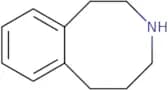
CAS:<p>Versatile small molecule scaffold</p>Formula:C10H16O3Purity:Min. 95%Molecular weight:184.23 g/mol1,2,3,4,5,6-Hexahydro-3-benzazocine
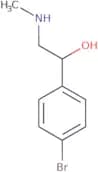
CAS:<p>1,2,3,4,5,6-Hexahydro-3-benzazocine is a cyclopropylcarbonyl compound with analgesic properties. It is used in the treatment of moderate to moderately severe pain. This drug has been shown to bind to benzene ring and form an aliphatic bond with a hydroxy group on the adjacent carbon. The binding of the hydroxy group is stabilized by the methoxy and cycloaliphatic groups. 1,2,3,4,5,6-Hexahydro-3-benzazocine also binds to aluminum cations through its hydride or aralkyl groups and forms a stable complex that can be removed from solution by dialysis. The phenylacetyl group is used for solubilization.</p>Formula:C11H15NPurity:Min. 95%Molecular weight:161.24 g/mol1-(4-Bromophenyl)-2-(methylamino)ethan-1-ol
CAS:<p>Versatile small molecule scaffold</p>Formula:C9H12BrNOPurity:Min. 95%Molecular weight:230.1 g/mol1-(Bicyclo[2.2.2]oct-5-en-2-yl)ethanone
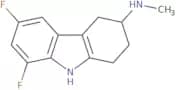
CAS:<p>Versatile small molecule scaffold</p>Formula:C10H14OPurity:Min. 95%Molecular weight:150.22 g/mol6,8-Difluoro-N-methyl-2,3,4,9-tetrahydro-1H-carbazol-3-amine
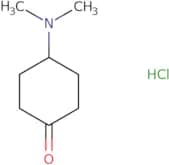
CAS:<p>Versatile small molecule scaffold</p>Formula:C13H14F2N2Purity:Min. 95%Molecular weight:236.26 g/mol4-(Dimethylamino)cyclohexanone hydrochloride
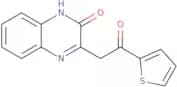
CAS:<p>Versatile small molecule scaffold</p>Formula:C8H16ClNOPurity:Min. 95%Molecular weight:177.67 g/mol3-(2-Oxo-2-(thiophen-2-yl)ethyl)quinoxalin-2(1H)-one
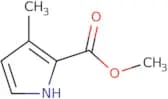
CAS:<p>3-(2-Oxo-2-(thiophen-2-yl)ethyl)quinoxalin-2(1H)-one is a medicament with aromatase inhibition properties. It acts by inhibiting the enzyme aromatase, which is responsible for the conversion of androgens to estrogens. This compound has been found to have potential therapeutic applications in the treatment of hormone-related conditions such as breast cancer and endometriosis.</p>Formula:C14H10N2O2SPurity:Min. 95%Molecular weight:270.31 g/molMethyl 3-methyl-1H-pyrrole-2-carboxylate
CAS:<p>Versatile small molecule scaffold</p>Formula:C7H9NO2Purity:Min. 95%Molecular weight:139.15 g/molMethyl 4-acetyl-1H-pyrrole-2-carboxylate
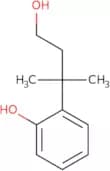
CAS:<p>Versatile small molecule scaffold</p>Formula:C8H9NO3Purity:Min. 95%Molecular weight:167.16 g/mol2-(4-Hydroxy-2-methylbutan-2-yl)phenol
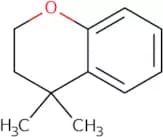
CAS:<p>Versatile small molecule scaffold</p>Formula:C11H16O2Purity:Min. 95%Molecular weight:180.24 g/mol4,4-Dimethyl-3,4-dihydro-2H-1-benzopyran
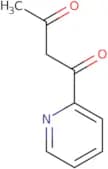
CAS:<p>Versatile small molecule scaffold</p>Formula:C11H14OPurity:Min. 95%Molecular weight:162.23 g/mol1-(pyridin-2-yl)butane-1,3-dione
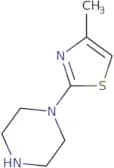
CAS:<p>1-(Pyridin-2-yl)butane-1,3-dione is a hydrazine derivative that is used as a research tool for the synthesis of heterocycles. It has been found to react with sodium borohydride in the presence of formic acid to yield various pyrazoles and formic acid. 1-(Pyridin-2-yl)butane-1,3-dione can also be used to reduce aldehydes, ketones, and other compounds containing an alpha carbon.</p>Formula:C9H9NO2Purity:Min. 95%Molecular weight:163.18 g/mol1-(4-Methyl-1,3-thiazol-2-yl)piperazine
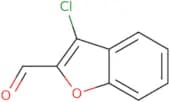
CAS:<p>Versatile small molecule scaffold</p>Formula:C8H13N3SPurity:Min. 95%Molecular weight:183.28 g/mol3-chloro-1-benzofuran-2-carbaldehyde
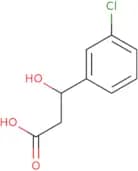
CAS:<p>3-Chloro-1-benzofuran-2-carbaldehyde is a chemical that belongs to the group of heterocyclic compounds. It has the ability to act as an acceptor and chloride. 3-Chloro-1-benzofuran-2-carbaldehyde has been shown to be toxic to kidney cells, which may be due to its ability to cause chloride ion accumulation in the cell. 3-Chloro-1-benzofuran-2-carbaldehyde also acts as a virus inhibitor, and it has been shown that it inhibits the replication of viruses by reacting with their DNA. This chemical can also react with alkylating agents and form acetylated or formylated derivatives.</p>Formula:C9H5ClO2Purity:Min. 95%Molecular weight:180.59 g/mol(3R)-3-(3-Chlorophenyl)-3-hydroxypropanoic acid
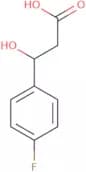
CAS:<p>Versatile small molecule scaffold</p>Formula:C9H9ClO3Purity:Min. 95%Molecular weight:200.62 g/mol3-(4-Fluorophenyl)-3-hydroxypropanoic acid
CAS:<p>Versatile small molecule scaffold</p>Formula:C9H9FO3Purity:Min. 95%Molecular weight:184.16 g/molN-(2,6-Diethylphenyl)-3-oxo-3-phenylpropanamide
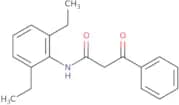
CAS:<p>Versatile small molecule scaffold</p>Formula:C19H21NO2Purity:Min. 95%Molecular weight:295.4 g/mol4-(2-Chloro-4-methylphenoxy)butanoic acid
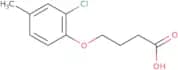
CAS:Controlled Product<p>Versatile small molecule scaffold</p>Formula:C11H13ClO3Purity:Min. 95%Molecular weight:228.67 g/mol3-(2-Chloro-4-methylphenoxy)propanoic acid
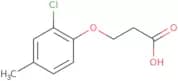
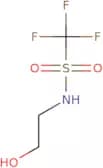
CAS:<p>Versatile small molecule scaffold</p>Formula:C10H11ClO3Purity:Min. 95%Molecular weight:214.64 g/mol1,1,1-Trifluoro-N-(2-hydroxyethyl)methanesulfonamide
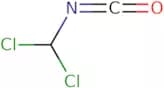
CAS:<p>Versatile small molecule scaffold</p>Formula:C3H6F3NO3SPurity:Min. 95%Molecular weight:193.15 g/molDichloro(isocyanato)methane
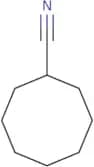
CAS:<p>Dichloro(isocyanato)methane is a chemical compound that belongs to the haloalkyl group. It can be used in dyestuffs, as a reagent for the modification of quinoline derivatives, and in the production of nitro compounds. Dichloro(isocyanato)methane has two isomers: monochloro-dichloromethane and dichloro-monochloromethane. The former is a kinetic product while the latter is thermodynamic. This compound is also polymorphic and has two expressible forms: one with an electron density on chlorine atom and another with an electron density on carbon atom.</p>Formula:C2HCl2NOPurity:Min. 95%Molecular weight:125.94 g/molCyclooctanecarbonitrile
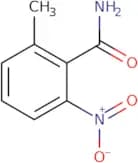
CAS:<p>Cyclooctanecarbonitrile is a hydroxy group that is used as a polymerization initiator. It can be synthesized by the reaction of cyclooctane and carbon monoxide. Cyclooctanecarbonitrile is an amine with a homogeneous catalyst, which also has functional groups such as an isopropyl group. Cyclooctanecarbonitrile is used in industrial processes to make polyvinyl chloride (PVC) and ethylene vinyl acetate (EVA). This compound also has the ability to inhibit insulin resistance and may be useful for treating diabetes. The polymerization of cyclooctanecarbonitrile can be catalyzed by titanium or zirconium.</p>Formula:C9H15NPurity:Min. 95%Molecular weight:137.22 g/mol2-Methyl-6-nitrobenzamide
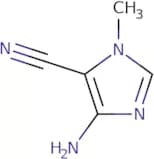
CAS:<p>Versatile small molecule scaffold</p>Formula:C8H8N2O3Purity:Min. 95%Molecular weight:180.16 g/mol4-Amino-1-methylimidazole-5-carbonitrile
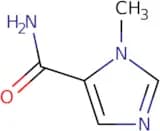
CAS:<p>Versatile small molecule scaffold</p>Formula:C5H6N4Purity:Min. 95%Molecular weight:122.13 g/mol1-Methyl-1H-imidazole-5-carboxamide
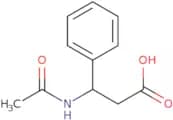
CAS:<p>Versatile small molecule scaffold</p>Formula:C5H7N3OPurity:Min. 95%Molecular weight:125.13 g/molN-Acetyl-DL-²-phenylalanine
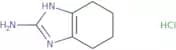
CAS:<p>Versatile small molecule scaffold</p>Formula:C11H13NO3Purity:Min. 95%Molecular weight:207.23 g/mol4,5,6,7-Tetrahydro-1H-1,3-benzodiazol-2-amine hydrochloride
CAS:<p>Versatile small molecule scaffold</p>Formula:C7H12ClN3Purity:Min. 95%Molecular weight:173.64 g/molN-(4,5,6,7-Tetrahydro-1H-1,3-benzodiazol-2-yl)acetamide
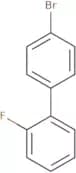
CAS:<p>Versatile small molecule scaffold</p>Formula:C9H13N3OPurity:Min. 95%Molecular weight:179.22 g/mol4'-bromo-2-fluoro-1,1'-biphenyl
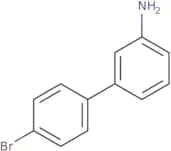
CAS:<p>Versatile small molecule scaffold</p>Formula:C12H8BrFPurity:Min. 95%Molecular weight:251.1 g/mol3-(4-Bromophenyl)aniline
CAS:<p>Versatile small molecule scaffold</p>Formula:C12H10BrNPurity:Min. 95%Molecular weight:248.12 g/mol4-Cyclopropylphenylacetic acid
CAS:<p>Versatile small molecule scaffold</p>Formula:C11H12O2Purity:Min. 95%Molecular weight:176.22 g/molMethyl 2-[(2-aminoethyl)sulfanyl]acetate hydrochloride
CAS:<p>Versatile small molecule scaffold</p>Formula:C5H12ClNO2SPurity:Min. 95%Molecular weight:185.67 g/mol4-Bromo-1H-benzo[d]imidazol-2(3H)-one
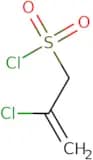
CAS:<p>Versatile small molecule scaffold</p>Formula:C7H5BrN2OPurity:Min. 95%Molecular weight:213.03 g/mol2-Chloroprop-2-ene-1-sulfonyl chloride
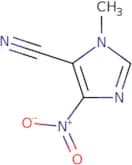
CAS:<p>Versatile small molecule scaffold</p>Formula:C3H4Cl2O2SPurity:Min. 95%Molecular weight:175.03 g/mol1-Methyl-4-nitro-1H-imidazole-5-carbonitrile
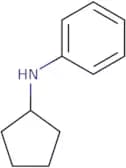
CAS:<p>1-Methyl-4-nitro-1H-imidazole-5-carbonitrile is a nitroimidazole that is activated by oxidation. It has been shown to be effective against strains of bacteria that are resistant to other antibiotics, such as methicillin and erythromycin. Nitroimidazoles are analogues of sulfonamides and have a reactive methylsulfonyl group that can be used to form covalent bonds with nucleophiles. 1-Methyl-4-nitro-1H-imidazole-5-carbonitrile is an example of a substituent in which the substituent is a bromo group. This substituent has been shown to react with nucleophiles, such as alkyl halides and thiols, which may lead to the formation of new compounds.</p>Formula:C5H4N4O2Purity:Min. 95%Molecular weight:152.11 g/molN-Cyclopentylaniline
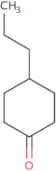
CAS:<p>N-Cyclopentylaniline is a chemical compound that is used to control pests. It has been shown to be effective as an anti-inflammatory in inflammatory pain and inflammatory diseases. N-Cyclopentylaniline also has hypotensive properties, which may be due to its ability to block the action of the enzyme phosphodiesterase 4, preventing the breakdown of cyclic AMP. This leads to vasodilation and reduced blood pressure, which can result in a decrease in heart rate. The drug has been shown to have receptor agonism effects on cannabinoid type 1 and 2 receptors, which are associated with chronic pain relief.</p>Formula:C11H15NPurity:Min. 95%Molecular weight:161.24 g/mol4-Propylcyclohexanone
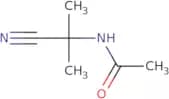
CAS:<p>4-Propylcyclohexanone is a cycloalkane that can be synthesized from butyric acid and hydroxide solution. The activation energy for this reaction is 41.7 kJ mol−1. The reaction can be catalyzed by potassium phosphate or sodium hydroxide solution, which are good bases. 4-Propylcyclohexanone has two functional groups: a hydroxyl group and a cycloalkane ring. This compound is an important precursor to eugenol, which is used in the production of perfumes, flavors, and other chemicals.</p>Formula:C9H16OPurity:Min. 95%Molecular weight:140.23 g/molN-(1-Cyano-1-methylethyl)acetamide
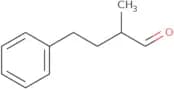
CAS:<p>Versatile small molecule scaffold</p>Formula:C6H10N2OPurity:Min. 95%Molecular weight:126.16 g/mol2-Methyl-4-phenylbutanal
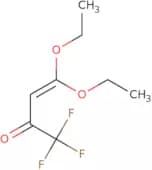
CAS:<p>Versatile small molecule scaffold</p>Formula:C11H14OPurity:90%MinMolecular weight:162.23 g/mol4,4-Diethoxy-1,1,1-trifluorobut-3-en-2-one
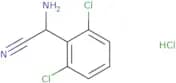
CAS:<p>Versatile small molecule scaffold</p>Formula:C8H11F3O3Purity:Min. 95%Molecular weight:212.17 g/mol2-Amino-2-(2,6-dichlorophenyl)acetonitrile hydrochloride
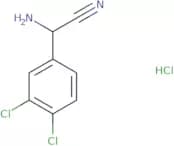
CAS:<p>Versatile small molecule scaffold</p>Formula:C8H7Cl3N2Purity:Min. 95%Molecular weight:237.5 g/mol2-Amino-2-(3,4-dichlorophenyl)acetonitrile hydrochloride
CAS:<p>Versatile small molecule scaffold</p>Formula:C8H7Cl3N2Purity:Min. 95%Molecular weight:237.5 g/mol4-[5-(Pyridin-3-yl)-1,2,4-oxadiazol-3-yl]phenol
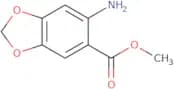
CAS:<p>Versatile small molecule scaffold</p>Formula:C13H9N3O2Purity:Min. 95%Molecular weight:239.23 g/molMethyl 6-amino-1,3-dioxaindane-5-carboxylate
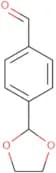
CAS:<p>Versatile small molecule scaffold</p>Formula:C9H9NO4Purity:Min. 95%Molecular weight:195.17 g/mol4-(1,3-Dioxolan-2-yl)benzaldehyde
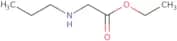
CAS:<p>Versatile small molecule scaffold</p>Formula:C10H10O3Purity:Min. 95%Molecular weight:178.18 g/molethyl 2-(propylamino)acetate
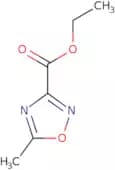
CAS:<p>Ethyl 2-(propylamino)acetate is an amine that is classified as a nucleophile. It reacts with other molecules to form new compounds and has been shown to react with a variety of nucleophiles including alcohols, carboxylic acids, and phenols. Spectroscopic techniques have revealed that ethyl 2-(propylamino)acetate exists in two isomeric forms: the cis-isomer and the trans-isomer. The cis-isomer is more reactive than the trans-isomer because it has a greater electron density on its alpha carbon atom.</p>Formula:C7H15NO2Purity:Min. 95%Molecular weight:145.2 g/molEthyl 5-methyl-1,2,4-oxadiazole-3-carboxylate
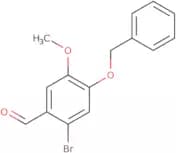
CAS:<p>Versatile small molecule scaffold</p>Formula:C6H8N2O3Purity:Min. 95%Molecular weight:156.14 g/mol4-(Benzyloxy)-2-bromo-5-methoxybenzaldehyde
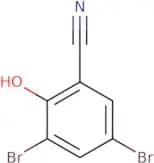
CAS:<p>Versatile small molecule scaffold</p>Formula:C15H13BrO3Purity:Min. 95%Molecular weight:321.2 g/mol3,5-Dibromo-2-hydroxybenzonitrile
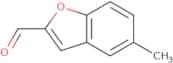
CAS:<p>3,5-Dibromo-2-hydroxybenzonitrile is an organic compound with the formula C6H4Br2O. It is a yellow liquid that is soluble in organic solvents. 3,5-Dibromo-2-hydroxybenzonitrile can be synthesized by reacting tert-butyl nitrite with bromine and acetonitrile in a solvent. The reaction rate of this chemical reaction is rapid and the molecule has been shown to be stable when exposed to light. The hydroxyl group on the molecule makes it hydrophobic, which means it does not dissolve well in water. 3,5-Dibromo-2-hydroxybenzonitrile has a photolabile profile, meaning that it quickly decomposes when exposed to light. This chemical compound has two isomers: synopses A and B. Synopsis A has an electron configuration of 1s22s22p</p>Formula:C7H3Br2NOPurity:Min. 95%Molecular weight:276.92 g/mol5-Methyl-1-benzofuran-2-carbaldehyde
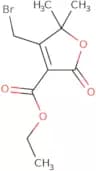
CAS:<p>Versatile small molecule scaffold</p>Formula:C10H8O2Purity:Min. 95%Molecular weight:160.17 g/molEthyl 4-(bromomethyl)-5,5-dimethyl-2-oxo-2,5-dihydrofuran-3-carboxylate
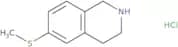
CAS:<p>Versatile small molecule scaffold</p>Formula:C10H13BrO4Purity:Min. 95%Molecular weight:277.11 g/mol6-(Methylthio)-1,2,3,4-tetrahydroisoquinoline hydrochloride
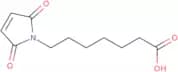
CAS:<p>Versatile small molecule scaffold</p>Formula:C10H14ClNSPurity:Min. 95%Molecular weight:215.74 g/mol7-(2,5-Dioxo-2,5-dihydro-1H-pyrrol-1-yl)heptanoic acid
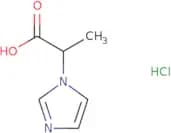
CAS:<p>Versatile small molecule scaffold</p>Formula:C11H15NO4Purity:Min. 95%Molecular weight:225.24 g/mol2-Imidazol-1-yl-propionic acidhydrochloride
CAS:<p>Versatile small molecule scaffold</p>Formula:C6H9ClN2O2Purity:Min. 95%Molecular weight:176.6 g/mol2-(4-Aminopiperidin-1-yl)acetic acid dihydrochloride
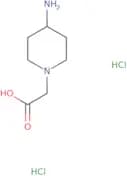
CAS:<p>Versatile small molecule scaffold</p>Formula:C7H16Cl2N2O2Purity:Min. 95%Molecular weight:231.12 g/mol2-[(2-Aminophenyl)sulfanyl]acetamide
CAS:<p>Versatile small molecule scaffold</p>Formula:C8H10N2OSPurity:Min. 95%Molecular weight:182.25 g/mol4-chloro-5-methylquinazoline
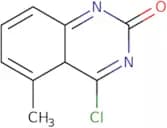
CAS:<p>Versatile small molecule scaffold</p>Formula:C9H7ClN2Purity:Min. 95%Molecular weight:178.62 g/mol2-Chloro-N-[4-(furan-2-yl)-1,3-thiazol-2-yl]acetamide
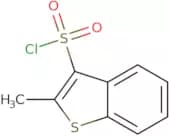
CAS:<p>Versatile small molecule scaffold</p>Formula:C9H7ClN2O2SPurity:Min. 95%Molecular weight:242.68 g/mol2-Methyl-1-benzothiophene-3-sulfonyl chloride
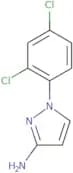
CAS:<p>Versatile small molecule scaffold</p>Formula:C9H7ClO2S2Purity:Min. 95%Molecular weight:246.7 g/mol1-(2,4-Dichlorophenyl)-1H-pyrazol-3-amine
CAS:<p>Versatile small molecule scaffold</p>Formula:C9H7Cl2N3Purity:Min. 95%Molecular weight:228.07 g/mol2-[(4-Cyanophenyl)formamido]acetic acid
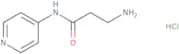
CAS:<p>2-[(4-Cyanophenyl)formamido]acetic acid is a secondary metabolite that is found in plants. It has been isolated from the leaves of the plant, Aerva lanata. 2-[(4-Cyanophenyl)formamido]acetic acid has been used as an analytical standard and as a reference material for quality control testing in the pharmaceutical industry. This compound is also being studied for its bioactive properties, including anti-inflammatory and antimicrobial activities.</p>Formula:C10H8N2O3Purity:Min. 95%Molecular weight:204.18 g/mol3-Amino-N-(pyridin-4-yl)propanamide hydrochloride
CAS:<p>Versatile small molecule scaffold</p>Formula:C8H12ClN3OPurity:Min. 95%Molecular weight:201.65 g/mol2-Chloro-N-[4-(4-fluorobenzenesulfonyl)phenyl]acetamide
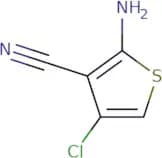
CAS:<p>Versatile small molecule scaffold</p>Formula:C14H11ClFNO3SPurity:Min. 95%Molecular weight:327.8 g/mol2-Amino-4-chlorothiophene-3-carbonitrile
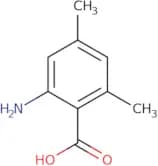
CAS:<p>Versatile small molecule scaffold</p>Formula:C5H3ClN2SPurity:Min. 95%Molecular weight:158.61 g/mol2-Amino-4,6-dimethylbenzoic acid
CAS:<p>Versatile small molecule scaffold</p>Formula:C9H11NO2Purity:Min. 95%Molecular weight:165.19 g/mol2-Amino-3-methoxy-6-methylbenzoic acid
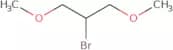
CAS:<p>Versatile small molecule scaffold</p>Formula:C9H11NO3Purity:Min. 95%Molecular weight:181.19 g/mol2-Bromo-1,3-dimethoxypropane
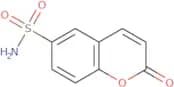
CAS:<p>Versatile small molecule scaffold</p>Formula:C5H11BrO2Purity:Min. 95%Molecular weight:183.04 g/mol2-Oxo-2H-chromene-6-sulfonamide
CAS:<p>2-Oxo-2H-chromene-6-sulfonamide is a coumarin derivative that has been shown to have pro-apoptotic properties. It induces apoptosis, or programmed cell death, in hepg2 cells by inhibiting the synthesis of proteins that are necessary for the growth and survival of cancer cells. 2-Oxo-2H-chromene-6-sulfonamide also inhibits the function of annexin and mcf7, two proteins involved in apoptosis. This drug has been shown to be effective against breast cancer cells in vitro. In addition, 2-Oxo-2H-chromene-6-sulfonamide has been found to inhibit the growth of human ovarian cancer cells in vivo. The toxicity studies on this drug have not yet been conducted on humans; therefore, it is not approved for use as a therapeutic agent.</p>Formula:C9H7NO4SPurity:Min. 95%Molecular weight:225.22 g/mol7-Amino-2-hydroxy-1,8-naphthyridine-4-carboxylic acid
CAS:<p>Versatile small molecule scaffold</p>Formula:C9H7N3O3Purity:Min. 95%Molecular weight:205.17 g/mol1-Methyl-2-sulfanyl-1H-1,3-benzodiazole-5-carbonitrile
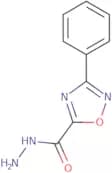
CAS:<p>Versatile small molecule scaffold</p>Formula:C9H7N3SPurity:Min. 95%Molecular weight:189.24 g/mol3-Phenyl-1,2,4-oxadiazole-5-carbohydrazide
CAS:<p>Phenyl-1,2,4-oxadiazole-5-carbohydrazide (POD) is a heterocycle that has analgesic properties. It is an analgesic agent that belongs to the group of arylidene hydrazides. POD binds to the opioid receptors in the brain, which causes pain relief. POD is structurally related to dipyrone and has similar pharmacological profile. The drug was shown to be effective in reducing constrictions in guinea pigs and rats.</p>Formula:C9H8N4O2Purity:Min. 95%Molecular weight:204.19 g/molEthyl 7-hydroxypteridine-6-carboxylate
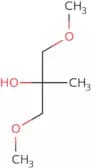
CAS:<p>Versatile small molecule scaffold</p>Formula:C9H8N4O3Purity:Min. 95%Molecular weight:220.18 g/mol1-Methoxy-2-(methoxymethyl)propan-2-ol
CAS:<p>Versatile small molecule scaffold</p>Formula:C6H14O3Purity:Min. 95%Molecular weight:134.17 g/mol1-(5-Bromo-2-methylphenyl)ethanone
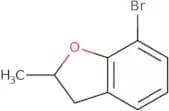
CAS:<p>1-(5-Bromo-2-methylphenyl)ethanone is an aldehyde that is used in the treatment of cancer. It has been shown to have cytotoxic effects on tumour cells by inhibiting the process of mitosis, which is required for cell division. 1-(5-Bromo-2-methylphenyl)ethanone binds to kinesin and prevents it from binding to microtubules, which are necessary for mitosis. 1-(5-Bromo-2-methylphenyl)ethanone also inhibits the production of ATP, which is needed for cellular energy. 1-(5-Bromo-2-methylphenyl)ethanone has not been shown to be mutagenic or carcinogenic.</p>Formula:C9H9BrOPurity:Min. 95%Molecular weight:213.07 g/mol7-Bromo-2-methyl-2,3-dihydro-1-benzofuran
CAS:<p>Versatile small molecule scaffold</p>Formula:C9H9BrOPurity:Min. 95%Molecular weight:213.07 g/mol5-bromo-2-methoxy-4-methylbenzoic acid
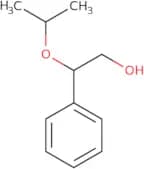
CAS:<p>Versatile small molecule scaffold</p>Formula:C9H9BrO3Purity:Min. 95%Molecular weight:245.1 g/mol2-Phenyl-2-(propan-2-yloxy)ethan-1-ol
CAS:<p>Versatile small molecule scaffold</p>Formula:C11H16O2Purity:Min. 95%Molecular weight:180.24 g/mol2-Amino-1-(pyridin-2-yl)ethan-1-ol dihydrochloride
CAS:<p>Versatile small molecule scaffold</p>Formula:C7H10N2O·2HClPurity:Min. 95%Molecular weight:211.09 g/mol2-Amino-1-(pyridin-4-yl)ethanol dihydrochloride
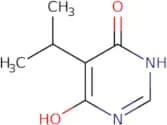
CAS:<p>Versatile small molecule scaffold</p>Formula:C7H10N2O·2HClPurity:Min. 95%Molecular weight:211.09 g/mol6-Hydroxy-5-(propan-2-yl)-3,4-dihydropyrimidin-4-one
CAS:<p>Versatile small molecule scaffold</p>Formula:C7H10N2O2Purity:Min. 95%Molecular weight:154.2 g/mol3-Methanesulfinylbenzoic acid
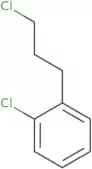
CAS:<p>3-Methanesulfinylbenzoic acid is an active site molecule that catalyzes the demethylation of alkylamines, amides, and cyclic sulfur compounds. The enzyme has been shown to have monooxygenase activity and can be biotransformed by various reactions including n-oxide formation, hydroxylation, sulfoxidation, and deamination. 3-Methanesulfinylbenzoic acid is a bacterial enzyme that has been crystallized in the x-ray crystal structures of both oxidized and reduced forms. The enzyme functions as a homodimer with a molecular weight of approximately 67 kDa.</p>Formula:C8H8O3SPurity:Min. 95%Molecular weight:184.21 g/mol1-Chloro-2-(3-chloropropyl)benzene
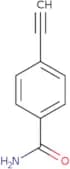
CAS:<p>Versatile small molecule scaffold</p>Formula:C9H10Cl2Purity:Min. 95%Molecular weight:189.08 g/mol4-Ethynylbenzamide
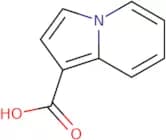
CAS:<p>4-Ethynylbenzamide is a synthetic compound that serves as an antibiotic. It is biosynthesized from the amino acid phenylalanine and the polyacetylene 4-hydroxyphenylacetone. The antibiotic activity of 4-Ethynylbenzamide has been demonstrated against gram-negative pathogens. The antibiotic inhibits bacterial growth by binding to the ribosomal protein S12, preventing its association with the 30S subunit of the ribosome and blocking protein synthesis. 4-Ethynylbenzamide also inhibits cell wall synthesis in gram-positive bacteria by binding to penicillin binding proteins, inhibiting transpeptidation and cell wall biosynthesis.</p>Formula:C9H7NOPurity:Min. 95%Molecular weight:145.16 g/molIndolizine-1-carboxylic acid
CAS:<p>Indolizine-1-carboxylic acid (IDCA) is an antimicrobial agent that inhibits bacterial growth by interfering with the synthesis of proteins. IDCA is a fluorescent compound that can be detected using fluorescence spectroscopy. This drug has been shown to have potent cytotoxic effects against cancer cells, as well as antibacterial activity against Staphylococcus aureus and other bacteria.</p>Formula:C9H7NO2Purity:Min. 95%Molecular weight:161.16 g/mol3-(2,2-Dichlorovinyl)-4-methylphenol
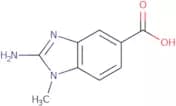
CAS:<p>Versatile small molecule scaffold</p>Formula:C9H8Cl2OPurity:Min. 95%Molecular weight:203.06 g/mol2-Amino-1-methyl-1H-1,3-benzodiazole-5-carboxylic acid
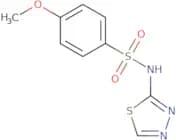
CAS:<p>Versatile small molecule scaffold</p>Formula:C9H9N3O2Purity:Min. 95%Molecular weight:191.19 g/mol4-Methoxy-N-(1,3,4-thiadiazol-2-yl)benzene-1-sulfonamide
CAS:<p>Versatile small molecule scaffold</p>Formula:C9H9N3O3S2Purity:Min. 95%Molecular weight:271.3 g/mol1-Bromo-2-chloro-4-(propan-2-yl)benzene
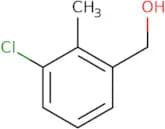
CAS:<p>Versatile small molecule scaffold</p>Formula:C9H10BrClPurity:Min. 95%Molecular weight:233.53 g/mol3-Chloro-2-methylbenzyl alcohol
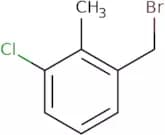
CAS:<p>Versatile small molecule scaffold</p>Formula:C8H9ClOPurity:Min. 95%Molecular weight:156.61 g/mol3-chloro-2-methylbenzyl bromide
CAS:<p>Versatile small molecule scaffold</p>Formula:C8H8BrClPurity:Min. 95%Molecular weight:219.51 g/mol6-Methyl-2H-benzo[e][1,2,4]thiadiazin-3(4H)-one 1,1-dioxide
CAS:<p>Versatile small molecule scaffold</p>Formula:C8H8N2O3SPurity:Min. 95%Molecular weight:212.23 g/molMethyl 2-[(1-methoxy-1-oxopropan-2-yl)sulfanyl]propanoate
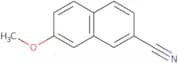
CAS:<p>Versatile small molecule scaffold</p>Formula:C8H14O4SPurity:Min. 95%Molecular weight:206.26 g/mol7-Methoxynaphthalene-2-carbonitrile
CAS:<p>Versatile small molecule scaffold</p>Formula:C12H9NOPurity:Min. 95%Molecular weight:183.21 g/mol[(3,4-Dichlorophenyl)methyl](ethyl)amine hydrochloride
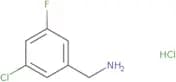
CAS:<p>Versatile small molecule scaffold</p>Formula:C9H12Cl3NPurity:Min. 95%Molecular weight:240.6 g/mol3-Chloro-5-fluorobenzylamine hydrochloride
CAS:<p>Versatile small molecule scaffold</p>Formula:C7H8Cl2FNPurity:Min. 95%Molecular weight:196.05 g/molN-Methyl-3-bromobenzylamine hydrochloride
CAS:<p>Versatile small molecule scaffold</p>Formula:C8H10BrN·HClPurity:Min. 95%Molecular weight:236.54 g/mol[(2-Bromophenyl)methyl](ethyl)amine hydrochloride
CAS:<p>Versatile small molecule scaffold</p>Formula:C9H13BrClNPurity:Min. 95%Molecular weight:250.56 g/molN-Ethyl 4-methoxybenzylamine HCl
CAS:<p>Versatile small molecule scaffold</p>Formula:C10H15NO·HClPurity:Min. 95%Molecular weight:201.7 g/molN-(4-Methoxybenzyl)-1-propanamine hydrochloride
CAS:<p>Versatile small molecule scaffold</p>Formula:C11H17NOPurity:Min. 95%Molecular weight:179.26 g/molN-(3-Chlorophenylmethyl)isopropylamine
CAS:<p>Versatile small molecule scaffold</p>Formula:C10H14ClNPurity:Min. 95%Molecular weight:183.68 g/molN-Ethyl-3-bromobenzylamine
CAS:<p>Versatile small molecule scaffold</p>Formula:C9H12BrNPurity:Min. 95%Molecular weight:214.11 g/mol3-[(Butylamino)methyl]benzonitrile
CAS:<p>Versatile small molecule scaffold</p>Formula:C12H16N2Purity:Min. 95%Molecular weight:188.27 g/molIsopropyl-(3-trifluoromethyl-benzyl)-amine
CAS:<p>Versatile small molecule scaffold</p>Formula:C11H14F3NPurity:Min. 95%Molecular weight:217.23 g/mol[(3,5-Difluorophenyl)methyl](methyl)amine
CAS:<p>Versatile small molecule scaffold</p>Formula:C8H9F2NPurity:Min. 95%Molecular weight:157.16 g/mol6-Chlorothiochroman-4-one 1,1-dioxide
CAS:<p>Versatile small molecule scaffold</p>Formula:C9H7ClO3SPurity:Min. 95%Molecular weight:230.67 g/mol5-(Benzyloxy)-1,2,3,4-tetrahydronaphthalen-1-one
CAS:<p>5-(Benzyloxy)-1,2,3,4-tetrahydronaphthalen-1-one is a synthetic tetralone that has been shown to have both estrogenic and antiestrogenic properties. It is an efficient substrate for phosphatases such as protein tyrosine phosphatase (PTP) and can be used in the study of these enzymes. 5-(Benzyloxy)-1,2,3,4-tetrahydronaphthalen-1-one is also a natural product that can be found in plants and animals. The compound's synthesis begins with the reaction of 5 hydroxybenzaldehyde with 1,2,3,4 tetrahydronaphthalene in dioxane under refluxing conditions. This process produces two products: the desired 5-(benzyloxy)-1,2,3,4-tetrahydronaphthalen-1-one and 1-(ben</p>Formula:C17H16O2Purity:Min. 95%Molecular weight:252.31 g/molN,N-Dimethyl-1-[(5-oxo-5,6,7,8-tetrahydronaphthalen-2-yl)sulfanyl]formamide
CAS:<p>Versatile small molecule scaffold</p>Formula:C13H15NO2SPurity:Min. 95%Molecular weight:249.33 g/mol7-chloro-benzo[b]thiophene
CAS:<p>7-Chloro-benzo[b]thiophene is a nicotinic acetylcholine receptor antagonist that binds to the receptor and blocks its activation. 7-Chloro-benzo[b]thiophene has been shown to be effective in treating Alzheimer's disease in humans, as well as ameliorating the symptoms of schizophrenia in animals. It has also been shown to bind to acetylcholine receptors with high affinity. This drug is an amide derivative of mercaptoacetic acid and an acetylcholine molecule. 7-Chloro-benzo[b]thiophene binds to the receptor at the site where acetylcholine would normally bind, and blocks its activation by preventing the binding of acetylcholine molecules.</p>Formula:C8H5ClSPurity:Min. 95%Molecular weight:168.64 g/mol2-Bromo-3-nitrobenzyl alcohol
CAS:<p>2-Bromo-3-nitrobenzyl alcohol is a lysergic acid derivative that undergoes an intramolecular cyclisation to form a triamide. This reaction can be catalysed by phosphoric acid, chloroform, or mercaptoacetic acid. The hydroxyl group and nitro group are both nucleophilic, making this reaction very useful in organic synthesis. 2-Bromo-3-nitrobenzyl alcohol has been used to synthesise dihydroindoles with high yield.</p>Formula:C7H6NO3BrPurity:Min. 95%Molecular weight:232.03 g/mol2-Bromo-3-nitrobenzonitrile
CAS:<p>Versatile small molecule scaffold</p>Formula:C7H3BrN2O2Purity:Min. 95%Molecular weight:227.01 g/mol5,7-Dibromo-1-benzofuran-2-carboxylic acid
CAS:<p>Versatile small molecule scaffold</p>Formula:C9H4Br2O3Purity:Min. 95%Molecular weight:319.93 g/molPropan-2-yl 5-(chloromethyl)furan-2-carboxylate
CAS:<p>Versatile small molecule scaffold</p>Formula:C9H11ClO3Purity:Min. 95%Molecular weight:202.63 g/mol2-Methoxy-4,5-dimethyl-benzenesulfonyl chloride
CAS:<p>Versatile small molecule scaffold</p>Formula:C9H11ClO3SPurity:Min. 95%Molecular weight:234.7 g/mol3-Aminoquinolin-8-ol
CAS:<p>Versatile small molecule scaffold</p>Formula:C9H8N2OPurity:Min. 95%Molecular weight:160.17 g/mol6-amino-1H-indole-3-carboxylic acid
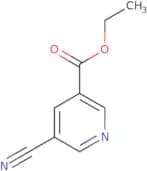
CAS:<p>Versatile small molecule scaffold</p>Formula:C9H8N2O2Purity:Min. 95%Molecular weight:176.17 g/molEthyl 5-cyanonicotinate
CAS:<p>Versatile small molecule scaffold</p>Formula:C9H8N2O2Purity:Min. 95%Molecular weight:176.17 g/mol1,5-Naphthyridine-3-carboxylic acid
CAS:<p>1,5-Naphthyridine-3-carboxylic acid is a member of the group of alkylthio antibiotics. It is mainly used as an antibacterial to treat bacterial infections in the respiratory tract and urinary tract. It has been shown to be effective against gram-positive organisms such as Staphylococcus aureus and Streptococcus pneumoniae. However, it is not active against gram-negative bacteria such as Escherichia coli or Pseudomonas aeruginosa. 1,5-Naphthyridine-3-carboxylic acid can be detected in urine with a high sensitivity, which makes it useful for diagnosis. This compound has been shown to have a benzodiazepine structure with some structural differences. The addition of dimethylformamide to this compound enhances its activity against certain Gram positive organisms such as staphylococci and streptococci.</p>Formula:C9H6N2O2Purity:Min. 95%Molecular weight:174.16 g/mol1-Isocyanato-2-(2-methoxyethoxy)ethane
CAS:<p>Versatile small molecule scaffold</p>Formula:C6H11NO3Purity:Min. 95%Molecular weight:145.16 g/mol4-Formyl-6-methoxy-3-nitrophenoxyacetic acid
CAS:<p>4-Formyl-6-methoxy-3-nitrophenoxyacetic acid is a photolabile formylated nitrophenol that is used to study the formation of concentration gradients across cell membranes. 4-Formyl-6-methoxy-3-nitrophenoxyacetic acid has been found to react with proton gradients and formyl groups in the membrane, which produces formaldehyde. The reaction mechanism for this process is not well understood, but it has been proposed that the reaction proceeds through a transducing step in which an electron from the formyl group reacts with a proton gradient to produce a formate ion. This mechanism is supported by experiments that show that the rate of photochemical reactions increases as the pH gradient across the membrane decreases.</p>Formula:C10H9NO7Purity:Min. 95%Molecular weight:255.18 g/mol5-(4-Fluorophenyl)pyrrolidin-2-one
CAS:<p>Versatile small molecule scaffold</p>Formula:C10H10FNOPurity:Min. 95%Molecular weight:179.19 g/mol2-(3-Bromophenyl)-2-methylpropanenitrile
CAS:<p>Versatile small molecule scaffold</p>Formula:C10H10BrNPurity:Min. 95%Molecular weight:224.1 g/mol3-Iodo-N-methylbenzamide
CAS:<p>Versatile small molecule scaffold</p>Formula:C8H8INOPurity:Min. 95%Molecular weight:261.06 g/mol1-(Bromomethyl)-2-methoxy-4-nitrobenzene
CAS:<p>Versatile small molecule scaffold</p>Formula:C8H8BrNO3Purity:Min. 95%Molecular weight:246.06 g/mol2-Methyl-2-[(propan-2-yl)amino]propan-1-ol
CAS:<p>Versatile small molecule scaffold</p>Formula:C7H17NOPurity:Min. 95%Molecular weight:131.22 g/moltert-Butyl 3-hydroxybutanoate
CAS:<p>Tert-Butyl 3-hydroxybutanoate is a fatty acid that is found in the mitochondrial matrix. It is an enolate anion, which can be formed by the reaction of an alcohol with an enolate ion. Tert-Butyl 3-hydroxybutanoate has also been shown to have diastereomeric properties. The natural compound tert-butyl 3-hydroxybutanoate has potential use as a respiratory control agent due to its ability to inhibit glutamate from binding to glutamate receptors in lung cells. This may lead to a decreased production of reactive oxygen species and improved respiratory function.</p>Formula:C8H16O3Purity:Min. 95%Molecular weight:160.21 g/mol
![tert-Butyl 2-[4-(2-hydroxyethyl)-1H-1,2,3-triazol-1-yl]acetate](/_next/image/?url=https%3A%2Fstatic.cymitquimica.com%2Fproducts%2F3D%2Fthumb-webp%2FPZC01650.webp&w=3840&q=75)

![Methyl[2-methyl-1-(morpholin-4-yl)propan-2-yl]amine dihydrochloride](/_next/image/?url=https%3A%2Fstatic.cymitquimica.com%2Fproducts%2F3D%2Fthumb-webp%2FPZC01670.webp&w=3840&q=75)
![4h,5h,6h,7h-[1,2]oxazolo[4,5-c]pyridine hydrochloride](/_next/image/?url=https%3A%2Fstatic.cymitquimica.com%2Fproducts%2F3D%2Fthumb-webp%2FPZC05165.webp&w=3840&q=75)
![1-Methyl-5-{[(piperidin-3-yl)methyl]amino}piperidin-2-one dihydrochloride](/_next/image/?url=https%3A%2Fstatic.cymitquimica.com%2Fproducts%2F3D%2Fthumb-webp%2FPZC05175.webp&w=3840&q=75)
![Bis(N-[(2-methoxypyridin-4-yl)methyl]guanidine), sulfuric acid](/_next/image/?url=https%3A%2Fstatic.cymitquimica.com%2Fproducts%2F3D%2Fthumb-webp%2FPZC05186.webp&w=3840&q=75)
![[3-(Propan-2-yloxy)oxolan-3-yl]methanol](/_next/image/?url=https%3A%2Fstatic.cymitquimica.com%2Fproducts%2F3D%2Fthumb-webp%2FPZC05191.webp&w=3840&q=75)
![3-[(4-Bromophenyl)sulfanyl]pyrrolidine hydrochloride](/_next/image/?url=https%3A%2Fstatic.cymitquimica.com%2Fproducts%2F3D%2Fthumb-webp%2FPZC05209.webp&w=3840&q=75)
![5-Chloro-3-[2-(trimethylsilyl)ethynyl]pyridin-2-ol](/_next/image/?url=https%3A%2Fstatic.cymitquimica.com%2Fproducts%2F3D%2Fthumb-webp%2FPZC05211.webp&w=3840&q=75)
![5H,6H,7H-Pyrrolo[1,2-c]imidazol-6-amine dihydrochloride](/_next/image/?url=https%3A%2Fstatic.cymitquimica.com%2Fproducts%2F3D%2Fthumb-webp%2FPZC05243.webp&w=3840&q=75)
![Ethyl(methoxy)[1-(2-methyl-1,3-thiazol-4-yl)ethyl]amine](/_next/image/?url=https%3A%2Fstatic.cymitquimica.com%2Fproducts%2F3D%2Fthumb-webp%2FPZC05254.webp&w=3840&q=75)
![4-[1-(Propan-2-yl)-1H-1,2,3-triazol-4-yl]-2,3,6,7-tetrahydro-1H-azepine dihydrochloride](/_next/image/?url=https%3A%2Fstatic.cymitquimica.com%2Fproducts%2F3D%2Fthumb-webp%2FPZC05266.webp&w=3840&q=75)
![2-Methoxy-6,7,8,9-tetrahydro-5H-benzo[7]annulen-6-one](/_next/image/?url=https%3A%2Fstatic.cymitquimica.com%2Fproducts%2F3D%2Fthumb-webp%2FQBA46328.webp&w=3840&q=75)
![2,3-Dihydro-5-hydroxybenzo[b]furan](/_next/image/?url=https%3A%2Fstatic.cymitquimica.com%2Fproducts%2F3D%2Fthumb-webp%2FQBA49252.webp&w=3840&q=75)
![Methyl 4'-hydroxy-[1,1'-biphenyl]-4-carboxylate](/_next/image/?url=https%3A%2Fstatic.cymitquimica.com%2Fproducts%2F3D%2Fthumb-webp%2FQBA50141.webp&w=3840&q=75)
![4-[3-(Trifluoromethyl)phenyl]cyclohexan-1-one](/_next/image/?url=https%3A%2Fstatic.cymitquimica.com%2Fproducts%2F3D%2Fthumb-webp%2FQBA50393.webp&w=3840&q=75)
![2-Aminothieno[2,3-d]thiazole](/_next/image/?url=https%3A%2Fstatic.cymitquimica.com%2Fproducts%2F3D%2Fthumb-webp%2FQBA50756.webp&w=3840&q=75)
![3H,4H-Pyrido[3,4-d]pyridazin-4-one](/_next/image/?url=https%3A%2Fstatic.cymitquimica.com%2Fproducts%2F3D%2Fthumb-webp%2FQBA51170.webp&w=3840&q=75)
![2-{[(tert-butoxy)carbonyl]amino}-2-(3-methoxyphenyl)acetic acid](/_next/image/?url=https%3A%2Fstatic.cymitquimica.com%2Fproducts%2F3D%2Fthumb-webp%2FQBA51237.webp&w=3840&q=75)
acetic acid](/_next/image/?url=https%3A%2Fstatic.cymitquimica.com%2Fproducts%2F3D%2Fthumb-webp%2FQBA51250.webp&w=3840&q=75)


![1-(Bicyclo[2.2.2]oct-5-en-2-yl)ethanone](/_next/image/?url=https%3A%2Fstatic.cymitquimica.com%2Fproducts%2F3D%2Fthumb-webp%2FQBA59077.webp&w=3840&q=75)


![Methyl 2-[(2-aminoethyl)sulfanyl]acetate hydrochloride](/_next/image/?url=https%3A%2Fstatic.cymitquimica.com%2Fproducts%2F3D%2Fthumb-webp%2FQBA64285.webp&w=3840&q=75)
![4-Bromo-1H-benzo[d]imidazol-2(3H)-one](/_next/image/?url=https%3A%2Fstatic.cymitquimica.com%2Fproducts%2F3D%2Fthumb-webp%2FQBA64416.webp&w=3840&q=75)
![4-[5-(Pyridin-3-yl)-1,2,4-oxadiazol-3-yl]phenol](/_next/image/?url=https%3A%2Fstatic.cymitquimica.com%2Fproducts%2F3D%2Fthumb-webp%2FQBA67880.webp&w=3840&q=75)
![2-[(2-Aminophenyl)sulfanyl]acetamide](/_next/image/?url=https%3A%2Fstatic.cymitquimica.com%2Fproducts%2F3D%2Fthumb-webp%2FQDA27133.webp&w=3840&q=75)
![2-Chloro-N-[4-(furan-2-yl)-1,3-thiazol-2-yl]acetamide](/_next/image/?url=https%3A%2Fstatic.cymitquimica.com%2Fproducts%2F3D%2Fthumb-webp%2FQDA27300.webp&w=3840&q=75)
![2-[(4-Cyanophenyl)formamido]acetic acid](/_next/image/?url=https%3A%2Fstatic.cymitquimica.com%2Fproducts%2F3D%2Fthumb-webp%2FQDA29083.webp&w=3840&q=75)
![2-Chloro-N-[4-(4-fluorobenzenesulfonyl)phenyl]acetamide](/_next/image/?url=https%3A%2Fstatic.cymitquimica.com%2Fproducts%2F3D%2Fthumb-webp%2FQDA30940.webp&w=3840&q=75)











![6-Methyl-2H-benzo[e][1,2,4]thiadiazin-3(4H)-one 1,1-dioxide](/_next/image/?url=https%3A%2Fstatic.cymitquimica.com%2Fproducts%2F3D%2Fthumb-webp%2FQDA37046.webp&w=3840&q=75)
![Methyl 2-[(1-methoxy-1-oxopropan-2-yl)sulfanyl]propanoate](/_next/image/?url=https%3A%2Fstatic.cymitquimica.com%2Fproducts%2F3D%2Fthumb-webp%2FQDA37117.webp&w=3840&q=75)
amine hydrochloride](/_next/image/?url=https%3A%2Fstatic.cymitquimica.com%2Fproducts%2F3D%2Fthumb-webp%2FQDA38920.webp&w=3840&q=75)
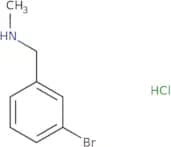
amine hydrochloride](/_next/image/?url=https%3A%2Fstatic.cymitquimica.com%2Fproducts%2F3D%2Fthumb-webp%2FQDA38952.webp&w=3840&q=75)
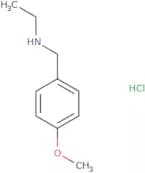


![3-[(Butylamino)methyl]benzonitrile](/_next/image/?url=https%3A%2Fstatic.cymitquimica.com%2Fproducts%2F3D%2Fthumb-webp%2FQDA39000.webp&w=3840&q=75)
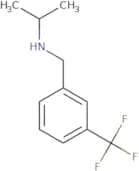
amine](/_next/image/?url=https%3A%2Fstatic.cymitquimica.com%2Fproducts%2F3D%2Fthumb-webp%2FQDA39028.webp&w=3840&q=75)


![N,N-Dimethyl-1-[(5-oxo-5,6,7,8-tetrahydronaphthalen-2-yl)sulfanyl]formamide](/_next/image/?url=https%3A%2Fstatic.cymitquimica.com%2Fproducts%2F3D%2Fthumb-webp%2FQDA40189.webp&w=3840&q=75)
![7-chloro-benzo[b]thiophene](/_next/image/?url=https%3A%2Fstatic.cymitquimica.com%2Fproducts%2F3D%2Fthumb-webp%2FQDA40714.webp&w=3840&q=75)




![2-Methyl-2-[(propan-2-yl)amino]propan-1-ol](/_next/image/?url=https%3A%2Fstatic.cymitquimica.com%2Fproducts%2F3D%2Fthumb-webp%2FQDA43444.webp&w=3840&q=75)
