Building Blocks
This section contains fundamental products for the synthesis of organic and biological compounds. Building blocks are the essential starting materials used to construct complex molecules through various chemical reactions. They play a critical role in drug discovery, material science, and chemical research. At CymitQuimica, we offer a diverse range of high-quality building blocks to support your innovative research and industrial projects, ensuring you have the essential components for successful synthesis.
Subcategories of "Building Blocks"
- Boronic Acids & Boronic Acid Derivatives(5,778 products)
- Chiral Building Blocks(1,242 products)
- Hydrocarbon Building Blocks(6,098 products)
- Organic Building Blocks(61,098 products)
Found 199594 products of "Building Blocks"
Sort by
Purity (%)
0
100
|
0
|
50
|
90
|
95
|
100
2,5-Diiodobenzoic acid
CAS:<p>2,5-Diiodobenzoic acid is a molecule that has been shown to have anti-cancer properties. It was found to inhibit the growth of malignant glioma cells in vitro and in vivo. The mechanism by which 2,5-diiodobenzoic acid inhibits the growth of these cells is not clear, but it may be due to its ability to change the permeability of the cell membrane or alter the function of proteins such as G proteins. This molecule has also been shown to bind with high affinity to cell nuclei, suggesting that it may be an effective imaging agent for use in diagnosis.</p>Formula:C7H4I2O2Purity:Min. 95%Molecular weight:373.91 g/mol6-chloro-2,3,4,9-tetrahydro-1H-carbazol-1-one
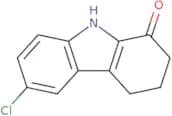
CAS:<p>6-Chloro-2,3,4,9-tetrahydro-1H-carbazol-1-one is a pyrrole with a planar conformation. It has hydrogen bonds to the carbonyl group and two benzenes. The molecule is centrosymmetric and has a dihedral angle of 180°. 6-Chloro-2,3,4,9-tetrahydro-1H-carbazol-1-one crystallizes in the orthorhombic system. The unit cell dimensions are a=8.05 Å b=8.05 Å c=7.04 Å α=β=γ=90°</p>Formula:C12H10ClNOPurity:Min. 95%Molecular weight:219.67 g/mol3,5-Dinitrobenzaldehyde
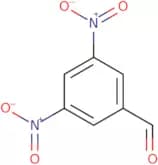
CAS:<p>3,5-Dinitrobenzaldehyde is an experimental herbicide that has been shown to be effective in the control of weeds. 3,5-Dinitrobenzaldehyde is a protonated electrophilic species that reacts with a variety of electron-rich aromatic compounds by nucleophilic attack at the ortho position. The reaction with benzene, for example, yields phenyl trifluoride and benzenesulfonic acid. This molecule also reacts with chloride to form chlorobenzene and dinitrobenzene. 3,5-Dinitrobenzaldehyde has kinetic properties that are dependent on frequency and layeredness as well as kinetic and dihedral angles. It is also a catalytic reagent that undergoes rapid reaction at room temperature.</p>Formula:C7H4N2O5Purity:Min. 95%Molecular weight:196.12 g/mol2-(4-Methylbenzenesulfonyl)cyclohexan-1-one
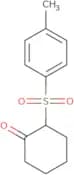
CAS:<p>2-(4-Methylbenzenesulfonyl)cyclohexan-1-one is a peptide that is used as a research tool. It has been shown to act as an activator of ion channels and to bind to antibodies. 2-(4-Methylbenzenesulfonyl)cyclohexan-1-one can be used in the study of protein interactions and receptor ligand interactions. This product is available in both powder form and as an acetate salt.</p>Formula:C13H16O3SPurity:Min. 95%Molecular weight:252.33 g/mol2-(3,5,7-Trimethyladamantan-1-yl)acetic acid
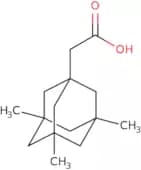
CAS:<p>Versatile small molecule scaffold</p>Formula:C15H24O2Purity:Min. 95%Molecular weight:236.35 g/mol2-Chlorocyclopentane-1,3-dione
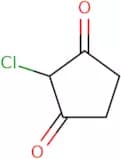
CAS:<p>Versatile small molecule scaffold</p>Formula:C5H5ClO2Purity:Min. 95%Molecular weight:132.54 g/mol2-Bromo-1,3-cyclopentanedione
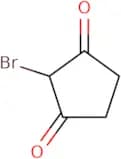
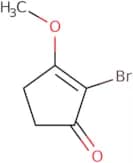
CAS:<p>Versatile small molecule scaffold</p>Formula:C5H5BrO2Purity:Min. 95%Molecular weight:177 g/mol2-Bromo-3-methoxy-2-cyclopenten-1-one
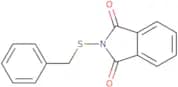
CAS:<p>Versatile small molecule scaffold</p>Formula:C6H7BrO2Purity:Min. 95%Molecular weight:191.02 g/mol2-(Benzylsulfanyl)-2,3-dihydro-1H-isoindole-1,3-dione
CAS:<p>Versatile small molecule scaffold</p>Formula:C15H11NO2SPurity:Min. 95%Molecular weight:269.3 g/mol4-Bromo-2,5-dimethylbenzenesulfonyl Chloride
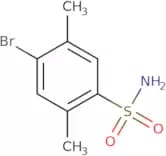
CAS:<p>Versatile small molecule scaffold</p>Formula:C8H8O2SClBrPurity:Min. 95%Molecular weight:283.56 g/mol4-Bromo-2,5-dimethylbenzene-1-sulfonamide
CAS:<p>Versatile small molecule scaffold</p>Formula:C8H10BrNO2SPurity:Min. 95%Molecular weight:264.14 g/mol1-[4-(Pyridin-1-ium-1-yl)butyl]pyridin-1-ium dibromide
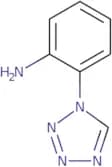
CAS:<p>Versatile small molecule scaffold</p>Formula:C14H18Br2N2Purity:Min. 95%Molecular weight:374.11 g/mol2-(1H-Tetrazol-1-yl)aniline
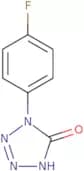
CAS:2-(1H-Tetrazol-1-yl)aniline is a nitroaniline that has been shown to form complexes with copper. It is an efficient method for the synthesis of 2-(1H-tetrazol-1-yl)anilines from nitrobenzenes, which are orthoformic and can be used as the starting material. 2-(1H-Tetrazol-1-yl)anilines can be used as a reagent in complex formation reactions, such as the nitration of orthoformates, or as a precursor to synthesize other compounds. The biological activity of 2-(1H-tetrazol-1-yl)aniline has been demonstrated by its ability to inhibit cyclocondensation and catalyze the hydrolysis of basic compounds. This compound also shows high efficiency in catalytic reactions with copper salts, which makes it reusable.Formula:C7H7N5Purity:Min. 95%Molecular weight:161.16 g/mol1-(4-Fluorophenyl)-4,5-dihydro-1H-1,2,3,4-tetrazol-5-one
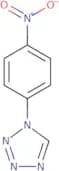
CAS:<p>Versatile small molecule scaffold</p>Formula:C7H5FN4OPurity:Min. 95%Molecular weight:180.14 g/mol1-(4-Nitrophenyl)-1H-1,2,3,4-tetrazole
CAS:<p>1-(4-Nitrophenyl)-1H-1,2,3,4-tetrazole is a nitroarene that can be used in the synthesis of disubstituted tetrazoles. It reacts with alcohols to form tetrazole compounds and with water to form anhydrides. The high reactivity of 1-(4-Nitrophenyl)-1H-1,2,3,4-tetrazole makes it suitable for use as a reactant in organic synthesis. The regioselectivity of this compound means that it can be used to synthesize only one product from two different starting materials. 1-(4-Nitrophenyl)-1H-1,2,3,4-tetrazole has been shown to react with arylacetonitriles to produce isoxazoles.</p>Formula:C7H5N5O2Purity:Min. 95%Molecular weight:191.15 g/mol[(3-Fluorophenyl)amino]carbonitrile
CAS:<p>Versatile small molecule scaffold</p>Formula:C7H5FN2Purity:Min. 95%Molecular weight:136.13 g/mol[(4-Fluorophenyl)amino]carbonitrile
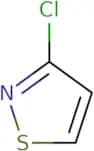
CAS:<p>Versatile small molecule scaffold</p>Formula:C7H5FN2Purity:Min. 95%Molecular weight:136.13 g/mol3-Chloroisothiazole
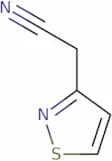
CAS:<p>3-Chloroisothiazole is a chlorinating agent that reacts with active methylene groups of organic molecules to form vicinal dioxides. 3-Chloroisothiazole has been used in the synthesis of isoxazoles and alkynes, as well as for the chlorination of organic compounds. The reaction proceeds by nucleophilic attack of chlorine on the active methylene group to form a chloride ion, which then reacts with an alkyne or alkene to form an isoxazole or alkene respectively. 3-Chloroisothiazole has been found to be toxic, although it can be used in small amounts without significant side effects.</p>Formula:C3H2ClNSPurity:Min. 95%Molecular weight:119.57 g/mol2-(1,2-Thiazol-3-yl)acetonitrile
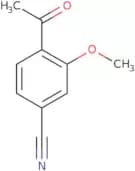
CAS:<p>Versatile small molecule scaffold</p>Formula:C5H4N2SPurity:Min. 95%Molecular weight:124.17 g/mol4-Acetyl-3-methoxybenzonitrile
CAS:<p>Versatile small molecule scaffold</p>Formula:C10H9NO2Purity:Min. 95%Molecular weight:175.18 g/mol3-[(4-chlorophenyl)sulfonyl]propanenitrile
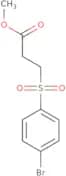
CAS:Versatile small molecule scaffoldFormula:C9H8NO2SClPurity:Min. 95%Molecular weight:229.68 g/molMethyl 3-(4-bromobenzenesulfonyl)propanoate
CAS:<p>Versatile small molecule scaffold</p>Formula:C10H11BrO4SPurity:Min. 95%Molecular weight:307.16 g/mol[1-(Hydroxymethyl)-2-phenylcyclopropyl]methanol
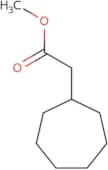
CAS:<p>Versatile small molecule scaffold</p>Formula:C11H14O2Purity:Min. 95%Molecular weight:178.2 g/molMethyl 2-cycloheptylacetate
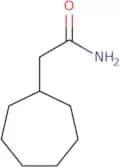
CAS:<p>Methyl 2-cycloheptylacetate is a prophylactic drug that belongs to the group of pharmaceutical salts. It is used for the treatment of bipolar disorder and depression, but not for prophylactic purposes. Methyl 2-cycloheptylacetate encompasses gabapentin, which is used to treat epilepsy and neuropathic pain. The mechanism of action of methyl 2-cycloheptylacetate has not been elucidated yet, but it may act as an agonist at GABA receptors.</p>Formula:C10H18O2Purity:Min. 95%Molecular weight:170.25 g/mol2-Cycloheptylacetamide
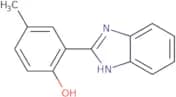
CAS:<p>2-Cycloheptylacetamide is a trisubstituted compound that is structurally related to the cannabinoid receptor agonist WIN 55212-2. This drug has been shown to inhibit proteasome activity and to have anti-cancer effects in vitro. 2-Cycloheptylacetamide has also been shown to inhibit the activity of the enzyme monoamine oxidase, which may be associated with its antidepressant and anxiolytic activities. 2-Cycloheptylacetamide has been shown to prevent oxidative damage in neuronal cells, suggesting that it may be useful for the treatment of Alzheimer's disease and depression.</p>Formula:C9H17NOPurity:Min. 95%Molecular weight:155.24 g/mol2-(1H-1,3-Benzodiazol-2-yl)-4-methylphenol
CAS:<p>Versatile small molecule scaffold</p>Formula:C14H12N2OPurity:Min. 95%Molecular weight:224.26 g/mol4-(Trifluoromethyl)bicyclo[2.2.2]octane-1-carboxylic acid
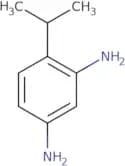
CAS:<p>Versatile small molecule scaffold</p>Formula:C10H13F3O2Purity:Min. 95%Molecular weight:222.2 g/mol4-(Propan-2-yl)benzene-1,3-diamine
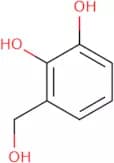
CAS:<p>4-(Propan-2-yl)benzene-1,3-diamine is a mutagenic compound that belongs to the class of hydrolytic cleavage compounds. It has been shown to have mutagenic activity in Salmonella typhimurium and Escherichia coli. 4-(Propan-2-yl)benzene-1,3-diamine also has a high viscosity. This chemical is used as an intercept in tests for mutagens and carcinogens.br>br> <br>4-(Propan-2-yl)benzene-1,3-diamine hydrolyzes to form solvents such as isopropyl alcohol and water. The molecular weight of this compound is 162.17 g/mol.br>br> <br>4-(Propan-2-yl)benzene-1,3-diamine has not been shown to be carcin</p>Formula:C9H14N2Purity:Min. 95%Molecular weight:150.22 g/mol3-(Hydroxymethyl)benzene-1,2-diol
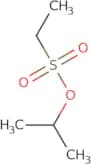
CAS:<p>3-(Hydroxymethyl)benzene-1,2-diol is an organic compound. The product is a colorless solid that has a molecular weight of 144.17 g/mol. 3-(Hydroxymethyl)benzene-1,2-diol reacts with metal surfaces and can be used in the synthesis of amides and amido groups. This product is reactive and acidic at high temperatures, but will not react with alcohols or amines. 3-(Hydroxymethyl)benzene-1,2-diol is also a reaction product from the synthesis of dopamine.</p>Formula:C7H8O3Purity:Min. 95%Molecular weight:140.14 g/molEthanesulfonic acid, 1-methylethyl ester
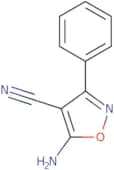
CAS:<p>Ethanesulfonic acid, 1-methylethyl ester is a sealant that is used to coat the inside of an artery or vein. It has a low energy and is made up of formyl group, attenuating hydroxyl group, and chloride. This product also contains serine protease which can hydrolyze proteins in the plaque. The sealant contains functional groups such as cationic polymerization initiator and particle.</p>Formula:C5H12O3SPurity:Min. 95%Molecular weight:152.21 g/mol5-Amino-3-phenyl-1,2-oxazole-4-carbonitrile
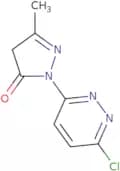
CAS:<p>Versatile small molecule scaffold</p>Formula:C10H7N3OPurity:Min. 95%Molecular weight:185.18 g/mol1-(6-Chloropyridazin-3-yl)-3-methyl-4,5-dihydro-1H-pyrazol-5-one
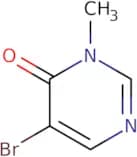
CAS:<p>1-(6-Chloropyridazin-3-yl)-3-methyl-4,5-dihydro-1H-pyrazol-5-one (1) was found to be a potent inhibitor of β amyloid fibril formation and a lead compound for the treatment of Alzheimer's disease. The compound inhibits amyloid fibril formation by binding to the hydrophobic region in the core of the fibrils and preventing crosslinking. 1 also inhibits pancreatic β cell secretion, resulting in reduced production of insulin, which causes glucose intolerance. This drug has been shown to reduce glycemic levels in diabetic mice without causing hypoglycemia.</p>Formula:C8H7ClN4OPurity:Min. 95%Molecular weight:210.62 g/mol5-Bromo-3-methyl-3,4-dihydropyrimidin-4-one
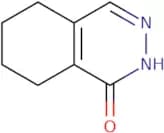
CAS:<p>Versatile small molecule scaffold</p>Formula:C5H5BrN2OPurity:Min. 95%Molecular weight:189.01 g/mol1,2,5,6,7,8-Hexahydrophthalazin-1-one
CAS:<p>Hexahydrophthalazin-1-one is a histamine H3 receptor antagonist. It has been shown to be a potent inhibitor of colon cancer cell growth in vitro, and it has been shown to inhibit the binding of histamine to the H3 receptor and interfere with the activation of this receptor. Hexahydrophthalazin-1-one also inhibits acidic ph histamine release from mast cells in vitro.</p>Formula:C8H10N2OPurity:Min. 95%Molecular weight:150.18 g/mol2,2-Dimethylheptanoic acid
CAS:<p>2,2-Dimethylheptanoic acid is a carboxylic acid that is also known as 2,2-dimethylpentanoic acid. It has the molecular formula of C8H16O2. This compound is an isomer of hexanoic acid and heptanoic acid. 2,2-Dimethylheptanoic acid is used in the production of lubricating oils and can be produced by the hydrogenation of fatty acids or glycerol. It also acts as an antioxidant, which protects polyunsaturated fats from oxidation.<br>2,2-Dimethylheptanoic acid has a boiling point of 150°C and a melting point of -62°C. It has a density of 0.891 g/cm3 at 20°C and a refractive index of 1.468 at 20°C. The colorless liquid can be found in the form of an oily liquid with a strong odor at room temperature.</p>Formula:C9H18O2Purity:Min. 95%Molecular weight:158.24 g/mol3-Bicyclo[3.2.1]octanone
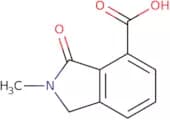
CAS:<p>3-Bicyclo[3.2.1]octanone is an organic compound that has a cyclohexane ring with a peroxide group. It is used as a synthon in the synthesis of other compounds. 3-Bicyclo[3.2.1]octanone can be synthesized by reacting α-pinene with carbon tetrachloride and cyclohexane in the presence of UV light and an oxidant, or by treating enolate with hydrogen peroxide catalysed with uv absorption to form a ketone and hydroperoxide. This product has been shown to possess UV absorption properties at 220 nm, which make it suitable for use in polymer films where it can absorb ultraviolet radiation and convert it into heat energy. The 3-bicyclo[3.2.1]octanone molecule is chiral, so only one stereoisomer will have these photochemical properties.</p>Formula:C8H12OPurity:Min. 95%Molecular weight:124.18 g/mol2-Methyl-3-oxo-2,3-dihydro-1 H -isoindole-4-carboxylic acid
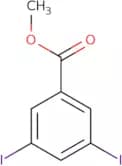
CAS:<p>Versatile small molecule scaffold</p>Formula:C10H9NO3Purity:Min. 95%Molecular weight:191.19 g/molMethyl 3,5-diiodobenzoate
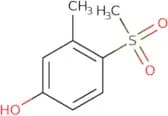
CAS:<p>Versatile small molecule scaffold</p>Formula:C8H6I2O2Purity:Min. 95%Molecular weight:387.94 g/mol4-Methanesulfonyl-3-methylphenol
CAS:<p>4-Methanesulfonyl-3-methylphenol is a chromatographic and spectrometric reagent that reacts with sulfoxides to form sulfones. It is used in the analysis of pesticides, herbicides, and other organic chemicals. The reaction system consists of two components: the 4-methanesulfonyl-3-methylphenol reagent and the sulfoxide substrate. The linear range is from 0.1 to 100 micrograms per milliliter for 4-methanesulfonyl-3-methylphenol and from 1 to 500 micrograms per milliliter for sulfoxide. This chemical has been found to be resistant to hypersalinity, tissue acclimation, and oxidation products.</p>Formula:C8H10O3SPurity:Min. 95%Molecular weight:186.23 g/mol1-Methyl-2-oxo-1,2,3,4-tetrahydroquinoline-4-carboxylic acid
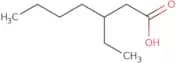
CAS:<p>Versatile small molecule scaffold</p>Formula:C11H11NO3Purity:Min. 95%Molecular weight:205.21 g/mol3-ethylheptanoic acid
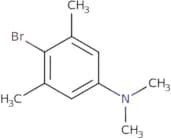
CAS:<p>3-Ethylheptanoic acid is used in the analysis of sedimentation and viscosity. It was found to be a good antioxidant based on its ability to inhibit the oxidation of linoleic acid, which is an essential fatty acid. 3-Ethylheptanoic acid has also been shown to have chemopreventive properties in mice with skin cancer. This compound is thought to have anti-inflammatory properties because it inhibits the production of prostaglandins by inhibiting cyclooxygenase activity. Furthermore, 3-ethylheptanoic acid has been used as a chemical intermediate for synthesizing other compounds such as amines, alcohols, and phenolic compounds.</p>Formula:C9H18O2Purity:Min. 95%Molecular weight:158.23 g/mol4-Bromo-N,N,3,5-tetramethylaniline
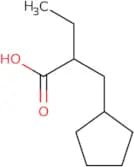
CAS:<p>Versatile small molecule scaffold</p>Formula:C10H14BrNPurity:Min. 95%Molecular weight:228.13 g/mol2-(Cyclopentylmethyl)butanoic acid
CAS:<p>Versatile small molecule scaffold</p>Formula:C10H18O2Purity:Min. 95%Molecular weight:170.25 g/mol1-[(4-Methylphenyl)sulfonyl]-2,3-dihydroquinolin-4(1H)-one
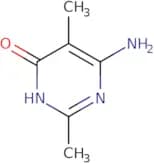
CAS:<p>Versatile small molecule scaffold</p>Formula:C16H15NO3SPurity:Min. 95%Molecular weight:301.4 g/mol6-Amino-2,5-dimethylpyrimidin-4-ol
CAS:<p>Versatile small molecule scaffold</p>Formula:C6H9N3OPurity:Min. 95%Molecular weight:139.16 g/molBis(2-[3-(morpholin-4-yl)propyl]guanidine), sulfuric acid
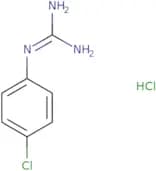
CAS:Versatile small molecule scaffoldFormula:C16H38N8O6SPurity:Min. 95%Molecular weight:470.6 g/mol4-Chlorophenylguanidine hydrochloride
CAS:<p>Versatile small molecule scaffold</p>Formula:C7H8ClN3·HClPurity:Min. 95%Molecular weight:206.07 g/molBis(1-[(3-methoxyphenyl)methyl]guanidine), sulfuric acid
CAS:<p>Versatile small molecule scaffold</p>Formula:C18H28N6O6SPurity:Min. 95%Molecular weight:456.5 g/mol4-Formylthiophene-2-carboxylic acid
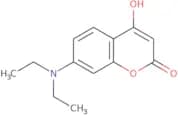
CAS:Versatile small molecule scaffoldFormula:C6H4O3SPurity:Min. 95%Molecular weight:156.16 g/mol7-Diethylamino-4-hydroxy-chromen-2-one
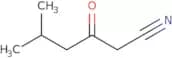
CAS:<p>7-Diethylamino-4-hydroxy-chromen-2-one is a fluorescent chemical compound that belongs to the family of atypical fluorophores. It has a number of photophysical properties, including fluorescence and regression, which are characteristic of amines. 7-Diethylamino-4-hydroxy-chromen-2-one can be synthesized from diazonium salt and 4-hydroxycoumarin. This chemical compound has been used as a fluorescent probe for nucleophilic reactions in various types of organic molecules. The nature of this fluorophore is unknown, but it may be due to its ability to shift the wavelength of fluorescence by up to 400 nm.</p>Formula:C13H15NO3Purity:Min. 95%Molecular weight:233.26 g/mol5-Methyl-3-oxohexanenitrile
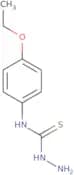
CAS:<p>5-Methyl-3-oxohexanenitrile is a dialkylamino compound that has been used as a reagent in organic chemistry. It is tautomeric and can exist as both an amide and an isoxazole. The pyridine ring of 5-methyl-3-oxohexanenitrile can be either substituted with a carbamate, nitro, or alkenyl group, depending on the substitution pattern. 5-Methyl-3-oxohexanenitrile reacts with dinitrophenyl to form an N–N bond, which is then cleaved by amines in order to generate the corresponding carbamate or amide. 5-Methyl-3-oxohexanenitrile also reacts with copper to form the corresponding nitro or alkenyl group.</p>Formula:C7H11NOPurity:Min. 95%Molecular weight:125.17 g/mol3-Amino-1-(4-ethoxyphenyl)thiourea
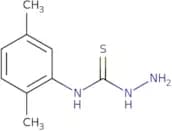
CAS:<p>Versatile small molecule scaffold</p>Formula:C9H13N3OSPurity:Min. 95%Molecular weight:211.29 g/mol3-Amino-1-(2,5-dimethylphenyl)thiourea
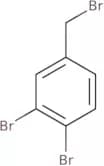
CAS:<p>Versatile small molecule scaffold</p>Formula:C9H13N3SPurity:Min. 95%Molecular weight:195.29 g/mol1,2-Dibromo-4-(bromomethyl)benzene
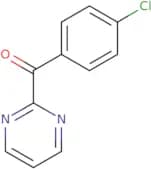
CAS:1,2-Dibromo-4-(bromomethyl)benzene is a brominated organic compound that has been shown to act as a potent agonist for the peroxisome proliferator-activated receptor delta (PPARδ). It has been shown to have structural and biological effects on PPARδ. This compound has been used as a template in the synthesis of many other compounds. 1,2-Dibromo-4-(bromomethyl)benzene is non-selective and bioavailable, which means it can be taken orally or applied topically.Formula:C7H5Br3Purity:Min. 95%Molecular weight:328.83 g/mol2-(4-Chlorobenzoyl)pyrimidine
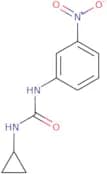
CAS:<p>Versatile small molecule scaffold</p>Formula:C11H7ClN2OPurity:Min. 95%Molecular weight:218.64 g/mol3-Cyclopropyl-1-(3-nitrophenyl)urea
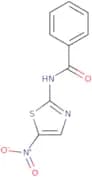
CAS:<p>Versatile small molecule scaffold</p>Formula:C10H11N3O3Purity:Min. 95%Molecular weight:221.21 g/molN-(5-Nitro-thiazol-2-yl)-benzamide
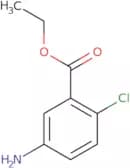
CAS:<p>N-(5-Nitro-thiazol-2-yl)-benzamide is a noncompetitive inhibitor of the enzyme succinate dehydrogenase and is used as an molluscicide. It binds to the active site of the enzyme, which is located in the mitochondrial membrane, and prevents electron transfer from succinate to ubiquinone. This leads to a decrease in production of ATP, which is needed for cell growth and division. N-(5-Nitro-thiazol-2-yl)-benzamide has been shown to inhibit inflammation by inhibiting prostaglandin synthesis in mice. The drug also inhibits neutrophil infiltration into inflamed areas, which may be due to its effect on 5HT2A receptors.</p>Formula:C10H7N3O3SPurity:Min. 95%Molecular weight:249.25 g/molEthyl 5-amino-2-chlorobenzoate
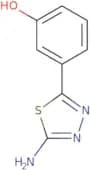
CAS:<p>Versatile small molecule scaffold</p>Formula:C9H10ClNO2Purity:Min. 95%Molecular weight:199.63 g/mol3-(5-Amino-1,3,4-thiadiazol-2-yl)phenol
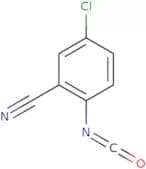
CAS:<p>Versatile small molecule scaffold</p>Formula:C8H7N3OSPurity:Min. 95%Molecular weight:193.23 g/mol5-Chloro-2-isocyanatobenzonitrile
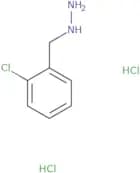
CAS:<p>Versatile small molecule scaffold</p>Formula:C8H3ClN2OPurity:Min. 95%Molecular weight:178.58 g/mol(2-chlorobenzyl)hydrazine 2hcl
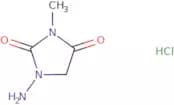
CAS:<p>Versatile small molecule scaffold</p>Formula:C7H11Cl3N2Purity:Min. 95%Molecular weight:229.53 g/mol1-Amino-3-methylimidazolidine-2,4-dione hydrochloride
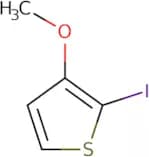
CAS:<p>Versatile small molecule scaffold</p>Formula:C4H8ClN3O2Purity:Min. 95%Molecular weight:165.58 g/mol2-Iodo-3-methoxythiophene
CAS:<p>Versatile small molecule scaffold</p>Formula:C5H5IOSPurity:Min. 95%Molecular weight:240.06 g/mol2-Methyl-1-[4-(trifluoromethyl)phenyl]propan-1-one
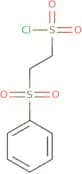
CAS:<p>Versatile small molecule scaffold</p>Formula:C11H11F3OPurity:Min. 95%Molecular weight:216.2 g/mol2-(Benzenesulfonyl)ethane-1-sulfonyl chloride
CAS:<p>Versatile small molecule scaffold</p>Formula:C8H9ClO4S2Purity:Min. 95%Molecular weight:268.7 g/mol4-Cyanophenyl chloroformate
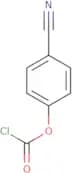
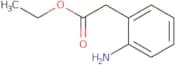
CAS:<p>4-Cyanophenyl chloroformate is a macrocyclic compound that has been shown to have a potential use as an almqvist reagent. Almqvist reagents are nucleophilic compounds that can be used in organic synthesis as carbonylating agents, which are used to form esters and amides. 4-Cyanophenyl chloroformate is a chiral compound with the ability to form macrocycles, which are biomimetic structures. The conformational stepwise reaction of the macrocycle formation enables it to mimic natural processes.</p>Formula:C8H4ClNO2Purity:Min. 95%Molecular weight:181.57 g/molethyl 2-(2-aminophenyl)acetate
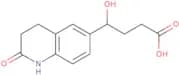
CAS:<p>Ethyl 2-(2-aminophenyl)acetate is a cytotoxic agent that binds to DNA and inhibits the synthesis of RNA and protein. It has been shown to inhibit the growth of murine leukemia cells in culture at concentrations between 0.3 and 3 mM, which are dependent on the concentration of benzyl substituents. Ethyl 2-(2-aminophenyl)acetate also exhibits dose-dependent cytotoxic activity against murine leukemia cells. The cytotoxic effects of this compound have been studied in vivo and in vitro using murine leukemia cells (WEHI-3).</p>Formula:C10H13NO2Purity:Min. 95%Molecular weight:179.2 g/mol4-Hydroxy-4-(2-oxo-1,2,3,4-tetrahydroquinolin-6-yl)butanoic acid
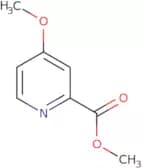
CAS:<p>Versatile small molecule scaffold</p>Formula:C13H15NO4Purity:Min. 95%Molecular weight:249.26 g/molMethyl 4-formylpyridine-2-carboxylate
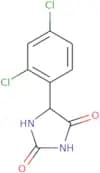
CAS:<p>Versatile small molecule scaffold</p>Formula:C8H7NO3Purity:Min. 95%Molecular weight:165.15 g/mol5-(2,4-Dichlorophenyl)imidazolidine-2,4-dione
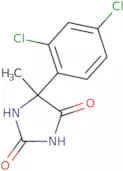
CAS:<p>Versatile small molecule scaffold</p>Formula:C9H6Cl2N2O2Purity:Min. 95%Molecular weight:245.06 g/mol5-(2,4-Dichlorophenyl)-5-methylimidazolidine-2,4-dione
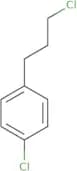
CAS:<p>Versatile small molecule scaffold</p>Formula:C10H8Cl2N2O2Purity:Min. 95%Molecular weight:259.09 g/mol1-Chloro-3-(4-chlorophenyl)propane
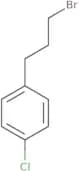
CAS:<p>Versatile small molecule scaffold</p>Formula:C9H10Cl2Purity:Min. 95%Molecular weight:189.08 g/mol1-(3-Bromopropyl)-4-chlorobenzene
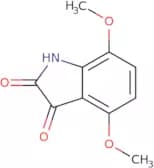
CAS:<p>1-(3-Bromopropyl)-4-chlorobenzene is an expedited source of chlorine that is used in the oxidation of aromatic compounds. The chlorination of 1-(3-bromopropyl)-4-chlorobenzene occurs with a yield of about 98% and has high selectivity for the chlorination product. In a photoredox process, this compound can be used as an oxidant to produce an intermediate that can then be used in the oxidative chlorination reactions. This compound has been shown to have bioactivity and is used as a science catalyst.</p>Formula:C9H10BrClPurity:Min. 95%Molecular weight:233.54 g/mol4,7-Dimethoxy-2,3-dihydro-1H-indole-2,3-dione
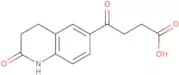
CAS:<p>Versatile small molecule scaffold</p>Formula:C10H9NO4Purity:Min. 95%Molecular weight:207.18 g/mol4-Oxo-4-(2-oxo-1,2,3,4-tetrahydroquinolin-6-yl)butanoic acid
CAS:<p>Versatile small molecule scaffold</p>Formula:C13H13NO4Purity:Min. 95%Molecular weight:247.25 g/molN-[(3-Chlorophenyl)methyl]-2-cyanoacetamide
CAS:<p>Versatile small molecule scaffold</p>Formula:C10H9ClN2OPurity:Min. 95%Molecular weight:208.64 g/mol2-Cyano-N-[(3-methylphenyl)methyl]acetamide
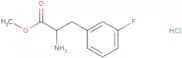
CAS:<p>Versatile small molecule scaffold</p>Formula:C11H12N2OPurity:Min. 95%Molecular weight:188.23 g/molMethyl 2-amino-3-(3-fluorophenyl)propanoate hydrochloride
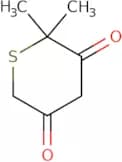
CAS:<p>Versatile small molecule scaffold</p>Formula:C10H13ClFNO2Purity:Min. 95%Molecular weight:233.67 g/mol2,2-Dimethylthiane-3,5-dione
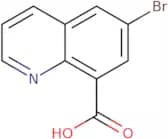
CAS:<p>Versatile small molecule scaffold</p>Formula:C7H10O2SPurity:Min. 95%Molecular weight:158.22 g/mol6-bromoquinoline-8-carboxylic acid
CAS:<p>Versatile small molecule scaffold</p>Formula:C10H6BrNO2Purity:Min. 95%Molecular weight:252.06 g/mol2-[(Cyclopropylcarbonyl)amino]acetic acid
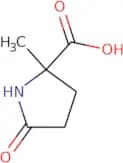
CAS:<p>2-[(Cyclopropylcarbonyl)amino]acetic acid is a carboxylic acid that is used as an oral drug for the treatment of cardiac and renal diseases. It has been shown to be effective in the treatment of angiotensin-dependent hypertension and congestive heart failure. The therapeutic effects may be due to its ability to inhibit angiotensin-converting enzyme (ACE) and block the conversion of angiotensin I to angiotensin II, which causes vasoconstriction and increased blood pressure. 2-[(Cyclopropylcarbonyl)amino]acetic acid also inhibits phosphodiesterase, which may lead to improved cardiac function.</p>Formula:C6H9NO3Purity:Min. 95%Molecular weight:143.14 g/mol2-Methyl-5-oxopyrrolidine-2-carboxylic acid
CAS:<p>2-Methyl-5-oxopyrrolidine-2-carboxylic acid (2MOP) is a levulinic acid derivative with a carboxylic acid group on the side chain. It can be synthesized from levulinic acid, which is produced from the hydrolysis of cellulose. 2MOP is used as a plasticizer and an intermediate in the synthesis of esters such as methyl acetate and ethyl acetate. 2MOP has been found to have good compatibility with polyvinyl chloride, polystyrene, and polyolefins. This compound has been used to produce plastics that are flexible, tough, and resistant to heat degradation.</p>Formula:C6H9NO3Purity:Min. 95%Molecular weight:143.14 g/mol5-Oxo-2-pyrrolidineacetic Acid
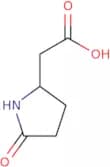
CAS:<p>Versatile small molecule scaffold</p>Formula:C6H9NO3Purity:Min. 95%Molecular weight:143.14 g/mol(2S)-2-(4-Acetamidobenzenesulfonamido)propanoic acid
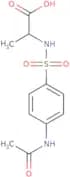
CAS:<p>Versatile small molecule scaffold</p>Formula:C11H14N2O5SPurity:Min. 95%Molecular weight:286.31 g/mol2-(4-Acetamidobenzenesulfonamido)-3-methylbutanoic acid
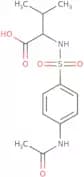
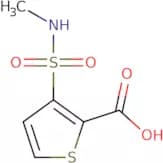
CAS:<p>2-(4-Acetamidobenzenesulfonamido)-3-methylbutanoic acid is a disordered molecule that has an isopropanol group at the 4th carbon. The benzene ring and methyl groups are in the 2nd and 3rd positions, respectively. The orientation of the isopropyl group determines how the molecule folds. This molecule has hydrogen bonds between its N-H and C=O groups, as well as intramolecular hydrogen bonds along with coplanar dihedral angles.<br>2-(4-Acetamidobenzenesulfonamido)-3-methylbutanoic acid is used for research purposes to study benzene rings, methyl groups, and acetamide orientations.</p>Formula:C13H18N2O5SPurity:Min. 95%Molecular weight:314.36 g/mol3-(Methylsulfamoyl)thiophene-2-carboxylic acid
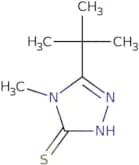
CAS:<p>Versatile small molecule scaffold</p>Formula:C6H7NO4S2Purity:Min. 95%Molecular weight:221.3 g/mol5-tert-Butyl-4-methyl-4H-1,2,4-triazole-3-thiol
CAS:<p>Versatile small molecule scaffold</p>Formula:C7H13N3SPurity:Min. 95%Molecular weight:171.27 g/mol4-Bromo-N-[2-(morpholin-4-yl)ethyl]benzamide
CAS:<p>Versatile small molecule scaffold</p>Formula:C13H17BrN2O2Purity:Min. 95%Molecular weight:313.19 g/mol4-(Pyridin-4-ylsulfanyl)phenol
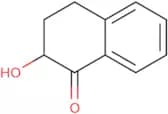
CAS:Versatile small molecule scaffoldFormula:C11H9NOSPurity:Min. 95%Molecular weight:203.26 g/mol2-Hydroxy-1,2,3,4-tetrahydronaphthalen-1-one
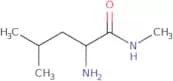
CAS:<p>2-Hydroxy-1,2,3,4-tetrahydronaphthalen-1-one is a synthetic drug that binds to the opioid receptor and is used as an analgesic. It has been shown to have a strong affinity for opioid receptors in the central nervous system and intestine. 2-Hydroxy-1,2,3,4-tetrahydronaphthalen-1-one has been found to have an uptake of 40% in the brain and intestine. This drug also has a high affinity for opioid receptors in the brain and intestinal tissue and acts as a full agonist on these sites. 2-Hydroxy-1,2,3,4-tetrahydronaphthalen-1-one also has been found to be effective in treating Alzheimer's disease. This drug can be administered orally or intravenously.</p>Formula:C10H10O2Purity:Min. 95%Molecular weight:162.18 g/mol(2S)-2-Amino-N,4-dimethylpentanamide
CAS:<p>(2S)-2-Amino-N,4-dimethylpentanamide is an amide that is a metabolite of the amino acid l-tert-leucine. This drug has been shown to have bioactive properties and may be used in pharmaceutical preparations for the treatment of degenerative diseases. (2S)-2-Amino-N,4-dimethylpentanamide binds to cannabinoid receptors, which are found on the surface of cells. It also inhibits matrix metalloproteinase activity, leading to increased bone resorption and ulceration. The stereoisomers of this compound have different activities: 2R-(+)-(2S)-2-amino-N,4-dimethylpentanamide inhibits the production of inflammatory proteins and is used as a pharmaceutical preparation for the treatment of ulcers; 2S-(+)-(2S)-2-amino-N,4-dimethylpentanamide has</p>Formula:C7H16N2OPurity:Min. 95%Molecular weight:144.21 g/molEthyl N-[3-(2-oxopropyl)-1,2,4-thiadiazol-5-yl]carbamate
CAS:<p>Versatile small molecule scaffold</p>Formula:C8H11N3O3SPurity:Min. 95%Molecular weight:229.26 g/mol(1H-Benzo[D]imidazol-4-yl)methanamine dihydrochloride
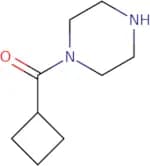
CAS:<p>Versatile small molecule scaffold</p>Formula:C8H11Cl2N3Purity:Min. 95%Molecular weight:220.1 g/molcyclobutyl(piperazin-1-yl)methanone
CAS:<p>Versatile small molecule scaffold</p>Formula:C9H16N2OPurity:Min. 95%Molecular weight:168.24 g/mol1-[Chloro(4-chlorophenyl)methyl]-4-fluorobenzene
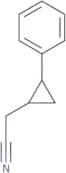
CAS:<p>Versatile small molecule scaffold</p>Formula:C13H9Cl2FPurity:Min. 95%Molecular weight:255.11 g/mol2-(2-Phenylcyclopropyl)acetonitrile
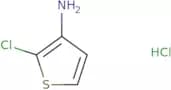
CAS:<p>Versatile small molecule scaffold</p>Formula:C11H11NPurity:Min. 95%Molecular weight:157.21 g/mol2-Chlorothiophen-3-amine hydrochloride
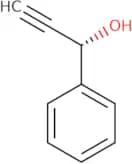
CAS:<p>Versatile small molecule scaffold</p>Formula:C4H5Cl2NSPurity:Min. 95%Molecular weight:170.06 g/mol(S)-1-Phenyl-2-propyn-1-ol
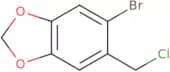
CAS:<p>(S)-1-phenyl-2-propyn-1-ol is a bicyclic compound that is used in the metathesis reaction. This chemical can undergo a metathesis reaction, where two different types of bonds are broken and two new ones are formed. (S)-1-Phenyl-2-propyn-1-ol can be used for the synthesis of polymers, pharmaceuticals, and agrochemicals.</p>Formula:C9H8OPurity:Min. 95%Molecular weight:132.16 g/mol5-Bromo-6-(chloromethyl)-1,3-dioxaindane
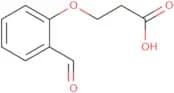
CAS:<p>Versatile small molecule scaffold</p>Formula:C8H6BrClO2Purity:Min. 95%Molecular weight:249.49 g/mol3-(2-Formylphenoxy)propanoic acid
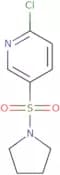
CAS:<p>3-(2-Formylphenoxy)propanoic acid is a carboxylic acid that is used in the synthesis of pharmaceuticals. The carboxylic acid group of 3-(2-Formylphenoxy)propanoic acid reacts with amines to form amides. It can also be reacted with alcohols to form esters. The propanoic acid group in this compound can undergo reactions that generate carboxylic acids, alcohols, and hydrocarbons. 3-(2-Formylphenoxy)propanoic acid has two carboxylic acid groups, one on each end of the molecule. These groups are positioned so they react with other molecules by donating their electrons to create new bonds. This conformation is called a dimer.</p>Formula:C10H10O4Purity:Min. 95%Molecular weight:194.18 g/mol2-Chloro-5-(pyrrolidine-1-sulfonyl)pyridine
CAS:<p>Versatile small molecule scaffold</p>Formula:C9H11ClN2O2SPurity:Min. 95%Molecular weight:246.71 g/mol2-Chloro-5-(piperidine-1-sulfonyl)pyridine
CAS:<p>Versatile small molecule scaffold</p>Formula:C10H13ClN2O2SPurity:Min. 95%Molecular weight:260.74 g/mol1-[(6-Chloropyridin-3-yl)sulfonyl]-4-methylpiperazine
CAS:<p>Versatile small molecule scaffold</p>Formula:C10H14ClN3O2SPurity:Min. 95%Molecular weight:275.76 g/mol6-Chloro-N-(propan-2-yl)pyridine-3-sulfonamide
CAS:<p>Versatile small molecule scaffold</p>Formula:C8H11ClN2O2SPurity:Min. 95%Molecular weight:234.7 g/mol2-amino-4-cyanobenzoic acid
CAS:<p>Versatile small molecule scaffold</p>Formula:C8H6N2O2Purity:Min. 95%Molecular weight:162.15 g/mol2-(Ethylsulfanyl)benzonitrile
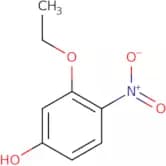
CAS:<p>Versatile small molecule scaffold</p>Formula:C9H9NSPurity:Min. 95%Molecular weight:163.24 g/mol3-Ethoxy-4-nitrophenol
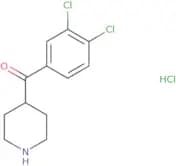
CAS:<p>3-Ethoxy-4-nitrophenol is a nitro compound that is used in the synthesis of dibenzofurans, polychlorinated biphenyls, and other organic compounds. It can be used to generate nitro groups in organic synthesis and has been shown to have high yields. 3-Ethoxy-4-nitrophenol is metabolized by the liver with a half life of approximately 10 hours and is excreted unchanged in the urine. This compound may cause adverse health effects at high doses due to its toxicity as a nitrosating agent, which may result in DNA damage or cancer.</p>Formula:C8H9NO4Purity:Min. 95%Molecular weight:183.16 g/mol4-(3,4-Dichlorobenzoyl)piperidine hydrochloride
CAS:<p>Versatile small molecule scaffold</p>Formula:C12H14Cl3NOPurity:Min. 95%Molecular weight:294.6 g/mol2-Chloro-2-methylcycloheptan-1-one
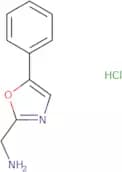
CAS:<p>2-Chloro-2-methylcycloheptan-1-one (2C7) is a cyclization agent used in organic synthesis. It is typically used to produce cyclohexyl and cyclopentyl compounds by radical cyclization of hydroperoxides or allylic hydroperoxides. 2C7 can also be used for the regioselective synthesis of substituted 2,4,6-trichlorocyclohexanes from chlorinated alkenes. The efficiency of this reaction has been shown to depend on structural features of the substituents on the alkyne. Treatment with sulfate ions has been shown to affect the reactivity of 2C7.</p>Formula:C8H13ClOPurity:Min. 95%Molecular weight:160.64 g/mol(5-Phenyl-1,3-oxazol-2-yl)methanamine hydrochloride
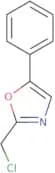
CAS:<p>Versatile small molecule scaffold</p>Formula:C10H11ClN2OPurity:Min. 95%Molecular weight:210.66 g/mol2-(chloromethyl)-5-phenyl-1,3-oxazole
CAS:<p>2-(Chloromethyl)-5-phenyl-1,3-oxazole is an inhibitor of cholesterol ester transfer protein (CETP) that belongs to the family of amides. It binds to the active site of CETP, preventing it from cleaving cholesteryl esters from HDL and transferring them to LDL. This prevents the formation of cholesteryl ester/LDL complexes, which are believed to be one cause of atherosclerosis. 2-(Chloromethyl)-5-phenyl-1,3-oxazole also inhibits cholesterol synthesis in liver cells by inhibiting HMG CoA reductase.</p>Formula:C10H8ClNOPurity:Min. 95%Molecular weight:193.63 g/mol2-(Chloromethyl)-5-(3-chlorophenyl)-1,3-oxazole
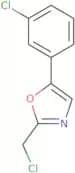
CAS:<p>Versatile small molecule scaffold</p>Formula:C10H7Cl2NOPurity:Min. 95%Molecular weight:228.07 g/mol2-(Chloromethyl)-5-(2-chlorophenyl)-1,3-oxazole
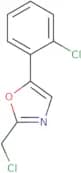
CAS:<p>Versatile small molecule scaffold</p>Formula:C10H7Cl2NOPurity:Min. 95%Molecular weight:228.07 g/mol5-(4-Bromophenyl)-2-(chloromethyl)-1,3-oxazole
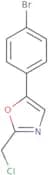
CAS:<p>Versatile small molecule scaffold</p>Formula:C10H7BrClNOPurity:Min. 95%Molecular weight:272.52 g/molOxolan-2-ylmethyl chloroformate
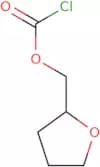
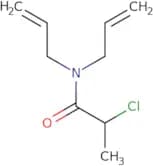
CAS:<p>Oxolan-2-ylmethyl chloroformate is an intermediate in the synthesis of pharmaceutical formulations. It can be used to synthesize various compounds such as nitroso, aliphatic hydrocarbon, formic acid, carbamic acid, aziridine, copper, alkenyl and pyridyl. Oxalan-2-ylmethyl chloroformate is a reactive compound that can react with amides to produce amides.</p>Formula:C6H9ClO3Purity:Min. 95%Molecular weight:164.59 g/mol2-Chloro-N,N-bis(prop-2-en-1-yl)propanamide
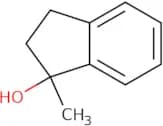
CAS:<p>Versatile small molecule scaffold</p>Formula:C9H14ClNOPurity:Min. 95%Molecular weight:187.66 g/mol1-Methyl-2,3-dihydro-1H-inden-1-ol
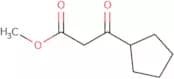
CAS:<p>1-Methyl-2,3-dihydro-1H-inden-1-ol is a carboxylic acid that can be synthesized from indene. The compound has been found to be reactive with electron microscopes and gas chromatography/mass spectrometers. 1-Methyl-2,3-dihydro-1H-inden-1-ol can be extracted from the following compounds:</p>Formula:C10H12OPurity:Min. 95%Molecular weight:148.2 g/molMethyl 3-cyclopentyl-3-oxopropanoate
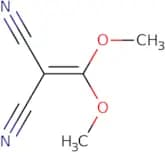
CAS:<p>Versatile small molecule scaffold</p>Formula:C9H14O3Purity:Min. 95%Molecular weight:170.21 g/mol2-(Dimethoxymethylidene)propanedinitrile
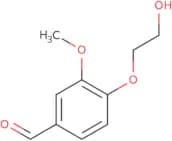
CAS:<p>Versatile small molecule scaffold</p>Formula:C6H6N2O2Purity:Min. 95%Molecular weight:138.12 g/mol4-(2-Hydroxy-ethoxy)-3-methoxy-benzaldehyde
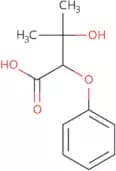
CAS:<p>4-(2-Hydroxy-ethoxy)-3-methoxybenzaldehyde (HMB) is a molecule that is commercially available as a white solid. It can be used in the production of polymers and resins, where it is used as a monomer in the polymerization process. HMB has been shown to form orthogonal polymers with other molecules. The yields for this synthesis are dependent on the solvent and reaction conditions. HMB has been shown to be stable under almost all conditions, with the exception of chlorides or benzohydrazide. This molecule also has an optimal molecular weight of 300 g/mol.</p>Formula:C10H12O4Purity:Min. 95%Molecular weight:196.2 g/mol3-Hydroxy-3-methyl-2-phenoxybutanoic acid
CAS:<p>Versatile small molecule scaffold</p>Formula:C11H14O4Purity:Min. 95%Molecular weight:210.23 g/mol4-Fluoro-2-methyl-5-nitrobenzoic acid
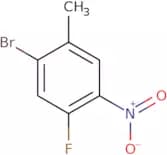
CAS:<p>Versatile small molecule scaffold</p>Formula:C8H6FNO4Purity:Min. 95%Molecular weight:199.14 g/mol2-Bromo-4-fluoro-5-nitrotoluene
CAS:<p>Versatile small molecule scaffold</p>Formula:C7H5BrFNO2Purity:Min. 95%Molecular weight:234.02 g/mol2-Bromo-5-fluoro-4-methoxybenzoic acid
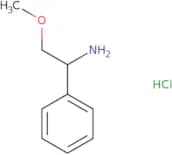
CAS:<p>Versatile small molecule scaffold</p>Formula:C8H6BrFO3Purity:Min. 95%Molecular weight:249.03 g/mol(1R)-2-Methoxy-1-phenylethanamine, hydrochloride
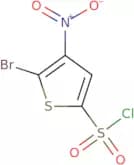
CAS:<p>Versatile small molecule scaffold</p>Formula:C9H14ClNOPurity:Min. 95%Molecular weight:187.66 g/mol5-Bromo-4-nitrothiophene-2-sulfonyl chloride
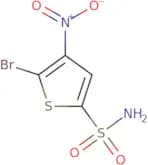
CAS:<p>Versatile small molecule scaffold</p>Formula:C4HBrClNO4S2Purity:Min. 95%Molecular weight:306.5 g/mol5-Bromo-4-nitrothiophene-2-sulfonamide
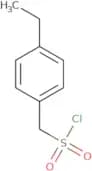
CAS:<p>Versatile small molecule scaffold</p>Formula:C4H3N2O4S2BrPurity:Min. 95%Molecular weight:287.11 g/mol(4-Ethylphenyl)methanesulfonyl chloride
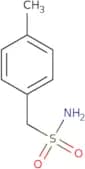
CAS:<p>Versatile small molecule scaffold</p>Formula:C9H11ClO2SPurity:Min. 95%Molecular weight:218.7 g/mol4-Methylbenzylsulfonamide
CAS:<p>Versatile small molecule scaffold</p>Formula:C8H11NO2SPurity:Min. 95%Molecular weight:185.24 g/mol(4-Ethylphenyl)methanesulfonamide
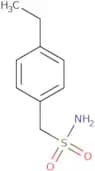
CAS:<p>Versatile small molecule scaffold</p>Formula:C9H13NO2SPurity:Min. 95%Molecular weight:199.27 g/mol[4-(Propan-2-yl)phenyl]methanesulfonamide
CAS:<p>Versatile small molecule scaffold</p>Formula:C10H15NO2SPurity:Min. 95%Molecular weight:213.3 g/mol(4-Bromophenyl)methanesulfonamide
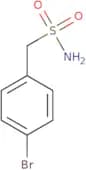
CAS:<p>Versatile small molecule scaffold</p>Formula:C7H8BrNO2SPurity:Min. 95%Molecular weight:250.11 g/mol4,5-Dichloro-2-(trifluoromethyl)imidazole
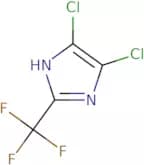
CAS:<p>Versatile small molecule scaffold</p>Formula:C4HCl2F3N2Purity:Min. 95%Molecular weight:204.96 g/mol5-(Phenylmethoxy)pentanoic Acid
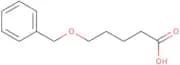
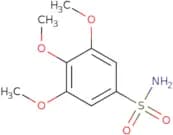
CAS:<p>5-(Phenylmethoxy)pentanoic Acid is a chiral, nucleophilic carboxylate used as a buffer. It has the ability to act as a bifunctional catalyst in reactions such as the Suzuki-Miyaura coupling, which is a reaction that generally requires harsh conditions. This compound has also been shown to enhance asymmetric alkylation reactions by acting as an anion and stabilizing the transition state of the reaction. 5-(Phenylmethoxy)pentanoic Acid has been shown to be effective in catalysis when used in conjunction with aspirin. The aspirin molecule catalyzes the reaction between 5-(Phenylmethoxy)pentanoic Acid and methyl acrylate, leading to an increase in yield of the desired product.</p>Formula:C12H16O3Purity:Min. 95%Molecular weight:208.25 g/mol3,4,5-Trimethoxybenzene-1-sulfonamide
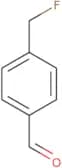
CAS:<p>Versatile small molecule scaffold</p>Formula:C9H13NO5SPurity:Min. 95%Molecular weight:247.3 g/mol4-(Fluoromethyl)benzaldehyde
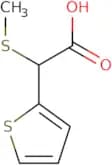
CAS:<p>Versatile small molecule scaffold</p>Formula:C8H7FOPurity:Min. 95%Molecular weight:138.14 g/mol2-(Methylsulfanyl)-2-(thiophen-2-yl)acetic acid
CAS:<p>Versatile small molecule scaffold</p>Formula:C7H8O2S2Purity:Min. 95%Molecular weight:188.3 g/mol3-[4-(2-Methylpropyl)phenyl]butan-2-one
CAS:<p>Versatile small molecule scaffold</p>Formula:C14H20OPurity:Min. 95%Molecular weight:204.31 g/mol2,2-Diethyl spiro[3.3]heptane-2,2-dicarboxylate
CAS:<p>Versatile small molecule scaffold</p>Formula:C13H20O4Purity:Min. 95%Molecular weight:240.29 g/molSpiro[3.3]heptane-2,2-dicarboxylic acid
CAS:<p>Versatile small molecule scaffold</p>Formula:C9H12O4Purity:Min. 95%Molecular weight:184.19 g/mol2-[3,5-Dimethoxy-4-(propan-2-yloxy)phenyl]ethan-1-amine
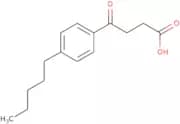
CAS:Controlled ProductVersatile small molecule scaffoldFormula:C13H21NO3Purity:Min. 95%Molecular weight:239.31 g/mol4-Oxo-4-(4-pentylphenyl)butanoic acid
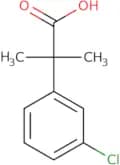
CAS:<p>Versatile small molecule scaffold</p>Formula:C15H20O3Purity:Min. 95%Molecular weight:248.32 g/mol2-(3-Chlorophenyl)-2-methylpropanoic acid
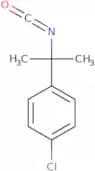
CAS:<p>Versatile small molecule scaffold</p>Formula:C10H11ClO2Purity:Min. 95%Molecular weight:198.65 g/mol1-Chloro-4-(2-isocyanatopropan-2-yl)benzene
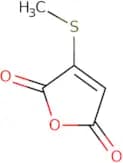
CAS:<p>Versatile small molecule scaffold</p>Formula:C10H10ClNOPurity:Min. 95%Molecular weight:195.64 g/mol3-(Methylsulfanyl)-2,5-dihydrofuran-2,5-dione
CAS:<p>Versatile small molecule scaffold</p>Formula:C5H4O3SPurity:Min. 95%Molecular weight:144.15 g/molMethyl 3-oxobicyclo[2.2.1]hept-5-ene-2-carboxylate
CAS:<p>Versatile small molecule scaffold</p>Formula:C9H10O3Purity:Min. 95%Molecular weight:166.2 g/molMethyl 3-oxobicyclo[2.2.1]heptane-2-carboxylate
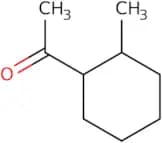
CAS:<p>Versatile small molecule scaffold</p>Formula:C9H12O3Purity:Min. 95%Molecular weight:168.19 g/mol1-(2-Methylcyclohexyl)ethan-1-one
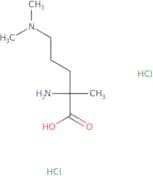
CAS:<p>1-(2-Methylcyclohexyl)ethan-1-one is an unsaturated ketone that can be obtained by the reaction of cyclopentadiene with ethylene oxide. It is a colorless liquid that has been shown to yield a number of different products upon treatment with various reagents. 1-(2-Methylcyclohexyl)ethan-1-one can also be used for mechanistic studies in chemistry, as its fragmentation patterns are similar to those of other unsaturated ketones.</p>Formula:C9H16OPurity:Min. 95%Molecular weight:140.22 g/mol2-Amino-5-(dimethylamino)-2-methylpentanoic acid dihydrochloride
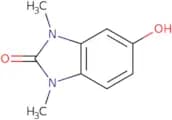
CAS:<p>Versatile small molecule scaffold</p>Formula:C8H20Cl2N2O2Purity:Min. 95%Molecular weight:247.16 g/mol5-Hydroxy-1,3-dimethyl-2,3-dihydro-1H-1,3-benzodiazol-2-one
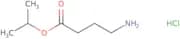
CAS:<p>Versatile small molecule scaffold</p>Formula:C9H10N2O2Purity:Min. 95%Molecular weight:178.19 g/molPropan-2-yl 4-aminobutanoate hydrochloride
CAS:<p>Versatile small molecule scaffold</p>Formula:C7H16ClNO2Purity:Min. 95%Molecular weight:181.66 g/mol2-{[(3-Chlorophenyl)methyl]amino}ethan-1-ol
CAS:<p>Versatile small molecule scaffold</p>Formula:C9H12ClNOPurity:Min. 95%Molecular weight:185.65 g/mol2-{[(4-Chlorophenyl)methyl]amino}ethan-1-ol hydrochloride
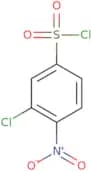
CAS:<p>Versatile small molecule scaffold</p>Formula:C9H13Cl2NOPurity:Min. 95%Molecular weight:222.11 g/mol3-Chloro-4-nitrobenzenesulfonyl chloride
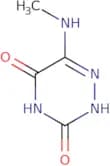
CAS:<p>Versatile small molecule scaffold</p>Formula:C6H3Cl2NO4SPurity:Min. 95%Molecular weight:256.06 g/mol6-(Methylamino)-2,3,4,5-tetrahydro-1,2,4-triazine-3,5-dione
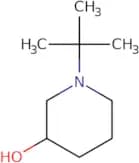
CAS:<p>Versatile small molecule scaffold</p>Formula:C4H6N4O2Purity:Min. 95%Molecular weight:142.1 g/mol1-tert-Butylpiperidin-3-ol
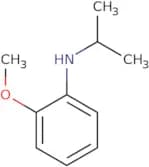
CAS:<p>Versatile small molecule scaffold</p>Formula:C9H19NOPurity:Min. 95%Molecular weight:157.25 g/mol2-Methoxy-N-(propan-2-yl)aniline
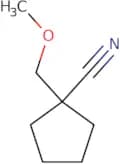
CAS:<p>Versatile small molecule scaffold</p>Formula:C10H15NOPurity:Min. 95%Molecular weight:165.23 g/mol1-(Methoxymethyl)cyclopentane-1-carbonitrile
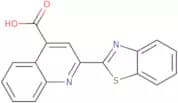
CAS:<p>Versatile small molecule scaffold</p>Formula:C8H13NOPurity:Min. 95%Molecular weight:139.19 g/mol2-(1,3-Benzothiazol-2-yl)quinoline-4-carboxylic acid
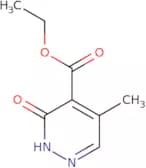
CAS:<p>Versatile small molecule scaffold</p>Formula:C17H10N2O2SPurity:Min. 95%Molecular weight:306.3 g/molEthyl 3-hydroxy-5-methylpyridazine-4-carboxylate
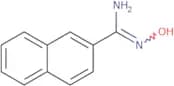
CAS:<p>Versatile small molecule scaffold</p>Formula:C8H10N2O3Purity:Min. 95%Molecular weight:182.18 g/molNaphthalene-2-amidoxime
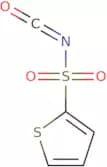
CAS:<p>Versatile small molecule scaffold</p>Formula:C11H10N2OPurity:Min. 95%Molecular weight:186.21 g/molThiophene-2-sulfonyl isocyanate
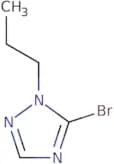
CAS:<p>Versatile small molecule scaffold</p>Formula:C5H3NO3S2Purity:Min. 95%Molecular weight:189.2 g/mol5-Bromo-1-propyl-1H-1,2,4-triazole
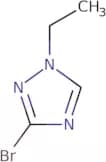
CAS:<p>Versatile small molecule scaffold</p>Formula:C5H8BrN3Purity:Min. 95%Molecular weight:190.04 g/mol3-Bromo-1-ethyl-1H-1,2,4-triazole
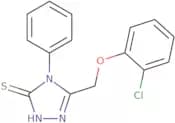
CAS:<p>Versatile small molecule scaffold</p>Formula:C4H6BrN3Purity:Min. 95%Molecular weight:176.01 g/mol5-(2-Chlorophenoxymethyl)-4-phenyl-4H-1,2,4-triazole-3-thiol
CAS:Versatile small molecule scaffoldFormula:C15H12ClN3OSPurity:Min. 95%Molecular weight:317.8 g/mol4-Amino-3-(methylamino)benzonitrile
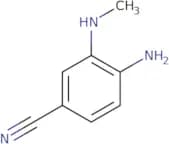
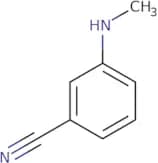
CAS:<p>Versatile small molecule scaffold</p>Formula:C8H9N3Purity:Min. 95%Molecular weight:147.18 g/mol3-(methylamino)benzonitrile
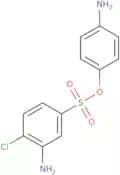
CAS:<p>3-(methylamino)benzonitrile is an analogue of benzodiazepine compounds that has potent anxiolytic activity. It is a white, crystalline solid that is soluble in organic solvents. 3-(Methylamino)benzonitrile has been shown to have toxic effects on the liver and kidneys, as well as to produce neurological disorders such as seizures and coma. This drug is broken down by the body into a number of metabolites, including benzylamine, which can be found in the urine of patients taking this drug.</p>Formula:C8H8N2Purity:Min. 95%Molecular weight:132.16 g/mol3-Amino-4-chloro-benzenesulfonic acid 4-amino-phenyl ester
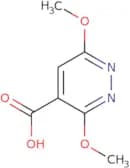
CAS:<p>Versatile small molecule scaffold</p>Formula:C12H11ClN2O3SPurity:Min. 95%Molecular weight:298.75 g/mol3,6-Dimethoxypyridazine-4-carboxylic acid
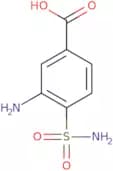
CAS:<p>Versatile small molecule scaffold</p>Formula:C7H8N2O4Purity:Min. 95%Molecular weight:184.15 g/mol3-Amino-4-sulfamoylbenzoic acid
CAS:<p>Versatile small molecule scaffold</p>Formula:C7H8N2O4SPurity:Min. 95%Molecular weight:216.22 g/mol4-Amino-3-sulfamoylbenzoic acid
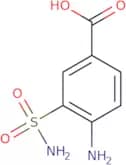
CAS:<p>Versatile small molecule scaffold</p>Formula:C7H8N2O4SPurity:Min. 95%Molecular weight:216.22 g/mol4-(1-Bromoethyl)pyridine hydrobromide
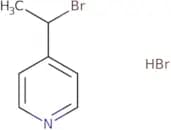
CAS:<p>Versatile small molecule scaffold</p>Formula:C7H9Br2NPurity:Min. 95%Molecular weight:266.96 g/mol5-Bromo-4,6-dimethylpyridin-2(1H)-one
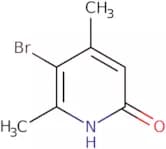
CAS:<p>Versatile small molecule scaffold</p>Formula:C7H8BrNOPurity:Min. 95%Molecular weight:202.05 g/mol2-Bromo-4-methylbenzene-1-sulfonamide
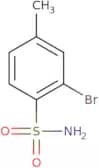
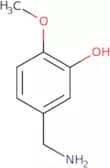
CAS:<p>Versatile small molecule scaffold</p>Formula:C7H8BrNO2SPurity:Min. 95%Molecular weight:250.12 g/mol5-(Aminomethyl)-2-methoxyphenol
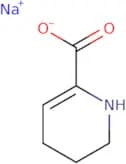
CAS:<p>5-(Aminomethyl)-2-methoxyphenol is a xylene-soluble phenolic compound that has been used to diagnose aluminium in human serum. It is also commonly used as an antioxidant and preservative in food chemistry. 5-(Aminomethyl)-2-methoxyphenol has shown potential antitumor effects, as well as the ability to inhibit the growth of amine-producing cells. The mechanism of action for this compound remains unknown.</p>Formula:C8H11NO2Purity:Min. 95%Molecular weight:153.18 g/molSodium 1,4,5,6-tetrahydropyridine-2-carboxylate
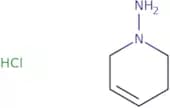
CAS:<p>Versatile small molecule scaffold</p>Formula:C6H8NNaO2Purity:Min. 95%Molecular weight:149.12 g/mol1,2,3,6-Tetrahydropyridin-1-amine hydrochloride
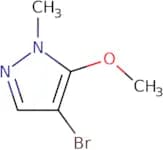
CAS:<p>Versatile small molecule scaffold</p>Formula:C5H11ClN2Purity:Min. 95%Molecular weight:134.6 g/mol4-Bromo-5-methoxy-1-methyl-1H-pyrazole
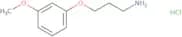
CAS:<p>Versatile small molecule scaffold</p>Formula:C5H7BrN2OPurity:Min. 95%Molecular weight:191.03 g/mol1-Propanamine, 3-(3-methoxyphenoxy)-, hydrochloride (1:1)
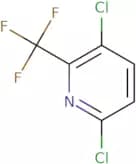
CAS:<p>Versatile small molecule scaffold</p>Formula:C10H16ClNO2Purity:Min. 95%Molecular weight:217.69 g/mol3,6-Dichloro-2-(trifluoromethyl)pyridine
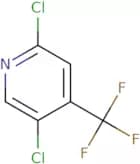
CAS:<p>Versatile small molecule scaffold</p>Formula:C6H2Cl2F3NPurity:Min. 95%Molecular weight:215.99 g/mol2,5-Dichloro-4-(trifluoromethyl)pyridine
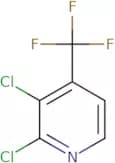
CAS:<p>Versatile small molecule scaffold</p>Formula:C6H2Cl2F3NPurity:Min. 95%Molecular weight:215.99 g/mol2,3-Dichloro-4-(trifluoromethyl)pyridine
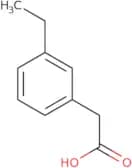
CAS:<p>Versatile small molecule scaffold</p>Formula:C6H2Cl2F3NPurity:Min. 95%Molecular weight:215.99 g/mol2-(3-Ethylphenyl)acetic acid
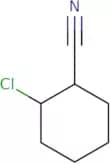
CAS:Versatile small molecule scaffoldFormula:C10H12O2Purity:Min. 95%Molecular weight:164.2 g/mol2-Chlorocyclohexane-1-carbonitrile
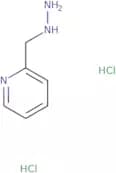
CAS:<p>2-Chlorocyclohexane-1-carbonitrile is an organic compound that belongs to the group of ethers. It is a colorless liquid with a sweet, chloroform-like odor. 2-Chlorocyclohexane-1-carbonitrile has been shown to have transition and steric factors that influence the reactivity of the molecule. The presence of the chlorine atom in this molecule causes it to be detectable by gas chromatography and mass spectrometry. The hydrogen chloride protonation and interaction with other molecules can lead to additional structural changes in 2-chlorocyclohexane-1-carbonitrile, which can also affect its reactivity.</p>Formula:C7H10ClNPurity:Min. 95%Molecular weight:143.61 g/mol2-(Hydrazinylmethyl)pyridine dihydrochloride
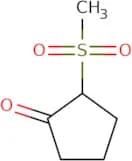
CAS:Versatile small molecule scaffoldFormula:C6H11Cl2N3Purity:Min. 95%Molecular weight:196.08 g/mol2-Methanesulfonylcyclopentan-1-one
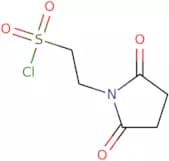
CAS:<p>Versatile small molecule scaffold</p>Formula:C6H10O3SPurity:Min. 95%Molecular weight:162.21 g/mol2-(2,5-Dioxo-pyrrolidin-1-yl)-ethanesulfonyl chloride
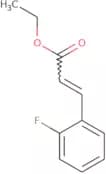
CAS:<p>Versatile small molecule scaffold</p>Formula:C6H8ClNO4SPurity:Min. 95%Molecular weight:225.65 g/molEthyl (2E)-3-(2-fluorophenyl)prop-2-enoate
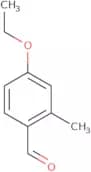
CAS:<p>Versatile small molecule scaffold</p>Formula:C11H11FO2Purity:Min. 95%Molecular weight:194.2 g/mol4-Ethoxy-2-methylbenzaldehyde
CAS:<p>Versatile small molecule scaffold</p>Formula:C10H12O2Purity:Min. 95%Molecular weight:164.2 g/mol2-Methyl-2-[3-(trifluoromethyl)phenyl]propanenitrile
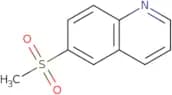
CAS:<p>Versatile small molecule scaffold</p>Formula:C11H10F3NPurity:Min. 95%Molecular weight:213.2 g/mol6-Methanesulfonylquinoline
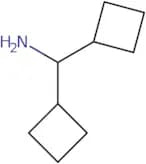
CAS:<p>Versatile small molecule scaffold</p>Formula:C10H9NO2SPurity:Min. 95%Molecular weight:207.25 g/molDicyclobutylmethanamine
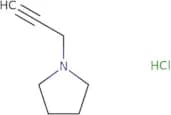
CAS:<p>Versatile small molecule scaffold</p>Formula:C9H17NPurity:Min. 95%Molecular weight:139.24 g/mol1-(Prop-2-yn-1-yl)pyrrolidine hydrochloride
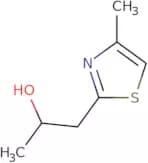
CAS:<p>Versatile small molecule scaffold</p>Formula:C7H11N·HClPurity:Min. 95%Molecular weight:145.62 g/mol1-(4-Methyl-1,3-thiazol-2-yl)propan-2-ol
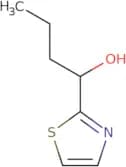
CAS:<p>Versatile small molecule scaffold</p>Formula:C7H11NOSPurity:Min. 95%Molecular weight:157.24 g/mol1-(1,3-Thiazol-2-yl)butan-1-ol
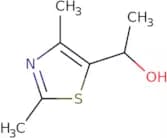
CAS:<p>Versatile small molecule scaffold</p>Formula:C7H11NOSPurity:Min. 95%Molecular weight:157.24 g/mol1-(Dimethyl-1,3-thiazol-5-yl)ethan-1-ol
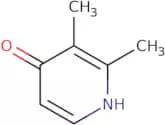
CAS:Versatile small molecule scaffoldFormula:C7H11NOSPurity:Min. 95%Molecular weight:157.24 g/mol2,3-Dimethyl-1,4-dihydropyridin-4-one
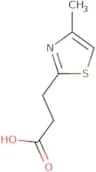
CAS:<p>Versatile small molecule scaffold</p>Formula:C7H9NOPurity:Min. 95%Molecular weight:123.15 g/mol3-(4-Methyl-1,3-thiazol-2-yl)propanoic acid
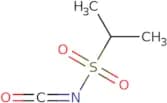
CAS:<p>Versatile small molecule scaffold</p>Formula:C7H9NO2SPurity:Min. 95%Molecular weight:171.22 g/molPropane-2-sulfonyl isocyanate
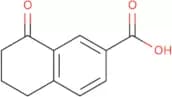
CAS:<p>Versatile small molecule scaffold</p>Formula:C4H7NO3SPurity:Min. 95%Molecular weight:149.17 g/mol8-Oxo-5,6,7,8-tetrahydronaphthalene-2-carboxylic acid
CAS:<p>Versatile small molecule scaffold</p>Formula:C11H10O3Purity:Min. 95%Molecular weight:190.2 g/mol



![1-[4-(Pyridin-1-ium-1-yl)butyl]pyridin-1-ium dibromide](/_next/image/?url=https%3A%2Fstatic.cymitquimica.com%2Fproducts%2F3D%2Fthumb-webp%2FPAA20808.webp&w=3840&q=75)
![[(3-Fluorophenyl)amino]carbonitrile](/_next/image/?url=https%3A%2Fstatic.cymitquimica.com%2Fproducts%2F3D%2Fthumb-webp%2FPAA21318.webp&w=3840&q=75)
![[(4-Fluorophenyl)amino]carbonitrile](/_next/image/?url=https%3A%2Fstatic.cymitquimica.com%2Fproducts%2F3D%2Fthumb-webp%2FPAA21319.webp&w=3840&q=75)
![3-[(4-chlorophenyl)sulfonyl]propanenitrile](/_next/image/?url=https%3A%2Fstatic.cymitquimica.com%2Fproducts%2F3D%2Fthumb-webp%2FPAA22322.webp&w=3840&q=75)
![[1-(Hydroxymethyl)-2-phenylcyclopropyl]methanol](/_next/image/?url=https%3A%2Fstatic.cymitquimica.com%2Fproducts%2F3D%2Fthumb-webp%2FPAA22451.webp&w=3840&q=75)
![4-(Trifluoromethyl)bicyclo[2.2.2]octane-1-carboxylic acid](/_next/image/?url=https%3A%2Fstatic.cymitquimica.com%2Fproducts%2F3D%2Fthumb-webp%2FPAA23409.webp&w=3840&q=75)

![3-Bicyclo[3.2.1]octanone](/_next/image/?url=https%3A%2Fstatic.cymitquimica.com%2Fproducts%2F3D%2Fthumb-webp%2FPAA25205.webp&w=3840&q=75)

![1-[(4-Methylphenyl)sulfonyl]-2,3-dihydroquinolin-4(1H)-one](/_next/image/?url=https%3A%2Fstatic.cymitquimica.com%2Fproducts%2F3D%2Fthumb-webp%2FPAA27837.webp&w=3840&q=75)
![Bis(2-[3-(morpholin-4-yl)propyl]guanidine), sulfuric acid](/_next/image/?url=https%3A%2Fstatic.cymitquimica.com%2Fproducts%2F3D%2Fthumb-webp%2FPAA27976.webp&w=3840&q=75)
![Bis(1-[(3-methoxyphenyl)methyl]guanidine), sulfuric acid](/_next/image/?url=https%3A%2Fstatic.cymitquimica.com%2Fproducts%2F3D%2Fthumb-webp%2FPAA27994.webp&w=3840&q=75)

![2-Methyl-1-[4-(trifluoromethyl)phenyl]propan-1-one](/_next/image/?url=https%3A%2Fstatic.cymitquimica.com%2Fproducts%2F3D%2Fthumb-webp%2FPCA43658.webp&w=3840&q=75)
![N-[(3-Chlorophenyl)methyl]-2-cyanoacetamide](/_next/image/?url=https%3A%2Fstatic.cymitquimica.com%2Fproducts%2F3D%2Fthumb-webp%2FPCA48808.webp&w=3840&q=75)
![2-Cyano-N-[(3-methylphenyl)methyl]acetamide](/_next/image/?url=https%3A%2Fstatic.cymitquimica.com%2Fproducts%2F3D%2Fthumb-webp%2FPCA48811.webp&w=3840&q=75)
![2-[(Cyclopropylcarbonyl)amino]acetic acid](/_next/image/?url=https%3A%2Fstatic.cymitquimica.com%2Fproducts%2F3D%2Fthumb-webp%2FPCA51370.webp&w=3840&q=75)
![4-Bromo-N-[2-(morpholin-4-yl)ethyl]benzamide](/_next/image/?url=https%3A%2Fstatic.cymitquimica.com%2Fproducts%2F3D%2Fthumb-webp%2FPCA54419.webp&w=3840&q=75)
![Ethyl N-[3-(2-oxopropyl)-1,2,4-thiadiazol-5-yl]carbamate](/_next/image/?url=https%3A%2Fstatic.cymitquimica.com%2Fproducts%2F3D%2Fthumb-webp%2FPCA57297.webp&w=3840&q=75)
![(1H-Benzo[D]imidazol-4-yl)methanamine dihydrochloride](/_next/image/?url=https%3A%2Fstatic.cymitquimica.com%2Fproducts%2F3D%2Fthumb-webp%2FPCA57423.webp&w=3840&q=75)
![1-[Chloro(4-chlorophenyl)methyl]-4-fluorobenzene](/_next/image/?url=https%3A%2Fstatic.cymitquimica.com%2Fproducts%2F3D%2Fthumb-webp%2FPCA58339.webp&w=3840&q=75)
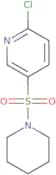
![1-[(6-Chloropyridin-3-yl)sulfonyl]-4-methylpiperazine](/_next/image/?url=https%3A%2Fstatic.cymitquimica.com%2Fproducts%2F3D%2Fthumb-webp%2FPCA61453.webp&w=3840&q=75)
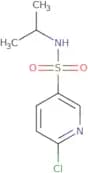
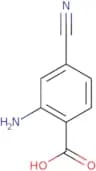
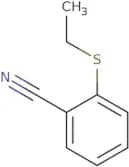



![[4-(Propan-2-yl)phenyl]methanesulfonamide](/_next/image/?url=https%3A%2Fstatic.cymitquimica.com%2Fproducts%2F3D%2Fthumb-webp%2FPCA73236.webp&w=3840&q=75)
![3-[4-(2-Methylpropyl)phenyl]butan-2-one](/_next/image/?url=https%3A%2Fstatic.cymitquimica.com%2Fproducts%2F3D%2Fthumb-webp%2FPCA75890.webp&w=3840&q=75)
![2,2-Diethyl spiro[3.3]heptane-2,2-dicarboxylate](/_next/image/?url=https%3A%2Fstatic.cymitquimica.com%2Fproducts%2F3D%2Fthumb-webp%2FPCA77596.webp&w=3840&q=75)
![Spiro[3.3]heptane-2,2-dicarboxylic acid](/_next/image/?url=https%3A%2Fstatic.cymitquimica.com%2Fproducts%2F3D%2Fthumb-webp%2FPCA77597.webp&w=3840&q=75)
![2-[3,5-Dimethoxy-4-(propan-2-yloxy)phenyl]ethan-1-amine](/_next/image/?url=https%3A%2Fstatic.cymitquimica.com%2Fproducts%2F3D%2Fthumb-webp%2FPCA77872.webp&w=3840&q=75)
![Methyl 3-oxobicyclo[2.2.1]hept-5-ene-2-carboxylate](/_next/image/?url=https%3A%2Fstatic.cymitquimica.com%2Fproducts%2F3D%2Fthumb-webp%2FPCA81011.webp&w=3840&q=75)
![Methyl 3-oxobicyclo[2.2.1]heptane-2-carboxylate](/_next/image/?url=https%3A%2Fstatic.cymitquimica.com%2Fproducts%2F3D%2Fthumb-webp%2FPCA81014.webp&w=3840&q=75)
![2-{[(3-Chlorophenyl)methyl]amino}ethan-1-ol](/_next/image/?url=https%3A%2Fstatic.cymitquimica.com%2Fproducts%2F3D%2Fthumb-webp%2FPCA83459.webp&w=3840&q=75)
![2-{[(4-Chlorophenyl)methyl]amino}ethan-1-ol hydrochloride](/_next/image/?url=https%3A%2Fstatic.cymitquimica.com%2Fproducts%2F3D%2Fthumb-webp%2FPCA83467.webp&w=3840&q=75)
![2-Methyl-2-[3-(trifluoromethyl)phenyl]propanenitrile](/_next/image/?url=https%3A%2Fstatic.cymitquimica.com%2Fproducts%2F3D%2Fthumb-webp%2FPDA76540.webp&w=3840&q=75)