Building Blocks
This section contains fundamental products for the synthesis of organic and biological compounds. Building blocks are the essential starting materials used to construct complex molecules through various chemical reactions. They play a critical role in drug discovery, material science, and chemical research. At CymitQuimica, we offer a diverse range of high-quality building blocks to support your innovative research and industrial projects, ensuring you have the essential components for successful synthesis.
Subcategories of "Building Blocks"
- Boronic Acids & Boronic Acid Derivatives(5,756 products)
- Chiral Building Blocks(1,242 products)
- Hydrocarbon Building Blocks(6,095 products)
- Organic Building Blocks(61,051 products)
Found 199813 products of "Building Blocks"
Sort by
Purity (%)
0
100
|
0
|
50
|
90
|
95
|
100
Prop-2-ene-1-sulfonyl chloride
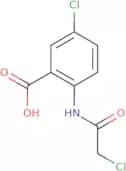
CAS:<p>Prop-2-ene-1-sulfonyl chloride is an organic compound that is used as a pharmaceutical intermediate. It has been shown to have potent inhibitory activity against pancreatic lipase, which makes it a potential treatment for inflammatory diseases such as arthritis. The active form of prop-2-ene-1-sulfonyl chloride binds to the receptor site of the molecule and prevents it from binding with other molecules, thereby blocking the inflammatory response. Prop-2-ene-1-sulfonyl chloride also binds to cholesterol esters in cells and prevents them from being transferred. This inhibits cholesterol production and reduces inflammation caused by high levels of cholesterol.</p>Formula:C3H5ClO2SPurity:Min. 95%Molecular weight:140.59 g/mol5-Chloro-2-(2-chloroacetamido)benzoic acid
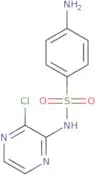
CAS:<p>Versatile small molecule scaffold</p>Formula:C9H7Cl2NO3Purity:Min. 95%Molecular weight:248.06 g/mol4-Amino-N-(3-chloropyrazin-2-yl)benzenesulfonamide
CAS:<p>Versatile small molecule scaffold</p>Formula:C10H9ClN4O2SPurity:Min. 95%Molecular weight:284.72 g/molBenzyl-(4-methoxy-benzyl)-amine
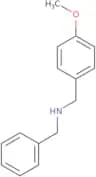
CAS:<p>Benzyl-(4-methoxy-benzyl)-amine is a chemical compound that has the molecular formula CHNO. It is an organic compound with a nitrate group, which are common in esters and phenolates. This compound can be synthesized by debenzylating benzyl amines and reacting them with nitric acid. Benzyl-(4-methoxy-benzyl)-amine may also be prepared by reacting benzaldehyde with ammonium hydroxide or ammonia gas. The synthesis of this compound is chemoselective, meaning it only reacts at one point on the molecule, rather than two. Benzyl-(4-methoxy-benzyl)-amine is used as a precursor to other compounds such as ammonium nitrate, esters, phenolates, and amides.</p>Formula:C15H17NOPurity:Min. 95%Molecular weight:227.3 g/mol2-(4-Chloro-2-formylphenoxy)acetic acid
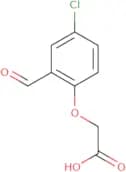
CAS:<p>2-(4-Chloro-2-formylphenoxy)acetic acid is a chemical compound that is found in microalgae. The compound has been shown to inhibit the growth of bacteria by binding to glucose transporters and inhibiting their ability to absorb glucose. This process leads to a decrease in ATP levels, energy depletion, and cell death. In addition, this compound has been shown to have trophic effects on microalgae. This compound also inhibits the expression of malic enzyme genes and ammonium transporter genes in bacteria. 2-(4-Chloro-2-formylphenoxy)acetic acid is a steerable molecule that can be used for sectioning biological material with ultrafast lasers due to its high fluorescence.</p>Formula:C9H7ClO4Purity:Min. 95%Molecular weight:214.6 g/mol2-{[2-({2-[(2-Hydroxyethyl)sulfanyl]ethyl}sulfanyl)ethyl]sulfanyl}ethan-1-ol
CAS:<p>2-{[2-({2-[(2-Hydroxyethyl)sulfanyl]ethyl}sulfanyl)ethyl]sulfanyl}ethan-1-ol is a polymer with a heterocyclic ring that is soluble in organic solvents. It has been used as an activator, coactivator and/or stabilizer for the thermal treatment of inorganic acids to produce imidazolines and halogens. 2-{[2-({2-[(2-Hydroxyethyl)sulfanyl]ethyl}sulfanyl)ethyl]sulfanyl}ethan-1-ol has been shown to be effective in the production of polymeric materials with good stability and low volatility.</p>Formula:C8H18O2S3Purity:Min. 95%Molecular weight:242.4 g/mol3-Propoxypyridine-2-carboxylic acid
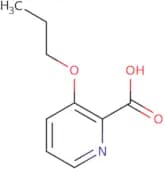
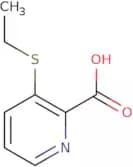
CAS:<p>3-Propoxypyridine-2-carboxylic acid is a benzene ring containing piperidine with a carboxamide substituent. It has shown to be selective for human eosinophils, and is an antagonist at the benzodiazepine site of GABAA receptors. 3-Propoxypyridine-2-carboxylic acid can also be derivatized to form a potent antagonist of benzodiazepine sites on GABAA receptors.</p>Formula:C9H11NO3Purity:Min. 95%Molecular weight:181.19 g/mol3-(Ethylsulfanyl)pyridine-2-carboxylic acid
CAS:Versatile small molecule scaffoldFormula:C8H9NO2SPurity:Min. 95%Molecular weight:183.23 g/mol3-{[(Benzyloxy)carbonyl]amino}-3-phenylpropanoic acid
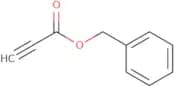
CAS:<p>Versatile small molecule scaffold</p>Formula:C17H17NO4Purity:Min. 95%Molecular weight:299.32 g/molBenzyl propiolate
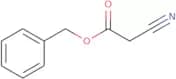
CAS:<p>Benzyl propiolate is a molecule that is structurally related to propiolic acid. It has been shown to act as an adrenergic receptor agonist, which leads to platelet aggregation and thrombocytopenia. Benzyl propiolate also forms methyl esters with alcohols and is synthesized by methyl esterification of benzyl alcohol and propionic acid. This compound is electron deficient, which allows it to react with electron-rich substances, such as thromboplastin in the reaction solution for heparin-induced thrombocytopenia.</p>Formula:C10H8O2Purity:Min. 95%Molecular weight:160.17 g/molBenzyl 2-cyanoacetate
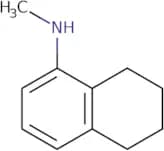
CAS:<p>Benzyl 2-cyanoacetate is an aliphatic hydrocarbon that has been used in the synthesis of various quinoline derivatives. It can be prepared by the reaction of malonic acid with hydrochloric acid, followed by borohydride reduction and the addition of active methylene. Benzyl 2-cyanoacetate is also a precursor to a number of other compounds, including β-amino acids, which are used as pharmaceutical preparations. The chloride ions in benzyl 2-cyanoacetate react with nitro groups to form chloroquinolines. This compound is also an efflux pump inhibitor that blocks bacterial cells from exporting antibiotic molecules out of the cell.</p>Formula:C10H9NO2Purity:Min. 95%Molecular weight:175.19 g/molN-Methyl-5,6,7,8-tetrahydronaphthalen-1-amine
CAS:<p>Versatile small molecule scaffold</p>Formula:C11H15NPurity:Min. 95%Molecular weight:161.24 g/mol4-[(4-Methoxyphenyl)sulfanyl]aniline
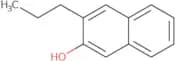
CAS:<p>Versatile small molecule scaffold</p>Formula:C13H13NOSPurity:Min. 95%Molecular weight:231.32 g/mol3-Propylnaphthalen-2-ol
CAS:<p>Versatile small molecule scaffold</p>Formula:C13H14OPurity:Min. 95%Molecular weight:186.25 g/mol3-Phenyl-2-[(prop-2-en-1-yl)amino]propanoic acid
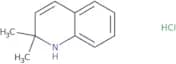
CAS:<p>Versatile small molecule scaffold</p>Formula:C12H15NO2Purity:Min. 95%Molecular weight:205.25 g/mol2,2-Dimethyl-1,2-dihydroquinoline hydrochloride
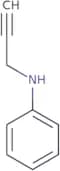
CAS:<p>Versatile small molecule scaffold</p>Formula:C11H14ClNPurity:Min. 95%Molecular weight:195.69 g/molPhenyl-prop-2-ynyl-amine
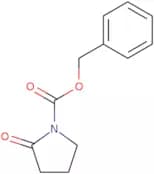
CAS:<p>Phenyl-prop-2-ynyl-amine is a primary amine with neuroprotective properties. It can be activated to the corresponding aniline by treatment with a base. Phenyl-prop-2-ynyl-amine has been shown to have neuroprotective effects in a model system of Parkinson's disease. It also possesses ring-opening activity on quinoline derivatives and gold nanoparticles. This reaction is slow, but it can be accelerated by the addition of a carboxylic acid. The use of this method for the synthesis of phenylpropene derivatives provides an efficient route for the construction of complex molecules with functional groups in their skeletons.</p>Formula:C9H9NPurity:Min. 95%Molecular weight:131.17 g/mol1-Z-2-Pyrrolidinone
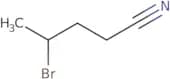
CAS:<p>Versatile small molecule scaffold</p>Formula:C12H13NO3Purity:Min. 95%Molecular weight:219.24 g/mol4-Bromopentanenitrile
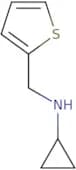
CAS:<p>4-Bromopentanenitrile is a medicinal molecule that has been shown to have oral bioavailability. This compound is an antagonist of the chemokine receptor CXCR4 and blocks the binding of SDF-1α and other ligands to this receptor, which inhibits the migration of lymphocytes from bone marrow into peripheral tissues. 4-Bromopentanenitrile has also been shown to inhibit cell proliferation in vitro and in vivo, which may be due to its ability to block DNA replication. 4-Bromopentanenitrile has been tested for its ability to inhibit the growth of cancer cells in mice models.</p>Formula:C5H8BrNPurity:Min. 95%Molecular weight:162.03 g/molCyclopropyl-thiophen-2-ylmethyl-amine
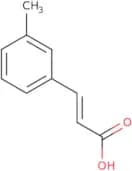
CAS:<p>Versatile small molecule scaffold</p>Formula:C8H11NSPurity:Min. 95%Molecular weight:153.25 g/mol(E)-3-(m-Tolyl)acrylic acid
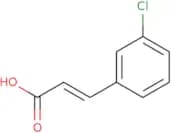
CAS:<p>(E)-3-(m-Tolyl)acrylic acid is a natural flavonoid compound found in plants. It is an intermediate in the biosynthesis of phenylpropanoids, which are a group of plant secondary metabolites. (E)-3-(m-Tolyl)acrylic acid has been shown to inhibit the production of heterocyclic amines, which are carcinogenic compounds formed during the cooking process of meat and fish. In addition, this compound has been shown to have cytotoxic effects on cancer cells and inhibitory effects on malonic acid production in plants. (E)-3-(m-Tolyl)acrylic acid is synthesized from cinnamic acid derivatives and hydroxyl groups. It is also produced by sulfonation of eugenol with sulfuric acid followed by oxidation with hydrogen peroxide.</p>Formula:C10H10O2Purity:Min. 95%Molecular weight:162.19 g/mol3-Chlorocinnamic acid
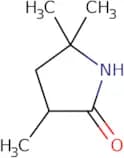
CAS:<p>3-Chlorocinnamic acid is a potential anticancer agent that has been shown to stimulate the growth of epidermal cells. It inhibits the activity of epidermal growth factor (EGF) and is active against some forms of cancer. 3-Chlorocinnamic acid binds to an activated form of the epidermal growth factor receptor and prevents its activation. 3-Chlorocinnamic acid also inhibits pro-apoptotic protein kinase activities, which may be useful for treating conditions such as tuberculosis. The chemical group in this compound is responsible for its optical properties and its ability to bind to proteins with cinnamoyl groups.</p>Formula:C9H7ClO2Purity:Min. 95%Molecular weight:182.6 g/mol3,5,5-Trimethyl-2-pyrrolidinone
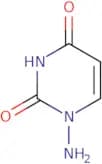
CAS:<p>3,5,5-Trimethyl-2-pyrrolidinone is a cyclic hydrocarbon that is produced by the photolysis of acetonylacetone. It undergoes hydrolysis to form 3,5,5-trimethyl-3-oxazolidinone and 2-oxopropanal. The former reacts with nitrones to form oxaziridines and pyrrolidinones. 3,5,5-Trimethyl-2-pyrrolidinone can be used as a protecting group for hydroxyl groups in organic synthesis.</p>Formula:C7H13NOPurity:Min. 95%Molecular weight:127.18 g/mol1-Amino-1,2,3,4-tetrahydropyrimidine-2,4-dione
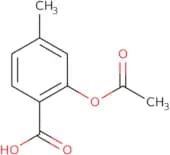
CAS:<p>1-Amino-1,2,3,4-tetrahydropyrimidine-2,4-dione is an alkynyl amine that is used in the agricultural industry as a binding agent for acid. It has been shown to bind to cyanoalkyl, haloalkyl and aminouracil groups. The compound also has a variety of other uses in the pharmaceutical industry including use as a nerve toxin. 1-Amino-1,2,3,4-tetrahydropyrimidine-2,4-dione is also used as a spectrum diluent and can be used in refluxing reactions with nitro compounds.</p>Formula:C4H5N3O2Purity:Min. 95%Molecular weight:127.1 g/mol2-(Acetyloxy)-4-methylbenzoic acid
CAS:<p>2-(Acetyloxy)-4-methylbenzoic acid (AMBA) is a compound that is used in the field of health care. It has been shown to have neuroprotective effects and to reduce neuronal apoptosis, which may be due to its ability to attenuate proinflammatory responses. AMBA has also been shown to inhibit the formation of amyloid plaques in Alzheimer's disease. This compound has also shown anti-inflammatory properties and can be used as a treatment for neuroinflammation. AMBA inhibits the activation of caspases, which are responsible for initiating the apoptosis pathway by cleaving proteins necessary for cell survival, such as PARP1 or Bcl-2. The mechanism of action is not fully understood but it appears that AMBA alters mitochondrial function and reduces intracellular calcium levels.</p>Formula:C10H10O4Purity:Min. 95%Molecular weight:194.18 g/mol2-(Acetyloxy)-5-methylbenzoic acid
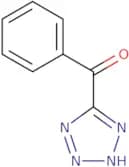
CAS:<p>Versatile small molecule scaffold</p>Formula:C10H10O4Purity:Min. 95%Molecular weight:194.18 g/mol5-Benzoyl-2H-1,2,3,4-tetrazole
CAS:<p>5-Benzoyl-2H-1,2,3,4-tetrazole is a pyrazole compound that can be synthesized by reacting an aliphatic azide with a sulfoxide. The reaction of the sulfoxide with potassium hydroxide and dimethylbenzoyl chloride produces the desired product. 5-Benzoyl-2H-1,2,3,4-tetrazole is used in research as a short term substrate for enzymes such as diazo compounds and tetrazole. It has also been shown to be capable of forming covalent bonds with alkali metal ions such as sodium and potassium. This compound is also useful for the synthesis of 2H-1,2,3,4-tetrazoles via diazotization.</p>Formula:C8H6N4OPurity:Min. 95%Molecular weight:174.16 g/mol5H,6H,7H,8H-Imidazo[1,5-c]pyrimidin-5-one
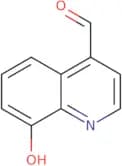
CAS:<p>5H,6H,7H,8H-Imidazo[1,5-c]pyrimidin-5-one is a marine alkaloid that belongs to the family of histamine. It is found in the sponge pseudoceratina and has been shown to have antifouling properties. 5H,6H,7H,8H-Imidazo[1,5-c]pyrimidin-5-one can be used as a treatment for hyperhistaminemia and may inhibit tyrosine hydroxylase activity.</p>Formula:C6H7N3OPurity:Min. 95%Molecular weight:137.14 g/mol8-Hydroxy-4-quinolinecarboxaldehyde
CAS:<p>8-Hydroxy-4-quinolinecarboxaldehyde is an alkaloid that is found in the bark of Broussonetia papyrifera, a tree native to Asia. Alkaloids are nitrogenous organic compounds that contain basic properties. 8-Hydroxy-4-quinolinecarboxaldehyde can be synthesized by reacting oxime with hydroquinone. This compound has been studied using spectroscopic methods and can be used as a starting point for the synthesis of other alkaloids.</p>Formula:C10H7NO2Purity:Min. 95%Molecular weight:173.17 g/mol2-Amino-3-[(2-phenylethyl)sulfanyl]propanoic acid
CAS:Versatile small molecule scaffoldFormula:C11H15NO2SPurity:Min. 95%Molecular weight:225.31 g/mol[(2-Chloroethyl)(dimethylamino)phosphoryl]dimethylamine
CAS:<p>Versatile small molecule scaffold</p>Formula:C6H16ClN2OPPurity:Min. 95%Molecular weight:198.63 g/molSpiro[4.5]dec-6-en-8-one
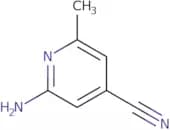
CAS:Spiro[4.5]dec-6-en-8-one is a natural product isolated from the leaves of plants in Madagascar. It has an inhibitory effect on insects and was sampled by researchers at the University of Florida. Spiro[4.5]dec-6-en-8-one can be extracted from camphene, naphthalene, and solenopsis. The compound inhibits the growth of insects through its inhibitory effects on protein synthesis by binding to ribosomal RNA. This activity is more pronounced in insect cells than in human cells, which may be due to a lower expression of ribosomal RNA in human cells.Formula:C10H14OPurity:Min. 95%Color and Shape:Clear LiquidMolecular weight:150.22 g/mol2-Amino-6-methylpyridine-4-carbonitrile
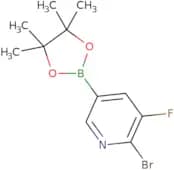
CAS:<p>Versatile small molecule scaffold</p>Formula:C7H7N3Purity:Min. 95%Molecular weight:133.15 g/mol6-Bromo-5-fluoropyridine-3-boronic acid pinacol ester
CAS:<p>Versatile small molecule scaffold</p>Formula:C11H14BBrFNO2Purity:Min. 95%Molecular weight:301.95 g/mol6-Bromopyrazolo[1,5-a]pyridine
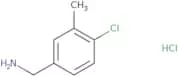
CAS:<p>Versatile small molecule scaffold</p>Formula:C7H5BrN2Purity:Min. 95%Molecular weight:197.03 g/mol(4-Chloro-3-methylphenyl)methanamine hydrochloride
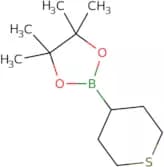
CAS:<p>Versatile small molecule scaffold</p>Formula:C8H11Cl2NPurity:Min. 95%Molecular weight:192.08 g/mol4,4,5,5-Tetramethyl-2-(3,5-dihydro-2H-thiopyran-4-yl)-1,3,2-dioxaborolane
CAS:<p>Versatile small molecule scaffold</p>Formula:C11H21BO2SPurity:Min. 95%Molecular weight:228.16 g/molFuro[3,2-c]pyridin-2-ylboronic acid
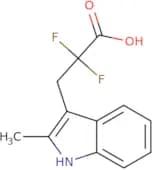
CAS:<p>Versatile small molecule scaffold</p>Formula:C7H6BNO3Purity:Min. 95%Molecular weight:162.94 g/mol2,2-Difluoro-3-(2-methyl-1H-indol-3-yl)propanoic acid
CAS:<p>Versatile small molecule scaffold</p>Formula:C12H11F2NO2Purity:Min. 95%Molecular weight:239.22 g/mol1-[(tert-Butoxy)carbonyl]-3-(2-oxopropyl)pyrrolidine-3-carboxylic acid
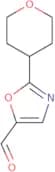
CAS:<p>Versatile small molecule scaffold</p>Formula:C13H21NO5Purity:Min. 95%Molecular weight:271.31 g/mol2-(Oxan-4-yl)-1,3-oxazole-5-carbaldehyde
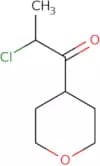
CAS:<p>Versatile small molecule scaffold</p>Formula:C9H11NO3Purity:Min. 95%Molecular weight:181.19 g/mol2-Chloro-1-(oxan-4-yl)propan-1-one
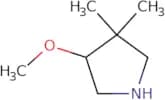
CAS:<p>Versatile small molecule scaffold</p>Formula:C8H13ClO2Purity:Min. 95%Molecular weight:176.64 g/mol4-Methoxy-3,3-dimethylpyrrolidine
CAS:<p>Versatile small molecule scaffold</p>Formula:C7H15NOPurity:Min. 95%Molecular weight:129.2 g/mol(5-Cyclopropyl-1,3-oxazol-2-yl)methanol
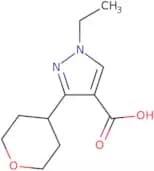
CAS:<p>Versatile small molecule scaffold</p>Formula:C7H9NO2Purity:Min. 95%Molecular weight:139.2 g/mol1-Ethyl-3-(oxan-4-yl)-1H-pyrazole-4-carboxylic acid
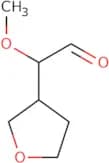
CAS:<p>Versatile small molecule scaffold</p>Formula:C11H16N2O3Purity:Min. 95%Molecular weight:224.26 g/mol2-Methoxy-2-(oxolan-3-yl)acetaldehyde
CAS:<p>Versatile small molecule scaffold</p>Formula:C7H12O3Purity:Min. 95%Molecular weight:144.17 g/mol3,3-Dimethyl-2-oxaspiro[4.5]decan-8-one
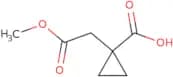
CAS:<p>Versatile small molecule scaffold</p>Formula:C11H18O2Purity:Min. 95%Molecular weight:182.26 g/mol1-(2-Methoxy-2-oxoethyl)cyclopropane-1-carboxylic acid
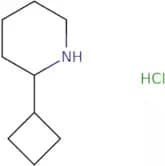
CAS:<p>Versatile small molecule scaffold</p>Formula:C7H10O4Purity:Min. 95%Molecular weight:158.15 g/mol2-Cyclobutylpiperidine hydrochloride
CAS:Versatile small molecule scaffoldFormula:C9H18ClNPurity:Min. 95%Molecular weight:175.7 g/mol2-[2-(Difluoromethyl)phenoxy]acetic acid
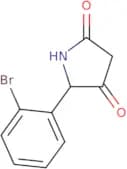
CAS:<p>Versatile small molecule scaffold</p>Formula:C9H8F2O3Purity:Min. 95%Molecular weight:202.15 g/mol5-(2-Bromophenyl)pyrrolidine-2,4-dione
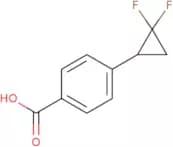
CAS:<p>Versatile small molecule scaffold</p>Formula:C10H8BrNO2Purity:Min. 95%Molecular weight:254.08 g/mol4-(2,2-Difluorocyclopropyl)benzoic acid
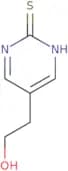
CAS:Versatile small molecule scaffoldFormula:C10H8F2O2Purity:Min. 95%Molecular weight:198.17 g/mol2-(2-Sulfanylpyrimidin-5-yl)ethan-1-ol
CAS:<p>Versatile small molecule scaffold</p>Formula:C6H8N2OSPurity:Min. 95%Molecular weight:156.21 g/mol3-[(Oxan-4-yl)methyl]morpholine
CAS:<p>Versatile small molecule scaffold</p>Formula:C10H19NO2Purity:Min. 95%Molecular weight:185.26 g/mol2-[1-(Methoxymethyl)cyclopentyl]acetic acid
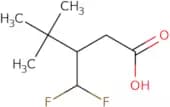
CAS:<p>Versatile small molecule scaffold</p>Formula:C9H16O3Purity:Min. 95%Molecular weight:172.22 g/mol3-(Difluoromethyl)-4,4-dimethylpentanoic acid
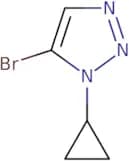
CAS:<p>Versatile small molecule scaffold</p>Formula:C8H14F2O2Purity:Min. 95%Molecular weight:180.19 g/mol5-Bromo-1-cyclopropyl-1H-1,2,3-triazole
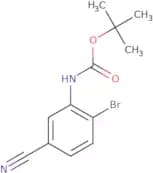
CAS:<p>Versatile small molecule scaffold</p>Formula:C5H6BrN3Purity:Min. 95%Molecular weight:188.03 g/moltert-Butyl N-(2-bromo-5-cyanophenyl)carbamate
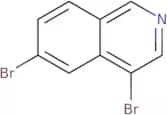
CAS:<p>Versatile small molecule scaffold</p>Formula:C12H13BrN2O2Purity:Min. 95%Molecular weight:297.15 g/mol4,6-Dibromoisoquinoline
CAS:<p>Versatile small molecule scaffold</p>Formula:C9H5Br2NPurity:Min. 95%Molecular weight:286.95 g/mol5-Cyclopropylpyrrolidin-3-ol hydrochloride
CAS:<p>Versatile small molecule scaffold</p>Formula:C7H14ClNOPurity:Min. 95%Molecular weight:163.64 g/mol1-Azaspiro[4.4]nonan-3-ol hydrochloride
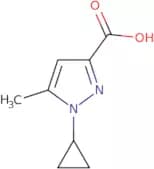
CAS:<p>Versatile small molecule scaffold</p>Formula:C8H16ClNOPurity:Min. 95%Molecular weight:177.7 g/mol1-Cyclopropyl-5-methyl-1H-pyrazole-3-carboxylic acid
CAS:<p>Versatile small molecule scaffold</p>Formula:C8H10N2O2Purity:Min. 95%Molecular weight:166.18 g/mol2-(Benzenesulfonyl)-2-methylpropan-1-ol
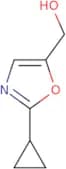
CAS:<p>Versatile small molecule scaffold</p>Formula:C10H14O3SPurity:Min. 95%Molecular weight:214.3 g/mol(2-cyclopropyloxazol-5-yl)methanol
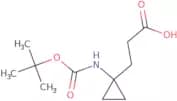
CAS:<p>Versatile small molecule scaffold</p>Formula:C7H9NO2Purity:Min. 95%Molecular weight:139.15 g/mol3-(1-((tert-Butoxycarbonyl)amino)cyclopropyl)propanoic acid
CAS:<p>Versatile small molecule scaffold</p>Formula:C11H19NO4Purity:Min. 95%Molecular weight:229.27 g/mol3-(1-{[(tert-Butoxy)carbonyl]amino}cyclopentyl)propanoic acid
CAS:<p>Versatile small molecule scaffold</p>Formula:C13H23NO4Purity:Min. 95%Molecular weight:257.33 g/moltert-Butyl N-[1-(piperidin-4-yl)cyclobutyl]carbamate
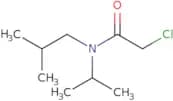
CAS:<p>Versatile small molecule scaffold</p>Formula:C14H26N2O2Purity:Min. 95%Molecular weight:254.37 g/mol2-Chloro-N-(2-methylpropyl)-N-(propan-2-yl)acetamide
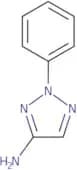
CAS:<p>Versatile small molecule scaffold</p>Formula:C9H18ClNOPurity:Min. 95%Molecular weight:191.7 g/mol2-Phenyl-2H-1,2,3-triazol-4-amine
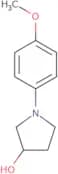
CAS:<p>Versatile small molecule scaffold</p>Formula:C8H8N4Purity:Min. 95%Molecular weight:160.18 g/mol1-(4-Methoxyphenyl)pyrrolidin-3-ol
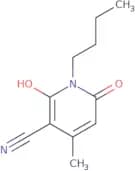
CAS:<p>Versatile small molecule scaffold</p>Formula:C11H15NO2Purity:Min. 95%Molecular weight:193.24 g/mol1-Butyl-6-hydroxy-4-methyl-2-oxo-1,2-dihydropyridine-3-carbonitrile
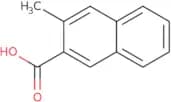
CAS:Versatile small molecule scaffoldFormula:C11H14N2O2Purity:Min. 95%Molecular weight:206.24 g/mol3-Methylnaphthalene-2-carboxylic acid
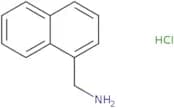
CAS:<p>3-Methylnaphthalene-2-carboxylic acid is a dicarboxylic acid that can be found in the environment. It has been isolated from Australian soil samples and is produced by some bacterial strains. 3-Methylnaphthalene-2-carboxylic acid has antimicrobial activity, which may be due to its ability to inhibit microbial growth by inhibiting protein synthesis.</p>Formula:C12H10O2Purity:Min. 95%Molecular weight:186.21 g/mol1-(Aminomethyl)naphthalene Hydrochloride
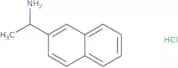
CAS:<p>1-(Aminomethyl)naphthalene hydrochloride (1-AMN) is an organocatalytic oxidant that is used to oxidize quaternary ammonium salts and quinazolinones. 1-AMN is a white crystalline solid that can be stored at room temperature. It has been shown to have the ability to react with anisidine, amines, and alcohols to produce aniline, nitrosobenzene, and hydroxylamine, respectively. This product also has a functional group which is capable of reacting with chlorides or diazonium ions. The use of this product in biochemistry has been shown in the immobilization of biomolecules such as DNA and RNA.</p>Formula:C11H12ClNPurity:Min. 95%Molecular weight:193.67 g/mol1-(Naphthalen-2-yl)ethanamine hydrochloride
CAS:<p>Versatile small molecule scaffold</p>Formula:C12H14ClNPurity:Min. 95%Molecular weight:207.7 g/mol3-(Quinolin-2-yl)propanoic acid
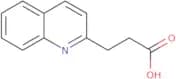
CAS:<p>3-(Quinolin-2-yl)propanoic acid is a quinoline derivative that is used to treat inflammatory diseases. It is thought to have an anti-inflammatory effect by inhibiting the production of the fatty acid arachidonic acid, which is then converted into prostaglandins and leukotrienes. 3-(Quinolin-2-yl)propanoic acid inhibits cellular signaling by binding to specific protein receptors. This drug binds to the fatty acids in cell membranes, which leads to the inhibition of cellular growth factor signal transduction and signal detection. Research has shown that 3-(quinolin-2-yl)propanoic acid has a toxic effect on humans, as well as other animals, including rats and mice. The animal studies showed that this drug inhibited the growth of cancer cells in human colon tumors.</p>Formula:C12H11NO2Purity:Min. 95%Molecular weight:201.22 g/mol2-Amino-1,2,3,4-tetrahydroisoquinolin-1-one
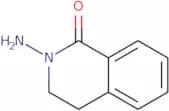
CAS:<p>Versatile small molecule scaffold</p>Formula:C9H10N2OPurity:Min. 95%Molecular weight:162.19 g/mol3-Iodobenzhydrazide
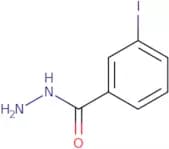
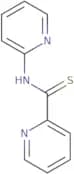
CAS:<p>Versatile small molecule scaffold</p>Formula:C7H7IN2OPurity:Min. 95%Molecular weight:262.05 g/molNSC 185058
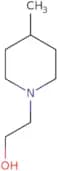
CAS:<p>NSC 185058 is a potential cancer therapy that inhibits protein synthesis in the cell. It prevents cells from growing and dividing by inhibiting their ability to synthesize proteins. NSC 185058 also induces apoptotic cell death, which is programmed cell death that occurs as a result of genetic or environmental stress. When cells undergo apoptosis, they are able to destroy themselves without releasing harmful substances into the surrounding area. NSC 185058 has been shown to induce autophagy and autophagy-related proteins in animal models. Autophagy is a process by which cells break down dysfunctional components to recycle nutrients and energy for future use. NSC 185058 has also been shown to inhibit tumor growth in mice with malignant brain tumors when used in combination with other therapies such as radiation and chemotherapy.</p>Formula:C11H9N3SPurity:Min. 95%Molecular weight:215.27 g/mol2-(4-Methylpiperidin-1-yl)ethan-1-ol
CAS:<p>Versatile small molecule scaffold</p>Formula:C8H17NOPurity:Min. 95%Molecular weight:143.23 g/mol8-Thia-1,3-diazaspiro[4.5]decane-2,4-dione
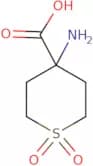
CAS:<p>Versatile small molecule scaffold</p>Formula:C7H10N2O2SPurity:Min. 95%Molecular weight:186.23 g/mol4-Aminotetrahydro-2H-thiopyran-4-carboxylic acid 1,1-dioxide
CAS:<p>Versatile small molecule scaffold</p>Formula:C6H11NO4SPurity:Min. 95%Molecular weight:193.22 g/mol2-[(1,3-Diethoxy-1,3-dioxopropan-2-yl)amino]benzoic acid
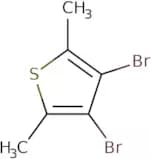
CAS:<p>Versatile small molecule scaffold</p>Formula:C14H17NO6Purity:Min. 95%Molecular weight:295.29 g/mol3,4-dibromo-2,5-dimethylthiophene
CAS:<p>3,4-Dibromo-2,5-dimethylthiophene is a diphosphinoethane that has been used as a catalyst for the thermal and photochemical activation of methyl groups. It has been shown to have a high reactivity with hexane and form fluorescent polymer films. 3,4-Dibromo-2,5-dimethylthiophene is structurally similar to other diphosphinoethanes that are used in phosphine devices and polymer films. The crystal structure of 3,4-dibromo-2,5-dimethylthiophene has been determined using X-ray crystallography. In this study it was found that the molecule can exist in two different structural isomers.</p>Formula:C6H6Br2SPurity:Min. 95%Molecular weight:270 g/mol1-{Thieno[3,2-b]thiophen-2-yl}ethan-1-one
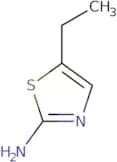
CAS:<p>Versatile small molecule scaffold</p>Formula:C8H6OS2Purity:Min. 95%Molecular weight:182.3 g/mol5-Ethylthiazol-2-amine
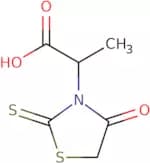
CAS:<p>5-Ethylthiazol-2-amine is a chemical that yields, on hydrolysis, a mixture of 5-ethylthiazole and 2-aminoethanol. It can be prepared by the reaction of ethyl mercaptan with carbon tetrachloride in the presence of potassium hydroxide. The spectral data for this compound are given in Table 1. The reaction time for this synthesis is about 25 minutes and it is operational at temperatures from 0 to 100°C. This compound reacts with tetracycline, an antibiotic, to yield a yellow solid. It also reacts with solvents such as acetonitrile and amines to give a white precipitate.</p>Formula:C5H8N2SPurity:Min. 95%Molecular weight:128.2 g/mol3-(1-Carboxyethyl)thiazolidine-4-one-2-thione
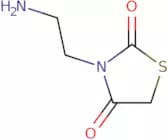
CAS:<p>Versatile small molecule scaffold</p>Formula:C6H7NO3S2Purity:Min. 95%Molecular weight:205.26 g/mol3-(2-Aminoethyl)-1,3-thiazolidine-2,4-dione
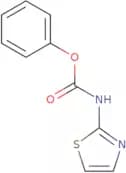
CAS:<p>Versatile small molecule scaffold</p>Formula:C5H8N2O2SPurity:Min. 95%Molecular weight:160.2 g/molPhenyl N-(1,3-thiazol-2-yl)carbamate
CAS:<p>Phenyl N-(1,3-thiazol-2-yl)carbamate is a crystal structure stabilizer. It is an oriented, two-dimensional molecule that contains two phenyl rings (-C6H5) connected to each other by a single bond and one thiazole ring (-N=C=S). The orientation of the molecule in space is stabilized by a dihedral angle of 60° between the two phenyl rings. This orientation causes the phenyl rings to point in opposite directions and prevents them from rotating around their axis.</p>Formula:C10H8N2O2SPurity:Min. 95%Molecular weight:220.25 g/molEthyl (1,3-thiazol-2-ylcarbamothioyl)carbamate
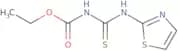
CAS:<p>Versatile small molecule scaffold</p>Formula:C7H9N3O2S2Purity:Min. 95%Molecular weight:231.3 g/molN-(1-Cyano-1-methylpropyl)benzamide
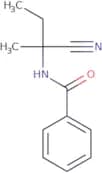
CAS:<p>Versatile small molecule scaffold</p>Formula:C12H14N2OPurity:Min. 95%Molecular weight:202.25 g/molN-(1-Cyanopropyl)benzamide
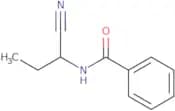
CAS:<p>Versatile small molecule scaffold</p>Formula:C11H12N2OPurity:Min. 95%Molecular weight:188.23 g/moltert-Butyl 2-methyl-3-oxobutanoate
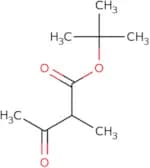
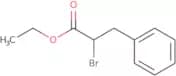
CAS:<p>tert-Butyl 2-methyl-3-oxobutanoate is a metabolite of tert-butyl acetate, which is an organic compound that has been used for the production of synthetic rubber and other chemicals. The biosynthesis of tert-butyl 2-methyl-3-oxobutanoate is dependent on the availability of a ketoaldehyde precursor. When tert-butyl acetate is incubated with aspergillus niger, the desired product can be obtained in high yield. Tertiary butyl 2 methyl 3 oxobutanoate can also be synthesized by deuteration of tertiary butyl alcohol with deuterium gas. The product can then be purified using gas chromatography/mass spectroscopy (GC/MS) and identified using nuclear magnetic resonance (NMR) analysis.</p>Formula:C9H16O3Purity:Min. 95%Molecular weight:172.22 g/molEthyl ±-Bromo-²-phenylpropionate
CAS:<p>Ethyl ±-Bromo-²-phenylpropionate is a thiomorpholine that is used in organic reactions. It has been found to be an effective catalyst for the epoxidation of alkenes, as well as for the acylation of alcohols and amines.</p>Formula:C11H13BrO2Purity:Min. 95%Molecular weight:257.12 g/mol2-(1-Oxo-1H-isochromen-3-yl)acetic acid
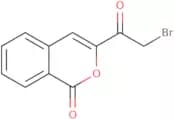
CAS:<p>Versatile small molecule scaffold</p>Formula:C11H8O4Purity:Min. 95%Molecular weight:204.18 g/mol3-(2-Bromoacetyl)-1H-isochromen-1-one
CAS:<p>3-(2-Bromoacetyl)-1H-isochromen-1-one is a heterocyclic compound that can be prepared using the following preparative method.</p>Formula:C11H7BrO3Purity:Min. 95%Molecular weight:267.07 g/mol9-Chloro-2-methyl-2-azatricyclo[6.3.1.0,4,12]dodeca-1(11),4(12),5,7,9-pentaen-3-one
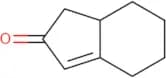
CAS:<p>Versatile small molecule scaffold</p>Formula:C12H8ClNOPurity:Min. 95%Molecular weight:217.65 g/mol1,4,5,6,7,7a-Hexahydro-inden-2-one
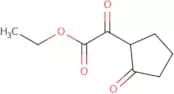
CAS:<p>1,4,5,6,7,7a-Hexahydro-inden-2-one is a cycloaddition product of two 1,4-dihydrobenzenes. It has been shown to undergo the pauson-khand reaction with diazomethane to produce a cyclopropane ring.</p>Formula:C9H12OPurity:Min. 95%Molecular weight:136.19 g/molEthyl 2-oxo-2-(2-oxocyclopentyl)acetate
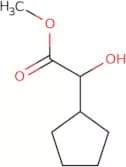
CAS:<p>Versatile small molecule scaffold</p>Formula:C9H12O4Purity:Min. 95%Molecular weight:184.19 g/molMethyl 2-cyclopentyl-2-hydroxyacetate
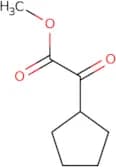
CAS:<p>Versatile small molecule scaffold</p>Formula:C8H14O3Purity:Min. 95%Molecular weight:158.19 g/molMethyl 2-cyclopentyl-2-oxoacetate
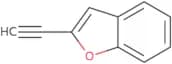
CAS:<p>Versatile small molecule scaffold</p>Formula:C8H12O3Purity:Min. 95%Molecular weight:156.18 g/mol2-Ethynyl-1-benzofuran
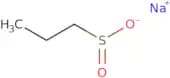
CAS:<p>2-Ethynyl-1-benzofuran is a ligand in organic chemistry that can react with an oxidant to form terminal alkynes. It has been shown to undergo hydrofunctionalization and stereocontrol, which are two of the most commonly studied reactions in organic chemistry. This compound is also used as a precursor for benzofurans, which are important organic compounds that have been studied extensively due to their structural diversity. 2-Ethynyl-1-benzofuran is synthesized from azides and aldehydes or triazoles, which can be obtained through advances in organic chemistry.</p>Formula:C10H6OPurity:Min. 95%Molecular weight:142.15 g/molSodium propane-1-sulfinate
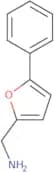
CAS:<p>Sodium propane-1-sulfinate is a carbonyl group that introduces an amyloid protein with a methyl ketone and hydroxyl group. The presence of the methyl ketone isomers can be explained by the cyclic structure, which consists of six carbons. This functional group has been shown to inhibit the activity of crth2, which is part of a heterocycle. Sodium propane-1-sulfinate also inhibits retinoic acid c1-6 alkylase, which is a functional group found in the human body. The introduction of this functional group may have an inhibitory effect on metabolism.</p>Formula:C3H7NaO2SPurity:Min. 95%Molecular weight:130.14 g/mol(5-Phenylfuran-2-yl)methanamine
CAS:<p>(5-Phenylfuran-2-yl)methanamine is a drug that has been shown to be effective in treating neurodegenerative diseases and cancer. It is a member of the sirtuin family, which are enzymes that regulate gene expression. The drug inhibits SIRT2 and other deacetylases, which may lead to the development of new treatment strategies for neurodegenerative diseases and cancer. (5-Phenylfuran-2-yl)methanamine has high water solubility, which allows it to penetrate through the blood brain barrier more effectively than hydrophobic drugs. This property also makes it possible to administer lower doses of the drug, thereby reducing side effects on healthy cells.</p>Formula:C11H11NOPurity:Min. 95%Molecular weight:173.21 g/molSodium 2-methylpropane-1-sulfinate
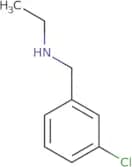
CAS:<p>Versatile small molecule scaffold</p>Formula:C4H9NaO2SPurity:Min. 95%Molecular weight:144.17 g/mol(3-Chloro-benzyl)-ethyl-amine
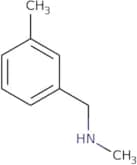
CAS:<p>Versatile small molecule scaffold</p>Formula:C9H12ClNPurity:Min. 95%Molecular weight:169.65 g/mol3-Methyl-N-methylbenzylamine
CAS:<p>3-Methyl-N-methylbenzylamine is a nitro compound that has been shown to have antimycobacterial activity. It belongs to the class of aliphatic hydrocarbons, which are functional groups consisting of a chain of carbon atoms with hydrogen atoms attached to some of the carbons. The molecular modeling found that 3-methyl-N-methylbenzylamine binds to the active site of mycobacterial enoyl reductase and inhibits its activity. This leads to a decrease in cellular energy metabolism, which can lead to cell death. 3-Methyl-N-methylbenzylamine also has an amine group, which is an organic acid that contains nitrogen and hydrogen. These molecules are important for piperazine synthesis and may be responsible for the antimycobacterial properties of 3-methyl-N-methylbenzylamine.</p>Formula:C9H13NPurity:Min. 95%Molecular weight:135.21 g/mol5-[(3-Chlorophenyl)methyl]-1,3,4-thiadiazol-2-amine
CAS:<p>Versatile small molecule scaffold</p>Formula:C9H8ClN3SPurity:Min. 95%Molecular weight:225.7 g/mol5-(2-Fluorobenzyl)[1,3,4]thiadiazol-2-ylamine
CAS:<p>Versatile small molecule scaffold</p>Formula:C9H8FN3SPurity:Min. 95%Molecular weight:209.25 g/mol5-[(3-Fluorophenyl)methyl]-1,3,4-thiadiazol-2-amine
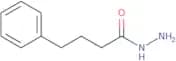
CAS:<p>Versatile small molecule scaffold</p>Formula:C9H8FN3SPurity:Min. 95%Molecular weight:209.25 g/mol4-Phenylbutanehydrazide
CAS:<p>4-Phenylbutanehydrazide is a nitro, carbonyl group and hydrogen bond donor. It has an interaction with the benzyl group of 4-phenylbutanoylhydrazide through hydrogen bonds. The conformation of 4-phenylbutanehydrazide is agonistic and its secondary structure is mainly determined by the carbonyl group. The carbonyl group interacts with the hydrazide nucleus through a hydrogen bond, while its acylhomoserine residue interacts with the carbonyl group through a thiocarbamate interaction. This compound may be classified as an agonist or antagonist depending on the receptor it binds to.</p>Formula:C10H14N2OPurity:Min. 95%Molecular weight:178.23 g/molethyl (cyclopentylcarbamoyl)formate
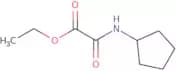
CAS:<p>Versatile small molecule scaffold</p>Formula:C9H15NO3Purity:Min. 95%Molecular weight:185.22 g/molN-Ethyl-3-methylcyclohexan-1-amines
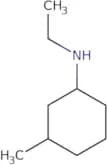
CAS:<p>Versatile small molecule scaffold</p>Formula:C9H19NPurity:Min. 95%Molecular weight:141.3 g/molN-Ethyl-4-methylcyclohexan-1-amines
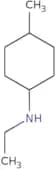
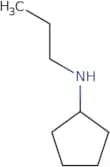
CAS:<p>Versatile small molecule scaffold</p>Formula:C9H19NPurity:Min. 95%Molecular weight:141.3 g/molN-Cyclopentyl-N-propylamine
CAS:<p>N-Cyclopentyl-N-propylamine is a functional compound that belongs to the class of organic compounds. It is used as an intermediate in the synthesis of other drugs and pharmaceuticals. This compound has been shown to have a high reactivity, which makes it useful in polymerization and polymerization initiator applications. N-Cyclopentyl-N-propylamine has been shown to be reactive with polarizers, alkylthio groups, and trifluoromethyl groups.</p>Formula:C8H17NPurity:Min. 95%Molecular weight:127.23 g/molN-(4-Methylbenzyl)propan-1-amine
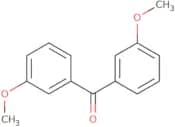
CAS:<p>Versatile small molecule scaffold</p>Formula:C11H17NPurity:Min. 95%Molecular weight:163.26 g/molBis(3-methoxyphenyl)methanone
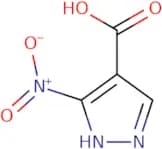
CAS:<p>Bis(3-methoxyphenyl)methanone is a palladium catalyst that selectively activates olefins. It has been shown to be useful in the synthesis of dihydrobenzofurans and oxonium derivatives, which are used as pharmaceuticals. This compound also catalyzes the transformation of various functional groups, such as diazo, alkenes, and intramolecular aldol condensation. Bis(3-methoxyphenyl)methanone is used as a catalyst for the production of dibenzofuran compounds with high selectivity. The diastereoselectivity of this compound is due to its ability to activate substrates with electron-donating groups at positions ortho to the phenyl group.</p>Formula:C15H14O3Purity:Min. 95%Molecular weight:242.27 g/mol3-Nitro-1H-pyrazole-4-carboxylic acid
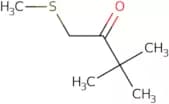
CAS:<p>Versatile small molecule scaffold</p>Formula:C4H3N3O4Purity:Min. 95%Molecular weight:157.09 g/mol3,3-Dimethyl-1-(methylsulfanyl)butan-2-one
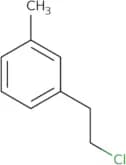
CAS:<p>3,3-Dimethyl-1-(methylsulfanyl)butan-2-one is an enolate that is used as a pesticide. It is typically applied to the soil or sprayed on plants. It can be modified to increase its insecticidal activity by adding other chemicals such as carbaryl, acetonitrile, or hydroxymethylphenyl. 3,3-Dimethyl-1-(methylsulfanyl)butan-2-one is metabolized by hydrolysis and methylcarbamates are formed. The sulfide group in the molecule reacts with oxygen to form sulfoxides and carbofuran, which are toxic to mammals and birds.</p>Formula:C7H14OSPurity:Min. 95%Molecular weight:146.25 g/mol1-(2-Chloroethyl)-3-methylbenzene
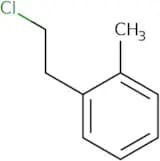
CAS:<p>Versatile small molecule scaffold</p>Formula:C9H11ClPurity:Min. 95%Molecular weight:154.64 g/mol1-(2-Chloroethyl)-2-methylbenzene
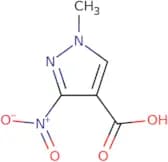
CAS:<p>Versatile small molecule scaffold</p>Formula:C9H11ClPurity:Min. 95%Molecular weight:154.63 g/mol1-Methyl-3-nitro-1H-pyrazole-4-carboxylic acid
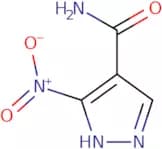
CAS:<p>Versatile small molecule scaffold</p>Formula:C5H5N3O4Purity:Min. 95%Molecular weight:171.11 g/mol3-Nitro-1H-pyrazole-4-carboxamide
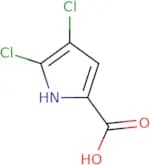
CAS:<p>Versatile small molecule scaffold</p>Formula:C4H4N4O3Purity:Min. 95%Molecular weight:156.1 g/mol4,5-dichloro-1H-pyrrole-2-carboxylic acid
CAS:<p>Versatile small molecule scaffold</p>Formula:C5H3Cl2NO2Purity:Min. 95%Molecular weight:179.98 g/mol4-Chloro-3-(difluoromethoxy)aniline
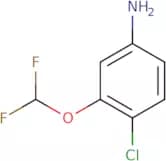
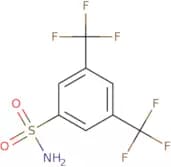
CAS:<p>Versatile small molecule scaffold</p>Formula:C7H6ClF2NOPurity:Min. 95%Molecular weight:193.58 g/mol3,5-Bis(trifluoromethyl)benzenesulfonamide
CAS:<p>Versatile small molecule scaffold</p>Formula:C8H5F6NO2SPurity:Min. 95%Molecular weight:293.19 g/mol1-Propyl-1,2,3,4-tetrahydroisoquinoline
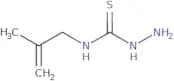
CAS:<p>Versatile small molecule scaffold</p>Formula:C12H17NPurity:Min. 95%Molecular weight:175.27 g/mol3-Amino-1-(2-methylprop-2-en-1-yl)thiourea
CAS:<p>Versatile small molecule scaffold</p>Formula:C5H11N3SPurity:Min. 95%Molecular weight:145.23 g/mol2-[(3-Methoxypropyl)amino]ethan-1-ol
CAS:Versatile small molecule scaffoldFormula:C6H15NO2Purity:Min. 95%Molecular weight:133.19 g/mol4-Ethylamino-1-butanol
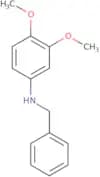
CAS:<p>4-Ethylamino-1-butanol is an alkanolamine that interacts with receptors in the body. It has a hydroxyl group and is a molecule that contains functionalities. It interacts with other molecules, such as corticotropin-releasing hormone (CRH). 4-Ethylamino-1-butanol binds to CRH and prevents it from binding to its receptor, which decreases the release of corticotropin. This compound has been used as a positron emission tomography (PET) radiotracer for imaging the insulin receptor in living tissue. The chemical can be systematically introduced into tissues and organs, including the brain, where it accumulates due to its hydrophilic nature. 4-Ethylamino-1-butanol also has oxygenated groups that are suitable for PET imaging using 18F radiolabeling.</p>Formula:C6H15NOPurity:Min. 95%Molecular weight:117.19 g/molN-Benzyl-3,4-dimethoxyaniline
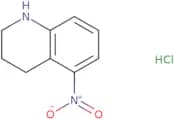
CAS:<p>Versatile small molecule scaffold</p>Formula:C15H17NO2Purity:Min. 95%Molecular weight:243.3 g/mol5-Nitro-1,2,3,4-tetrahydroquinoline
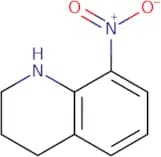
CAS:5-Nitro-1,2,3,4-tetrahydroquinoline is an amine that is used in the synthesis of other chemicals. It is selective for transfer reactions because it can transfer to sulfate. The reaction selectivity is determined by the module and the reaction solution. The efficiency of the carbenium ion can be increased by adjusting the pH to make it more acidic. 5-Nitro-1,2,3,4-tetrahydroquinoline has a high yield and can be synthesized with a high degree of purity by using ammonium sulfate as a transfer agent in a neutral solution.Formula:C9H10N2O2Purity:Min. 95%Molecular weight:178.19 g/mol8-Nitro-1,2,3,4-tetrahydroquinoline
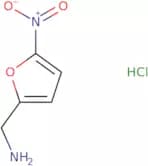
CAS:<p>Versatile small molecule scaffold</p>Formula:C9H10N2O2Purity:Min. 95%Molecular weight:178.19 g/mol(5-Nitrofuran-2-yl)methanamine hydrochloride
CAS:<p>Versatile small molecule scaffold</p>Formula:C5H7ClN2O3Purity:Min. 95%Molecular weight:178.57 g/mol2-Methylprop-2-ene-1-sulfonamide
CAS:<p>Versatile small molecule scaffold</p>Formula:C4H9NO2SPurity:Min. 95%Molecular weight:135.19 g/mol5-Dichloro-2-nitrophenol
CAS:<p>5-Dichloro-2-nitrophenol is a chemical that is used as an immunomodulator, pesticide, or herbicide. It is activated by the body to form a reactive intermediate that can bind to DNA and create mutations. 5-Dichloro-2-nitrophenol has been shown to cause oxidative damage in cell cultures and other tissues, such as proximal tubules of the kidney. It also produces malondialdehyde oxidation products which are known to be cytotoxic. In addition, preincubation with 5-Dichloro-2-nitrophenol increases the sensitivity of cells to other oxidative stressors such as peroxides and hydrogen peroxide.</p>Formula:C6H3Cl2NO3Purity:Min. 95%Molecular weight:208 g/mol1,8,10,12-Tetraazatricyclo[7.3.0.0,3,7]dodeca-3(7),9,11-trien-2-one
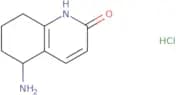
CAS:<p>Versatile small molecule scaffold</p>Formula:C8H8N4OPurity:Min. 95%Molecular weight:176.18 g/mol5-Amino-1,2,5,6,7,8-hexahydroquinolin-2-one hydrochloride
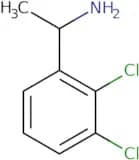
CAS:<p>Versatile small molecule scaffold</p>Formula:C9H13ClN2OPurity:Min. 95%Molecular weight:200.66 g/mol1-(2,3-Dichlorophenyl)ethan-1-amine
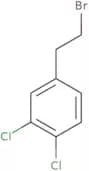
CAS:<p>Versatile small molecule scaffold</p>Formula:C8H9Cl2NPurity:Min. 95%Molecular weight:190.07 g/mol4-(2-Bromoethyl)-1,2-dichlorobenzene
CAS:<p>Versatile small molecule scaffold</p>Formula:C8H7BrCl2Purity:Min. 95%Molecular weight:253.95 g/molN-[4-(2-Bromoethyl)phenyl]acetamide
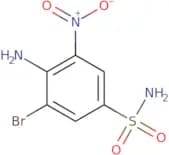
CAS:<p>Versatile small molecule scaffold</p>Formula:C10H12BrNOPurity:Min. 95%Molecular weight:242.11 g/mol4-Amino-3-bromo-5-nitro-benzenesulfonamide
CAS:<p>Versatile small molecule scaffold</p>Formula:C6H6BrN3O4SPurity:Min. 95%Molecular weight:296.1 g/mol1-N-Benzyl-4-chlorobenzene-1,2-diamine
CAS:<p>1-N-Benzyl-4-chlorobenzene-1,2-diamine is a chemical compound that is used as an anticancer drug. It is a potent inhibitor of protein kinase C and has been shown to induce cell cycle arrest in the G1 phase of the cell cycle. 1-N-Benzyl-4-chlorobenzene-1,2-diamine also induces apoptosis in cancer cells. The cytometric analysis of apoptotic processes was used to determine the pharmacokinetic properties of 1-N-Benzyl-4-chlorobenzene-1,2-diamine. This drug may be mediated by annexin A5 or other proteins. Radionuclide imaging studies were conducted in order to assess the pharmacokinetics of 1NBDBCD in humans.</p>Formula:C13H13ClN2Purity:Min. 95%Molecular weight:232.71 g/mol3-Chlorothieno[2,3-b]thiophene-2-carboxylic acid
CAS:<p>Versatile small molecule scaffold</p>Formula:C7H3ClO2S2Purity:Min. 95%Molecular weight:218.7 g/molEthyl N-(4-hydroxycyclohexyl)carbamate
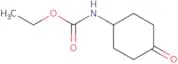
CAS:<p>Versatile small molecule scaffold</p>Formula:C9H17NO3Purity:Min. 95%Molecular weight:187.24 g/molEthyl N-(4-oxocyclohexyl)carbamate
CAS:<p>Versatile small molecule scaffold</p>Formula:C9H15NO3Purity:Min. 95%Molecular weight:185.22 g/mol2-[4-(2-Oxoethyl)phenyl]acetaldehyde
CAS:<p>Versatile small molecule scaffold</p>Formula:C10H10O2Purity:Min. 95%Molecular weight:162.18 g/mol4H,5H,6H,7H,8H,9H-[1,2,4]Triazolo[3,2-b]quinazolin-9-one
CAS:<p>Versatile small molecule scaffold</p>Formula:C9H10N4OPurity:Min. 95%Molecular weight:190.2 g/molMethyl 4-sulfanylbutanoate
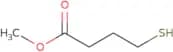
CAS:<p>Methyl 4-sulfanylbutanoate is a leukotriene D4, which is an inflammatory mediator. It can be activated by the addition of hydrogen peroxide or tetrahydropyran and then becomes a potent leukotriene antagonist. Methyl 4-sulfanylbutanoate also inhibits the activity of acyltransferases, which are enzymes that catalyze reactions in the synthesis of arachidonic acid. This compound has been shown to have inhibitory effects on inflammatory bowel disease and may be useful for treating cerebral inflammation.</p>Formula:C5H10O2SPurity:Min. 95%Molecular weight:134.2 g/mol2-(4-Methylphenyl)ethan-1-amine hydrochloride
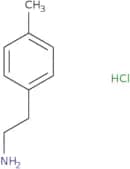
CAS:Controlled ProductVersatile small molecule scaffoldFormula:C9H13N·HClPurity:Min. 95%Molecular weight:171.67 g/mol2-Bromocyclooctan-1-one
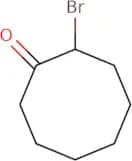
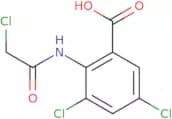
CAS:<p>2-Bromocyclooctan-1-one is a chiral, fluorinated ketone that has been used as a reagent in conformational studies. It is also the precursor to other compounds of interest. 2-Bromocyclooctan-1-one reacts with thioacetamide to form an intermediate that can be hydrolyzed by water or acid to produce 2,4,6-trichlorobenzene sulphonyl chloride. In acetonitrile, it displays repulsion between the two bromine atoms. The conformation of this compound is dependent on solvent and conformational studies have been done using solvents such as acetonitrile and chloroform.</p>Formula:C8H13BrOPurity:Min. 95%Molecular weight:205.09 g/mol3,5-Dichloro-2-(2-chloroacetamido)benzoic acid
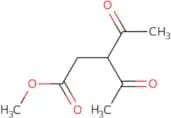
CAS:<p>Versatile small molecule scaffold</p>Formula:C9H6Cl3NO3Purity:Min. 95%Molecular weight:282.5 g/molMethyl 3-acetyl-4-oxopentanoate
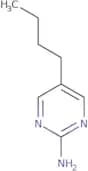
CAS:<p>Methyl 3-acetyl-4-oxopentanoate is a synthetic porphyrin precursor. It is an isomer of hematoporphyrin, which has been shown to be an effective photosensitizer for the treatment of psoriasis. Methyl 3-acetyl-4-oxopentanoate has also been shown to have degradative properties, and can be used to synthesize pyrrole compounds. This synthetic porphyrin precursor can also be used in the production of other porphyrins such as protoporphyrins and porphyrins.</p>Formula:C8H12O4Purity:Min. 95%Molecular weight:172.18 g/mol5-Butylpyrimidin-2-amine
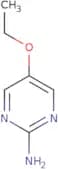
CAS:<p>Versatile small molecule scaffold</p>Formula:C8H13N3Purity:Min. 95%Molecular weight:151.21 g/mol5-Ethoxypyrimidin-2-amine
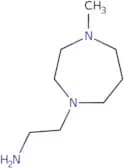
CAS:<p>Versatile small molecule scaffold</p>Formula:C6H9N3OPurity:Min. 95%Molecular weight:139.16 g/mol2-(4-Methyl-1,4-diazepan-1-yl)ethanamine
CAS:<p>Versatile small molecule scaffold</p>Formula:C8H19N3Purity:Min. 95%Molecular weight:157.26 g/mol2-{[(tert-Butoxy)carbonyl]amino}-2-(3-hydroxyphenyl)acetic acid
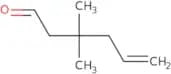
CAS:<p>Versatile small molecule scaffold</p>Formula:C13H17NO5Purity:Min. 95%Molecular weight:267.28 g/mol3,3-Dimethylhex-5-enal
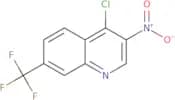
CAS:<p>Versatile small molecule scaffold</p>Formula:C8H14OPurity:Min. 95%Molecular weight:126.2 g/mol4-Chloro-3-nitro-7-(trifluoromethyl)quinoline
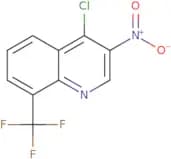
CAS:<p>Versatile small molecule scaffold</p>Formula:C10H4ClF3N2O2Purity:Min. 95%Molecular weight:276.6 g/mol4-Chloro-3-nitro-8-(trifluoromethyl)quinoline
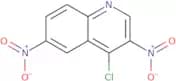
CAS:<p>Versatile small molecule scaffold</p>Formula:C10H4ClF3N2O2Purity:Min. 95%Molecular weight:276.6 g/mol4-Chloro-3,6-dinitroquinoline
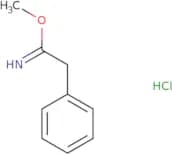
CAS:<p>Versatile small molecule scaffold</p>Formula:C9H4ClN3O4Purity:Min. 95%Molecular weight:253.6 g/molMethyl 2-phenylethanecarboximidate hydrochloride
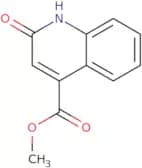
CAS:<p>Methyl 2-phenylethanecarboximidate hydrochloride is a dorzolamide hydrochloride prodrug that has been shown to have biological activity. It binds to the 2-adrenergic receptor and stimulates a conformational change in the receptor, leading to increased intracellular cyclic AMP levels. Methyl 2-phenylethanecarboximidate hydrochloride has been shown to inhibit the production of ICOTINIB HCl, an inhibitor of cell factor and cox-2. This drug also has been shown to have cardiac effects, including increasing heart rate and reducing the time interval between heartbeats. Methyl 2-phenylethanecarboximidate hydrochloride may be used as an optical sensor for measuring pH or as an electrochemical impedance spectroscopy agent for determining benzalkonium chloride concentrations.</p>Formula:C9H12ClNOPurity:Min. 95%Molecular weight:185.65 g/molMethyl 2-oxo-1,2-dihydroquinoline-4-carboxylate
CAS:<p>Versatile small molecule scaffold</p>Formula:C11H9NO3Purity:Min. 95%Molecular weight:203.19 g/molmethyl 5-bromo-2-methoxy-4-methylbenzoate
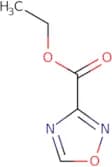
CAS:<p>Versatile small molecule scaffold</p>Formula:C10H11BrO3Purity:Min. 95%Molecular weight:259.1 g/molEthyl 1,2,4-oxadiazole-3-carboxylate
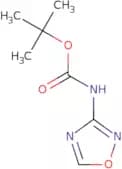
CAS:<p>Versatile small molecule scaffold</p>Formula:C5H6N2O3Purity:Min. 95%Molecular weight:142.11 g/moltert-Butyl N-(1,2,4-oxadiazol-3-yl)carbamate
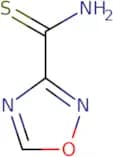
CAS:<p>Versatile small molecule scaffold</p>Formula:C7H11N3O3Purity:Min. 95%Molecular weight:185.18 g/mol1,2,4-Oxadiazole-3-carbothioamide
CAS:<p>Versatile small molecule scaffold</p>Formula:C3H3N3OSPurity:Min. 95%Molecular weight:129.14 g/mol1,3-Dihydro-5-hydroxy-2H-benzimidazol-2-one
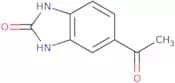
CAS:<p>Versatile small molecule scaffold</p>Formula:C7H6N2O2Purity:Min. 95%Molecular weight:150.13 g/mol5-acetyl-2,3-dihydro-1H-1,3-benzodiazol-2-one
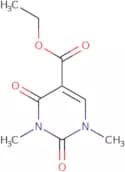
CAS:<p>Versatile small molecule scaffold</p>Formula:C9H8N2O2Purity:Min. 95%Molecular weight:176.18 g/molEthyl 1,3-dimethyl-2,4-dioxo-1,2,3,4-tetrahydropyrimidine-5-carboxylate
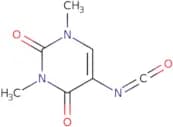
CAS:Versatile small molecule scaffoldFormula:C9H12N2O4Purity:Min. 95%Molecular weight:212.2 g/mol5-Isocyanato-1,3-dimethylpyrimidine-2,4(1H,3H)-dione
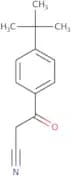
CAS:<p>Versatile small molecule scaffold</p>Formula:C7H7N3O3Purity:Min. 95%Molecular weight:181.15 g/mol3-(4-(tert-Butyl)phenyl)-3-oxopropanenitrile
CAS:<p>Versatile small molecule scaffold</p>Formula:C13H15NOPurity:Min. 95%Molecular weight:201.26 g/mol8-Oxabicyclo[3.2.1]octan-2-one
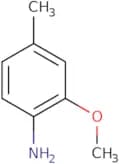
CAS:8-Oxabicyclo[3.2.1]octan-2-one (8OBA) is a β-unsaturated ketone with an oxime group at the 8 position. It can be prepared by cyclization of 2,5-diketones with a phosphonate ester in the presence of a base. The syntheses of various ketones have been accomplished using this process, including β-unsaturated ketones and oxophosphonates. This compound is also used as a building block for synthesis of furan derivatives, such as 2,5-furandione and 3,6-dihydro-4H-pyran.Formula:C7H10O2Purity:Min. 95%Molecular weight:126.15 g/mol2-Methoxy-4-methylaniline
CAS:<p>Versatile small molecule scaffold</p>Formula:C8H11NOPurity:Min. 95%Molecular weight:137.18 g/mol2-[(2-Chlorophenyl)formamido]-3-(1H-indol-3-yl)propanoic acid
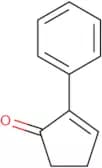
CAS:<p>Versatile small molecule scaffold</p>Formula:C18H15ClN2O3Purity:Min. 95%Molecular weight:342.8 g/mol2-Phenylcyclopent-2-en-1-one
CAS:<p>2-Phenylcyclopent-2-en-1-one is a cyclic ketone that can be used in the preparation of 2-phenylcyclopentanones by deoxygenation. The compound can also be converted to cyclopentenones by treatment with alcohols, olefins, or esters. It is also useful for the synthesis of the vinyl ethers and cycloadditions. The reduction of this molecule produces cyclohexanol. Treatment with methanol produces 1,4-benzodiazepine derivatives. Finally, it can be used for annulation reactions as well.</p>Formula:C11H10OPurity:Min. 95%Molecular weight:158.2 g/mol1-Chloro-4-(isocyanomethyl)benzene
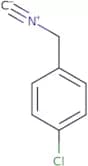
CAS:<p>1-Chloro-4-(isocyanomethyl)benzene is a heterocyclic compound that belongs to the morpholine family. It is activated by electron withdrawing groups such as nitro, chloro, and cyano groups. The functionalities of this molecule are amines, nitro, and chloro. 1-Chloro-4-(isocyanomethyl)benzene has been shown to be an inhibitor of pyrrole synthesis in biochemical studies. In addition, it has been shown to be a competitive inhibitor of xanthate oxidation in cyclic biochemical reactions.</p>Formula:C8H6ClNPurity:Min. 95%Molecular weight:151.59 g/mol2-(Adamantan-2-yl)ethan-1-ol
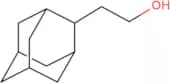
CAS:<p>Versatile small molecule scaffold</p>Formula:C12H20OPurity:Min. 95%Molecular weight:180.29 g/mol2-Chloro-3-iodoprop-1-ene
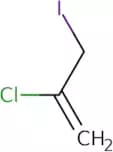
CAS:<p>2-Chloro-3-iodoprop-1-ene is a synthetic chemical that is used as a reagent in organic synthesis. It has been shown to react with alkyl halides, acyl halides, and anilines to produce β-chloro ketones, α,β-unsaturated esters, and chloroamidines respectively. The reaction with chloride ions produces 2-chloroethyl chloroacetate. This compound can also be used to cross-couple aromatic rings using palladium catalysts. 2-Chloro-3-iodopropane is a precursor to polyphosphoric acid (PPA), which is used in the production of fertilizers.</p>Formula:C3H4ClIPurity:Min. 95%Molecular weight:202.42 g/molrac-(1R,6R)-6-Methylcyclohex-3-en-1-amine hydrochloride
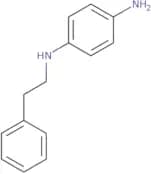
CAS:<p>Versatile small molecule scaffold</p>Formula:C7H14ClNPurity:Min. 95%Molecular weight:147.6 g/mol1-N-(2-Phenylethyl)benzene-1,4-diamine
CAS:<p>Versatile small molecule scaffold</p>Formula:C14H16N2Purity:Min. 95%Molecular weight:212.29 g/mol4-[(3-methylphenyl)amino]-4,5-dihydrothiophene-1,1-dione
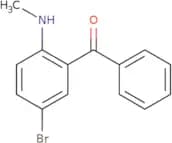
CAS:<p>Versatile small molecule scaffold</p>Formula:C11H13NO2SPurity:Min. 95%Molecular weight:223.29 g/mol(5-Bromo-2-methylamino-phenyl)-phenyl-methanone
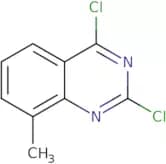
CAS:<p>Versatile small molecule scaffold</p>Formula:C14H12BrNOPurity:Min. 95%Molecular weight:290.15 g/mol2,4-Dichloro-8-methylquinazoline
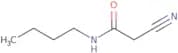
CAS:<p>Versatile small molecule scaffold</p>Formula:C9H6Cl2N2Purity:Min. 95%Molecular weight:213.06 g/molN-Butyl-2-cyanoacetamide
CAS:<p>N-Butyl-2-cyanoacetamide is a chemical compound that is used to express nature and functionalized. The chemical formula for N-Butyl-2-cyanoacetamide is CH3CONHC(CN)COOCH3. It has a melting point of -80 degrees Celsius, a boiling point of 150 degrees Celsius, and a density of 1.08 grams per cubic centimeter.</p>Formula:C7H12N2OPurity:Min. 95%Molecular weight:140.18 g/mol2-Cyano-N-methyl-N-phenylacetamide
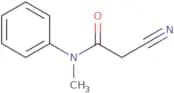
CAS:<p>2-Cyano-N-methyl-N-phenylacetamide is a diazo compound that is used as a ligand for the β-lactams. It can be prepared by reacting methylcyanamide with phenylacetic acid in the presence of nitrous acid. 2-Cyano-N-methyl-N-phenylacetamide reacts with carbonyl groups to form an oxime, which can be hydrolyzed to produce an amine. This reaction occurs intramolecularly and catalysed by copper or silver salts. The houben–hoesch reaction of 2,4,6,8 tetramethylpiperidine with 2-cyano N -methyl N -phenyl acetamide yields the piperidine derivative 1-(2 cyanoethyl)-2-(2 methoxyethoxy)ethylamine.</p>Formula:C10H10N2OPurity:Min. 95%Molecular weight:174.2 g/mol5-Methoxy-1-benzofuran-3(2H)-one
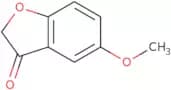
CAS:<p>Versatile small molecule scaffold</p>Formula:C9H8O3Purity:Min. 95%Molecular weight:164.16 g/mol1,1-Dioxo-2,3-dihydro-1λ⁶-thiophen-3-yl 4-methylbenzene-1-sulfonate
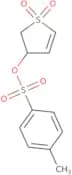
CAS:<p>Versatile small molecule scaffold</p>Formula:C11H12O5S2Purity:Min. 95%Molecular weight:288.3 g/mol1,3-dimethyl (1R,3S)-cyclopentane-1,3-dicarboxylate
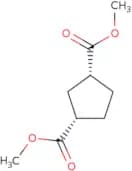
CAS:<p>Versatile small molecule scaffold</p>Formula:C9H14O4Purity:Min. 95%Molecular weight:186.21 g/mol[1-(Hydroxymethyl)-2,2-dimethylcyclopropyl]methanol
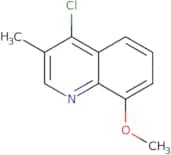
CAS:<p>Versatile small molecule scaffold</p>Formula:C7H14O2Purity:Min. 95%Molecular weight:130.18 g/mol4-Chloro-8-methoxy-3-methylquinoline
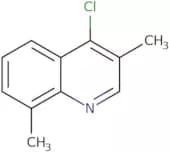
CAS:<p>Versatile small molecule scaffold</p>Formula:C11H10ClNOPurity:Min. 95%Molecular weight:207.65 g/mol4-Chloro-3,8-dimethylquinoline
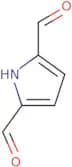
CAS:<p>Versatile small molecule scaffold</p>Formula:C11H10ClNPurity:Min. 95%Molecular weight:191.65 g/mol1H-Pyrrole-2,5-dicarbaldehyde
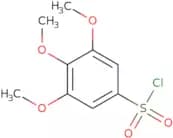
CAS:<p>1H-Pyrrole-2,5-dicarbaldehyde is a molecule that has been shown to have antibacterial properties. It binds to the amine nitrogen of the protein and forms an imine intermediate. This intermediate will react with other molecules to form a condensation product. The condensation product is then hydrolyzed by water or ammonium hydroxide to release 1H-pyrrole-2,5-dicarbaldehyde.<br>1H-Pyrrole-2,5-dicarbaldehyde has been shown to be effective against bacteria such as Staphylococcus aureus and Pseudomonas aeruginosa in bioassays. X-ray diffraction data supports the idea that this molecule has an intramolecular hydrogen bond between the carbonyl group and the nitrogen atom. This reactive molecule also has mononuclear nitrogen atoms that can bind to anions such as chloride ions and nitrate ions, which are</p>Formula:C6H5NO2Purity:Min. 95%Molecular weight:123.11 g/mol3,4,5-Trimethoxybenzene-1-sulfonyl chloride
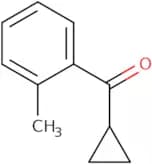
CAS:<p>Versatile small molecule scaffold</p>Formula:C9H11ClO5SPurity:Min. 95%Molecular weight:266.7 g/mol2-Methylphenyl cyclopropyl ketone
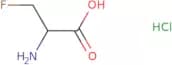
CAS:Versatile small molecule scaffoldFormula:C11H12OPurity:Min. 95%Molecular weight:160.22 g/mol(2S)-2-Amino-3-fluoropropanoic acid hydrochloride
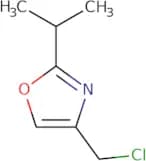
CAS:<p>Versatile small molecule scaffold</p>Formula:C3H7ClFNO2Purity:Min. 95%Molecular weight:143.54 g/mol4-(Chloromethyl)-2-(propan-2-yl)-1,3-oxazole
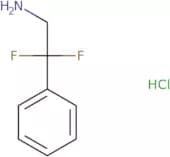
CAS:<p>Versatile small molecule scaffold</p>Formula:C7H10ClNOPurity:Min. 95%Molecular weight:159.61 g/mol2,2-Difluoro-2-phenylethanamine HCl
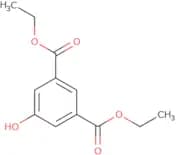
CAS:<p>Versatile small molecule scaffold</p>Formula:C8H9F2N·HClPurity:Min. 95%Molecular weight:193.62 g/mol1,3-Diethyl 5-hydroxybenzene-1,3-dicarboxylate
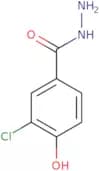
CAS:<p>1,3-Diethyl 5-hydroxybenzene-1,3-dicarboxylate is a ligand that binds to transition metal ions and has been shown to have a constant fluorescence emission. The ligand can be used as a fluorescent probe for the study of hydrogen bonding and transport properties in solids. 1,3-Diethyl 5-hydroxybenzene-1,3-dicarboxylate has also been shown to have functional theory applications and is soluble in chlorides.</p>Formula:C12H14O5Purity:Min. 95%Molecular weight:238.24 g/mol3-Chloro-4-hydroxybenzohydrazide
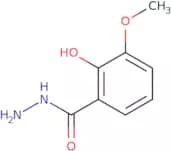
CAS:<p>Versatile small molecule scaffold</p>Formula:C7H7ClN2O2Purity:Min. 95%Molecular weight:186.59 g/mol2-Hydroxy-3-methoxybenzohydrazide
CAS:<p>2-Hydroxy-3-methoxybenzohydrazide is a magnetic material that has linear, assembled, and magnetization properties. It is a ligand that binds to metal ions and forms a stable complex. The magnetic property of this compound was determined by measuring its susceptibility to an external magnetic field. The magnitude of this susceptibility depends on the orientation of the molecule in the external magnetic field and can be used to identify the type of molecular interactions occurring between the compound and the metal ion.</p>Formula:C8H10N2O3Purity:Min. 95%Molecular weight:182.18 g/mol


![2-{[2-({2-[(2-Hydroxyethyl)sulfanyl]ethyl}sulfanyl)ethyl]sulfanyl}ethan-1-ol](/_next/image/?url=https%3A%2Fstatic.cymitquimica.com%2Fproducts%2F3D%2Fthumb-webp%2FPAA44077.webp&w=3840&q=75)
![3-{[(Benzyloxy)carbonyl]amino}-3-phenylpropanoic acid](/_next/image/?url=https%3A%2Fstatic.cymitquimica.com%2Fproducts%2F3D%2Fthumb-webp%2FPAA44098.webp&w=3840&q=75)
![4-[(4-Methoxyphenyl)sulfanyl]aniline](/_next/image/?url=https%3A%2Fstatic.cymitquimica.com%2Fproducts%2F3D%2Fthumb-webp%2FPAA45385.webp&w=3840&q=75)
![3-Phenyl-2-[(prop-2-en-1-yl)amino]propanoic acid](/_next/image/?url=https%3A%2Fstatic.cymitquimica.com%2Fproducts%2F3D%2Fthumb-webp%2FPAA46399.webp&w=3840&q=75)

![5H,6H,7H,8H-Imidazo[1,5-c]pyrimidin-5-one](/_next/image/?url=https%3A%2Fstatic.cymitquimica.com%2Fproducts%2F3D%2Fthumb-webp%2FPAA50966.webp&w=3840&q=75)
![2-Amino-3-[(2-phenylethyl)sulfanyl]propanoic acid](/_next/image/?url=https%3A%2Fstatic.cymitquimica.com%2Fproducts%2F3D%2Fthumb-webp%2FPAA51018.webp&w=3840&q=75)
![[(2-Chloroethyl)(dimethylamino)phosphoryl]dimethylamine](/_next/image/?url=https%3A%2Fstatic.cymitquimica.com%2Fproducts%2F3D%2Fthumb-webp%2FPAA51801.webp&w=3840&q=75)
![Spiro[4.5]dec-6-en-8-one](/_next/image/?url=https%3A%2Fstatic.cymitquimica.com%2Fproducts%2F3D%2Fthumb-webp%2FPAA52353.webp&w=3840&q=75)
![6-Bromopyrazolo[1,5-a]pyridine](/_next/image/?url=https%3A%2Fstatic.cymitquimica.com%2Fproducts%2F3D%2Fthumb-webp%2FPAC19311.webp&w=3840&q=75)
![Furo[3,2-c]pyridin-2-ylboronic acid](/_next/image/?url=https%3A%2Fstatic.cymitquimica.com%2Fproducts%2F3D%2Fthumb-webp%2FPAC51167.webp&w=3840&q=75)
![1-[(tert-Butoxy)carbonyl]-3-(2-oxopropyl)pyrrolidine-3-carboxylic acid](/_next/image/?url=https%3A%2Fstatic.cymitquimica.com%2Fproducts%2F3D%2Fthumb-webp%2FPAD13624.webp&w=3840&q=75)
![3,3-Dimethyl-2-oxaspiro[4.5]decan-8-one](/_next/image/?url=https%3A%2Fstatic.cymitquimica.com%2Fproducts%2F3D%2Fthumb-webp%2FPAD26873.webp&w=3840&q=75)
![2-[2-(Difluoromethyl)phenoxy]acetic acid](/_next/image/?url=https%3A%2Fstatic.cymitquimica.com%2Fproducts%2F3D%2Fthumb-webp%2FPAD40031.webp&w=3840&q=75)
![3-[(Oxan-4-yl)methyl]morpholine](/_next/image/?url=https%3A%2Fstatic.cymitquimica.com%2Fproducts%2F3D%2Fthumb-webp%2FPAD61434.webp&w=3840&q=75)
![2-[1-(Methoxymethyl)cyclopentyl]acetic acid](/_next/image/?url=https%3A%2Fstatic.cymitquimica.com%2Fproducts%2F3D%2Fthumb-webp%2FPAD64527.webp&w=3840&q=75)
![1-Azaspiro[4.4]nonan-3-ol hydrochloride](/_next/image/?url=https%3A%2Fstatic.cymitquimica.com%2Fproducts%2F3D%2Fthumb-webp%2FPAD94005.webp&w=3840&q=75)
![3-(1-{[(tert-Butoxy)carbonyl]amino}cyclopentyl)propanoic acid](/_next/image/?url=https%3A%2Fstatic.cymitquimica.com%2Fproducts%2F3D%2Fthumb-webp%2FPAD97752.webp&w=3840&q=75)
![tert-Butyl N-[1-(piperidin-4-yl)cyclobutyl]carbamate](/_next/image/?url=https%3A%2Fstatic.cymitquimica.com%2Fproducts%2F3D%2Fthumb-webp%2FPAD97757.webp&w=3840&q=75)
![8-Thia-1,3-diazaspiro[4.5]decane-2,4-dione](/_next/image/?url=https%3A%2Fstatic.cymitquimica.com%2Fproducts%2F3D%2Fthumb-webp%2FPBA12415.webp&w=3840&q=75)
![2-[(1,3-Diethoxy-1,3-dioxopropan-2-yl)amino]benzoic acid](/_next/image/?url=https%3A%2Fstatic.cymitquimica.com%2Fproducts%2F3D%2Fthumb-webp%2FPBA12620.webp&w=3840&q=75)
![1-{Thieno[3,2-b]thiophen-2-yl}ethan-1-one](/_next/image/?url=https%3A%2Fstatic.cymitquimica.com%2Fproducts%2F3D%2Fthumb-webp%2FPBA13169.webp&w=3840&q=75)
![9-Chloro-2-methyl-2-azatricyclo[6.3.1.0,4,12]dodeca-1(11),4(12),5,7,9-pentaen-3-one](/_next/image/?url=https%3A%2Fstatic.cymitquimica.com%2Fproducts%2F3D%2Fthumb-webp%2FPBA15836.webp&w=3840&q=75)

![5-[(3-Chlorophenyl)methyl]-1,3,4-thiadiazol-2-amine](/_next/image/?url=https%3A%2Fstatic.cymitquimica.com%2Fproducts%2F3D%2Fthumb-webp%2FPBA18149.webp&w=3840&q=75)
![5-(2-Fluorobenzyl)[1,3,4]thiadiazol-2-ylamine](/_next/image/?url=https%3A%2Fstatic.cymitquimica.com%2Fproducts%2F3D%2Fthumb-webp%2FPBA18153.webp&w=3840&q=75)
![5-[(3-Fluorophenyl)methyl]-1,3,4-thiadiazol-2-amine](/_next/image/?url=https%3A%2Fstatic.cymitquimica.com%2Fproducts%2F3D%2Fthumb-webp%2FPBA18154.webp&w=3840&q=75)


![2-[(3-Methoxypropyl)amino]ethan-1-ol](/_next/image/?url=https%3A%2Fstatic.cymitquimica.com%2Fproducts%2F3D%2Fthumb-webp%2FPBA21684.webp&w=3840&q=75)



![1,8,10,12-Tetraazatricyclo[7.3.0.0,3,7]dodeca-3(7),9,11-trien-2-one](/_next/image/?url=https%3A%2Fstatic.cymitquimica.com%2Fproducts%2F3D%2Fthumb-webp%2FPBA22560.webp&w=3840&q=75)
![N-[4-(2-Bromoethyl)phenyl]acetamide](/_next/image/?url=https%3A%2Fstatic.cymitquimica.com%2Fproducts%2F3D%2Fthumb-webp%2FPBA23206.webp&w=3840&q=75)

![3-Chlorothieno[2,3-b]thiophene-2-carboxylic acid](/_next/image/?url=https%3A%2Fstatic.cymitquimica.com%2Fproducts%2F3D%2Fthumb-webp%2FPBA24408.webp&w=3840&q=75)

![2-[4-(2-Oxoethyl)phenyl]acetaldehyde](/_next/image/?url=https%3A%2Fstatic.cymitquimica.com%2Fproducts%2F3D%2Fthumb-webp%2FPBA24600.webp&w=3840&q=75)
![4H,5H,6H,7H,8H,9H-[1,2,4]Triazolo[3,2-b]quinazolin-9-one](/_next/image/?url=https%3A%2Fstatic.cymitquimica.com%2Fproducts%2F3D%2Fthumb-webp%2FPBA24761.webp&w=3840&q=75)
![2-{[(tert-Butoxy)carbonyl]amino}-2-(3-hydroxyphenyl)acetic acid](/_next/image/?url=https%3A%2Fstatic.cymitquimica.com%2Fproducts%2F3D%2Fthumb-webp%2FPBA27453.webp&w=3840&q=75)


![8-Oxabicyclo[3.2.1]octan-2-one](/_next/image/?url=https%3A%2Fstatic.cymitquimica.com%2Fproducts%2F3D%2Fthumb-webp%2FPBA53672.webp&w=3840&q=75)
![2-[(2-Chlorophenyl)formamido]-3-(1H-indol-3-yl)propanoic acid](/_next/image/?url=https%3A%2Fstatic.cymitquimica.com%2Fproducts%2F3D%2Fthumb-webp%2FPBA54527.webp&w=3840&q=75)
![4-[(3-methylphenyl)amino]-4,5-dihydrothiophene-1,1-dione](/_next/image/?url=https%3A%2Fstatic.cymitquimica.com%2Fproducts%2F3D%2Fthumb-webp%2FPBA56572.webp&w=3840&q=75)
![[1-(Hydroxymethyl)-2,2-dimethylcyclopropyl]methanol](/_next/image/?url=https%3A%2Fstatic.cymitquimica.com%2Fproducts%2F3D%2Fthumb-webp%2FPBA59092.webp&w=3840&q=75)