


Building Blocks
This section contains fundamental products for the synthesis of organic and biological compounds. Building blocks are the essential starting materials used to construct complex molecules through various chemical reactions. They play a critical role in drug discovery, material science, and chemical research. At CymitQuimica, we offer a diverse range of high-quality building blocks to support your innovative research and industrial projects, ensuring you have the essential components for successful synthesis.
Subcategories of "Building Blocks"
- Boronic Acids & Boronic Acid Derivatives(5,756 products)
- Chiral Building Blocks(1,242 products)
- Hydrocarbon Building Blocks(6,095 products)
- Organic Building Blocks(61,055 products)
Found 199650 products of "Building Blocks"
Sort by
Purity (%)
0
100
|
0
|
50
|
90
|
95
|
100
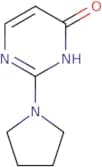
2-(Pyrrolidin-1-yl)pyrimidin-4-ol
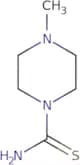
CAS:<p>Versatile small molecule scaffold</p>Formula:C8H11N3OPurity:Min. 95%Molecular weight:165.19 g/mol4-Methyl-1-piperazinecarbothioamide
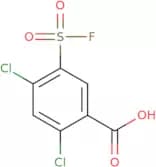
CAS:<p>4-Methyl-1-piperazinecarbothioamide is a prophylactic agent that has been shown to be effective in preventing the development of hemorrhagic fever caused by arenaviruses. It is also used as an experimental antiviral drug for the treatment of viral infections. 4-Methyl-1-piperazinecarbothioamide inhibits the activity of viral enzymes, such as RNA polymerase, and prevents the synthesis of viral proteins. This compound has been shown to be effective against many different types of viruses, including hemorrhagic fever viruses and influenza A virus. This drug is an analog of amide derivatives that have been shown to inhibit fever, infections, and amide derivatives.</p>Formula:C6H13N3SPurity:Min. 95%Molecular weight:159.26 g/mol2,4-Dichloro-5-(fluorosulfonyl)benzoic acid
CAS:<p>Versatile small molecule scaffold</p>Formula:C7H3Cl2FO4SPurity:Min. 95%Molecular weight:273.06 g/mol(2-Phenyl-1,3-dioxolan-2-yl)methanol
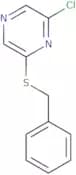
CAS:<p>Versatile small molecule scaffold</p>Formula:C10H12O3Purity:Min. 95%Molecular weight:180.2 g/mol2-(Benzylsulfanyl)-6-chloropyrazine
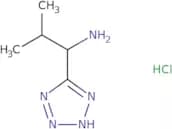
CAS:<p>Versatile small molecule scaffold</p>Formula:C11H9ClN2SPurity:Min. 95%Molecular weight:236.72 g/mol2-Methyl-1-(1H-1,2,3,4-tetrazol-5-yl)propan-1-amine hydrochloride
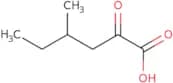
CAS:<p>Versatile small molecule scaffold</p>Formula:C5H12ClN5Purity:Min. 95%Molecular weight:177.63 g/mol4-Methyl-2-oxohexanoic acid
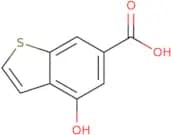
CAS:<p>Versatile small molecule scaffold</p>Formula:C7H12O3Purity:Min. 95%Molecular weight:144.2 g/mol4-Hydroxy-1-benzothiophene-6-carboxylic acid
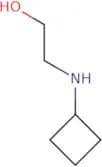
CAS:<p>Versatile small molecule scaffold</p>Formula:C9H6O3SPurity:Min. 95%Molecular weight:194.21 g/mol2-(Cyclobutylamino)ethan-1-ol
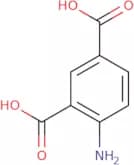
CAS:<p>Versatile small molecule scaffold</p>Formula:C6H13NOPurity:Min. 95%Molecular weight:115.17 g/mol4-Aminobenzene-1,3-dioic acid
CAS:<p>4-Aminobenzene-1,3-dioic acid is a pharmaceutical product that is a reactive compound with affinity for the active site of enzymes. This drug has been shown to be mutagenic, and it may contain impurities such as lead. The guidelines for 4-aminobenzoic acid are to introduce the drug in small doses and monitor patients closely. The drug should be introduced slowly to avoid toxic reactions. In addition, this drug should not be used in pregnant women or children due to its potential toxicity.</p>Formula:C8H7NO4Purity:Min. 95%Molecular weight:181.15 g/mol4-(1-Hydroxyethyl)-2,6-dimethoxyphenol
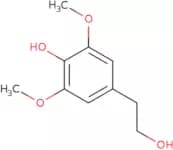
CAS:Controlled Product<p>4-(1-Hydroxyethyl)-2,6-dimethoxyphenol is a phenolic compound that contains a methoxy group. It is also known as 4-hydroxy-2,6-dimethoxyphenol or p-methoxycinnamic acid. 4-(1-Hydroxyethyl)-2,6-dimethoxyphenol has been found to be an effective inhibitor of bacterial growth in the presence of ethanol and other organic solvents. This compound binds to DNA and inhibits transcription. The hydroxy group on this molecule can react with amino groups in proteins to form Schiff bases, which are crosslinked and thus inhibit protein synthesis.</p>Formula:C10H14O4Purity:Min. 95%Molecular weight:198.2 g/mol2,4-Dimethoxyphenyl isothiocyanate
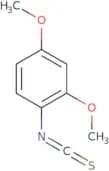
CAS:<p>2,4-Dimethoxyphenyl isothiocyanate (DMITC) is a molecule that has been shown to have pro-apoptotic activity against human colorectal carcinoma cells. It also inhibits the growth of the colon cancer cells by inducing apoptosis. DMITC has been shown to inhibit the synthesis of DNA and RNA in a dose-dependent manner. This molecule is efficiently synthesized by reacting an imine with an isothiocyanate. DMITC has cytometric analysis for mechanistic studies and can be used as a chemotherapeutic agent for cancer treatment.</p>Formula:C9H9NO2SPurity:Min. 95%Molecular weight:195.24 g/mol3-Methyl-1,3-thiazolidin-2-imine hydroiodide
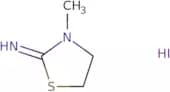
CAS:<p>Versatile small molecule scaffold</p>Formula:C4H9IN2SPurity:Min. 95%Molecular weight:244.1 g/mol3-Methyl-4H-pyrido[2,1-c][1,2,4]triazin-4-one
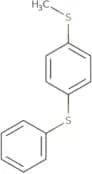
CAS:<p>Versatile small molecule scaffold</p>Formula:C8H7N3OPurity:Min. 95%Molecular weight:161.16 g/molMethyl(4-(phenylthio)phenyl)sulfane
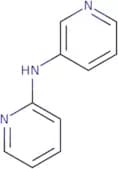
CAS:<p>Methyl(4-(phenylthio)phenyl)sulfane is a monomer that is soluble in water. It has been shown to be photochemically and thermally unstable, with a half-life of 2 hours at 25°C and 10 hours at 40°C. This compound can be used for recycling purposes in the production of polymers such as PVC and PET.</p>Formula:C13H12S2Purity:Min. 95%Molecular weight:232.4 g/molN-(Pyridin-2-yl)pyridin-3-amine
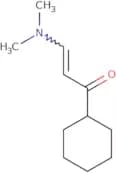
CAS:<p>Versatile small molecule scaffold</p>Formula:C10H9N3Purity:Min. 95%Molecular weight:171.2 g/mol1-Cyclohexyl-3-(dimethylamino)prop-2-en-1-one
CAS:<p>Versatile small molecule scaffold</p>Formula:C11H19NOPurity:Min. 95%Molecular weight:181.27 g/mol4-[(4-Methyl-1,3-thiazol-2-yl)amino]benzoic acid
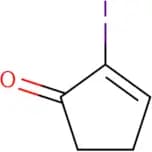
CAS:<p>Versatile small molecule scaffold</p>Formula:C11H10N2O2SPurity:Min. 95%Molecular weight:234.28 g/mol2-Iodocyclopent-2-enone
CAS:<p>2-Iodocyclopent-2-enone is a cyclopentenone that has potent antitumor activity. It inhibits tumor growth by interfering with the synthesis of proteins and DNA in cells. 2-Iodocyclopent-2-enone binds to the enzyme s-adenosylhomocysteine hydrolase, which catalyzes the conversion of s-adenosylhomocysteine to homocysteine and adenosine. This binding prevents the formation of adenosylcobalamin, which is an essential cofactor for many enzymes involved in protein synthesis. The cobalamin analogue cobalamin is also used as a pharmaceutical agent for treating vitamin B12 deficiency and pernicious anemia. The compound also has been shown to inhibit TNFα production in mouse tumor cells. 2-Iodocyclopent-2-enone is synthesized from allyl chloride and cyclopentene oxide with a hyd</p>Formula:C5H5IOPurity:Min. 95%Molecular weight:208 g/mol2-Iodocyclohex-2-en-1-one
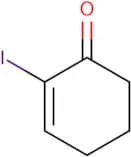
CAS:<p>2-Iodocyclohex-2-en-1-one is a ligand that undergoes dehydrogenation to form the cyclopentane ring. It reacts with azides to form cyclic compounds and it has been used as a reactive intermediate in cross-coupling reactions. 2-Iodocyclohex-2-en-1-one is also used as a building block for the synthesis of trisubstituted carbonyl compounds, which are important intermediates in organic chemistry. This chemical can be recrystallized from diethyl ether or purified by chromatography.</p>Formula:C6H7IOPurity:Min. 95%Molecular weight:222.02 g/mol2-Bromophenyl methyl sulfone
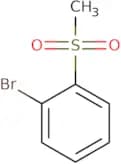
CAS:<p>2-Bromophenyl methyl sulfone has a dipole moment and a crystal structure. It is an aromatic compound with a benzene ring, which is also known as a 6-ring. This substance crystallizes in the monoclinic system and has a molecular weight of 116. The x-ray crystal structure shows that this molecule has six hydrogen atoms. The dihedral angle is measured at 120 degrees, while the sulfur atom is part of the aromatic ring. The x-ray crystal structure reveals that it contains two bromine atoms and one carbon atom, which are both located on the benzene ring.END></p>Formula:C7H7BrO2SPurity:Min. 95%Molecular weight:235.1 g/molEthyl 2-(4-methylcyclohexyl)acetate
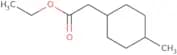
CAS:<p>Versatile small molecule scaffold</p>Formula:C11H20O2Purity:Min. 95%Molecular weight:184.27 g/mol2-(Methylsulphonyl)benzoic acid
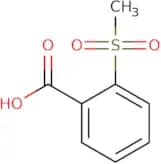
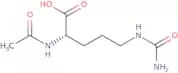
CAS:<p>2-(Methylsulphonyl)benzoic acid (MSBA) is an inhibitor of nitrite reductase and hydrogen sulfide production in wastewater treatment. It has been shown to be effective against a number of bacteria, including typhimurium and pyocyanin-producing Pseudomonas aeruginosa. MSBA inhibits the growth of these bacteria by reacting with the carboxy terminal group on the enzymes involved in nitrite reduction and hydrogen sulfide production. MSBA also inhibits other enzyme activities, such as acetate hydrolysis, which can lead to corrosion of metal surfaces. In theory, MSBA may react with other compounds that contain hydroxyl groups to form a complex that is insoluble in water vapor or organic solvents. This reaction may result in potential interactions between MSBA and other drugs such as phenytoin or warfarin.</p>Formula:C8H8O4SPurity:Min. 95%Molecular weight:200.21 g/mol(2S)-2-Acetamido-5-ureido-pentanoic acid
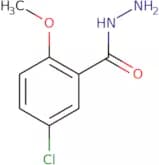
CAS:<p>(2S)-2-Acetamido-5-ureido-pentanoic acid is a chemical that belongs to the group of 5-membered heteroaromatic compounds. It has an activity index of 2.5, which means it inhibits the biological function of glutamate in a concentration dependent manner. It also has a high affinity to benzalkonium chloride and is emetogenic chemotherapy. The molecular weight of (2S)-2-acetamido-5-ureido pentanoic acid is 154.17 g/mol and its melting point is between 86°C and 104°C. This compound can be found in the following chemical reactions:</p>Formula:C8H15N3O4Purity:Min. 95%Molecular weight:217.22 g/mol5-Chloro-2-methoxybenzohydrazide
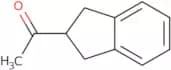
CAS:<p>Versatile small molecule scaffold</p>Formula:C8H9ClN2O2Purity:Min. 95%Molecular weight:200.62 g/mol1-Indan-2-yl-ethanone
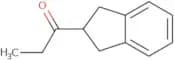
CAS:<p>1-Indan-2-yl-ethanone is a platinum-containing alkali metal, potassium hydroxide, metal hydroxide, sodium hydroxide, alkali hydroxide remedy. It is used to treat malignant tumors.</p>Formula:C11H12OPurity:Min. 95%Molecular weight:160.21 g/mol1-(2,3-Dihydro-1H-inden-2-yl)propan-1-one
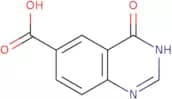
CAS:<p>Versatile small molecule scaffold</p>Formula:C12H14OPurity:Min. 95%Molecular weight:174.24 g/mol3,4-Dihydro-4-oxoquinazoline-6-carboxylic acid
CAS:<p>Versatile small molecule scaffold</p>Formula:C9H6N2O3Purity:Min. 95%Molecular weight:190.16 g/mol3H,4H-Benzo[G]quinazolin-4-one
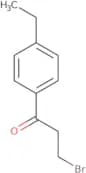
CAS:<p>Versatile small molecule scaffold</p>Formula:C12H8N2OPurity:Min. 95%Molecular weight:196.2 g/mol3-Bromo-1-(4-ethylphenyl)propan-1-one
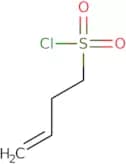
CAS:<p>Versatile small molecule scaffold</p>Formula:C11H13BrOPurity:Min. 95%Molecular weight:241.12 g/mol3-Butene-1-sulfonyl Chloride
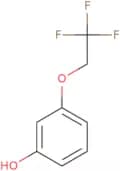
CAS:<p>3-Butene-1-sulfonyl chloride is a reagent that is used in the synthesis of organic compounds. It is a functional group that yields metathesis reactions, which are used in chemistry and biology. 3-Butene-1-sulfonyl chloride can be used as an inhibitor to stop the activity of thrombin, which plays an important role in blood coagulation. This compound has also been shown to have potential against cancer cells and other diseases because it has been synthesized with a spacer and linker to create a cyclic biomolecular that inhibits protein synthesis by binding to ribosomes. The metathesis reaction occurs when two different molecules are mixed together and react with each other through the formation of new bonds. The spacer is a synthetic molecule that separates the linker from the functional group on one side of the molecule, while the linker connects to another functional group on the other side of the molecule. Cyclisation refers to</p>Formula:C4H7ClO2SPurity:Min. 95%Molecular weight:154.62 g/mol3-(2,2,2-Trifluoroethoxy)phenol
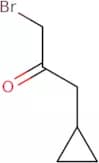
CAS:<p>Versatile small molecule scaffold</p>Formula:C8H7F3O2Purity:Min. 95%Molecular weight:192.13 g/mol1-Bromo-3-cyclopropylpropan-2-one
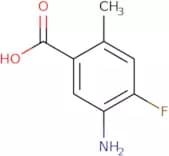
CAS:<p>Versatile small molecule scaffold</p>Formula:C6H9BrOPurity:Min. 95%Molecular weight:177.04 g/mol5-Amino-4-fluoro-2-methylbenzoic acid
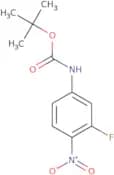
CAS:<p>Versatile small molecule scaffold</p>Formula:C8H8FNO2Purity:Min. 95%Molecular weight:169.15 g/moltert-Butyl N-(3-fluoro-4-nitrophenyl)carbamate
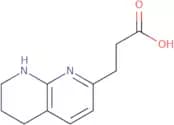
CAS:<p>Versatile small molecule scaffold</p>Formula:C11H13FN2O4Purity:Min. 95%Molecular weight:256.23 g/mol3-(5,6,7,8-Tetrahydro-1,8-naphthyridin-2-yl)propanoic acid
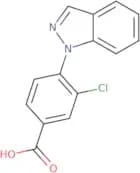
CAS:<p>Versatile small molecule scaffold</p>Formula:C11H14N2O2Purity:Min. 95%Molecular weight:206.24 g/mol3-Chloro-4-(1H-indazol-1-yl)benzoic acid
CAS:<p>Versatile small molecule scaffold</p>Formula:C14H9ClN2O2Purity:Min. 95%Molecular weight:272.68 g/mol3-[5-(2-Methoxyethyl)-1,3,4-oxadiazol-2-yl]benzoic acid
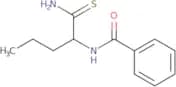
CAS:<p>Versatile small molecule scaffold</p>Formula:C12H12N2O4Purity:Min. 95%Molecular weight:248.23 g/molN-(1-Carbamothioylbutyl)benzamide
CAS:<p>Versatile small molecule scaffold</p>Formula:C12H16N2OSPurity:Min. 95%Molecular weight:236.34 g/mol6-Fluoro-1-(2-fluorophenyl)-1H-1,3-benzodiazole-2-thiol
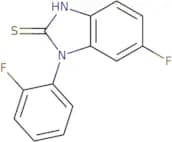
CAS:<p>Versatile small molecule scaffold</p>Formula:C13H8F2N2SPurity:Min. 95%Molecular weight:262.28 g/mol2-Ethoxy-4-(3-hydroxybutyl)phenol
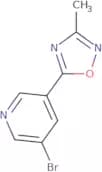
CAS:<p>Versatile small molecule scaffold</p>Formula:C12H18O3Purity:Min. 95%Molecular weight:210.27 g/mol3-Bromo-5-(3-methyl-1,2,4-oxadiazol-5-yl)pyridine
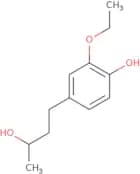
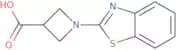
CAS:<p>Versatile small molecule scaffold</p>Formula:C8H6BrN3OPurity:Min. 95%Molecular weight:240.06 g/mol1-(1,3-Benzothiazol-2-yl)azetidine-3-carboxylic acid
CAS:<p>Versatile small molecule scaffold</p>Formula:C11H10N2O2SPurity:Min. 95%Molecular weight:234.28 g/mol2-(4-Fluorophenyl)imidazo[1,2-a]pyrimidin-3-amine
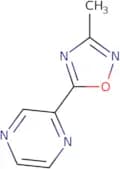
CAS:<p>Versatile small molecule scaffold</p>Formula:C12H9FN4Purity:Min. 95%Molecular weight:228.22 g/mol2-(3-Methyl-1,2,4-oxadiazol-5-yl)pyrazine
CAS:<p>Versatile small molecule scaffold</p>Formula:C7H6N4OPurity:Min. 95%Molecular weight:162.15 g/mol2-[3-(Ethoxycarbonyl)piperidin-1-yl]acetic acid
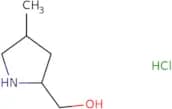
CAS:<p>Versatile small molecule scaffold</p>Formula:C10H17NO4Purity:Min. 95%Molecular weight:215.25 g/mol((2S,4S)-4-Methylpyrrolidin-2-yl)methanol hydrochloride
CAS:<p>Versatile small molecule scaffold</p>Formula:C6H14ClNOPurity:Min. 95%Molecular weight:151.63 g/mol1-Bromo-3-(2,4-difluorophenyl)propan-2-one
CAS:<p>Versatile small molecule scaffold</p>Formula:C9H7BrF2OPurity:Min. 95%Molecular weight:249.05 g/mol4-(Chloromethyl)-2-[4-fluoro-3-(trifluoromethyl)phenyl]-1,3-oxazole
CAS:<p>Versatile small molecule scaffold</p>Formula:C11H6ClF4NOPurity:Min. 95%Molecular weight:279.62 g/mol5-[(6-Amino-9H-purin-9-yl)methyl]furan-2-carboxylic acid
CAS:<p>Versatile small molecule scaffold</p>Formula:C11H9N5O3Purity:Min. 95%Molecular weight:259.22 g/mol


![3-Methyl-4H-pyrido[2,1-c][1,2,4]triazin-4-one](/_next/image/?url=https%3A%2Fstatic.cymitquimica.com%2Fproducts%2F3D%2Fthumb-webp%2FIBA91937.webp&w=3840&q=75)
![4-[(4-Methyl-1,3-thiazol-2-yl)amino]benzoic acid](/_next/image/?url=https%3A%2Fstatic.cymitquimica.com%2Fproducts%2F3D%2Fthumb-webp%2FIBA94254.webp&w=3840&q=75)
![3H,4H-Benzo[G]quinazolin-4-one](/_next/image/?url=https%3A%2Fstatic.cymitquimica.com%2Fproducts%2F3D%2Fthumb-webp%2FIBA98700.webp&w=3840&q=75)
![3-[5-(2-Methoxyethyl)-1,3,4-oxadiazol-2-yl]benzoic acid](/_next/image/?url=https%3A%2Fstatic.cymitquimica.com%2Fproducts%2F3D%2Fthumb-webp%2FIBC02063.webp&w=3840&q=75)
![2-(4-Fluorophenyl)imidazo[1,2-a]pyrimidin-3-amine](/_next/image/?url=https%3A%2Fstatic.cymitquimica.com%2Fproducts%2F3D%2Fthumb-webp%2FIBC10883.webp&w=3840&q=75)
![2-[3-(Ethoxycarbonyl)piperidin-1-yl]acetic acid](/_next/image/?url=https%3A%2Fstatic.cymitquimica.com%2Fproducts%2F3D%2Fthumb-webp%2FIBC10901.webp&w=3840&q=75)

![4-(Chloromethyl)-2-[4-fluoro-3-(trifluoromethyl)phenyl]-1,3-oxazole](/_next/image/?url=https%3A%2Fstatic.cymitquimica.com%2Fproducts%2F3D%2Fthumb-webp%2FIBC29473.webp&w=3840&q=75)
![5-[(6-Amino-9H-purin-9-yl)methyl]furan-2-carboxylic acid](/_next/image/?url=https%3A%2Fstatic.cymitquimica.com%2Fproducts%2F3D%2Fthumb-webp%2FIBC33665.webp&w=3840&q=75)