


Building Blocks
This section contains fundamental products for the synthesis of organic and biological compounds. Building blocks are the essential starting materials used to construct complex molecules through various chemical reactions. They play a critical role in drug discovery, material science, and chemical research. At CymitQuimica, we offer a diverse range of high-quality building blocks to support your innovative research and industrial projects, ensuring you have the essential components for successful synthesis.
Subcategories of "Building Blocks"
- Boronic Acids & Boronic Acid Derivatives(5,756 products)
- Chiral Building Blocks(1,242 products)
- Hydrocarbon Building Blocks(6,095 products)
- Organic Building Blocks(61,055 products)
Found 199650 products of "Building Blocks"
Sort by
Purity (%)
0
100
|
0
|
50
|
90
|
95
|
100
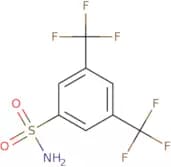
3,5-Bis(trifluoromethyl)benzenesulfonamide
CAS:<p>Versatile small molecule scaffold</p>Formula:C8H5F6NO2SPurity:Min. 95%Molecular weight:293.19 g/mol1-Propyl-1,2,3,4-tetrahydroisoquinoline
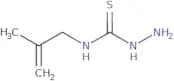
CAS:<p>Versatile small molecule scaffold</p>Formula:C12H17NPurity:Min. 95%Molecular weight:175.27 g/mol3-Amino-1-(2-methylprop-2-en-1-yl)thiourea
CAS:<p>Versatile small molecule scaffold</p>Formula:C5H11N3SPurity:Min. 95%Molecular weight:145.23 g/mol2-[(3-Methoxypropyl)amino]ethan-1-ol
CAS:Versatile small molecule scaffoldFormula:C6H15NO2Purity:Min. 95%Molecular weight:133.19 g/mol4-Ethylamino-1-butanol
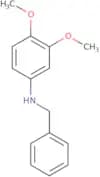
CAS:<p>4-Ethylamino-1-butanol is an alkanolamine that interacts with receptors in the body. It has a hydroxyl group and is a molecule that contains functionalities. It interacts with other molecules, such as corticotropin-releasing hormone (CRH). 4-Ethylamino-1-butanol binds to CRH and prevents it from binding to its receptor, which decreases the release of corticotropin. This compound has been used as a positron emission tomography (PET) radiotracer for imaging the insulin receptor in living tissue. The chemical can be systematically introduced into tissues and organs, including the brain, where it accumulates due to its hydrophilic nature. 4-Ethylamino-1-butanol also has oxygenated groups that are suitable for PET imaging using 18F radiolabeling.</p>Formula:C6H15NOPurity:Min. 95%Molecular weight:117.19 g/molN-Benzyl-3,4-dimethoxyaniline
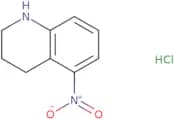
CAS:<p>Versatile small molecule scaffold</p>Formula:C15H17NO2Purity:Min. 95%Molecular weight:243.3 g/mol5-Nitro-1,2,3,4-tetrahydroquinoline
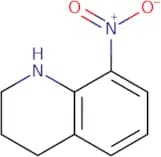
CAS:<p>5-Nitro-1,2,3,4-tetrahydroquinoline is an amine that is used in the synthesis of other chemicals. It is selective for transfer reactions because it can transfer to sulfate. The reaction selectivity is determined by the module and the reaction solution. The efficiency of the carbenium ion can be increased by adjusting the pH to make it more acidic. 5-Nitro-1,2,3,4-tetrahydroquinoline has a high yield and can be synthesized with a high degree of purity by using ammonium sulfate as a transfer agent in a neutral solution.</p>Formula:C9H10N2O2Purity:Min. 95%Molecular weight:178.19 g/mol8-Nitro-1,2,3,4-tetrahydroquinoline
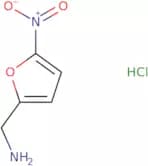
CAS:<p>Versatile small molecule scaffold</p>Formula:C9H10N2O2Purity:Min. 95%Molecular weight:178.19 g/mol(5-Nitrofuran-2-yl)methanamine hydrochloride
CAS:<p>Versatile small molecule scaffold</p>Formula:C5H7ClN2O3Purity:Min. 95%Molecular weight:178.57 g/mol2-Methylprop-2-ene-1-sulfonamide
CAS:<p>Versatile small molecule scaffold</p>Formula:C4H9NO2SPurity:Min. 95%Molecular weight:135.19 g/mol5-Dichloro-2-nitrophenol
CAS:<p>5-Dichloro-2-nitrophenol is a chemical that is used as an immunomodulator, pesticide, or herbicide. It is activated by the body to form a reactive intermediate that can bind to DNA and create mutations. 5-Dichloro-2-nitrophenol has been shown to cause oxidative damage in cell cultures and other tissues, such as proximal tubules of the kidney. It also produces malondialdehyde oxidation products which are known to be cytotoxic. In addition, preincubation with 5-Dichloro-2-nitrophenol increases the sensitivity of cells to other oxidative stressors such as peroxides and hydrogen peroxide.</p>Formula:C6H3Cl2NO3Purity:Min. 95%Molecular weight:208 g/mol1,8,10,12-Tetraazatricyclo[7.3.0.0,3,7]dodeca-3(7),9,11-trien-2-one
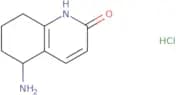
CAS:<p>Versatile small molecule scaffold</p>Formula:C8H8N4OPurity:Min. 95%Molecular weight:176.18 g/mol5-Amino-1,2,5,6,7,8-hexahydroquinolin-2-one hydrochloride
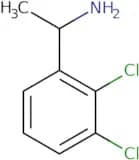
CAS:<p>Versatile small molecule scaffold</p>Formula:C9H13ClN2OPurity:Min. 95%Molecular weight:200.66 g/mol1-(2,3-Dichlorophenyl)ethan-1-amine
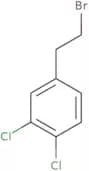
CAS:<p>Versatile small molecule scaffold</p>Formula:C8H9Cl2NPurity:Min. 95%Molecular weight:190.07 g/mol4-(2-Bromoethyl)-1,2-dichlorobenzene
CAS:<p>Versatile small molecule scaffold</p>Formula:C8H7BrCl2Purity:Min. 95%Molecular weight:253.95 g/molN-[4-(2-Bromoethyl)phenyl]acetamide
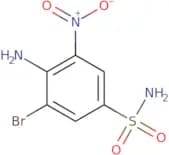
CAS:<p>Versatile small molecule scaffold</p>Formula:C10H12BrNOPurity:Min. 95%Molecular weight:242.11 g/mol4-Amino-3-bromo-5-nitro-benzenesulfonamide
CAS:<p>Versatile small molecule scaffold</p>Formula:C6H6BrN3O4SPurity:Min. 95%Molecular weight:296.1 g/mol1-N-Benzyl-4-chlorobenzene-1,2-diamine
CAS:<p>1-N-Benzyl-4-chlorobenzene-1,2-diamine is a chemical compound that is used as an anticancer drug. It is a potent inhibitor of protein kinase C and has been shown to induce cell cycle arrest in the G1 phase of the cell cycle. 1-N-Benzyl-4-chlorobenzene-1,2-diamine also induces apoptosis in cancer cells. The cytometric analysis of apoptotic processes was used to determine the pharmacokinetic properties of 1-N-Benzyl-4-chlorobenzene-1,2-diamine. This drug may be mediated by annexin A5 or other proteins. Radionuclide imaging studies were conducted in order to assess the pharmacokinetics of 1NBDBCD in humans.</p>Formula:C13H13ClN2Purity:Min. 95%Molecular weight:232.71 g/mol3-Chlorothieno[2,3-b]thiophene-2-carboxylic acid
CAS:<p>Versatile small molecule scaffold</p>Formula:C7H3ClO2S2Purity:Min. 95%Molecular weight:218.7 g/molEthyl N-(4-hydroxycyclohexyl)carbamate
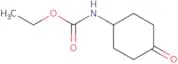
CAS:<p>Versatile small molecule scaffold</p>Formula:C9H17NO3Purity:Min. 95%Molecular weight:187.24 g/molEthyl N-(4-oxocyclohexyl)carbamate
CAS:<p>Versatile small molecule scaffold</p>Formula:C9H15NO3Purity:Min. 95%Molecular weight:185.22 g/mol2-[4-(2-Oxoethyl)phenyl]acetaldehyde
CAS:<p>Versatile small molecule scaffold</p>Formula:C10H10O2Purity:Min. 95%Molecular weight:162.18 g/mol4H,5H,6H,7H,8H,9H-[1,2,4]Triazolo[3,2-b]quinazolin-9-one
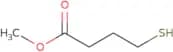
CAS:<p>Versatile small molecule scaffold</p>Formula:C9H10N4OPurity:Min. 95%Molecular weight:190.2 g/molMethyl 4-sulfanylbutanoate
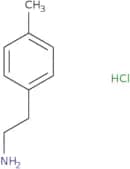
CAS:<p>Methyl 4-sulfanylbutanoate is a leukotriene D4, which is an inflammatory mediator. It can be activated by the addition of hydrogen peroxide or tetrahydropyran and then becomes a potent leukotriene antagonist. Methyl 4-sulfanylbutanoate also inhibits the activity of acyltransferases, which are enzymes that catalyze reactions in the synthesis of arachidonic acid. This compound has been shown to have inhibitory effects on inflammatory bowel disease and may be useful for treating cerebral inflammation.</p>Formula:C5H10O2SPurity:Min. 95%Molecular weight:134.2 g/mol2-(4-Methylphenyl)ethan-1-amine hydrochloride
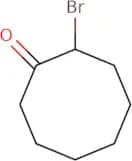
CAS:Controlled ProductVersatile small molecule scaffoldFormula:C9H13N·HClPurity:Min. 95%Molecular weight:171.67 g/mol2-Bromocyclooctan-1-one
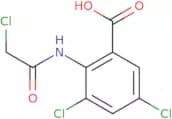
CAS:<p>2-Bromocyclooctan-1-one is a chiral, fluorinated ketone that has been used as a reagent in conformational studies. It is also the precursor to other compounds of interest. 2-Bromocyclooctan-1-one reacts with thioacetamide to form an intermediate that can be hydrolyzed by water or acid to produce 2,4,6-trichlorobenzene sulphonyl chloride. In acetonitrile, it displays repulsion between the two bromine atoms. The conformation of this compound is dependent on solvent and conformational studies have been done using solvents such as acetonitrile and chloroform.</p>Formula:C8H13BrOPurity:Min. 95%Molecular weight:205.09 g/mol3,5-Dichloro-2-(2-chloroacetamido)benzoic acid
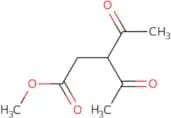
CAS:<p>Versatile small molecule scaffold</p>Formula:C9H6Cl3NO3Purity:Min. 95%Molecular weight:282.5 g/molMethyl 3-acetyl-4-oxopentanoate
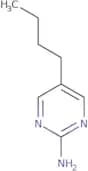
CAS:<p>Methyl 3-acetyl-4-oxopentanoate is a synthetic porphyrin precursor. It is an isomer of hematoporphyrin, which has been shown to be an effective photosensitizer for the treatment of psoriasis. Methyl 3-acetyl-4-oxopentanoate has also been shown to have degradative properties, and can be used to synthesize pyrrole compounds. This synthetic porphyrin precursor can also be used in the production of other porphyrins such as protoporphyrins and porphyrins.</p>Formula:C8H12O4Purity:Min. 95%Molecular weight:172.18 g/mol5-Butylpyrimidin-2-amine
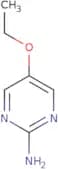
CAS:<p>Versatile small molecule scaffold</p>Formula:C8H13N3Purity:Min. 95%Molecular weight:151.21 g/mol5-Ethoxypyrimidin-2-amine
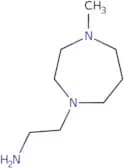
CAS:<p>Versatile small molecule scaffold</p>Formula:C6H9N3OPurity:Min. 95%Molecular weight:139.16 g/mol2-(4-Methyl-1,4-diazepan-1-yl)ethanamine
CAS:<p>Versatile small molecule scaffold</p>Formula:C8H19N3Purity:Min. 95%Molecular weight:157.26 g/mol2-{[(tert-Butoxy)carbonyl]amino}-2-(3-hydroxyphenyl)acetic acid
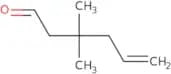
CAS:<p>Versatile small molecule scaffold</p>Formula:C13H17NO5Purity:Min. 95%Molecular weight:267.28 g/mol3,3-Dimethylhex-5-enal
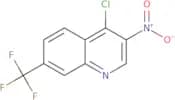
CAS:<p>Versatile small molecule scaffold</p>Formula:C8H14OPurity:Min. 95%Molecular weight:126.2 g/mol4-Chloro-3-nitro-7-(trifluoromethyl)quinoline
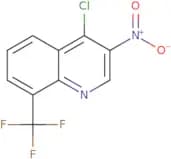
CAS:<p>Versatile small molecule scaffold</p>Formula:C10H4ClF3N2O2Purity:Min. 95%Molecular weight:276.6 g/mol4-Chloro-3-nitro-8-(trifluoromethyl)quinoline
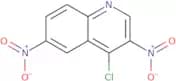
CAS:<p>Versatile small molecule scaffold</p>Formula:C10H4ClF3N2O2Purity:Min. 95%Molecular weight:276.6 g/mol4-Chloro-3,6-dinitroquinoline
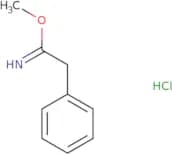
CAS:<p>Versatile small molecule scaffold</p>Formula:C9H4ClN3O4Purity:Min. 95%Molecular weight:253.6 g/molMethyl 2-phenylethanecarboximidate hydrochloride
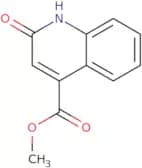
CAS:<p>Methyl 2-phenylethanecarboximidate hydrochloride is a dorzolamide hydrochloride prodrug that has been shown to have biological activity. It binds to the 2-adrenergic receptor and stimulates a conformational change in the receptor, leading to increased intracellular cyclic AMP levels. Methyl 2-phenylethanecarboximidate hydrochloride has been shown to inhibit the production of ICOTINIB HCl, an inhibitor of cell factor and cox-2. This drug also has been shown to have cardiac effects, including increasing heart rate and reducing the time interval between heartbeats. Methyl 2-phenylethanecarboximidate hydrochloride may be used as an optical sensor for measuring pH or as an electrochemical impedance spectroscopy agent for determining benzalkonium chloride concentrations.</p>Formula:C9H12ClNOPurity:Min. 95%Molecular weight:185.65 g/molMethyl 2-oxo-1,2-dihydroquinoline-4-carboxylate
CAS:<p>Versatile small molecule scaffold</p>Formula:C11H9NO3Purity:Min. 95%Molecular weight:203.19 g/molmethyl 5-bromo-2-methoxy-4-methylbenzoate
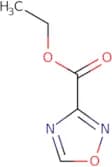
CAS:<p>Versatile small molecule scaffold</p>Formula:C10H11BrO3Purity:Min. 95%Molecular weight:259.1 g/molEthyl 1,2,4-oxadiazole-3-carboxylate
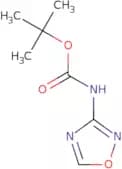
CAS:<p>Versatile small molecule scaffold</p>Formula:C5H6N2O3Purity:Min. 95%Molecular weight:142.11 g/moltert-Butyl N-(1,2,4-oxadiazol-3-yl)carbamate
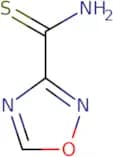
CAS:<p>Versatile small molecule scaffold</p>Formula:C7H11N3O3Purity:Min. 95%Molecular weight:185.18 g/mol1,2,4-Oxadiazole-3-carbothioamide
CAS:<p>Versatile small molecule scaffold</p>Formula:C3H3N3OSPurity:Min. 95%Molecular weight:129.14 g/mol1,3-Dihydro-5-hydroxy-2H-benzimidazol-2-one
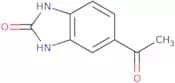
CAS:<p>Versatile small molecule scaffold</p>Formula:C7H6N2O2Purity:Min. 95%Molecular weight:150.13 g/mol5-acetyl-2,3-dihydro-1H-1,3-benzodiazol-2-one
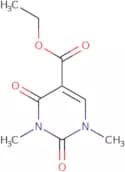
CAS:<p>Versatile small molecule scaffold</p>Formula:C9H8N2O2Purity:Min. 95%Molecular weight:176.18 g/molEthyl 1,3-dimethyl-2,4-dioxo-1,2,3,4-tetrahydropyrimidine-5-carboxylate
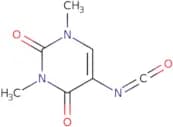
CAS:<p>Versatile small molecule scaffold</p>Formula:C9H12N2O4Purity:Min. 95%Molecular weight:212.2 g/mol5-Isocyanato-1,3-dimethylpyrimidine-2,4(1H,3H)-dione
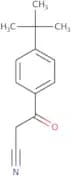
CAS:<p>Versatile small molecule scaffold</p>Formula:C7H7N3O3Purity:Min. 95%Molecular weight:181.15 g/mol3-(4-(tert-Butyl)phenyl)-3-oxopropanenitrile
CAS:<p>Versatile small molecule scaffold</p>Formula:C13H15NOPurity:Min. 95%Molecular weight:201.26 g/mol8-Oxabicyclo[3.2.1]octan-2-one
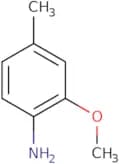
CAS:8-Oxabicyclo[3.2.1]octan-2-one (8OBA) is a β-unsaturated ketone with an oxime group at the 8 position. It can be prepared by cyclization of 2,5-diketones with a phosphonate ester in the presence of a base. The syntheses of various ketones have been accomplished using this process, including β-unsaturated ketones and oxophosphonates. This compound is also used as a building block for synthesis of furan derivatives, such as 2,5-furandione and 3,6-dihydro-4H-pyran.Formula:C7H10O2Purity:Min. 95%Molecular weight:126.15 g/mol2-Methoxy-4-methylaniline
CAS:<p>Versatile small molecule scaffold</p>Formula:C8H11NOPurity:Min. 95%Molecular weight:137.18 g/mol2-[(2-Chlorophenyl)formamido]-3-(1H-indol-3-yl)propanoic acid
CAS:<p>Versatile small molecule scaffold</p>Formula:C18H15ClN2O3Purity:Min. 95%Molecular weight:342.8 g/mol


![2-[(3-Methoxypropyl)amino]ethan-1-ol](/_next/image/?url=https%3A%2Fstatic.cymitquimica.com%2Fproducts%2F3D%2Fthumb-webp%2FPBA21684.webp&w=3840&q=75)



![1,8,10,12-Tetraazatricyclo[7.3.0.0,3,7]dodeca-3(7),9,11-trien-2-one](/_next/image/?url=https%3A%2Fstatic.cymitquimica.com%2Fproducts%2F3D%2Fthumb-webp%2FPBA22560.webp&w=3840&q=75)
![N-[4-(2-Bromoethyl)phenyl]acetamide](/_next/image/?url=https%3A%2Fstatic.cymitquimica.com%2Fproducts%2F3D%2Fthumb-webp%2FPBA23206.webp&w=3840&q=75)

![3-Chlorothieno[2,3-b]thiophene-2-carboxylic acid](/_next/image/?url=https%3A%2Fstatic.cymitquimica.com%2Fproducts%2F3D%2Fthumb-webp%2FPBA24408.webp&w=3840&q=75)

![2-[4-(2-Oxoethyl)phenyl]acetaldehyde](/_next/image/?url=https%3A%2Fstatic.cymitquimica.com%2Fproducts%2F3D%2Fthumb-webp%2FPBA24600.webp&w=3840&q=75)
![4H,5H,6H,7H,8H,9H-[1,2,4]Triazolo[3,2-b]quinazolin-9-one](/_next/image/?url=https%3A%2Fstatic.cymitquimica.com%2Fproducts%2F3D%2Fthumb-webp%2FPBA24761.webp&w=3840&q=75)
![2-{[(tert-Butoxy)carbonyl]amino}-2-(3-hydroxyphenyl)acetic acid](/_next/image/?url=https%3A%2Fstatic.cymitquimica.com%2Fproducts%2F3D%2Fthumb-webp%2FPBA27453.webp&w=3840&q=75)


![8-Oxabicyclo[3.2.1]octan-2-one](/_next/image/?url=https%3A%2Fstatic.cymitquimica.com%2Fproducts%2F3D%2Fthumb-webp%2FPBA53672.webp&w=3840&q=75)
![2-[(2-Chlorophenyl)formamido]-3-(1H-indol-3-yl)propanoic acid](/_next/image/?url=https%3A%2Fstatic.cymitquimica.com%2Fproducts%2F3D%2Fthumb-webp%2FPBA54527.webp&w=3840&q=75)