Building Blocks
This section contains fundamental products for the synthesis of organic and biological compounds. Building blocks are the essential starting materials used to construct complex molecules through various chemical reactions. They play a critical role in drug discovery, material science, and chemical research. At CymitQuimica, we offer a diverse range of high-quality building blocks to support your innovative research and industrial projects, ensuring you have the essential components for successful synthesis.
Subcategories of "Building Blocks"
- Boronic Acids & Boronic Acid Derivatives(5,756 products)
- Chiral Building Blocks(1,242 products)
- Hydrocarbon Building Blocks(6,095 products)
- Organic Building Blocks(61,038 products)
Found 196817 products of "Building Blocks"
Sort by
Purity (%)
0
100
|
0
|
50
|
90
|
95
|
100
1-(Boc-aminomethyl)-2-azabicyclo[3.1.1]heptane
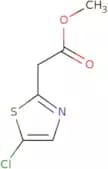
CAS:<p>Versatile small molecule scaffold</p>Formula:C12H22N2O2Purity:Min. 95%Molecular weight:226.32 g/molmethyl 2-(5-chloro-1,3-thiazol-2-yl)acetate
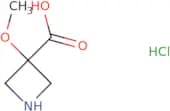
CAS:<p>Versatile small molecule scaffold</p>Formula:C6H6NO2SClPurity:Min. 95%Molecular weight:191.63 g/mol3-Methoxyazetidine-3-carboxylic acid hydrochloride
CAS:<p>Versatile small molecule scaffold</p>Formula:C5H10ClNO3Purity:Min. 95%Molecular weight:167.59 g/moltert-butyl N-[(3-aminocyclopentyl)methyl]carbamate, Mixture of diastereomers
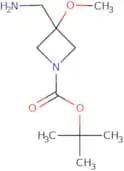
CAS:<p>Versatile small molecule scaffold</p>Formula:C11H22N2O2Purity:Min. 95%Molecular weight:214.3 g/moltert-butyl 3-(aminomethyl)-3-methoxyazetidine-1-carboxylate
CAS:<p>Versatile small molecule scaffold</p>Formula:C10H20N2O3Purity:Min. 95%Molecular weight:216.3 g/mol5,8-Dioxaspiro[3.4]octan-2-ylmethanamine
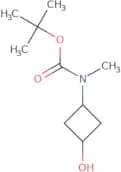
CAS:<p>Versatile small molecule scaffold</p>Formula:C7H13NO2Purity:Min. 95%Molecular weight:143.19 g/moltert-Butyl N-(3-hydroxycyclobutyl)-N-methylcarbamate
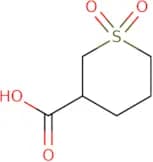
CAS:<p>Versatile small molecule scaffold</p>Formula:C10H19NO3Purity:Min. 95%Molecular weight:201.26 g/molTetrahydro-2H-thiopyran-3-carboxylic acid 1,1-dioxide
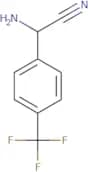
CAS:<p>Versatile small molecule scaffold</p>Formula:C6H10O4SPurity:Min. 95%Molecular weight:178.21 g/molAmino-(4-trifluoromethyl-phenyl)-acetonitrile
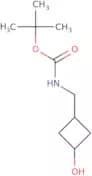
CAS:<p>Versatile small molecule scaffold</p>Formula:C9H7F3N2Purity:Min. 95%Molecular weight:200.16 g/moltert-Butyl ((3-hydroxycyclobutyl)methyl)carbamate
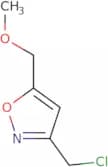
CAS:<p>Versatile small molecule scaffold</p>Formula:C10H19NO3Purity:Min. 95%Molecular weight:201.26 g/mol3-(Chloromethyl)-5-(methoxymethyl)-1,2-oxazole
CAS:<p>Versatile small molecule scaffold</p>Formula:C6H8ClNO2Purity:Min. 95%Molecular weight:161.58 g/mol[5-(Methoxymethyl)-1,2-oxazol-3-yl]methanol
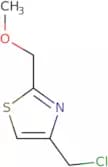
CAS:<p>Versatile small molecule scaffold</p>Formula:C6H9NO3Purity:Min. 95%Molecular weight:143.1 g/mol4-(Chloromethyl)-2-(methoxymethyl)-1,3-thiazole
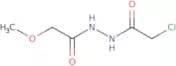
CAS:<p>Versatile small molecule scaffold</p>Formula:C6H8ClNOSPurity:Min. 95%Molecular weight:177.65 g/molN'-(2-Chloroacetyl)-2-methoxyacetohydrazide
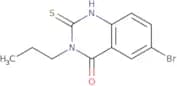
CAS:<p>Versatile small molecule scaffold</p>Formula:C5H9ClN2O3Purity:Min. 95%Molecular weight:180.59 g/mol6-Bromo-3-propyl-2-sulfanyl-3,4-dihydroquinazolin-4-one
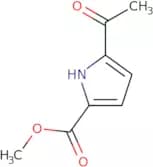
CAS:<p>Versatile small molecule scaffold</p>Formula:C11H11BrN2OSPurity:Min. 95%Molecular weight:299.19 g/molMethyl 5-acetyl-1H-pyrrole-2-carboxylate
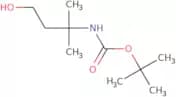
CAS:<p>Methyl 5-acetyl-1H-pyrrole-2-carboxylate is a pyrrole-2-carboxylic acid that can be synthesized by the reaction of carbon tetrachloride and aliphatic alcohols. It is an experimental compound with a rate constant of 10.5 x 10^5 M^(-1) s^(-1). The synthesis of methyl 5-acetyl-1H-pyrrole-2-carboxylate can also be accomplished by the reaction of acetaldehyde, acetic anhydride, and formic acid. The compound has been studied for use as a catalyst for the conversion of esters and alcohols to aliphatic compounds. This process is catalyzed by methyl 5-acetylpyrrolecarboxylate in the presence of palladium on charcoal or platinum on coal.</p>Formula:C8H9NO3Purity:Min. 95%Molecular weight:167.16 g/mol3-(Boc-amino)-3-methyl-1-butanol
CAS:<p>Versatile small molecule scaffold</p>Formula:C10H21NO3Purity:Min. 95%Molecular weight:203.28 g/molN-[3-(3-Sulfanyl-4H-1,2,4-triazol-4-yl)phenyl]acetamide
CAS:<p>Versatile small molecule scaffold</p>Formula:C10H10N4OSPurity:Min. 95%Molecular weight:234.28 g/molBenzyl (2-((2-amino-4-methoxyphenyl)(phenyl)amino)-2-oxoethyl)carbamate
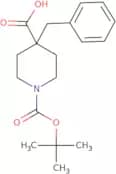
CAS:<p>Benzyl (2-((2-amino-4-methoxyphenyl)(phenyl)amino)-2-oxoethyl)carbamate (BZQA) is a nonselective, centrally acting acetylcholine receptor agonist. BZQA is a cholinergic agent that has been shown to have medicinal effects on cognition and the forebrain. It binds to the orthosteric site of acetylcholine receptors in the central nervous system, which is responsible for mediating the effects of acetylcholine. The pharmacokinetic properties of BZQA have been determined using a rat model, and it has been shown that this drug has low toxicity and high brain penetration.</p>Formula:C23H23N3O4Purity:Min. 95%Molecular weight:405.45 g/mol4-Benzyl-piperidine-1,4-dicarboxylic acid mono-tert-butyl ester
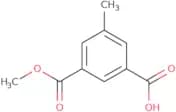
CAS:<p>Versatile small molecule scaffold</p>Formula:C18H25NO4Purity:Min. 95%Molecular weight:319.4 g/mol3-(Methoxycarbonyl)-5-methylbenzoic acid
CAS:<p>3-(Methoxycarbonyl)-5-methylbenzoic acid is a potent inhibitor of the enzyme xanthine oxidoreductase. It has been shown to inhibit the production of uric acid in cell-based assays, and also inhibits the enzyme xanthine dehydrogenase, which catalyzes the conversion of hypoxanthine to xanthine. 3-(Methoxycarbonyl)-5-methylbenzoic acid is a low nanomolar inhibitor of the enzyme xanthine oxidoreductase and is selective for this target over other enzymes such as cytochrome P450. 3-(Methoxycarbonyl)-5-methylbenzoic acid has an isostere group that binds to a subpocket on the enzyme and blocks access to substrate. The molecular weight of 3-(methoxycarbonyl)-5-methylbenzoic acid makes it suitable for analysis by X-ray crystallography.</p>Formula:C10H10O4Purity:Min. 95%Molecular weight:194.18 g/mol3-(methoxycarbonyl)-4-methylbenzoic acid
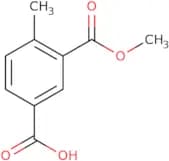
CAS:<p>Versatile small molecule scaffold</p>Formula:C10H10O4Purity:Min. 95%Molecular weight:194.2 g/mol(2,2-Dimethyl-1,3-dioxolan-4-yl)methanamine hydrochloride
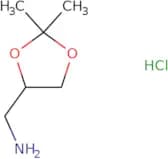
CAS:<p>Versatile small molecule scaffold</p>Formula:C6H14ClNO2Purity:Min. 95%Molecular weight:167.63 g/molN-Methoxy-N-methyl-cyclopentanecarboxamide
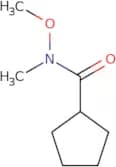
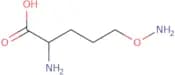
CAS:<p>Versatile small molecule scaffold</p>Formula:C8H15NO2Purity:Min. 95%Molecular weight:157.21 g/mol(2S)-2-Amino-5-(aminooxy)pentanoic acid
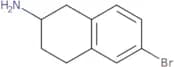
CAS:<p>Versatile small molecule scaffold</p>Formula:C5H12N2O3Purity:Min. 95%Molecular weight:148.16 g/mol6-Bromo-1,2,3,4-tetrahydronaphthalen-2-amine
CAS:Controlled Product<p>Versatile small molecule scaffold</p>Formula:C10H12BrNPurity:Min. 95%Molecular weight:226.11 g/mol7-Chloro-5-ethyl-[1,2,4]triazolo[1,5-a]pyrimidine
CAS:<p>Versatile small molecule scaffold</p>Formula:C7H7ClN4Purity:Min. 95%Molecular weight:182.61 g/molN-Hexylhydroxylamine hydrochloride
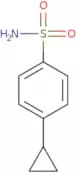
CAS:<p>N-Hexylhydroxylamine hydrochloride is a metal chelator that is used to bind heavy metals in the gastrointestinal tract. It is taken as a pill, and then binds to heavy metals such as lead, mercury, and arsenic. This prevents absorption of these toxic substances into the body. N-Hexylhydroxylamine hydrochloride has been shown to be most effective when it is given at high doses (2-3 grams) and causes less side effects than other chelators. One of the side effects of N-Hexylhydroxylamine hydrochloride is an increased risk for asphyxiation due to the increased concentration of gases in the lungs. The drug also has an effect on reticulatum pigment cells in the foregut, which can cause ulcers or cancerous growths if too much hexylhydroxylamine hydrochloride accumulates there.</p>Formula:C6H16ClNOPurity:Min. 95%Molecular weight:153.65 g/mol4-Cyclopropylbenzene-1-sulfonamide
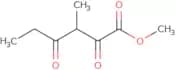
CAS:<p>Versatile small molecule scaffold</p>Formula:C9H11NO2SPurity:Min. 95%Molecular weight:197.26 g/molMethyl 3-methyl-2,4-dioxohexanoate
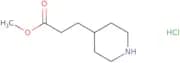
CAS:<p>Versatile small molecule scaffold</p>Formula:C8H12O4Purity:Min. 95%Molecular weight:172.18 g/molMethyl 3-(piperidin-4-yl)propanoate hydrochloride
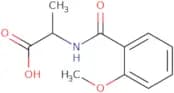
CAS:<p>Versatile small molecule scaffold</p>Formula:C9H18ClNO2Purity:Min. 95%Molecular weight:207.7 g/mol(S)-2-(2-Methoxybenzamido)propanoic acid
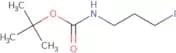
CAS:<p>Versatile small molecule scaffold</p>Formula:C11H13NO4Purity:Min. 95%Color and Shape:PowderMolecular weight:223.22 g/moltert-Butyl 3-iodopropylcarbamate
CAS:<p>Tert-Butyl 3-iodopropylcarbamate is a monomer that possesses reactive chemical groups, such as carbonyl and iodide. It is used in the synthesis of polyamides and other molecules containing pyrrole rings. Tert-Butyl 3-iodopropylcarbamate is also used to synthesize oligonucleotides by coupling reactive groups on the nucleotide phosphoramidite monomers. This coupling reaction can be done with imidazole or tripyrrole nucleophiles. Tert-Butyl 3-iodopropylcarbamate can also be used to form heterodimeric complexes with cysteine. The tert-butyl group of tert-Butyl 3-iodopropylcarbamate is a sequence that may be removed by hydrolysis or reductive amination.</p>Formula:C8H16INO2Purity:Min. 95%Molecular weight:285.12 g/mol1-Methyl-1H-indole-7-carboxylic acid
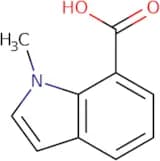
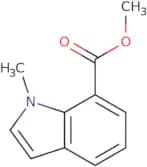
CAS:<p>Versatile small molecule scaffold</p>Formula:C10H9NO2Purity:Min. 95%Molecular weight:175.18 g/molMethyl 1-Methyl-7-indolecarboxylate
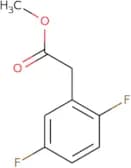
CAS:<p>Versatile small molecule scaffold</p>Formula:C11H11NO2Purity:Min. 95%Molecular weight:189.21 g/molMethyl 2-(2,5-difluorophenyl)acetate
CAS:<p>Versatile small molecule scaffold</p>Formula:C9H8F2O2Purity:Min. 95%Molecular weight:186.15 g/mol2H-Spiro[1-benzofuran-3,4'-piperidine] hydrochloride
CAS:<p>Versatile small molecule scaffold</p>Formula:C12H16ClNOPurity:Min. 95%Molecular weight:225.71 g/mol2-Amino-3-[4-(trifluoromethyl)phenyl]propanoic acid hydrochloride
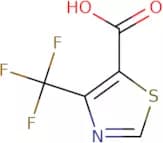
CAS:<p>Versatile small molecule scaffold</p>Formula:C10H11ClF3NO2Purity:Min. 95%Molecular weight:269.65 g/mol4-(Trifluoromethyl)-1,3-thiazole-5-carboxylic Acid
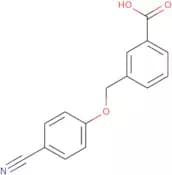
CAS:<p>Versatile small molecule scaffold</p>Formula:C5H2NO2F3SPurity:Min. 95%Molecular weight:197.13 g/mol3-(4-Cyanophenoxymethyl)benzoic acid
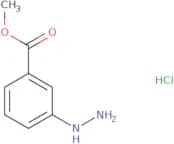
CAS:<p>Versatile small molecule scaffold</p>Formula:C15H11NO3Purity:Min. 95%Molecular weight:253.25 g/molMethyl 3-hydrazinylbenzoate hydrochloride
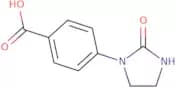
CAS:<p>Versatile small molecule scaffold</p>Formula:C8H11ClN2O2Purity:Min. 95%Molecular weight:202.64 g/mol4-(2-Oxoimidazolidin-1-yl)benzoic acid
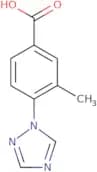
CAS:<p>Versatile small molecule scaffold</p>Formula:C10H10N2O3Purity:Min. 95%Molecular weight:206.2 g/mol3-Methyl-4-(1H-1,2,4-triazol-1-yl)benzoic acid
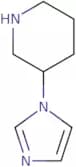
CAS:<p>Versatile small molecule scaffold</p>Formula:C10H9N3O2Purity:Min. 95%Molecular weight:203.2 g/mol3-(1H-Imidazol-1-yl)piperidine
CAS:<p>Versatile small molecule scaffold</p>Formula:C8H13N3Purity:Min. 95%Molecular weight:151.21 g/molN-[1-(Pyridin-2-yl)ethyl]cyclopropanamine hydrochloride
CAS:<p>Versatile small molecule scaffold</p>Formula:C10H15ClN2Purity:Min. 95%Molecular weight:198.69 g/mol2-Benzyl-2,8-diazaspiro[4.5]decane
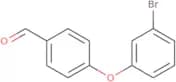
CAS:<p>Versatile small molecule scaffold</p>Formula:C15H22N2Purity:Min. 95%Molecular weight:230.36 g/mol4-(3-Bromophenoxy)benzaldehyde
CAS:<p>Versatile small molecule scaffold</p>Formula:C13H9BrO2Purity:Min. 95%Molecular weight:277.11 g/mol7-Chloro-1H-pyrrolo[2,3-c]pyridine-2-carboxylic acid
CAS:<p>Versatile small molecule scaffold</p>Formula:C8H5ClN2O2Purity:Min. 95%Molecular weight:196.59 g/molEthyl 7-chloro-1H-pyrrolo[2,3-c]pyridine-2-carboxylate
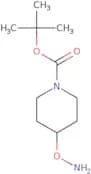
CAS:<p>Versatile small molecule scaffold</p>Formula:C10H9ClN2O2Purity:Min. 95%Molecular weight:224.64 g/moltert-Butyl 4-(aminooxy)piperidine-1-carboxylate
CAS:<p>Versatile small molecule scaffold</p>Formula:C10H20N2O3Purity:Min. 95%Molecular weight:216.28 g/mol
![1-(Boc-aminomethyl)-2-azabicyclo[3.1.1]heptane](/_next/image/?url=https%3A%2Fstatic.cymitquimica.com%2Fproducts%2F3D%2Fthumb-webp%2FSFC80411.webp&w=3840&q=75)

![tert-butyl N-[(3-aminocyclopentyl)methyl]carbamate, Mixture of diastereomers](/_next/image/?url=https%3A%2Fstatic.cymitquimica.com%2Fproducts%2F3D%2Fthumb-webp%2FSFC80445.webp&w=3840&q=75)
![5,8-Dioxaspiro[3.4]octan-2-ylmethanamine](/_next/image/?url=https%3A%2Fstatic.cymitquimica.com%2Fproducts%2F3D%2Fthumb-webp%2FSFC80487.webp&w=3840&q=75)
![[5-(Methoxymethyl)-1,2-oxazol-3-yl]methanol](/_next/image/?url=https%3A%2Fstatic.cymitquimica.com%2Fproducts%2F3D%2Fthumb-webp%2FSGA15553.webp&w=3840&q=75)
![N-[3-(3-Sulfanyl-4H-1,2,4-triazol-4-yl)phenyl]acetamide](/_next/image/?url=https%3A%2Fstatic.cymitquimica.com%2Fproducts%2F3D%2Fthumb-webp%2FSGA21958.webp&w=3840&q=75)
![7-Chloro-5-ethyl-[1,2,4]triazolo[1,5-a]pyrimidine](/_next/image/?url=https%3A%2Fstatic.cymitquimica.com%2Fproducts%2F3D%2Fthumb-webp%2FSGA37176.webp&w=3840&q=75)

![2H-Spiro[1-benzofuran-3,4'-piperidine] hydrochloride](/_next/image/?url=https%3A%2Fstatic.cymitquimica.com%2Fproducts%2F3D%2Fthumb-webp%2FSGA48472.webp&w=3840&q=75)
![2-Amino-3-[4-(trifluoromethyl)phenyl]propanoic acid hydrochloride](/_next/image/?url=https%3A%2Fstatic.cymitquimica.com%2Fproducts%2F3D%2Fthumb-webp%2FSGA49628.webp&w=3840&q=75)
![N-[1-(Pyridin-2-yl)ethyl]cyclopropanamine hydrochloride](/_next/image/?url=https%3A%2Fstatic.cymitquimica.com%2Fproducts%2F3D%2Fthumb-webp%2FSJB00856.webp&w=3840&q=75)
![2-Benzyl-2,8-diazaspiro[4.5]decane](/_next/image/?url=https%3A%2Fstatic.cymitquimica.com%2Fproducts%2F3D%2Fthumb-webp%2FSJB00961.webp&w=3840&q=75)
![7-Chloro-1H-pyrrolo[2,3-c]pyridine-2-carboxylic acid](/_next/image/?url=https%3A%2Fstatic.cymitquimica.com%2Fproducts%2F3D%2Fthumb-webp%2FSJB03408.webp&w=3840&q=75)
![Ethyl 7-chloro-1H-pyrrolo[2,3-c]pyridine-2-carboxylate](/_next/image/?url=https%3A%2Fstatic.cymitquimica.com%2Fproducts%2F3D%2Fthumb-webp%2FSJB03410.webp&w=3840&q=75)