


Building Blocks
This section contains fundamental products for the synthesis of organic and biological compounds. Building blocks are the essential starting materials used to construct complex molecules through various chemical reactions. They play a critical role in drug discovery, material science, and chemical research. At CymitQuimica, we offer a diverse range of high-quality building blocks to support your innovative research and industrial projects, ensuring you have the essential components for successful synthesis.
Subcategories of "Building Blocks"
- Boronic Acids & Boronic Acid Derivatives(5,756 products)
- Chiral Building Blocks(1,242 products)
- Hydrocarbon Building Blocks(6,093 products)
- Organic Building Blocks(60,522 products)
Found 195533 products of "Building Blocks"
Sort by
Purity (%)
0
100
|
0
|
50
|
90
|
95
|
100
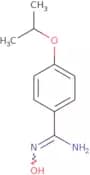
N'-Hydroxy-4-(propan-2-yloxy)benzene-1-carboximidamide
CAS:<p>Versatile small molecule scaffold</p>Formula:C10H14N2O2Purity:Min. 95%Molecular weight:194.23 g/mol2-Ethyl-N,N-dimethyl-5-nitrobenzene-1-sulfonamide
CAS:<p>Versatile small molecule scaffold</p>Formula:C10H14N2O4SPurity:Min. 95%Molecular weight:258.3 g/mol2-Amino-4-(morpholine-4-sulfonyl)phenol
CAS:<p>Versatile small molecule scaffold</p>Formula:C10H14N2O4SPurity:Min. 95%Molecular weight:258.3 g/mol3-Methyl-3-phenylazetidine hydrochloride
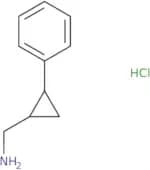
CAS:<p>Versatile small molecule scaffold</p>Formula:C10H14ClNPurity:Min. 95%Molecular weight:183.68 g/mol(2-Phenylcyclopropyl)methanamine hydrochloride
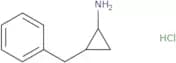
CAS:<p>Versatile small molecule scaffold</p>Formula:C10H14ClNPurity:Min. 95%Molecular weight:183.68 g/mol2-Benzylcyclopropan-1-amine hydrochloride
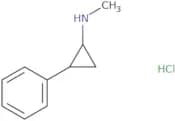
CAS:<p>Versatile small molecule scaffold</p>Formula:C10H14ClNPurity:Min. 95%Molecular weight:183.68 g/molN-Methyl-2-phenylcyclopropan-1-amine hydrochloride
CAS:<p>Versatile small molecule scaffold</p>Formula:C10H14ClNPurity:Min. 95%Molecular weight:183.68 g/mol2-Methyl-2-phenylcyclopropan-1-amine hydrochloride
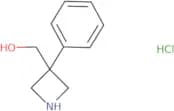
CAS:<p>Versatile small molecule scaffold</p>Formula:C10H14ClNPurity:Min. 95%Molecular weight:183.68 g/mol(3-Phenylazetidin-3-yl)methanol hydrochloride
CAS:<p>Versatile small molecule scaffold</p>Formula:C10H14ClNOPurity:Min. 95%Molecular weight:199.68 g/mol5-Amino-5,6,7,8-tetrahydronaphthalen-1-ol
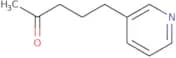
CAS:<p>Versatile small molecule scaffold</p>Formula:C10H13NOPurity:Min. 95%Molecular weight:163.22 g/mol5-(Pyridin-3-yl)pentan-2-one
CAS:<p>Versatile small molecule scaffold</p>Formula:C10H13NOPurity:Min. 95%Molecular weight:163.22 g/mol1-Phenylpyrrolidin-3-ol
CAS:<p>Adriamycin, also known as 1-Phenylpyrrolidin-3-ol, is a chemotherapy drug that is used to treat various types of cancer. It is classified as a chemotherapeutic agent and is an inhibitor of DNA synthesis. Adriamycin has been shown to be active against human fibrosarcoma, leukemia HL-60, and promyelocytic leukemia cells in vitro. In addition, it has been found to be effective against resistant T-cell leukemia and lymphocytic leukemia cells. This drug inhibits the proliferation of tumor cells by binding to DNA and preventing RNA synthesis or protein synthesis in the cell's ribosomes. Adriamycin also binds to leucovorin, which is a form of folic acid that prevents its toxicity in the body.</p>Formula:C10H13NOPurity:Min. 95%Molecular weight:163.22 g/mol1-Bromo-4-(1-ethoxyethoxy)benzene
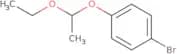
CAS:<p>Versatile small molecule scaffold</p>Formula:C10H13BrO2Purity:Min. 95%Molecular weight:245.11 g/mol4-(Chloromethyl)-2-(2,6-dichlorophenyl)-1,3-thiazole
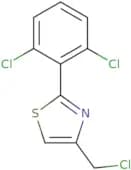
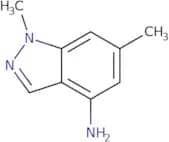
CAS:<p>Versatile small molecule scaffold</p>Formula:C10H6Cl3NSPurity:Min. 95%Molecular weight:278.6 g/mol1,6-Dimethyl-1H-indazol-4-amine
CAS:<p>Versatile small molecule scaffold</p>Formula:C9H11N3Purity:Min. 95%Molecular weight:161.2 g/mol(1H-Indol-2-ylmethyl)methylamine
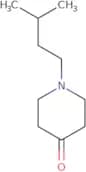
CAS:<p>Versatile small molecule scaffold</p>Formula:C10H12N2Purity:Min. 95%Molecular weight:160.22 g/mol1-Isopentyltetrahydro-4(1H)-pyridinone
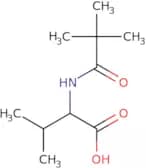
CAS:<p>Versatile small molecule scaffold</p>Formula:C10H19NOPurity:Min. 95%Molecular weight:169.26 g/mol2-(2,2-Dimethylpropanamido)-3-methylbutanoic acid
CAS:<p>Versatile small molecule scaffold</p>Formula:C10H19NO3Purity:Min. 95%Molecular weight:201.26 g/mol2-Bromo-1-(1-pyrrolidinyl)-1-ethanone
CAS:<p>2-Bromo-1-(1-pyrrolidinyl)-1-ethanone (2BP) is an acetylcholine analog that inhibits the cck-a, or acetylcholine receptor. It is a prodrug that is converted by thiourea into the active 2BP analog. 2BP has been shown to inhibit the binding of both nicotinic and muscarinic acetylcholine receptors in rat brain tissue. The affinity of this drug for the human cck-a receptor was found to be approximately 10 times less than for rat cck-a receptor. This indicates that 2BP may not be effective in humans because it does not bind well to the human receptor.</p>Formula:C6H10BrNOPurity:Min. 95%Molecular weight:192.06 g/mol(2S)-2-(Carbamoylamino)-3-(4-hydroxyphenyl)propanoic acid
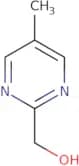
CAS:<p>2-Amino-3-(4-hydroxyphenyl)propanoic acid is a proteinogenic amino acid that is essential for humans and other animals. It can be synthesized by the human body in sufficient quantities from the amino acid phenylalanine, so it is not considered an essential dietary component. This amino acid can also be found in dairy products, eggs, soybeans, and peanuts. 2-Amino-3-(4-hydroxyphenyl)propanoic acid (2S)-2-(Carbamoylamino)-3-(4-hydroxyphenyl)propanoic acid) has been shown to reduce insulin resistance in diabetic rats. In addition, it has been shown to increase the uptake of glucose into muscle cells. 2S)-2-(Carbamoylamino)-3-(4-hydroxyphenyl)propanoic acid is formed as a result of carbamylation of lys</p>Formula:C10H12N2O4Purity:Min. 95%Molecular weight:224.21 g/mol(5-Methylpyrimidin-2-yl)methanol
CAS:<p>Versatile small molecule scaffold</p>Formula:C6H8N2OPurity:Min. 95%Molecular weight:124.14 g/moltert-butyl N-[3-(benzylamino)propyl]carbamate
CAS:<p>Versatile small molecule scaffold</p>Formula:C15H24N2O2Purity:Min. 95%Molecular weight:264.4 g/mol6-Amino-5-methylquinolin-2-ol
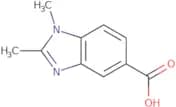
CAS:<p>Versatile small molecule scaffold</p>Formula:C10H10N2OPurity:Min. 95%Molecular weight:174.2 g/mol1,2-Dimethylbenzodiazole-5-carboxylic acid
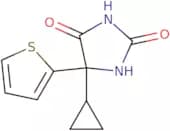
CAS:<p>Versatile small molecule scaffold</p>Formula:C10H10N2O2Purity:Min. 95%Molecular weight:190.2 g/mol5-Cyclopropyl-5-(thiophen-2-yl)imidazolidine-2,4-dione
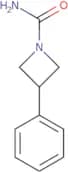
CAS:<p>Versatile small molecule scaffold</p>Formula:C10H10N2O2SPurity:Min. 95%Molecular weight:222.27 g/mol3-Phenylazetidine-1-carboxamide
CAS:<p>Versatile small molecule scaffold</p>Formula:C10H12N2OPurity:Min. 95%Molecular weight:176.2 g/molMethyl 1,2,3,4-tetrahydroquinoxaline-6-carboxylate
CAS:<p>Versatile small molecule scaffold</p>Formula:C10H12N2O2Purity:Min. 95%Molecular weight:192.21 g/mol2-Chloro-5-(propane-2-sulfonyl)benzoic acid
CAS:<p>Versatile small molecule scaffold</p>Formula:C10H11ClO4SPurity:Min. 95%Molecular weight:262.71 g/molN-[(3,4-Dichlorophenyl)methyl]cyclopropanamine
CAS:<p>Versatile small molecule scaffold</p>Formula:C10H11Cl2NPurity:Min. 95%Molecular weight:216.1 g/mol4-Oxo-3,4-dihydro-2H-1-benzopyran-6-carboxylic acid
CAS:<p>Versatile small molecule scaffold</p>Formula:C10H8O4Purity:Min. 95%Molecular weight:192.17 g/molN-(2-Furylmethyl)-N-(thien-2-ylmethyl)amine
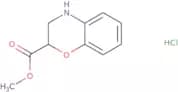
CAS:<p>Versatile small molecule scaffold</p>Formula:C10H11NOSPurity:Min. 95%Molecular weight:193.27 g/molMethyl 3,4-dihydro-2H-1,4-benzoxazine-2-carboxylate hydrochloride
CAS:<p>Versatile small molecule scaffold</p>Formula:C10H12ClNO3Purity:Min. 95%Molecular weight:229.66 g/molMethyl 2,3-dimethyl-5-nitrobenzoate
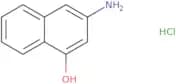
CAS:<p>Versatile small molecule scaffold</p>Formula:C10H11NO4Purity:Min. 95%Molecular weight:209.2 g/mol3-Aminonaphthalen-1-ol hydrochloride
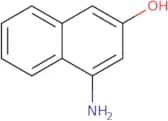
CAS:<p>Versatile small molecule scaffold</p>Formula:C10H10ClNOPurity:Min. 95%Molecular weight:195.64 g/mol4-Aminonaphthalen-2-ol
CAS:<p>4-Aminonaphthalen-2-ol is a synthetic reagent that is used in organic chemistry. It can be prepared from the reaction of chlorides and benzofurans, which are synthesized from an electrophilic aromatic substitution reaction with sodium hydroxide. The efficiency of this process can be enhanced by using imidazole as a solvent or as a catalyst for the reaction. 4-Aminonaphthalen-2-ol is also used in the synthesis of imidazole derivatives, such as 2-(4-aminophenyl)imidazo[1,2-a]pyridine.</p>Formula:C10H9NOPurity:Min. 95%Molecular weight:159.18 g/mol5-Methyl-4-phenyl-2,3-dihydro-1,3-thiazol-2-one
CAS:<p>Versatile small molecule scaffold</p>Formula:C10H9NOSPurity:Min. 95%Molecular weight:191.25 g/mol4-Cyano-3,5-dimethylbenzoic acid
CAS:<p>Versatile small molecule scaffold</p>Formula:C10H9NO2Purity:Min. 95%Molecular weight:175.18 g/mol5-Methoxyquinolin-1-ium-1-olate
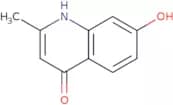
CAS:<p>Versatile small molecule scaffold</p>Formula:C10H9NO2Purity:Min. 95%Molecular weight:175.2 g/mol2-Methyl-4,7-quinolinediol
CAS:<p>Versatile small molecule scaffold</p>Formula:C10H9NO2Purity:Min. 95%Molecular weight:175.18 g/mol(4-Propoxyphenyl)methanol
CAS:<p>4-Propoxyphenyl Methanol is a nonnutritive sweetener that is approximately 200 times sweeter than sucrose. It is used as an additive to sugar substitutes, tabletop sweeteners, and soft drinks. 4-Propoxyphenyl Methanol is not metabolized by the body and has no known health risks.</p>Formula:C10H14O2Purity:Min. 95%Molecular weight:166.22 g/mol2-Bromo-1-{1H-pyrrolo[2,3-b]pyridin-3-yl}ethan-1-one
CAS:Controlled Product<p>Versatile small molecule scaffold</p>Formula:C9H7BrN2OPurity:Min. 95%Molecular weight:239.07 g/mol2-{1H-Pyrrolo[2,3-b]pyridin-3-yl}ethan-1-ol
CAS:<p>Versatile small molecule scaffold</p>Formula:C9H10N2OPurity:Min. 95%Molecular weight:162.19 g/mol2-Ethoxypentanoic acid
CAS:<p>Versatile small molecule scaffold</p>Formula:C7H14O3Purity:Min. 95%Molecular weight:146.18 g/molmethyl 5-(aminomethyl)-2-chlorobenzoate hydrochloride
CAS:<p>Versatile small molecule scaffold</p>Formula:C9H11Cl2NO2Purity:Min. 95%Molecular weight:236.1 g/molOctahydropentalene-2-carboxamides
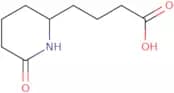
CAS:<p>Versatile small molecule scaffold</p>Formula:C9H15NOPurity:Min. 95%Molecular weight:153.2 g/mol4-(6-Oxopiperidin-2-yl)butanoic acid
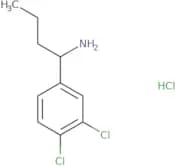
CAS:<p>Versatile small molecule scaffold</p>Formula:C9H15NO3Purity:Min. 95%Molecular weight:185.22 g/mol1-(3,4-Dichlorophenyl)butan-1-amine hydrochloride
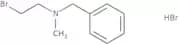
CAS:<p>Versatile small molecule scaffold</p>Formula:C10H14Cl3NPurity:Min. 95%Molecular weight:254.6 g/molBenzyl(2-bromoethyl)methylamine hydrobromide
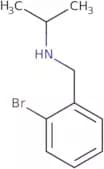
CAS:<p>Versatile small molecule scaffold</p>Formula:C10H15Br2NPurity:Min. 95%Molecular weight:309.04 g/molN-(2-Bromobenzyl)propan-2-amine
CAS:<p>Versatile small molecule scaffold</p>Formula:C10H14BrNPurity:Min. 95%Molecular weight:228.13 g/mol[3-(4-Chloro-phenoxy)-propyl]-methyl-amine
CAS:<p>Versatile small molecule scaffold</p>Formula:C10H14ClNOPurity:Min. 95%Molecular weight:199.68 g/mol








![tert-butyl N-[3-(benzylamino)propyl]carbamate](/_next/image/?url=https%3A%2Fstatic.cymitquimica.com%2Fproducts%2F3D%2Fthumb-webp%2FQDA91408.webp&w=3840&q=75)


![N-[(3,4-Dichlorophenyl)methyl]cyclopropanamine](/_next/image/?url=https%3A%2Fstatic.cymitquimica.com%2Fproducts%2F3D%2Fthumb-webp%2FQDA91975.webp&w=3840&q=75)






![2-Bromo-1-{1H-pyrrolo[2,3-b]pyridin-3-yl}ethan-1-one](/_next/image/?url=https%3A%2Fstatic.cymitquimica.com%2Fproducts%2F3D%2Fthumb-webp%2FQDA92973.webp&w=3840&q=75)
![2-{1H-Pyrrolo[2,3-b]pyridin-3-yl}ethan-1-ol](/_next/image/?url=https%3A%2Fstatic.cymitquimica.com%2Fproducts%2F3D%2Fthumb-webp%2FQDA92976.webp&w=3840&q=75)


![[3-(4-Chloro-phenoxy)-propyl]-methyl-amine](/_next/image/?url=https%3A%2Fstatic.cymitquimica.com%2Fproducts%2F3D%2Fthumb-webp%2FQDA94506.webp&w=3840&q=75)