Building Blocks
This section contains fundamental products for the synthesis of organic and biological compounds. Building blocks are the essential starting materials used to construct complex molecules through various chemical reactions. They play a critical role in drug discovery, material science, and chemical research. At CymitQuimica, we offer a diverse range of high-quality building blocks to support your innovative research and industrial projects, ensuring you have the essential components for successful synthesis.
Subcategories of "Building Blocks"
- Boronic Acids & Boronic Acid Derivatives(5,756 products)
- Chiral Building Blocks(1,242 products)
- Hydrocarbon Building Blocks(6,093 products)
- Organic Building Blocks(60,519 products)
Found 195533 products of "Building Blocks"
Sort by
Purity (%)
0
100
|
0
|
50
|
90
|
95
|
100
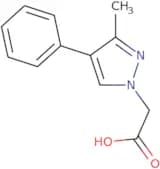
2-(3-Methyl-4-phenyl-1H-pyrazol-1-yl)acetic acid
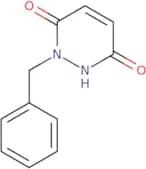
CAS:<p>Versatile small molecule scaffold</p>Formula:C12H12N2O2Purity:Min. 95%Molecular weight:216.24 g/mol1-Benzyl-1,2,3,6-tetrahydropyridazine-3,6-dione
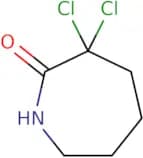
CAS:<p>Versatile small molecule scaffold</p>Formula:C11H10N2O2Purity:Min. 95%Molecular weight:202.21 g/mol3,3-dichloroazepan-2-one
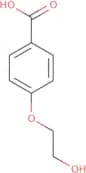
CAS:<p>Versatile small molecule scaffold</p>Formula:C6H9NOCl2Purity:Min. 95%Molecular weight:182.04 g/mol4-(2-Hydroxyethoxy)benzenecarboxylic acid
CAS:<p>4-(2-Hydroxyethoxy)benzenecarboxylic acid is a polyester that has been shown to have heat resistance, high mechanical properties, and biologic activity. It is prepared by the polymerization of benzoic acid with titanium and a catalyst. This polyester can be used as a structural material for implants or as a polymerization catalyst for polycondensation reactions. 4-(2-Hydroxyethoxy)benzenecarboxylic acid has an aliphatic group with 2 aliphatic groups and an aliphatic substance. It also exhibits catalytic activity in promoting the formation of polyesters from diols and diacids.</p>Formula:C9H10O4Purity:Min. 95%Molecular weight:182.18 g/mol2,1,3-Benzothiadiazole-4,5-diamine
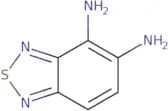
CAS:<p>2,1,3-Benzothiadiazole-4,5-diamine is a ketone that can be derived from the condensation of styrene with ammonia. The yield of this reaction is low and it requires an excess of styrene. 2,1,3-Benzothiadiazole-4,5-diamine has been found to be environmentally viable as it does not produce any harmful byproducts when heated at high temperatures. This compound has also shown to have promising results in animal studies as a potential treatment for malaria.</p>Formula:C6H6N4SPurity:Min. 95%Molecular weight:166.21 g/mol5-(Propan-2-yl)-1,3,4-oxadiazole-2-thiol
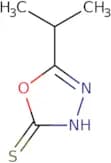
CAS:<p>Versatile small molecule scaffold</p>Formula:C5H8N2OSPurity:Min. 95%Molecular weight:144.2 g/mol5-(Propan-2-yl)-2,3-dihydro-1,3,4-oxadiazol-2-one
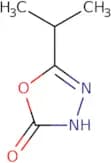
CAS:<p>Versatile small molecule scaffold</p>Formula:C5H8N2O2Purity:Min. 95%Molecular weight:128.13 g/mol5-(Methoxymethyl)-2,3-dihydro-1,3,4-oxadiazol-2-one
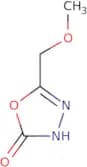
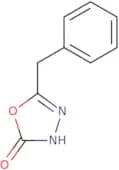
CAS:<p>Versatile small molecule scaffold</p>Formula:C4H6N2O3Purity:Min. 95%Molecular weight:130.1 g/mol5-Benzyl-2,3-dihydro-1,3,4-oxadiazol-2-one
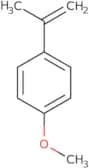
CAS:<p>Versatile small molecule scaffold</p>Formula:C9H8N2O2Purity:Min. 95%Molecular weight:176.2 g/mol1-Isopropenyl-4-methoxybenzene
CAS:<p>1-Isopropenyl-4-methoxybenzene is a halide that can be used as a catalyst for the hydroxylation of styrene, yielding 1-isopropenyl-3-methoxybenzene. This reaction is catalyzed by acid or base. The hydrogen peroxide present in the reaction mixture oxidizes the methoxy group to an aldehyde, which then reacts with the styrene. In addition, this reagent can be used to methylate chlorides and transfer alkyl groups. The electroreduction of this compound yields c–h bond and peroxide. This reagent can also act as an oxidant in organic synthesis.</p>Formula:C10H12OPurity:Min. 95%Molecular weight:148.2 g/mol2-Chloro-1-[3-(2-chloroacetyl)phenyl]ethan-1-one
CAS:<p>Versatile small molecule scaffold</p>Formula:C10H8Cl2O2Purity:Min. 95%Molecular weight:231.07 g/mol2-Cyclohexylideneacetaldehyde
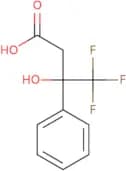
CAS:<p>2-Cyclohexylideneacetaldehyde is a carbinol that is synthesized from the reaction of an alkyl group with phosphorus pentoxide and hydroxy group. It is used as a reagent in organic synthesis, specifically for the production of hyaluronic acid. 2-Cyclohexylideneacetaldehyde may be used as an additive in cosmetics and personal care products to provide moisturizing effects. It also has pheromone-like activity, which can be used to attract insects such as mosquitoes and fruit flies.</p>Formula:C8H12OPurity:Min. 95%Molecular weight:124.18 g/mol4,4,4-Trifluoro-3-hydroxy-3-phenylbutanoic acid
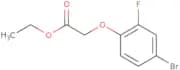
CAS:<p>Versatile small molecule scaffold</p>Formula:C10H9F3O3Purity:Min. 95%Molecular weight:234.17 g/molEthyl 2-(4-bromo-2-fluorophenoxy)acetate
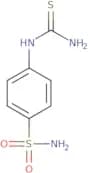
CAS:<p>Versatile small molecule scaffold</p>Formula:C10H10BrFO3Purity:Min. 95%Molecular weight:277.09 g/mol4-Thioureidobenzenesulfonamide
CAS:<p>4-Thioureidobenzenesulfonamide (4-TBS) is a biochemical that interacts with β-catenin and inhibits the proliferation of cardiac and cancer cells. 4-TBS has been shown to have anticancer activity in vitro, but clinical studies have not yet been conducted. 4-TBS has been shown to inhibit the growth of testicular cancer cells in whole-cell patch-clamp assays. 4-TBS also has an inhibition potential for heart disease, which may be due to its ability to reduce carbonic anhydrase 2 levels.</p>Formula:C7H9N3O2S2Purity:Min. 95%Molecular weight:231.3 g/molMethyl 4-(methoxymethyl)benzoate
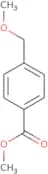
CAS:<p>Methyl 4-(methoxymethyl)benzoate is a monomer that can be used to synthesize bioplastics. It is dehydrating and has a furanic ring, which makes it a good candidate for polymerization. Methyl 4-(methoxymethyl)benzoate can be used as an alternative to ethylene as the monomer in polyethylene terephthalate (PET). PET is a thermoplastic that has been shown to degrade slowly in the environment. The dehydration of methyl 4-(methoxymethyl)benzoate takes place at low temperatures with zirconium, which provides the activation energy needed for this reaction. The dehydration of methyl 4-(methoxymethyl)benzoate also produces 5-hydroxymethylfurfural (HMF), which can be used as a renewable fuel or chemical feedstock. Strategies for synthesizing methyl 4-(methoxymethyl)benzoate</p>Formula:C10H12O3Purity:Min. 95%Molecular weight:180.2 g/mol1,9-Decadiyne
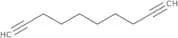
CAS:<p>1,9-Decadiyne is a monolayer that has been synthesized from the coupling of two phenylacetylene molecules. This molecule has a molecular weight of 204. The interpunctella and pteleifolia species are the only known natural sources of 1,9-decadiyne. These species were bioassayed for antifungal activity against a number of fungi, including Aspergillus niger and Candida albicans. The optical properties of 1,9-decadiyne have been characterized using UV-visible spectroscopy and found to be similar to those of eugenol. Molecular modeling studies have shown that 1,9-decadiyne copolymerizes with polystyrene in an alternating fashion. Pharmacokinetic properties have been studied in rats and show that it is absorbed through the skin and metabolized by esterases in the liver. Gel permeation chromatography results show that there is a large amount</p>Formula:C10H14Purity:Min. 95%Molecular weight:134.22 g/mol1-(2-Methylpyridin-3-yl)ethanone
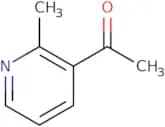
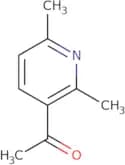
CAS:<p>1-(2-Methylpyridin-3-yl)ethanone is a ketone that can be synthesized using the reaction of methyl sulfone, benzyl sulfone, and sulphone. It has been shown to have anti-inflammatory properties by inhibiting prostaglandin synthesis and has been used as a nonsteroidal anti-inflammatory drug (NSAID). 1-(2-Methylpyridin-3-yl)ethanone has also been shown to have analgesic effects in mice. This synthetic compound may be useful in treating inflammation, pain, and fever.</p>Formula:C8H9NOPurity:Min. 95%Molecular weight:135.16 g/mol1-(2,6-Dimethylpyridin-3-yl)ethan-1-one
CAS:<p>Versatile small molecule scaffold</p>Formula:C9H11NOPurity:Min. 95%Molecular weight:149.19 g/molEthyl 2-Methylnicotinate
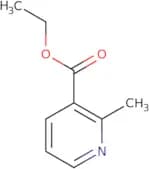
CAS:<p>Ethyl 2-methylnicotinate is a synthetic compound that has been used in the synthesis of other compounds. It is derived from nicotinic acid and ethyl alcohol, and its chemical formula is C9H11NO2. The compound is decarboxylated to give ethoxycarbonyl, which reacts with quinolizine to form an amide. Ethyl 2-Methylnicotinate can be synthesized by reacting hydrochloric acid with an amide, or it can be obtained from the reaction of acetaldehyde and amine. This process produces an n-oxide as a byproduct, which can then be converted into other products.</p>Formula:C9H11NO2Purity:Min. 95%Molecular weight:165.19 g/mol2,3-dimethylquinoline
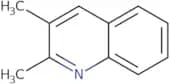
CAS:<p>2,3-dimethylquinoline is a molecule that is used in wastewater treatment. It can be synthesized from 2,3-dimethylaniline and hydrochloric acid. This compound has been shown to have a high affinity for amines and other functional groups, which makes it a good candidate for use in activated sludge systems. The redox potential of this molecule also allows it to oxidize glyoxal and naphthalene. The immobilized form of this compound is used as an adsorbent for the removal of particles from wastewater.</p>Formula:C11H11NPurity:Min. 95%Molecular weight:157.22 g/molCyclododecanol
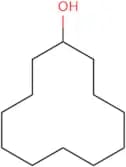
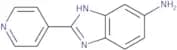
CAS:<p>Cyclododecanol is a non-polar solvent that has been used in pharmaceutical preparations. Cyclododecanol is produced by the reaction of cyclododecanone with dodecanedioic acid, fatty acids, and hydrogen fluoride. The hydroxyl group of cyclododecanol reacts with piperazine to form a solid catalyst. This reaction solution can then be separated into two layers using a section: the lower layer contains cyclohexane and the upper layer contains cyclododecanol. Cyclododecanol has a hydrophobic effect due to its lack of polar functional groups.<br>Molecular Weight: 150<br>Boiling Point: <br>Melting Point: -156°C<br>Solubility: Soluble (0.1 g/100 mL) in water<br>Flash Point: <br>Vapor Pressure: <br>Density: 0.988 g/mL at 25°C</p>Formula:C12H24OPurity:Min. 95%Molecular weight:184.32 g/mol2-(Pyridin-4-yl)-1H-1,3-benzodiazol-5-amine
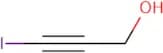
CAS:<p>Versatile small molecule scaffold</p>Formula:C12H10N4Purity:Min. 95%Molecular weight:210.23 g/mol3-Iodo-2-propynol
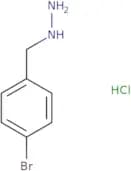
CAS:<p>3-Iodo-2-propynol is a microbicidal agent, which belongs to the group of phenyl substituted alkylthio compounds. It is active against acarids and reactive with metal ions and organic solvents. 3-Iodo-2-propynol has been shown to have a high microbicidal activity against microorganisms such as Escherichia coli, Pseudomonas aeruginosa, and Staphylococcus aureus. The chemical structure of 3-iodo-2-propynol can be described as a chlorinated derivative of 2-propenal.<br>3-Iodo-2-propynol is an ester hydrochloride with the molecular formula CHClNO that was synthesized in 1885 by A. Wurtz and C. Perkin. The chemical properties of this compound are similar to those of phenylethyl alcohol (PEA).</p>Formula:C3H3IOPurity:Min. 95%Molecular weight:181.96 g/mol4-bromobenzylhydrazine hcl
CAS:<p>Versatile small molecule scaffold</p>Formula:C7H10BrClN2Purity:Min. 95%Molecular weight:237.53 g/molrac-(1R,2S,4S)-7-Oxabicyclo[2.2.1]heptane-2-carbonitrile, endo
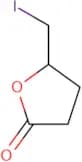
CAS:<p>Versatile small molecule scaffold</p>Formula:C7H9NOPurity:Min. 95%Molecular weight:123.15 g/mol5-(Iodomethyl)oxolan-2-one
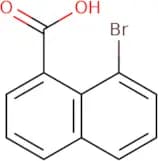
CAS:<p>Versatile small molecule scaffold</p>Formula:C5H7IO2Purity:Min. 95%Molecular weight:226.01 g/mol8-bromonaphthalene-1-carboxylic acid
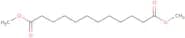
CAS:<p>8-Bromonaphthalene-1-carboxylic acid is an organic compound with the chemical formula C6H4BrO2. It is a white solid that is soluble in water, methanol, and ethanol. 8-Bromonaphthalene-1-carboxylic acid can be synthesized by hydrolysis of ethyl esters of naphthalene with alkali or sulphonation. The yields are usually low (25%). The product can also be made via the diazotization of naphthalenes in the presence of sodium azide to form naphthamide, which then reacts with bromine to form 8-bromonaphthalene-1-carboxylic acid. 8-Bromonaphthalene carboxylic acid has been used as a nucleophile in organic synthesis for conjugate addition reactions.</p>Formula:C11H7BrO2Purity:Min. 95%Molecular weight:251.1 g/molDimethyl Dodecanedioate
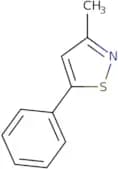
CAS:<p>Dimethyl Dodecanedioate is a chemical compound that belongs to the group of glycol esters. It is a solid catalyst for the production of nitrogen-containing organic compounds. Dimethyl Dodecanedioate can be used as a starting material in the synthesis of various chemical structures, such as fatty acids, which are important in the chemical and pharmaceutical industries. This product also has catalytic properties, which make it useful for hydrogenation and oxidation reactions.</p>Formula:C14H26O4Purity:Min. 95%Molecular weight:258.36 g/mol3-Methyl-5-phenyl-1,2-thiazole
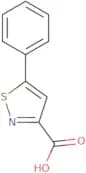
CAS:<p>3-Methyl-5-phenyl-1,2-thiazole is a heterocycle that is biologically active. It is an intramolecular nucleophilic addition to a carbonyl group. This reaction has been shown to be one of the most efficient methods for the synthesis of 5-substituted isothiazoles, which are bioactive substances with anticancer properties. The strategy of using 3-methyl-5-phenyl-1,2-thiazole as a substrate in cross coupling reactions has been used in cancer chemotherapy.</p>Formula:C10H9NSPurity:Min. 95%Molecular weight:175.25 g/mol5-Phenyl-1,2-thiazole-3-carboxylic acid
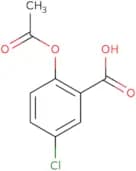
CAS:<p>Versatile small molecule scaffold</p>Formula:C10H7NO2SPurity:Min. 95%Molecular weight:205.23 g/mol2-(Acetyloxy)-5-chlorobenzoic acid
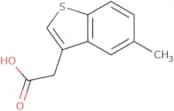
CAS:<p>2-(Acetyloxy)-5-chlorobenzoic acid is a potent apoptotic agent that is being investigated for its potential use in the treatment of cancer. It has been shown to inhibit tumor growth and increase survival in animal models and has been assessed in human clinical trials. 2-(Acetyloxy)-5-chlorobenzoic acid induces apoptosis by inhibiting DNA synthesis, protein synthesis, or both. It also inhibits the activity of caspases, enzymes that are involved in tumor cell death. This compound may be used to treat Alzheimer's disease because it inhibits tau phosphorylation, which is an important marker for Alzheimer's disease pathology.</p>Formula:C9H7ClO4Purity:Min. 95%Molecular weight:214.6 g/mol2-(5-Methyl-1-benzothiophen-3-yl)acetic acid
CAS:<p>Versatile small molecule scaffold</p>Formula:C11H10O2SPurity:Min. 95%Molecular weight:206.26 g/mol4-Methylbenzo[b]thiophene-2-carboxylic acid
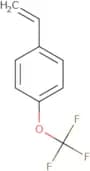
CAS:<p>Versatile small molecule scaffold</p>Formula:C10H8O2SPurity:Min. 95%Molecular weight:192.23 g/mol4-(Trifluoromethoxy)styrene
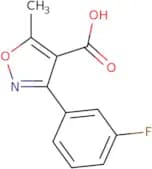
CAS:<p>Versatile small molecule scaffold</p>Formula:C9H7F3OPurity:Min. 95%Molecular weight:188.15 g/mol3-(3-Fluorophenyl)-5-methyl-1,2-oxazole-4-carboxylic acid
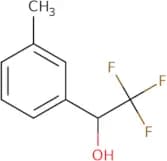
CAS:<p>Versatile small molecule scaffold</p>Formula:C11H8FNO3Purity:Min. 95%Molecular weight:221.18 g/mol2,2,2-Trifluoro-1-(3-methylphenyl)ethan-1-ol
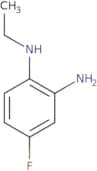
CAS:<p>Versatile small molecule scaffold</p>Formula:C9H9F3OPurity:Min. 95%Molecular weight:190.16 g/mol1-N-Ethyl-4-fluorobenzene-1,2-diamine
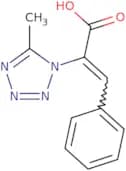
CAS:<p>Versatile small molecule scaffold</p>Formula:C8H11FN2Purity:Min. 95%Molecular weight:154.18 g/mol2-(5-Methyl-1H-1,2,3,4-tetrazol-1-yl)-3-phenylprop-2-enoic acid
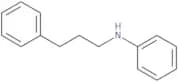
CAS:<p>Versatile small molecule scaffold</p>Formula:C11H10N4O2Purity:Min. 95%Molecular weight:230.22 g/molN-(3-Phenylpropyl)aniline
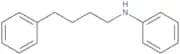
CAS:<p>Versatile small molecule scaffold</p>Formula:C15H17NPurity:Min. 95%Molecular weight:211.3 g/molN-(4-Phenylbutyl)aniline
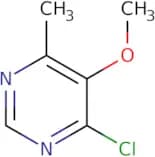
CAS:<p>Versatile small molecule scaffold</p>Formula:C16H19NPurity:Min. 95%Molecular weight:225.33 g/mol4-Chloro-5-methoxy-6-methylpyrimidine
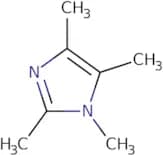
CAS:<p>Versatile small molecule scaffold</p>Formula:C6H7ClN2OPurity:Min. 95%Molecular weight:158.58 g/mol1,2,4,5-Tetramethylimidazole
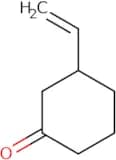
CAS:<p>1,2,4,5-Tetramethylimidazole is a synthetic organic compound that has been used to synthesize polymers. It is chemically stable in the presence of primary amines and other compounds that can form hydrogen bonds. 1,2,4,5-Tetramethylimidazole has been shown to be useful as a matrix polymer because it can undergo free radical polymerization with various functional groups. It can also react with anions such as nitrate or chloride ion to form ionic complexes. Thermally, 1,2,4,5-tetramethylimidazole decomposes into ammonia and methanol at temperatures above 200°C.</p>Formula:C7H12N2Purity:Min. 95%Molecular weight:124.19 g/mol3-Ethenylcyclohexan-1-one
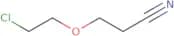
CAS:<p>3-Ethenylcyclohexan-1-one is a palladium-catalyzed, tricyclic cyclization of diphosphine and decarboxylation. It is stereoselective and has been used in the synthesis of chiral, asymmetric lactones. 3-Ethenylcyclohexan-1-one has also been used to synthesize analogs with allylic substitution. 3-Ethenylcyclohexan-1-one is catalytic and can be used for intramolecular carbonate formation.</p>Formula:C8H12OPurity:Min. 95%Molecular weight:124.18 g/mol3-(2-Chloroethoxy)propanenitrile
CAS:<p>Versatile small molecule scaffold</p>Formula:C5H8ClNOPurity:Min. 95%Molecular weight:133.57 g/mol2-[(Pyrimidin-2-yl)amino]ethan-1-ol
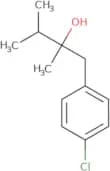
CAS:<p>Versatile small molecule scaffold</p>Formula:C6H9N3OPurity:Min. 95%Molecular weight:139.16 g/mol1-(4-Chlorophenyl)-2,3-dimethylbutan-2-ol
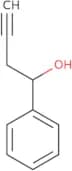
CAS:<p>Versatile small molecule scaffold</p>Formula:C12H17ClOPurity:Min. 95%Molecular weight:212.71 g/mol1-Phenylbut-3-yn-1-ol
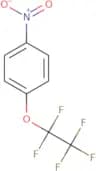
CAS:<p>1-Phenylbut-3-yn-1-ol is a monomer that belongs to the group of furyl compounds. It is one of the most important building blocks for organic chemistry. This compound has been used as a starting material in the synthesis of many other molecules, such as trisubstituted and asymmetric syntheses. The chloride ion can be substituted with other anions, such as dialkylamino or trisubstituted, to create different chemical structures. 1-Phenylbut-3-yn-1-ol can also be converted into biphenyl by adding phenoxy groups.</p>Formula:C10H10OPurity:Min. 95%Molecular weight:146.19 g/mol1-Nitro-4-(pentafluoroethoxy)benzene
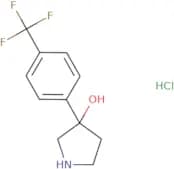
CAS:<p>Versatile small molecule scaffold</p>Formula:C8H4F5NO3Purity:Min. 95%Molecular weight:257.11 g/mol3-(3-(Trifluoromethyl)phenyl)pyrrolidin-3-ol hydrochloride
CAS:<p>Versatile small molecule scaffold</p>Formula:C11H13ClF3NOPurity:Min. 95%Molecular weight:267.67 g/mol

![2-Chloro-1-[3-(2-chloroacetyl)phenyl]ethan-1-one](/_next/image/?url=https%3A%2Fstatic.cymitquimica.com%2Fproducts%2F3D%2Fthumb-webp%2FBAA71316.webp&w=3840&q=75)

![rac-(1R,2S,4S)-7-Oxabicyclo[2.2.1]heptane-2-carbonitrile, endo](/_next/image/?url=https%3A%2Fstatic.cymitquimica.com%2Fproducts%2F3D%2Fthumb-webp%2FBAA72796.webp&w=3840&q=75)
![4-Methylbenzo[b]thiophene-2-carboxylic acid](/_next/image/?url=https%3A%2Fstatic.cymitquimica.com%2Fproducts%2F3D%2Fthumb-webp%2FBAA73513.webp&w=3840&q=75)
![2-[(Pyrimidin-2-yl)amino]ethan-1-ol](/_next/image/?url=https%3A%2Fstatic.cymitquimica.com%2Fproducts%2F3D%2Fthumb-webp%2FBAA74225.webp&w=3840&q=75)