


Building Blocks
This section contains fundamental products for the synthesis of organic and biological compounds. Building blocks are the essential starting materials used to construct complex molecules through various chemical reactions. They play a critical role in drug discovery, material science, and chemical research. At CymitQuimica, we offer a diverse range of high-quality building blocks to support your innovative research and industrial projects, ensuring you have the essential components for successful synthesis.
Subcategories of "Building Blocks"
- Boronic Acids & Boronic Acid Derivatives(5,756 products)
- Chiral Building Blocks(1,242 products)
- Hydrocarbon Building Blocks(6,095 products)
- Organic Building Blocks(61,038 products)
Found 196817 products of "Building Blocks"
Sort by
Purity (%)
0
100
|
0
|
50
|
90
|
95
|
100
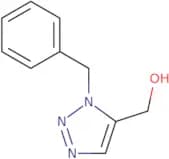
(1-Benzyl-1H-1,2,3-triazol-5-yl)methanol
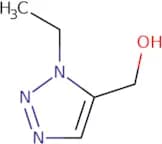
CAS:<p>Versatile small molecule scaffold</p>Formula:C10H11N3OPurity:Min. 95%Molecular weight:189.21 g/mol(1-Ethyl-1H-1,2,3-triazol-5-yl)methanol
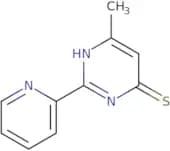
CAS:<p>Versatile small molecule scaffold</p>Formula:C5H9N3OPurity:Min. 95%Molecular weight:127.14 g/mol6-Methyl-2-pyridin-2-yl-pyrimidine-4-thiol
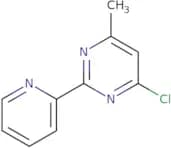
CAS:<p>Versatile small molecule scaffold</p>Formula:C10H9N3SPurity:Min. 95%Molecular weight:203.27 g/mol4-Chloro-6-methyl-2-(2-pyridinyl)pyrimidine
CAS:<p>4-Chloro-6-methyl-2-(2-pyridinyl)pyrimidine is a crossover high spin ligand, with a mononuclear low spin transition state. This ligand has been shown to bind to the Fe site of the enzyme cytochrome c oxidase by forming an interaction with the heme and the protein. This interaction results in a hysteretic, isomeric ligand that binds reversibly to the Fe site. 4-Chloro-6-methyl-2-(2-pyridinyl)pyrimidine has been found to be autocatalytic in some cases, but this effect can be overcome by using a higher concentration of ligand.</p>Formula:C10H8ClN3Purity:Min. 95%Molecular weight:205.65 g/molMethyl 2-(phenylamino)butanoate
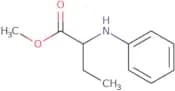
CAS:<p>Versatile small molecule scaffold</p>Formula:C11H15NO2Purity:Min. 95%Molecular weight:193.24 g/mol4-(tert-Butoxy)butanoic acid
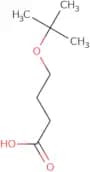
CAS:Controlled Product<p>Versatile small molecule scaffold</p>Formula:C8H16O3Purity:Min. 95%Molecular weight:160.21 g/mol4-Bromo-2,6-dimethylphenyl isocyanate
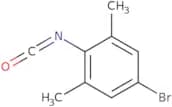
CAS:<p>Versatile small molecule scaffold</p>Formula:C9H8BrNOPurity:Min. 95%Molecular weight:226.07 g/molEthyl 4-hydroxy-8-methylquinoline-3-carboxylate
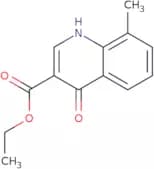
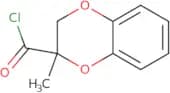
CAS:<p>Versatile small molecule scaffold</p>Formula:C13H13NO3Purity:Min. 95%Molecular weight:231.25 g/mol2-Methyl-2,3-dihydro-1,4-benzodioxine-2-carbonyl chloride
CAS:<p>Versatile small molecule scaffold</p>Formula:C10H9ClO3Purity:Min. 95%Molecular weight:212.63 g/mol2-[(2-Nitrothiophen-3-yl)sulfanyl]acetic acid
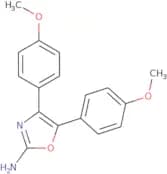
CAS:<p>Versatile small molecule scaffold</p>Formula:C6H5NO4S2Purity:Min. 95%Molecular weight:219.2 g/molBis(4-methoxyphenyl)-1,3-oxazol-2-amine
CAS:<p>Versatile small molecule scaffold</p>Formula:C17H16N2O3Purity:Min. 95%Molecular weight:296.32 g/mol2-[(3-Aminophenyl)methyl]-2,3-dihydro-1H-isoindole-1,3-dione
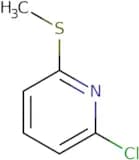
CAS:<p>Versatile small molecule scaffold</p>Formula:C15H12N2O2Purity:Min. 95%Molecular weight:252.27 g/mol2-Chloro-6-(methylsulfanyl)pyridine
CAS:<p>2-Chloro-6-(methylsulfanyl)pyridine is an aromatic heterocyclic compound that contains a benzyl group and a pyridine ring. It has been used to synthesize 2,6-dichloropyrimidine nucleosides for the preparation of cytostatic drugs. This chemical compound has been shown to react with nucleophiles, such as hydroxide ion, through nucleophilic substitution reactions. This reaction is efficient and selective because the sulfinyl group can be removed by acid hydrolysis or hydrogenolysis and replaced with other functional groups. The pyridine ring is also unselective in these reactions because it can be reduced by lithium aluminum hydride to produce the corresponding amine.</p>Formula:C6H6ClNSPurity:Min. 95%Molecular weight:159.64 g/mol3,5-Dibromo-2-methoxythiophene
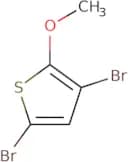
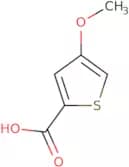
CAS:<p>Versatile small molecule scaffold</p>Formula:C5H4Br2OSPurity:Min. 95%Molecular weight:271.96 g/mol4-Methoxythiophene-2-carboxylic acid
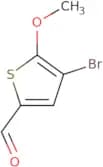
CAS:<p>Versatile small molecule scaffold</p>Formula:C6H6O3SPurity:Min. 95%Molecular weight:158.18 g/mol4-Bromo-5-methoxythiophene-2-carbaldehyde
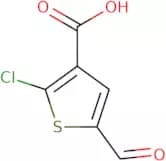
CAS:<p>Versatile small molecule scaffold</p>Formula:C6H5BrO2SPurity:Min. 95%Molecular weight:221.07 g/mol2-Chloro-5-formylthiophene-3-carboxylic acid
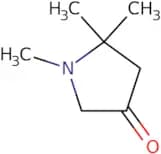
CAS:<p>Versatile small molecule scaffold</p>Formula:C6H3ClO3SPurity:Min. 95%Molecular weight:190.6 g/mol1,5,5-Trimethylpyrrolidin-3-one
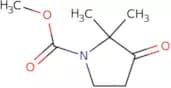
CAS:<p>Versatile small molecule scaffold</p>Formula:C7H13NOPurity:Min. 95%Molecular weight:127.18 g/molMethyl 2,2-dimethyl-3-oxopyrrolidine-1-carboxylate
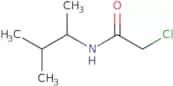
CAS:<p>Versatile small molecule scaffold</p>Formula:C8H13NO3Purity:Min. 95%Molecular weight:171.19 g/mol2-Chloro-N-(3-methylbutan-2-yl)acetamide
CAS:<p>Versatile small molecule scaffold</p>Formula:C7H14ClNOPurity:Min. 95%Molecular weight:163.64 g/mol4-[(4-Nitrophenyl)methyl]piperidine
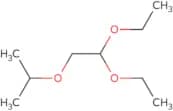
CAS:<p>Versatile small molecule scaffold</p>Formula:C12H16N2O2Purity:Min. 95%Molecular weight:220.27 g/mol2-(2,2-Diethoxyethoxy)propane
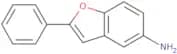
CAS:<p>Versatile small molecule scaffold</p>Formula:C9H20O3Purity:Min. 95%Molecular weight:176.25 g/mol2-Phenyl-1-benzofuran-5-amine
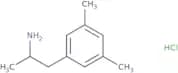
CAS:<p>Versatile small molecule scaffold</p>Formula:C14H11NOPurity:Min. 95%Molecular weight:209.25 g/mol1-(3,5-Dimethylphenyl)propan-2-amine hydrochloride
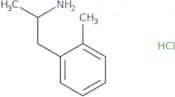
CAS:Controlled Product<p>Versatile small molecule scaffold</p>Formula:C11H18ClNPurity:Min. 95%Molecular weight:199.72 g/mol1-(2-Methylphenyl)propan-2-amine hydrochloride
CAS:Controlled Product<p>Versatile small molecule scaffold</p>Formula:C10H16ClNPurity:Min. 95%Molecular weight:185.69 g/mol2-Phenylthiomorpholine
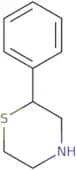
CAS:<p>2-Phenylthiomorpholine is a drug that is used as an antiarrhythmic agent. This drug has been shown to be effective in the treatment of arrhythmias and can be used to decrease the frequency of ventricular tachycardia, ventricular fibrillation, and atrial fibrillation. 2-Phenylthiomorpholine inhibits the activity of cysteamine, which is an amino acid that plays a major role in the regulation of blood pressure. It also has anti-inflammatory properties due to its ability to inhibit prostaglandin synthesis, as well as analgesic effects due to its activity on ligand-gated ion channels.</p>Formula:C10H13NSPurity:Min. 95%Molecular weight:179.28 g/molMethyl 2-hydroxy-2-(3-methylphenyl)acetate
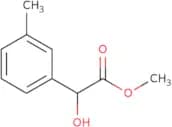
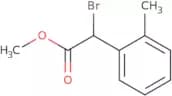
CAS:<p>Versatile small molecule scaffold</p>Formula:C10H12O3Purity:Min. 95%Molecular weight:180.2 g/molMethyl 2-bromo-2-(2-methylphenyl)acetate
CAS:<p>Versatile small molecule scaffold</p>Formula:C10H11BrO2Purity:Min. 95%Molecular weight:243.1 g/molMethyl 2-bromo-2-[4-(trifluoromethyl)phenyl]acetate
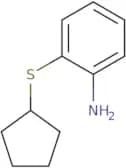
CAS:<p>Versatile small molecule scaffold</p>Formula:C10H8BrF3O2Purity:Min. 95%Molecular weight:297.07 g/mol2-(Cyclopentylsulfanyl)aniline
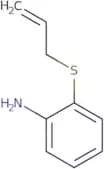
CAS:<p>Versatile small molecule scaffold</p>Formula:C11H15NSPurity:Min. 95%Molecular weight:193.31 g/mol2-(Prop-2-en-1-ylsulfanyl)aniline
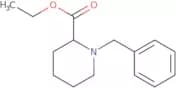
CAS:<p>Versatile small molecule scaffold</p>Formula:C9H11NSPurity:Min. 95%Molecular weight:165.26 g/molEthyl 1-benzylpiperidine-2-carboxylate
CAS:<p>Ethyl 1-benzylpiperidine-2-carboxylate is an organic compound that belongs to the class of benzhydryl compounds. It is a colorless liquid at room temperature and has a boiling point of 60°C. Ethyl 1-benzylpiperidine-2-carboxylate can be synthesized by reacting methanol with piperidine in the presence of aluminum chloride and sodium borohydride in a catalytic amount. The nitrogen atom in this compound is a chiral center, which means it cannot exist as two enantiomers. This product also reacts with chloride to form ethylmagnesium chloride, which is used for the production of aminoalcohols.</p>Formula:C15H21NO2Purity:Min. 95%Molecular weight:247.33 g/molEthyl pipecolinate hydrochloride
CAS:<p>Ethyl pipecolinate hydrochloride (EPH) is a stereoselective compound that inhibits aminopyrine N-demethylase and acetylcholinesterase. It has been shown to be effective in treating Alzheimer's disease and environmental pollution, as well as the inhibition of ovary cells. EPH is an alkynylated analog of pipecolic acid. This molecule contains a chiral center at the carbon atom adjacent to the amine group. The two possible enantiomers are called ethyl pipecolinate (EP) and ethyl diazoacetate (ED). EP is a more potent inhibitor of aminopyrine N-demethylase than ED, which inhibits acetylcholinesterase more effectively. The two compounds have been shown to be useful in the diagnosis of Parkinsonism and Alzheimer's disease by measuring their ability to inhibit acetylcholinesterase activity in vitro. Ethyl pipecolinate hydro</p>Formula:C8H15NO2·HClPurity:Min. 95%Molecular weight:193.67 g/mol2-Amino-4-phenyl-6-(pyrrolidin-1-yl)pyridine-3,5-dicarbonitrile
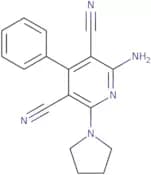
CAS:<p>Versatile small molecule scaffold</p>Formula:C17H15N5Purity:Min. 95%Molecular weight:289.33 g/mol2-Chloro-4-phenyl-1,3,5-triazine
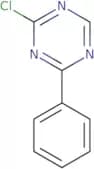
CAS:<p>Versatile small molecule scaffold</p>Formula:C9H6ClN3Purity:Min. 95%Molecular weight:191.62 g/mol3-Methyl-2-(3-phenylpropanamido)butanoic acid
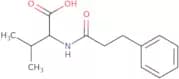
CAS:<p>Versatile small molecule scaffold</p>Formula:C14H19NO3Purity:Min. 95%Molecular weight:249.3 g/mol5-Bromo-1H-pyrrole-3-carboxamide
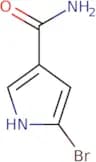
CAS:<p>Versatile small molecule scaffold</p>Formula:C5H5BrN2OPurity:Min. 95%Molecular weight:189.01 g/mol4-(1H-Imidazol-2-ylsulfanyl)-1H-pyrazole
CAS:<p>Versatile small molecule scaffold</p>Formula:C6H6N4SPurity:Min. 95%Molecular weight:166.2 g/molrac-tert-Butyl (1R,5S,6R)-6-(methylamino)-3-azabicyclo[3.1.0]hexane-3-carboxylate
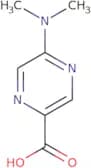
CAS:<p>Versatile small molecule scaffold</p>Formula:C11H20N2O2Purity:Min. 95%Molecular weight:212.3 g/mol5-(Dimethylamino)pyrazine-2-carboxylic acid
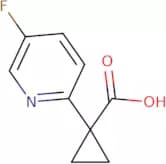
CAS:<p>Versatile small molecule scaffold</p>Formula:C7H9N3O2Purity:Min. 95%Molecular weight:167.17 g/mol1-(5-Fluoropyridin-2-yl)cyclopropanecarboxylic acid
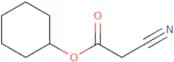
CAS:<p>Versatile small molecule scaffold</p>Formula:C9H8FNO2Purity:Min. 95%Molecular weight:181.16 g/molCyclohexyl cyanoacetate
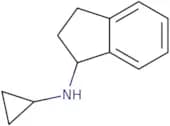
CAS:<p>Cyclohexyl cyanoacetate is an amide derivative and a pyrimidine derivative. It is used in pharmaceutical formulations as an intermediate for the synthesis of pyrazoles, which are used in the treatment of hyperproliferative disorders. Cyclohexyl cyanoacetate inhibits bacterial growth by inhibiting protein synthesis, as it binds to ribosomes and blocks the binding site for amino acids. Cyclohexyl cyanoacetate also has antifungal properties and is an acid catalyst.</p>Formula:C9H13NO2Purity:Min. 95%Molecular weight:167.21 g/molN-Cyclopropyl-2,3-dihydro-1H-inden-1-amine
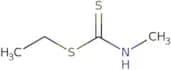
CAS:Controlled Product<p>Versatile small molecule scaffold</p>Formula:C12H15NPurity:Min. 95%Molecular weight:173.25 g/molN-Methyl(ethylsulfanyl)carbothioamide
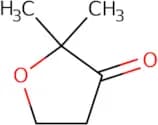
CAS:<p>Versatile small molecule scaffold</p>Formula:C4H9NS2Purity:Min. 95%Molecular weight:135.3 g/mol2,2-Dimethyloxolan-3-one
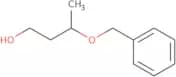
CAS:<p>Versatile small molecule scaffold</p>Formula:C6H10O2Purity:Min. 95%Molecular weight:114.14 g/mol3-(Benzyloxy)butan-1-ol
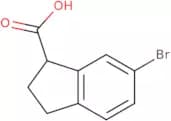
CAS:<p>3-(Benzyloxy)butan-1-ol is a hydrazone compound that has been shown to have neuroprotective properties. It is an active compound that has been shown to inhibit the transport of glutamate into the cerebral cortex, and may be useful in the treatment of cerebral ischemia. 3-(Benzyloxy)butan-1-ol also binds to pharmacophores that are involved in the transport of carbamazepine, which may explain its ability to reduce neurotoxicity and increase the efficacy of carbamazepine. 3-(Benzyloxy)butan-1-ol is synthesized by reacting benzaldehyde with 2-hydroxybutanoic acid, giving a mixture of diastereomers. The diastereomers are separated by chromatography and then reduced with lithium aluminum hydride to give 3-(benzyloxy)butan-1-ol. The synthesis of this compound involves a number of steps that are not easily accomplished on</p>Formula:C11H16O2Purity:Min. 95%Molecular weight:180.24 g/mol6-Bromo-2,3-dihydro-1H-indene-1-carboxylic acid
CAS:<p>6-Bromo-2,3-dihydro-1H-indene-1-carboxylic acid is a synthetic drug that has anti-inflammatory properties. It is an acid derivative with analgesic and anticoagulant properties. It also has potential analgesic effects, since it inhibits the production of prostaglandins at sites of inflammation. 6Bromo-2,3-dihydro-1H-indene carboxylic acid also has biological activity against bacteria. Sulindac is a nonsteroidal antiinflammatory drug that was originally derived from this compound. 6Bromo-2,3-dihydro-1H indene carboxylic acid binds to DNA and inhibits transcription and translation by competitively inhibiting RNA polymerase and other DNA polymerases from binding to their respective DNA sequences. This drug is also found in the seeds of Anaphalis margaritacea L., which are</p>Formula:C10H9BrO2Purity:Min. 95%Molecular weight:241.08 g/mol1-Bromo-6-methylheptane
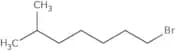
CAS:<p>Versatile small molecule scaffold</p>Formula:C8H17BrPurity:Min. 95%Molecular weight:193.12 g/mol2-Phenylpyrimidine-4,6-diamine
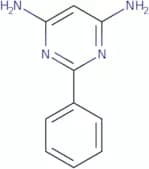
CAS:<p>Versatile small molecule scaffold</p>Formula:C10H10N4Purity:Min. 95%Molecular weight:186.21 g/mol(2S)-2-({[2-(4-Methoxyphenyl)ethyl]carbamoyl}amino)-3-methylbutanoic acid
CAS:<p>Versatile small molecule scaffold</p>Formula:C15H22N2O4Purity:Min. 95%Molecular weight:294.35 g/mol

![2-[(2-Nitrothiophen-3-yl)sulfanyl]acetic acid](/_next/image/?url=https%3A%2Fstatic.cymitquimica.com%2Fproducts%2F3D%2Fthumb-webp%2FCDA15159.webp&w=3840&q=75)
![2-[(3-Aminophenyl)methyl]-2,3-dihydro-1H-isoindole-1,3-dione](/_next/image/?url=https%3A%2Fstatic.cymitquimica.com%2Fproducts%2F3D%2Fthumb-webp%2FCDA14714.webp&w=3840&q=75)
![4-[(4-Nitrophenyl)methyl]piperidine](/_next/image/?url=https%3A%2Fstatic.cymitquimica.com%2Fproducts%2F3D%2Fthumb-webp%2FCDA09381.webp&w=3840&q=75)
![Methyl 2-bromo-2-[4-(trifluoromethyl)phenyl]acetate](/_next/image/?url=https%3A%2Fstatic.cymitquimica.com%2Fproducts%2F3D%2Fthumb-webp%2FCDA05353.webp&w=3840&q=75)

![rac-tert-Butyl (1R,5S,6R)-6-(methylamino)-3-azabicyclo[3.1.0]hexane-3-carboxylate](/_next/image/?url=https%3A%2Fstatic.cymitquimica.com%2Fproducts%2F3D%2Fthumb-webp%2FCCD86438.webp&w=3840&q=75)
![(2S)-2-({[2-(4-Methoxyphenyl)ethyl]carbamoyl}amino)-3-methylbutanoic acid](/_next/image/?url=https%3A%2Fstatic.cymitquimica.com%2Fproducts%2F3D%2Fthumb-webp%2FCCA63465.webp&w=3840&q=75)