Building Blocks
This section contains fundamental products for the synthesis of organic and biological compounds. Building blocks are the essential starting materials used to construct complex molecules through various chemical reactions. They play a critical role in drug discovery, material science, and chemical research. At CymitQuimica, we offer a diverse range of high-quality building blocks to support your innovative research and industrial projects, ensuring you have the essential components for successful synthesis.
Subcategories of "Building Blocks"
- Boronic Acids & Boronic Acid Derivatives(5,756 products)
- Chiral Building Blocks(1,242 products)
- Hydrocarbon Building Blocks(6,095 products)
- Organic Building Blocks(61,038 products)
Found 196817 products of "Building Blocks"
Sort by
Purity (%)
0
100
|
0
|
50
|
90
|
95
|
100
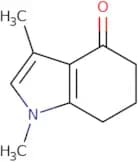
1,3-Dimethyl-4,5,6,7-tetrahydro-1H-indol-4-one
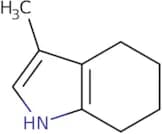
CAS:<p>Versatile small molecule scaffold</p>Formula:C10H13NOPurity:Min. 95%Molecular weight:163.22 g/mol3-Methyl-4,5,6,7-tetrahydro-1H-indole
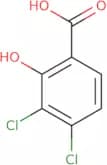
CAS:<p>Versatile small molecule scaffold</p>Formula:C9H13NPurity:Min. 95%Molecular weight:135.2 g/mol3,4-Dichloro-2-hydroxybenzoic acid
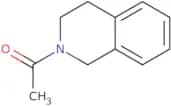
CAS:<p>3,4-Dichloro-2-hydroxybenzoic acid is a byproduct of the chlorination of carbon tetrachloride and 2,6-dichlorobenzoic acid. It can be used as an intermediate in the production of polyphosphoric acid. 3,4-Dichloro-2-hydroxybenzoic acid has been shown to have high yields and processability for use in polymer manufacturing. This active substance has also been shown to exhibit antibiotic activity against Staphylococcus aureus, which may be due to its ability to inhibit protein synthesis.</p>Formula:C7H4Cl2O3Purity:Min. 95%Molecular weight:207.01 g/mol1-(1,2,3,4-Tetrahydroisoquinolin-2-yl)ethan-1-one
CAS:<p>Versatile small molecule scaffold</p>Formula:C11H13NOPurity:Min. 95%Molecular weight:175.23 g/mol[(4-Amino-3,5-dimethylphenyl)sulfanyl]formonitrile
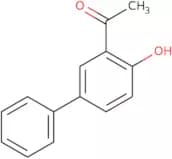
CAS:<p>Versatile small molecule scaffold</p>Formula:C9H10N2SPurity:Min. 95%Molecular weight:178.26 g/mol1-(2-Hydroxy-5-phenylphenyl)ethan-1-one
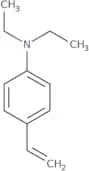
CAS:<p>Versatile small molecule scaffold</p>Formula:C14H12O2Purity:Min. 95%Molecular weight:212.24 g/mol4-Ethenyl-N,N-diethylaniline
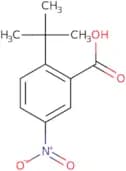
CAS:<p>Versatile small molecule scaffold</p>Formula:C12H17NPurity:Min. 95%Molecular weight:175.27 g/mol2-tert-Butyl-5-nitrobenzoic acid
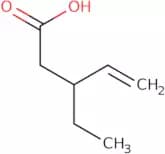
CAS:<p>Versatile small molecule scaffold</p>Formula:C11H13NO4Purity:Min. 95%Molecular weight:223.22 g/mol3-Ethylpent-4-enoic acid
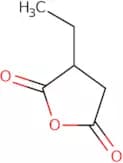
CAS:<p>Versatile small molecule scaffold</p>Formula:C7H12O2Purity:Min. 95%Molecular weight:128.17 g/mol3-Ethyloxolane-2,5-dione
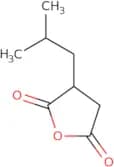
CAS:<p>3-Ethyloxolane-2,5-dione is a polymerization initiator that is used in the production of polymers and sealants. Its main application is for the production of polycarboxylic acid ester resins, which are monosubstituted with an ethyloxolane group. 3-Ethyloxolane-2,5-dione reacts with aluminium chloride to form a hydrochloric acid salt. This polymerization initiator also reacts with hydrogen chloride to form a monomer that is soluble in organic solvents. It has been shown to be biodegradable and not toxic to humans or animals at low doses.</p>Formula:C6H8O3Purity:Min. 95%Molecular weight:128.13 g/mol3-(2-Methylpropyl)oxolane-2,5-dione
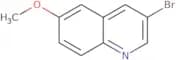
CAS:<p>3-(2-Methylpropyl)oxolane-2,5-dione is a synthetic drug that inhibits bone resorption and is used as an anti-inflammatory agent. It has been shown to have a synergistic effect with calcium carbonate in the prevention of restenosis. 3-(2-Methylpropyl)oxolane-2,5-dione also inhibits gelatinase activity and has been shown to be effective against cancer cells.</p>Formula:C8H12O3Purity:Min. 95%Molecular weight:156.18 g/mol3-Bromo-6-methoxyquinoline
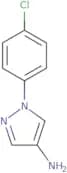
CAS:<p>Versatile small molecule scaffold</p>Formula:C10H8BrNOPurity:Min. 95%Molecular weight:238.08 g/mol1-(4-Chlorophenyl)-1H-pyrazol-4-amine
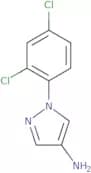
CAS:<p>Versatile small molecule scaffold</p>Formula:C9H8ClN3Purity:Min. 95%Molecular weight:193.63 g/mol1-(2,4-Dichlorophenyl)-1H-pyrazol-4-amine
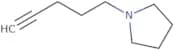
CAS:<p>Versatile small molecule scaffold</p>Formula:C9H7Cl2N3Purity:Min. 95%Molecular weight:228.07 g/mol1-(Pent-4-yn-1-yl)pyrrolidine
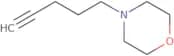
CAS:<p>Versatile small molecule scaffold</p>Formula:C9H15NPurity:Min. 95%Molecular weight:137.22 g/mol4-(Pent-4-yn-1-yl)morpholine
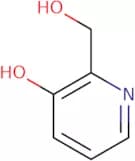
CAS:<p>Versatile small molecule scaffold</p>Formula:C9H15NOPurity:Min. 95%Molecular weight:153.22 g/mol2-(Hydroxymethyl)pyridin-3-ol
CAS:<p>2-(Hydroxymethyl)pyridin-3-ol is a pyridine derivative that has been shown to be an acetylcholinesterase inhibitor. It is used to treat tuberculosis and other bacterial infections. 2-(Hydroxymethyl)pyridin-3-ol binds to the active site of acetylcholinesterase, which leads to the inhibition of its activity. This drug also inhibits uptake of pyridines into cells, as well as uptake into mitochondria. In addition, it inhibits uptake of drugs by lung tissues and erythrocytes.</p>Formula:C6H7NO2Purity:Min. 95%Molecular weight:125.13 g/mol1-(4-Chlorophenyl)-5-methyl-2,3-dihydro-1H-imidazol-2-one
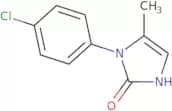
CAS:<p>Versatile small molecule scaffold</p>Formula:C10H9ClN2OPurity:Min. 95%Molecular weight:208.64 g/mol1-(2-Chlorophenyl)-5-methyl-2,3-dihydro-1H-imidazol-2-one
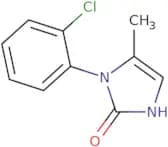
CAS:<p>Versatile small molecule scaffold</p>Formula:C10H9ClN2OPurity:Min. 95%Molecular weight:208.64 g/mol5-Methyl-1-(4-methylphenyl)-2,3-dihydro-1H-imidazol-2-one
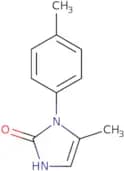
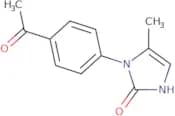
CAS:<p>Versatile small molecule scaffold</p>Formula:C11H12N2OPurity:Min. 95%Molecular weight:188.23 g/mol1-(4-Acetylphenyl)-5-methyl-2,3-dihydro-1H-imidazol-2-one
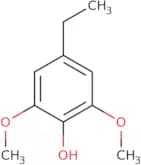
CAS:<p>Versatile small molecule scaffold</p>Formula:C12H12N2O2Purity:Min. 95%Molecular weight:216.24 g/mol4-Ethyl-2,6-dimethoxyphenol
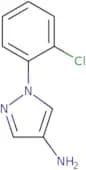
CAS:<p>4-Ethyl-2,6-dimethoxyphenol is a monomer that belongs to the group of phenols. It is used as a catalyst in the production of polyurethane foam and other catalytic processes. The molecular weight is 176.4 g/mol, with a melting point of 36°C and boiling point of 285°C. 4-Ethyl-2,6-dimethoxyphenol is also used in treatments for low molecular weight organic compounds such as methanol, phenolic, and hydrogenolysis. This monomer has been shown to be an effective catalyst for the industrial production of polyurethane foam and various other catalytic processes. The yield from 4-Ethyl-2,6-dimethoxyphenol ranges from 60% to 90%.</p>Formula:C10H14O3Purity:Min. 95%Molecular weight:182.22 g/mol1-(2-Chlorophenyl)-1H-pyrazol-4-amine
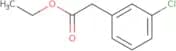
CAS:<p>Versatile small molecule scaffold</p>Formula:C9H8ClN3Purity:Min. 95%Molecular weight:193.63 g/molEthyl 2-(3-chlorophenyl)acetate
CAS:<p>Ethyl 2-(3-chlorophenyl)acetate is an orally active small molecule that has been shown to have a potent immunosuppressive activity in mice. It inhibits the production of antibodies and T cells by binding to the antibody-producing cells in the spleen. Ethyl 2-(3-chlorophenyl)acetate also blocks the production of interleukin-4, which is important for eosinophil activation, and it can be used for asthma treatment. This compound is a competitive antagonist of histamine H1 receptors and has been shown to be a bronchodilator in murine models of asthma.</p>Formula:C10H11ClO2Purity:Min. 95%Molecular weight:198.65 g/mol2-Chloro-N-(2-methylpropyl)-N-(propan-2-yl)acetamide
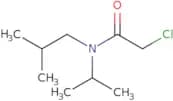
CAS:<p>Versatile small molecule scaffold</p>Formula:C9H18ClNOPurity:Min. 95%Molecular weight:191.7 g/mol2-Phenyl-2H-1,2,3-triazol-4-amine
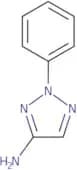
CAS:<p>Versatile small molecule scaffold</p>Formula:C8H8N4Purity:Min. 95%Molecular weight:160.18 g/mol1-(4-Methoxyphenyl)pyrrolidin-3-ol
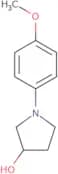
CAS:<p>Versatile small molecule scaffold</p>Formula:C11H15NO2Purity:Min. 95%Molecular weight:193.24 g/mol1-Butyl-6-hydroxy-4-methyl-2-oxo-1,2-dihydropyridine-3-carbonitrile
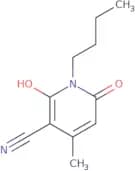
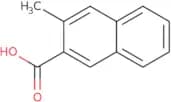
CAS:<p>Versatile small molecule scaffold</p>Formula:C11H14N2O2Purity:Min. 95%Molecular weight:206.24 g/mol3-Methylnaphthalene-2-carboxylic acid
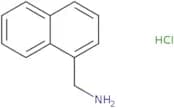
CAS:<p>3-Methylnaphthalene-2-carboxylic acid is a dicarboxylic acid that can be found in the environment. It has been isolated from Australian soil samples and is produced by some bacterial strains. 3-Methylnaphthalene-2-carboxylic acid has antimicrobial activity, which may be due to its ability to inhibit microbial growth by inhibiting protein synthesis.</p>Formula:C12H10O2Purity:Min. 95%Molecular weight:186.21 g/mol1-(Aminomethyl)naphthalene Hydrochloride
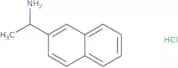
CAS:<p>1-(Aminomethyl)naphthalene hydrochloride (1-AMN) is an organocatalytic oxidant that is used to oxidize quaternary ammonium salts and quinazolinones. 1-AMN is a white crystalline solid that can be stored at room temperature. It has been shown to have the ability to react with anisidine, amines, and alcohols to produce aniline, nitrosobenzene, and hydroxylamine, respectively. This product also has a functional group which is capable of reacting with chlorides or diazonium ions. The use of this product in biochemistry has been shown in the immobilization of biomolecules such as DNA and RNA.</p>Formula:C11H12ClNPurity:Min. 95%Molecular weight:193.67 g/mol1-(Naphthalen-2-yl)ethanamine hydrochloride
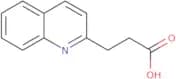
CAS:<p>Versatile small molecule scaffold</p>Formula:C12H14ClNPurity:Min. 95%Molecular weight:207.7 g/mol3-(Quinolin-2-yl)propanoic acid
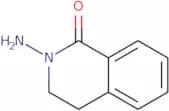
CAS:<p>3-(Quinolin-2-yl)propanoic acid is a quinoline derivative that is used to treat inflammatory diseases. It is thought to have an anti-inflammatory effect by inhibiting the production of the fatty acid arachidonic acid, which is then converted into prostaglandins and leukotrienes. 3-(Quinolin-2-yl)propanoic acid inhibits cellular signaling by binding to specific protein receptors. This drug binds to the fatty acids in cell membranes, which leads to the inhibition of cellular growth factor signal transduction and signal detection. Research has shown that 3-(quinolin-2-yl)propanoic acid has a toxic effect on humans, as well as other animals, including rats and mice. The animal studies showed that this drug inhibited the growth of cancer cells in human colon tumors.</p>Formula:C12H11NO2Purity:Min. 95%Molecular weight:201.22 g/mol2-Amino-1,2,3,4-tetrahydroisoquinolin-1-one
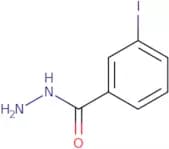
CAS:<p>Versatile small molecule scaffold</p>Formula:C9H10N2OPurity:Min. 95%Molecular weight:162.19 g/mol3-Iodobenzhydrazide
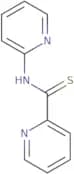
CAS:<p>Versatile small molecule scaffold</p>Formula:C7H7IN2OPurity:Min. 95%Molecular weight:262.05 g/molNSC 185058
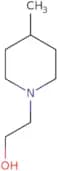
CAS:<p>NSC 185058 is a potential cancer therapy that inhibits protein synthesis in the cell. It prevents cells from growing and dividing by inhibiting their ability to synthesize proteins. NSC 185058 also induces apoptotic cell death, which is programmed cell death that occurs as a result of genetic or environmental stress. When cells undergo apoptosis, they are able to destroy themselves without releasing harmful substances into the surrounding area. NSC 185058 has been shown to induce autophagy and autophagy-related proteins in animal models. Autophagy is a process by which cells break down dysfunctional components to recycle nutrients and energy for future use. NSC 185058 has also been shown to inhibit tumor growth in mice with malignant brain tumors when used in combination with other therapies such as radiation and chemotherapy.</p>Formula:C11H9N3SPurity:Min. 95%Molecular weight:215.27 g/mol2-(4-Methylpiperidin-1-yl)ethan-1-ol
CAS:<p>Versatile small molecule scaffold</p>Formula:C8H17NOPurity:Min. 95%Molecular weight:143.23 g/mol8-Thia-1,3-diazaspiro[4.5]decane-2,4-dione
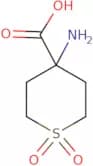
CAS:<p>Versatile small molecule scaffold</p>Formula:C7H10N2O2SPurity:Min. 95%Molecular weight:186.23 g/mol4-Aminotetrahydro-2H-thiopyran-4-carboxylic acid 1,1-dioxide
CAS:<p>Versatile small molecule scaffold</p>Formula:C6H11NO4SPurity:Min. 95%Molecular weight:193.22 g/mol2-[(1,3-Diethoxy-1,3-dioxopropan-2-yl)amino]benzoic acid
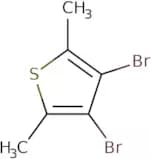
CAS:<p>Versatile small molecule scaffold</p>Formula:C14H17NO6Purity:Min. 95%Molecular weight:295.29 g/mol3,4-dibromo-2,5-dimethylthiophene
CAS:<p>3,4-Dibromo-2,5-dimethylthiophene is a diphosphinoethane that has been used as a catalyst for the thermal and photochemical activation of methyl groups. It has been shown to have a high reactivity with hexane and form fluorescent polymer films. 3,4-Dibromo-2,5-dimethylthiophene is structurally similar to other diphosphinoethanes that are used in phosphine devices and polymer films. The crystal structure of 3,4-dibromo-2,5-dimethylthiophene has been determined using X-ray crystallography. In this study it was found that the molecule can exist in two different structural isomers.</p>Formula:C6H6Br2SPurity:Min. 95%Molecular weight:270 g/mol1-{Thieno[3,2-b]thiophen-2-yl}ethan-1-one
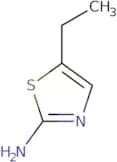
CAS:<p>Versatile small molecule scaffold</p>Formula:C8H6OS2Purity:Min. 95%Molecular weight:182.3 g/mol5-Ethylthiazol-2-amine
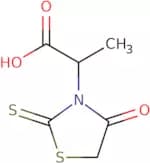
CAS:<p>5-Ethylthiazol-2-amine is a chemical that yields, on hydrolysis, a mixture of 5-ethylthiazole and 2-aminoethanol. It can be prepared by the reaction of ethyl mercaptan with carbon tetrachloride in the presence of potassium hydroxide. The spectral data for this compound are given in Table 1. The reaction time for this synthesis is about 25 minutes and it is operational at temperatures from 0 to 100°C. This compound reacts with tetracycline, an antibiotic, to yield a yellow solid. It also reacts with solvents such as acetonitrile and amines to give a white precipitate.</p>Formula:C5H8N2SPurity:Min. 95%Molecular weight:128.2 g/mol3-(1-Carboxyethyl)thiazolidine-4-one-2-thione
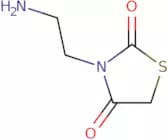
CAS:<p>Versatile small molecule scaffold</p>Formula:C6H7NO3S2Purity:Min. 95%Molecular weight:205.26 g/mol3-(2-Aminoethyl)-1,3-thiazolidine-2,4-dione
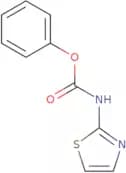
CAS:<p>Versatile small molecule scaffold</p>Formula:C5H8N2O2SPurity:Min. 95%Molecular weight:160.2 g/molPhenyl N-(1,3-thiazol-2-yl)carbamate
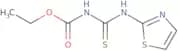
CAS:<p>Phenyl N-(1,3-thiazol-2-yl)carbamate is a crystal structure stabilizer. It is an oriented, two-dimensional molecule that contains two phenyl rings (-C6H5) connected to each other by a single bond and one thiazole ring (-N=C=S). The orientation of the molecule in space is stabilized by a dihedral angle of 60° between the two phenyl rings. This orientation causes the phenyl rings to point in opposite directions and prevents them from rotating around their axis.</p>Formula:C10H8N2O2SPurity:Min. 95%Molecular weight:220.25 g/molEthyl (1,3-thiazol-2-ylcarbamothioyl)carbamate
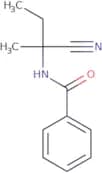
CAS:<p>Versatile small molecule scaffold</p>Formula:C7H9N3O2S2Purity:Min. 95%Molecular weight:231.3 g/molN-(1-Cyano-1-methylpropyl)benzamide
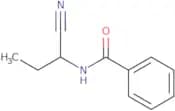
CAS:<p>Versatile small molecule scaffold</p>Formula:C12H14N2OPurity:Min. 95%Molecular weight:202.25 g/molN-(1-Cyanopropyl)benzamide
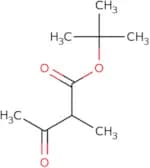
CAS:<p>Versatile small molecule scaffold</p>Formula:C11H12N2OPurity:Min. 95%Molecular weight:188.23 g/moltert-Butyl 2-methyl-3-oxobutanoate
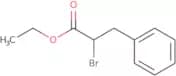
CAS:<p>tert-Butyl 2-methyl-3-oxobutanoate is a metabolite of tert-butyl acetate, which is an organic compound that has been used for the production of synthetic rubber and other chemicals. The biosynthesis of tert-butyl 2-methyl-3-oxobutanoate is dependent on the availability of a ketoaldehyde precursor. When tert-butyl acetate is incubated with aspergillus niger, the desired product can be obtained in high yield. Tertiary butyl 2 methyl 3 oxobutanoate can also be synthesized by deuteration of tertiary butyl alcohol with deuterium gas. The product can then be purified using gas chromatography/mass spectroscopy (GC/MS) and identified using nuclear magnetic resonance (NMR) analysis.</p>Formula:C9H16O3Purity:Min. 95%Molecular weight:172.22 g/molEthyl ±-Bromo-²-phenylpropionate
CAS:<p>Ethyl ±-Bromo-²-phenylpropionate is a thiomorpholine that is used in organic reactions. It has been found to be an effective catalyst for the epoxidation of alkenes, as well as for the acylation of alcohols and amines.</p>Formula:C11H13BrO2Purity:Min. 95%Molecular weight:257.12 g/mol

![[(4-Amino-3,5-dimethylphenyl)sulfanyl]formonitrile](/_next/image/?url=https%3A%2Fstatic.cymitquimica.com%2Fproducts%2F3D%2Fthumb-webp%2FPAA03102.webp&w=3840&q=75)
![8-Thia-1,3-diazaspiro[4.5]decane-2,4-dione](/_next/image/?url=https%3A%2Fstatic.cymitquimica.com%2Fproducts%2F3D%2Fthumb-webp%2FPBA12415.webp&w=3840&q=75)
![2-[(1,3-Diethoxy-1,3-dioxopropan-2-yl)amino]benzoic acid](/_next/image/?url=https%3A%2Fstatic.cymitquimica.com%2Fproducts%2F3D%2Fthumb-webp%2FPBA12620.webp&w=3840&q=75)
![1-{Thieno[3,2-b]thiophen-2-yl}ethan-1-one](/_next/image/?url=https%3A%2Fstatic.cymitquimica.com%2Fproducts%2F3D%2Fthumb-webp%2FPBA13169.webp&w=3840&q=75)