Building Blocks
This section contains fundamental products for the synthesis of organic and biological compounds. Building blocks are the essential starting materials used to construct complex molecules through various chemical reactions. They play a critical role in drug discovery, material science, and chemical research. At CymitQuimica, we offer a diverse range of high-quality building blocks to support your innovative research and industrial projects, ensuring you have the essential components for successful synthesis.
Subcategories of "Building Blocks"
- Boronic Acids & Boronic Acid Derivatives(5,756 products)
- Chiral Building Blocks(1,242 products)
- Hydrocarbon Building Blocks(6,095 products)
- Organic Building Blocks(61,055 products)
Found 199650 products of "Building Blocks"
Sort by
Purity (%)
0
100
|
0
|
50
|
90
|
95
|
100
2-Cyano-N-(pyrimidin-2-yl)acetamide
CAS:<p>Versatile small molecule scaffold</p>Formula:C7H6N4OPurity:Min. 95%Molecular weight:162.15 g/mol6-(Aminomethyl)pyridazin-3(2H)-one hydrochloride
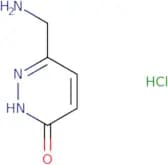
CAS:<p>Versatile small molecule scaffold</p>Formula:C5H8ClN3OPurity:Min. 95%Molecular weight:161.59 g/mol(2S)-2-{[(tert-Butoxy)carbonyl]amino}-3-[(tert-butyldimethylsilyl)oxy]propanoic acid
CAS:<p>Versatile small molecule scaffold</p>Formula:C14H29NO5SiPurity:Min. 95%Molecular weight:319.47 g/mol(2S,3R)-2-{[(tert-Butoxy)carbonyl]amino}-3-[(tert-butyldimethylsilyl)oxy]butanoic acid
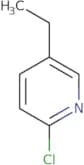
CAS:<p>Versatile small molecule scaffold</p>Formula:C15H31NO5SiPurity:Min. 95%Molecular weight:333.5 g/mol2-Chloro-5-ethylpyridine
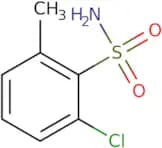
CAS:<p>2-Chloro-5-ethylpyridine is a chemical compound that belongs to the class of heterocyclic compounds. It is used as a catalyst in catalytic reduction and metabolic rate studies. This compound has been found to increase the production of flavopereirine, an important intermediate in the metabolism of plant polyphenols. 2-Chloro-5-ethylpyridine has also been shown to have an agonistic effect on the long term treatment of diabetes mellitus type 2. This agent has been shown to optimize yields and reduce hypoglycemic effects in animal models.</p>Formula:C7H8ClNPurity:Min. 95%Molecular weight:141.6 g/mol2-Chloro-6-methylbenzene-1-sulfonamide
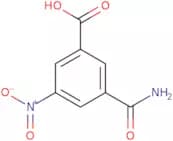
CAS:<p>Versatile small molecule scaffold</p>Formula:C7H8ClNO2SPurity:Min. 95%Molecular weight:205.66 g/mol3-carbamoyl-5-nitrobenzoic acid
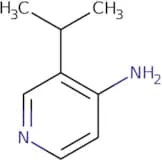
CAS:<p>Versatile small molecule scaffold</p>Formula:C8H6N2O5Purity:Min. 95%Molecular weight:210.15 g/mol3-Isopropylpyridin-4-amine
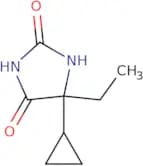
CAS:<p>Versatile small molecule scaffold</p>Formula:C8H12N2Purity:Min. 95%Molecular weight:136.2 g/mol5-Cyclopropyl-5-ethylimidazolidine-2,4-dione
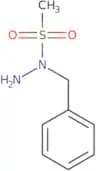
CAS:<p>Versatile small molecule scaffold</p>Formula:C8H12N2O2Purity:Min. 95%Molecular weight:168.19 g/molN-Benzylmethanesulfonohydrazide
CAS:<p>Versatile small molecule scaffold</p>Formula:C8H12N2O2SPurity:Min. 95%Molecular weight:200.26 g/mol5,6,7,8-Tetrahydrophthalazine-1,4-diamine
CAS:<p>Versatile small molecule scaffold</p>Formula:C8H12N4Purity:Min. 95%Molecular weight:164.2 g/mol1-Oxaspiro[4.4]nonan-3-one
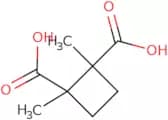
CAS:<p>Versatile small molecule scaffold</p>Formula:C8H12O2Purity:Min. 95%Molecular weight:140.18 g/mol1,2-Dimethylcyclobutane-1,2-dicarboxylic acid
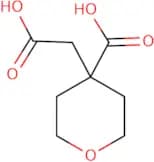
CAS:<p>Versatile small molecule scaffold</p>Formula:C8H12O4Purity:Min. 95%Molecular weight:172.18 g/mol4-(Carboxymethyl)oxane-4-carboxylic acid
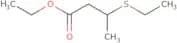
CAS:<p>Versatile small molecule scaffold</p>Formula:C8H12O5Purity:Min. 95%Molecular weight:188.18 g/molEthyl 3-(ethylsulfanyl)butanoate
CAS:<p>Versatile small molecule scaffold</p>Formula:C8H16O2SPurity:Min. 95%Molecular weight:176.28 g/mol1-(Aminomethyl)-N-methylcyclohexan-1-amine
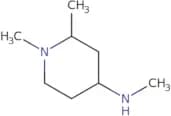
CAS:<p>Versatile small molecule scaffold</p>Formula:C8H18N2Purity:Min. 95%Molecular weight:142.24 g/molN,1,2-Trimethylpiperidin-4-amine
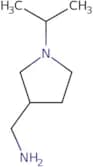
CAS:<p>Versatile small molecule scaffold</p>Formula:C8H18N2Purity:Min. 95%Molecular weight:142.24 g/mol(1-Isopropylpyrrolidin-3-yl)methylamine
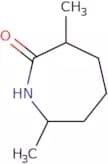
CAS:<p>Versatile small molecule scaffold</p>Formula:C8H18N2Purity:Min. 95%Molecular weight:142.24 g/mol3,7-Dimethylazepan-2-one
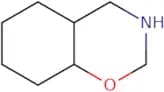
CAS:<p>Versatile small molecule scaffold</p>Formula:C8H15NOPurity:Min. 95%Molecular weight:141.21 g/molOctahydro-2H-1,3-benzoxazine
CAS:<p>Octahydro-2H-1,3-benzoxazine is a biomolecule that has been found in nature. It is an unsymmetrical molecule with a hydroxyl group at the terminal position on one of the six carbon atoms. Octahydro-2H-1,3-benzoxazine can be synthesized by metathesis reactions. This molecule can also undergo enantiospecific metathesis reactions and stereoselective carbinol additions.</p>Formula:C8H15NOPurity:Min. 95%Molecular weight:141.21 g/molOctahydroindolizin-2-ol
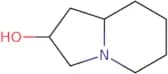
CAS:<p>Octahydroindolizin-2-ol is a bacteriostatic agent that inhibits the synthesis of RNA and DNA, which in turn prevents protein synthesis. It has been shown to be effective against fungus and lactam, as well as unraveling ribonucleotide chains. The chemical analysis of this compound shows that it contains an n-oxide group and a methoxy group. Octahydroindolizin-2-ol is extracted from the Oxytropis plant and has been found to be endophytic (living inside plants). This compound also has anti-viral properties, which are due to its ability to inhibit viral transcription by binding to viral RNA polymerase. Octahydroindolizin-2-ol is chemically related to swainsonine, a toxin produced by the endophytic fungus</p>Formula:C8H15NOPurity:Min. 95%Molecular weight:141.21 g/molAzepan-1-ylacetic acid hydrochloride
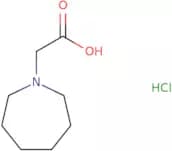
CAS:<p>Versatile small molecule scaffold</p>Formula:C8H16ClNO2Purity:Min. 95%Molecular weight:193.67 g/molN-Cyclohexyl-2-hydroxyacetamide
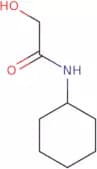
CAS:<p>Versatile small molecule scaffold</p>Formula:C8H15NO2Purity:Min. 95%Molecular weight:157.21 g/molEthyl 4-ethoxy-4-iminobutanoate hydrochloride
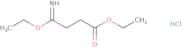
CAS:<p>Versatile small molecule scaffold</p>Formula:C8H16ClNO3Purity:Min. 95%Molecular weight:209.67 g/mol5,8-Diazaspiro[2.6]nonane
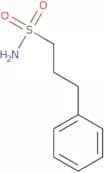
CAS:<p>Versatile small molecule scaffold</p>Formula:C7H14N2Purity:Min. 95%Molecular weight:126.2 g/mol3-Phenylpropane-1-sulfonamide
CAS:<p>3-Phenylpropane-1-sulfonamide is a synthetic drug that binds to the receptor tyrosine kinases and blocks the receptor system. It has been shown to be effective in reducing tumor growth in mice, although its mechanism of action remains unclear. 3-Phenylpropane-1-sulfonamide has also been shown to reduce cancer metastasis in mice. This drug binds to the quinoline derivatives and cyclic ligand, which are involved in hyperproliferative disorders such as cancer. 3-Phenylpropane-1-sulfonamide is also known for its ability to inhibit tumor cell proliferation by blocking hyperfunction through inhibition of receptor tyrosine kinases.</p>Formula:C9H13NO2SPurity:Min. 95%Molecular weight:199.27 g/mol2-(4-Methoxyphenoxy)ethane-1-sulfonyl chloride
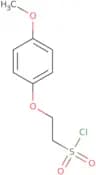
CAS:<p>Versatile small molecule scaffold</p>Formula:C9H11ClO4SPurity:Min. 95%Molecular weight:250.7 g/molN,2-Dihydroxy-4-methoxybenzamide
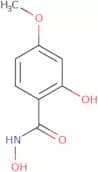
CAS:<p>Versatile small molecule scaffold</p>Formula:C8H9NO4Purity:Min. 95%Molecular weight:183.16 g/mol2-(4-Hydroxy-6-methyl-2-oxo-1,2-dihydropyridin-1-yl)acetic acid
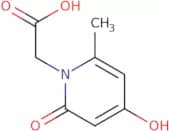
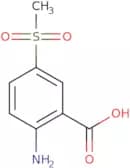
CAS:<p>Versatile small molecule scaffold</p>Formula:C8H9NO4Purity:Min. 95%Molecular weight:183.16 g/mol2-Amino-5-(methylsulfonyl)benzoic acid
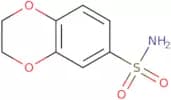
CAS:<p>Versatile small molecule scaffold</p>Formula:C8H9NO4SPurity:Min. 95%Molecular weight:215.22 g/mol2,3-Dihydro-1,4-benzodioxine-6-sulfonamide
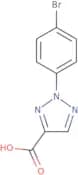
CAS:2,3-Dihydro-1,4-benzodioxine-6-sulfonamide is a pyruvate kinase inhibitor that has been shown to modulate the activity of this enzyme in human cancer cells. The inhibition of this enzyme leads to an accumulation of pyruvate and a decrease in ATP, which causes cell death by apoptosis. 2,3-Dihydro-1,4-benzodioxine-6-sulfonamide has also been shown to have anticancer activity against several types of cancer cells. It is not active against bacteria such as Mycobacterium tuberculosis and Clostridium perfringens.Formula:C8H9NO4SPurity:Min. 95%Molecular weight:215.23 g/mol2-(4-Bromophenyl)-2H-1,2,3-triazole-4-carboxylic acid
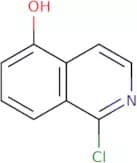
CAS:Versatile small molecule scaffoldFormula:C9H6BrN3O2Purity:Min. 95%Molecular weight:268.07 g/mol1-Chloroisoquinolin-5-ol
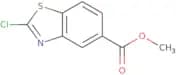
CAS:<p>Versatile small molecule scaffold</p>Formula:C9H6ClNOPurity:Min. 95%Molecular weight:179.6 g/molMethyl 2-chloro-1,3-benzothiazole-5-carboxylate
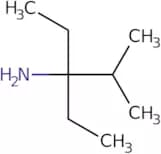
CAS:<p>Versatile small molecule scaffold</p>Formula:C9H6ClNO2SPurity:Min. 95%Molecular weight:227.67 g/mol3-Ethyl-2-methylpentan-3-amine
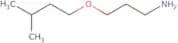
CAS:<p>Versatile small molecule scaffold</p>Formula:C8H19NPurity:Min. 95%Molecular weight:129.24 g/mol3-(3-Methylbutoxy)propan-1-amine
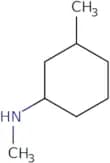
CAS:Versatile small molecule scaffoldFormula:C8H19NOPurity:Min. 95%Molecular weight:145.24 g/molN,3-Dimethylcyclohexan-1-amine
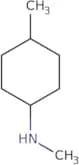
CAS:<p>Versatile small molecule scaffold</p>Formula:C8H17NPurity:Min. 95%Molecular weight:127.23 g/molN,4-Dimethylcyclohexan-1-amine
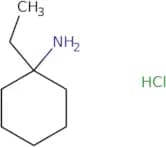
CAS:<p>Versatile small molecule scaffold</p>Formula:C8H17NPurity:Min. 95%Molecular weight:127.23 g/mol1-Ethylcyclohexan-1-amine hydrochloride
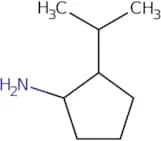
CAS:<p>Versatile small molecule scaffold</p>Formula:C8H18ClNPurity:Min. 95%Molecular weight:163.69 g/mol2-(Propan-2-yl)cyclopentan-1-amine
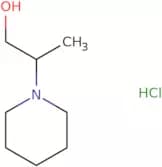
CAS:<p>Versatile small molecule scaffold</p>Formula:C8H17NPurity:Min. 95%Molecular weight:127.23 g/mol2-(Piperidin-1-yl)propan-1-ol hydrochloride
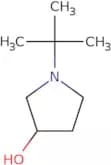
CAS:Versatile small molecule scaffoldFormula:C8H18ClNOPurity:Min. 95%Molecular weight:179.69 g/mol1-tert-Butylpyrrolidin-3-ol
CAS:<p>Versatile small molecule scaffold</p>Formula:C8H17NOPurity:Min. 95%Molecular weight:143.23 g/mol2-[4-(2-Hydroxyethyl)-1-piperazinyl]acetamide hydrochloride
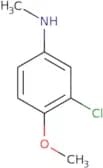
CAS:<p>Versatile small molecule scaffold</p>Formula:C8H17N3O2Purity:Min. 95%Molecular weight:187.24 g/mol3-Chloro-4-methoxy-N-methylaniline
CAS:<p>Versatile small molecule scaffold</p>Formula:C8H10ClNOPurity:Min. 95%Molecular weight:171.62 g/mol1-[2-(4-Bromophenoxy)ethyl]-4-methylpiperazine dihydrochloride
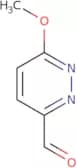
CAS:<p>Versatile small molecule scaffold</p>Formula:C13H21BrCl2N2OPurity:Min. 95%Molecular weight:372.1 g/mol6-Methoxypyridazine-3-carbaldehyde
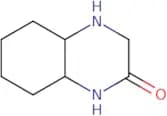
CAS:<p>Versatile small molecule scaffold</p>Formula:C6H6N2O2Purity:Min. 95%Molecular weight:138.12 g/molDecahydroquinoxalin-2-one
CAS:<p>Decahydroquinoxalin-2-one is a mitochondrial membrane potential stabilizer. It binds to the imine moiety of the mitochondrial membrane and prevents collapse of the mitochondrial membrane potential, which is essential for cell survival. Decahydroquinoxalin-2-one also has an antiproliferative effect on cancer cells. The proapoptotic activity of decahydroquinoxalin-2-one has been shown in some studies; however, this activity has not been demonstrated in all cases, suggesting that it may have other mechanisms of action. Decahydroquinoxalin-2-one is currently being studied as a possible treatment for cancer and Parkinson’s disease.</p>Formula:C8H14N2OPurity:Min. 95%Molecular weight:154.21 g/mol2-Chloro-1-(1,2-oxazol-3-yl)ethan-1-one
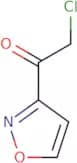
CAS:<p>Versatile small molecule scaffold</p>Formula:C5H4ClNO2Purity:Min. 95%Molecular weight:145.54 g/mol4-(Thiomorpholin-4-yl)benzonitrile
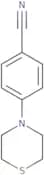
CAS:<p>Versatile small molecule scaffold</p>Formula:C11H12N2SPurity:Min. 95%Molecular weight:204.29 g/mol5-Bromo-2-fluoro-3-(trifluoromethyl)pyridine
CAS:<p>Versatile small molecule scaffold</p>Formula:C6H2BrF4NPurity:Min. 95%Molecular weight:243.98 g/mol


![(2S)-2-{[(tert-Butoxy)carbonyl]amino}-3-[(tert-butyldimethylsilyl)oxy]propanoic acid](/_next/image/?url=https%3A%2Fstatic.cymitquimica.com%2Fproducts%2F3D%2Fthumb-webp%2FQDA18125.webp&w=3840&q=75)
![(2S,3R)-2-{[(tert-Butoxy)carbonyl]amino}-3-[(tert-butyldimethylsilyl)oxy]butanoic acid](/_next/image/?url=https%3A%2Fstatic.cymitquimica.com%2Fproducts%2F3D%2Fthumb-webp%2FQDA18126.webp&w=3840&q=75)
![1-Oxaspiro[4.4]nonan-3-one](/_next/image/?url=https%3A%2Fstatic.cymitquimica.com%2Fproducts%2F3D%2Fthumb-webp%2FQDA19932.webp&w=3840&q=75)

![5,8-Diazaspiro[2.6]nonane](/_next/image/?url=https%3A%2Fstatic.cymitquimica.com%2Fproducts%2F3D%2Fthumb-webp%2FQDA20753.webp&w=3840&q=75)
![2-[4-(2-Hydroxyethyl)-1-piperazinyl]acetamide hydrochloride](/_next/image/?url=https%3A%2Fstatic.cymitquimica.com%2Fproducts%2F3D%2Fthumb-webp%2FQDA22811.webp&w=3840&q=75)
![1-[2-(4-Bromophenoxy)ethyl]-4-methylpiperazine dihydrochloride](/_next/image/?url=https%3A%2Fstatic.cymitquimica.com%2Fproducts%2F3D%2Fthumb-webp%2FQDA23668.webp&w=3840&q=75)