Building Blocks
This section contains fundamental products for the synthesis of organic and biological compounds. Building blocks are the essential starting materials used to construct complex molecules through various chemical reactions. They play a critical role in drug discovery, material science, and chemical research. At CymitQuimica, we offer a diverse range of high-quality building blocks to support your innovative research and industrial projects, ensuring you have the essential components for successful synthesis.
Subcategories of "Building Blocks"
- Boronic Acids & Boronic Acid Derivatives(5,756 products)
- Chiral Building Blocks(1,242 products)
- Hydrocarbon Building Blocks(6,095 products)
- Organic Building Blocks(61,055 products)
Found 199650 products of "Building Blocks"
Sort by
Purity (%)
0
100
|
0
|
50
|
90
|
95
|
100
Benzyl[1-(furan-2-yl)ethyl]amine
CAS:<p>Versatile small molecule scaffold</p>Formula:C13H15NOPurity:Min. 95%Molecular weight:201.26 g/mol4-Ethylphenyl isocyanide
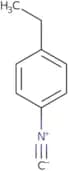
CAS:<p>Versatile small molecule scaffold</p>Formula:C9H9NPurity:Min. 95%Molecular weight:131.17 g/mol5,7-Dichloroisoquinolin-1(2H)-one
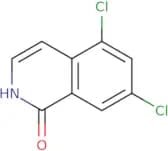
CAS:<p>Versatile small molecule scaffold</p>Formula:C9H5Cl2NOPurity:Min. 95%Molecular weight:214.04 g/molMethyl 2-(4-fluorophenoxy)propanoate
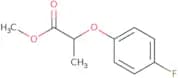
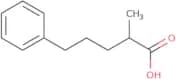
CAS:<p>Versatile small molecule scaffold</p>Formula:C10H11FO3Purity:Min. 95%Molecular weight:198.19 g/mol2-Methyl-5-phenylpentanoic acid
CAS:<p>2-Methyl-5-phenylpentanoic acid is a chiral, asymmetric catalyst for the hydrogenation of prochiral alkenes. It is prepared by the reaction of ferrocenyl phosphine with 2-methyl-5-phenylpentanoic acid. The product is obtained as a racemic mixture of enantiomers that can be separated by chromatography or crystallization.</p>Formula:C12H16O2Purity:Min. 95%Molecular weight:192.25 g/mol5-Hydroxymethyl-2-mercapto-1-methyl-1H-imidazole
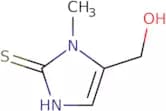
CAS:<p>5-Hydroxymethyl-2-mercapto-1-methyl-1H-imidazole is an elemental compound that has potential antimicrobial activity. Elemental analysis of this compound showed a molecular weight of 121.085 g/mol and a melting point of 182.6 °C. Spectroscopy and mass spectroscopy confirmed the molecular formula C5H9N3S with one hydroxyl group, two methyl groups, and one sulfur atom. This compound also has antimicrobial properties, which may be due to its ability to inhibit bacterial growth through binding to DNA or by inhibiting protein synthesis.</p>Formula:C5H8N2OSPurity:Min. 95%Molecular weight:144.19 g/mol3,4-Dihydro-1H-2-benzothiopyran-4-amine hydrochloride
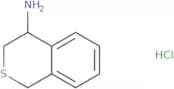
CAS:<p>Versatile small molecule scaffold</p>Formula:C9H12ClNSPurity:Min. 95%Molecular weight:201.72 g/mol1-[(4-Iodophenyl)methyl]-1H-pyrrole
CAS:<p>Versatile small molecule scaffold</p>Formula:C11H10INPurity:Min. 95%Molecular weight:283.11 g/molMethyl cyclobutylideneacetate
CAS:<p>Methyl cyclobutylideneacetate is a chemical compound with a molecular formula of C5H11N. It is an inhibitor of the enzyme dehydrogenase, which is involved in the metabolism of c1-c6, 1,3-dipolar cycloaddition and cycloadducts. Methyl cyclobutylideneacetate has been shown to inhibit the growth of cancer cells and cardiovascular disorders by inhibiting the production of reactive oxygen species. This drug also inhibits homologue dehydrogenase enzymes that are involved in thermolysis.</p>Formula:C7H10O2Purity:Min. 95%Molecular weight:126.16 g/mol2-[(4-Methoxyphenyl)formamido]acetamide
CAS:<p>2-[(4-Methoxyphenyl)formamido]acetamide (MTX) is a cytostatic drug that belongs to the group of antineoplastic agents. It inhibits the growth of cells by interfering with their ability to synthesize proteins. MTX binds to the copper in the active site of enzymes, such as DNA polymerase and RNA polymerase, and prevents them from completing their function. MTX has been used for the treatment of hyperproliferative diseases, such as cancer, and autoimmune diseases. It has also been used in conjunction with monoclonal antibodies for cancer therapy. MTX has been shown to be an effective agent against syncytial virus and other viruses that depend on DNA replication for propagation. This drug should not be administered during pregnancy because it can cause birth defects.</p>Formula:C10H12N2O3Purity:Min. 95%Molecular weight:208.21 g/mol4-Carbamoyl-1-methyl-1H-pyrrole-2-carboxylic acid
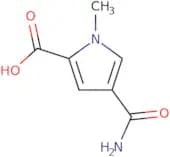
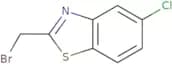
CAS:<p>Versatile small molecule scaffold</p>Formula:C7H8N2O3Purity:Min. 95%Molecular weight:168.15 g/mol2-(Bromomethyl)-5-chloro-1,3-benzothiazole
CAS:<p>Versatile small molecule scaffold</p>Formula:C8H5BrClNSPurity:Min. 95%Molecular weight:262.55 g/molrac-(6R,7R)-7-Amino-5,5-dimethyl-5H,6H,7H-thieno[3,2-b]pyran-6-ol
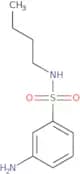
CAS:Versatile small molecule scaffoldFormula:C9H13NO2SPurity:Min. 95%Molecular weight:199.3 g/molN-Butyl 3-aminobenzenesulfonamide
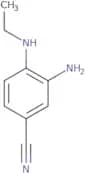
CAS:<p>Versatile small molecule scaffold</p>Formula:C10H16N2O2SPurity:Min. 95%Molecular weight:228.31 g/mol3-Amino-4-(ethylamino)benzonitrile
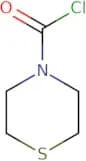
CAS:<p>Versatile small molecule scaffold</p>Formula:C9H11N3Purity:Min. 95%Molecular weight:161.2 g/molThiomorpholine-4-carbonyl chloride
CAS:<p>Thiomorpholine-4-carbonyl chloride is a reagent that has been shown to inhibit the activity of thioimidazole in humans. It has also been shown to have inhibitory effects on the activity of imidazole and imidazole derivatives. Thiomorpholine-4-carbonyl chloride is used as a cardiac, glaucoma, and animal reagent. The phenyl ring can be substituted with an amino acid derivative to make it more soluble in water.</p>Formula:C5H8ClNOSPurity:Min. 95%Molecular weight:165.64 g/mol(2R)-2-Hydroxy-1-(4-methoxyphenyl)propan-1-one
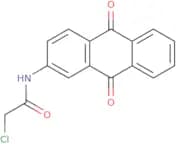
CAS:<p>Versatile small molecule scaffold</p>Formula:C10H12O3Purity:Min. 95%Molecular weight:180.2 g/mol2-Chloro-N-(9,10-dioxo-9,10-dihydroanthracen-2-yl)acetamide
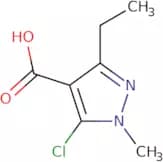
CAS:<p>Versatile small molecule scaffold</p>Formula:C16H10ClNO3Purity:Min. 95%Molecular weight:299.71 g/mol5-Chloro-3-ethyl-1-methyl-1H-pyrazole-4-carboxylic acid
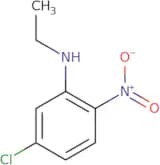
CAS:<p>Versatile small molecule scaffold</p>Formula:C7H9ClN2O2Purity:Min. 95%Molecular weight:188.61 g/mol5-Chloro-N-ethyl-2-nitroaniline
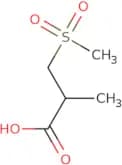
CAS:<p>Versatile small molecule scaffold</p>Formula:C8H9ClN2O2Purity:Min. 95%Molecular weight:200.62 g/mol3-Methanesulfonyl-2-methylpropanoic acid
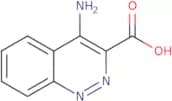
CAS:<p>Versatile small molecule scaffold</p>Formula:C5H10O4SPurity:Min. 95%Molecular weight:166.2 g/mol4-Aminocinnoline-3-carboxylic acid
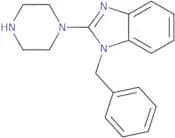
CAS:4-Aminocinnoline-3-carboxylic acid (ACA) is a growth factor that binds to the epidermal growth factor receptor, which is a tyrosine kinase. The binding of ACA to its receptor can lead to inhibition of tyrosine phosphorylation and consequently inhibit cell division. ACA has been shown to have antibacterial and anti-cancer properties. The mechanism of antimicrobial activity is due to inhibition of bacterial DNA gyrase and topoisomerase IV, which are enzymes that maintain the integrity of bacterial DNA. This drug also inhibits the epidermal growth factor receptor, which may be associated with cancer prevention.Formula:C9H7N3O2Purity:Min. 95%Molecular weight:189.17 g/mol1-Benzyl-2-(piperazin-1-yl)-1H-1,3-benzodiazole
CAS:<p>1-Benzyl-2-(piperazin-1-yl)-1H-1,3-benzodiazole is a 5HT agonist that has been shown to stimulate the synthesis of collagen and α1 acid glycoprotein in human serum. It also has been shown to inhibit the growth of cancer cells in cell culture. This drug may have an effect on the production of fibrinogen, which is a protein involved in blood clotting. 1-Benzyl-2-(piperazin-1-yl)-1H-1,3 benzodiazole also binds to peptides and inhibits their binding to receptors on the surface of cells. The binding prevents the activation of these receptors by peptide ligands, which may lead to decreased levels of certain growth factors such as IGF or EGF.</p>Formula:C18H20N4Purity:Min. 95%Molecular weight:292.4 g/moltert-Butyl indoline-1-carboxylate
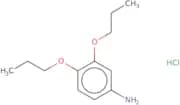
CAS:<p>Tert-butyl indoline-1-carboxylate is a nitrogenous compound that contains a tertiary amine group. It can be synthesized by reacting 2,5-dimethoxybenzyl alcohol with lithium and tetramethylethylenediamine. Tert-butyl indoline-1-carboxylate has been shown to be cytotoxic in vitro and in vivo. It can inhibit the growth of cancer cells by inhibition of DNA synthesis, RNA synthesis, protein synthesis, and lipid biosynthesis. Tert-butyl indoline-1-carboxylate also exhibits potent antiangiogenic effects and induces apoptosis in endothelial cells.</p>Formula:C13H17NO2Purity:Min. 95%Molecular weight:219.28 g/mol3,4-Dipropoxyaniline hydrochloride
CAS:<p>Versatile small molecule scaffold</p>Formula:C12H20ClNO2Purity:Min. 95%Molecular weight:245.7 g/mol2-[(4-Sulfamoylphenyl)formamido]acetic acid
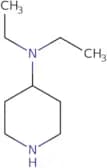
CAS:<p>Versatile small molecule scaffold</p>Formula:C9H10N2O5SPurity:Min. 95%Molecular weight:258.25 g/mol4-Diethylamino-piperidine
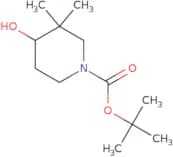
CAS:<p>4-Diethylamino-piperidine (DEAP) is a potential antiviral drug that inhibits the replication of hepatitis C virus by targeting the NS5B polymerase. It has been shown to be a competitive inhibitor of the polymerase at micromolar concentrations, and it binds to a site on the enzyme not shared with nucleoside or nucleotide analogs. This binding prevents the formation of the ternary complex required for RNA synthesis, which results in inhibition of viral production. DEAP also inhibits replication of other RNA viruses such as influenza A virus. The crystal structure and pharmacokinetics of DEAP have been determined, and this drug appears to be safe and well tolerated in animals, although it has not yet been tested in humans.</p>Formula:C9H20N2Purity:Min. 95%Molecular weight:156.27 g/mol4-Hydroxy-3,3-dimethyl-1-piperidinecarboxylic Acid 1,1-Dimethylethyl Ester
CAS:<p>Versatile small molecule scaffold</p>Formula:C12H23NO3Purity:Min. 95%Molecular weight:229.32 g/mol[1,2,4]Triazolo[1,5-a]pyridine-5-carbaldehyde
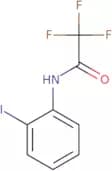
CAS:<p>Versatile small molecule scaffold</p>Formula:C7H5N3OPurity:Min. 95%Molecular weight:147.13 g/mol2,2,2-Trifluoro-N-(2-iodophenyl)acetamide
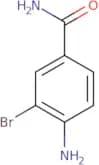
CAS:<p>2,2,2-Trifluoro-N-(2-iodophenyl)acetamide is a cross-coupling agent. It can be used as an efficient method for the synthesis of amides and halides by reacting carbinols with halides. 2,2,2-Trifluoro-N-(2-iodophenyl)acetamide has been shown to catalyze the reaction at lower temperatures than other methods. The functional groups on the amide or halide react with the triflate to form a trialkylamine that is then hydrolyzed by water to release ammonia. This reaction is catalysed by base and proceeds via an S1 mechanism. 2,2,2-Trifluoro-N-(2-iodophenyl)acetamide is also used in the production of dioxane and triflates as well as for hydrogenation reactions.</p>Formula:C8H5F3INOPurity:Min. 95%Molecular weight:315.03 g/mol4-Amino-3-bromobenzamide
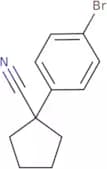
CAS:<p>Versatile small molecule scaffold</p>Formula:C7H7BrN2OPurity:Min. 95%Molecular weight:215.05 g/mol1-(4-Bromophenyl)cyclopentanecarbonitrile
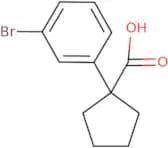
CAS:<p>Versatile small molecule scaffold</p>Formula:C12H12BrNPurity:Min. 95%Molecular weight:250.13 g/mol1-(3-bromophenyl)cyclopentane-1-carboxylic acid
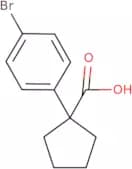
CAS:Versatile small molecule scaffoldFormula:C12H13BrO2Purity:Min. 95%Molecular weight:269.1 g/mol1-(4-bromophenyl)cyclopentane-1-carboxylic acid
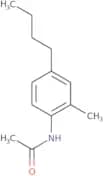
CAS:<p>Versatile small molecule scaffold</p>Formula:C12H13BrO2Purity:Min. 95%Molecular weight:269.1 g/mol4'-(But-1-yl)-2'-methylacetanilide
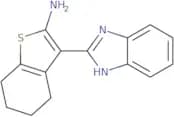
CAS:<p>Versatile small molecule scaffold</p>Formula:C13H19NOPurity:Min. 95%Molecular weight:205.3 g/mol3-(1H-1,3-Benzodiazol-2-yl)-4,5,6,7-tetrahydro-1-benzothiophen-2-amine
CAS:<p>Versatile small molecule scaffold</p>Formula:C15H15N3SPurity:Min. 95%Molecular weight:269.4 g/mol(4S,5R)-3-[(tert-Butoxy)carbonyl]-2,2,5-trimethyl-1,3-oxazolidine-4-carboxylic acid
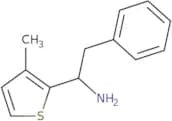
CAS:<p>Versatile small molecule scaffold</p>Formula:C12H21NO5Purity:Min. 95%Molecular weight:259.3 g/mol1-(3-Methylthiophen-2-yl)-2-phenylethan-1-amine
CAS:<p>Versatile small molecule scaffold</p>Formula:C13H15NSPurity:Min. 95%Molecular weight:217.33 g/mol(2S)-2-{[(tert-Butoxy)carbonyl]amino}-4-cyclohexylbutanoic acid
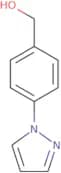
CAS:<p>Versatile small molecule scaffold</p>Formula:C15H27NO4Purity:Min. 95%Molecular weight:285.38 g/mol(4-Pyrazol-1-yl-phenyl)methanol
CAS:<p>Versatile small molecule scaffold</p>Formula:C10H10N2OPurity:Min. 95%Molecular weight:174.2 g/mol2-[4-(1H-Pyrazol-1-yl)phenyl]acetonitrile
CAS:<p>Versatile small molecule scaffold</p>Formula:C11H9N3Purity:Min. 95%Molecular weight:183.21 g/mol2-[4-(1H-Imidazol-1-yl)phenyl]acetonitrile
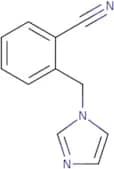
CAS:<p>Versatile small molecule scaffold</p>Formula:C11H9N3Purity:Min. 95%Molecular weight:183.21 g/mol2-(1H-Imidazol-1-ylmethyl)benzonitrile
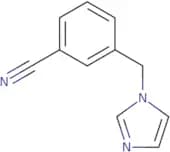
CAS:<p>Versatile small molecule scaffold</p>Formula:C11H9N3Purity:Min. 95%Molecular weight:183.21 g/mol1-(3-Cyanobenzyl)imidazole
CAS:<p>Versatile small molecule scaffold</p>Formula:C11H9N3Purity:Min. 95%Molecular weight:183.21 g/mol3-[2-(Trifluoromethyl)phenyl]but-2-enoic acid
CAS:<p>Versatile small molecule scaffold</p>Formula:C11H9F3O2Purity:Min. 95%Molecular weight:230.18 g/molMethyl 6-chloro-1H-pyrrolo[2,3-b]pyridine-1-carboxylate
CAS:Versatile small molecule scaffoldFormula:C9H7ClN2O2Purity:Min. 95%Molecular weight:210.62 g/mol2-[(5-Methyl-1,2-oxazol-4-yl)formamido]acetic acid
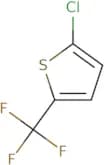
CAS:Versatile small molecule scaffoldFormula:C7H8N2O4Purity:Min. 95%Molecular weight:184.15 g/mol2-Chloro-5-(trifluoromethyl)thiophene
CAS:<p>Versatile small molecule scaffold</p>Formula:C5H2ClF3SPurity:Min. 95%Molecular weight:186.58 g/molMethyl 3-[2-(dimethylamino)ethenyl]-4-nitrobenzoate
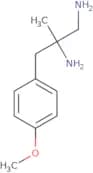
CAS:<p>Versatile small molecule scaffold</p>Formula:C12H14N2O4Purity:Min. 95%Molecular weight:250.25 g/mol3-(4-Methoxyphenyl)-2-methylpropane-1,2-diamine
CAS:<p>Versatile small molecule scaffold</p>Formula:C11H18N2OPurity:Min. 95%Molecular weight:194.27 g/mol
![Benzyl[1-(furan-2-yl)ethyl]amine](/_next/image/?url=https%3A%2Fstatic.cymitquimica.com%2Fproducts%2F3D%2Fthumb-webp%2FTFA06365.webp&w=3840&q=75)

![1-[(4-Iodophenyl)methyl]-1H-pyrrole](/_next/image/?url=https%3A%2Fstatic.cymitquimica.com%2Fproducts%2F3D%2Fthumb-webp%2FTFA12829.webp&w=3840&q=75)

![2-[(4-Methoxyphenyl)formamido]acetamide](/_next/image/?url=https%3A%2Fstatic.cymitquimica.com%2Fproducts%2F3D%2Fthumb-webp%2FTFA15370.webp&w=3840&q=75)
![rac-(6R,7R)-7-Amino-5,5-dimethyl-5H,6H,7H-thieno[3,2-b]pyran-6-ol](/_next/image/?url=https%3A%2Fstatic.cymitquimica.com%2Fproducts%2F3D%2Fthumb-webp%2FTFA16413.webp&w=3840&q=75)

![2-[(4-Sulfamoylphenyl)formamido]acetic acid](/_next/image/?url=https%3A%2Fstatic.cymitquimica.com%2Fproducts%2F3D%2Fthumb-webp%2FTFA28821.webp&w=3840&q=75)
![[1,2,4]Triazolo[1,5-a]pyridine-5-carbaldehyde](/_next/image/?url=https%3A%2Fstatic.cymitquimica.com%2Fproducts%2F3D%2Fthumb-webp%2FTFA30782.webp&w=3840&q=75)
![(4S,5R)-3-[(tert-Butoxy)carbonyl]-2,2,5-trimethyl-1,3-oxazolidine-4-carboxylic acid](/_next/image/?url=https%3A%2Fstatic.cymitquimica.com%2Fproducts%2F3D%2Fthumb-webp%2FTFA36485.webp&w=3840&q=75)
![(2S)-2-{[(tert-Butoxy)carbonyl]amino}-4-cyclohexylbutanoic acid](/_next/image/?url=https%3A%2Fstatic.cymitquimica.com%2Fproducts%2F3D%2Fthumb-webp%2FTFA41551.webp&w=3840&q=75)
![2-[4-(1H-Pyrazol-1-yl)phenyl]acetonitrile](/_next/image/?url=https%3A%2Fstatic.cymitquimica.com%2Fproducts%2F3D%2Fthumb-webp%2FTFA42655.webp&w=3840&q=75)
![2-[4-(1H-Imidazol-1-yl)phenyl]acetonitrile](/_next/image/?url=https%3A%2Fstatic.cymitquimica.com%2Fproducts%2F3D%2Fthumb-webp%2FTFA42657.webp&w=3840&q=75)
![3-[2-(Trifluoromethyl)phenyl]but-2-enoic acid](/_next/image/?url=https%3A%2Fstatic.cymitquimica.com%2Fproducts%2F3D%2Fthumb-webp%2FTFA45565.webp&w=3840&q=75)
![Methyl 6-chloro-1H-pyrrolo[2,3-b]pyridine-1-carboxylate](/_next/image/?url=https%3A%2Fstatic.cymitquimica.com%2Fproducts%2F3D%2Fthumb-webp%2FTFA46807.webp&w=3840&q=75)
![2-[(5-Methyl-1,2-oxazol-4-yl)formamido]acetic acid](/_next/image/?url=https%3A%2Fstatic.cymitquimica.com%2Fproducts%2F3D%2Fthumb-webp%2FTFA46900.webp&w=3840&q=75)
![Methyl 3-[2-(dimethylamino)ethenyl]-4-nitrobenzoate](/_next/image/?url=https%3A%2Fstatic.cymitquimica.com%2Fproducts%2F3D%2Fthumb-webp%2FTFA48414.webp&w=3840&q=75)