


Building Blocks
This section contains fundamental products for the synthesis of organic and biological compounds. Building blocks are the essential starting materials used to construct complex molecules through various chemical reactions. They play a critical role in drug discovery, material science, and chemical research. At CymitQuimica, we offer a diverse range of high-quality building blocks to support your innovative research and industrial projects, ensuring you have the essential components for successful synthesis.
Subcategories of "Building Blocks"
- Boronic Acids & Boronic Acid Derivatives(5,756 products)
- Chiral Building Blocks(1,242 products)
- Hydrocarbon Building Blocks(6,095 products)
- Organic Building Blocks(61,055 products)
Found 199650 products of "Building Blocks"
Sort by
Purity (%)
0
100
|
0
|
50
|
90
|
95
|
100
2-Ethylundecanoic acid
CAS:<p>2-Ethylundecanoic acid is a fatty acid with a hydrocarbon group. It has a molecular weight of 114.16 g/mol and an average particle diameter of 10.5 nm. This compound is soluble in water and can be used as an efficient method for the synthesis of alkenoic acids. 2-Ethylundecanoic acid is not combustible and does not react with strong oxidizing agents, acids, or bases. It has formyl and hydroxyl groups that are located at the terminal end of the molecule, which can be converted to carboxylic acid or alcohol groups by heating it in the presence of hydrogen gas.</p>Formula:C13H26O2Purity:Min. 95%Molecular weight:214.34 g/mol5-(Chloromethyl)-4-methyl-1,3-oxazole
CAS:<p>Versatile small molecule scaffold</p>Formula:C5H6ClNOPurity:Min. 95%Molecular weight:131.56 g/mol4-(Hydroxymethyl)-2-methyl-1H-imidazole
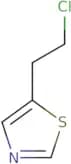
CAS:<p>4-(Hydroxymethyl)-2-methyl-1H-imidazole (HMI) is a diamine that has been shown to inhibit translation in mouse fibroblast cells. HMI is used for the treatment of inflammatory diseases such as rheumatoid arthritis and Crohn's disease, and it has also been shown to have haemodynamic effects. The clinical relevance of HMI is not well understood, but it has been found to be an effective anti-inflammatory agent in animal models. The drug is administered orally or by injection.</p>Purity:Min. 95%5-(2-Chloroethyl)-1,3-thiazole
CAS:<p>Versatile small molecule scaffold</p>Formula:C5H6ClNSPurity:Min. 95%Molecular weight:147.63 g/mol3-Methylimidazo[2,1-b][1,3]thiazole
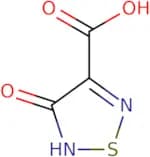
CAS:<p>Versatile small molecule scaffold</p>Formula:C6H6N2SPurity:Min. 95%Molecular weight:138.19 g/mol4-Hydroxy-1,2,5-thiadiazole-3-carboxylic acid
CAS:<p>4-Hydroxy-1,2,5-thiadiazole-3-carboxylic acid is a source of health and has been shown to be effective in the treatment of infectious diseases. It has long-term efficacy in the treatment of hepatitis C, which is a type of hepatitis caused by a virus. 4-Hydroxy-1,2,5-thiadiazole-3-carboxylic acid also has an anti-cancer effect on skin cancer cells. Chronic viral hepatitis is found worldwide and can lead to death. Hepatitis C is the most common type of chronic viral hepatitis with prevalence rates between 2% and 5%. Gallbladder cancer is also known as gallstones or cholelithiasis and causes symptoms such as abdominal pain in adults. Endoscopic ultrasound (EUS) helps detect gallstones by using sound waves to see inside the gallbladder for stones or other problems that may cause blockages.</p>Formula:C3H2N2O3SPurity:Min. 95%Molecular weight:146.13 g/mol2-hydroxy-1-(pyrrolidin-1-yl)ethanone
CAS:<p>Versatile small molecule scaffold</p>Formula:C6H11NO2Purity:Min. 95%Molecular weight:129.16 g/mol(1-Ethenyl-1H-imidazol-2-yl)methanol
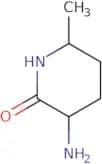
CAS:<p>(1-Ethenyl-1H-imidazol-2-yl)methanol is a heterocyclic compound with a triazole ring. It is a cyclic imide that contains an imidazole ring and a methyl group, giving it the properties of an azide. The molecule yields hydroxymethyl groups and has been used in the synthesis of triazolyl compounds. This molecule can be prepared by reacting benzaldehyde with hydrochloric acid to form benzyl chloride, which is then reacted with ammonia to produce (1-ethenyl-1H-imidazol-2-yl)methanol. Heterocycles are molecules containing at least one heteroatom such as nitrogen, oxygen, or sulfur. They are often unsaturated rings or rings containing two or more different types of atoms and may be found in drugs or other organic compounds.</p>Formula:C6H8N2OPurity:Min. 95%Molecular weight:124.14 g/mol3-Amino-6-methylpiperidin-2-one
CAS:<p>Versatile small molecule scaffold</p>Formula:C6H12N2OPurity:Min. 95%Molecular weight:128.17 g/mol1-Azabicyclo[3.2.1]octan-6-one
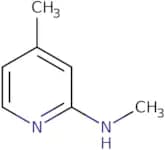
CAS:<p>Versatile small molecule scaffold</p>Formula:C7H11NOPurity:Min. 95%Molecular weight:125.17 g/molMethyl-(4-methyl-pyridin-2-yl)-amine
CAS:<p>Versatile small molecule scaffold</p>Formula:C7H10N2Purity:Min. 95%Molecular weight:122.17 g/molN,5-Dimethylpyridin-2-amine
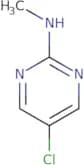
CAS:<p>Versatile small molecule scaffold</p>Formula:C7H10N2Purity:Min. 95%Molecular weight:122.17 g/mol(5-Chloro-pyrimidin-2-yl)-methyl-amine
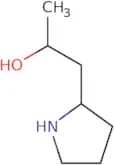
CAS:<p>5-Chloro-pyrimidin-2-yl)-methyl-amine is a kinase inhibitor that has been shown to have the ability to inhibit inflammation. It is an analog of 5-chloro-N-(1,3-dioxo-1,3,3a,4,5,6,7,8a-octahydroindeno[1′,2′:4′,5′]pyrazino[2′:1′]pyrimidin-4-yl)methanamine and encompasses a number of derivatives. These derivatives include prodrugs and alcohols that are activated by esterases or reduced by glutathione reductase. The inhibition of kinases reduces the production of inflammatory cytokines such as TNFα and IL6.</p>Formula:C5H6ClN3Purity:Min. 95%Molecular weight:143.57 g/mol1-(Pyrrolidin-2-yl)propan-2-ol
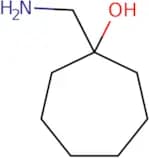
CAS:<p>Piperidine is the simplest piperidine alkaloid. It is a white crystalline compound that has a peppermint-like odor and is soluble in water. Piperidine is found in plants such as annuum, tuberosum, and crassulaceae. It also occurs naturally in animal tissues and human urine. Piperidine can be used as an intermediate in the production of other drugs, such as sedamine, which is used to treat insomnia. Other drugs that contain piperidine include aminopyrine, aminopropylpiperazine, aminopropylpiperidone, amphetamine sulfate, benzoic acid methyl ester hydrochloride, benzoylacetanilide, benzylpiperazine citrate dihydrochloride monohydrate, chlorpheniramine maleate hydrate</p>Formula:C7H15NOPurity:Min. 95%Molecular weight:129.2 g/mol1-(Aminomethyl)cycloheptanol
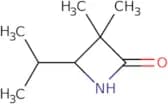
CAS:<p>1-(Aminomethyl)cycloheptanol (1ACHP) is a new chemical entity that is an antagonist of the azolylbenzamides. It is a metabolically stable, orally bioavailable, and penetrable inhibitor of the azolylbenzamide-induced hyperalgesia in animals. 1ACHP also has anti-inflammatory properties, which may be due to its inhibition of prostaglandin synthesis. The compound has been shown to have good metabolic stability, with only one metabolite detected in rat urine after oral administration.</p>Formula:C8H17NOPurity:Min. 95%Molecular weight:143.23 g/mol3,3-Dimethyl-4-(propan-2-yl)azetidin-2-one
CAS:<p>Versatile small molecule scaffold</p>Formula:C8H15NOPurity:Min. 95%Molecular weight:141.21 g/mol[(2-Chlorophenyl)amino]carbonitrile
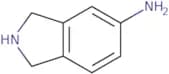
CAS:<p>[(2-Chlorophenyl)amino]carbonitrile is a model complex that has been studied extensively for its ability to form coordination complexes with anion radicals. The compound was synthesized by reacting cyanamide and the desired chloroaromatic compound in acid conditions. This reaction is a one-step method that can be used to generate many different types of models, which may be reused after they are generated. [(2-Chlorophenyl)amino]carbonitrile has also been shown to react efficiently with molecular orbitals, making it a useful tool for understanding the effect of various functional groups on the stability of metal-containing complexes.</p>Formula:C7H5ClN2Purity:Min. 95%Molecular weight:152.58 g/mol2,3-Dihydro-1H-isoindol-5-amine
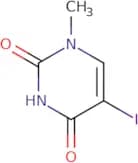
CAS:<p>2,3-Dihydro-1H-isoindol-5-amine is a compound that is used in the production of codeine. The drug binds to opioid receptors in the brain and spinal cord, which brings about analgesic effects. It has been shown to have synergistic effects when combined with nitrous oxide or phenylbutazone. 2,3-Dihydro-1H-isoindol-5-amine can be administered intravenously or intramuscularly as an organic solution. The drug is insoluble in water and does not dissolve well in most organic solvents. Diagnosis of Alzheimer's disease can be done by quantifying the concentration of 2,3-Dihydro-1H-isoindol-5-amine in cerebrospinal fluid (CSF).</p>Formula:C8H10N2Purity:Min. 95%Molecular weight:134.18 g/mol5-Iodo-1-methyluracil
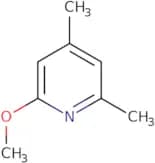
CAS:<p>5-Iodo-1-methyluracil is a synthetic pyrimidine nucleoside that is used as an antiviral agent. It inhibits the synthesis of viral DNA and RNA by interacting with the enzyme thymidine kinase, which is required for the conversion of thymine to uracil. 5-Iodo-1-methyluracil also interacts with adenosine deaminase, which converts adenosine to inosine. The activated form of 5-Iodo-1-methyluracil can be transformed into cytotoxic compounds by metathesis reactions, such as those involving carbonyl groups or activated esters. This compound is often used in assays to detect hypervalent iodine compounds.</p>Formula:C5H5IN2O2Purity:Min. 95%Molecular weight:252.01 g/mol2-Methoxy-4,6-dimethylpyridine
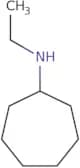
CAS:<p>Versatile small molecule scaffold</p>Formula:C8H11NOPurity:Min. 95%Molecular weight:137.18 g/molN-Cycloheptyl-N-ethylamine
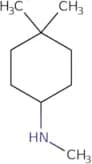
CAS:<p>N-Cycloheptyl-N-ethylamine is a synthetic compound that has been shown to inhibit the tyrosine kinase enzyme. This inhibition prevents the transmission of signals from the receptor to the inside of the cell, which may be responsible for the reduction in inflammation, immunosuppression, and cancer. N-Cycloheptyl-N-ethylamine is being developed as an anti-inflammatory drug for use in autoimmune diseases and cardiovascular diseases. It also has been shown to have anti-cancer properties by inhibiting pyrimidine synthesis in cancer cells.</p>Formula:C9H19NPurity:Min. 95%Molecular weight:141.26 g/molN,4,4-Trimethylcyclohexan-1-amine
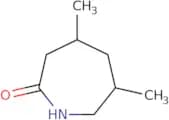
CAS:<p>Versatile small molecule scaffold</p>Formula:C9H19NPurity:Min. 95%Molecular weight:141.25 g/mol4,6-Dimethylazepan-2-one
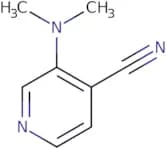
CAS:<p>Versatile small molecule scaffold</p>Formula:C8H15NOPurity:Min. 95%Molecular weight:141.21 g/mol3-(Dimethylamino)pyridine-4-carbonitrile
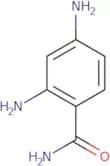
CAS:<p>Versatile small molecule scaffold</p>Formula:C8H9N3Purity:Min. 95%Molecular weight:147.18 g/mol2,4-Diaminobenzamide
CAS:<p>Versatile small molecule scaffold</p>Formula:C7H9N3OPurity:Min. 95%Molecular weight:151.17 g/mol2,3-Dimethylimidazo[1,2-a]pyrimidine
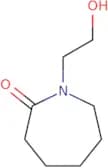
CAS:<p>Versatile small molecule scaffold</p>Formula:C8H9N3Purity:Min. 95%Molecular weight:147.18 g/mol1-(2-Hydroxyethyl)azepan-2-one
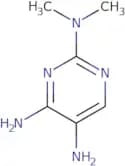
CAS:<p>1-(2-Hydroxyethyl)azepan-2-one is a neutralizing reaction product of melamine and an amine. It is used as a corrosion inhibitor for coatings and in the production of aziridines, which are monomers that can be converted to amides or aldehydes. 1-(2-Hydroxyethyl)azepan-2-one is also used as an organic solvent.</p>Formula:C8H15NO2Purity:Min. 95%Molecular weight:157.21 g/molN2,N2-Dimethylpyrimidine-2,4,5-triamine
CAS:<p>Versatile small molecule scaffold</p>Formula:C6H11N5Purity:Min. 95%Molecular weight:153.19 g/mol2-[4-(Hydroxymethyl)-1H-1,2,3-triazol-1-yl]acetic acid
CAS:<p>Versatile small molecule scaffold</p>Formula:C5H7N3O3Purity:Min. 95%Molecular weight:157.13 g/mol1,4-Dioxaspiro[4.5]decan-2-ylmethanamine
CAS:<p>Versatile small molecule scaffold</p>Formula:C9H17NO2Purity:Min. 95%Molecular weight:171.24 g/mol2-Azatricyclo[6.3.1.0,4,12]dodeca-1(12),4,6,8,10-pentaene
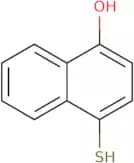
CAS:<p>2-Azatricyclo[6.3.1.0,4,12]dodeca-1(12),4,6,8,10-pentaene is a synthetic compound that has been shown to have antiviral properties and is being investigated as an agent for the treatment of inflammatory diseases. 2-Azatricyclo[6.3.1.0,4,12]dodeca-1(12),4,6,8,10-pentaene binds to bromodomains in the nucleus and prevents the virus from interacting with it by competitively inhibiting its binding site on the DNA strand. This prevents transcription of genes and therefore inhibits viral replication. The mechanism of action of 2-azatricyclo[6.3.1.0,4,12]dodeca-1(12),4,6,8,10-pentaene has not yet been elucidated</p>Formula:C11H9NPurity:Min. 95%Molecular weight:155.2 g/mol4-Sulfanylnaphthalen-1-ol
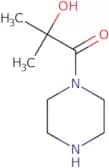
CAS:<p>Versatile small molecule scaffold</p>Formula:C10H8OSPurity:Min. 95%Molecular weight:176.24 g/mol2-Hydroxy-2-methyl-1-(piperazin-1-yl)propan-1-one
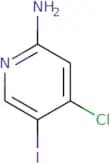
CAS:<p>Versatile small molecule scaffold</p>Formula:C8H16N2O2Purity:Min. 95%Molecular weight:172.22 g/mol4-Chloro-5-iodopyridin-2-amine
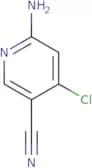
CAS:<p>Versatile small molecule scaffold</p>Formula:C5H4ClIN2Purity:Min. 95%Molecular weight:254.46 g/mol6-Amino-4-chloropyridine-3-carbonitrile
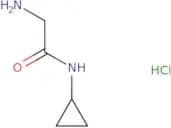
CAS:<p>Versatile small molecule scaffold</p>Formula:C6H4ClN3Purity:Min. 95%Molecular weight:153.57 g/mol2-Amino-N-cyclopropylacetamide hydrochloride
CAS:<p>Versatile small molecule scaffold</p>Formula:C5H10N2O·HClPurity:Min. 95%Molecular weight:150.61 g/mol3-Amino-N-cyclopropylpropanamide hydrochloride
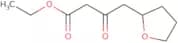
CAS:<p>Versatile small molecule scaffold</p>Formula:C6H13ClN2OPurity:Min. 95%Molecular weight:164.6 g/molEthyl 3-oxo-4-(oxolan-2-yl)butanoate
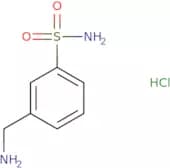
CAS:<p>Versatile small molecule scaffold</p>Formula:C10H16O4Purity:Min. 95%Molecular weight:200.23 g/mol3-(Aminomethyl)benzenesulfonamide HCl
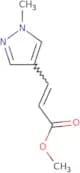
CAS:<p>Versatile small molecule scaffold</p>Formula:C7H10N2O2S·HClPurity:Min. 95%Molecular weight:222.7 g/molMethyl (2E)-3-(1-methyl-1H-pyrazol-4-yl)prop-2-enoate
CAS:<p>Versatile small molecule scaffold</p>Formula:C8H10N2O2Purity:Min. 95%Molecular weight:166.18 g/mol(3-(2-[2-(2-Methoxyethoxy)ethoxy]ethoxy)phenyl)methanol
CAS:<p>Versatile small molecule scaffold</p>Formula:C14H22O5Purity:Min. 95%Molecular weight:270.32 g/mol3-hydroxy-4,4-dimethylpyrrolidin-2-one
CAS:<p>3-hydroxy-4,4-dimethylpyrrolidin-2-one is a dienophile that reacts with cyclopentadiene to produce a cycloadduct. It is an efficient catalyst for the production of polymers and acrylates from dienophiles. This compound can be used in a solid phase synthesis. 3-hydroxy-4,4-dimethylpyrrolidin-2-one has been shown to react with benzoic acid to produce n-substituted isoprenes. These interactions are important for nature as they are part of the biosynthesis of natural products such as hormones and vitamins.</p>Formula:C6H11NO2Purity:Min. 95%Molecular weight:129.15 g/mol1,6-Dihydro-3-phenyl-7H-pyrazolo[4,3-d]pyrimidin-7-one
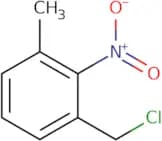
CAS:<p>Versatile small molecule scaffold</p>Formula:C11H8N4OPurity:Min. 95%Molecular weight:212.2 g/mol1-(Chloromethyl)-3-methyl-2-nitrobenzene
CAS:<p>Versatile small molecule scaffold</p>Formula:C8H8ClNO2Purity:Min. 95%Molecular weight:185.61 g/mol5-(3,5-Dichlorophenyl)-1,3,4-thiadiazol-2-amine
CAS:<p>Versatile small molecule scaffold</p>Formula:C8H5Cl2N3SPurity:Min. 95%Molecular weight:246.12 g/mol5-(3-Chlorophenyl)-1,3,4-thiadiazol-2-amine
CAS:<p>Versatile small molecule scaffold</p>Formula:C8H6ClN3SPurity:Min. 95%Molecular weight:211.68 g/mol5-(Thiophen-3-yl)-1,3,4-thiadiazol-2-amine
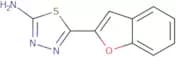
CAS:<p>Versatile small molecule scaffold</p>Formula:C6H5N3S2Purity:Min. 95%Molecular weight:183.3 g/mol5-(1-Benzofuran-2-yl)-1,3,4-thiadiazol-2-amine
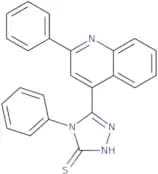
CAS:<p>Versatile small molecule scaffold</p>Formula:C10H7N3OSPurity:Min. 95%Molecular weight:217.25 g/mol4-Phenyl-5-(2-phenylquinolin-4-yl)-4H-1,2,4-triazole-3-thiol
CAS:<p>Versatile small molecule scaffold</p>Formula:C23H16N4SPurity:Min. 95%Molecular weight:380.5 g/mol5-Chlorothieno[3,2-b]thiophene-2-carboxylic acid
CAS:<p>Versatile small molecule scaffold</p>Formula:C7H3ClO2S2Purity:Min. 95%Molecular weight:218.7 g/mol


![3-Methylimidazo[2,1-b][1,3]thiazole](/_next/image/?url=https%3A%2Fstatic.cymitquimica.com%2Fproducts%2F3D%2Fthumb-webp%2FVBA65419.webp&w=3840&q=75)


![1-Azabicyclo[3.2.1]octan-6-one](/_next/image/?url=https%3A%2Fstatic.cymitquimica.com%2Fproducts%2F3D%2Fthumb-webp%2FVBA67576.webp&w=3840&q=75)

![[(2-Chlorophenyl)amino]carbonitrile](/_next/image/?url=https%3A%2Fstatic.cymitquimica.com%2Fproducts%2F3D%2Fthumb-webp%2FVBA76525.webp&w=3840&q=75)
![2,3-Dimethylimidazo[1,2-a]pyrimidine](/_next/image/?url=https%3A%2Fstatic.cymitquimica.com%2Fproducts%2F3D%2Fthumb-webp%2FVBA88046.webp&w=3840&q=75)
![2-[4-(Hydroxymethyl)-1H-1,2,3-triazol-1-yl]acetic acid](/_next/image/?url=https%3A%2Fstatic.cymitquimica.com%2Fproducts%2F3D%2Fthumb-webp%2FVBA96427.webp&w=3840&q=75)
![1,4-Dioxaspiro[4.5]decan-2-ylmethanamine](/_next/image/?url=https%3A%2Fstatic.cymitquimica.com%2Fproducts%2F3D%2Fthumb-webp%2FVBA98266.webp&w=3840&q=75)
![2-Azatricyclo[6.3.1.0,4,12]dodeca-1(12),4,6,8,10-pentaene](/_next/image/?url=https%3A%2Fstatic.cymitquimica.com%2Fproducts%2F3D%2Fthumb-webp%2FVBA99012.webp&w=3840&q=75)
![(3-(2-[2-(2-Methoxyethoxy)ethoxy]ethoxy)phenyl)methanol](/_next/image/?url=https%3A%2Fstatic.cymitquimica.com%2Fproducts%2F3D%2Fthumb-webp%2FVBD13692.webp&w=3840&q=75)

![1,6-Dihydro-3-phenyl-7H-pyrazolo[4,3-d]pyrimidin-7-one](/_next/image/?url=https%3A%2Fstatic.cymitquimica.com%2Fproducts%2F3D%2Fthumb-webp%2FVCA01580.webp&w=3840&q=75)


![5-Chlorothieno[3,2-b]thiophene-2-carboxylic acid](/_next/image/?url=https%3A%2Fstatic.cymitquimica.com%2Fproducts%2F3D%2Fthumb-webp%2FVCA06015.webp&w=3840&q=75)