


Building Blocks
This section contains fundamental products for the synthesis of organic and biological compounds. Building blocks are the essential starting materials used to construct complex molecules through various chemical reactions. They play a critical role in drug discovery, material science, and chemical research. At CymitQuimica, we offer a diverse range of high-quality building blocks to support your innovative research and industrial projects, ensuring you have the essential components for successful synthesis.
Subcategories of "Building Blocks"
- Boronic Acids & Boronic Acid Derivatives(5,756 products)
- Chiral Building Blocks(1,242 products)
- Hydrocarbon Building Blocks(6,095 products)
- Organic Building Blocks(61,051 products)
Found 199813 products of "Building Blocks"
Sort by
Purity (%)
0
100
|
0
|
50
|
90
|
95
|
100
{2-[2-Chloro-5-(methoxymethoxy)pyridin-4-yl]ethenyl}dimethylamine
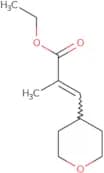
CAS:<p>Versatile small molecule scaffold</p>Formula:C11H15ClN2O2Purity:Min. 95%Molecular weight:242.7 g/molEthyl 2-methyl-3-(oxan-4-yl)prop-2-enoate
CAS:<p>Versatile small molecule scaffold</p>Formula:C11H18O3Purity:Min. 95%Molecular weight:198.26 g/molN'-Hydroxy-4-(propan-2-yl)morpholine-2-carboximidamide
CAS:<p>Versatile small molecule scaffold</p>Formula:C8H17N3O2Purity:Min. 95%Molecular weight:187.24 g/molMethyl 3-({[amino(4-bromophenyl)methylidene]amino}oxy)prop-2-enoate
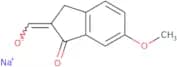
CAS:<p>Versatile small molecule scaffold</p>Formula:C11H11BrN2O3Purity:Min. 95%Molecular weight:299.12 g/molSodium (6-methoxy-1-oxo-2,3-dihydro-1H-inden-2-ylidene)methanolate
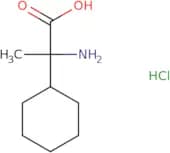
CAS:<p>Versatile small molecule scaffold</p>Formula:C11H9NaO3Purity:Min. 95%Molecular weight:212.18 g/mol(2R)-2-Amino-2-cyclohexylpropanoic acid hydrochloride
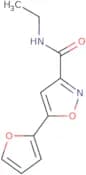
CAS:<p>Versatile small molecule scaffold</p>Formula:C9H18ClNO2Purity:Min. 95%Molecular weight:207.7 g/molN-Ethyl-5-(furan-2-yl)-1,2-oxazole-3-carboxamide
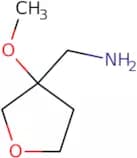
CAS:<p>Versatile small molecule scaffold</p>Formula:C10H10N2O3Purity:Min. 95%Molecular weight:206.2 g/mol(3-Methoxyoxolan-3-yl)methanamine
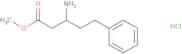
CAS:<p>Versatile small molecule scaffold</p>Formula:C6H13NO2Purity:Min. 95%Molecular weight:131.17 g/molMethyl (3S)-3-amino-5-phenylpentanoate hydrochloride
CAS:<p>Versatile small molecule scaffold</p>Formula:C12H18ClNO2Purity:Min. 95%Molecular weight:243.73 g/moltert-butyl 1-(hydroxymethyl)-6-azaspiro[2.5]octane-6-carboxylate
CAS:<p>Versatile small molecule scaffold</p>Formula:C13H23NO3Purity:Min. 95%Molecular weight:241.33 g/molrac-tert-butyl (3aR,7aR)-octahydro-1H-pyrrolo[3,4-c]pyridine-2-carboxylate, cis
CAS:<p>Versatile small molecule scaffold</p>Formula:C12H22N2O2Purity:Min. 95%Molecular weight:226.3 g/mol2,7-Diazaspiro[4.5]decane-7-carboxylic acid tert-butyl ester
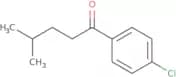
CAS:<p>2,7-Diazaspiro[4.5]decane-7-carboxylic acid tert-butyl ester is a polycarboxylic acid that is used as a pharmaceutical preparation. It has optical properties and is used in animal experiments to study inflammatory diseases. 2,7-Diazaspiro[4.5]decane-7-carboxylic acid tert-butyl ester has been shown to be effective in the treatment of hydrochloric acid induced ulcers in rats by reducing the amount of fatty acids and phospholipids present in the stomach lining and increasing the level of prostaglandin E2 (PGE2) production. It also works as a cross linking agent for chloride ion with fatty acids or esters to form an insoluble compound. The 2,7 diazaspiro[4.5]decane-7 carboxylic acid tert butyl ester is soluble in organic solv</p>Formula:C13H24N2O2Purity:Min. 95%Molecular weight:240.34 g/mol1-(4-Chlorophenyl)-4-methylpentan-1-one
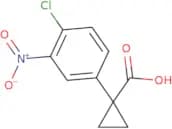
CAS:<p>Versatile small molecule scaffold</p>Formula:C12H15ClOPurity:Min. 95%Molecular weight:210.7 g/mol1-(4-Chloro-3-nitrophenyl)cyclopropane-1-carboxylic acid
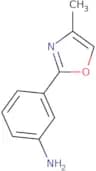
CAS:<p>Versatile small molecule scaffold</p>Formula:C10H8ClNO4Purity:Min. 95%Molecular weight:241.63 g/mol3-(4-Methyl-1,3-oxazol-2-yl)aniline
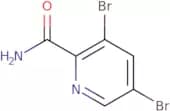
CAS:<p>Versatile small molecule scaffold</p>Formula:C10H10N2OPurity:Min. 95%Molecular weight:174.2 g/mol3,5-Dibromopyridine-2-carboxamide
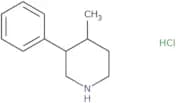
CAS:<p>Versatile small molecule scaffold</p>Formula:C6H4Br2N2OPurity:Min. 95%Molecular weight:279.92 g/mol4-Methyl-3-phenylpiperidine hydrochloride
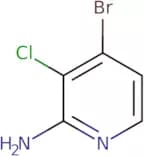
CAS:<p>Versatile small molecule scaffold</p>Formula:C12H18ClNPurity:Min. 95%Molecular weight:211.73 g/mol4-Bromo-3-chloropyridin-2-amine
CAS:<p>4-Bromo-3-chloropyridin-2-amine is a chlorinating agent that reacts with the substrate to form a halogenated product. It is used as an intermediate in the synthesis of organic compounds, such as 3-methylpyrazole and 8-hydroxyquinoline. 4-Bromo-3-chloropyridin-2-amine can be prepared by reacting chloroperoxidase with hydrogen peroxide and chloride in the presence of potassium chloride. This reaction produces a mixture of products including 4-bromo-, 3,5,6,7,8,9,10,11 bromo-, and 3,4 bromopyridine.</p>Formula:C5H4BrClN2Purity:Min. 95%Molecular weight:207.45 g/mol2,4-Dibromo-3-chloropyridine
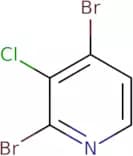
CAS:<p>Versatile small molecule scaffold</p>Formula:C5H2NClBr2Purity:Min. 95%Molecular weight:271.33 g/molN-(2-Aminoethyl)-4-phenylbutanamide hydrochloride
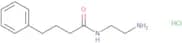
CAS:<p>Versatile small molecule scaffold</p>Formula:C12H19ClN2OPurity:Min. 95%Molecular weight:242.74 g/mol2-(4-Bromo-2-methylphenyl)acetamide
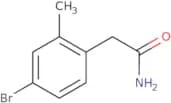
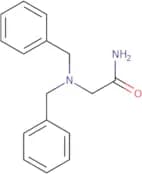
CAS:<p>Versatile small molecule scaffold</p>Formula:C9H10BrNOPurity:Min. 95%Molecular weight:228.09 g/mol2-(Dibenzylamino)acetamide
CAS:<p>Versatile small molecule scaffold</p>Formula:C16H18N2OPurity:Min. 95%Molecular weight:254.33 g/molN-[2-(Furan-2-yl)ethyl]acetamide
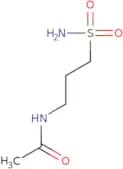
CAS:<p>Versatile small molecule scaffold</p>Formula:C8H11NO2Purity:Min. 95%Molecular weight:153.18 g/molN-(3-Sulfamoylpropyl)acetamide
CAS:<p>Versatile small molecule scaffold</p>Formula:C5H12N2O3SPurity:Min. 95%Molecular weight:180.23 g/mol2-[(2-Chlorophenyl)methoxy]acetic acid
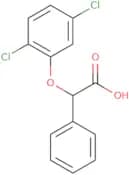
CAS:<p>Versatile small molecule scaffold</p>Formula:C9H9ClO3Purity:Min. 95%Molecular weight:200.62 g/mol2-(2,5-Dichlorophenoxy)-2-phenylacetic acid
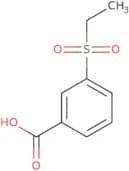
CAS:<p>Versatile small molecule scaffold</p>Formula:C14H10Cl2O3Purity:Min. 95%Molecular weight:297.1 g/mol3-(Ethanesulfonyl)benzoic acid
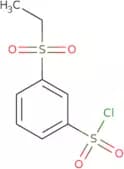
CAS:<p>Versatile small molecule scaffold</p>Formula:C9H10O4SPurity:Min. 95%Molecular weight:214.24 g/mol3-(Ethanesulfonyl)benzene-1-sulfonyl chloride
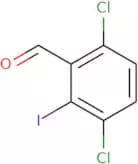
CAS:<p>Versatile small molecule scaffold</p>Formula:C8H9ClO4S2Purity:Min. 95%Molecular weight:268.7 g/mol3,6-Dichloro-2-iodobenzaldehyde
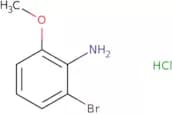
CAS:<p>Versatile small molecule scaffold</p>Formula:C7H3Cl2IOPurity:Min. 95%Molecular weight:300.9 g/mol2-Bromo-6-methoxyaniline hydrochloride
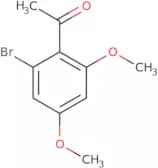
CAS:<p>Versatile small molecule scaffold</p>Formula:C7H8BrNO·HClPurity:Min. 95%Molecular weight:238.51 g/mol1-(2-Bromo-4,6-dimethoxyphenyl)ethan-1-one
CAS:<p>Versatile small molecule scaffold</p>Formula:C10H11BrO3Purity:Min. 95%Molecular weight:259.1 g/mol6-Hydroxy-decahydronaphthalene-1-carboxylic acid
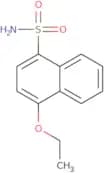
CAS:<p>Versatile small molecule scaffold</p>Formula:C11H18O3Purity:Min. 95%Molecular weight:198.3 g/mol4-Ethoxynaphthalene-1-sulfonamide
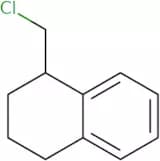
CAS:<p>Versatile small molecule scaffold</p>Formula:C12H13NO3SPurity:Min. 95%Molecular weight:251.3 g/mol1-(Chloromethyl)-1,2,3,4-tetrahydronaphthalene
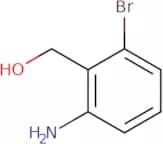
CAS:<p>1-(Chloromethyl)-1,2,3,4-tetrahydronaphthalene is a chemical compound that belongs to the group of aryloxy compounds. It has been used for the production of cellulose acetate and other cellulose esters. 1-(Chloromethyl)-1,2,3,4-tetrahydronaphthalene can be obtained by reacting cyanoacetic acid with chloroacetic acid in the presence of cellulose at high temperature and pressure. This chemical compound can also be prepared by reacting cyclohexanone with nitroethane in the presence of anion or by reacting ethylene oxide with nitroethane. This chemical is used as a dyeing agent for cotton and synthetic fibres.</p>Formula:C11H13ClPurity:Min. 95%Molecular weight:180.67 g/mol(2-Amino-6-bromophenyl)methanol
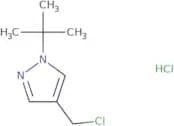
CAS:<p>Versatile small molecule scaffold</p>Formula:C7H8BrNOPurity:Min. 95%Molecular weight:202.05 g/mol1-tert-Butyl-4-(chloromethyl)-1H-pyrazole hydrochloride
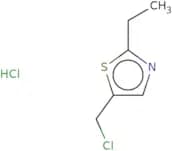
CAS:<p>Versatile small molecule scaffold</p>Formula:C8H14Cl2N2Purity:Min. 95%Molecular weight:209.11 g/mol5-(Chloromethyl)-2-ethyl-1,3-thiazole hydrochloride
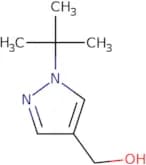
CAS:<p>Versatile small molecule scaffold</p>Formula:C6H9Cl2NSPurity:Min. 95%Molecular weight:198.1 g/mol(1-tert-Butyl-1H-pyrazol-4-yl)methanol
CAS:<p>Versatile small molecule scaffold</p>Formula:C8H14N2OPurity:Min. 95%Molecular weight:154.2 g/mol(1-Cyclohexyl-1H-pyrazol-4-yl)methanol
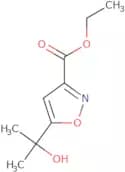
CAS:<p>Versatile small molecule scaffold</p>Formula:C10H16N2OPurity:Min. 95%Molecular weight:180.2 g/mol5-(1-Hydroxy-1-methyl-ethyl)-isoxazole-3-carboxylic acid ethyl ester
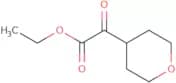
CAS:<p>Versatile small molecule scaffold</p>Formula:C9H13NO4Purity:Min. 95%Molecular weight:199.2 g/molEthyl 2-(oxan-4-yl)-2-oxoacetate
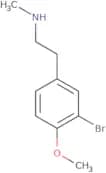
CAS:<p>Versatile small molecule scaffold</p>Formula:C9H14O4Purity:Min. 95%Molecular weight:186.2 g/mol2-(3-Bromo-4-methoxyphenyl)-N-methylethanamine
CAS:Controlled Product<p>Versatile small molecule scaffold</p>Formula:C10H14BrNOPurity:Min. 95%Molecular weight:244.13 g/molMethyl[1-(4-methylphenyl)butan-2-yl]amine
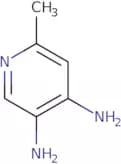
CAS:Controlled Product<p>Versatile small molecule scaffold</p>Formula:C12H19NPurity:Min. 95%Molecular weight:177.29 g/mol6-Methylpyridine-3,4-diamine
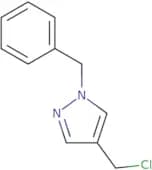
CAS:<p>Versatile small molecule scaffold</p>Formula:C6H9N3Purity:Min. 95%Molecular weight:123.16 g/mol1-Benzyl-4-(chloromethyl)-1H-pyrazole
CAS:Controlled Product<p>Versatile small molecule scaffold</p>Formula:C11H11ClN2Purity:Min. 95%Molecular weight:206.67 g/mol3-(Imidazo[2,1-b][1,3]thiazol-6-yl)aniline
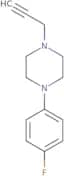
CAS:<p>Versatile small molecule scaffold</p>Formula:C11H9N3SPurity:Min. 95%Molecular weight:215.27 g/mol1-(4-Fluorophenyl)-4-(prop-2-yn-1-yl)piperazine
CAS:<p>Versatile small molecule scaffold</p>Formula:C13H15FN2Purity:Min. 95%Molecular weight:218.27 g/molN-[(3-Chloro-4-methoxyphenyl)methylidene]hydroxylamine
CAS:<p>Versatile small molecule scaffold</p>Formula:C8H8ClNO2Purity:Min. 95%Molecular weight:185.61 g/mol{1-[4-(Aminomethyl)phenyl]piperidin-4-yl}methanol
CAS:<p>Versatile small molecule scaffold</p>Formula:C13H20N2OPurity:Min. 95%Molecular weight:220.31 g/mol2-Chloro-5-[(2-methylpiperidin-1-yl)methyl]pyridine
CAS:<p>Versatile small molecule scaffold</p>Formula:C12H17ClN2Purity:Min. 95%Molecular weight:224.73 g/mol
![{2-[2-Chloro-5-(methoxymethoxy)pyridin-4-yl]ethenyl}dimethylamine](/_next/image/?url=https%3A%2Fstatic.cymitquimica.com%2Fproducts%2F3D%2Fthumb-webp%2FLIC72696.webp&w=3840&q=75)

![Methyl 3-({[amino(4-bromophenyl)methylidene]amino}oxy)prop-2-enoate](/_next/image/?url=https%3A%2Fstatic.cymitquimica.com%2Fproducts%2F3D%2Fthumb-webp%2FLIC72701.webp&w=3840&q=75)
![tert-butyl 1-(hydroxymethyl)-6-azaspiro[2.5]octane-6-carboxylate](/_next/image/?url=https%3A%2Fstatic.cymitquimica.com%2Fproducts%2F3D%2Fthumb-webp%2FLJA40642.webp&w=3840&q=75)
![rac-tert-butyl (3aR,7aR)-octahydro-1H-pyrrolo[3,4-c]pyridine-2-carboxylate, cis](/_next/image/?url=https%3A%2Fstatic.cymitquimica.com%2Fproducts%2F3D%2Fthumb-webp%2FLJA40656.webp&w=3840&q=75)
![2,7-Diazaspiro[4.5]decane-7-carboxylic acid tert-butyl ester](/_next/image/?url=https%3A%2Fstatic.cymitquimica.com%2Fproducts%2F3D%2Fthumb-webp%2FLJA40661.webp&w=3840&q=75)
![N-[2-(Furan-2-yl)ethyl]acetamide](/_next/image/?url=https%3A%2Fstatic.cymitquimica.com%2Fproducts%2F3D%2Fthumb-webp%2FLJB05835.webp&w=3840&q=75)
![2-[(2-Chlorophenyl)methoxy]acetic acid](/_next/image/?url=https%3A%2Fstatic.cymitquimica.com%2Fproducts%2F3D%2Fthumb-webp%2FLJB06405.webp&w=3840&q=75)
![Methyl[1-(4-methylphenyl)butan-2-yl]amine](/_next/image/?url=https%3A%2Fstatic.cymitquimica.com%2Fproducts%2F3D%2Fthumb-webp%2FLJB19921.webp&w=3840&q=75)
![3-(Imidazo[2,1-b][1,3]thiazol-6-yl)aniline](/_next/image/?url=https%3A%2Fstatic.cymitquimica.com%2Fproducts%2F3D%2Fthumb-webp%2FLJB20626.webp&w=3840&q=75)
![N-[(3-Chloro-4-methoxyphenyl)methylidene]hydroxylamine](/_next/image/?url=https%3A%2Fstatic.cymitquimica.com%2Fproducts%2F3D%2Fthumb-webp%2FLJB20768.webp&w=3840&q=75)
![{1-[4-(Aminomethyl)phenyl]piperidin-4-yl}methanol](/_next/image/?url=https%3A%2Fstatic.cymitquimica.com%2Fproducts%2F3D%2Fthumb-webp%2FLJB21009.webp&w=3840&q=75)
![2-Chloro-5-[(2-methylpiperidin-1-yl)methyl]pyridine](/_next/image/?url=https%3A%2Fstatic.cymitquimica.com%2Fproducts%2F3D%2Fthumb-webp%2FLJB21151.webp&w=3840&q=75)