


Building Blocks
This section contains fundamental products for the synthesis of organic and biological compounds. Building blocks are the essential starting materials used to construct complex molecules through various chemical reactions. They play a critical role in drug discovery, material science, and chemical research. At CymitQuimica, we offer a diverse range of high-quality building blocks to support your innovative research and industrial projects, ensuring you have the essential components for successful synthesis.
Subcategories of "Building Blocks"
- Boronic Acids & Boronic Acid Derivatives(5,756 products)
- Chiral Building Blocks(1,242 products)
- Hydrocarbon Building Blocks(6,095 products)
- Organic Building Blocks(61,038 products)
Found 196817 products of "Building Blocks"
Sort by
Purity (%)
0
100
|
0
|
50
|
90
|
95
|
100
2-(((Benzyloxy)carbonyl)amino)-2-phenylacetic acid
CAS:<p>Versatile small molecule scaffold</p>Formula:C16H15NO4Purity:Min. 95%Molecular weight:285.29 g/molMethyl 4,4-dimethyl-2-oxocyclopentane-1-carboxylate
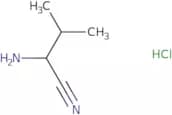
CAS:<p>Versatile small molecule scaffold</p>Formula:C9H14O3Purity:Min. 95%Molecular weight:170.21 g/mol2-Amino-3-methylbutanenitrile hydrochloride
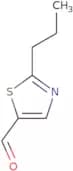
CAS:<p>2-Amino-3-methylbutanenitrile hydrochloride is a chemical that has been shown to have anti-tumor effects. It inhibits the growth of cancer cells and induces programmed cell death (apoptosis). The mechanism of action is not fully understood, but it may involve the immune system by inhibiting certain types of immune cells and suppressing their activity. 2-Amino-3-methylbutanenitrile hydrochloride binds to the mineralocorticoid receptor, which is involved in regulating blood pressure and fluid balance. 2-Amino-3-methylbutanenitrile hydrochloride also has antagonistic activities against C1–6 alkyl groups and C1–4 alkyl groups as well as insoluble properties.</p>Formula:C5H11ClN2Purity:Min. 95%Molecular weight:134.61 g/mol2-Propyl-1,3-thiazole-5-carbaldehyde
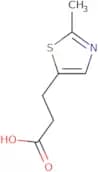
CAS:<p>Versatile small molecule scaffold</p>Formula:C7H9NOSPurity:Min. 95%Molecular weight:155.22 g/mol3-(2-Methyl-1,3-thiazol-5-yl)propanoic acid
CAS:<p>Versatile small molecule scaffold</p>Formula:C7H9NO2SPurity:Min. 95%Molecular weight:171.22 g/mol(2-Chloro-3-pyridinyl)(4-methyl-1-piperazinyl)-methanone
CAS:<p>Versatile small molecule scaffold</p>Formula:C11H14ClN3OPurity:Min. 95%Molecular weight:239.7 g/mol2-Chloro-3-(piperidine-1-sulfonyl)pyridine
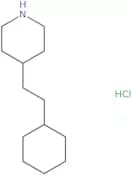
CAS:<p>Versatile small molecule scaffold</p>Formula:C10H13ClN2O2SPurity:Min. 95%Molecular weight:260.74 g/mol4-(2-Cyclohexylethyl)piperidine hydrochloride
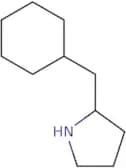
CAS:<p>Versatile small molecule scaffold</p>Formula:C13H26ClNPurity:Min. 95%Molecular weight:231.8 g/mol2-(Cyclohexylmethyl)pyrrolidine
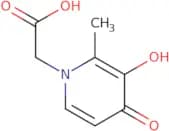
CAS:<p>Versatile small molecule scaffold</p>Formula:C11H21NPurity:Min. 95%Molecular weight:167.29 g/mol2-(3-Hydroxy-2-methyl-4-oxo-1,4-dihydropyridin-1-yl)acetic acid
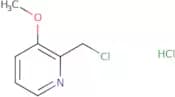
CAS:<p>Versatile small molecule scaffold</p>Formula:C8H9NO4Purity:Min. 95%Molecular weight:183.16 g/mol2-(chloromethyl)-3-methoxypyridin hcl
CAS:<p>Versatile small molecule scaffold</p>Formula:C7H9Cl2NOPurity:Min. 95%Molecular weight:194.06 g/mol1-Bromo-1-cyclopropylcyclopropane
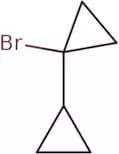
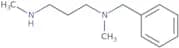
CAS:<p>1-Bromo-1-cyclopropylcyclopropane is a chloride that is produced by the reaction of magnesium with hydrogen bromide. It is used as a reagent in organic synthesis, for example as a stabilizing agent for cyclopropanes and as a ring-opening agent for halides. In addition, 1-bromo-1-cyclopropylcyclopropane can be used to synthesize acetylated compounds and amines. This compound is scalable, which means it can be made in large quantities.</p>Formula:C6H9BrPurity:Min. 95%Molecular weight:161.04 g/molN1-Benzyl-N1,N3-dimethyl-1,3-propanediamine
CAS:<p>Versatile small molecule scaffold</p>Formula:C12H20N2Purity:Min. 95%Molecular weight:192.31 g/mol1-Bromo-3,5-dichloro-2-methoxybenzene
CAS:<p>Versatile small molecule scaffold</p>Formula:C7H5BrCl2OPurity:Min. 95%Molecular weight:255.92 g/mol2-[(3,5-Dichlorophenoxy)methyl]oxirane
CAS:<p>Versatile small molecule scaffold</p>Formula:C9H8Cl2O2Purity:Min. 95%Molecular weight:219.06 g/molMethyl 3-methoxy-5-methyl-1,2-oxazole-4-carboxylate
CAS:<p>Versatile small molecule scaffold</p>Formula:C7H9NO4Purity:Min. 95%Molecular weight:171.2 g/mol3-Bromo-pyrazolo[1,5-a]pyridin-2-ol
CAS:<p>Versatile small molecule scaffold</p>Formula:C7H5BrN2OPurity:Min. 95%Molecular weight:213.03 g/mol2-Cyclobutylethan-1-amine
CAS:<p>2-Cyclobutylethan-1-amine is a compound that has been shown to inhibit p2y12, which is a purinergic receptor. This receptor is known for playing a role in the inflammatory response and vascular permeability. 2-Cyclobutylethan-1-amine also inhibits the mitochondrial enzyme aconitase, leading to a decrease in ATP production. It has been shown to have anti-cancer properties as well as an inhibitory effect on plant diseases such as fatty acid oxidation and ring structure formation. The amide bond of this compound is responsible for its basic structure and ability to bind with acid.</p>Formula:C6H13NPurity:Min. 95%Molecular weight:99.17 g/molMethyl 5-(chlorosulfonyl)-2-hydroxybenzoate
CAS:<p>Versatile small molecule scaffold</p>Formula:C8H7ClO5SPurity:Min. 95%Molecular weight:250.66 g/mol8-Chloro-3,4-dihydro-2H-1-benzothiopyran-4-one
CAS:<p>8-Chloro-3,4-dihydro-2H-1-benzothiopyran-4-one is a chlorinated derivative of the quinoline that has been shown to have carcinogenic activity in biological tests. It is used as an intermediate in the synthesis of other compounds.</p>Formula:C9H7ClOSPurity:Min. 95%Molecular weight:198.67 g/mol2-(3,5-Dimethyl-1H-pyrazol-1-yl)pyridin-3-amine
CAS:<p>Versatile small molecule scaffold</p>Formula:C10H12N4Purity:Min. 95%Molecular weight:188.23 g/mol5-Aminothieno[3,2-b]pyridine-6-carbonitrile
CAS:<p>Versatile small molecule scaffold</p>Formula:C8H5N3SPurity:Min. 95%Molecular weight:175.21 g/molMethyl 4-(3-hydroxyphenyl)-2,4-dioxobutanoate
CAS:<p>Versatile small molecule scaffold</p>Formula:C11H10O5Purity:Min. 95%Molecular weight:222.19 g/molMethyl 5-(3-hydroxyphenyl)-1,2-oxazole-3-carboxylate
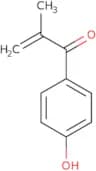
CAS:<p>Versatile small molecule scaffold</p>Formula:C11H9NO4Purity:Min. 95%Molecular weight:219.19 g/mol1-(4-Hydroxyphenyl)-2-methylprop-2-en-1-one
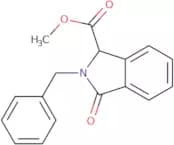
CAS:<p>Versatile small molecule scaffold</p>Formula:C10H10O2Purity:Min. 95%Molecular weight:162.18 g/molMethyl 2-benzyl-3-oxo-2,3-dihydro-1H-isoindole-1-carboxylate
CAS:<p>Versatile small molecule scaffold</p>Formula:C17H15NO3Purity:Min. 95%Molecular weight:281.3 g/mol5-(Propan-2-yl)-2-(trifluoromethyl)aniline
CAS:<p>Versatile small molecule scaffold</p>Formula:C10H12F3NPurity:Min. 95%Molecular weight:203.2 g/molCyclononanamine hydrochloride
CAS:<p>Versatile small molecule scaffold</p>Formula:C9H20ClNPurity:Min. 95%Molecular weight:177.7 g/molMethyl 3-hydroxy-2-methylpentanoate
CAS:<p>Methyl 3-hydroxy-2-methylpentanoate is a chemical compound that belongs to the group of alkenoic esters. It is an intermediate in the Baylis-Hillman reaction, which is a chemoenzymatic synthesis used to produce acrylates. Methyl 3-hydroxy-2-methylpentanoate can also be isolated as a byproduct of the weevil, where it was found in the male genitalia. The optical rotation of methyl 3-hydroxy-2-methylpentanoate has been determined to be (+) and it has a molecular weight of 150.</p>Formula:C7H14O3Purity:Min. 95%Molecular weight:146.18 g/mol3-Methoxy-1,2-thiazole-4-carboxylic acid
CAS:<p>Versatile small molecule scaffold</p>Formula:C5H5NO3SPurity:Min. 95%Molecular weight:159.17 g/mol5-Chloro-2,3-dihydro-1H-indene
CAS:<p>5-Chloro-2,3-dihydro-1H-indene is a pyrazole derivative that has been shown to be a potent inhibitor of restenosis. It inhibits the migration and proliferation of vascular smooth muscle cells by preventing the formation of hydrogen bonds in their actin filaments. 5-Chloro-2,3-dihydro-1H-indene also inhibits insulin resistance in mice by inhibiting chemokine production. This drug is currently under development for the treatment of various conditions including diabetes, atherosclerosis, and sclerosis. The molecular structure of 5CHI has been optimized using molecular modeling techniques and benzylamine derivatives have been synthesized as analogues with improved pharmacokinetic properties.</p>Formula:C9H9ClPurity:Min. 95%Molecular weight:152.62 g/molMethyl 2-(5-methylfuran-2-yl)acetate
CAS:<p>Versatile small molecule scaffold</p>Formula:C8H10O3Purity:Min. 95%Molecular weight:154.16 g/mol{[(2-bromoethyl)sulfanyl]methyl}benzene
CAS:<p>Versatile small molecule scaffold</p>Formula:C9H11BrSPurity:Min. 95%Molecular weight:231.15 g/mol1-Methylindole-2-carbonitrile
CAS:<p>1-Methylindole-2-carbonitrile is an organic compound that belongs to the class of aldehydes. It is an acidic and reactive compound that can undergo reactions with other compounds. The cyano group in the structure gives it a cyan color and it has been shown to react with many compounds, including aromatic aldehydes, halogen, and tryptamine.</p>Formula:C10H8N2Purity:Min. 95%Molecular weight:156.18 g/mol4-(2,5-Dioxo-pyrrolidin-1-yl)-benzoic acid
CAS:<p>4-(2,5-Dioxo-pyrrolidin-1-yl)-benzoic acid is a versatile research chemical commonly used in various scientific techniques. It is known for its azide properties, making it a valuable compound in many laboratory experiments and studies. Whether you are conducting cutting-edge research or exploring new scientific frontiers, 4-(2,5-Dioxo-pyrrolidin-1-yl)-benzoic acid is an essential tool to have in your arsenal. Its high purity and reliability ensure accurate and reproducible results, allowing you to push the boundaries of science and make groundbreaking discoveries. Trust in the quality of 4-(2,5-Dioxo-pyrrolidin-1-yl)-benzoic acid for all your research needs.</p>Formula:C11H9NO4Purity:Min. 95%Molecular weight:219.19 g/mol5-Phenoxyfuran-2-carbaldehyde
CAS:<p>Versatile small molecule scaffold</p>Formula:C11H8O3Purity:Min. 95%Molecular weight:188.18 g/mol3,5-Dimethyl-1-(propan-2-yl)-1H-pyrazol-4-amine
CAS:<p>Versatile small molecule scaffold</p>Formula:C8H15N3Purity:Min. 95%Molecular weight:153.22 g/mol2,3,5,6-Tetramethylbenzenesulfonyl chloride
CAS:<p>Versatile small molecule scaffold</p>Formula:C10H13ClO2SPurity:Min. 95%Molecular weight:232.73 g/mol4-Benzyloxydiphenylamine
CAS:<p>Versatile small molecule scaffold</p>Formula:C19H17NOPurity:Min. 95%Molecular weight:275.3 g/mol2-Methyl-3-(methylsulfanyl)aniline
CAS:<p>Versatile small molecule scaffold</p>Formula:C8H11NSPurity:Min. 95%Molecular weight:153.25 g/mol(1-Benzyl-piperidin-3-yl)-methyl-amine
CAS:<p>Versatile small molecule scaffold</p>Formula:C13H20N2Purity:Min. 95%Molecular weight:204.32 g/molDimethyl-piperidin-2-ylmethyl-amine
CAS:<p>Dimethyl-piperidin-2-ylmethyl-amine (DMPM) is a chemical compound that is known to inhibit activation pathways of NF-κB. DMPM is a selective inhibitor of the activation pathway of NF-κB, and has been shown to reduce inflammation in mouse models. It also inhibits receptor-mediated pathways, which are involved in the activation of antigen presenting cells. DMPM has been shown to be effective in inhibiting chronic inflammation and autoimmunity. This drug has been found to inhibit the inflammatory response by preventing the production of cytokines such as TNF-α, IL1β, IL6, and IFNγ. The chemical structure of DMPM has been shown to be stable enough for screening purposes.</p>Formula:C8H18N2Purity:Min. 95%Molecular weight:142.25 g/mol2-Cyanobicyclo[2.2.1]hept-5-ene-2-carboxylic acid
CAS:<p>Versatile small molecule scaffold</p>Formula:C9H9NO2Purity:Min. 95%Molecular weight:163.17 g/mol1-(2-Hydroxyphenyl)-2-(1H-1,2,3,4-tetrazol-5-yl)ethan-1-one
CAS:<p>Versatile small molecule scaffold</p>Formula:C9H8N4O2Purity:Min. 95%Molecular weight:204.19 g/mol2-(2-Phenyl-1,3-benzoxazol-4-yl)acetic acid
CAS:<p>Versatile small molecule scaffold</p>Formula:C15H11NO3Purity:Min. 95%Molecular weight:253.25 g/mol3-Bromo-5-chlorothiophene-2-carboxylic acid
CAS:<p>Versatile small molecule scaffold</p>Formula:C5H2BrClO2SPurity:Min. 95%Molecular weight:241.48 g/mol1-Phenyl-1H-pyrazole-4-sulfonamide
CAS:<p>Versatile small molecule scaffold</p>Formula:C9H9N3O2SPurity:Min. 95%Molecular weight:223.25 g/mol[1-(2-Phenylethyl)pyrrolidin-2-yl]methanamine
CAS:<p>Versatile small molecule scaffold</p>Formula:C13H20N2Purity:Min. 95%Molecular weight:204.31 g/mol3-Methyl-5-phenylcyclohexan-1-one
CAS:<p>Versatile small molecule scaffold</p>Formula:C13H16OPurity:Min. 95%Molecular weight:188.26 g/molMethyl 3-[(3-methoxy-3-oxopropyl)sulfanyl]butanoate
CAS:<p>Versatile small molecule scaffold</p>Formula:C9H16O4SPurity:Min. 95%Molecular weight:220.29 g/mol





![2-[(3,5-Dichlorophenoxy)methyl]oxirane](/_next/image/?url=https%3A%2Fstatic.cymitquimica.com%2Fproducts%2F3D%2Fthumb-webp%2FKCA63337.webp&w=3840&q=75)

![3-Bromo-pyrazolo[1,5-a]pyridin-2-ol](/_next/image/?url=https%3A%2Fstatic.cymitquimica.com%2Fproducts%2F3D%2Fthumb-webp%2FKCA63730.webp&w=3840&q=75)


![5-Aminothieno[3,2-b]pyridine-6-carbonitrile](/_next/image/?url=https%3A%2Fstatic.cymitquimica.com%2Fproducts%2F3D%2Fthumb-webp%2FKCA63944.webp&w=3840&q=75)




![{[(2-bromoethyl)sulfanyl]methyl}benzene](/_next/image/?url=https%3A%2Fstatic.cymitquimica.com%2Fproducts%2F3D%2Fthumb-webp%2FKCA67159.webp&w=3840&q=75)


![2-Cyanobicyclo[2.2.1]hept-5-ene-2-carboxylic acid](/_next/image/?url=https%3A%2Fstatic.cymitquimica.com%2Fproducts%2F3D%2Fthumb-webp%2FKCA72214.webp&w=3840&q=75)


![[1-(2-Phenylethyl)pyrrolidin-2-yl]methanamine](/_next/image/?url=https%3A%2Fstatic.cymitquimica.com%2Fproducts%2F3D%2Fthumb-webp%2FKCA73745.webp&w=3840&q=75)

![Methyl 3-[(3-methoxy-3-oxopropyl)sulfanyl]butanoate](/_next/image/?url=https%3A%2Fstatic.cymitquimica.com%2Fproducts%2F3D%2Fthumb-webp%2FKCA74324.webp&w=3840&q=75)