Building Blocks
This section contains fundamental products for the synthesis of organic and biological compounds. Building blocks are the essential starting materials used to construct complex molecules through various chemical reactions. They play a critical role in drug discovery, material science, and chemical research. At CymitQuimica, we offer a diverse range of high-quality building blocks to support your innovative research and industrial projects, ensuring you have the essential components for successful synthesis.
Subcategories of "Building Blocks"
- Boronic Acids & Boronic Acid Derivatives(5,756 products)
- Chiral Building Blocks(1,242 products)
- Hydrocarbon Building Blocks(6,095 products)
- Organic Building Blocks(61,038 products)
Found 196817 products of "Building Blocks"
Sort by
Purity (%)
0
100
|
0
|
50
|
90
|
95
|
100
2-Bromo-2-methanesulfonyl-1-phenylethan-1-one
CAS:<p>Versatile small molecule scaffold</p>Formula:C9H9BrO3SPurity:Min. 95%Molecular weight:277.14 g/mol3-(2-Chloroethyl)-5,5-dimethylimidazolidine-2,4-dione
CAS:<p>Versatile small molecule scaffold</p>Formula:C7H11ClN2O2Purity:Min. 95%Molecular weight:190.63 g/molMethyl 5-methyl-2-oxo-2,3-dihydro-1H-imidazole-4-carboxylate
CAS:<p>Versatile small molecule scaffold</p>Formula:C6H8N2O3Purity:Min. 95%Molecular weight:156.14 g/mol(Dimethyl-1,2-thiazol-4-yl)methanol
CAS:<p>Versatile small molecule scaffold</p>Formula:C6H9NOSPurity:Min. 95%Molecular weight:143.21 g/mol(1,3-Thiazol-2-yl)methanethiol
CAS:<p>Versatile small molecule scaffold</p>Formula:C4H5NS2Purity:Min. 95%Molecular weight:131.2 g/mol(1,3,3-Trimethylcyclohexyl)methanamine
CAS:<p>Versatile small molecule scaffold</p>Formula:C10H21NPurity:Min. 95%Molecular weight:155.28 g/mol(3-Methoxy-2-nitrophenyl)methanol
CAS:<p>Versatile small molecule scaffold</p>Formula:C8H9NO4Purity:Min. 95%Molecular weight:183.16 g/mol5,6-Dihydro-4H-cyclopentathiazol-2-ylamine
CAS:<p>Versatile small molecule scaffold</p>Formula:C6H8N2SPurity:Min. 95%Molecular weight:140.2 g/mol(2-Anilinophenyl)methanol
CAS:<p>Versatile small molecule scaffold</p>Formula:C13H13NOPurity:Min. 95%Molecular weight:199.25 g/mol4-Isocyanatooxane
CAS:<p>Versatile small molecule scaffold</p>Formula:C6H9NO2Purity:Min. 95%Molecular weight:127.14 g/mol4-[(Dimethylamino)methyl]benzene-1-carboximidamide
CAS:<p>Versatile small molecule scaffold</p>Formula:C10H15N3Purity:Min. 95%Molecular weight:177.25 g/mol2-(1,3,4-Thiadiazol-2-ylsulfanyl)acetic acid
CAS:<p>Versatile small molecule scaffold</p>Formula:C4H4N2O2S2Purity:Min. 95%Molecular weight:176.2 g/molEthyl 2-(chloromethyl)furan-3-carboxylate
CAS:<p>Versatile small molecule scaffold</p>Formula:C8H9ClO3Purity:Min. 95%Molecular weight:188.61 g/molMethyl 2-(bromomethyl)-3-furoate
CAS:<p>Methyl 2-(bromomethyl)-3-furoate is a muscarinic acetylcholine receptor agonist. It has been shown to bind to the M1 and M3 subtypes of the muscarinic acetylcholine receptors, but is not active against the M2 subtype. This drug has been shown to be an allosteric modulator of the acetylcholine receptors and will decrease the rate at which they are desensitized after binding to acetylcholine. Methyl 2-(bromomethyl)-3-furoate binds to a different site on the receptor than other agonists, such as carbachol and bethanechol, and offers advantages in terms of selectivity and optimization for both chemotypes and profiles.</p>Formula:C7H7BrO3Purity:Min. 95%Molecular weight:219.03 g/molMethyl 2-(chloromethyl)furan-3-carboxylate
CAS:<p>Methyl 2-(chloromethyl)furan-3-carboxylate is a heterocyclic compound that can be synthesized by cyclization of methyl 2-chlorobenzoylacetate with nitroethane and formaldehyde. It is a heterocyclic system with a six-membered ring containing two double bonds.</p>Formula:C7H7ClO3Purity:Min. 95%Molecular weight:174.58 g/mol(3-Methylcyclohexyl)methanol
CAS:<p>Methylcyclohexanol is an esterification product that can be used in the production of isophthalate and hydrogenated products. It is produced through the reaction of methanol with isophthalic acid, which is a monomer in the production of polyester. The esterification reaction produces methylcyclohexyl methanoate, which reacts with hydrogen gas to form methylcyclohexylmethanol. This process also produces water as a by-product.</p>Formula:C8H16OPurity:Min. 95%Molecular weight:128.21 g/mol2-(1,2,3,4-Tetrahydroisoquinolin-1-yl)acetic acid hydrochloride
CAS:<p>Versatile small molecule scaffold</p>Formula:C11H14ClNO2Purity:Min. 95%Molecular weight:227.69 g/molMethyl 2-formyl-4,5-dimethoxybenzoate
CAS:<p>Versatile small molecule scaffold</p>Formula:C11H12O5Purity:Min. 95%Molecular weight:224.21 g/mol3-(Bromomethyl)-1,2,5-thiadiazole
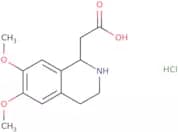
CAS:<p>Versatile small molecule scaffold</p>Formula:C3H3BrN2SPurity:Min. 95%Molecular weight:179.04 g/mol2-(6,7-Dimethoxy-1,2,3,4-tetrahydroisoquinolin-1-yl)acetic acid hydrochloride
CAS:<p>Versatile small molecule scaffold</p>Formula:C13H18ClNO4Purity:Min. 95%Molecular weight:287.74 g/mol7-Hydroxy-3,4-dimethyl-2,3-dihydro-1H-inden-1-one
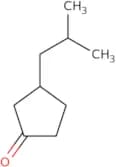
CAS:<p>Versatile small molecule scaffold</p>Formula:C11H12O2Purity:Min. 95%Molecular weight:176.21 g/mol3-(2-Methylpropyl)cyclopentan-1-one
CAS:<p>Versatile small molecule scaffold</p>Formula:C9H16OPurity:Min. 95%Molecular weight:140.22 g/mol3-(3-Methylbutyl)cyclopentan-1-one
CAS:<p>Versatile small molecule scaffold</p>Formula:C10H18OPurity:Min. 95%Molecular weight:154.25 g/mol1-Oxo-1,2-dihydroisoquinoline-4-carbonitrile
CAS:<p>Versatile small molecule scaffold</p>Formula:C10H6N2OPurity:Min. 95%Molecular weight:170.17 g/molrac-(3aR,6aS)-Hexahydro-1H-5λ6-thieno[3,4-b]pyrrole-2,5,5-trione
CAS:<p>Versatile small molecule scaffold</p>Formula:C6H9NO3SPurity:Min. 95%Molecular weight:175.2 g/molrac-Methyl 2-[(1R,2R)-2-{[(tert-butoxy)carbonyl]amino}cyclohexyl]acetate
CAS:<p>Versatile small molecule scaffold</p>Formula:C14H25NO4Purity:Min. 95%Molecular weight:271.4 g/moltert-Butyl N-[(3S,4S)-rel-3-(hydroxymethyl)-4-piperidyl]carbamate
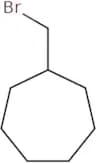
CAS:<p>Versatile small molecule scaffold</p>Formula:C11H22N2O3Purity:Min. 95%Molecular weight:230.31 g/mol(Bromomethyl)cycloheptane
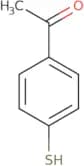
CAS:<p>Bromomethylcycloheptane is a chemical compound that has been studied for its ability to inhibit receptor binding, including the c1-c6 alkoxy and acetylcholine receptors. It also has an effect on progesterone receptors, blood platelets and aminophenyl imidazoles. Bromomethylcycloheptane has been shown to modulate the activity of a number of different drugs, including methyl alcohol, fluorine and imidazole derivatives. The effects of this chemical are not yet fully understood.</p>Formula:C8H15BrPurity:Min. 95%Molecular weight:191.11 g/mol1-(4-Sulfanylphenyl)ethan-1-one
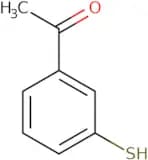
CAS:<p>The thiourea is a chemical compound that contains both nitrogen and sulfur. It can be prepared by oxidation of the sulfide with nitrous acid, or by reaction of ammonia with sulfur dioxide. The optical activity of the thiourea has been studied through simulations with quantum mechanics methods. The anion radical was found to be the driving force for the reaction mechanism. Cyclic voltammetry was used to investigate the kinetics and to detect chloride as an interfering species. Chloride-induced adsorption equilibrium was found in experiments where chloride is present at high concentrations. Rofecoxib, an NSAID drug, was found to adsorb onto aluminium surfaces under certain conditions, which can lead to environmental pollution.</p>Formula:C8H8OSPurity:Min. 95%Molecular weight:152.22 g/mol1-(3-Sulfanylphenyl)ethan-1-one
CAS:<p>Versatile small molecule scaffold</p>Formula:C8H8OSPurity:Min. 95%Molecular weight:152.22 g/mol[2-(4-Chlorophenyl)ethyl][2-(diethylamino)ethyl]amine
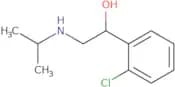
CAS:<p>Versatile small molecule scaffold</p>Formula:C14H23ClN2Purity:Min. 95%Molecular weight:254.8 g/molClorprenaline
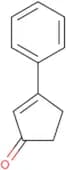
CAS:<p>Clorprenaline is a sympathomimetic drug that binds to and activates the beta-adrenergic receptors, which are found in the heart, lungs, kidneys and other tissues. Clorprenaline is used as a bronchodilator in chronic pulmonary diseases such as asthma. It has also been used as a cardiac stimulant and an antihypertensive agent. Clorprenaline has been shown to be a good absorption enhancer for drugs with poor bioavailability. The hydroxyl group on clorprenaline reacts with fatty acids to form esters. These reactions can be monitored by gas chromatography with flame ionization detection (GC-FID) or high-performance liquid chromatography (HPLC). A monoclonal antibody was used for the detection sensitivity of clorprenaline in plasma samples from patients with chronic lung disease who were administered clorprenaline via inhalation therapy. Sodium citrate is often added to the sample buffer because it increases the</p>Formula:C11H16ClNOPurity:Min. 95%Molecular weight:213.7 g/mol3-Phenylcyclopent-2-en-1-one
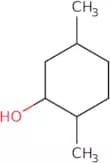
CAS:<p>3-Phenylcyclopent-2-en-1-one is a cyclic ketone that has been synthesized by irradiation of 2,4-dihydropyran with ionizing radiation. This reaction is catalyzed by a zirconium complex and has been shown to produce the desired product in high yield. 3-Phenylcyclopent-2-en-1-one can be hydrogenated to 3-(phenyl)cyclopentanone, which can then be oxidized to 3-(phenyl)cyclopentanoic acid. The use of this compound in organic synthesis has been demonstrated through the use of iminium ion intermediates.</p>Formula:C11H10OPurity:Min. 95%Molecular weight:158.2 g/mol2,5-Dimethylcyclohexanol (mixture of isomers)
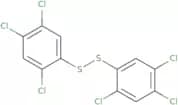
CAS:<p>Versatile small molecule scaffold</p>Formula:C8H16OPurity:Min. 95%Molecular weight:128.22 g/molBis(2,4,5-trichlorophenyl) Disulfide
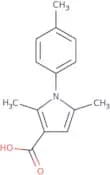
CAS:<p>Bis(2,4,5-trichlorophenyl) Disulfide is a colorless to yellow liquid with a sweet odor. It has a high solubility in water and organic solvents. It is soluble in benzene, ether, chloroform and acetone. Bis(2,4,5-trichlorophenyl) Disulfide has been shown to be an anti-markovnikov addition agent for styrene in the presence of copper salts. Bis(2,4,5-trichlorophenyl) Disulfide is used as a test organism to evaluate the toxicity of chemicals and pesticides on invertebrates such as shrimp and lobster larvae at different temperatures.</p>Formula:C12H4Cl6S2Purity:Min. 95%Molecular weight:424.98 g/mol2,5-Dimethyl-1-(4-methylphenyl)-1H-pyrrole-3-carboxylic acid
CAS:<p>Versatile small molecule scaffold</p>Formula:C14H15NO2Purity:Min. 95%Molecular weight:229.27 g/mol8-Benzyl-8-azabicyclo[3.2.1]octan-3-ol
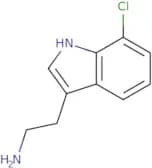
CAS:<p>Versatile small molecule scaffold</p>Formula:C14H19NOPurity:Min. 95%Molecular weight:217.31 g/mol2-(7-Chloro-1H-indol-3-yl)ethan-1-amine
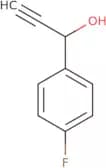
CAS:Controlled Product<p>7-Chloro-1,2,3,4-tetrahydroisoquinoline alkaloids are indole alkaloids that have been found in a wide variety of plants. They are synthesized through oxidative coupling and chlorination of tryptamine. The chlorination step is catalyzed by an enzyme called 7-chloroindole synthase (ICS). This enzyme is encoded by a gene that has been cloned from the plant cell line N6. A number of compounds related to 7-chloroindole have been found in soil bacteria. These compounds can be used for the construction of synthetic pathways for the production of different heterocycles. One such compound is 2-(7-chloro-1H-indol-3-yl)ethanamine, which has shown receptor activity against serotonin.</p>Formula:C10H11ClN2Purity:Min. 95%Molecular weight:194.66 g/mol1-(4-Fluorophenyl)-2-propyn-1-ol
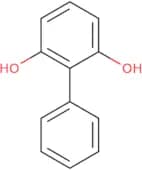
CAS:<p>1-Phenyl-2-propen-1-ol is a carbene that has been synthesized by the reaction of 1,4-difluorobenzene and resorcinol in the presence of copper. The compound has two skeletal isomers, cis and trans. The equilibrium constant for the reaction is K=3.5×10^(-8) at 25°C. It can be used as a ligand to form ruthenium complexes with electrophilic metals such as chlorine or bromine. The x-ray crystal structure for cis isomer has been determined and it was found to have an intramolecular bond from the hydrogen atom on the phenyl group to the carbon atom on the propynyl group. This bond causes resonance stabilization of this molecule in its ground state. Carbocationic reactions are also possible with this molecule, but they are not normally observed because of steric hindrance from substituents on both rings</p>Formula:C9H7FOPurity:Min. 95%Molecular weight:150.15 g/mol2-Phenylbenzene-1,3-diol
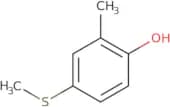
CAS:<p>2-Phenylbenzene-1,3-diol is a ligand in the catalytic cycle of the cocl2 reaction. It is used to study the elimination reactions that occur during this process. The ligand was synthesized by reacting phenyliodine with benzoic acid and then hydrolyzing the product with dilute hydrochloric acid. The resulting crystalline compound was found to be thermally unstable and therefore required cocl2 for activation. This catalyst induced an elimination reaction which yielded two products: 2-phenylbenzene-1,3-diol and benzoic acid.</p>Formula:C12H10O2Purity:Min. 95%Molecular weight:186.21 g/mol2-Methyl-4-(methylsulfanyl)phenol
CAS:<p>Versatile small molecule scaffold</p>Formula:C8H10OSPurity:Min. 95%Molecular weight:154.23 g/mol3-[4-(Trifluoromethyl)phenyl]prop-2-ynoic acid
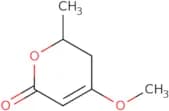
CAS:<p>Versatile small molecule scaffold</p>Formula:C10H5F3O2Purity:Min. 95%Molecular weight:214.14 g/mol4-Methoxy-6-methyl-5,6-dihydro-2H-pyran-2-one
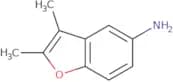
CAS:<p>Versatile small molecule scaffold</p>Formula:C7H10O3Purity:Min. 95%Molecular weight:142.15 g/mol2,3-Dimethyl-1-benzofuran-5-amine
CAS:<p>Versatile small molecule scaffold</p>Formula:C10H11NOPurity:Min. 95%Molecular weight:161.2 g/mol4-Methoxybenzo[b]thiophene
CAS:<p>4-Methoxybenzo[b]thiophene is a molecule that is activated by fluorescence and emits light as it transfers from an excited state to a lower energy state. This process is called fluorescence, and the emitted light can be detected with ultraviolet (UV) spectroscopy. 4-Methoxybenzo[b]thiophene has been shown to have an olefinic nature, which means it reacts readily with electron-donating groups such as alcohols or phenols. The reaction rate for this compound increases with increasing temperatures and the population of acceptor molecules. It has been studied using photophysical techniques and lipid profile analysis, which measures the lipid content of cells in order to determine their health status.</p>Formula:C9H8OSPurity:Min. 95%Molecular weight:164.22 g/mol4-Hydroxy-3-methyl-1-benzofuran-2-carboxylic acid
CAS:<p>4-Hydroxy-3-methyl-1-benzofuran-2-carboxylic acid (4HMBF) is an antifungal agent that belongs to the group of phenylacetic acid derivatives. It has been shown to have antifungal activity against Candida albicans and other fungal species. 4HMBF incorporates into the fungal cell wall by reacting with the chain, which may inhibit protein synthesis. The biological properties of 4HMBF are not yet fully understood. It has been found to be a lead compound for future drug design.</p>Formula:C10H8O4Purity:Min. 95%Molecular weight:192.17 g/molEthyl 4-hydroxy-3-methyl-1-benzofuran-2-carboxylate
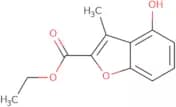
CAS:<p>Ethyl 4-hydroxy-3-methyl-1-benzofuran-2-carboxylate (EHMC) is an oxadiazole compound that has been shown to be toxic to the central nervous system. It is a tetraacetate ester of the compound and it has been shown to induce death in mice. EHMC has also been observed to produce thionyl chloride, aldehydes and dehydrogenation products in tissue samples. Elution profiles of EHMC from liquid chromatography have shown that this chemical can be quickly metabolized by methylation and subsequent degradation into benzofuran derivatives. The heterozygote for this compound is known for its ability to metabolize carbohydrates more efficiently than normal individuals.</p>Formula:C12H12O4Purity:Min. 95%Molecular weight:220.22 g/mol2,2-Dimethyl-chroman-4-one
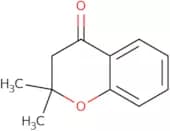
CAS:<p>2,2-Dimethyl-chroman-4-one is a synthetic compound that has been shown to be an antibacterial agent. It is active against many Gram-positive bacteria, including Staphylococcus aureus and Enterococcus faecalis. 2,2-Dimethyl-chroman-4-one also inhibits the activation of the MAP kinase pathway and the synthesis of protein kinase C. The irradiation of 2,2-dimethylchroman-4-one produces a compound which has been shown to have antiinflammatory effects on mesenchymal stromal cells.</p>Formula:C11H12O2Purity:Min. 95%Molecular weight:176.22 g/mol2-(Cyclohexylsulfanyl)ethan-1-ol
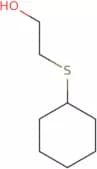
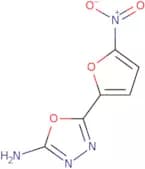
CAS:<p>Versatile small molecule scaffold</p>Formula:C8H16OSPurity:Min. 95%Molecular weight:160.28 g/mol5-(5-Nitrofuran-2-yl)-1,3,4-oxadiazol-2-amine
CAS:<p>Versatile small molecule scaffold</p>Formula:C6H4N4O4Purity:Min. 95%Molecular weight:196.12 g/mol


![4-[(Dimethylamino)methyl]benzene-1-carboximidamide](/_next/image/?url=https%3A%2Fstatic.cymitquimica.com%2Fproducts%2F3D%2Fthumb-webp%2FDCA03293.webp&w=3840&q=75)





![rac-(3aR,6aS)-Hexahydro-1H-5λ6-thieno[3,4-b]pyrrole-2,5,5-trione](/_next/image/?url=https%3A%2Fstatic.cymitquimica.com%2Fproducts%2F3D%2Fthumb-webp%2FDBD87285.webp&w=3840&q=75)
![rac-Methyl 2-[(1R,2R)-2-{[(tert-butoxy)carbonyl]amino}cyclohexyl]acetate](/_next/image/?url=https%3A%2Fstatic.cymitquimica.com%2Fproducts%2F3D%2Fthumb-webp%2FDBD85721.webp&w=3840&q=75)
![tert-Butyl N-[(3S,4S)-rel-3-(hydroxymethyl)-4-piperidyl]carbamate](/_next/image/?url=https%3A%2Fstatic.cymitquimica.com%2Fproducts%2F3D%2Fthumb-webp%2FDBD84004.webp&w=3840&q=75)
![[2-(4-Chlorophenyl)ethyl][2-(diethylamino)ethyl]amine](/_next/image/?url=https%3A%2Fstatic.cymitquimica.com%2Fproducts%2F3D%2Fthumb-webp%2FDAA81270.webp&w=3840&q=75)
![8-Benzyl-8-azabicyclo[3.2.1]octan-3-ol](/_next/image/?url=https%3A%2Fstatic.cymitquimica.com%2Fproducts%2F3D%2Fthumb-webp%2FDAA80468.webp&w=3840&q=75)
![3-[4-(Trifluoromethyl)phenyl]prop-2-ynoic acid](/_next/image/?url=https%3A%2Fstatic.cymitquimica.com%2Fproducts%2F3D%2Fthumb-webp%2FDAA79288.webp&w=3840&q=75)
![4-Methoxybenzo[b]thiophene](/_next/image/?url=https%3A%2Fstatic.cymitquimica.com%2Fproducts%2F3D%2Fthumb-webp%2FDAA78190.webp&w=3840&q=75)