


Building Blocks
This section contains fundamental products for the synthesis of organic and biological compounds. Building blocks are the essential starting materials used to construct complex molecules through various chemical reactions. They play a critical role in drug discovery, material science, and chemical research. At CymitQuimica, we offer a diverse range of high-quality building blocks to support your innovative research and industrial projects, ensuring you have the essential components for successful synthesis.
Subcategories of "Building Blocks"
- Boronic Acids & Boronic Acid Derivatives(5,756 products)
- Chiral Building Blocks(1,242 products)
- Hydrocarbon Building Blocks(6,095 products)
- Organic Building Blocks(61,038 products)
Found 196817 products of "Building Blocks"
Sort by
Purity (%)
0
100
|
0
|
50
|
90
|
95
|
100
N-{4-[(Propan-2-yl)imino]cyclohexa-2,5-dien-1-ylidene}aniline
CAS:<p>Versatile small molecule scaffold</p>Formula:C15H16N2Purity:Min. 95%Molecular weight:224.3 g/mol4-[(4-Methoxyphenyl)sulfanyl]butanoic acid
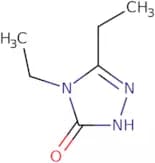
CAS:<p>Versatile small molecule scaffold</p>Formula:C11H14O3SPurity:Min. 95%Molecular weight:226.29 g/mol3,4-Diethyl-4,5-dihydro-1H-1,2,4-triazol-5-one
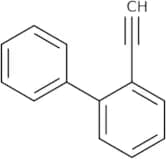
CAS:<p>Versatile small molecule scaffold</p>Formula:C6H11N3OPurity:Min. 95%Molecular weight:141.17 g/mol2-Ethynyl-1,1'-biphenyl
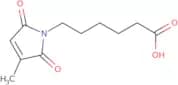
CAS:<p>2-Ethynyl-1,1'-biphenyl is a cross-linking agent that binds to the nicotinic acetylcholine receptor. It is used in medicine as a control agent for inflammatory diseases. 2-Ethynyl-1,1'-biphenyl has antiinflammatory activity and may be useful for the treatment of inflammatory diseases due to its ability to inhibit prostaglandin synthesis and the production of reactive oxygen species (ROS). 2-Ethynyl-1,1'-biphenyl irreversibly oxidizes organic compounds by reacting with thuringiensis, which is an enzyme found in plants. The reaction mechanism involves phenanthrene synthesis from benzene.</p>Formula:C14H10Purity:Min. 95%Molecular weight:178.23 g/mol6-(3-Methyl-2,5-dioxo-2,5-dihydro-1H-pyrrol-1-yl)hexanoic acid
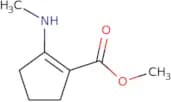
CAS:<p>Versatile small molecule scaffold</p>Formula:C11H15NO4Purity:Min. 95%Color and Shape:PowderMolecular weight:225.24 g/molMethyl 2-(methylamino)cyclopent-1-ene-1-carboxylate
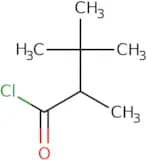
CAS:<p>Versatile small molecule scaffold</p>Formula:C8H13NO2Purity:Min. 95%Molecular weight:155.19 g/mol2,3,3-Trimethylbutanoyl chloride
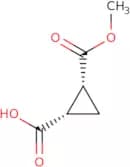
CAS:<p>Versatile small molecule scaffold</p>Formula:C7H13ClOPurity:Min. 95%Molecular weight:148.63 g/molrac-(1R,2R)-2-(methoxycarbonyl)cyclopropane-1-carboxylic acid, trans
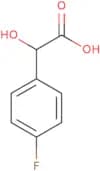
CAS:<p>Versatile small molecule scaffold</p>Formula:C6H8O4Purity:Min. 95%Molecular weight:144.1 g/mol(2S)-2-(4-Fluorophenyl)-2-hydroxyacetic acid
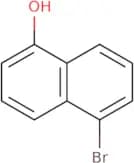
CAS:<p>Versatile small molecule scaffold</p>Formula:C8H7FO3Purity:Min. 95%Molecular weight:170.14 g/mol5-Bromonaphthalen-1-ol
CAS:<p>5-Bromonaphthalen-1-ol is a ligand that binds to the intracellular targets of the nuclear receptor peroxisome proliferator-activated receptor alpha (PPARα). It is a mimetic of the natural ligand, which is a macrocyclic. The ligand has been biotinylated at the n-terminal and used in affinity chromatography to isolate PPARα from other proteins. This ligand has been shown to have specificity for PPARα and can be used in elucidating its physiological function. The functionality of 5-Bromonaphthalen-1-ol as a ligand for PPARα has been studied extensively, and it has been found to be an excellent candidate for targeting PPARα.</p>Formula:C10H7BrOPurity:Min. 95%Molecular weight:223.07 g/mol4-Iodobenzene-1-thiol
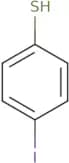
CAS:<p>4-Iodobenzene-1-thiol is a reactive organometallic compound that has been used in biological studies. Its fluorescence properties are influenced by the presence of heavy metals, making it an excellent probe for metal surfaces. 4-Iodobenzene-1-thiol can be used as a cross-coupling agent to form C–C bonds. It is also used in surface-enhanced Raman spectroscopy and metathesis reactions. This compound is chemically stable and does not react with nucleic acids, which makes it a promising candidate for non-nucleoside inhibitors. The reaction mechanism of 4-iodobenzene-1-thiol is currently unknown, but organic chemists have hypothesized that the thiol group reacts with DNA bases to form a covalent bond.</p>Formula:C6H5ISPurity:Min. 95%Molecular weight:236.08 g/mol5-Phenyl-2-furancarboxylic Acid
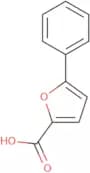
CAS:<p>5-Phenyl-2-furancarboxylic Acid is an inhibitor of methionine aminopeptidase that contains a phenyl substituent. It is non-selective and has been shown to be effective against E. coli, P. aeruginosa, and S. aureus at concentrations of less than 1 μM. The inhibition of methionine aminopeptidase by 5-phenyl-2-furancarboxylic acid results in the accumulation of methionine and other amino acids, which are substrates for peptide bond formation. This leads to the inhibition of protein synthesis through the disruption of nucleotide synthesis and cell division.</p>Formula:C11H8O3Purity:Min. 95%Molecular weight:188.18 g/molMethyl 5-phenylfuran-2-carboxylate
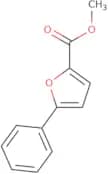
CAS:<p>Versatile small molecule scaffold</p>Formula:C12H10O3Purity:Min. 95%Molecular weight:202.21 g/mol4-Ethyl-1,6-heptadien-4-ol
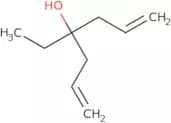
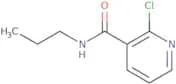
CAS:<p>Versatile small molecule scaffold</p>Formula:C9H16OPurity:Min. 95%Molecular weight:140.22 g/mol2-Chloro-N-propylnicotinamide
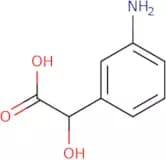
CAS:<p>Versatile small molecule scaffold</p>Formula:C9H11ClN2OPurity:Min. 95%Molecular weight:198.65 g/mol2-(3-Aminophenyl)-2-hydroxyacetic acid
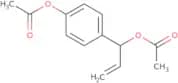
CAS:<p>Versatile small molecule scaffold</p>Formula:C8H9NO3Purity:Min. 95%Molecular weight:167.16 g/mol1'-Acetoxychavicol acetate
CAS:<p>1'-Acetoxychavicol acetate is a modulator of the microvessel density in the prostate. It is used to study the effect of angiogenesis on prostate cancer cells, and has been shown to inhibit protease activity in human immunodeficiency virus-1. 1'-Acetoxychavicol acetate also inhibits angiogenesis by inhibiting the synthesis of growth factor and inhibits carcinogenesis. The mechanism by which 1'-acetoxychavicol acetate exerts its effects is not yet understood, but it may be due to its ability to inhibit spermidine/spermine n1-acetyltransferase or its ability to modify cell nuclei or virus.</p>Formula:C13H14O4Purity:Min. 95%Molecular weight:234.25 g/mol1-(3-Methoxyphenyl)propan-1-ol
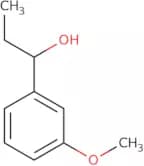
CAS:<p>1-(3-Methoxyphenyl)propan-1-ol is a trialkylborane that reacts with alcohols to form alkylated products. It is used in the synthesis of benzene derivatives, and also has been used to react with magnesium halides. 1-(3-Methoxyphenyl)propan-1-ol can be used as an alternative to the toxic 1,2-dibromoethane when making alkylated products.</p>Formula:C10H14O2Purity:Min. 95%Molecular weight:166.22 g/molN-Pentylsulfonamide
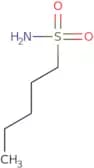
CAS:<p>N-Pentylsulfonamide is a benzimidazole derivative that is used as a medicine to treat muscle cell disorders and cardiovascular diseases. It has been shown to improve the efficiency of the synthesis of imidazole derivatives with alkylthio groups (e.g., chloroquine) by replacing the C6 alkyl group with an alkynyl group. It has also been shown to have anti-inflammatory properties, which may be due to its inhibition of prostaglandin synthesis. N-Pentylsulfonamide is used in many stereoisomers, including D-N-pentylsulfonamide and L-N-pentylsulfonamide.</p>Formula:C5H13NO2SPurity:Min. 95%Molecular weight:151.23 g/molN-Methyl-3-(methylsulfanyl)aniline
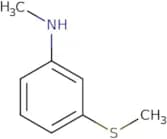
CAS:<p>N-Methyl-3-(methylsulfanyl)aniline is a blocker that is used in the synthesis of pharmacological agents. It has been shown to have neuroprotective activity and can be used as an antidote for cyanamide poisoning. This drug blocks sodium channels, which are pores on the surface of nerve cells that allow the passage of electrical signals from one cell to another. It also blocks the n-methyl-d-aspartate receptor, which is the most important excitatory amino acid receptor in the central nervous system. N-Methyl-3-(methylsulfanyl)aniline is orally active and has been shown to be effective against rat convulsions induced by potassium cyanide.</p>Formula:C8H11NSPurity:Min. 95%Molecular weight:153.25 g/mol2-(carboxymethyl)-5-methoxybenzoic Acid
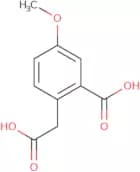
CAS:<p>2-(carboxymethyl)-5-methoxybenzoic acid is a potent and selective agonist of the α receptor. It has been synthesized by reacting 2-bromo-4,6-dimethoxyphenol with methanol in the presence of hydrochloric acid. This compound has been shown to inhibit proliferation of cancer cells and induce apoptosis in vitro. It also inhibits growth factor signaling pathways, which may be due to its ability to block protein kinase C. 2-(Carboxymethyl)-5-methoxybenzoic acid has been shown to have anticancer activity in vivo and can be used as a potential therapy for cancer patients.</p>Formula:C10H10O5Purity:Min. 95%Molecular weight:210.18 g/mol6-Bromo-4-oxo-1,4-dihydroquinoline-2-carboxylic acid
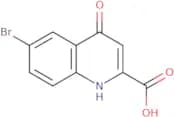
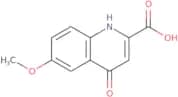
CAS:<p>Versatile small molecule scaffold</p>Formula:C10H6BrNO3Purity:Min. 95%Molecular weight:268.06 g/mol6-Methoxy-4-oxo-1,4-dihydro-quinoline-2-carboxylic acid
CAS:<p>6-Methoxy-4-oxo-1,4-dihydro-quinoline-2-carboxylic acid (6MOQ) is a compound that inhibits the replication of viruses by binding to their receptors. It has been shown to be effective in inhibiting the replication of HIV and influenza virus. 6MOQ also has been shown to bind to the receptor for ephedrine, which is a medicine used in the treatment of asthma. 6MOQ is active against cancer cells in vitro and animal models, but not against normal cells. The mechanism of action appears to be due to its ability to prevent growth factors from binding with receptors on tumor cells, which leads to inhibition of cellular proliferation.</p>Formula:C11H9NO4Purity:Min. 95%Molecular weight:219.19 g/mol7-(Bromomethyl)pentadecane
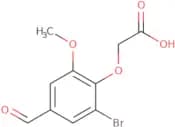
CAS:<p>7-(Bromomethyl)pentadecane is a molecule that has been used as an acceptor in organic photovoltaic devices. This molecule has a phenothiazine ring, which is electron deficient and low energy. 7-(Bromomethyl)pentadecane molecules are able to absorb light and convert it into electricity with high efficiency.</p>Formula:C16H33BrPurity:Min. 95%Molecular weight:305.34 g/mol2-(2-bromo-4-formyl-6-methoxyphenoxy)acetic acid
CAS:<p>Versatile small molecule scaffold</p>Formula:C10H9BrO5Purity:Min. 95%Molecular weight:289.08 g/molMethyl 3-[(methoxymethanethioyl)amino]-4-methylthiophene-2-carboxylate
CAS:<p>Versatile small molecule scaffold</p>Formula:C9H11NO3S2Purity:Min. 95%Molecular weight:245.3 g/mol6-Methoxy-benzo[d]isothiazole-3-carboxylic acid
CAS:<p>Versatile small molecule scaffold</p>Formula:C9H7NO3SPurity:Min. 95%Molecular weight:209.22 g/mol5-(2-Methoxyphenyl)-7-(trifluoromethyl)-4,5,6,7-tetrahydropyrazolo[1,5-a]pyrimidine
CAS:<p>Versatile small molecule scaffold</p>Formula:C14H14F3N3OPurity:Min. 95%Molecular weight:297.28 g/mol[3-Fluoro-4-(piperidin-1-yl)phenyl]methanol
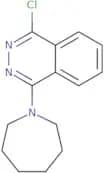
CAS:<p>Versatile small molecule scaffold</p>Formula:C12H16FNOPurity:Min. 95%Molecular weight:209.26 g/mol1-(Azepan-1-yl)-4-chlorophthalazine
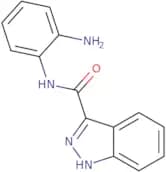
CAS:<p>Versatile small molecule scaffold</p>Formula:C14H16ClN3Purity:Min. 95%Molecular weight:261.75 g/molN-(2-Aminophenyl)-1H-indazole-3-carboxamide
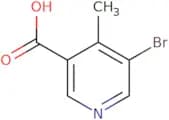
CAS:<p>Versatile small molecule scaffold</p>Formula:C14H12N4OPurity:Min. 95%Molecular weight:252.27 g/mol5-Bromo-4-methylnicotinic acid
CAS:<p>Versatile small molecule scaffold</p>Formula:C7H6BrNO2Purity:Min. 95%Molecular weight:216.03 g/mol3-[3-(Difluoromethoxy)phenyl]-3-oxopropanenitrile
CAS:<p>Versatile small molecule scaffold</p>Formula:C10H7F2NO2Purity:Min. 95%Molecular weight:211.16 g/mol3-[4-Fluoro-3-(trifluoromethyl)phenyl]-3-oxopropanenitrile
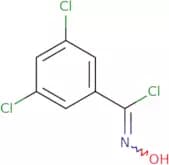
CAS:Versatile small molecule scaffoldFormula:C10H5F4NOPurity:Min. 95%Molecular weight:231.15 g/mol3,5-Dichloro-N-hydroxybenzene-1-carbonimidoyl chloride
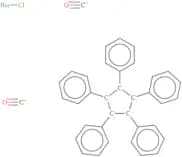
CAS:<p>Versatile small molecule scaffold</p>Formula:C7H4Cl3NOPurity:Min. 95%Molecular weight:224.5 g/molChlorodicarbonyl(1,2,3,4,5-pentaphenylcyclopentadienyl)ruthenium(II)
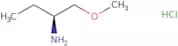
CAS:Controlled Product<p>Versatile small molecule scaffold</p>Formula:C37H25ClO2RuPurity:Min. 95%Molecular weight:638.12 g/mol(S)-1-Methoxybutan-2-amine hydrochloride
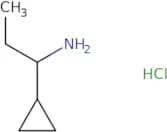
CAS:<p>Versatile small molecule scaffold</p>Formula:C5H13NO·HClPurity:Min. 95%Molecular weight:139.63 g/mol1-cyclopropylpropan-1-amine hcl
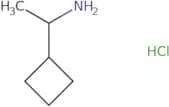
CAS:<p>Versatile small molecule scaffold</p>Formula:C6H14ClNPurity:Min. 95%Molecular weight:135.64 g/mol(1R)-1-Cyclobutylethan-1-amine hydrochloride
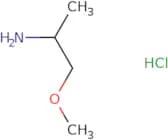
CAS:<p>Versatile small molecule scaffold</p>Formula:C6H14ClNPurity:Min. 95%Molecular weight:135.63 g/mol1-Methoxypropan-2-amine hydrochloride
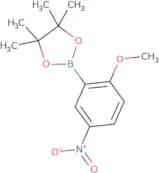
CAS:<p>Versatile small molecule scaffold</p>Formula:C4H12ClNOPurity:Min. 95%Molecular weight:125.6 g/mol2-(2-Methoxy-5-nitrophenyl)-4,4,5,5-tetramethyl-1,3,2-dioxaborolane
CAS:<p>Versatile small molecule scaffold</p>Formula:C13H18BNO5Purity:Min. 95%Molecular weight:279.1 g/mol(2-Methoxy-5-nitrophenyl)boronic acid
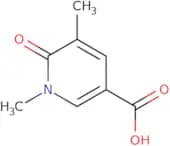
CAS:<p>Versatile small molecule scaffold</p>Formula:C7H8BNO5Purity:Min. 95%Molecular weight:196.95 g/mol1,5-dimethyl-6-oxo-1,6-dihydropyridine-3-carboxylic acid
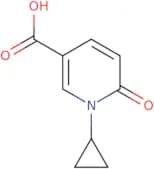
CAS:<p>Versatile small molecule scaffold</p>Formula:C8H9NO3Purity:Min. 95%Molecular weight:167.16 g/mol1-Cyclopropyl-6-oxo-1,6-dihydropyridine-3-carboxylic acid
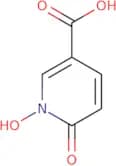
CAS:<p>Versatile small molecule scaffold</p>Formula:C9H9NO3Purity:Min. 95%Molecular weight:179.17 g/mol1-Hydroxy-6-oxo-1,6-dihydropyridine-3-carboxylic acid
CAS:<p>1-Hydroxy-6-oxo-1,6-dihydropyridine-3-carboxylic acid is a biofuel that can be produced from the enzymatic conversion of malic acid. It has been shown to be a good carbon source for microbial synthesis of 1,5-dioxopentanoic acid and 1,2,5,6 tetrahydroquinoline (THQ). The enzyme complexes responsible for this conversion are light sensitive and require a cavity in which to work. This product is also an analog of 6-hydroxypyridine-2,4(1H,3H)-dione. It can be used as a solubilizing agent with an organic acid or as a waveform to measure x-ray absorption.</p>Formula:C6H5NO4Purity:Min. 95%Molecular weight:155.11 g/mol1-(5-Fluoropyridin-2-yl)cyclopropane-1-carbonitrile
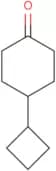
CAS:<p>Versatile small molecule scaffold</p>Formula:C9H9FN2Purity:Min. 95%Molecular weight:164.18 g/mol4-Cyclobutylcyclohexan-1-one
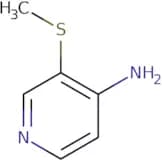
CAS:<p>Versatile small molecule scaffold</p>Formula:C10H16OPurity:Min. 95%Molecular weight:152.23 g/mol3-(Methylsulfanyl)pyridin-4-amine
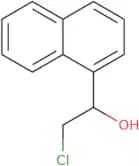
CAS:<p>Versatile small molecule scaffold</p>Formula:C6H8N2SPurity:Min. 95%Molecular weight:140.21 g/mol(1R)-2-Chloro-1-(naphthalen-1-yl)ethan-1-ol
CAS:<p>Versatile small molecule scaffold</p>Formula:C12H11ClOPurity:Min. 95%Molecular weight:206.67 g/mol5-{[(4-Chloronaphthalen-1-yl)oxy]methyl}-1-cyclopropyl-1H-1,2,3,4-tetrazole
CAS:<p>Versatile small molecule scaffold</p>Formula:C15H13ClN4OPurity:Min. 95%Molecular weight:300.74 g/mol
![N-{4-[(Propan-2-yl)imino]cyclohexa-2,5-dien-1-ylidene}aniline](/_next/image/?url=https%3A%2Fstatic.cymitquimica.com%2Fproducts%2F3D%2Fthumb-webp%2FCCA87043.webp&w=3840&q=75)

![4-[(4-Methoxyphenyl)sulfanyl]butanoic acid](/_next/image/?url=https%3A%2Fstatic.cymitquimica.com%2Fproducts%2F3D%2Fthumb-webp%2FCCA87294.webp&w=3840&q=75)

![Methyl 3-[(methoxymethanethioyl)amino]-4-methylthiophene-2-carboxylate](/_next/image/?url=https%3A%2Fstatic.cymitquimica.com%2Fproducts%2F3D%2Fthumb-webp%2FCCB27699.webp&w=3840&q=75)
![6-Methoxy-benzo[d]isothiazole-3-carboxylic acid](/_next/image/?url=https%3A%2Fstatic.cymitquimica.com%2Fproducts%2F3D%2Fthumb-webp%2FCCB30464.webp&w=3840&q=75)
![5-(2-Methoxyphenyl)-7-(trifluoromethyl)-4,5,6,7-tetrahydropyrazolo[1,5-a]pyrimidine](/_next/image/?url=https%3A%2Fstatic.cymitquimica.com%2Fproducts%2F3D%2Fthumb-webp%2FCCB31106.webp&w=3840&q=75)
![[3-Fluoro-4-(piperidin-1-yl)phenyl]methanol](/_next/image/?url=https%3A%2Fstatic.cymitquimica.com%2Fproducts%2F3D%2Fthumb-webp%2FCCB31275.webp&w=3840&q=75)
![3-[3-(Difluoromethoxy)phenyl]-3-oxopropanenitrile](/_next/image/?url=https%3A%2Fstatic.cymitquimica.com%2Fproducts%2F3D%2Fthumb-webp%2FCCB71303.webp&w=3840&q=75)
![3-[4-Fluoro-3-(trifluoromethyl)phenyl]-3-oxopropanenitrile](/_next/image/?url=https%3A%2Fstatic.cymitquimica.com%2Fproducts%2F3D%2Fthumb-webp%2FCCB71306.webp&w=3840&q=75)

![5-{[(4-Chloronaphthalen-1-yl)oxy]methyl}-1-cyclopropyl-1H-1,2,3,4-tetrazole](/_next/image/?url=https%3A%2Fstatic.cymitquimica.com%2Fproducts%2F3D%2Fthumb-webp%2FCHC57992.webp&w=3840&q=75)