Building Blocks
This section contains fundamental products for the synthesis of organic and biological compounds. Building blocks are the essential starting materials used to construct complex molecules through various chemical reactions. They play a critical role in drug discovery, material science, and chemical research. At CymitQuimica, we offer a diverse range of high-quality building blocks to support your innovative research and industrial projects, ensuring you have the essential components for successful synthesis.
Subcategories of "Building Blocks"
- Boronic Acids & Boronic Acid Derivatives(5,778 products)
- Chiral Building Blocks(1,242 products)
- Hydrocarbon Building Blocks(6,098 products)
- Organic Building Blocks(61,034 products)
Found 199601 products of "Building Blocks"
Sort by
Purity (%)
0
100
|
0
|
50
|
90
|
95
|
100
6-Methoxy-1,1-dimethyl-2,3-dihydro-1H-indene
CAS:<p>Versatile small molecule scaffold</p>Formula:C12H16OPurity:Min. 95%Molecular weight:176.25 g/molBenzyl Cyanoformate
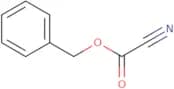
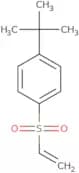
CAS:<p>Benzyl Cyanoformate is a diagnostic agent that is used in the synthesis of amide compounds. It has a structure that includes an active methylene and nitrogen atoms. Benzyl Cyanoformate is synthesized through asymmetric synthesis, which encompasses the use of amines, inhibitors, and solid-phase synthesis. This compound has been shown to inhibit the activity of some receptor proteins by binding to them and preventing their activation, thus acting as an antagonist. Benzyl Cyanoformate binds to the enzyme carboxy with hydrochloric acid as a catalyst. The v600e mutation in K-ras can lead to increased sensitivity to this inhibitor; however, it is not known if this mutation confers sensitivity or resistance to other inhibitors of K-ras.</p>Formula:C9H7NO2Purity:Min. 95%Molecular weight:161.16 g/mol1-tert-Butyl-4-(ethenesulfonyl)benzene
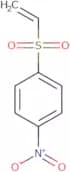
CAS:<p>Versatile small molecule scaffold</p>Formula:C12H16O2SPurity:Min. 95%Molecular weight:224.32 g/mol1-(Ethenesulfonyl)-4-nitrobenzene
CAS:<p>1-(Ethenesulfonyl)-4-nitrobenzene (1ESNB) is a pyrazoline that has been used as an oxidant in cyclic aliphatic and heterocyclic syntheses. 1ESNB is also used to form phosphate derivatives, which are important in the pharmaceutical industry. 1ESNB can be prepared by the organocatalytic coupling of ethyl sulfone with nitrobenzene. The azomethine ylide can be generated from 1ESNB through oxidation with potassium permanganate or ozone, followed by addition of an aliphatic amine. This reaction gives a quinolinium salt that can be converted to a sulfone using thionyl chloride or oxalyl chloride. A cycloaddition reaction can then convert the sulfone into a biologically active molecule such as methotrexate or daunorubicin.</p>Formula:C8H7NO4SPurity:Min. 95%Molecular weight:213.21 g/mol(4-Hydroxy-2,6-dimethylpyrimidin-5-yl)acetic acid
CAS:<p>Versatile small molecule scaffold</p>Formula:C8H10N2O3Purity:Min. 95%Molecular weight:182.18 g/mol3-Amino-5-methyl-1-phenylpyrrolidin-2-one
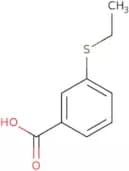
CAS:<p>Versatile small molecule scaffold</p>Formula:C11H14N2OPurity:Min. 95%Molecular weight:190.24 g/mol3-(Ethylsulfanyl)benzoic acid
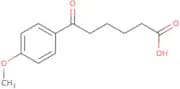
CAS:Versatile small molecule scaffoldFormula:C9H10O2SPurity:Min. 95%Molecular weight:182.24 g/mol6-(4-Methoxyphenyl)-6-oxohexanoic acid
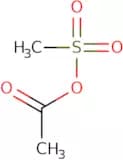
CAS:<p>Versatile small molecule scaffold</p>Formula:C13H16O4Purity:Min. 95%Molecular weight:236.26 g/molMethanesulfonyl acetate
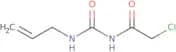
CAS:<p>Methanesulfonyl acetate is a chemical that is used in the chemical industry as a solvent and as a conditioner for polymers. Methanesulfonyl acetate has been shown to have effects on blood pressure and cancer cells, where it inhibits the growth of cancer cells by inhibiting DNA synthesis. Methanesulfonyl acetate also binds strongly to chlorine atoms and is soluble in nonpolar solvents. The molecular weight of methanesulfonyl acetate is 164.19 g/mol and its melting point is -13°C. <br>Methanesulfonyl Acetate Chemical Formula: CH3SO2COCH3<br>Molecular Weight: 164.19 g/mol<br>Melting Point: -13°C<br>Boiling Point: 210°C<br>Density: 1.07 g/cm3 <br>Solubility in Water: Insoluble <br>Appearance: Pale yellow liquid</p>Formula:C3H6O4SPurity:Min. 95%Molecular weight:138.14 g/mol1-(2-Chloroacetyl)-3-(prop-2-en-1-yl)urea
CAS:Versatile small molecule scaffoldFormula:C6H9ClN2O2Purity:Min. 95%Molecular weight:176.6 g/mol(3-Chloropropanoyl)urea
CAS:<p>3-Chloropropanoyl)urea is a urea derivative. It has been used as an intermediate in the synthesis of tranquilizers and reaction products. 3-Chloropropanoyl)urea has been shown to react with aliphatic hydrocarbons, cycloaliphatic compounds, piperidine, or acylurea. The resulting products are chlorinated or carboxylic acid derivatives.</p>Formula:C4H7ClN2O2Purity:Min. 95%Molecular weight:150.56 g/molEthyl 2-(3-methylpyridin-2-yl)acetate
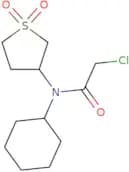
CAS:<p>Versatile small molecule scaffold</p>Formula:C10H13NO2Purity:Min. 95%Molecular weight:179.2 g/mol2-Chloro-N-cyclohexyl-N-(1,1-dioxothiolan-3-yl)acetamide
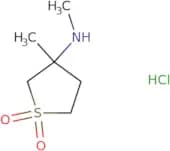
CAS:<p>Versatile small molecule scaffold</p>Formula:C12H20ClNO3SPurity:Min. 95%Molecular weight:293.81 g/molMethyl-(3-methyl-1,1-dioxo-tetrahydro-1lambda*6*-thiophen-3-yl)-amine hydrochloride
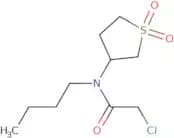
CAS:<p>Versatile small molecule scaffold</p>Formula:C6H14ClNO2SPurity:Min. 95%Molecular weight:199.7 g/molN-Butyl-2-chloro-N-(tetrahydro-1,1-dioxido-3-thienyl)-acetamide
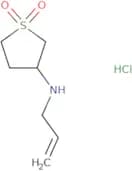
CAS:<p>Versatile small molecule scaffold</p>Formula:C10H18ClNO3SPurity:Min. 95%Molecular weight:267.77 g/molTetrahydro-N-2-propen-1-yl-3-thiophenamine 1,1-dioxide hydrochloride
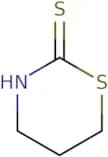
CAS:<p>Versatile small molecule scaffold</p>Formula:C7H14ClNO2SPurity:Min. 95%Molecular weight:211.71 g/mol1,3-Thiazinane-2-Thione
CAS:<p>1,3-Thiazinane-2-thione is an allylamine that can be used in the synthesis of a variety of compounds. 1,3-Thiazinane-2-thione is also an activator for carbon-carbon bond formation. This compound can be synthesized from an alkyl halide and an aldehyde by reaction with sulfur and heat. The stereoselectivity of this reaction has been shown using x-ray crystallography.</p>Formula:C4H7NS2Purity:Min. 95%Molecular weight:133.23 g/mol3-Dimethylamino-1-phenyl-1-propanol
CAS:<p>3-Dimethylamino-1-phenyl-1-propanol is a chiral phenoxy propylamine optical isomer with a residue of carbonyl. It is a racemic mixture of two optical isomers and has the ability to form diastereoisomeric salts. 3-Dimethylamino-1-phenyl-1-propanol is an intermediate in the synthesis of fluoxetine, which is used to treat depression. This substance also has antihistamine and sedative properties, as well as other pharmacological effects that have not been studied extensively.</p>Formula:C11H17NOPurity:Min. 95%Molecular weight:179.26 g/molo-[(4-Chlorophenyl)methyl]hydroxylamine
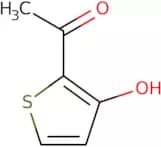
CAS:<p>Versatile small molecule scaffold</p>Formula:C7H8ClNOPurity:Min. 95%Molecular weight:157.6 g/mol1-(3-Hydroxythiophen-2-yl)ethan-1-one
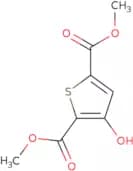
CAS:<p>1-(3-Hydroxythiophen-2-yl)ethan-1-one is a hydrolyzable compound that has been shown to have microbicidal activity against food spoilage bacteria such as Bacillus cereus and Clostridium perfringens. It inhibits the growth of these bacteria by inhibiting the synthesis of bacterial cell walls, which leads to cell death.</p>Formula:C6H6O2SPurity:Min. 95%Molecular weight:142.18 g/mol2,5-Dimethyl 3-hydroxythiophene-2,5-dicarboxylate
CAS:<p>Versatile small molecule scaffold</p>Formula:C8H8O5SPurity:Min. 95%Molecular weight:216.21 g/mol2,3,5-Trimethoxybenzaldehyde
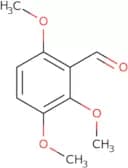
CAS:<p>2,3,5-Trimethoxybenzaldehyde is the hydrolysis product of coumarin. It can be synthesized from 2,3-dimethoxybenzaldehyde and acetyl chloride. 2,3,5-Trimethoxybenzaldehyde can also be obtained by hydrolysis of coumarin with aqueous sodium hydroxide or potassium hydroxide. This compound is used as a natural flavoring agent in food products.</p>Formula:C10H12O4Purity:Min. 95%Molecular weight:196.2 g/mol2,3,6-Trimethoxybenzaldehyde
CAS:<p>Versatile small molecule scaffold</p>Formula:C10H12O4Purity:Min. 95%Molecular weight:196.2 g/molBenzyl 2-aopropanoate hydrochloride
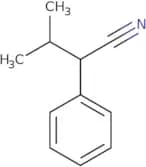
CAS:<p>Versatile small molecule scaffold</p>Formula:C10H14ClNO2Purity:Min. 95%Molecular weight:215.67 g/mol3-Methyl-2-phenylbutanenitrile
CAS:<p>3-Methyl-2-phenylbutanenitrile is a synthetic, nucleophilic blocker that binds to the active site of the enzyme and inhibits its function. 3-Methyl-2-phenylbutanenitrile is able to bind to calcium antagonist sites on the enzyme and inhibit their function. This product has been shown to be efficient in multigram amounts. The synthesis of this product has been optimized by using a cavitation reaction rate efficient method that is not limited by the solubility of reactants or products. Crystallography revealed that this product contains an amine group, which can act as a nucleophile in reactions with alkylthio groups, such as those found in proteins. 3-Methyl-2-phenylbutanenitrile is immobilized through dioxolane chemistry, which prevents it from interacting with other chemical species.</p>Formula:C11H13NPurity:Min. 95%Molecular weight:159.23 g/mol1-(Bicyclo[2.2.2]oct-1-yl)methanamine hydrochloride
CAS:Versatile small molecule scaffoldFormula:C9H17N·ClHPurity:Min. 95%Molecular weight:175.7 g/moltert-Butyl 7-formyl-3,4-dihydro-2H-1,4-benzoxazine-4-carboxylate
CAS:<p>Please enquire for more information about tert-Butyl 7-formyl-3,4-dihydro-2H-1,4-benzoxazine-4-carboxylate including the price, delivery time and more detailed product information at the technical inquiry form on this page</p>Formula:C14H17NO4Molecular weight:263.29 g/mol8-Bromoisoquinoline
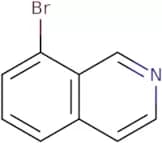
CAS:<p>8-Bromoisoquinoline is a bifunctional alkylating agent that is used to synthesize esters and amides. It is commonly used for the synthesis of amino acids, peptides, and other biologically active molecules. 8-Bromoisoquinoline has been shown to have a synergistic effect with hydroxyalkyl carbamates, which may be due to its ability to form an ionic bond with the carboxylic acid in these compounds. This chemical can also react with nitro groups and serve as a chlorinating agent, as well as react with anions such as phosphate and acetate. 8-Bromoisoquinoline can be synthesized by reacting ethyl bromoacetate with tetrahydroisoquinolinium chloride in hydrochloric acid or isopropyl alcohol.</p>Formula:C9H6BrNPurity:Min. 95%Color and Shape:PowderMolecular weight:208.05 g/mol2-Bromo-1,3,5-triisopropylbenzene
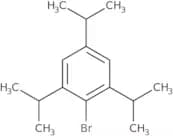
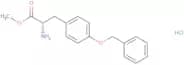
CAS:<p>2-Bromo-1,3,5-triisopropylbenzene is an ethylene acetal that is prepared by the catalyzed reaction of aryl chlorides and anhydrous zinc bromide in the presence of triethylamine. The selectivities of this method are high because it can produce mainly a single isomer. The stereoselectivity is also high because the reaction proceeds with the formation of only one stereoisomer. The mechanism for this reaction involves a nucleophilic substitution of the halogenated aryl chloride with the trialkylborane, which generates two different products. This product has been used in the synthesis of biphenyls and nitro compounds.</p>Formula:C15H23BrPurity:Min. 95%Color and Shape:Colorless Clear LiquidMolecular weight:283.25 g/molO-Benzyl-L-tyrosine methyl ester hydrochloride
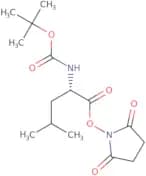
CAS:<p>Please enquire for more information about O-Benzyl-L-tyrosine methyl ester hydrochloride including the price, delivery time and more detailed product information at the technical inquiry form on this page</p>Formula:C17H19NO3·HClPurity:Min. 95%Color and Shape:PowderMolecular weight:321.8 g/molBoc-L-leucine N-hydoxysuccinimide ester
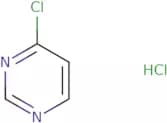
CAS:<p>The Boc-L-leucine N-hydoxysuccinimide ester is a synthetic molecule that is often used as a model for studying the effects of lysine on the activity of glutamic acid. This compound is biodegradable and has been shown to be less toxic than other compounds in its class. The Boc-L-leucine N-hydoxysuccinimide ester has potent inhibitory activity against mammalian cells, which may be due to its ability to inhibit chloride transport across membranes.</p>Formula:C15H24N2O6Purity:Min. 95%Color and Shape:White/Off-White SolidMolecular weight:328.36 g/mol4-Chloropyrimidine HCl
CAS:<p>4-Chloropyrimidine HCl is a covalent molecule that contains 4-chloropyridine and hydrogen chloride. It exists as two tautomers, the enol form and the keto form. The protonation of the proton on nitrogen will determine which tautomer it will exist in. When there is no proton present, the molecule will exist in its enol form. Resonance is also an important factor with this molecule because it can have a variety of resonance forms. Resonance spectrometry has been used to identify 4-chloropyrimidine HCl because it produces a specific resonance pattern when exposed to magnetic fields. 4-Chloropyridinium trifluoroacetate is another name for this compound that is formed when the chlorine atom bonds with trifluoroacetic acid. This chemical does not have any interactions with azide but can react with tetrazole to produce a stable compound, which can be easily</p>Formula:C4H3ClN2·HClPurity:Min. 95%Color and Shape:PowderMolecular weight:150.99 g/mol3-Chloro-2-methylaniline
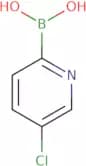
CAS:3-Chloro-2-methylaniline is an organic chemical that is used as a raw material in the production of pesticides and pharmaceuticals. 3-Chloro-2-methylaniline is generated by the reaction of hydrochloric acid with isobutyl chloride, which produces a mixture of chloroalkylcarbinols. This product can be activated to form chloromethylketones or chloromethylcarbonyls by reacting it with sodium hypochlorite or hydrogen peroxide. The impurities found in 3-Chloro-2-methylaniline are mainly carbon sources and inorganic compounds such as chloride and strain. It can be synthesized from other chemicals and also through chromatographic science.Formula:C7H8ClNPurity:Min. 95%Color and Shape:Clear LiquidMolecular weight:141.6 g/mol5-Chloropyridine-2-boronicacid
CAS:<p>Please enquire for more information about 5-Chloropyridine-2-boronicacid including the price, delivery time and more detailed product information at the technical inquiry form on this page</p>Formula:C5H5BClNO2Purity:Min. 95%Molecular weight:157.36 g/molN-Chlorosuccinimide
CAS:<p>Chlorinating agents are used in the production of pharmaceutical preparations and other chemical products. They react with amines to form diazonium salts, which can then be reduced to azo compounds. N-Chlorosuccinimide is a chlorinating agent that reacts with amines to form diazonium salts. It is used primarily as an injection solution for the treatment of trichomoniasis and other sexually transmitted diseases, but it also has been used in the preparation of pharmaceutical preparations. The reaction mechanism for N-chlorosuccinimide is not well understood, but it may involve a free radical intermediate or electron transfer from the chlorine atom to the carbon atom. Diazonium salts are formed by the reaction between an amine and an acid chloride. The addition of sodium hydroxide produces the corresponding azo compound. The reaction mechanism for N-chlorosuccinimide is not well understood, but it may involve a free radical intermediate or</p>Formula:C4H4ClNO2Purity:Min. 95%Color and Shape:White PowderMolecular weight:133.53 g/molClonidine hydrochloride
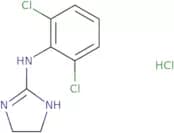
CAS:<p>Clonidine hydrochloride is a drug used in the treatment of hypertension and other cardiac diseases. It belongs to the class of drugs called centrally acting alpha-2 adrenergic agonists. Clonidine hydrochloride is also used for its antihypertensive effects in patients with neurogenic orthostatic hypotension, diabetic neuropathy, and glomerular filtration rate. The long-term efficacy and safety profile of clonidine hydrochloride has been established in clinical trials that have shown it to be effective in reducing symptoms of chronic pain and opioid withdrawal, as well as improving quality of life. Clonidine hydrochloride may be administered orally or transdermally. Clonidine binds to both alpha-1 and alpha-2 adrenergic receptors, which are responsible for vasoconstriction, inhibition of renin secretion from the kidneys, decreased sympathetic nerve activity, and increased parasympathetic nerve activity. This drug also has a protective effect on bone cancer cells</p>Formula:C9H9Cl2N3•HClPurity:Min. 95%Color and Shape:PowderMolecular weight:266.55 g/mol4-Chloro-1H-imidazo[4,5-c]pyridine
CAS:<p>4-Chloro-1H-imidazo[4,5-c]pyridine (4CI) is a nucleoside analog that inhibits the replication of RNA and DNA. It has significant inhibitory activity against herpes simplex virus type 1 and human immunodeficiency virus type 1 (HIV-1). 4CI inhibits the synthesis of adenosine, an important component in the synthesis of RNA and DNA. This drug also has antiviral properties against influenza A and B viruses. 4CI's effect on plasma cholesterol levels is thought to be due to inhibition of 3-hydroxy-3-methylglutaryl coenzyme A reductase.</p>Formula:C6H4ClN3Purity:Min. 95%Color and Shape:Off-White SolidMolecular weight:153.57 g/mol2-(Chloromethyl)-4-methylquinazoline
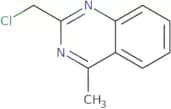
CAS:<p>Inhibitor of SIRT1 deacetylase</p>Formula:C10H9ClN2Purity:Min. 95%Color and Shape:Off-White To Yellow SolidMolecular weight:192.64 g/molCyclopentyl methyl ether - stabilized with BHT
CAS:<p>Cyclopentyl methyl ether is a chemical compound that belongs to the group of ethers. It has been shown to be a human skin carcinogen in animal studies. Cyclopentyl methyl ether is stable against transfer reactions, such as oxidation and reduction, with metal ions and enzymes. In addition, it does not react with BHT (butylated hydroxytoluene) or human serum at physiological pH. This chemical compound can be used in the synthesis of pharmaceutical products, such as esters and amides.</p>Formula:C6H12OPurity:Min. 95%Color and Shape:Clear LiquidMolecular weight:100.16 g/mol1-(2,4,5-Trifluorophenyl)propan-2-one
CAS:<p>Versatile small molecule scaffold</p>Formula:C9H7F3OPurity:Min. 95%Molecular weight:188.15 g/mol1-(4-Chloro-2-fluorophenyl)propan-2-one
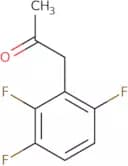
CAS:Versatile small molecule scaffoldFormula:C9H8ClFOPurity:Min. 95%Molecular weight:186.61 g/mol1-(2,3,6-Trifluorophenyl)propan-2-one
CAS:Versatile small molecule scaffoldFormula:C9H7F3OPurity:Min. 95%Molecular weight:188.15 g/mol1-(3-Chloro-2,6-difluorophenyl)propan-2-one
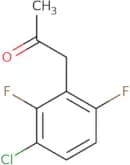
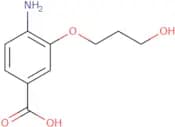
CAS:<p>Versatile small molecule scaffold</p>Formula:C9H7ClF2OPurity:Min. 95%Molecular weight:204.6 g/mol4-Amino-3-(3-hydroxypropoxy)benzoic acid
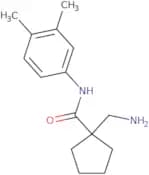
CAS:<p>Versatile small molecule scaffold</p>Formula:C10H13NO4Purity:Min. 95%Molecular weight:211.21 g/mol1-(Aminomethyl)-N-(3,4-dimethylphenyl)cyclopentane-1-carboxamide
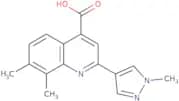
CAS:<p>Versatile small molecule scaffold</p>Formula:C15H22N2OPurity:Min. 95%Molecular weight:246.35 g/mol7,8-Dimethyl-2-(1-methyl-1H-pyrazol-4-yl)quinoline-4-carboxylic acid
CAS:Versatile small molecule scaffoldFormula:C16H15N3O2Purity:Min. 95%Molecular weight:281.31 g/mol4-{[(3-Methylphenyl)methyl]carbamoyl}benzoic acid
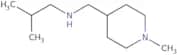
CAS:<p>Versatile small molecule scaffold</p>Formula:C16H15NO3Purity:Min. 95%Molecular weight:269.29 g/mol2-Methyl-N-((1-methylpiperidin-4-yl)methyl)propan-1-amine
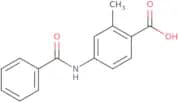
CAS:<p>Versatile small molecule scaffold</p>Formula:C11H24N2Purity:Min. 95%Molecular weight:184.32 g/mol4-Benzamido-2-methylbenzoic acid
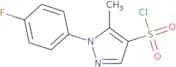
CAS:Versatile small molecule scaffoldFormula:C15H13NO3Purity:Min. 95%Molecular weight:255.27 g/mol1-(4-Fluorophenyl)-5-methyl-1H-pyrazole-4-sulfonyl chloride
CAS:<p>Versatile small molecule scaffold</p>Formula:C10H8ClFN2O2SPurity:Min. 95%Molecular weight:274.7 g/mol






![o-[(4-Chlorophenyl)methyl]hydroxylamine](/_next/image/?url=https%3A%2Fstatic.cymitquimica.com%2Fproducts%2F3D%2Fthumb-webp%2FFAA55551.webp&w=3840&q=75)

![1-(Bicyclo[2.2.2]oct-1-yl)methanamine hydrochloride](/_next/image/?url=https%3A%2Fstatic.cymitquimica.com%2Fproducts%2F3D%2Fthumb-webp%2FFAA56174.webp&w=3840&q=75)


![4-Chloro-1H-imidazo[4,5-c]pyridine](/_next/image/?url=https%3A%2Fstatic.cymitquimica.com%2Fproducts%2F3D%2Fthumb-webp%2FFC32403.webp&w=3840&q=75)


![4-{[(3-Methylphenyl)methyl]carbamoyl}benzoic acid](/_next/image/?url=https%3A%2Fstatic.cymitquimica.com%2Fproducts%2F3D%2Fthumb-webp%2FFCC56743.webp&w=3840&q=75)