Building Blocks
This section contains fundamental products for the synthesis of organic and biological compounds. Building blocks are the essential starting materials used to construct complex molecules through various chemical reactions. They play a critical role in drug discovery, material science, and chemical research. At CymitQuimica, we offer a diverse range of high-quality building blocks to support your innovative research and industrial projects, ensuring you have the essential components for successful synthesis.
Subcategories of "Building Blocks"
- Boronic Acids & Boronic Acid Derivatives(5,756 products)
- Chiral Building Blocks(1,242 products)
- Hydrocarbon Building Blocks(6,095 products)
- Organic Building Blocks(61,055 products)
Found 199650 products of "Building Blocks"
Sort by
Purity (%)
0
100
|
0
|
50
|
90
|
95
|
100
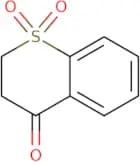
3,4-dihydro-2H-1-benzothiopyran-1,1,4-trione
CAS:<p>Versatile small molecule scaffold</p>Formula:C9H8O3SPurity:Min. 95%Molecular weight:196.22 g/mol1-(Ethylamino)-3-(dimethylamino)propane
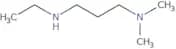
CAS:<p>Versatile small molecule scaffold</p>Formula:C7H18N2Purity:Min. 95%Molecular weight:130.23 g/mol{3-[(2-Aminoethyl)(methyl)amino]propyl}dimethylamine
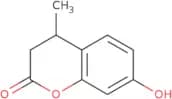
CAS:<p>Versatile small molecule scaffold</p>Formula:C8H21N3Purity:Min. 95%Molecular weight:159.27 g/mol7-Hydroxy-4-methyl-3,4-dihydro-2H-1-benzopyran-2-one
CAS:<p>Versatile small molecule scaffold</p>Formula:C10H10O3Purity:Min. 95%Molecular weight:178.18 g/molrac-(1R,3R,5S)-Bicyclo[3.3.1]nonane-3-carboxylic acid, exo
CAS:<p>Versatile small molecule scaffold</p>Formula:C10H16O2Purity:Min. 95%Molecular weight:168.23 g/molrac-(1R,3S,5S)-Bicyclo[3.3.1]nonane-3-carboxylic acid
CAS:<p>Racemic bicyclo[3.3.1]nonane-3-carboxylic acid (BCCA) is a synthetic carboxylic acid that contains a carbonyl group. It has been shown to be an excellent electrophilic substrate for hydrogenolysis and catalysis. The functional groups can be easily modified by reactions with nucleophiles, electrophiles, and oxidizing agents. Racemic BCCA is used as a precursor in the synthesis of (±)-trans-2,4-pentadienal and other carbonyl compounds.</p>Formula:C10H16O2Purity:Min. 95%Molecular weight:168.23 g/mol5-Bromo-benzo[b]thiophene 1,1-dioxide
CAS:<p>Versatile small molecule scaffold</p>Formula:C8H5BrO2SPurity:Min. 95%Molecular weight:245.09 g/mol3-(thiophen-2-yl)propan-1-ol
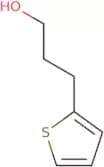
CAS:<p>3-(thiophen-2-yl)propan-1-ol is a chiral synthon. It is used as a building block in the synthesis of organic compounds, such as esters and amides. 3-(Thiophen-2-yl)propan-1-ol has been used to synthesize enantiomerically pure methylene compounds. This synthon can be prepared by the catalysis of vinyl acetate with thiophene, which forms a chain reaction that leads to the formation of 3-(thiophen-2-yl)propan-1-ol. The stereogenic center of this synthon is also chiral.</p>Formula:C7H10OSPurity:Min. 95%Molecular weight:142.22 g/mol7-Methoxy-1,2,3,4-tetrahydroquinoline
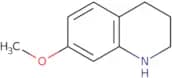
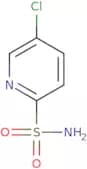
CAS:<p>Versatile small molecule scaffold</p>Formula:C10H13NOPurity:Min. 95%Molecular weight:163.22 g/mol5-Chloropyridine-2-sulfonamide
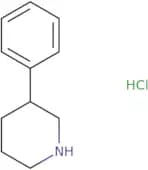
CAS:<p>Versatile small molecule scaffold</p>Formula:C5H5ClN2O2SPurity:Min. 95%Molecular weight:192.62 g/mol3-Phenylpiperidine hydrochloride
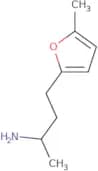
CAS:<p>3-Phenylpiperidine hydrochloride is a phenyl derivative that has been shown to have pharmacological effects. It binds to α2-adrenergic receptors and inhibits the binding of trifluoromethanesulfonic acid, which is a radioligand. 3-Phenylpiperidine hydrochloride also has affinity for benzene and hydroxyl groups, which are found in the structure of this drug. This compound has been shown to have conformational and conformational studies, as well as pharmacological tests. The methyl group on the 3-phenylpiperidine hydrochloride molecule is responsible for its pharmacological activity.</p>Formula:C11H16ClNPurity:Min. 95%Molecular weight:197.71 g/mol4-(5-Methylfuran-2-yl)butan-2-amine
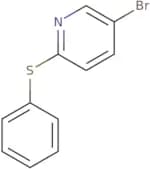
CAS:<p>Versatile small molecule scaffold</p>Formula:C9H15NOPurity:Min. 95%Molecular weight:153.22 g/mol5-Bromo-2-(phenylsulfanyl)pyridine
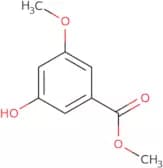
CAS:<p>Versatile small molecule scaffold</p>Formula:C11H8BrNSPurity:Min. 95%Molecular weight:266.16 g/molMethyl 3-hydroxy-5-methoxybenzoate
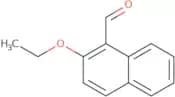
CAS:<p>Methyl 3-hydroxy-5-methoxybenzoate is a benzoylated meroterpenoid that is biosynthesized from geranyl and malonate. It has been shown to have bioactivities and medicinal properties in hepg2 cells, which are human hepatoblastoma cells. Methyl 3-hydroxy-5-methoxybenzoate has been shown to inhibit the enzyme hepg2 cell line, transcriptomic analysis, houben-hoesch reaction, geranyl, malonate, benzoylation, biosynthesis, pyridine, electrophilic, benzoylated (HMGCoA reductase), inhibiting cholesterol synthesis and increasing the production of bile acids. This compound also suppresses the growth of cancerous cells by inducing apoptosis.</p>Formula:C9H10O4Purity:Min. 95%Molecular weight:182.17 g/mol2-Ethoxy-1-naphthaldehyde
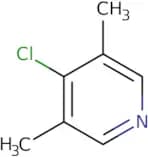
CAS:<p>2-Ethoxy-1-naphthaldehyde is a synthetic compound that is an intermediate in the synthesis of nafcillin sodium. It is also used as an intermediate for the production of acetonitrile, which can be used as a solvent. 2-Ethoxy-1-naphthaldehyde has been shown to have optical properties similar to those of anthracene and dihedral angles similar to those of peroxide. It undergoes dehydrating reactions with hydrogen peroxide, forming acetic acid, water, and hydrogen dioxide. This compound also has a strong tendency to form hydrogen bonds with other molecules.</p>Formula:C13H12O2Purity:Min. 95%Molecular weight:200.23 g/mol4-Chloro-3,5-dimethyl-pyridine hydrochloride
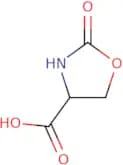
CAS:<p>4-Chloro-3,5-dimethyl-pyridine hydrochloride is an impurity that is generated during the manufacture of esomeprazole. It is a nucleophilic compound with a high reactivity and can be used as an insecticide or nematocide. 4-Chloro-3,5-dimethyl-pyridine hydrochloride can also be oxidized to form an n-oxide. This impurity has been shown to have a strong alkaline property.</p>Formula:C7H9Cl2NPurity:Min. 95%Molecular weight:178.06 g/mol(4S)-2-Oxo-1,3-oxazolidine-4-carboxylic acid
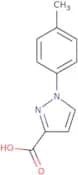
CAS:<p>Versatile small molecule scaffold</p>Formula:C4H5NO4Purity:Min. 95%Molecular weight:131.09 g/mol1-(4-Methylphenyl)-1H-pyrazole-3-carboxylic acid
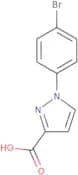
CAS:<p>Versatile small molecule scaffold</p>Formula:C11H10N2O2Purity:Min. 95%Molecular weight:202.21 g/mol1-(4-Bromophenyl)-1H-pyrazole-3-carboxylic acid
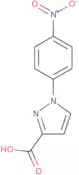
CAS:Versatile small molecule scaffoldFormula:C10H7BrN2O2Purity:Min. 95%Molecular weight:267.08 g/mol1-(4-Nitrophenyl)-1H-pyrazole-3-carboxylic acid
CAS:<p>Versatile small molecule scaffold</p>Formula:C10H7N3O4Purity:Min. 95%Molecular weight:233.18 g/molN,N'-Bis(2-hydroxyphenyl)ethanediamide
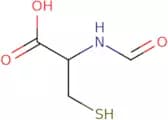
CAS:<p>Versatile small molecule scaffold</p>Formula:C14H12N2O4Purity:Min. 95%Molecular weight:272.26 g/mol(2R)-2-Formamido-3-sulfanylpropanoic acid
CAS:<p>2-Formamido-3-sulfanylpropanoic acid (AFSA) is a reactive intermediate in the synthesis of the amino acids methionine and cysteine. It can react with nucleophiles such as thiols, alcohols, and carboxylic acids. AFSA has been shown to inhibit protein synthesis by acting on nicotinic acetylcholine receptors (nAChRs) in mammalian cells. This inhibition can be reversed by allosteric modulators that increase the activity of nAChRs. AFSA also inhibits the growth of cancer cells by inhibiting the production of growth factors. The acid conjugates of AFSA are thought to be responsible for its anti-inflammatory effects, which have been observed in animal models and human studies.</p>Formula:C4H7NO3SPurity:Min. 95%Molecular weight:149.17 g/mol5-Methyl-2-pyridin-2-yl-2H-pyrazol-3-ylamine
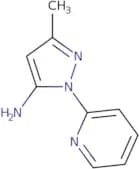
CAS:<p>Versatile small molecule scaffold</p>Formula:C9H10N4Purity:Min. 95%Molecular weight:174.2 g/mol6-Methyl-7H,8H-[1,2,4]triazolo[4,3-b][1,2,4]triazin-7-one
CAS:<p>Versatile small molecule scaffold</p>Formula:C5H5N5OPurity:Min. 95%Molecular weight:151.13 g/mol3-Benzyloxolane-2,5-dione
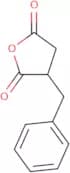
CAS:3-Benzyloxolane-2,5-dione is a biodegradable compound that has been used as a radiation sensitizer in cancer therapy. It is a prodrug that is converted to 3-benzyloxyacrylic acid (3BA) by enzymatic oxidation. 3BA undergoes an intramolecular nucleophilic substitution reaction to form the benzylideneketal, which can then react with an electron donor such as chloride or maleate. This produces an aromatic hydrocarbon and an alcohol, which can be metabolized by various enzymes. The benzylidene ketal reacts with DNA bases covalently and forms crosslinks between DNA strands, resulting in cell death. It has also been shown to have antifungal properties against Candida albicans.Formula:C11H10O3Purity:Min. 95%Molecular weight:190.19 g/mol4,6-Dimethylheptan-2-one
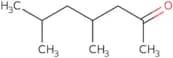
CAS:<p>4,6-Dimethylheptan-2-one is an organic compound that belongs to the ketones group. It is a reaction product of heptanone and isobutyl. This substance has been shown to react with photoirradiation, producing reactive species that are harmful to humans. 4,6-Dimethylheptan-2-one can be found in a range of solvents such as dichloromethane and 1,4-dioxane.</p>Formula:C9H18OPurity:Min. 95%Molecular weight:142.24 g/mol4,4-Dimethylhexan-3-one
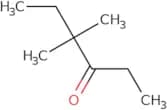
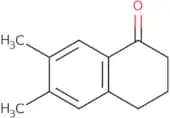
CAS:<p>Versatile small molecule scaffold</p>Formula:C8H16OPurity:Min. 95%Molecular weight:128.21 g/mol6,7-Dimethyl-1-tetralone
CAS:<p>Diels-Alder reactions are a type of reaction in organic chemistry that is used to form carbon-carbon bonds. The Diels-Alder reaction can be used to synthesize 6,7-dimethyl-1-tetralone. This compound is an example of a dienophile and can be used in the Diels-Alder reaction with a dienophile such as cyclopentadiene or norbornadiene. The equivalency of the diene and the dienophile is dependent on the relative stability of their corresponding enolate anion and cation.</p>Formula:C12H14OPurity:Min. 95%Molecular weight:174.24 g/mol(5-Methyl-1-phenyl-1H-pyrazol-3-yl)methanol
CAS:<p>Versatile small molecule scaffold</p>Formula:C11H12N2OPurity:Min. 95%Molecular weight:188.23 g/mol2,5-Dichloro-3,4-dihydropyrimidin-4-one
CAS:<p>Versatile small molecule scaffold</p>Formula:C4H2Cl2N2OPurity:Min. 95%Molecular weight:164.97 g/mol{[(1,3-Dioxo-2,3-dihydro-1H-isoindol-2-yl)methyl]sulfanyl}methanimidamide hydrochloride
CAS:Versatile small molecule scaffoldFormula:C10H10ClN3O2SPurity:Min. 95%Molecular weight:271.72 g/molPhenyl N-(4-methoxy-2-nitrophenyl)carbamate
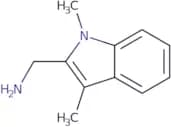
CAS:<p>Versatile small molecule scaffold</p>Formula:C14H12N2O5Purity:Min. 95%Molecular weight:288.25 g/mol(1,3-Dimethyl-1H-indol-2-yl)methanamine
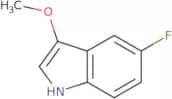
CAS:<p>Versatile small molecule scaffold</p>Formula:C11H14N2Purity:Min. 95%Molecular weight:174.24 g/mol5-Fluoro-3-methoxy-1H-indole
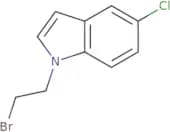
CAS:<p>Versatile small molecule scaffold</p>Formula:C9H8FNOPurity:Min. 95%Molecular weight:165.16 g/mol1-(2-Bromoethyl)-5-chloro-1H-indole
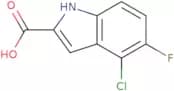
CAS:<p>Versatile small molecule scaffold</p>Formula:C10H9BrClNPurity:Min. 95%Molecular weight:258.54 g/mol4-Chloro-5-fluoro-1H-indole-2-carboxylic acid
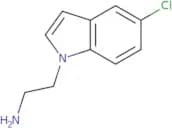
CAS:<p>Versatile small molecule scaffold</p>Formula:C9H5ClFNO2Purity:Min. 95%Molecular weight:213.59 g/mol2-(5-Chloro-1H-indol-1-yl)ethan-1-amine
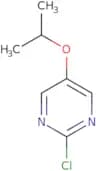
CAS:<p>Versatile small molecule scaffold</p>Formula:C10H11ClN2Purity:Min. 95%Molecular weight:194.66 g/mol2-Chloro-5-(propan-2-yloxy)pyrimidine
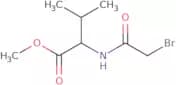
CAS:<p>Versatile small molecule scaffold</p>Formula:C7H9ClN2OPurity:Min. 95%Molecular weight:172.61 g/molMethyl (2S)-2-(2-bromoacetamido)-3-methylbutanoate
CAS:<p>Versatile small molecule scaffold</p>Formula:C8H14BrNO3Purity:Min. 95%Molecular weight:252.11 g/mol(2S)-2-(4-Phenylphenoxy)propanoic acid
CAS:<p>Versatile small molecule scaffold</p>Formula:C15H14O3Purity:Min. 95%Molecular weight:242.3 g/mol1H-Pyrrolo[2,3-c]pyridine-1-carboxylic acid
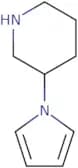
CAS:<p>Versatile small molecule scaffold</p>Formula:C8H6N2O2Purity:Min. 95%Molecular weight:162.15 g/mol3-(1H-Pyrrol-1-yl)piperidine
CAS:<p>Versatile small molecule scaffold</p>Formula:C9H14N2Purity:Min. 95%Molecular weight:150.22 g/molBis(propan-2-yl) [(2-aminoethoxy)methyl]phosphonate
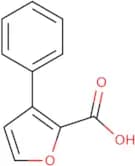
CAS:<p>Versatile small molecule scaffold</p>Formula:C9H22NO4PPurity:Min. 95%Molecular weight:239.25 g/mol3-Phenylfuran-2-carboxylic acid
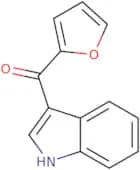
CAS:<p>3-Phenylfuran-2-carboxylic acid is an anti-inflammatory agent that belongs to the class of ester compounds. It is synthesized by reacting sodium nitrite with 2-furoic acid in the presence of a base, such as triethylamine. This compound reacts with chloride ions and acetyl groups to form a diazonium salt, which can be hydrolyzed to produce an antiinflammatory agent. 3-Phenylfuran-2-carboxylic acid also reacts with benzene to form an antiinflammatory agent. The reactivity of this compound has been shown using hydrazides as a reagent.</p>Formula:C11H8O3Purity:Min. 95%Molecular weight:188.18 g/mol2-Furyl(1H-indol-3-yl)methanone
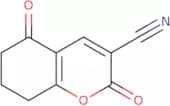
CAS:<p>Versatile small molecule scaffold</p>Formula:C13H9NO2Purity:Min. 95%Molecular weight:211.22 g/mol2,5-Dioxo-5,6,7,8-tetrahydro-2H-chromene-3-carbonitrile
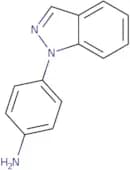
CAS:Versatile small molecule scaffoldFormula:C10H7NO3Purity:Min. 95%Molecular weight:189.17 g/mol4-(1H-Indazol-1-yl)aniline
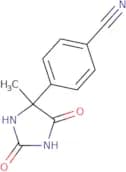
CAS:<p>Versatile small molecule scaffold</p>Formula:C13H11N3Purity:Min. 95%Molecular weight:209.25 g/mol4-(4-Methyl-2,5-dioxoimidazolidin-4-yl)benzonitrile
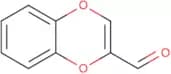
CAS:<p>Versatile small molecule scaffold</p>Formula:C11H9N3O2Purity:Min. 95%Molecular weight:215.21 g/mol1,4-Benzodioxine-2-carbaldehyde
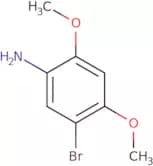
CAS:<p>Versatile small molecule scaffold</p>Formula:C9H6O3Purity:Min. 95%Molecular weight:162.14 g/mol5-bromo-2,4-dimethoxyaniline
CAS:5-bromo-2,4-dimethoxyaniline (5BDMA) is a compound that is endogenously synthesized by humans. This ligand has been shown to bind to copper, which leads to abnormalities in the uptake of 5BDMA. The binding of 5BDMA to cell membranes can alter cellular functions, such as the synthesis of proteins and lipids. Studies have also shown that 5BDMA binds to kidney cells and other cells in the body, leading to its biodistribution studies. 5BDMA has been used as a radioligand for PET imaging and has been shown to be effective against diabetic rats.Formula:C8H10BrNO2Purity:Min. 95%Molecular weight:232.1 g/mol

![{3-[(2-Aminoethyl)(methyl)amino]propyl}dimethylamine](/_next/image/?url=https%3A%2Fstatic.cymitquimica.com%2Fproducts%2F3D%2Fthumb-webp%2FUAA47531.webp&w=3840&q=75)
![rac-(1R,3R,5S)-Bicyclo[3.3.1]nonane-3-carboxylic acid, exo](/_next/image/?url=https%3A%2Fstatic.cymitquimica.com%2Fproducts%2F3D%2Fthumb-webp%2FUAA48916.webp&w=3840&q=75)
![rac-(1R,3S,5S)-Bicyclo[3.3.1]nonane-3-carboxylic acid](/_next/image/?url=https%3A%2Fstatic.cymitquimica.com%2Fproducts%2F3D%2Fthumb-webp%2FUAA48918.webp&w=3840&q=75)
![5-Bromo-benzo[b]thiophene 1,1-dioxide](/_next/image/?url=https%3A%2Fstatic.cymitquimica.com%2Fproducts%2F3D%2Fthumb-webp%2FUAA49287.webp&w=3840&q=75)

![6-Methyl-7H,8H-[1,2,4]triazolo[4,3-b][1,2,4]triazin-7-one](/_next/image/?url=https%3A%2Fstatic.cymitquimica.com%2Fproducts%2F3D%2Fthumb-webp%2FUAA54210.webp&w=3840&q=75)


![{[(1,3-Dioxo-2,3-dihydro-1H-isoindol-2-yl)methyl]sulfanyl}methanimidamide hydrochloride](/_next/image/?url=https%3A%2Fstatic.cymitquimica.com%2Fproducts%2F3D%2Fthumb-webp%2FUGA55901.webp&w=3840&q=75)


![1H-Pyrrolo[2,3-c]pyridine-1-carboxylic acid](/_next/image/?url=https%3A%2Fstatic.cymitquimica.com%2Fproducts%2F3D%2Fthumb-webp%2FUGA75088.webp&w=3840&q=75)
![Bis(propan-2-yl) [(2-aminoethoxy)methyl]phosphonate](/_next/image/?url=https%3A%2Fstatic.cymitquimica.com%2Fproducts%2F3D%2Fthumb-webp%2FUGA76956.webp&w=3840&q=75)