Building Blocks
This section contains fundamental products for the synthesis of organic and biological compounds. Building blocks are the essential starting materials used to construct complex molecules through various chemical reactions. They play a critical role in drug discovery, material science, and chemical research. At CymitQuimica, we offer a diverse range of high-quality building blocks to support your innovative research and industrial projects, ensuring you have the essential components for successful synthesis.
Subcategories of "Building Blocks"
- Boronic Acids & Boronic Acid Derivatives(5,778 products)
- Chiral Building Blocks(1,242 products)
- Hydrocarbon Building Blocks(6,098 products)
- Organic Building Blocks(61,034 products)
Found 199601 products of "Building Blocks"
Sort by
Purity (%)
0
100
|
0
|
50
|
90
|
95
|
100
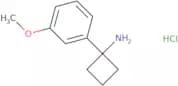
1-(3-Methoxyphenyl)cyclobutan-1-amine hydrochloride
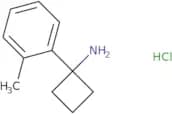
CAS:Versatile small molecule scaffoldFormula:C11H16ClNOPurity:Min. 95%Molecular weight:213.7 g/mol1-(2-Methylphenyl)cyclobutan-1-amine hydrochloride
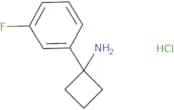
CAS:<p>Versatile small molecule scaffold</p>Formula:C11H16ClNPurity:Min. 95%Molecular weight:197.7 g/mol1-(3-Fluorophenyl)cyclobutan-1-amine hydrochloride
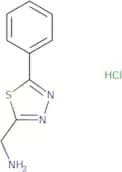
CAS:<p>Versatile small molecule scaffold</p>Formula:C10H13ClFNPurity:Min. 95%Molecular weight:201.67 g/mol(5-Phenyl-1,3,4-thiadiazol-2-yl)methanamine hydrochloride
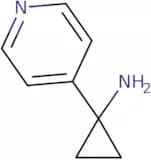
CAS:<p>Versatile small molecule scaffold</p>Formula:C9H10ClN3SPurity:Min. 95%Molecular weight:227.71 g/molCyclopropanamine, 1-(4-pyridinyl)-, hydrochloride (1:2)
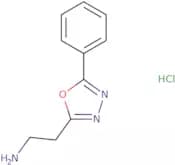
CAS:Versatile small molecule scaffoldFormula:C8H12Cl2N2Purity:Min. 95%Molecular weight:207.1 g/mol2-(5-Phenyl-1,3,4-oxadiazol-2-yl)ethan-1-amine hydrochloride
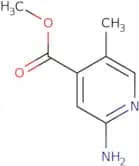
CAS:<p>Versatile small molecule scaffold</p>Formula:C10H12ClN3OPurity:Min. 95%Molecular weight:225.67 g/molMethyl 2-amino-5-methylpyridine-4-carboxylate
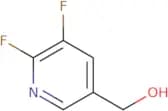
CAS:<p>Versatile small molecule scaffold</p>Formula:C8H10N2O2Purity:Min. 95%Molecular weight:166.18 g/mol(5,6-Difluoropyridin-3-yl)methanol
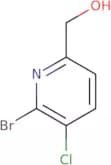
CAS:<p>Versatile small molecule scaffold</p>Formula:C6H5F2NOPurity:Min. 95%Molecular weight:145.11 g/mol(6-Bromo-5-chloropyridin-2-yl)methanol
CAS:<p>Versatile small molecule scaffold</p>Formula:C6H5BrClNOPurity:Min. 95%Molecular weight:222.47 g/molrac-(1R,2S)-2-(Pyridin-3-yl)cyclopropan-1-amine dihydrochloride
CAS:<p>Versatile small molecule scaffold</p>Formula:C8H12Cl2N2Purity:Min. 95%Molecular weight:207.1 g/mol[1-(Pyridin-4-yl)cyclobutyl]methanamine
CAS:<p>Versatile small molecule scaffold</p>Formula:C10H14N2Purity:Min. 95%Molecular weight:162.2 g/mol[1-(Pyridin-2-yl)cyclobutyl]methanamine
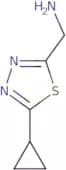
CAS:<p>Versatile small molecule scaffold</p>Formula:C10H14N2Purity:Min. 95%Molecular weight:162.23 g/mol(5-Cyclopropyl-1,3,4-thiadiazol-2-yl)methanamine
CAS:<p>Versatile small molecule scaffold</p>Formula:C6H9N3SPurity:Min. 95%Molecular weight:155.22 g/mol4-Fluoro-3-[(2,2,2-trifluoroethyl)amino]phenol
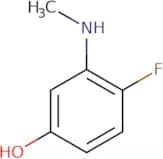
CAS:<p>Versatile small molecule scaffold</p>Formula:C8H7F4NOPurity:Min. 95%Molecular weight:209.14 g/mol4-Fluoro-3-(methylamino)phenol
CAS:<p>Versatile small molecule scaffold</p>Formula:C7H8FNOPurity:Min. 95%Molecular weight:141.14 g/molBenzyl azocane-1-carboxylate
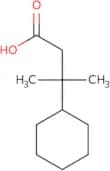
CAS:Versatile small molecule scaffoldFormula:C15H21NO2Purity:Min. 95%Molecular weight:247.3 g/mol3-Cyclohexyl-3-methylbutanoic acid
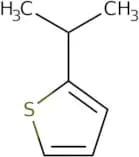
CAS:<p>Versatile small molecule scaffold</p>Formula:C11H20O2Purity:Min. 95%Molecular weight:184.27 g/mol2-(Propan-2-yl)thiophene
CAS:<p>2-(Propan-2-yl)thiophene is a cyclopropylamine that reacts with ruthenium to form a ruthenium complex. This complex is thermodynamically stable, and can absorb light in the visible region of the spectrum. The addition of ligands such as phenanthroline or isopropyl groups enhances its photophysical properties, and can be used to catalyze alkylation reactions. 2-(Propan-2-yl)thiophene has an electron-withdrawing group on the phenyl ring, which makes it susceptible to nucleophilic attack by electrophiles. This property is useful for kinetic studies of alkylation reactions, because it allows for observation of the rate at which an alkylating agent approaches a given substrate.</p>Formula:C7H10SPurity:Min. 95%Molecular weight:126.22 g/molEthyl 1,2,3-thiadiazole-5-carboxylate
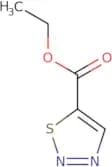
CAS:<p>Versatile small molecule scaffold</p>Formula:C5H6N2O2SPurity:Min. 95%Molecular weight:158.18 g/molCyclooctanecarboxylic acid
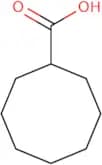
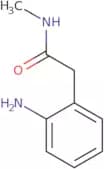
CAS:<p>Cyclooctanecarboxylic acid is a hydroxylated monocarboxylic acid that has been shown to inhibit the activity of various enzymes. It is a polar molecule with a diameter of about 1.5 nm, which can be used as a polarizer in light microscopy. Cyclooctanecarboxylic acid has been shown to inhibit the production of hepatitis C virus particles and insulin resistance in mammalian cells. It also inhibits viral replication by interfering with the synthesis of viral proteins, inhibiting protein synthesis and cell division. Cyclooctanecarboxylic acid is an inhibitor for many compounds, including inhibitors for cholesterol biosynthesis, human immunodeficiency virus type 1 protease inhibitors, and protein kinase C inhibitors.</p>Formula:C9H16O2Purity:Min. 95%Molecular weight:156.22 g/mol2-(2-Aminophenyl)-N-methylacetamide
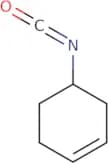
CAS:<p>Versatile small molecule scaffold</p>Formula:C9H12N2OPurity:Min. 95%Molecular weight:164.2 g/mol4-Isocyanatocyclohex-1-ene
CAS:<p>4-Isocyanatocyclohex-1-ene is a colorless liquid that is soluble in water. It is used as a raw material for the production of polyurethane and other polymers, which are used in coatings, adhesives, elastomers, and other industrial applications. 4-Isocyanatocyclohex-1-ene can be found as part of a mixture or polymer with other diisocyanates. The chemical has been shown to form when certain cycloaliphatic compounds are heated to high temperatures.</p>Formula:C7H9NOPurity:Min. 95%Molecular weight:123.15 g/molPentadecan-7-ol
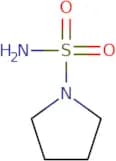
CAS:<p>Versatile small molecule scaffold</p>Formula:C15H32OPurity:Min. 95%Molecular weight:228.41 g/mol1-Pyrrolidinesulfonamide
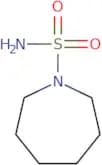
CAS:<p>1-Pyrrolidinesulfonamide is an anti-infective agent that inhibits the growth of bacteria by inhibiting their ability to synthesize proteins. It binds to cellular DNA and prevents transcription, leading to apoptotic cell death. 1-Pyrrolidinesulfonamide has been shown to have chemoattractant properties and can be used as a pharmacokinetic marker for differentiating bowel disease from cancer in vivo models. This drug also has been shown to inhibit inflammatory bowel disease in vitro and in vivo. 1-Pyrrolidinesulfonamide is a quinoline derivative that can hydrogen bond with nucleic acids and interfere with RNA synthesis. It also has been shown to inhibit the production of proinflammatory cytokine, such as IL-6 and TNF-α, which are involved in inflammatory diseases.</p>Formula:C4H10N2O2SPurity:Min. 95%Molecular weight:150.2 g/molAzepane-1-sulfonamide
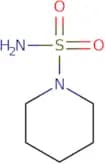
CAS:<p>Versatile small molecule scaffold</p>Formula:C6H14N2O2SPurity:Min. 95%Molecular weight:178.26 g/molPiperidine-1-sulphonamide
CAS:<p>Piperidine-1-sulphonamide is a hydrogen bond inhibitor that binds to bacterial enzymes, inhibiting the production of proton. It has been shown to have anti-inflammatory activity and is used in the treatment of inflammatory diseases such as autoimmune diseases, HIV infection, and cancer. This drug also has an effect on purine metabolism, which may be due to its ability to inhibit bacterial enzyme adenosine deaminase. Piperidine-1-sulphonamide also inhibits inflammation in bowel disease by suppressing the release of inflammatory cytokines such as tumor necrosis factor and interleukin 1beta.</p>Formula:C5H12N2O2SPurity:Min. 95%Molecular weight:164.23 g/mol2-Methylpiperidine-1-sulfonamide
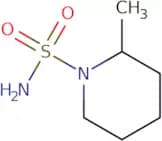
CAS:<p>Versatile small molecule scaffold</p>Formula:C6H14N2O2SPurity:Min. 95%Molecular weight:178.26 g/mol4-Hydroxypiperidine-1-sulfonamide
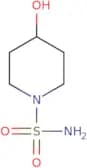
CAS:<p>Versatile small molecule scaffold</p>Formula:C5H12N2O3SPurity:Min. 95%Molecular weight:180.23 g/mol4-(1H-1,3-Benzodiazol-2-yl)benzonitrile
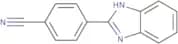
CAS:<p>4-(1H-1,3-Benzodiazol-2-yl)benzonitrile is a planar molecule with a dihedral angle of about 120°. The molecule consists of benzene rings and chains. The benzene ring is symmetrical, hence it has no plane of symmetry. As the molecule does not have any chiral centers, there are two enantiomers (mirror images).</p>Formula:C14H9N3Purity:Min. 95%Molecular weight:219.24 g/mol3,5-Dinitrobenzonitrile
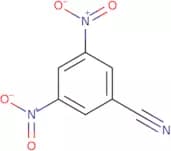
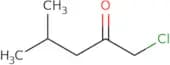
CAS:<p>3,5-Dinitrobenzonitrile is a chemical compound that is used as a reagent in organic synthesis. It is carcinogenic and has been shown to produce tumors when administered intraperitoneally. 3,5-Dinitrobenzonitrile has been found to react with hydrochloric acid in the presence of nitrous acid to form chloride, nitro, and water. The reaction mechanism of this process involves dehydration at the C-N bond followed by an amide formation. This reaction product can be observed using magnetic resonance spectroscopy (NMR).</p>Formula:C7H3N3O4Purity:Min. 95%Molecular weight:193.12 g/mol1-Chloro-4-methylpentan-2-one
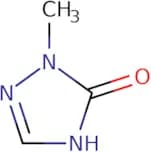
CAS:<p>1-Chloro-4-methylpentan-2-one is a chemical compound that inhibits bacterial growth by binding to the 50S ribosomal subunit. It has been shown to inhibit methicillin resistance in Staphylococcus aureus, and also has an antibacterial effect on other gram-negative bacteria. 1-Chloro-4-methylpentan-2-one is active against both gram positive and gram negative organisms, but the spectrum of activity is limited because it is not active against acid fast bacteria such as Mycobacterium tuberculosis or Mycobacterium avium complex. 1CMTD has been shown to be stable in its crystalline form and can be administered orally.</p>Formula:C6H11ClOPurity:Min. 95%Molecular weight:134.6 g/mol1-Methyl-4,5-dihydro-1H-1,2,4-triazol-5-one
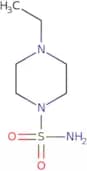
CAS:<p>Versatile small molecule scaffold</p>Formula:C3H5N3OPurity:Min. 95%Molecular weight:99.09 g/mol4-Ethylpiperazine-1-sulfonamide
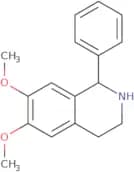
CAS:<p>4-Ethylpiperazine-1-sulfonamide is a potent compound that inhibits the production of lipopolysaccharide. This inhibition leads to less inflammation and pain in patients with rheumatoid arthritis and other inflammatory diseases. 4-Ethylpiperazine-1-sulfonamide has been shown to inhibit the production of tumor necrosis factor alpha (TNFα) in human macrophages by blocking the activation of nuclear transcription factor kappa B (NFκB). This compound also binds to the TNF receptor, inhibiting its ability to activate NFκB. 4-Ethylpiperazine-1-sulfonamide also has antiinflammatory activities and can be used for the treatment of chronic inflammatory disorders such as rheumatoid arthritis.</p>Formula:C6H15N3O2SPurity:Min. 95%Molecular weight:193.27 g/mol6,7-Dimethoxy-1-phenyl-1,2,3,4-tetrahydroisoquinoline
CAS:<p>6,7-Dimethoxy-1-phenyl-1,2,3,4-tetrahydroisoquinoline is a phenyl conformation molecule that has an x-ray structure. This compound is a β-blocker and can be used to treat heart conditions such as angina pectoris and arrhythmia. It also has antiarrhythmic properties. 6,7-Dimethoxy-1-phenyl-1,2,3,4-tetrahydroisoquinoline has two substituents at the 6 and 7 positions on the isoquinoline ring. The chains are attached to the phenyl ring by hydrogen bonds.</p>Formula:C17H19NO2Purity:Min. 95%Molecular weight:269.34 g/mol5H-Pyrrolo[2,3-b]pyrazine-7-carbaldehyde
CAS:<p>Versatile small molecule scaffold</p>Formula:C7H5N3OPurity:Min. 95%Molecular weight:147.13 g/mol2-Amino-3-{5H-pyrrolo[2,3-b]pyrazin-7-yl}propanoic acid
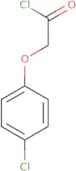
CAS:<p>Versatile small molecule scaffold</p>Formula:C9H10N4O2Purity:Min. 95%Molecular weight:206.2 g/mol4-Chlorophenoxyacetyl Chloride
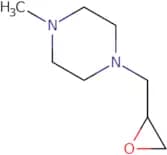
CAS:<p>4-Chlorophenoxyacetyl Chloride (4CPAC) is a synthetic compound that has been shown to have biological properties in the inhibition of cell function, which may be due to its ability to bind with a specific ligand. 4CPAC is also a pesticide and has been shown to be effective against nematodes and pests. 4CPAC has hypotensive effects and can be used as an antihypertensive drug. The hydroxyl group on the left side of the molecule enables it to act as a sulfoxide, which is an organic chemical that reacts with other molecules in order to form new compounds.</p>Formula:C8H6O2Cl2Purity:Min. 95%Molecular weight:205.03 g/mol1-Methyl-4-(oxiran-2-ylmethyl)piperazine
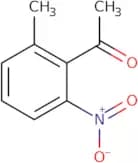
CAS:<p>Versatile small molecule scaffold</p>Formula:C8H16N2OPurity:Min. 95%Molecular weight:156.23 g/mol1-(2-Methyl-6-nitrophenyl)ethan-1-one
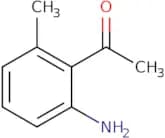
CAS:<p>Versatile small molecule scaffold</p>Formula:C9H9NO3Purity:Min. 95%Molecular weight:179.17 g/mol1-(2-Amino-6-methylphenyl)ethan-1-one
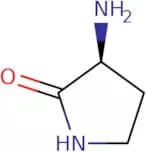
CAS:<p>Versatile small molecule scaffold</p>Formula:C9H11NOPurity:Min. 95%Molecular weight:149.19 g/mol(S)-3-Amino-2-pyrrolidinone
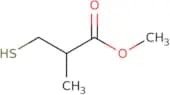
CAS:<p>(S)-3-Amino-2-pyrrolidinone is a potent inhibitor of serine proteinases, including trypsin, chymotrypsin, and elastase. It also has anti-coagulant properties that are similar to heparin. (S)-3-Amino-2-pyrrolidinone is used in the treatment of carotid artery disease and as an anticoagulant in deep vein thrombosis prophylaxis. This drug can be used in the prevention or treatment of thrombus formation due to its ability to inhibit coagulation and fibrinolysis. It is also a potent inhibitor of thrombin, which is an enzyme involved in blood coagulation. The development of this drug was inspired by the discovery of the importance of serine protease inhibitors for blood clotting and other physiological processes.</p>Formula:C4H8N2OPurity:Min. 95%Molecular weight:100.12 g/molMethyl 2-methyl-3-sulfanylpropanoate
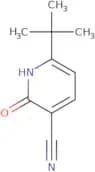
CAS:<p>Methyl 2-methyl-3-sulfanylpropanoate is a fruity, tropical, and detergent scented ester with a fruity odor reminiscent of fruits. It is used in the manufacture of shampoo, as an acid methyl ester, or as an ethyl ester. This chemical has been used as a tobacco flavorant and can be found in the form of its methyl ester. Methyl 2-methyl-3-sulfanylpropanoate has been shown to have detergent properties when it is reacted with sodium hydroxide.</p>Formula:C5H10O2SPurity:Min. 95%Molecular weight:134.2 g/mol6-(tert-Butyl)-2-hydroxynicotinonitrile
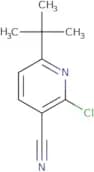
CAS:<p>Versatile small molecule scaffold</p>Formula:C10H12N2OPurity:Min. 95%Molecular weight:176.22 g/mol6-tert-Butyl-2-chloropyridine-3-carbonitrile
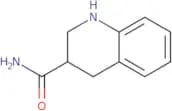
CAS:<p>Versatile small molecule scaffold</p>Formula:C10H11ClN2Purity:Min. 95%Molecular weight:194.66 g/mol1,2,3,4-Tetrahydroquinoline-3-carboxamide
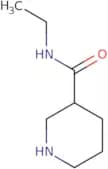
CAS:<p>Versatile small molecule scaffold</p>Formula:C10H12N2OPurity:Min. 95%Molecular weight:176.21 g/molN-Ethylpiperidine-3-carboxamide
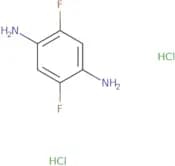
CAS:Versatile small molecule scaffoldFormula:C8H16N2OPurity:Min. 95%Molecular weight:156.23 g/mol2,5-Difluorobenzene-1,4-diamine dihydrochloride
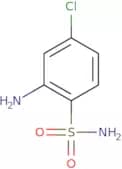
CAS:<p>Versatile small molecule scaffold</p>Formula:C6H8Cl2F2N2Purity:Min. 95%Molecular weight:217.04 g/mol2-Amino-4-chlorobenzene-1-sulfonamide
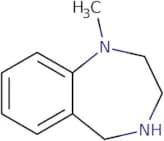
CAS:<p>2-Amino-4-chlorobenzene-1-sulfonamide is a sulfa drug that inhibits the growth of bacteria by inhibiting the synthesis of folic acid. It is used for the treatment of staphylococcus and other bacterial infections, although it does not show any effect on gram negative bacteria. 2-Amino-4-chlorobenzene-1-sulfonamide binds to enzymes in the bacterial cell wall, which prevents them from synthesizing folic acid. This results in inhibition of DNA synthesis and protein synthesis, leading to cell death. 2-Amino-4-chlorobenzene-1-sulfonamide also shows antibacterial activity against Salmonella typhi and Shigella dysenteriae because these organisms are sensitive to sulfa drugs.</p>Formula:C6H7ClN2O2SPurity:(%) Min. 95%Color and Shape:PowderMolecular weight:206.65 g/mol1-Methyl-2,3,4,5-tetrahydro-1H-1,4-benzodiazepine
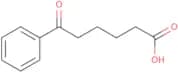
CAS:Versatile small molecule scaffoldFormula:C10H14N2Purity:Min. 95%Molecular weight:162.23 g/mol5-Benzoylpentanoic acid
CAS:<p>5-Benzoylpentanoic acid is a chemical compound that has been shown to be an effective bactericidal agent against Gram-positive and Gram-negative bacteria. It is synthesized by the hydrogenation reduction of 5-benzoylpentanal, which is obtained from the oxidation of benzaldehyde with nitric acid. The synthesis of 5-benzoylpentanoic acid can be carried out in two steps: first, a benzaldehyde ester is obtained by reacting benzaldehyde with methyl acrylate in the presence of a base; second, the ester reacts with sodium hydroxide to produce 5-benzoylpentanoic acid. This chemical is also an organic solvent that can be used in the organic synthesis of other compounds. This compound has been shown to have inhibitory activity against oxocarboxylic anions such as phosphoric acid and perchloric acid.</p>Formula:C12H14O3Purity:Min. 95%Molecular weight:206.24 g/mol

![[1-(Pyridin-4-yl)cyclobutyl]methanamine](/_next/image/?url=https%3A%2Fstatic.cymitquimica.com%2Fproducts%2F3D%2Fthumb-webp%2FDZB99471.webp&w=3840&q=75)
![[1-(Pyridin-2-yl)cyclobutyl]methanamine](/_next/image/?url=https%3A%2Fstatic.cymitquimica.com%2Fproducts%2F3D%2Fthumb-webp%2FDZB99477.webp&w=3840&q=75)
![4-Fluoro-3-[(2,2,2-trifluoroethyl)amino]phenol](/_next/image/?url=https%3A%2Fstatic.cymitquimica.com%2Fproducts%2F3D%2Fthumb-webp%2FDZB99651.webp&w=3840&q=75)

![5H-Pyrrolo[2,3-b]pyrazine-7-carbaldehyde](/_next/image/?url=https%3A%2Fstatic.cymitquimica.com%2Fproducts%2F3D%2Fthumb-webp%2FEAA12122.webp&w=3840&q=75)
![2-Amino-3-{5H-pyrrolo[2,3-b]pyrazin-7-yl}propanoic acid](/_next/image/?url=https%3A%2Fstatic.cymitquimica.com%2Fproducts%2F3D%2Fthumb-webp%2FEAA12129.webp&w=3840&q=75)