Building Blocks
This section contains fundamental products for the synthesis of organic and biological compounds. Building blocks are the essential starting materials used to construct complex molecules through various chemical reactions. They play a critical role in drug discovery, material science, and chemical research. At CymitQuimica, we offer a diverse range of high-quality building blocks to support your innovative research and industrial projects, ensuring you have the essential components for successful synthesis.
Subcategories of "Building Blocks"
- Boronic Acids & Boronic Acid Derivatives(5,756 products)
- Chiral Building Blocks(1,242 products)
- Hydrocarbon Building Blocks(6,095 products)
- Organic Building Blocks(61,051 products)
Found 199813 products of "Building Blocks"
Sort by
Purity (%)
0
100
|
0
|
50
|
90
|
95
|
100
4-(3,5-Dichlorophenyl)-3,3-dimethylazetidin-2-one
CAS:<p>Versatile small molecule scaffold</p>Formula:C11H11Cl2NOPurity:Min. 95%Molecular weight:244.11 g/molEthyl 2,5-dimethyl-1,3-oxazole-4-carboxylate
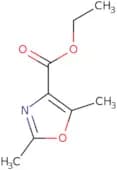
CAS:<p>Ethyl 2,5-dimethyl-1,3-oxazole-4-carboxylate is a versatile compound with various applications. It can be used in the synthesis of ethyl benzene, ethyl decanoate, and other fatty acids. Additionally, it finds utility in cellulose chemistry and as a precursor for the production of ethyl carbamate and ethyl diazoacetate.</p>Formula:C8H11NO3Purity:Min. 95%Molecular weight:169.18 g/mol1-{1-Phenyl-1H-pyrazolo[3,4-d]pyrimidin-4-yl}piperidine
CAS:Versatile small molecule scaffoldFormula:C16H17N5Purity:Min. 95%Molecular weight:279.34 g/mol1-(Prop-2-yn-1-yl)piperidin-4-ol
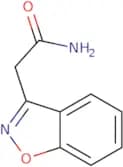
CAS:<p>Versatile small molecule scaffold</p>Formula:C8H13NOPurity:Min. 95%Molecular weight:139.19 g/mol2-(1,2-Benzoxazol-3-yl)acetamide
CAS:<p>Versatile small molecule scaffold</p>Formula:C9H8N2O2Purity:Min. 95%Molecular weight:176.17 g/mol2-Phenyloxazole-4-carboxylic acid
CAS:<p>Versatile small molecule scaffold</p>Formula:C10H7NO3Purity:Min. 95%Molecular weight:189.17 g/mol3-(4-Methoxyphenyl)-2-methylpropan-1-amine
CAS:<p>Versatile small molecule scaffold</p>Formula:C11H17NOPurity:Min. 95%Molecular weight:179.26 g/mol(1S,2S)-2-Phenylcyclopropane-1-carboxylic acid
CAS:<p>(1S,2S)-2-Phenylcyclopropane-1-carboxylic acid is a research chemical with diverse applications. It has been studied for its potential as an antiviral agent and its ability to protect against oxidative damage caused by reactive substances. This compound has shown promising results in reducing hepatic steatosis and lipid peroxidation, making it a potential candidate for the development of antioxidant therapies. Additionally, (1S,2S)-2-Phenylcyclopropane-1-carboxylic acid has demonstrated anticancer activity, particularly against breast cancer cells (MCF-7). Its bioavailability and plasma levels make it a valuable compound for further research in the field of pharmacology.</p>Formula:C10H10O2Purity:Min. 95%Molecular weight:162.18 g/mol(1S,2R)-2-Phenylcyclopropane-1-carboxylic acid
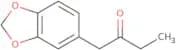
CAS:<p>(1S,2R)-2-Phenylcyclopropane-1-carboxylic acid is a versatile compound that exhibits various characteristics and applications. It has been found to interact with amines, including the 5-HT1A receptor, and calmodulin. Additionally, it possesses aromatase inhibition properties and can act as a receptor blocker.</p>Formula:C10H10O2Purity:Min. 95%Molecular weight:162.18 g/mol1-(3,4-Methylenedioxyphenyl)-2-butanone
CAS:Controlled Product<p>Versatile small molecule scaffold</p>Formula:C11H12O3Purity:Min. 95%Molecular weight:192.21 g/mol2-(3,4-Dimethoxyphenyl)-2-methylpropanenitrile
CAS:<p>Versatile small molecule scaffold</p>Formula:C12H15NO2Purity:Min. 95%Molecular weight:205.25 g/mol2-(3,4-Dimethoxyphenyl)-2-methylpropan-1-amine
CAS:<p>Versatile small molecule scaffold</p>Formula:C12H19NO2Purity:Min. 95%Molecular weight:209.28 g/mol1-(3-Methyl-1,2-thiazol-4-yl)ethan-1-one
CAS:<p>Versatile small molecule scaffold</p>Formula:C6H7NOSPurity:Min. 95%Molecular weight:141.19 g/mol2-Cyclopentyl-1-phenylethan-1-one
CAS:<p>Versatile small molecule scaffold</p>Formula:C13H16OPurity:Min. 95%Molecular weight:188.26 g/mol2,2,6-Trimethylheptan-3-one
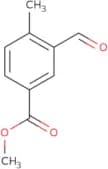
CAS:<p>Versatile small molecule scaffold</p>Formula:C10H20OPurity:Min. 95%Molecular weight:156.26 g/molMethyl 3-formyl-4-methylbenzoate
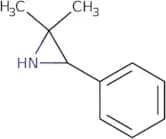
CAS:<p>Versatile small molecule scaffold</p>Formula:C10H10O3Purity:Min. 95%Molecular weight:178.18 g/mol2,2-Dimethyl-3-phenylaziridine
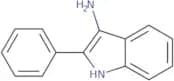
CAS:<p>Versatile small molecule scaffold</p>Formula:C10H13NPurity:Min. 95%Molecular weight:147.22 g/mol2-Phenyl-1H-indol-3-amine
CAS:<p>Versatile small molecule scaffold</p>Formula:C14H12N2Purity:Min. 95%Molecular weight:208.26 g/mol6-Bromo-1H,2H,3H,4H,9H-pyrido[3,4-b]indole
CAS:<p>Versatile small molecule scaffold</p>Formula:C11H11BrN2Purity:Min. 95%Molecular weight:251.12 g/mol4-Methyl-4H-pyran-2,6-dicarboxylic acid
CAS:<p>Versatile small molecule scaffold</p>Formula:C8H8O5Purity:Min. 95%Molecular weight:184.15 g/mol2-[(2-Phenylethyl)amino]benzoic acid
CAS:<p>2-[(2-Phenylethyl)amino]benzoic acid (2-PABA) is a drug that has been used in the treatment of inflammatory diseases and as a component of pharmaceutical preparations. 2-PABA is a biocompatible polymer that can be used to coat medical devices, such as catheters, to prevent infection. It also has antiviral properties and has been shown to inhibit the replication of influenza virus in human lung cells. 2-PABA is an implanting agent that can be used for the prevention of postoperative adhesions. This drug binds to copper ions and forms coordination complexes with them, which are stable in biological fluids. 2-PABA can also form stable nanoparticulate compositions with polymers or other active agents for use in pharmaceutical preparations.</p>Formula:C15H15NO2Purity:Min. 95%Molecular weight:241.28 g/mol4-(Diethylamino)-2-hydroxybenzoic acid
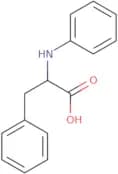
CAS:<p>Versatile small molecule scaffold</p>Formula:C11H15NO3Purity:Min. 95%Molecular weight:209.24 g/mol3-Phenyl-2-(phenylamino)propanoic acid
CAS:<p>Versatile small molecule scaffold</p>Formula:C15H15NO2Purity:Min. 95%Molecular weight:241.28 g/mol5-Chloro-2,4-dimethoxybenzoic acid
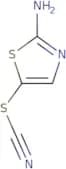
CAS:<p>Versatile small molecule scaffold</p>Formula:C9H9ClO4Purity:Min. 95%Molecular weight:216.62 g/mol5-Thiocyanato-thiazol-2-ylamine
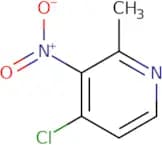
CAS:<p>5-Thiocyanato-thiazol-2-ylamine is a versatile research chemical that has various applications in the field of chemistry and pharmaceuticals. It is commonly used as a building block for the synthesis of other compounds, including diclofenac, suberoylanilide hydroxamic acid, neonicotinoids, and sildenafil citrate. This compound has been extensively studied and characterized for its unique properties. It exhibits supercritical behavior under certain conditions, making it suitable for use in supercritical fluid chromatography. Additionally, 5-Thiocyanato-thiazol-2-ylamine has low refractive index and surface energy values, which make it useful in the development of coatings and materials with specific optical properties. In addition to its role as a chemical building block, this compound has also shown potential therapeutic effects. Studies have indicated that it possesses natriuretic activity, meaning it can enhance the excretion of sodium from the body. Furthermore, 5-Th</p>Formula:C4H3N3S2Purity:Min. 95%Molecular weight:157.22 g/mol4-Chloro-2-methyl-3-nitropyridine
CAS:<p>Versatile small molecule scaffold</p>Formula:C6H5ClN2O2Purity:Min. 95%Molecular weight:172.57 g/molBis(1-[3-(dimethylamino)propyl]guanidine), sulfuric acid
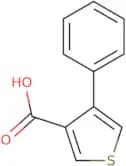
CAS:Versatile small molecule scaffoldFormula:C12H34N8O4SPurity:Min. 95%Molecular weight:386.5 g/mol4-Phenylthiophene-3-carboxylic acid
CAS:<p>Versatile small molecule scaffold</p>Formula:C11H8O2SPurity:Min. 95%Molecular weight:204.25 g/mol3-(4-tert-Butylphenoxy)propanoic acid
CAS:<p>Versatile small molecule scaffold</p>Formula:C13H18O3Purity:Min. 95%Molecular weight:222.28 g/mol5-Methyl-8-(propan-2-yl)-3,4-dihydro-2H-1-benzopyran-4-one
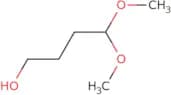
CAS:<p>Versatile small molecule scaffold</p>Formula:C13H16O2Purity:Min. 95%Molecular weight:204.26 g/mol4,4-Dimethoxybutan-1-ol
CAS:<p>Versatile small molecule scaffold</p>Formula:C6H14O3Purity:Min. 95%Molecular weight:134.17 g/mol2-[(Oxan-4-yl)methoxy]acetic acid
CAS:<p>Versatile small molecule scaffold</p>Formula:C8H14O4Purity:Min. 95%Molecular weight:174.2 g/mol2-Ethyloxan-4-ol
CAS:<p>Versatile small molecule scaffold</p>Formula:C7H14O2Purity:Min. 95%Molecular weight:130.18 g/mol2-Propyloxan-4-ol
CAS:<p>Versatile small molecule scaffold</p>Formula:C8H16O2Purity:Min. 95%Molecular weight:144.21 g/mol1-Butylpiperidin-4-one
CAS:<p>Versatile small molecule scaffold</p>Formula:C9H17NOPurity:Min. 95%Molecular weight:155.24 g/mol3,4-Dimethylhippuric acid
CAS:<p>3,4-Dimethylhippuric acid is a research chemical that has various applications in different industries. This compound is commonly used in the production of hydrogen fluoride and aluminum tetrahydrate. It is also used as a biomarker for assessing exposure to certain toxins, such as dendrotoxin and nicl2. 3,4-Dimethylhippuric acid can be detected using electrode emission techniques and is often used in fluorine and interferon studies. Additionally, it has been utilized in experiments involving tartaric acid, chloride solutions, naphthalene, and picolinic acid. Its versatility makes it a valuable tool for researchers across different fields.</p>Formula:C11H13NO3Purity:Min. 95%Molecular weight:207.23 g/mol2-[(3,5-Dimethylphenyl)formamido]acetic acid
CAS:<p>2-[(3,5-Dimethylphenyl)formamido]acetic acid is a compound with diverse applications and characteristics. It is a diphenyl ether that can be used as an electrode material in various electronic devices. Additionally, it has cholinergic properties, meaning it affects the neurotransmitter acetylcholine in the nervous system.</p>Formula:C11H13NO3Purity:Min. 95%Molecular weight:207.23 g/mol2-Nitroso-octahydro-1H-isoindole
CAS:<p>Versatile small molecule scaffold</p>Formula:C8H14N2OPurity:Min. 95%Molecular weight:154.2 g/mol2-(4-Methyl-1H-indol-3-yl)acetonitrile
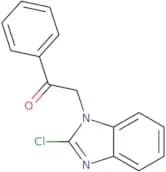
CAS:<p>2-(4-Methyl-1H-indol-3-yl)acetonitrile is a research chemical with a unique chemical structure. It is commonly used in the synthesis of various compounds, including dopamine and morpholino derivatives. The compound features a 5-carboxyphthalide moiety, which is important for its asymmetric synthesis. The asymmetric synthesis method involves the use of a chiral compound or a chiral catalyst to generate enantiomerically pure products.</p>Formula:C11H10N2Purity:Min. 95%Molecular weight:170.21 g/mol2-(2-Chloro-1H-1,3-benzodiazol-1-yl)-1-phenylethan-1-one
CAS:<p>Versatile small molecule scaffold</p>Formula:C15H11ClN2OPurity:Min. 95%Molecular weight:270.71 g/molQuinoxaline-6-carbonitrile
CAS:<p>Quinoxaline-6-carbonitrile is a versatile compound that forms hydrogen bonds with various molecules, including naproxen and naphthalene. It is commonly used in research chemicals and has applications in the synthesis of siloxanes, ferroptosis inhibitors, diisocyanates, copolymers, and coatings. Quinoxaline-6-carbonitrile is known for its stability and ability to form strong bonds with other compounds, making it an essential component in many synthetic polymers. Its unique properties make it a valuable tool in various industries for developing innovative materials and enhancing their performance.</p>Formula:C9H5N3Purity:Min. 95%Molecular weight:155.16 g/mol5-Phenylisoxazole-3-carboxamide
CAS:<p>Versatile small molecule scaffold</p>Formula:C10H8N2O2Purity:Min. 95%Molecular weight:188.18 g/mol3-Bromo-4-methoxybenzene-1-sulfonamide
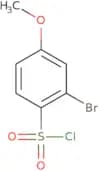
CAS:<p>Versatile small molecule scaffold</p>Formula:C7H8BrNO3SPurity:Min. 95%Molecular weight:266.11 g/mol2-Bromo-4-methoxybenzenesulfonyl chloride
CAS:<p>Versatile small molecule scaffold</p>Formula:C7H6BrClO3SPurity:Min. 95%Molecular weight:285.55 g/molPiperidin-3-ylmethanamine
CAS:<p>Piperidin-3-ylmethanamine is a versatile compound that has various applications in the field of research and medicine. It is known as an anticancer agent and has shown promising results in cytotoxic studies. The compound exhibits unique properties that make it suitable for different purposes.</p>Purity:Min. 95%2-(1,3-Dioxo-2,3-dihydro-1H-isoindol-2-yl)propanal
CAS:<p>Versatile small molecule scaffold</p>Formula:C11H9NO3Purity:Min. 95%Molecular weight:203.19 g/mol2-Hydroxybicyclo[3.2.1]octan-8-one
CAS:<p>Versatile small molecule scaffold</p>Formula:C8H12O2Purity:Min. 95%Molecular weight:140.18 g/mol1-Amino-3-(2,3-dichlorophenoxy)propan-2-ol
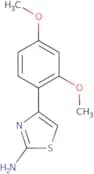
CAS:<p>Versatile small molecule scaffold</p>Formula:C9H11Cl2NO2Purity:Min. 95%Molecular weight:236.09 g/mol4-(2,4-Dimethoxy-phenyl)-thiazol-2-ylamine
CAS:<p>Versatile small molecule scaffold</p>Formula:C11H12N2O2SPurity:Min. 95%Molecular weight:236.29 g/mol


![1-{1-Phenyl-1H-pyrazolo[3,4-d]pyrimidin-4-yl}piperidine](/_next/image/?url=https%3A%2Fstatic.cymitquimica.com%2Fproducts%2F3D%2Fthumb-webp%2FYAA00046.webp&w=3840&q=75)

![6-Bromo-1H,2H,3H,4H,9H-pyrido[3,4-b]indole](/_next/image/?url=https%3A%2Fstatic.cymitquimica.com%2Fproducts%2F3D%2Fthumb-webp%2FYAA04669.webp&w=3840&q=75)
![2-[(2-Phenylethyl)amino]benzoic acid](/_next/image/?url=https%3A%2Fstatic.cymitquimica.com%2Fproducts%2F3D%2Fthumb-webp%2FYAA04993.webp&w=3840&q=75)
![Bis(1-[3-(dimethylamino)propyl]guanidine), sulfuric acid](/_next/image/?url=https%3A%2Fstatic.cymitquimica.com%2Fproducts%2F3D%2Fthumb-webp%2FYAA06157.webp&w=3840&q=75)
![2-[(Oxan-4-yl)methoxy]acetic acid](/_next/image/?url=https%3A%2Fstatic.cymitquimica.com%2Fproducts%2F3D%2Fthumb-webp%2FYAA07721.webp&w=3840&q=75)

![2-[(3,5-Dimethylphenyl)formamido]acetic acid](/_next/image/?url=https%3A%2Fstatic.cymitquimica.com%2Fproducts%2F3D%2Fthumb-webp%2FYAA08214.webp&w=3840&q=75)




![2-Hydroxybicyclo[3.2.1]octan-8-one](/_next/image/?url=https%3A%2Fstatic.cymitquimica.com%2Fproducts%2F3D%2Fthumb-webp%2FYAA10483.webp&w=3840&q=75)