Building Blocks
This section contains fundamental products for the synthesis of organic and biological compounds. Building blocks are the essential starting materials used to construct complex molecules through various chemical reactions. They play a critical role in drug discovery, material science, and chemical research. At CymitQuimica, we offer a diverse range of high-quality building blocks to support your innovative research and industrial projects, ensuring you have the essential components for successful synthesis.
Subcategories of "Building Blocks"
- Boronic Acids & Boronic Acid Derivatives(5,778 products)
- Chiral Building Blocks(1,243 products)
- Hydrocarbon Building Blocks(6,098 products)
- Organic Building Blocks(61,057 products)
Found 200710 products of "Building Blocks"
Sort by
Purity (%)
0
100
|
0
|
50
|
90
|
95
|
100
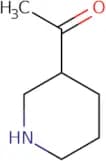
1-Piperidin-3-ylethanone
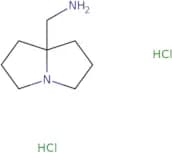
CAS:<p>Versatile small molecule scaffold</p>Formula:C7H13NOPurity:Min. 95%Molecular weight:127.19 g/molHexahydro-1H-pyrrolizin-7a-ylmethanamine dihydrochloride
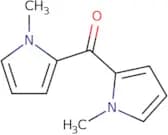
CAS:Versatile small molecule scaffoldFormula:C8H18Cl2N2Purity:Min. 95%Molecular weight:213.15 g/mol1-Methyl-2-(1-methyl-1H-pyrrole-2-carbonyl)-1H-pyrrole
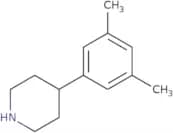
CAS:<p>Versatile small molecule scaffold</p>Formula:C11H12N2OPurity:Min. 95%Molecular weight:188.23 g/mol4-(3,5-Dimethylphenyl)piperidine
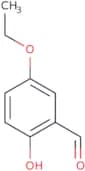
CAS:<p>Versatile small molecule scaffold</p>Formula:C13H19NPurity:Min. 95%Molecular weight:189.3 g/mol5-Ethoxy-2-hydroxy-benzaldehyde
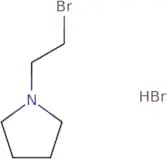
CAS:<p>The chemical compound 5-Ethoxy-2-hydroxybenzaldehyde is an aldehyde that has been synthesized by reacting sodium carbonate with 2,5-dichloro-4-ethoxybenzaldehyde. This reaction creates a sodium salt of the aldehyde and leaves behind the desired product in its pure form. It is soluble in water and ethanol. The chemical structure of this compound consists of a benzene ring with two hydroxyl groups on the opposite side of the ring from each other.</p>Formula:C9H10O3Purity:Min. 95%Molecular weight:166.2 g/mol1-(2-Bromoethyl)pyrrolidine hydrobromide
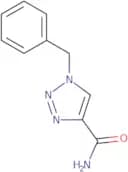
CAS:Versatile small molecule scaffoldFormula:C6H13Br2NPurity:Min. 95%Molecular weight:258.99 g/mol1-Benzyl-1H-1,2,3-triazole-4-carboxamide
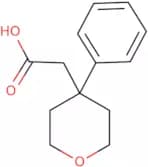
CAS:Versatile small molecule scaffoldFormula:C10H10N4OPurity:Min. 95%Molecular weight:202.21 g/mol2-(4-Phenyltetrahydro-2H-pyran-4-yl)acetic acid
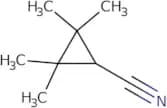
CAS:Versatile small molecule scaffoldFormula:C13H16O3Purity:Min. 95%Molecular weight:220.26 g/molTetramethylcyclopropane-1-carbonitrile
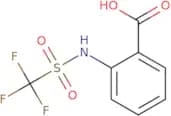
CAS:Versatile small molecule scaffoldFormula:C8H13NPurity:Min. 95%Molecular weight:123.2 g/mol2-Trifluoromethanesulfonamidobenzoic acid
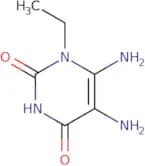
CAS:Versatile small molecule scaffoldFormula:C8H6F3NO4SPurity:Min. 95%Molecular weight:269.2 g/mol5,6-Diamino-1-ethyl-1,2,3,4-tetrahydropyrimidine-2,4-dione
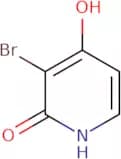
CAS:Versatile small molecule scaffoldFormula:C6H10N4O2Purity:Min. 95%Molecular weight:170.17 g/mol3-Bromopyridine-2,4-diol
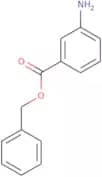
CAS:<p>3-Bromopyridine-2,4-diol is a potent inhibitor of leukemias. It is an l1210 leukemia cell line, which is sensitive to this drug. 3-Bromopyridine-2,4-diol has been shown to inhibit the proliferation of murine leukemia cells and human leukemia cells that are resistant to other drugs. 3-Bromopyridine-2,4-diol inhibits the growth of viruses by alkylating their DNA and prevents the replication of carbocyclic nucleosides by binding to them. This drug also inhibits the synthesis of viral RNA and DNA in these cells.</p>Formula:C5H4BrNO2Purity:Min. 95%Molecular weight:189.99 g/molBenzyl 3-aminobenzoate
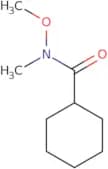
CAS:Benzyl 3-aminobenzoate is an amide that has a pharmacophore with the calixarenes, which are aromatic hydrocarbons that have a rigid carbon framework. Benzyl 3-aminobenzoate is a pseudopeptide, which means it has an amide bond and contains both amino acids and peptide bonds. It is composed of three subunits, each with a different function. The first subunit binds to the bile acid receptor in the liver and prevents the excretion of bile acids. The second subunit binds to the enzyme that synthesizes cyclic peptides and prevents its activity. The third subunit binds to the enzyme that produces cholesterol in order to prevent its production. Benzyl 3-aminobenzoate is scalable because it can be synthesized on a large scale at low cost through a ternary complex process involving hydrogenation, crystallization, and molecule modeling.Formula:C14H13NO2Purity:Min. 95%Molecular weight:227.26 g/molN-methoxy-N-methylcyclohexanecarboxamide
CAS:<p>Versatile small molecule scaffold</p>Formula:C9H17NO2Purity:Min. 95%Molecular weight:171.24 g/molMethyl 2-[(trifluoromethyl)sulfanyl]acetate
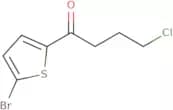
CAS:Versatile small molecule scaffoldFormula:C4H5F3O2SPurity:Min. 95%Molecular weight:174.14 g/mol1-(5-Bromothiophen-2-yl)-4-chlorobutan-1-one
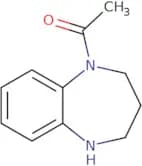
CAS:Versatile small molecule scaffoldFormula:C8H8BrClOSPurity:Min. 95%Molecular weight:267.57 g/mol1-(2,3,4,5-Tetrahydro-1H-1,5-benzodiazepin-1-yl)ethan-1-one
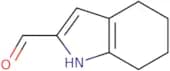
CAS:Versatile small molecule scaffoldFormula:C11H14N2OPurity:Min. 95%Molecular weight:190.24 g/mol4,5,6,7-Tetrahydro-1H-indole-2-carbaldehyde
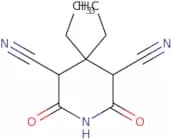
CAS:Versatile small molecule scaffoldFormula:C9H11NOPurity:Min. 95%Molecular weight:149.19 g/mol4,4-Diethyl-2,6-dioxopiperidine-3,5-dicarbonitrile
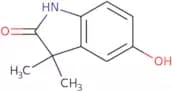
CAS:Versatile small molecule scaffoldFormula:C11H13N3O2Purity:Min. 95%Molecular weight:219.24 g/mol5-Hydroxy-3,3-dimethylindolin-2-one
CAS:Versatile small molecule scaffoldFormula:C10H11NO2Purity:Min. 95%Molecular weight:177.2 g/mol2-Methyl-4h-furo[3,2-b]pyrrole-5-carboxylic acid
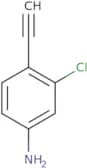
CAS:Versatile small molecule scaffoldFormula:C8H7NO3Purity:Min. 95%Molecular weight:165.15 g/mol4-Amino-2-chlorophenylacetylene
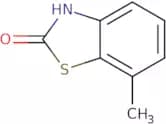
CAS:<p>Versatile small molecule scaffold</p>Formula:C8H6ClNPurity:Min. 95%Molecular weight:151.59 g/mol7-Methyl-2,3-dihydro-1,3-benzothiazol-2-one
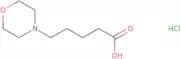
CAS:Versatile small molecule scaffoldFormula:C8H7NOSPurity:Min. 95%Molecular weight:165.21 g/mol5-(Morpholin-4-yl)pentanoic acid hydrochloride
CAS:Versatile small molecule scaffoldFormula:C9H18ClNO3Purity:Min. 95%Molecular weight:223.7 g/molAzido myristic acid
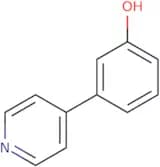
CAS:<p>Versatile small molecule scaffold</p>Formula:C12H23N3O2Purity:Min. 95%Molecular weight:241.33 g/mol3-(Pyridin-4-yl)phenol
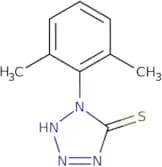
CAS:Versatile small molecule scaffoldFormula:C11H9NOPurity:Min. 95%Molecular weight:171.19 g/mol1-(2,6-Dimethylphenyl)-1H-1,2,3,4-tetrazole-5-thiol
CAS:Versatile small molecule scaffoldFormula:C9H10N4SPurity:Min. 95%Molecular weight:206.27 g/mol[(2-Methoxyethyl)carbamoyl]formic acid
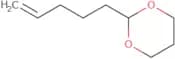
CAS:<p>Versatile small molecule scaffold</p>Formula:C5H9NO4Purity:Min. 95%Molecular weight:147.13 g/mol2-(Pent-4-en-1-yl)-1,3-dioxane
CAS:<p>Versatile small molecule scaffold</p>Formula:C9H16O2Purity:Min. 95%Molecular weight:156.22 g/molMethyl 2-amino-5-phenyl-1,3-thiazole-4-carboxylate
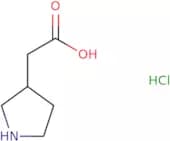
CAS:<p>Versatile small molecule scaffold</p>Formula:C11H10N2O2SPurity:Min. 95%Molecular weight:234.28 g/mol(Pyrrolidin-3-yl)acetic acid hydrochloride
CAS:Versatile small molecule scaffoldFormula:C6H12ClNO2Purity:Min. 95%Molecular weight:165.62 g/mol1-(Bicyclo[2.2.1]heptan-1-yl)ethanone
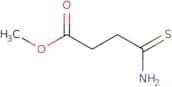
CAS:<p>Versatile small molecule scaffold</p>Formula:C9H14OPurity:Min. 95%Molecular weight:138.2 g/molMethyl 3-carbamothioylpropanoate
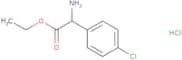
CAS:<p>Versatile small molecule scaffold</p>Formula:C5H9NO2SPurity:Min. 95%Molecular weight:147.2 g/molEthyl 2-amino-2-(4-chlorophenyl)acetate hydrochloride
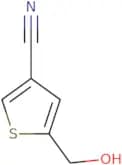
CAS:Versatile small molecule scaffoldFormula:C10H13Cl2NO2Purity:Min. 95%Molecular weight:250.12 g/mol5-(Hydroxymethyl)-3-thiophenecarbonitrile
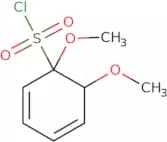
CAS:<p>Versatile small molecule scaffold</p>Formula:C6H5NOSPurity:Min. 95%Molecular weight:139.18 g/mol3,5-dimethoxybenzene-1-sulfonyl chloride
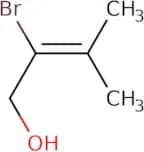
CAS:Versatile small molecule scaffoldFormula:C8H9ClO4SPurity:Min. 95%Molecular weight:236.67 g/mol2-Bromo-3-methylbut-2-en-1-ol
CAS:<p>Versatile small molecule scaffold</p>Formula:C5H9BrOPurity:Min. 95%Molecular weight:165.03 g/mol4-(Chloromethyl)-8-oxa-3,5-diazatricyclo[7.4.0.0,2,7]trideca-1(13),2(7),3,9,11-pentaen-6-one
CAS:<p>Versatile small molecule scaffold</p>Formula:C11H7ClN2O2Purity:Min. 95%Molecular weight:234.64 g/molTetrahydrothiophene-2-Carboxylic Acid 1,1-Dioxide
CAS:Versatile small molecule scaffoldFormula:C5H8O4SPurity:Min. 95%Molecular weight:164.18 g/mol(R)-(+)-2-[(1-Phenylethyl)amino]ethanol
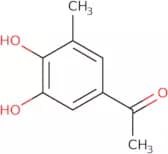
CAS:<p>Versatile small molecule scaffold</p>Formula:C10H15NOPurity:Min. 95%Molecular weight:165.23 g/mol1-(3,4-Dihydroxy-5-methylphenyl)ethan-1-one
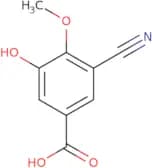
CAS:Versatile small molecule scaffoldFormula:C9H10O3Purity:Min. 95%Molecular weight:166.17 g/mol3-Cyano-5-hydroxy-4-methoxybenzoic acid
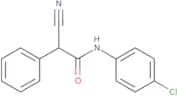
CAS:<p>Versatile small molecule scaffold</p>Formula:C9H7NO4Purity:Min. 95%Molecular weight:193.16 g/molN-(4-Chlorophenyl)-2-cyano-2-phenylacetamide
CAS:Versatile small molecule scaffoldFormula:C15H11ClN2OPurity:Min. 95%Molecular weight:270.71 g/mol2-Methylpyrazolo[1,5-a]pyridine-3-carboxylic acid
CAS:Versatile small molecule scaffoldFormula:C9H8N2O2Purity:Min. 95%Molecular weight:176.17 g/mol2-Phenylpyrazolo[1,5-a]pyridine-3-carboxylic acid
CAS:2-Phenylpyrazolo[1,5-a]pyridine-3-carboxylic acid is a reagent that is used to fluorinate methyl esters. It can be used to monitor the reaction by spectroscopy. 2-Phenylpyrazolo[1,5-a]pyridine-3-carboxylic acid reacts with acid methyl esters to form acid methyl esters in the presence of selectfluor. The product can be purified by extraction with ethanol and recrystallization or by column chromatography.Formula:C14H10N2O2Purity:Min. 95%Molecular weight:238.24 g/molBenzo[1,3]dioxole-5-carboxamidine hydrochloride
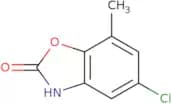
CAS:Versatile small molecule scaffoldFormula:C8H9ClN2O2Purity:Min. 95%Color and Shape:PowderMolecular weight:200.62 g/mol5-Chloro-7-methyl-2,3-dihydro-1,3-benzoxazol-2-one
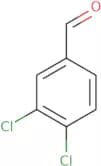
CAS:Versatile small molecule scaffoldFormula:C8H6ClNO2Purity:Min. 95%Molecular weight:183.59 g/mol3,4-Dichlorobenzaldehyde
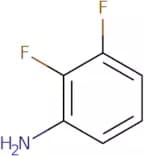
CAS:3,4-Dichlorobenzaldehyde is a monosubstituted aromatic organic compound with inhibitory effects. 3,4-Dichlorobenzaldehyde has shown significant antifungal activity against Candida albicans and Saccharomyces cerevisiae. It also inhibits the growth of certain cancer cells in cell culture studies. 3,4-Dichlorobenzaldehyde has been found to have anti-inflammatory properties and would be effective in treating inflammatory diseases such as asthma or arthritis. This compound has been shown to have significant effects on energy metabolism and fatty acid synthesis by inhibiting enzymes that are involved in these processes. 3,4-Dichlorobenzaldehyde can also be used to treat metabolic disorders such as diabetes mellitus type II and hyperlipidemia by inhibiting enzymes that are involved in these processes.Formula:C7H4Cl2OPurity:Min. 95%Color and Shape:White To Off-White SolidMolecular weight:175.01 g/mol2,3-Difluoroaniline
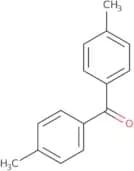
CAS:2,3-Difluoroaniline is an organic chemical compound with the formula CHF2NH. It has a molecular weight of 138.24 and a melting point of -70°C. 2,3-Difluoroaniline is soluble in water, but it will react with hydrochloric acid to produce hydrogen fluoride and chloride ions. This compound is used as an optical reagent for pH measurements and ion-exchange chromatography. 2,3-Difluoroaniline has been shown to have antimicrobial activity against bacterial strains such as Escherichia coli, Enterobacter aerogenes, Pseudomonas aeruginosa, Klebsiella pneumoniae, Proteus vulgaris, Salmonella enterica serovar Typhimurium, Staphylococcus aureus (MRSA), Streptococcus pyogenes (Group A Streptococcus), and Vibrio chFormula:C6H5F2NPurity:Min. 95%Molecular weight:129.11 g/mol4,4'-Dimethylbenzophenone
CAS:<p>4,4'-Dimethylbenzophenone is a chemical that belongs to the group of phenols. It is used in pharmaceutical preparations as a stabilizer. 4,4'-Dimethylbenzophenone reacts with halides and radical coupling to form urethane bonds. This reaction can be used to prepare urethanes from ethyl chloride and hydroxybenzonitrile. The rate of this reaction is accelerated by UV irradiation.</p>Formula:C15H14OPurity:Min. 98%Color and Shape:White PowderMolecular weight:210.27 g/mol

![Methyl 2-[(trifluoromethyl)sulfanyl]acetate](/_next/image/?url=https%3A%2Fstatic.cymitquimica.com%2Fproducts%2F3D%2Fthumb-webp%2FFDA78358.webp&w=3840&q=75)
![2-Methyl-4h-furo[3,2-b]pyrrole-5-carboxylic acid](/_next/image/?url=https%3A%2Fstatic.cymitquimica.com%2Fproducts%2F3D%2Fthumb-webp%2FFDA70980.webp&w=3840&q=75)

![[(2-Methoxyethyl)carbamoyl]formic acid](/_next/image/?url=https%3A%2Fstatic.cymitquimica.com%2Fproducts%2F3D%2Fthumb-webp%2FFDA63854.webp&w=3840&q=75)

![1-(Bicyclo[2.2.1]heptan-1-yl)ethanone](/_next/image/?url=https%3A%2Fstatic.cymitquimica.com%2Fproducts%2F3D%2Fthumb-webp%2FFDA60649.webp&w=3840&q=75)
![4-(Chloromethyl)-8-oxa-3,5-diazatricyclo[7.4.0.0,2,7]trideca-1(13),2(7),3,9,11-pentaen-6-one](/_next/image/?url=https%3A%2Fstatic.cymitquimica.com%2Fproducts%2F3D%2Fthumb-webp%2FFDA55076.webp&w=3840&q=75)
![(R)-(+)-2-[(1-Phenylethyl)amino]ethanol](/_next/image/?url=https%3A%2Fstatic.cymitquimica.com%2Fproducts%2F3D%2Fthumb-webp%2FFDA54831.webp&w=3840&q=75)
![2-Methylpyrazolo[1,5-a]pyridine-3-carboxylic acid](/_next/image/?url=https%3A%2Fstatic.cymitquimica.com%2Fproducts%2F3D%2Fthumb-webp%2FFDA53708.webp&w=3840&q=75)
![2-Phenylpyrazolo[1,5-a]pyridine-3-carboxylic acid](/_next/image/?url=https%3A%2Fstatic.cymitquimica.com%2Fproducts%2F3D%2Fthumb-webp%2FFDA53707.webp&w=3840&q=75)
![Benzo[1,3]dioxole-5-carboxamidine hydrochloride](/_next/image/?url=https%3A%2Fstatic.cymitquimica.com%2Fproducts%2F3D%2Fthumb-webp%2FFDA53115.webp&w=3840&q=75)