Building Blocks
Subcategories of "Building Blocks"
- Boronic Acids & Boronic Acid Derivatives(5,778 products)
- Chiral Building Blocks(1,243 products)
- Hydrocarbon Building Blocks(6,099 products)
- Organic Building Blocks(61,038 products)
Found 205373 products of "Building Blocks"
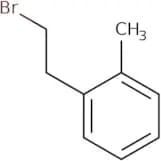
2-Methylphenethyl bromide
CAS:Versatile small molecule scaffoldFormula:C9H11BrPurity:Min. 95%Molecular weight:199.09 g/mol4-Chlorobenzoyl isothiocyanate
CAS:4-Chlorobenzoyl isothiocyanate (4CBI) is an antibacterial agent that inhibits the growth of bacteria by binding to a molecule in the bacterial cell wall. 4CBI has been shown to inhibit the synthesis of a phytoalexin, which is a chemical compound that plants produce in response to infection or other injury. 4CBI's mode of action involves hydrogen bonding with the pyrazole ring and trisubstituted center of the molecule. This inhibition prevents formation of a reactive intermediate, which would otherwise lead to bacterial death.
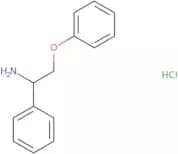
Formula:C8H4ClNOSPurity:Min. 95%Molecular weight:197.64 g/mol(2-Amino-2-phenylethoxy)benzene hydrochloride
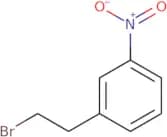
CAS:Versatile small molecule scaffoldFormula:C14H16ClNOPurity:Min. 95%Molecular weight:249.73 g/mol3-Nitrophenethyl bromide
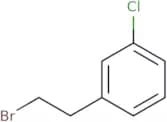
CAS:Versatile small molecule scaffoldFormula:C8H8BrNO2Purity:Min. 95%Molecular weight:230.06 g/mol3-Chlorophenethyl bromide
CAS:3-Chlorophenethyl bromide is a linker that binds to viral proteins in the dimer interface and inhibits viral replication. It has been shown to be an inhibitor of HIV-1 reverse transcriptase and human immunodeficiency virus type 1 protease. 3-Chlorophenethyl bromide has also been found to inhibit the binding of HIV-1 integrase, which leads to inhibition of HIV-1 DNA integration into host cell chromosomes. 3-Chlorophenethyl bromide can be used for the treatment of AIDS and is being investigated for its use as a prophylactic agent for HIV infection.
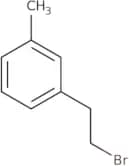
Formula:ClC6H4CH2CH2BrPurity:Min. 95%Molecular weight:219.51 g/mol1-(2-Bromo-ethyl)-3-methyl-benzene
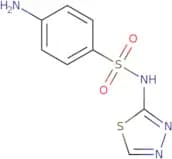
CAS:Versatile small molecule scaffoldFormula:C9H11BrPurity:Min. 95%Molecular weight:199.09 g/mol4-Amino-N-(1,3,4-thiadiazol-2-yl)benzene-1-sulfonamide
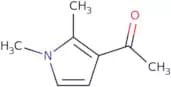
CAS:Versatile small molecule scaffoldFormula:C8H8N4O2S2Purity:Min. 95%Molecular weight:256.3 g/mol1-(1,2-Dimethyl-1H-pyrrol-3-yl)-ethanone
CAS:Versatile small molecule scaffold
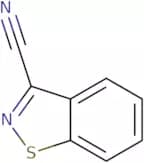
Formula:C8H11NOPurity:Min. 95%Molecular weight:137.18 g/mol1,2-Benzothiazole-3-carbonitrile
CAS:Versatile small molecule scaffold
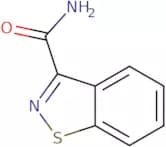
Formula:C8H4N2SPurity:Min. 95%Molecular weight:160.2 g/mol1,2-Benzothiazole-3-carboxamide
CAS:Versatile small molecule scaffold
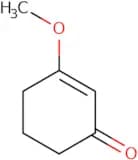
Formula:C8H6N2OSPurity:Min. 95%Molecular weight:178.21 g/mol3-Methoxy-2-cyclohexen-1-one
CAS:3-Methoxy-2-cyclohexen-1-one is a stereoisomer of cyclohexanone. It is the product of an asymmetric synthesis by irradiation. The reaction requires methoxyphenol and acetyl chloride, with isomers being separated by gel chromatography. The stereoselectivity of the reaction has been shown to be high, with the desired product being oriented in a chiral environment. A hydrochloric acid solution is used to convert 3-methoxy-2-cyclohexen-1-one into 2,3-dimethoxybenzoic acid.Formula:C7H10O2Purity:Min. 95%Molecular weight:126.15 g/mol2-[Ethyl(1-ethynylcyclohexyl)amino]ethan-1-ol
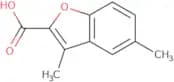
CAS:Versatile small molecule scaffoldFormula:C12H21NOPurity:Min. 95%Molecular weight:195.3 g/mol3,5-Dimethyl-benzofuran-2-carboxylic acid
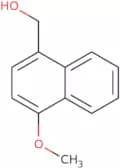
CAS:Versatile small molecule scaffoldFormula:C11H10O3Purity:Min. 95%Molecular weight:190.2 g/mol4-Methoxy-1-naphthalenemethanol
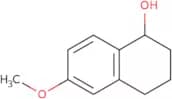
CAS:4-Methoxy-1-naphthalenemethanol is an isoenzyme of a dehydrogenase. It is found in the pancreas, tissues and human serum. 4-Methoxy-1-naphthalenemethanol has been shown to catalyze the conversion of acetaldehyde to acetate and reduces fatty acids to their corresponding hydroxy acid. This enzyme also converts ethyl esters and aldehydes into their corresponding alcohols or carboxylic acids. The reduction products are carbocations, which can be reduced by other enzymes such as thioredoxin reductase.Formula:C12H12O2Purity:Min. 95%Molecular weight:188.23 g/mol6-Methoxy-1,2,3,4-tetrahydronaphthalen-1-ol
CAS:The condensation of 6-methoxy-1,2,3,4-tetrahydronaphthalen-1-ol with a diaryl or chlorotrimethylsilane in the presence of a catalyst such as pyridine or triethylamine leads to the formation of a carbinol. The reaction is often used for the synthesis of phenols.
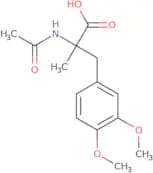
Formula:C11H14O2Purity:Min. 95%Molecular weight:178.23 g/mol(2S)-3-(3,4-Dimethoxyphenyl)-2-acetamido-2-methylpropanoic acid
CAS:Versatile small molecule scaffoldFormula:C14H19NO5Purity:Min. 95%Molecular weight:281.3 g/mol1,2-Dihydronaphthalene-1-carboxylic acid
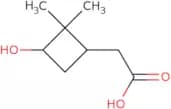
CAS:Versatile small molecule scaffoldFormula:C11H10O2Purity:Min. 95%Molecular weight:174.2 g/mol2-(3-Hydroxy-2,2-dimethylcyclobutyl)acetic acid
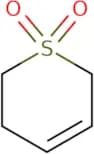
CAS:Versatile small molecule scaffoldFormula:C8H14O3Purity:Min. 95%Molecular weight:158.19 g/molThiacyclohex-3-ene, 1,1-dioxide
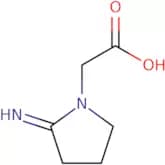
CAS:Versatile small molecule scaffoldFormula:C5H8O2SPurity:Min. 95%Molecular weight:132.18 g/mol2-(2-Iminopyrrolidin-1-yl)acetic acid
CAS:Versatile small molecule scaffold
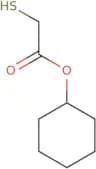
Formula:C6H10N2O2Purity:Min. 95%Molecular weight:142.16 g/molCyclohexyl 2-sulfanylacetate
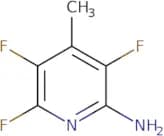
CAS:Cyclohexyl 2-sulfanylacetate is an organic compound that belongs to the class of polycarboxylic acids. It is soluble in glycol ether and insoluble in water. Cyclohexyl 2-sulfanylacetate has a high melting point, which makes it a good conditioning agent. It also has functional groups that make it suitable for use as a modifier or colorant. This chemical can be used as a functional ingredient in hair care products, such as shampoos and conditioners, because of its cationic surfactant properties.Formula:C8H14O2SPurity:Min. 95%Molecular weight:174.26 g/mol3,5,6-Trifluoro-4-methylpyridin-2-amine
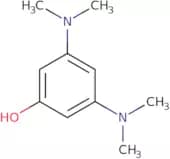
CAS:Versatile small molecule scaffoldFormula:C6H5F3N2Purity:Min. 95%Molecular weight:162.11 g/mol3,5-Bis(dimethylamino)phenol
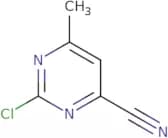
CAS:Versatile small molecule scaffoldFormula:C10H16N2OPurity:Min. 95%Molecular weight:180.25 g/mol2-Chloro-6-methyl-pyrimidine-4-carbonitrile
CAS:Versatile small molecule scaffold
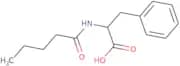
Formula:C6H4ClN3Purity:Min. 95%Molecular weight:153.57 g/mol2-Pentanamido-3-phenylpropanoic acid
CAS:Versatile small molecule scaffold
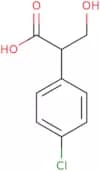
Formula:C14H19NO3Purity:Min. 95%Molecular weight:249.3 g/mol2-(4-Chlorophenyl)-3-hydroxypropanoic acid
CAS:Versatile small molecule scaffoldFormula:C9H9ClO3Purity:Min. 95%Molecular weight:200.62 g/molN-Methylbutane-1-sulfonamide
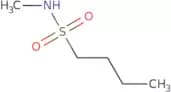
CAS:Versatile small molecule scaffold
Formula:C5H13NO2SPurity:Min. 95%Molecular weight:151.23 g/molEthyl 7-chloro-4-oxo-4H-pyrido[1,2-a]pyrimidine-3-carboxylate
CAS:Versatile small molecule scaffold
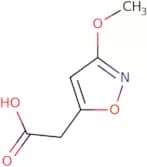
Formula:C11H9ClN2O3Purity:Min. 95%Molecular weight:252.65 g/mol2-(3-Methoxy-1,2-oxazol-5-yl)acetic acid
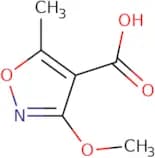
CAS:Versatile small molecule scaffoldFormula:C6H7NO4Purity:Min. 95%Molecular weight:157.12 g/mol3-Methoxy-5-methyl-1,2-oxazole-4-carboxylic acid
CAS:3-Methoxy-5-methyl-1,2-oxazole-4-carboxylic acid hydrobromide is an excitatory drug that belongs to the group of carboxylic acids. It has been shown to increase the firing rate of neurons in the cerebral cortex. 3-Methoxy-5-methyl-1,2-oxazole-4-carboxylic acid hydrobromide is used as a research tool for studying nervous system function and as a diagnostic agent for epilepsy.
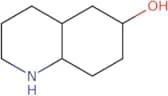
Formula:C6H7NO4Purity:Min. 95%Molecular weight:157.12 g/molDecahydroquinolin-6-ol
CAS:Versatile small molecule scaffoldFormula:C9H17NOPurity:Min. 95%Molecular weight:155.24 g/mol2-Bromo-4,6-dimethylpyrimidine
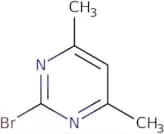
CAS:2-Bromo-4,6-dimethylpyrimidine (2-BDMP) is a chemical compound that is synthesised by reacting acetonitrile with methylene bromide in the presence of copper. The 2-BDMP has a molecular weight of 136.22, melting point of 117°C and boiling point of 165°F. It has an ambident nature with respect to anions, which means it is soluble in water and organic solvents such as acetonitrile and tetrahydrofuran. 2-BDMP can be used as a building block for synthesising other compounds such as amidines or dioxanes. This chemical can also be used to produce yields of bromoalkyls in the presence of alkylating agents such as chloromethyl methyl ether or methanol.Formula:C6H7BrN2Purity:Min. 95%Molecular weight:187.04 g/mol2-phenylpyrimidine-4-carboxylic acid
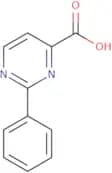
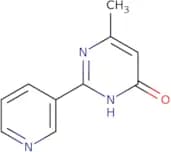
CAS:2-Phenylpyrimidine-4-carboxylic acid is a luminescent copper complex that has been synthesized as a ligand in coordination complexes. It is soluble in dilute solutions and can be used to prepare the complexes of other metals. 2-Phenylpyrimidine-4-carboxylic acid has been shown to have an affinity for lanthanide metal ions and can be used as a sensitizer for lanthanides. The magnetic properties of this compound were determined using x-ray diffraction on single crystals. It was found that the compound is paramagnetic and has a weak antiferromagnetic interaction with dysprosium, which was confirmed by elemental analysis and diffraction measurements.Formula:C11H8N2O2Purity:Min. 95%Molecular weight:200.19 g/mol6-Methyl-2-(pyridin-3-yl)pyrimidin-4-ol
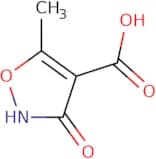
CAS:Versatile small molecule scaffoldFormula:C10H9N3OPurity:Min. 95%Molecular weight:187.2 g/mol3-Hydroxy-5-methyl-1,2-oxazole-4-carboxylic acid
CAS:Versatile small molecule scaffoldFormula:C5H5NO4Purity:Min. 95%Molecular weight:143.1 g/mol3-(Propan-2-yl)-1H-indole
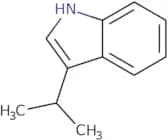
CAS:3-(Propan-2-yl)-1H-indole is a zeolite that has been shown to catalyze the conversion of 2-propanol to butyl acetate. It is used in catalytic alkylation reactions, which are used to produce chemicals such as octane and styrene. 3-(Propan-2-yl)-1H-indole is able to increase the velocity of this reaction by lowering the reaction parameters. The zeolite can be used in industrial settings or in laboratory experiments.
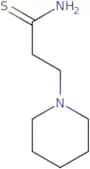
Formula:C11H13NPurity:Min. 95%Molecular weight:159.23 g/mol3-(Piperidin-1-yl)propanethioamide
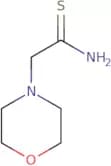
CAS:Versatile small molecule scaffoldFormula:C8H16N2SPurity:Min. 95%Molecular weight:172.29 g/mol2-(Morpholin-4-yl)ethanethioamide
CAS:Azapropazone is a non-steroidal anti-inflammatory drug that has been used for the treatment of chronic inflammatory conditions such as rheumatoid arthritis and osteoarthritis. Azapropazone has also been shown to be effective in the treatment of gastric ulcers. Azapropazone binds to the H2 receptor, which is the histamine receptor found on parietal cells in the stomach lining. This binding inhibits gastric acid secretion and reduces the release of histamine from these cells, thereby reducing inflammation and ulceration. Azapropazone is metabolized by cytochrome P450 enzymes, which are found in many tissues including liver, kidney, and lung tissue. The drug's major metabolite is N-desmethyl azapropazone (NDAZ), which has similar anti-inflammatory effects to azapropazone but with less risk of gastric upset and ulceration.Formula:C6H12N2OSPurity:Min. 95%Molecular weight:160.24 g/mol8-Thiabicyclo[3.2.1]octan-3-one
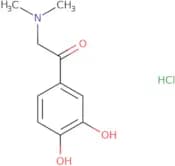
CAS:8-Thiabicyclo[3.2.1]octan-3-one is a chiral tropane alkaloid that is used as an analog for pseudotropine and hyoscyamine. It is metabolized by oxidation, hydroxylation, or amide hydrolysis to form compounds with similar structures to tropane and hyoscyamine. 8-Thiabicyclo[3.2.1]octan-3-one has been shown to inhibit the biosynthesis of dopamine, norepinephrine, and serotonin in rat brain cells; therefore it may have therapeutic potential as a treatment for Parkinson's disease as well as other neurological disorders such as depression and anxiety.Formula:C7H10OSPurity:Min. 95%Molecular weight:142.22 g/mol1-(3,4-Dihydroxyphenyl)-2-(dimethylamino)ethan-1-one hydrochloride
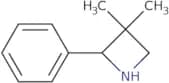
CAS:Controlled ProductVersatile small molecule scaffoldFormula:C10H14ClNO3Purity:Min. 95%Molecular weight:231.67 g/mol3,3-Dimethyl-2-phenylazetidine
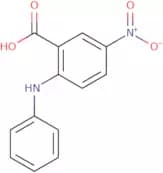
CAS:Versatile small molecule scaffoldFormula:C11H15NPurity:Min. 95%Molecular weight:161.24 g/mol5-Nitro-2-(phenylamino)benzoic acid
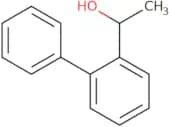
CAS:Versatile small molecule scaffoldFormula:C13H10N2O4Purity:Min. 95%Molecular weight:258.23 g/mol1-(2-Phenylphenyl)ethan-1-ol
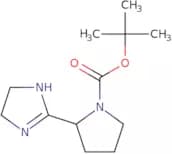
CAS:Versatile small molecule scaffoldFormula:C14H14OPurity:Min. 95%Molecular weight:198.26 g/moltert-Butyl 2-(4,5-dihydro-1H-imidazol-2-yl)pyrrolidine-1-carboxylate
CAS:Versatile small molecule scaffold
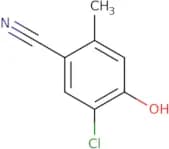
Formula:C12H21N3O2Purity:Min. 95%Molecular weight:239.31 g/mol5-Chloro-4-hydroxy-2-methylbenzonitrile
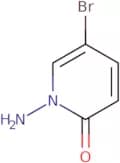
CAS:Versatile small molecule scaffoldFormula:C8H6ClNOPurity:Min. 95%Molecular weight:167.59 g/mol1-Amino-5-bromo-1,2-dihydropyridin-2-one
CAS:Versatile small molecule scaffoldFormula:C5H5BrN2OPurity:Min. 95%Molecular weight:189.01 g/mol8-Oxo-7H,8H-imidazo[1,2-a]pyrazine-2-carboxylic acid
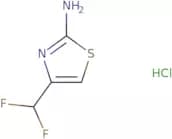
CAS:Versatile small molecule scaffoldFormula:C7H5N3O3Purity:Min. 95%Molecular weight:179.13 g/mol4-(Difluoromethyl)-1,3-thiazol-2-amine hydrochloride
CAS:Versatile small molecule scaffoldFormula:C4H5ClF2N2SPurity:Min. 95%Molecular weight:186.61 g/mol[(5,5-Dimethylpyrrolidin-3-yl)methyl]dimethylamine
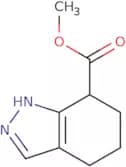
CAS:Versatile small molecule scaffoldFormula:C9H20N2Purity:Min. 95%Molecular weight:156.3 g/molMethyl 4,5,6,7-tetrahydro-1H-indazole-7-carboxylate
CAS:Versatile small molecule scaffoldFormula:C9H12N2O2Purity:Min. 95%Molecular weight:180.2 g/mol


![2-[Ethyl(1-ethynylcyclohexyl)amino]ethan-1-ol](/_next/image/?url=https%3A%2Fstatic.cymitquimica.com%2Fproducts%2F3D%2Fthumb-webp%2FRAA81548.webp&w=3840&q=75)
![Ethyl 7-chloro-4-oxo-4H-pyrido[1,2-a]pyrimidine-3-carboxylate](/_next/image/?url=https%3A%2Fstatic.cymitquimica.com%2Fproducts%2F3D%2Fthumb-webp%2FRAA86755.webp&w=3840&q=75)
![8-Thiabicyclo[3.2.1]octan-3-one](/_next/image/?url=https%3A%2Fstatic.cymitquimica.com%2Fproducts%2F3D%2Fthumb-webp%2FRAA89250.webp&w=3840&q=75)
![8-Oxo-7H,8H-imidazo[1,2-a]pyrazine-2-carboxylic acid](/_next/image/?url=https%3A%2Fstatic.cymitquimica.com%2Fproducts%2F3D%2Fthumb-webp%2FRAD20798.webp&w=3840&q=75)
![[(5,5-Dimethylpyrrolidin-3-yl)methyl]dimethylamine](/_next/image/?url=https%3A%2Fstatic.cymitquimica.com%2Fproducts%2F3D%2Fthumb-webp%2FRAD22550.webp&w=3840&q=75)