Building Blocks
Subcategories of "Building Blocks"
- Boronic Acids & Boronic Acid Derivatives(5,781 products)
- Chiral Building Blocks(1,242 products)
- Hydrocarbon Building Blocks(6,101 products)
- Organic Building Blocks(61,033 products)
Found 205320 products of "Building Blocks"
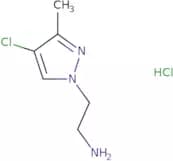
2-(4-Chloro-3-methyl-1H-pyrazol-1-yl)ethan-1-amine hydrochloride
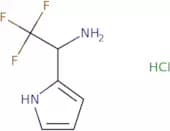
CAS:Versatile small molecule scaffoldFormula:C6H11Cl2N3Purity:Min. 95%Molecular weight:196.07 g/mol2,2,2-Trifluoro-1-(1H-pyrrol-2-yl)ethan-1-amine hydrochloride
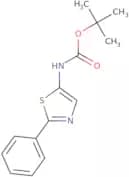
CAS:Versatile small molecule scaffoldFormula:C6H8ClF3N2Purity:Min. 95%Molecular weight:200.59 g/moltert-Butyl N-(2-phenyl-1,3-thiazol-5-yl)carbamate
CAS:Versatile small molecule scaffoldFormula:C14H16N2O2SPurity:Min. 95%Molecular weight:276.36 g/mol6-Methyl-1H,2H,3H-pyrrolo[3,2-b]pyridine dihydrochloride
CAS:Versatile small molecule scaffoldFormula:C8H12Cl2N2Purity:Min. 95%Molecular weight:207.1 g/molN-Methyl-8-oxatricyclo[7.4.0.0,2,7]trideca-1(9),2(7),3,5,10,12-hexaen-5-amine hydrochloride
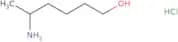
CAS:Versatile small molecule scaffoldFormula:C13H12ClNOPurity:Min. 95%Molecular weight:233.69 g/mol5-Aminohexan-1-ol hydrochloride
CAS:Versatile small molecule scaffoldFormula:C6H16ClNOPurity:Min. 95%Molecular weight:153.65 g/mol{2-Benzyl-8-oxa-2-azaspiro[4.5]decan-4-yl}methanamine
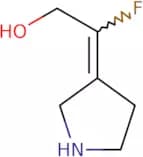
CAS:Versatile small molecule scaffoldFormula:C16H24N2OPurity:Min. 95%Molecular weight:260.37 g/mol2-Fluoro-2-(pyrrolidin-3-ylidene)ethan-1-ol
CAS:Versatile small molecule scaffold
Formula:C6H10FNOPurity:Min. 95%Molecular weight:131.15 g/molAPhos Pd G3
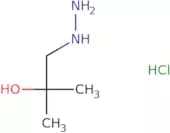
CAS:APhos Pd G3 is a drug with a bicyclic structure. It is an inhibitor of ganglion cells and has been shown to have a positive effect on the symptoms of dementia, psychosis, and psychiatric disorders. It has also been shown to be beneficial in the treatment of Parkinson's disease, which is characterized by the loss of dopaminergic neurons. APhos Pd G3 prevents neuronal cell death by inhibiting monoamine oxidase-B (MAO-B), which breaks down dopamine. This leads to increased levels of dopamine in the striatum and improved motor function. APhos Pd G3 also blocks MAO-A, which breaks down serotonin, norepinephrine, and epinephrine. The inhibition of MAO-A leads to increased levels of serotonin and norepinephrine in the brainstem and spinal cord.Formula:C29H41N2O3PPdSPurity:Min. 95%Molecular weight:635.11 g/mol1-Hydrazinyl-2-methylpropan-2-ol hydrochloride
CAS:Versatile small molecule scaffoldFormula:C4H13ClN2OPurity:Min. 95%Molecular weight:140.61 g/mol6-(1H-1,2,4-Triazol-3-yl)pyridine-3-carboxylic acid
CAS:Versatile small molecule scaffold
Formula:C8H6N4O2Purity:Min. 95%Molecular weight:190.16 g/mol6-aminospiro[3.3]heptan-2-ol hydrochloride
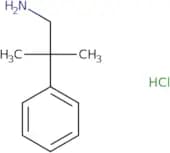
CAS:Versatile small molecule scaffoldFormula:C7H14ClNOPurity:Min. 95%Molecular weight:163.65 g/mol2-Methyl-2-phenylpropan-1-amine hydrochloride
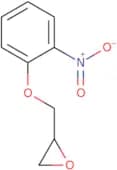
CAS:Versatile small molecule scaffoldFormula:C10H16ClNPurity:Min. 95%Molecular weight:185.69 g/mol2-(2-Nitrophenoxymethyl)oxirane
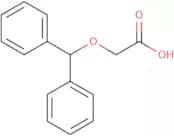
CAS:Versatile small molecule scaffoldFormula:C9H9NO4Purity:Min. 95%Molecular weight:195.17 g/mol2-(Diphenylmethoxy)acetic acid
CAS:2-(Diphenylmethoxy)acetic acid is a tetramic herbicide that acts primarily by inhibiting the enzyme target of 2,4-dichlorophenoxyacetic acid. It has been used extensively as an analog for 2,4-dichlorophenoxyacetic acid in studies investigating the biological effects of this herbicide on plants and animals. 2-(Diphenylmethoxy)acetic acid has been shown to be effective against nematodes and some plant pests. It also inhibits the growth of microorganisms such as fungi and bacteria. This herbicide has been shown to have significant interactions with other pesticides, including prothioconazole, which is a fungicide used to control fungal diseases in plants.Formula:C15H14O3Purity:Min. 95%Molecular weight:242.27 g/mol6-Chlorotetrazolo[1,5-b]pyridazine
CAS:6-Chlorotetrazolo[1,5-b]pyridazine is a heterocyclic compound that belongs to the morpholine class. It is an important building block for the synthesis of many other heterocycles. The compound can be used as a chiral reagent in organic chemistry, due to its ability to form an enantiomeric pair with itself. 6-Chlorotetrazolo[1,5-b]pyridazine is also useful in the production of x-ray contrast agents that are used in radiography and computed tomography. In addition, it can be used as a substrate for the formation of carbohydrates through substitution reactions with methyl groups. 6-Chlorotetrazolo[1,5-b]pyridazine has been shown to be able to bind nucleophiles such as water and dimethylamine, which can lead to stereoselective reactions.Formula:C4H2ClN5Purity:Min. 95%Molecular weight:155.55 g/mol3-Chloro-6,7,8,9-tetrahydro-5H-benzo[7]annulen-5-one
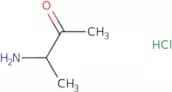
CAS:Versatile small molecule scaffoldFormula:C11H11ClOPurity:Min. 95%Molecular weight:194.66 g/mol4-Aminobutan-2-one hydrochloride
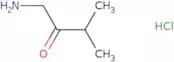
CAS:4-Aminobutan-2-one hydrochloride is a reagent that is used in organic synthesis. It can be used as an electrophile to form β-unsaturated sulfides and sulfones. 4-Aminobutan-2-one hydrochloride reacts with sodium sulfide to form 2,4-dichlorophenylsulfane, which is a precursor for the synthesis of phenyldiazonium salts. The nucleophilicity of 4-aminobutan-2-one hydrochloride is due to its sulfur atom, which can act as a nucleophile in the presence of chloride ion. This reaction leads to the formation of methylketones from nitriles and condensation products from methyl groups and chlorides.Formula:C4H10ClNOPurity:Min. 95%Molecular weight:123.58 g/mol1-Amino-3-methylbutan-2-one hydrochloride
CAS:Phenyl 1-amino-3-methylbutan-2-one hydrochloride is a phenyl compound that has been shown to be an efficient hypolipidemic agent. It has been shown to reduce lipid levels in the blood and can be used as a drug discovery tool for the creation of new drugs. Phenyl 1-amino-3-methylbutan-2-one hydrochloride mediates advances in drug discovery by promoting the formation of carbon atoms, which are necessary for the synthesis of many drugs.Formula:C5H12ClNOPurity:Min. 95%Molecular weight:137.61 g/mol1-Amino-4-methyl-2-pentanone hydrochloride
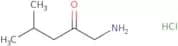
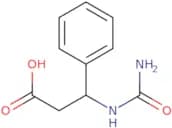
CAS:1-Amino-4-methyl-2-pentanone hydrochloride is a phenyl derivative that is used as an antihyperlipidemic agent. It has been shown to reduce the concentration of cholesterol, triglycerides, phospholipids, and free fatty acids in the blood by inhibiting the synthesis of these lipids in the liver. This drug may be useful for the treatment of patients with type II diabetes mellitus or other types of hyperlipidemia.Formula:C6H14ClNOPurity:Min. 95%Molecular weight:151.63 g/mol3-(Carbamoylamino)-3-phenylpropanoic acid
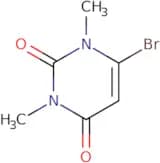
CAS:Versatile small molecule scaffoldFormula:C10H12N2O3Purity:Min. 95%Molecular weight:208.21 g/mol6-Bromo-1,3-dimethyl-1,2,3,4-tetrahydropyrimidine-2,4-dione
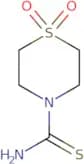
CAS:Versatile small molecule scaffoldFormula:C6H7BrN2O2Purity:Min. 95%Molecular weight:219.04 g/mol4-Thiomorpholinecarbothioamide 1,1-dioxide
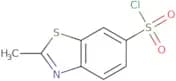
CAS:Versatile small molecule scaffoldFormula:C5H10N2O2S2Purity:Min. 95%Molecular weight:194.3 g/mol2-Methyl-benzothiazole-6-sulfonyl chloride
CAS:Versatile small molecule scaffold
Formula:C8H6ClNO2S2Purity:Min. 95%Molecular weight:247.72 g/mol2-Methyl-1,3-benzothiazole-6-sulfonamide
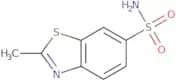
CAS:Versatile small molecule scaffoldFormula:C8H8N2O2S2Purity:Min. 95%Molecular weight:228.3 g/molBis-(5-methyl-furan-2-yl)-methanone
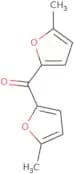
CAS:Versatile small molecule scaffold
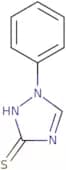
Formula:C11H10O3Purity:Min. 95%Molecular weight:190.2 g/mol1-Phenyl-1H-1,2,4-triazole-3-thiol
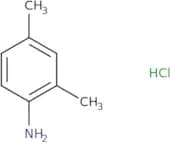
CAS:Versatile small molecule scaffoldFormula:C8H7N3SPurity:Min. 95%Molecular weight:177.23 g/mol2,4-Dimethylaniline Hydrochloride
CAS:2,4-Dimethylaniline hydrochloride is a nitrogen containing compound that can be found in the environment. It has been shown to have antimicrobial activity against gram-positive bacteria and fungi. The mechanism of 2,4-dimethylaniline hydrochloride is through the transfer of electrons from cytochrome c oxidase to molecular oxygen (O2). This electron transfer results in the oxidation of 2,4-dimethylaniline hydrochloride and the reduction of molecular oxygen (O2) to water (H2O). 2,4-Dimethylaniline hydrochloride also has a basic structure with two nitrogen atoms that are able to form intermolecular hydrogen bonding interactions. The matrix effect may have an impact on the analytical method used for this compound. The kinetic studies were done at low temperature and high concentrations. Solid phase microextraction was used as an analytical method for this compound. Coordination geometry was not discussed in this articleFormula:C8H11N·HClPurity:Min. 95%Molecular weight:157.64 g/mol3-Bromo-N,N-dimethylpropanamide
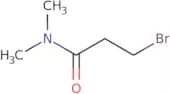
CAS:Versatile small molecule scaffold
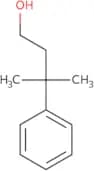
Formula:C5H10BrNOPurity:Min. 95%Molecular weight:180.04 g/mol3-Methyl-3-phenylbutan-1-ol
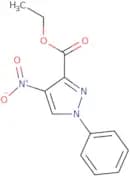
CAS:3-Methyl-3-phenylbutan-1-ol is an intramolecular compound that has a cationic center. It is the result of cycloalkylation of phenyl group with a deuterium atom at the 3 position of the molecule. The cationic center can be substituted with other alkyl groups to form isomeric compounds. 3-Methyl-3-phenylbutan-1-ol can also be synthesized using deuterated cations in place of hydrogen ions, which are called deuterated compounds.Formula:C11H16OPurity:Min. 95%Molecular weight:164.24 g/molEthyl 4-nitro-1-phenyl-1H-pyrazole-3-carboxylate
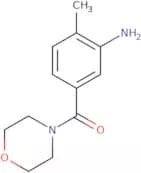
CAS:Ethyl 4-nitro-1-phenyl-1H-pyrazole-3-carboxylate (NPC) is a potent and selective antagonist of the a3 adenosine receptor. It binds to the receptor with high affinity and has been shown to inhibit adenosine-mediated activation of the phosphoinositide 3 (PI3) kinase pathway. NPC is in preclinical development for use as an antihypertensive agent, and has also been investigated as a potential treatment for asthma.Formula:C12H11N3O4Purity:Min. 95%Molecular weight:261.23 g/mol2-Methyl-5-(morpholine-4-carbonyl)aniline
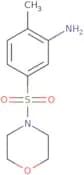
CAS:Versatile small molecule scaffoldFormula:C12H16N2O2Purity:Min. 95%Molecular weight:220.27 g/mol2-Methyl-5-(morpholine-4-sulfonyl)-phenylamine
CAS:Versatile small molecule scaffold
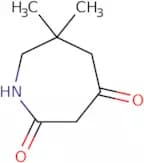
Formula:C11H16N2O3SPurity:Min. 95%Molecular weight:256.32 g/mol6,6-Dimethylazepane-2,4-dione
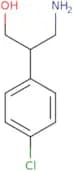
CAS:Versatile small molecule scaffoldFormula:C8H13NO2Purity:Min. 95%Molecular weight:155.19 g/mol3-Amino-2-(4-chlorophenyl)propan-1-ol
CAS:Versatile small molecule scaffold
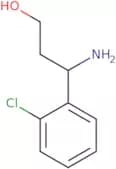
Formula:C9H12ClNOPurity:Min. 95%Molecular weight:185.65 g/mol(S)-3-(2-Chlorophenyl)-beta-alaninol
CAS:Versatile small molecule scaffold
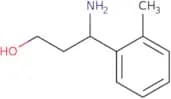
Formula:C9H12ClNOPurity:Min. 95%Molecular weight:185.65 g/mol3-Amino-3-(2-methylphenyl)propan-1-ol
CAS:Versatile small molecule scaffold
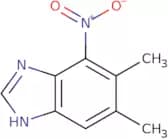
Formula:C10H15NOPurity:Min. 95%Molecular weight:165.23 g/mol5,6-Dimethyl-4-nitro-1H-1,3-benzimidazole
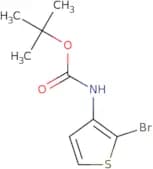
CAS:5,6-Dimethyl-4-nitro-1H-1,3-benzimidazole is a photoactive compound that reacts with ultraviolet light to form photoproducts. It has a strong absorption band at 335 nm and can be used as a reference in spectroscopic analysis. The compound has been shown to react with methanol in the presence of light to produce hydrogen cyanide and formaldehyde. 5,6-Dimethyl-4-nitrobenzimidazole can also react with water to produce hydrogen cyanide and formaldehyde.Formula:C9H9N3O2Purity:Min. 95%Molecular weight:191.19 g/mol3-(Boc-amino)-2-bromothiophene
CAS:Versatile small molecule scaffold
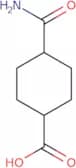
Formula:C9H12BrNO2SPurity:Min. 95%Molecular weight:278.17 g/molrac-(1R,4R)-4-Carbamoylcyclohexane-1-carboxylic acid
CAS:Versatile small molecule scaffold
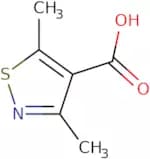
Formula:C8H13NO3Purity:Min. 95%Molecular weight:171.19 g/molDimethyl-1,2-thiazole-4-carboxylic acid
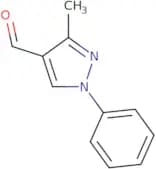
CAS:Versatile small molecule scaffoldFormula:C6H7NO2SPurity:Min. 95%Molecular weight:157.19 g/mol3-Methyl-1-phenyl-1H-pyrazole-4-carboxaldehyde
CAS:3-Methyl-1-phenyl-1H-pyrazole-4-carboxaldehyde is a reactant that can be used in the synthesis of salicylaldehyde and phenyl isocyanate. It reacts with a variety of reagents, including salicylic acid, phenyl isocyanate, and isocyanates to produce high yields. This product also reacts with transaminases to produce pyrazole derivatives.
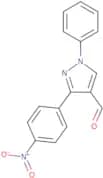
Formula:C11H10N2OPurity:Min. 95%Molecular weight:186.21 g/mol3-(4-Nitrophenyl)-1-phenyl-1H-pyrazole-4-carbaldehyde
CAS:Versatile small molecule scaffoldFormula:C16H11N3O3Purity:Min. 95%Molecular weight:293.28 g/mol(2R)-2-[(Ethoxycarbonyl)amino]-3-phenylpropanoic acid
CAS:Versatile small molecule scaffold
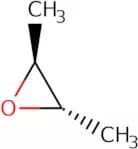
Formula:C12H15NO4Purity:Min. 95%Molecular weight:237.25 g/moltrans-2,3-Epoxybutane
CAS:Pinostrobin is a chalcone that has been shown to inhibit the growth of certain fungi by inhibiting the enzyme activities involved in cell walls synthesis. Pinostrobin is converted to trans-2,3-epoxybutane (EPB) by intramolecular hydrogen transfer. EPB has an antifungal activity that is stronger than pinostrobin and it can be used as a fungicide against certain fungal diseases. This compound may also have anticancer effects. EPB binds to mammalian cells by forming hydrogen bonds with the amino acids, glutamine and asparagine, which are found in abundance on the surface of mammalian cells. EPB's binding to these amino acids prevents the formation of hydrogen bonds between glutamine and asparagine residues on adjacent protein molecules, leading to destabilization of the cell membrane and cell death.
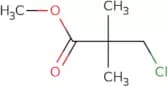
Purity:Min. 95%Methyl 3-chloro-2,2-dimethylpropanoate
CAS:Methyl 3-chloro-2,2-dimethylpropanoate is a drug that inhibits the sodium-dependent glucose cotransporter. It is used as a pharmaceutical to treat diabetes mellitus type 2. Methyl 3-chloro-2,2-dimethylpropanoate binds to the cotransporter and prevents it from transporting glucose into cells. The stereoisomers of this drug are enantiomers and have opposite effects on the cotransporter.
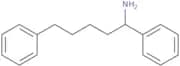
Methyl 3-chloro-2,2-dimethylpropanoate is also used for other medical purposes such as to prevent kidney damage in children with renal failure and to treat seizures in children with epilepsy.Formula:C6H11ClO2Purity:Min. 95%Molecular weight:150.6 g/mol1,5-Diphenylpentan-1-amine
CAS:Versatile small molecule scaffold
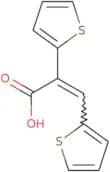
Formula:C17H21NPurity:Min. 95%Molecular weight:239.35 g/mol2,3-Bis(thiophen-2-yl)prop-2-enoic acid
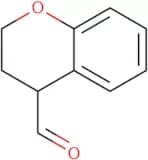
CAS:Versatile small molecule scaffoldFormula:C11H8O2S2Purity:Min. 95%Molecular weight:236.3 g/mol3,4-Dihydro-2H-1-benzopyran-4-carbaldehyde
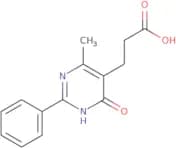
CAS:Versatile small molecule scaffoldFormula:C10H10O2Purity:Min. 95%Molecular weight:162.18 g/mol3-(4-Methyl-6-oxo-2-phenyl-1,6-dihydropyrimidin-5-yl)propanoic acid
CAS:Versatile small molecule scaffoldFormula:C14H14N2O3Purity:Min. 95%Molecular weight:258.27 g/mol

![6-Methyl-1H,2H,3H-pyrrolo[3,2-b]pyridine dihydrochloride](/_next/image/?url=https%3A%2Fstatic.cymitquimica.com%2Fproducts%2F3D%2Fthumb-webp%2FVXC74736.webp&w=3840&q=75)
![N-Methyl-8-oxatricyclo[7.4.0.0,2,7]trideca-1(9),2(7),3,5,10,12-hexaen-5-amine hydrochloride](/_next/image/?url=https%3A%2Fstatic.cymitquimica.com%2Fproducts%2F3D%2Fthumb-webp%2FVXC74737.webp&w=3840&q=75)
![{2-Benzyl-8-oxa-2-azaspiro[4.5]decan-4-yl}methanamine](/_next/image/?url=https%3A%2Fstatic.cymitquimica.com%2Fproducts%2F3D%2Fthumb-webp%2FVXC74760.webp&w=3840&q=75)


![6-aminospiro[3.3]heptan-2-ol hydrochloride](/_next/image/?url=https%3A%2Fstatic.cymitquimica.com%2Fproducts%2F3D%2Fthumb-webp%2FVXC97919.webp&w=3840&q=75)
![6-Chlorotetrazolo[1,5-b]pyridazine](/_next/image/?url=https%3A%2Fstatic.cymitquimica.com%2Fproducts%2F3D%2Fthumb-webp%2FWAA41315.webp&w=3840&q=75)
![3-Chloro-6,7,8,9-tetrahydro-5H-benzo[7]annulen-5-one](/_next/image/?url=https%3A%2Fstatic.cymitquimica.com%2Fproducts%2F3D%2Fthumb-webp%2FWAA41377.webp&w=3840&q=75)
![(2R)-2-[(Ethoxycarbonyl)amino]-3-phenylpropanoic acid](/_next/image/?url=https%3A%2Fstatic.cymitquimica.com%2Fproducts%2F3D%2Fthumb-webp%2FWAA48823.webp&w=3840&q=75)