


Building Blocks
This section contains fundamental products for the synthesis of organic and biological compounds. Building blocks are the essential starting materials used to construct complex molecules through various chemical reactions. They play a critical role in drug discovery, material science, and chemical research. At CymitQuimica, we offer a diverse range of high-quality building blocks to support your innovative research and industrial projects, ensuring you have the essential components for successful synthesis.
Subcategories of "Building Blocks"
- Boronic Acids & Boronic Acid Derivatives(5,783 products)
- Chiral Building Blocks(1,242 products)
- Hydrocarbon Building Blocks(6,105 products)
- Organic Building Blocks(61,055 products)
Found 205383 products of "Building Blocks"
Sort by
Purity (%)
0
100
|
0
|
50
|
90
|
95
|
100
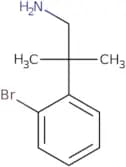
2-(2-Bromophenyl)-2-methylpropan-1-amine
CAS:Versatile small molecule scaffoldFormula:C10H14BrNPurity:Min. 95%Molecular weight:228.13 g/mol1-[(Oxolan-2-yl)methyl]piperidin-4-one
CAS:Versatile small molecule scaffoldFormula:C10H17NO2Purity:Min. 95%Molecular weight:183.25 g/mol3-Methyl-[1,2]thiazolo[5,4-b]pyridine
CAS:Versatile small molecule scaffold
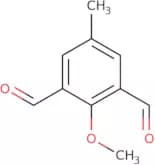
Formula:C7H6N2SPurity:Min. 95%Molecular weight:150.2 g/mol2-Methoxy-5-methylbenzene-1,3-dicarbaldehyde
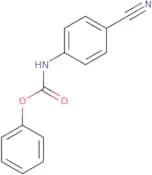
CAS:2-Methoxy-5-methylbenzene-1,3-dicarbaldehyde (MMDA) is a reactive molecule that has been used for cross linking and insolubilizing polymers. It is an important intermediate in the synthesis of methyl methacrylate, which is used in the production of acrylic adhesives and coatings. 2-Methoxy-5-methylbenzene-1,3-dicarbaldehyde can be used as a monomer or comonomer to produce polymers with various functionalities. This molecule undergoes bifunctional reactions with acceptor molecules such as phenols, amines and alcohols. 2-Methoxy-5-methylbenzene-1,3-dicarbaldehyde reacts with triplet oxygen to form singlet oxygen. This reaction results in the formation of reactive radicals that can cause oxidation reactions on the acceptor molecule. Monitoring this process is possible through monitoring the acceptFormula:C10H10O3Purity:Min. 95%Molecular weight:178.18 g/molPhenyl-N-(4-cyanophenyl)carbamate
CAS:Versatile small molecule scaffoldFormula:C14H10N2O2Purity:Min. 95%Molecular weight:238.24 g/mol2-(Chloromethyl)-[1,2,4]triazolo[1,5-a]pyridine
CAS:Versatile small molecule scaffoldFormula:C7H6ClN3Purity:Min. 95%Molecular weight:167.59 g/mol1-Bromospiro[2.3]hexane
CAS:Versatile small molecule scaffold
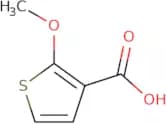
Formula:C6H9BrPurity:Min. 95%Molecular weight:161.04 g/mol2-Methoxythiophene-3-carboxylic acid
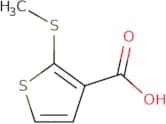
CAS:Versatile small molecule scaffoldFormula:C6H6O3SPurity:Min. 95%Molecular weight:158.18 g/mol2-(Methylsulfanyl)thiophene-3-carboxylic acid
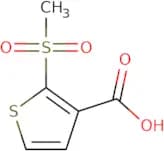
CAS:Versatile small molecule scaffoldFormula:C6H6O2S2Purity:Min. 95%Molecular weight:174.2 g/mol2-Methanesulfonylthiophene-3-carboxylic acid
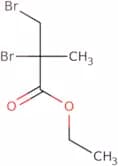
CAS:Versatile small molecule scaffoldFormula:C6H6O4S2Purity:Min. 95%Molecular weight:206.2 g/molEthyl 2,3-dibromo-2-methylpropanoate
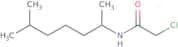
CAS:Versatile small molecule scaffoldFormula:C6H10Br2O2Purity:Min. 95%Molecular weight:273.95 g/mol2-Chloro-N-(6-methylheptan-2-yl)acetamide
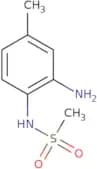
CAS:Versatile small molecule scaffoldFormula:C10H20ClNOPurity:Min. 95%Molecular weight:205.72 g/molN-(2-Amino-4-methylphenyl)methanesulfonamide
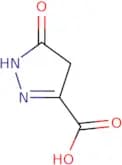
CAS:Versatile small molecule scaffoldFormula:C8H12N2O2SPurity:Min. 95%Molecular weight:200.26 g/mol5-Oxo-4,5-dihydro-1H-pyrazole-3-carboxylic acid
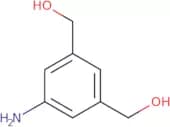
CAS:Versatile small molecule scaffoldFormula:C4H4N2O3Purity:Min. 95%Molecular weight:128.09 g/mol5-Amino-1,3-dihydroxymethylbenzene
CAS:5-Amino-1,3-dihydroxymethylbenzene is a ligand that binds to acetyl coenzyme A. It has been used in the cross-coupling of aryl halides with alkyl or aryl Grignard reagents. 5-Amino-1,3-dihydroxymethylbenzene is recycled and used as a ligand in reaction conditions that are not compatible with other ligands. The efficiency of this method is dependent on the use of magnetic nanoparticles for separation and filtering. 5-Amino-1,3-dihydroxymethylbenzene can be linked to diphosphine ligands by heating and stirring in order to create an efficient catalyst system.Formula:C8H11NO2Purity:Min. 95%Molecular weight:153.18 g/mol2-(2-Methylpropyl)aniline
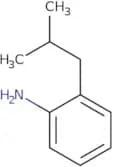
CAS:2-(2-Methylpropyl)aniline is chemically related to nitroxyl, which is a reactive radical. 2-(2-Methylpropyl)aniline is used as an intermediate in the preparation of other chemical compounds. It can be found in solvents such as nitrobenzene and is prepared by alkylation of 2-methylpropanal with formaldehyde. This chemical has been shown to react with nuclei to form radical intermediates that are then stabilized by anion radicals. These reactions lead to the formation of reaction products such as hydrocarbons.Formula:C10H15NPurity:Min. 95%Molecular weight:149.24 g/mol2-Bromo-1-isocyanato-4-methylbenzene
CAS:Versatile small molecule scaffoldFormula:C8H6BrNOPurity:Min. 95%Molecular weight:212.04 g/mol2-Isocyanato-1,1-dimethoxyethane
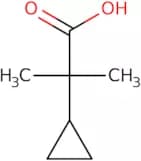
CAS:Versatile small molecule scaffoldFormula:C5H9NO3Purity:Min. 95%Molecular weight:131.13 g/mol2-Cyclopropyl-2-methylpropanoic acid
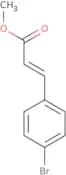
CAS:Versatile small molecule scaffoldFormula:C7H12O2Purity:Min. 95%Molecular weight:128.17 g/mol(E)-Methyl 3-(4-bromophenyl)acrylate
CAS:(E)-Methyl 3-(4-bromophenyl)acrylate is an isoenzyme that belongs to the group of cinnamic acid derivatives. It has been shown to induce apoptotic cell death in human ovarian carcinoma cells. This compound inhibits the production of histones and DNA, which may lead to the inhibition of transcription and replication of mRNA. (E)-Methyl 3-(4-bromophenyl)acrylate also induces modifications in proteins, such as acetylation, which may account for its apoptotic effects. Research has shown that (E)-methyl 3-(4-bromophenyl)acrylate has equitoxic effects on aryl halides and aryl chlorides.Formula:C10H9BrO2Purity:Min. 95%Molecular weight:241.08 g/mol1H-1,3-Benzodiazole-5,6-diamine
CAS:1,3-Benzodiazole-5,6-diamine is an antimicrobial agent that belongs to the group of benzimidazoles and has antifungal activities. It can be used for the treatment of infections caused by bacteria or fungi. 1,3-Benzodiazole-5,6-diamine binds to DNA gyrase and topoisomerase IV and inhibits bacterial growth. This drug also inhibits the synthesis of proteins in fungi and has been shown to inhibit the production of ergosterol, which is a major component of fungal cell membranes.Formula:C7H8N4Purity:Min. 95%Molecular weight:148.17 g/mol1-(2-Chloroethyl)-2-methyl-1H-imidazole hydrochloride
CAS:Versatile small molecule scaffoldFormula:C6H10Cl2N2Purity:Min. 95%Molecular weight:181.1 g/mol5-(Isocyanatomethyl)-1,3-benzodioxole
CAS:Versatile small molecule scaffold
Formula:C9H7NO3Purity:Min. 95%Molecular weight:177.16 g/mol3-Methyl-1-(phenylsulfanyl)butan-2-one
CAS:Versatile small molecule scaffoldFormula:C11H14OSPurity:Min. 95%Molecular weight:194.3 g/mol1-Methyl-1H,4H,5H,6H,7H-pyrazolo[3,4-c]pyridin-3-ol
CAS:Versatile small molecule scaffoldFormula:C7H11N3OPurity:Min. 95%Molecular weight:153.18 g/mol1-tert-Butyl 4-methyl 1,2,3,4-tetrahydropyridine-1,4-dicarboxylate
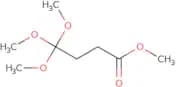
CAS:Versatile small molecule scaffoldFormula:C12H19NO4Purity:Min. 95%Molecular weight:241.28 g/molMethyl 4,4,4-trimethoxybutanoate
CAS:Versatile small molecule scaffoldFormula:C8H16O5Purity:Min. 95%Molecular weight:192.21 g/molMethyl 3-phenylfuran-2-carboxylate
CAS:Methyl 3-phenylfuran-2-carboxylate is a synthetic analogues of the natural product orobanche. It has been shown to have large-scale, synthetic and linkage properties. Methyl 3-phenylfuran-2-carboxylate has high activities against orobanche and other parasitic plants, such as striga and germination. Moreover, this compound is an analogue of the natural product orobanche.
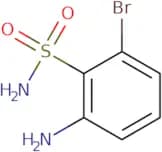
Formula:C12H10O3Purity:Min. 95%Molecular weight:202.21 g/mol2-Amino-6-bromobenzene-1-sulfonamide
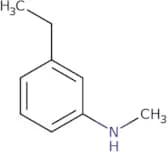
CAS:Versatile small molecule scaffoldFormula:C6H7BrN2O2SPurity:Min. 95%Molecular weight:251.1 g/mol3-Ethyl-N-methylaniline
CAS:Versatile small molecule scaffoldFormula:C9H13NPurity:Min. 95%Molecular weight:135.21 g/mol3-[(Benzylcarbamoyl)amino]propanoic acid
CAS:Versatile small molecule scaffoldFormula:C11H14N2O3Purity:Min. 95%Molecular weight:222.24 g/mol3-Amino-N,N-diethylpropanamide
CAS:Versatile small molecule scaffoldFormula:C7H16N2OPurity:Min. 95%Molecular weight:144.21 g/mol2-Methoxy-4-methylaniline hydrochloride
CAS:Versatile small molecule scaffoldFormula:C8H11NO·HClPurity:Min. 95%Molecular weight:173.64 g/mol1,4,6-Trimethyl-1H,2H,3H-pyrazolo[3,4-b]pyridin-3-one
CAS:Versatile small molecule scaffoldFormula:C9H11N3OPurity:Min. 95%Molecular weight:177.2 g/mol1,6-Dimethyl-4-(trifluoromethyl)-1H,2H,3H-pyrazolo[3,4-b]pyridin-3-one
CAS:Versatile small molecule scaffoldFormula:C9H8F3N3OPurity:Min. 95%Molecular weight:231.17 g/mol2,5-Dichloro-4-hydroxybenzene-1-sulfonyl chloride
CAS:Versatile small molecule scaffoldFormula:C6H3Cl3O3SPurity:Min. 95%Molecular weight:261.5 g/mol2,5-Dichloro-4-hydroxybenzene-1-sulfonamide
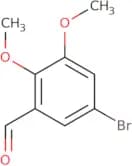
CAS:Versatile small molecule scaffoldFormula:C6H5Cl2NO3SPurity:Min. 95%Molecular weight:242.08 g/mol5-Bromo-2,3-dimethoxybenzaldehyde
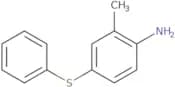
CAS:Versatile small molecule scaffoldFormula:C9H9BrO3Purity:Min. 95%Molecular weight:245.07 g/mol2-Methyl-4-(phenylsulfanyl)aniline
CAS:Versatile small molecule scaffoldFormula:C13H13NSPurity:Min. 95%Molecular weight:215.32 g/mol2-{Methyl[2-(piperidin-2-yl)ethyl]amino}ethan-1-ol
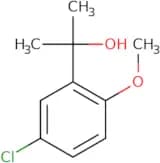
CAS:Versatile small molecule scaffoldFormula:C10H22N2OPurity:Min. 95%Molecular weight:186.29 g/mol2-(5-Chloro-2-methoxyphenyl)propan-2-ol
CAS:Versatile small molecule scaffoldFormula:C10H13ClO2Purity:Min. 95%Molecular weight:200.66 g/mol1-[2-(Trimethylsilyl)ethynyl]cyclopentan-1-ol
CAS:Versatile small molecule scaffoldFormula:C10H18OSiPurity:Min. 95%Molecular weight:182.33 g/mol5-Methylquinoline-8-sulfonyl chloride
CAS:Versatile small molecule scaffoldFormula:C10H8ClNO2SPurity:Min. 95%Molecular weight:241.69 g/mol2-(N-Methylprop-2-enamido)acetic acid
CAS:Versatile small molecule scaffold
Formula:C6H9NO3Purity:Min. 95%Molecular weight:143.14 g/mol{3-[Bis(3-aminopropyl)amino]propyl}dimethylamine
CAS:Versatile small molecule scaffold
Formula:C11H28N4Purity:Min. 95%Molecular weight:216.37 g/mol1-[2-(4-Bromophenyl)-4-methyl-1,3-thiazol-5-yl]ethan-1-one
CAS:Versatile small molecule scaffoldFormula:C12H10BrNOSPurity:Min. 95%Molecular weight:296.18 g/mol(E)-Benzyl but-2-enoate
CAS:(E)-Benzyl but-2-enoate is an organic compound that belongs to the group of growth factors. It is a precursor for the synthesis of other biologically active molecules and also has anti-inflammatory properties. The hydroxy group on this molecule allows it to act as a good solvent for organic solvents, as well as being used in asymmetric syntheses. This compound can be synthesized from benzaldehyde by radiation. (E)-Benzyl but-2-enoate is found in mouse tumor cells and has been shown to have an inhibitory effect on their growth. This fatty acid can also be converted into a hydroxyl group or carboxylic acid through oxidation by fluorine, which results in its anti-inflammatory properties. (E)-Benzyl but-2-enoate binds to c1-4 alkyl groups and fatty acids in the cell membrane, inhibiting their synthesis and leading to cell death. The hydroxy group also gives this compoundFormula:C11H12O2Purity:Min. 95%Molecular weight:176.21 g/molO-(3-Buten-2-yl)hydroxylamine hydrochloride
CAS:Versatile small molecule scaffoldFormula:C4H10ClNOPurity:Min. 95%Molecular weight:123.58 g/mol7-Methyl-5,6,7,8-tetrahydroquinoline
CAS:Versatile small molecule scaffold
Formula:C10H13NPurity:Min. 95%Molecular weight:147.22 g/mol2-Amino-1-(4-phenylphenyl)ethan-1-one hydrochloride
CAS:Versatile small molecule scaffoldFormula:C14H14ClNOPurity:Min. 95%Molecular weight:247.72 g/mol

![1-[(Oxolan-2-yl)methyl]piperidin-4-one](/_next/image/?url=https%3A%2Fstatic.cymitquimica.com%2Fproducts%2F3D%2Fthumb-webp%2FWCA10610.webp&w=3840&q=75)
![3-Methyl-[1,2]thiazolo[5,4-b]pyridine](/_next/image/?url=https%3A%2Fstatic.cymitquimica.com%2Fproducts%2F3D%2Fthumb-webp%2FWCA10934.webp&w=3840&q=75)
![2-(Chloromethyl)-[1,2,4]triazolo[1,5-a]pyridine](/_next/image/?url=https%3A%2Fstatic.cymitquimica.com%2Fproducts%2F3D%2Fthumb-webp%2FWCA13994.webp&w=3840&q=75)
![1-Bromospiro[2.3]hexane](/_next/image/?url=https%3A%2Fstatic.cymitquimica.com%2Fproducts%2F3D%2Fthumb-webp%2FWCA15328.webp&w=3840&q=75)




![1-Methyl-1H,4H,5H,6H,7H-pyrazolo[3,4-c]pyridin-3-ol](/_next/image/?url=https%3A%2Fstatic.cymitquimica.com%2Fproducts%2F3D%2Fthumb-webp%2FWCA23324.webp&w=3840&q=75)


![3-[(Benzylcarbamoyl)amino]propanoic acid](/_next/image/?url=https%3A%2Fstatic.cymitquimica.com%2Fproducts%2F3D%2Fthumb-webp%2FWCA27438.webp&w=3840&q=75)


![1,4,6-Trimethyl-1H,2H,3H-pyrazolo[3,4-b]pyridin-3-one](/_next/image/?url=https%3A%2Fstatic.cymitquimica.com%2Fproducts%2F3D%2Fthumb-webp%2FWCA29070.webp&w=3840&q=75)
![1,6-Dimethyl-4-(trifluoromethyl)-1H,2H,3H-pyrazolo[3,4-b]pyridin-3-one](/_next/image/?url=https%3A%2Fstatic.cymitquimica.com%2Fproducts%2F3D%2Fthumb-webp%2FWCA29073.webp&w=3840&q=75)


![2-{Methyl[2-(piperidin-2-yl)ethyl]amino}ethan-1-ol](/_next/image/?url=https%3A%2Fstatic.cymitquimica.com%2Fproducts%2F3D%2Fthumb-webp%2FWCA30990.webp&w=3840&q=75)
![1-[2-(Trimethylsilyl)ethynyl]cyclopentan-1-ol](/_next/image/?url=https%3A%2Fstatic.cymitquimica.com%2Fproducts%2F3D%2Fthumb-webp%2FWCA32124.webp&w=3840&q=75)


![{3-[Bis(3-aminopropyl)amino]propyl}dimethylamine](/_next/image/?url=https%3A%2Fstatic.cymitquimica.com%2Fproducts%2F3D%2Fthumb-webp%2FWCA32630.webp&w=3840&q=75)
![1-[2-(4-Bromophenyl)-4-methyl-1,3-thiazol-5-yl]ethan-1-one](/_next/image/?url=https%3A%2Fstatic.cymitquimica.com%2Fproducts%2F3D%2Fthumb-webp%2FWCA33862.webp&w=3840&q=75)


